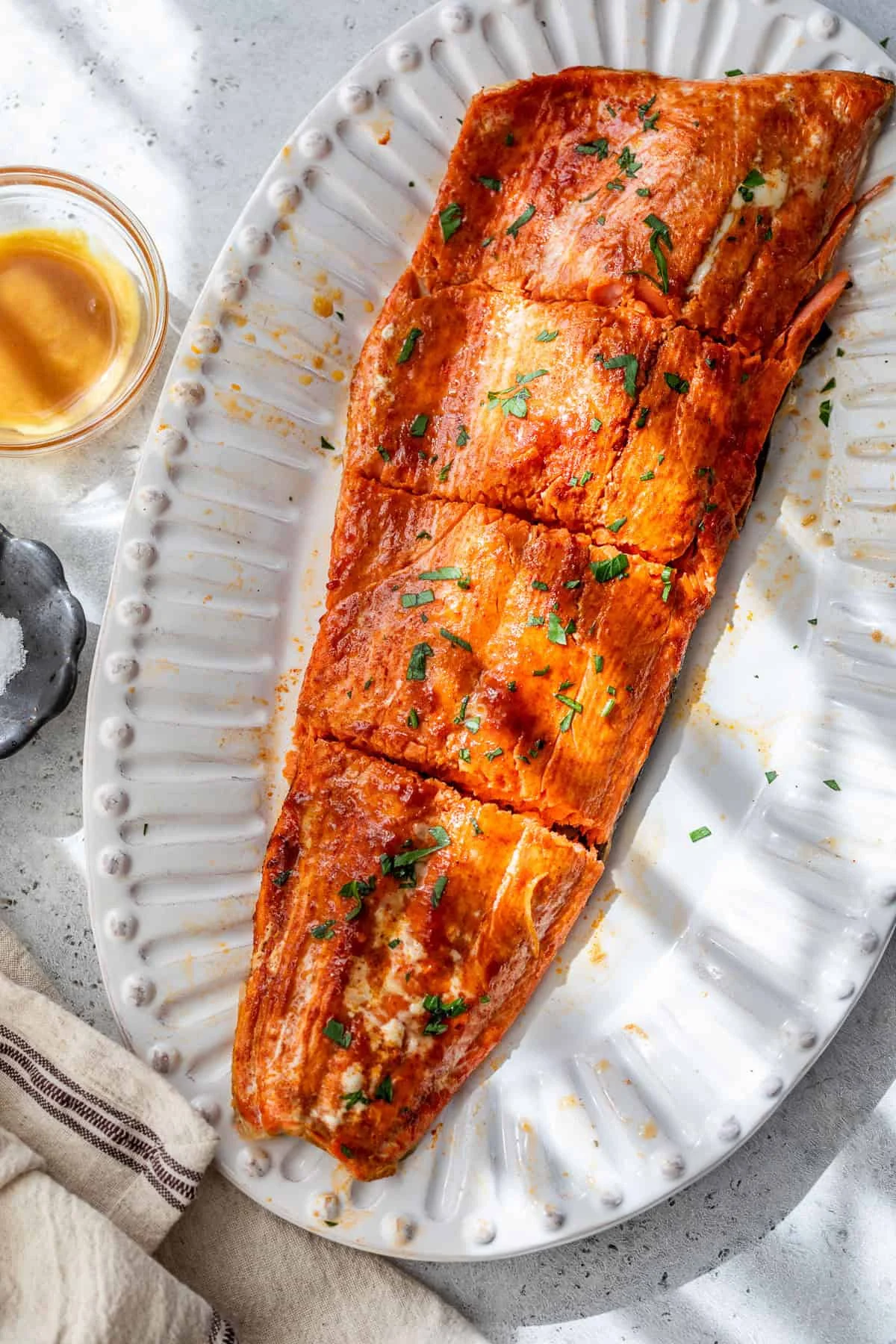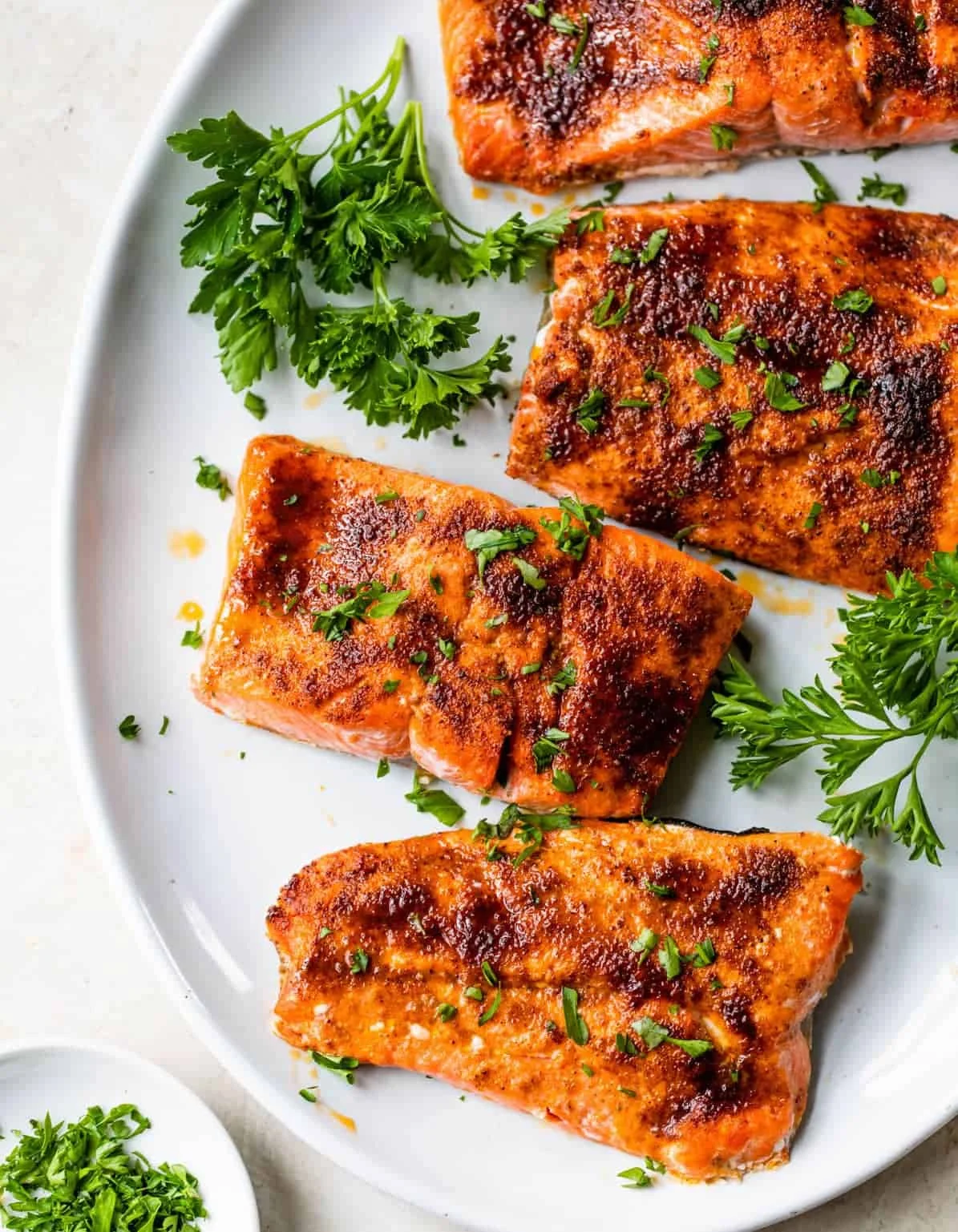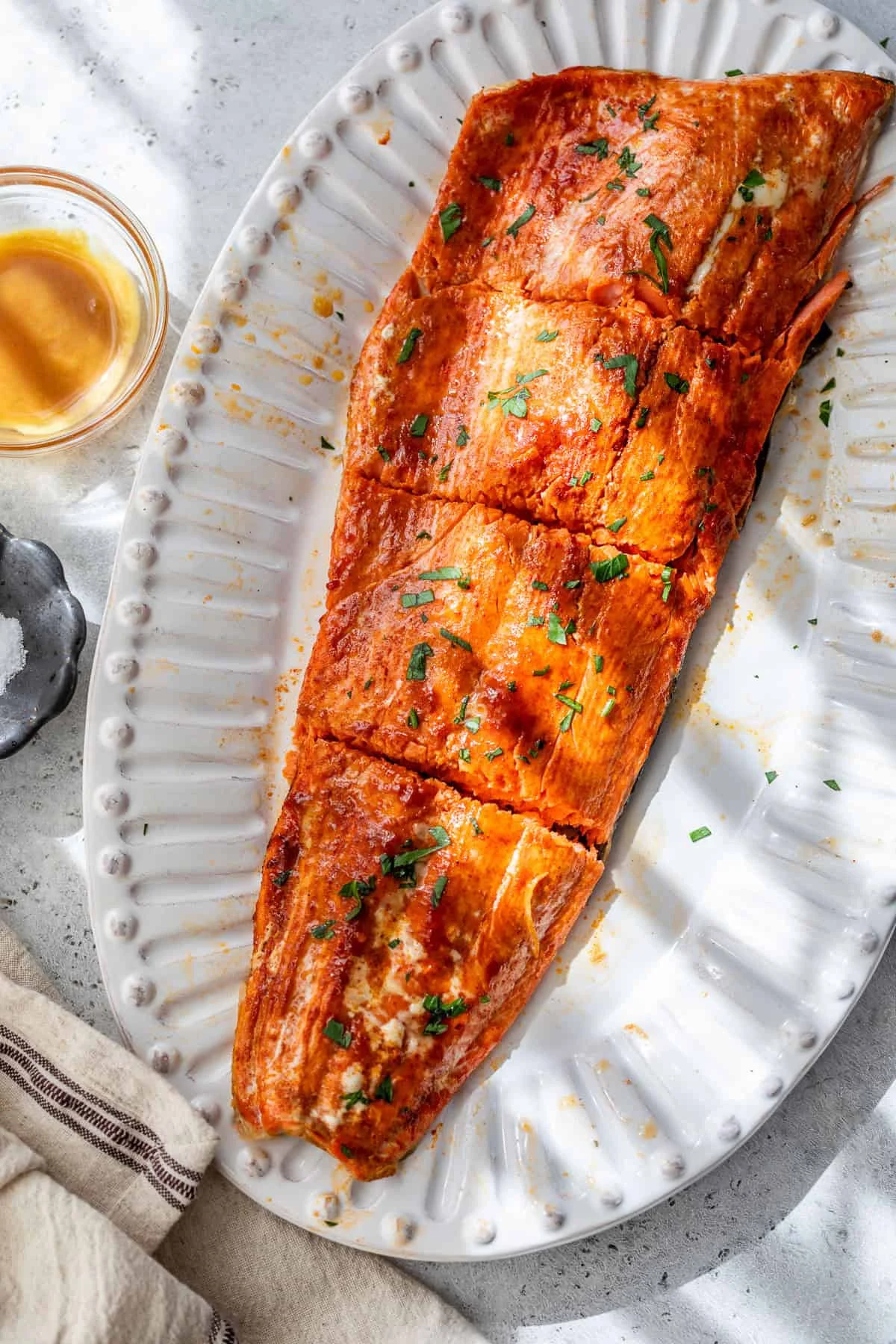
In the culinary world, few ingredients carry as much reputation for being "difficult" as fresh salmon. For many home cooks, the fear of overcooking a pricey fillet or ending up with a dry, lackluster piece of fish is enough to steer them away from the seafood counter entirely. However, a culinary movement focused on efficiency, health, and foolproof results has coalesced around one specific technique: Baked Salmon in Foil.

Boasting millions of views and glowing testimonials, this method has transitioned from a simple weeknight hack to a staple of the modern home cook’s repertoire. By utilizing a "foil-packet" approach, cooks are discovering that they can achieve restaurant-quality texture and flavor without the need for advanced culinary training.

Main Facts: The Science of the Foil Packet
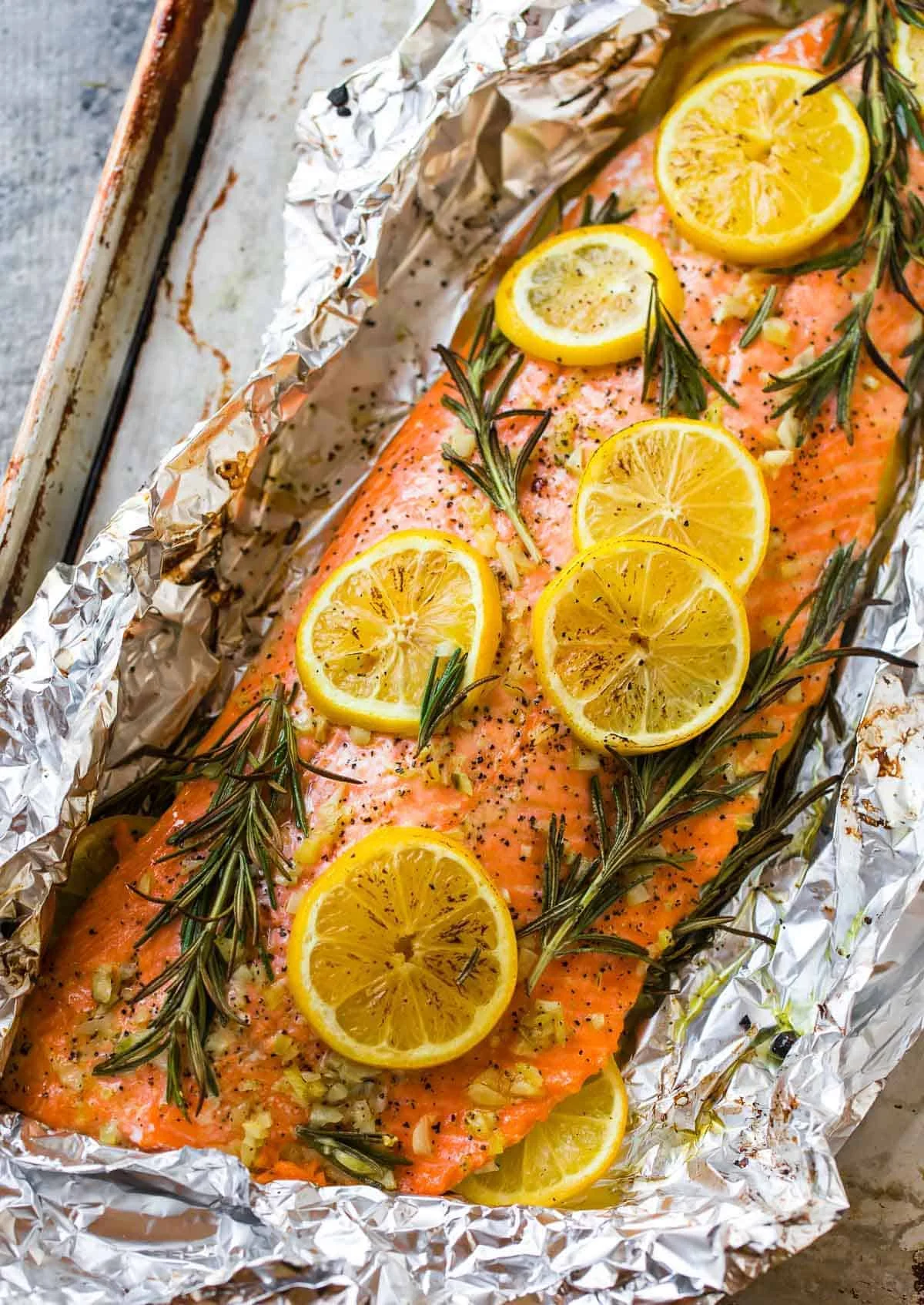
At its core, the appeal of baked salmon in foil lies in the environment it creates for the fish. When a salmon fillet is enclosed in aluminum foil or parchment paper, it effectively braises in its own juices. This creates a humid environment that prevents the exterior from drying out while ensuring the interior remains moist and succulent.

Key Nutritional Benefits
Salmon is globally recognized as a powerhouse of nutrition. According to data supported by organizations like Healthline, salmon is rich in:

- Omega-3 Fatty Acids: Essential for heart health and reducing inflammation.
- High-Quality Protein: Crucial for muscle repair and metabolic function.
- Essential Minerals and Vitamins: Notably B vitamins, potassium, and selenium.
By baking the fish with minimal added fats—relying instead on aromatics like fresh lemon, garlic, and herbs—the calorie count remains impressively low (approximately 180 calories per 5.3-ounce serving) while maximizing the natural richness of the fish.

Chronology: From Intimidation to Mastery
The journey to mastering salmon often follows a predictable arc for the home cook. The timeline of this transformation typically unfolds as follows:

- The Avoidance Phase: Many cooks report avoiding salmon for years, citing fears of "ruining" the fish or an inability to gauge doneness.
- The Discovery: The transition begins with the adoption of the foil-packet method. This removes the variable of pan-searing, which requires constant vigilance and specific heat control.
- The Experimentation: Once confidence is built, cooks begin to branch out. They move from simple lemon-and-herb profiles to more complex seasonings, such as honey-soy glazes, cajun rubs, or Mediterranean-style olive and caper tapenades.
- The Routine: Finally, the recipe becomes a "base" for weeknight dining. Whether cooking for a solo meal, a partner, or a large crowd, the method remains consistent and reliable.
Supporting Data: Why 375°F is the "Goldilocks" Zone
One of the most debated aspects of cooking fish is the temperature. Extensive testing across culinary blogs and professional kitchens has identified 375°F (190°C) as the ideal temperature for baking salmon.

- Why not 400°F+? Higher temperatures can cause the salmon to release albumin (the white protein substance) too quickly, resulting in an unappealing aesthetic and potentially overcooking the exterior before the center is tender.
- Why not 350°F? Lower temperatures may result in a "steamed" texture that lacks the desirable firm-yet-flaky mouthfeel that diners expect.
At 375°F, the salmon typically requires 15 to 20 minutes to cook through. The final "broil" step—an additional 3 minutes under direct heat—is the secret to creating a golden, slightly caramelized top that adds textural contrast.

Official Guidelines: How to Determine Doneness
The most common question regarding salmon is, "How do I know when it’s done?" The professional standard for judging salmon doneness relies on three primary indicators:

- The Fork Test: The most reliable method is to gently insert a fork into the thickest part of the fillet. If the fish flakes easily along its natural lines, it has reached the perfect state of doneness.
- Visual Change: The color of the salmon should shift from a translucent, raw pink to a uniform, opaque pink. If the flesh appears "weeping" with white albumin, it may be a sign that it is being pushed past its peak.
- Internal Temperature: For those who prefer precision, a digital meat thermometer is the gold standard. Aim for an internal temperature of 145°F (63°C), though many chefs prefer pulling it from the oven at 135°F and letting it rest, as the carry-over heat will finish the cooking process.
Implications: The Future of Weeknight Dining
The popularity of this recipe has significant implications for how we view "healthy" cooking. For years, the barrier to entry for healthy eating was perceived as time and complexity. However, the rise of the "easy baked salmon" paradigm proves that home cooks are actively seeking recipes that align with a fast-paced lifestyle without sacrificing nutritional integrity.

Efficiency and Sustainability
Cooking in bulk is a major trend, and this recipe serves that purpose perfectly. Leftover salmon can be flaked into salads, tossed with pasta, or used as a high-protein topping for grain bowls the following day. By choosing a recipe that is as good on day two as it is on day one, families are reducing food waste and ensuring they have healthy options readily available in the refrigerator.

The "Fancy" Factor
There is a psychological component to the foil-packet method that cannot be overlooked. The act of opening a foil packet at the table provides a "reveal" that elevates a simple Tuesday dinner into something that feels like an occasion. This perceived luxury—despite the minimal actual effort—is likely the primary reason why this specific method has remained a viral favorite for years.

Professional Tips for the Home Chef
To achieve the best possible result, consider these expert-level adjustments:

- Room Temperature Resting: Always let your salmon sit at room temperature for 10 minutes before cooking. This prevents the "thermal shock" that occurs when cold fish hits a hot oven, ensuring a more even cook.
- Don’t Overstuff: While it is tempting to load the packet with vegetables, be aware that overcrowding can increase the total cooking time. If you are roasting vegetables, consider putting them in the oven five minutes before the salmon, or use a separate tray.
- Seasoning Versatility: While garlic and lemon are classic, do not be afraid to experiment. Fresh dill, thin slices of shallot, or a dusting of smoked paprika can completely change the profile of the dish without adding extra effort.
- Skin On or Off? If you prefer to eat the skin, keep it on; it acts as a barrier between the fish and the hot foil. If you prefer to discard the skin, cooking it skin-on during the bake makes it much easier to peel away once the fish is cooked, as the fats will have rendered, separating the skin from the meat.
In conclusion, the best baked salmon is not the one that requires the most technique, but the one that is the most reliable. By embracing the simplicity of the foil-packet method, home cooks are not only demystifying a complex ingredient but are also proving that healthy, delicious, and "fancy-feeling" meals are well within the reach of any kitchen. Whether you are a novice or a seasoned cook, this method remains a masterclass in how to treat a beautiful piece of fish with the respect it deserves.