In the competitive world of competitive barbecue and backyard smoking, few proteins are as unforgiving as poultry. While pork shoulders and beef briskets thrive on long, slow transformations, chicken can easily veer into the territory of dry, chalky disappointment. However, a new technique utilizing professional-grade brining and high-end wood pellet integration is changing the narrative. By combining the Meat Church Bird Baptism Brine with a specific "butter-bath" smoking method, enthusiasts are now achieving levels of moisture and flavor previously reserved for the most seasoned pitmasters.
Main Facts: The Science of Succulence
The secret to this culinary breakthrough lies in a multi-stage process that prioritizes hydration before the heat even touches the meat. The process begins with the Meat Church Bird Baptism Brine, a specialized blend designed to denature proteins and allow for maximum moisture retention.
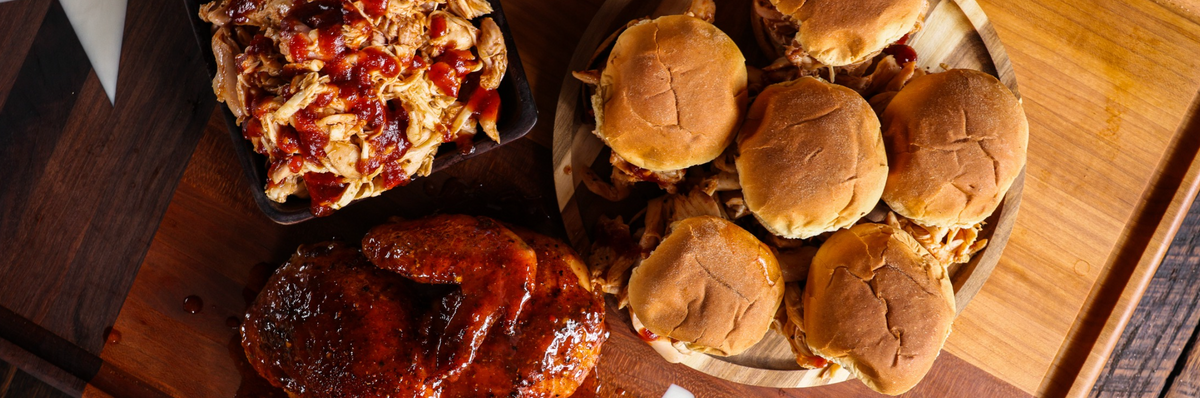
Key elements of the methodology include:
- The Brine Foundation: Utilizing a 4:1 water-to-brine ratio to ensure the chicken is thoroughly saturated.
- The Smoke Profile: A custom blend of Pecan and Cherry wood pellets, which provides a sweet, aromatic smoke that complements the delicate nature of poultry.
- The Butter Bath Technique: Smoking the chicken in a foil pan with a full stick of butter, allowing the chicken to braise in its own rendered juices and fats.
- The Finishing Touch: The application of the new Sizzlin’ Salvation BBQ sauce, which adds a distinct "sweet-heat" profile that elevates the final product.
This approach addresses the most common pitfall of smoked chicken: the rapid dehydration that occurs during the rendering of fat. By creating a flavor-rich environment in a foil pan, the chicken effectively confits as it smokes, resulting in a texture that pulls apart with the ease of a traditional pulled pork shoulder.

Chronology: A Step-by-Step Guide to Perfection
Achieving this level of quality requires precision and patience. The following chronology outlines the process for the modern pitmaster.
Phase 1: The Brine (The Overnight Foundation)
The process must begin at least 12 to 24 hours prior to cooking. Begin by dissolving one cup of the Bird Baptism Brine into four cups of near-boiling water. Once the salt and sugar have fully dissolved, shock the liquid with six to eight cups of ice. This serves a dual purpose: it cools the brine to a safe temperature and dilutes it to the optimal salinity. The chicken should be submerged entirely, covered, and refrigerated overnight. This stage is non-negotiable for those seeking the "juiciest chicken ever."

Phase 2: Prep and Spatchcocking
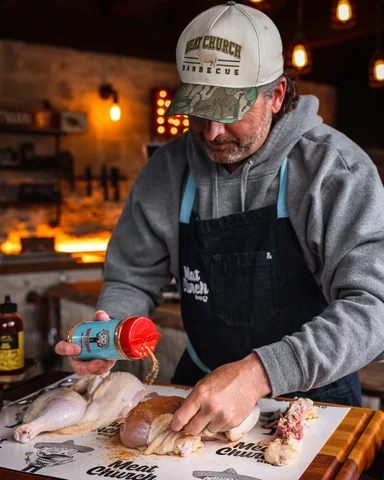
Once the chicken has finished its brine, it must be rinsed and thoroughly patted dry. The removal of moisture from the skin is critical for later texture. The bird is then spatchcocked—a method involving the removal of the backbone—which flattens the bird for even heat distribution. A pro-tip from the experts is to carefully separate the skin from the breast meat and apply the Texas Sugar rub directly to the muscle beneath the skin, pinning the skin back down with toothpicks to ensure the seasoning penetrates deep into the meat.
Phase 3: The Smoke Session
With the smoker set to 275°F, the choice of wood is paramount. Pecan and Cherry provide a mild, fruity smoke that doesn’t overpower the poultry. The chicken is placed into a half-foil pan, accompanied by pats of butter distributed across the bird. This setup ensures that as the bird cooks, the butter melts and mingles with the rendered juices, creating an "outrageous flavor bath."

Phase 4: The Finish
The chicken should remain in the smoker until the breast reaches an internal temperature of 155°F. Once pulled from the heat, the shredding process begins. Using insulated gloves, the meat is pulled from the bone. At this final stage, additional Texas Sugar rub and the Sizzlin’ Salvation sauce are folded into the meat. The goal is to coat the shreds without drowning them, maintaining the integrity of the smoke flavor while adding a sticky, sweet-heat glaze.
Supporting Data: The Impact of Pellets and Rubs
The resurgence of high-quality wood pellets, specifically those focusing on fruitwoods like Cherry and nutwoods like Pecan, has fundamentally changed home cooking. Data from recent testing suggests that fruitwood smoke contains higher levels of aldehydes and ketones, which provide the sweet aromatic compounds that pair perfectly with the natural sugars in the Texas Sugar rub.

Furthermore, the "Butter Bath" method is supported by the principles of thermodynamics in cooking. Chicken breast has very little fat content; by introducing external fat via butter, the pitmaster effectively increases the "smoke-window"—the amount of time the meat can remain in the smoker before reaching the point of dehydration.
Official Responses and Culinary Expert Insight
Industry experts have noted that the shift toward "pulled" chicken rather than "quartered" chicken is a response to the growing popularity of slider-style service. "When you pull the chicken, you’re maximizing surface area," says one industry consultant. "Every single strand of meat gets coated in that sauce and that rendered butter. It turns a simple piece of poultry into a complex, bite-sized explosion of flavor."

The introduction of the Sizzlin’ Salvation sauce is also being viewed as a strategic move by the industry to bridge the gap between traditional sweet BBQ and the modern demand for a "spicy-sweet" finish. The sauce has been formulated to be viscous enough to cling to shredded meat without making the bun soggy, which is the hallmark of a high-quality slider.
Implications for the Home Pitmaster
The implications for the home cook are significant. This method democratizes professional barbecue techniques, allowing anyone with a standard pellet grill to achieve competition-level results. It shifts the focus from "just cooking a bird" to "managing a flavor profile."

Key Takeaways for Success:
- Don’t Rush the Brine: The brine is the most critical step for moisture. If you skip it, you are starting from a deficit.
- Temperature Management: Using an instant-read thermometer is mandatory. Pulling the bird at 155°F ensures the carry-over cooking brings it to a safe 165°F without turning the breast into leather.
- The Pan is Your Friend: Many traditionalists argue that chicken should be cooked directly on the grates. While that produces better skin, it sacrifices the "flavor bath" that is essential for the pulled chicken texture. If you want the juiciest result, embrace the pan.
- Balance the Sauce: Use the sauce as a final seasoning, not a marinade. The goal is to highlight the smoke, not hide it.
As we move toward a new era of backyard grilling, the focus remains clear: the marriage of science and tradition. By utilizing specialized brines, controlled wood-smoke profiles, and the strategic use of fats, the humble pulled chicken slider has been elevated from a simple snack to the centerpiece of any barbecue event. Whether you are serving a crowd or perfecting your craft, this methodology offers a reliable path to consistent, high-quality results that will undoubtedly leave your guests asking for the recipe.