In the competitive world of competitive barbecue and backyard pit-mastering, few techniques have sparked as much conversation as the "party rib." Traditionally, ribs are smoked as a full rack—a labor of love that requires patience, precise temperature management, and the occasional trial-and-error approach to ensure the perfect bite. However, a new method pioneered by Meat Church is upending this convention, trading the full rack for individual bones and a heavy dose of Southern-inspired heat.
"Cajun Style Party Ribs" are not merely a recipe; they are a shift in culinary philosophy. By slicing the pork ribs into individual bones before they even reach the heat, pit-masters are discovering a way to maximize bark, enhance smoke penetration, and deliver a flavor-forward experience that is as easy to serve as it is to eat.
Main Facts: The Anatomy of a Cajun Party Rib
The core concept behind this method is the total surface-area maximization. When a rack of ribs is cooked whole, the seasoning and smoke can only reach the exterior. By cutting the ribs individually, the "Holy Voodoo" seasoning—a signature Meat Church blend known for its Cajun-inspired, savory, and slightly spicy profile—is able to coat every side of the meat.
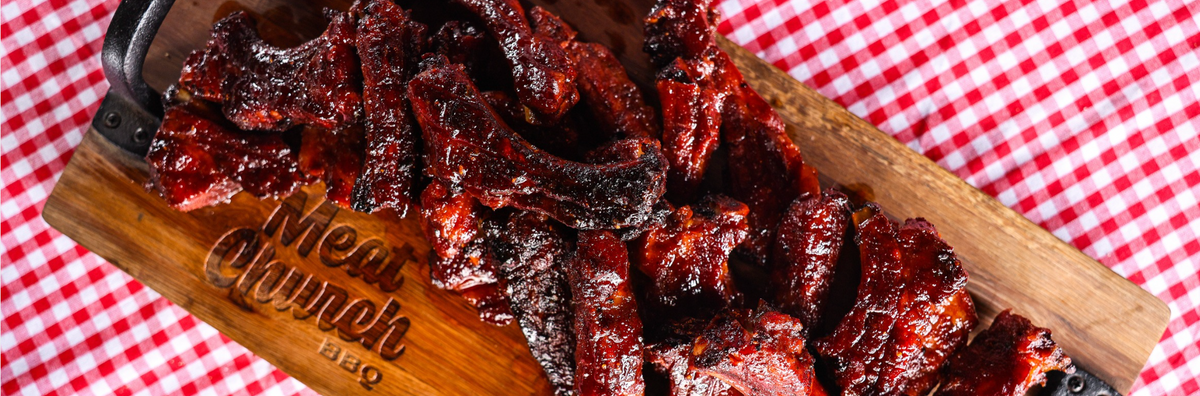
The process is deceptively simple but highly effective:
- The Prep: Ribs are sliced into individual bones, sauced with a hot sauce binder, and coated liberally with seasoning.
- The Smoke: Individual ribs are placed on wire racks to allow for maximum airflow, achieving a deep, mahogany-colored bark in roughly 90 minutes.
- The Braise: The magic happens in the pan. By introducing butter and hot honey, the ribs undergo a transformation, braising into a tender, sticky, and sweet masterpiece.
This is a departure from traditional "low and slow" methods that take six to eight hours. Instead, the Cajun Party Rib approach takes roughly two hours of total cook time, making it an ideal choice for social gatherings where speed and quality must coexist.
Chronology: A Step-by-Step Breakdown
To achieve the results seen in the Meat Church kitchen, precision is key. The following timeline outlines the journey from raw pork to a finished, fall-off-the-bone product.

Phase 1: Preparation and Seasoning
The process begins with the smoker—ideally a pellet grill like the Traeger Woodridge—preheated to 275°F. For the best flavor profile, experts recommend using a wood pellet blend, such as Pecan and Cherry, which offers a balance of sweetness and nuttiness that complements the Cajun profile.
Once the smoker is prepped, the ribs are sliced into individual pieces. The application of a hot sauce binder is critical here; it acts as an adhesive for the "Holy Voodoo" seasoning. After the ribs are seasoned on all sides, they should sit for at least 15 minutes. This "sweating" period allows the salt and spices to penetrate the surface of the meat, ensuring that the bark forms correctly once the heat is applied.
Phase 2: The Smoke
The ribs are placed onto wire racks and introduced to the smoker. The goal here is not to reach full tenderness yet, but to achieve a beautiful color and a firm, flavorful bark. In testing, this phase reached a critical internal temperature of 185°F in approximately 90 minutes. At this stage, the ribs should have that distinct "mahogany" look that defines a successful smoke.

Phase 3: The Braise
This is where the "party" happens. The individual ribs are moved to a pan, where they are joined by a stick of butter and a generous drizzle of hot honey. Once covered tightly with aluminum foil, the steam and the melting fats create a braising environment. This process tenderizes the meat, taking it from firm to "probe tender" in another 30 minutes.
Phase 4: The Finish
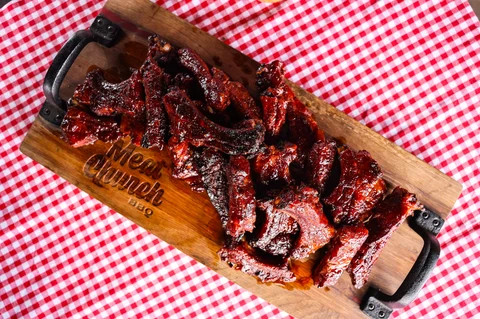
After the 30-minute braise, the ribs are removed, tossed once more in the residual honey-butter sauce, and allowed to cool slightly. This final toss ensures that every single bite is coated in the sticky, spicy, and buttery glaze that makes this dish so addictive.
Supporting Data: Why This Method Works
From a food science perspective, the "Party Rib" method addresses several limitations of traditional BBQ.

- Surface-to-Volume Ratio: By cutting the ribs, you increase the surface area exposed to smoke and heat. This leads to a higher percentage of "bark" (the dark, flavorful crust) compared to the softer, steamed interior of a whole rack.
- Heat Distribution: Because individual ribs are smaller, they reach the target temperature faster. This minimizes the risk of overcooking the center while waiting for the edges to finish, a common problem with large slabs of meat.
- Braising Efficiency: When ribs are placed in a pan with butter and honey, they are essentially being "confited" in their own juices and the added fats. This produces a texture that is exceptionally succulent, often described as "buttery."
While some purists argue that ribs should always be cooked as a rack, the data suggests that in a party setting, the convenience of pre-sliced, bite-sized ribs results in higher guest satisfaction and less waste.
Official Perspectives and Philosophy
Matt, the mastermind behind this Meat Church technique, was initially skeptical. "Matt wasn’t sure this method could top traditional party ribs," a spokesperson noted, "but after one taste, he became a huge believer."
The philosophy behind this dish is rooted in accessibility. In modern backyard entertaining, the ability to serve food that doesn’t require a knife and fork, and that can be prepared in a fraction of the time, is invaluable. Meat Church has positioned these ribs not just as a meal, but as a "party food"—a centerpiece meant to be picked up, passed around, and enjoyed without the formality of a sit-down dinner.

The move toward Cajun seasoning also reflects a broader trend in American barbecue: the fusion of regional styles. By marrying traditional Texas-style smoking techniques (Pecan and Cherry smoke, 275°F temp) with Louisiana-inspired flavor profiles (Holy Voodoo seasoning, hot honey), the recipe creates a unique culinary experience that feels both familiar and refreshingly new.
Implications for the Future of BBQ
The rise of the "Cajun Party Rib" signals a significant evolution in the barbecue landscape. We are seeing a shift away from the rigid, dogmatic "rules" of competition BBQ toward a more flexible, creative, and efficiency-focused approach.
1. The Death of the "Slow" Myth
For decades, the mantra of BBQ has been "low and slow," often implying that the longer the cook, the better the result. Recipes like this challenge that notion, proving that with the right preparation, high-quality results can be achieved in a two-hour window. This opens the door for weekend grillers who may not have the capacity to monitor a smoker for 12 hours.

2. Flavor-First Customization
By focusing on the seasoning and the final glaze, the "Party Rib" method empowers the home cook to experiment. Once a pit-master masters the base technique, they can swap out the "Holy Voodoo" for different dry rubs or change the honey-butter base for a more experimental glaze—perhaps one infused with jalapeño, maple syrup, or even fruit reductions.
3. Community Engagement
The visual appeal of these ribs—shiny, sticky, and perfectly individual—makes them inherently "shareable" in the social media sense. As backyard BBQ culture continues to be documented on platforms like Instagram and TikTok, the aesthetics of a dish are becoming just as important as the taste. The "Party Rib" is a dish designed for the camera as much as the palate.
Conclusion
Matt’s Cajun Style Party Ribs represent a perfect marriage of convenience and craft. By breaking down the barriers of traditional preparation, this method invites more people into the world of smoking while simultaneously pushing the boundaries of what a pork rib can be. Whether you are a seasoned pit-master or a newcomer to the backyard grill, this recipe is a testament to the fact that when it comes to barbecue, the best methods are often the ones that prioritize flavor, speed, and the joy of sharing a great meal with friends.

As you look toward your next gathering, consider ditching the full rack. Embrace the "party" approach, stock up on the butter and honey, and see for yourself why these ribs are guaranteed to disappear before the fire even goes out.