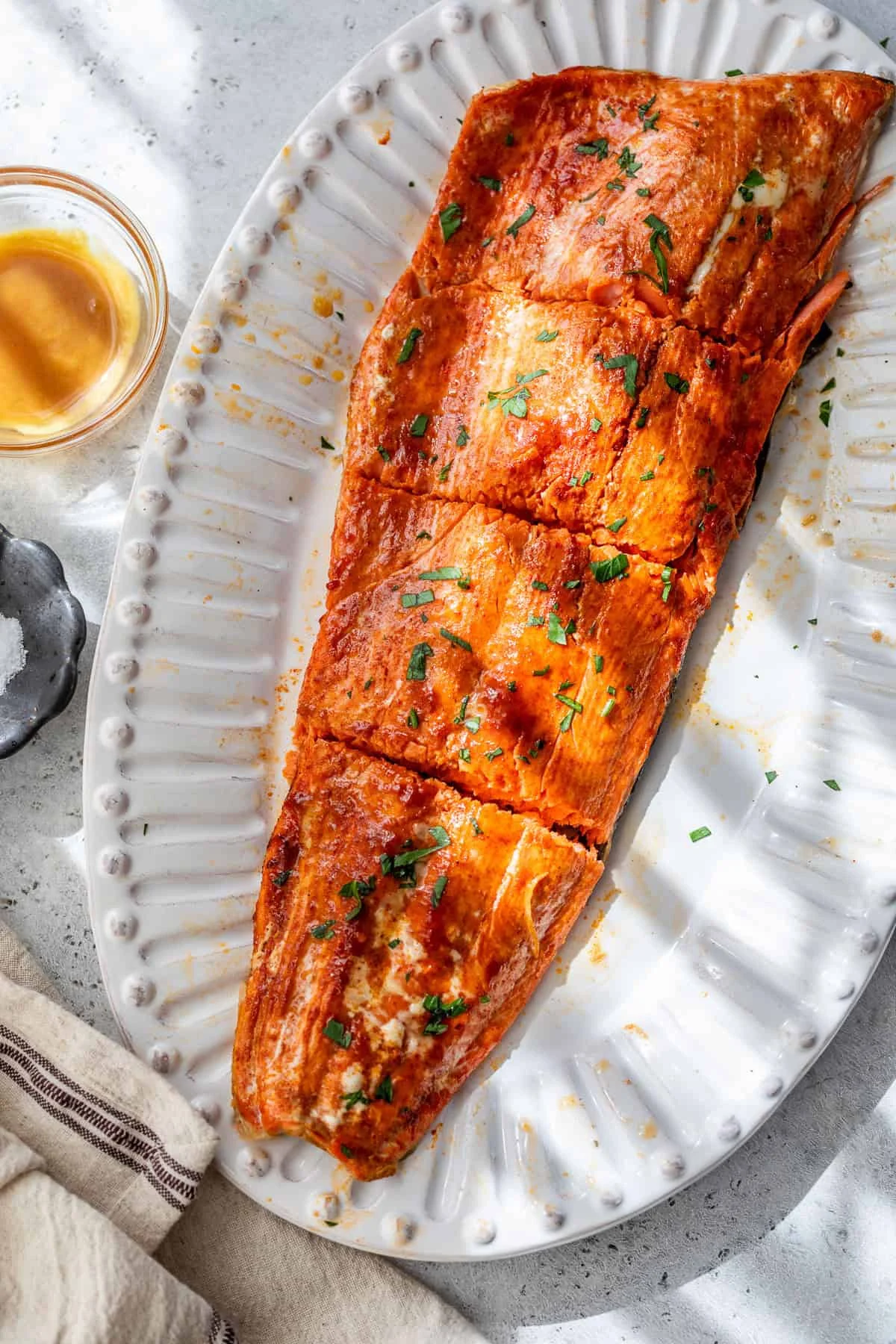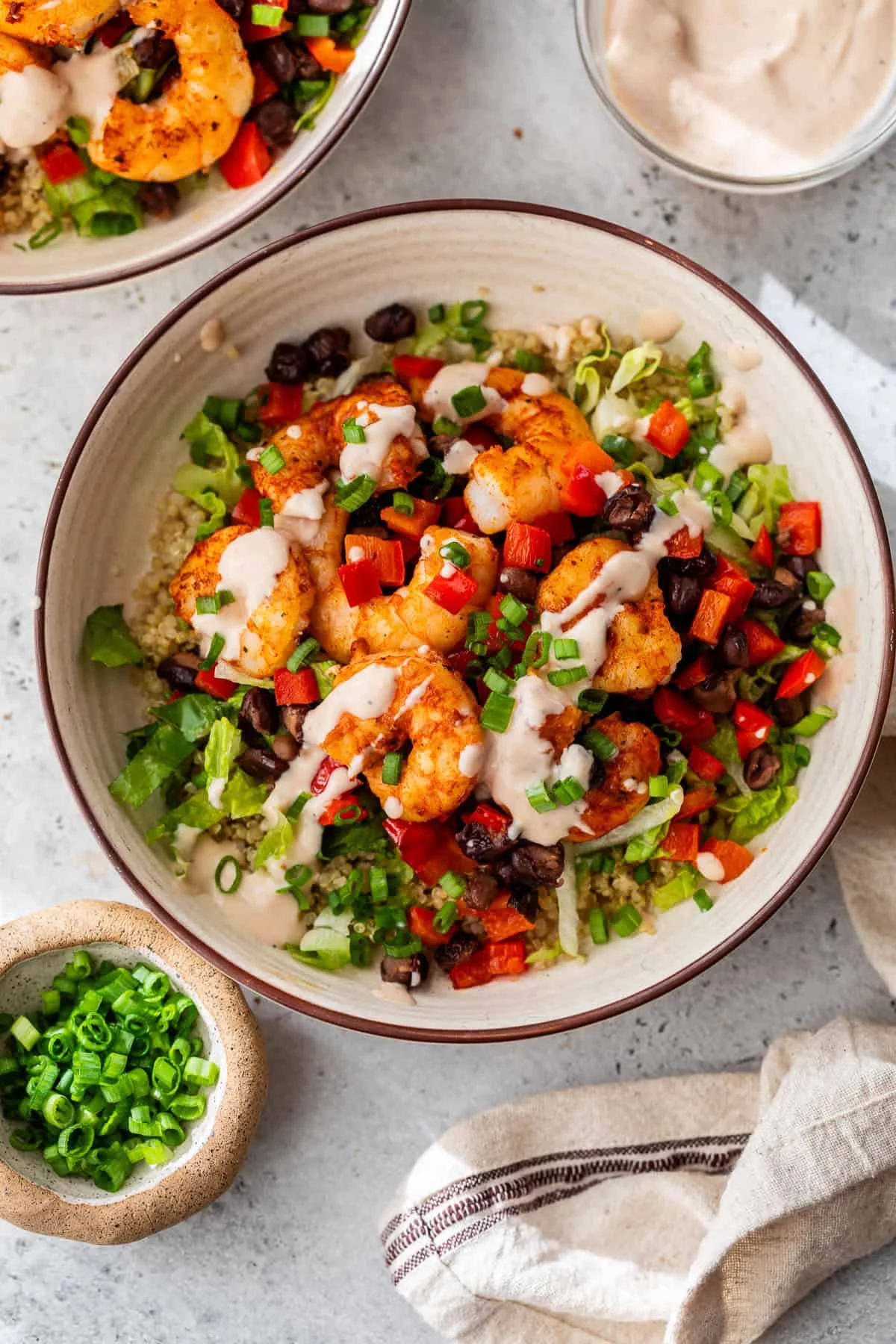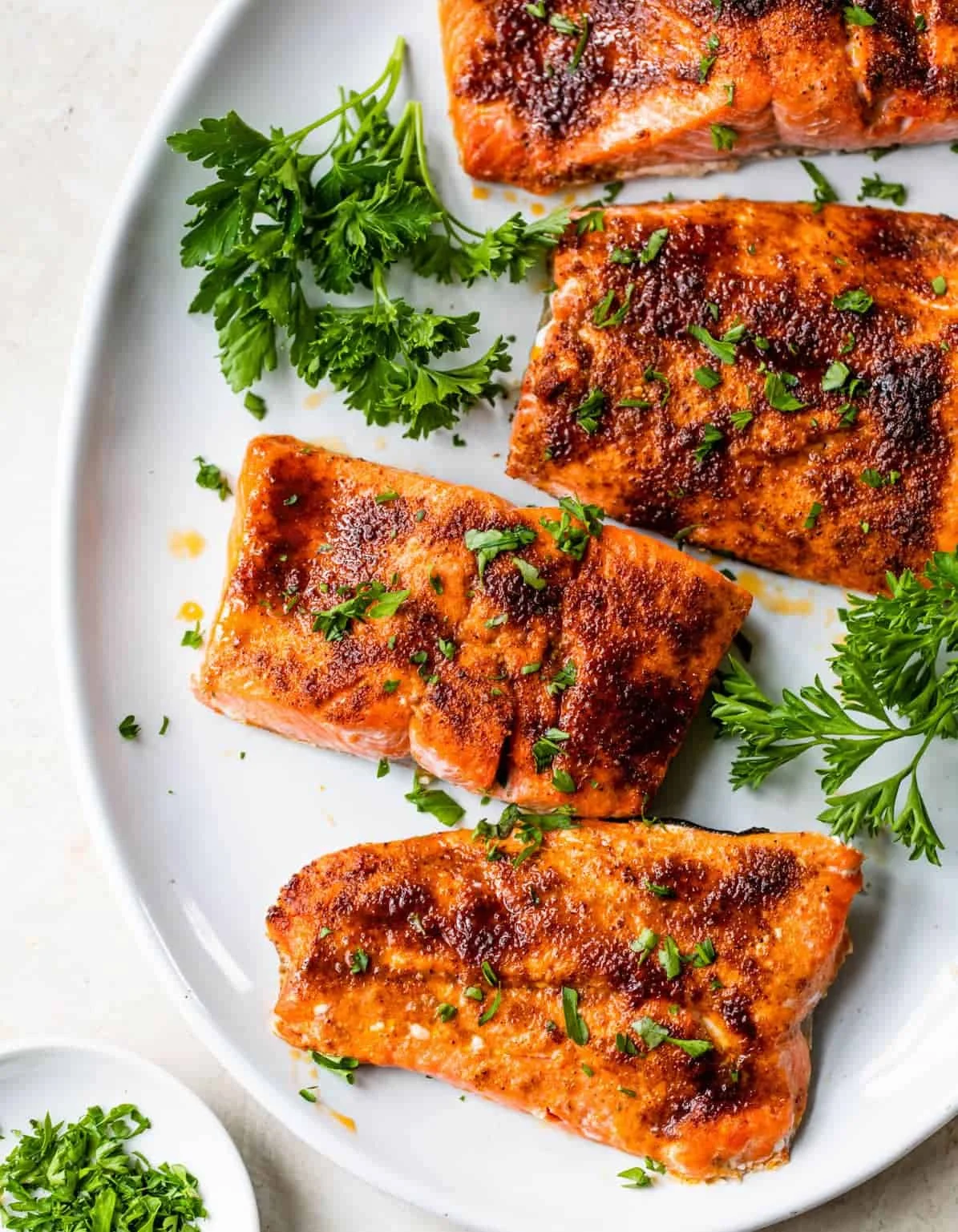
For many home cooks, the kitchen is a place of comfort. We master the sear on a ribeye, perfect our pan-roasted chicken, and can whip up a weeknight pasta without a second thought. Yet, when it comes to the seafood aisle, many of us hit a wall. There is a persistent, often paralyzing, trepidation associated with cooking fish and shellfish. We fear overcooking delicate scallops, ruining expensive salmon fillets, or—perhaps most daunting of all—handling ingredients that seem to demand a professional chef’s intuition.
However, as cookbook author and culinary expert Erin Clarke notes, this fear is largely misplaced. In reality, seafood is not only approachable; it is often significantly faster and more forgiving to prepare than traditional land-based proteins. By understanding a few core principles of sourcing, storage, and thermal management, any home cook can transform their weekly meal rotation from standard to spectacular.

The Reality of Seafood Preparation: Why Speed is Your Ally
The most common misconception regarding seafood is that it requires a high degree of technical mastery. The reality is quite the opposite. Most fish varieties cook in under 15 minutes, while shrimp can be transformed into a succulent dinner in as little as five. Even scallops, which often carry a reputation for being the "diva" of the seafood world, require only a quick, high-heat sear to achieve restaurant-quality results.
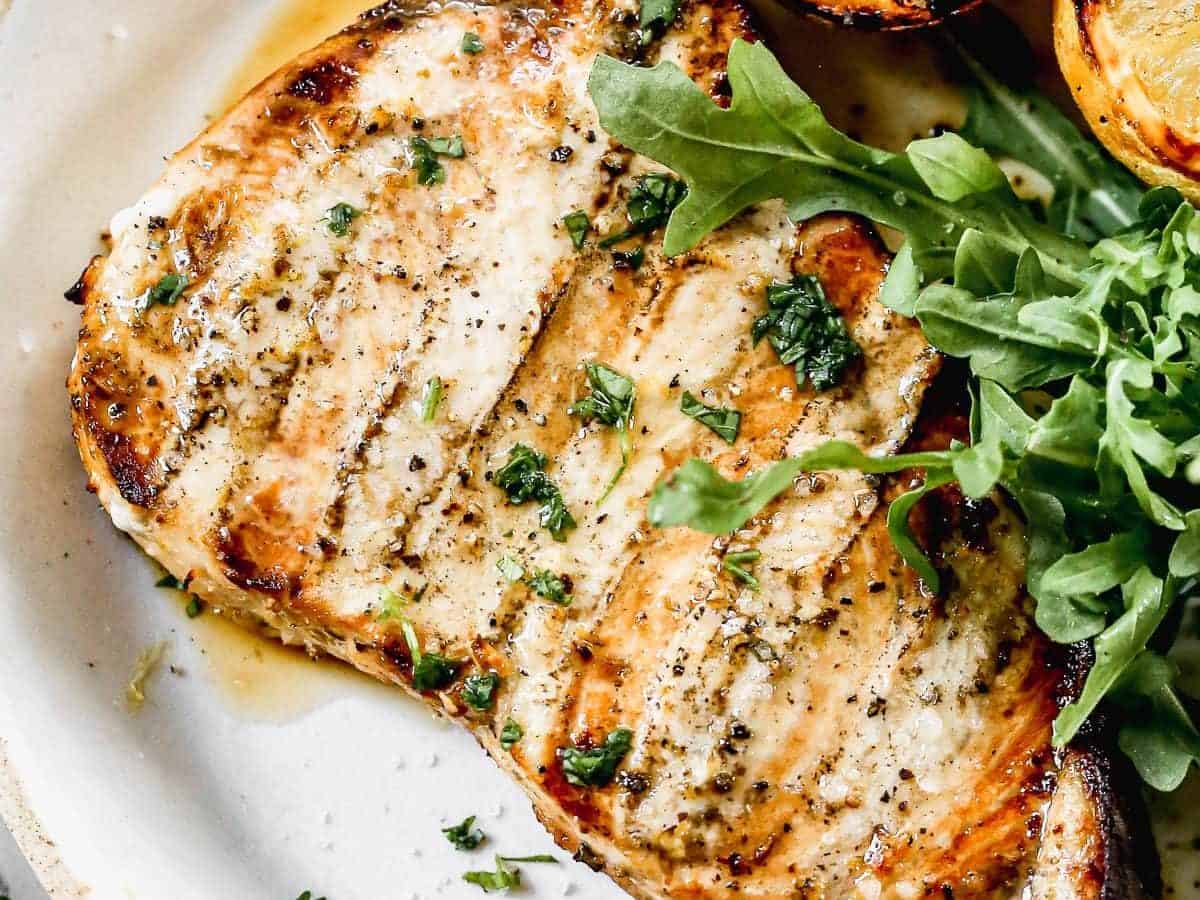
For the budget-conscious, seafood may not be an everyday occurrence, but integrating it into your weekly menu at least once provides a twofold benefit: it adds nutritional variety and imparts an immediate sense of elegance to a home-cooked meal. Whether it is a quick weeknight cod or a weekend grilled swordfish, the barrier to entry is far lower than the culinary community often suggests.

Chronology of Quality: How to Buy Seafood Like a Pro
The procurement process is where many home cooks stumble. A lingering myth in the culinary world suggests that "fresh is always better." For those living in coastal communities with daily access to a harbor, this may hold true. However, for the vast majority of the population—particularly those in the Midwest or inland regions—the "fresh" display case can be misleading.
The Frozen Advantage
In many grocery stores, the fish displayed on ice was previously frozen and subsequently thawed. By the time it reaches the consumer, it may have been sitting in a display case for several days. Conversely, high-quality flash-frozen seafood is often preserved at the peak of freshness, sometimes mere hours after being caught.
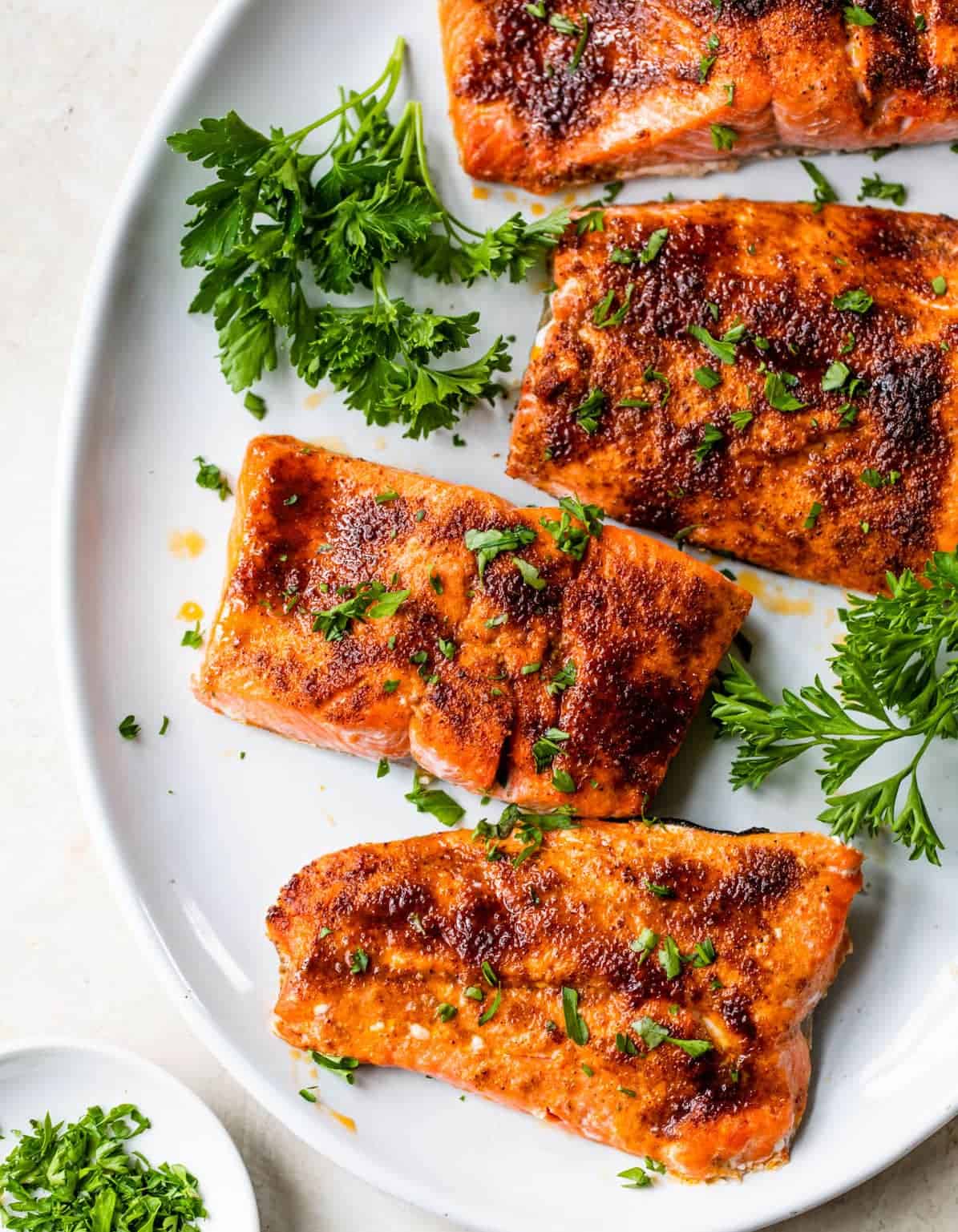
When shopping, look for these indicators of quality:
- The Scent Test: High-quality seafood should have a clean, neutral, or slightly oceanic scent. It should never smell "fishy," sour, or like ammonia.
- Visual Integrity: If purchasing whole fish, look for clear, bright eyes and firm, resilient flesh that bounces back when pressed. For fillets, look for a vibrant color appropriate to the species and avoid any sign of graying or discoloration.
- The Packaging Check: If buying frozen, ensure there is no significant ice crystal buildup inside the package, which suggests the product has been thawed and refrozen—a major red flag for texture and safety.
Supporting Data: Storage and Preservation
Seafood is highly perishable, necessitating a proactive approach to storage. If you are not planning to cook your catch the day it is purchased, follow these professional guidelines:
- Cold Chain Management: Seafood should be the last item you pick up at the grocery store. Use an insulated bag to keep the temperature stable on the ride home.
- The Refrigerator Sweet Spot: Store seafood in the coldest part of your refrigerator—usually the bottom drawer near the back.
- Moisture Control: For fresh fillets, remove them from the store packaging, rinse briefly under cold water, and pat them completely dry with paper towels. Wrap them tightly in plastic wrap or store them in an airtight container.
- The Ice Hack: If you must keep a fresh fillet for 24 hours, place it on a bed of ice in a colander, set the colander over a bowl, and cover the fish with another layer of plastic. This prevents the fish from sitting in its own juices, which can degrade the quality.
General Principles for Culinary Success
If there is a secret to seafood, it is the importance of "less is more." Unlike beef or pork, which often require long braises or complex marinades, seafood shines when the cooking process is simple and precise.
Thermal Control
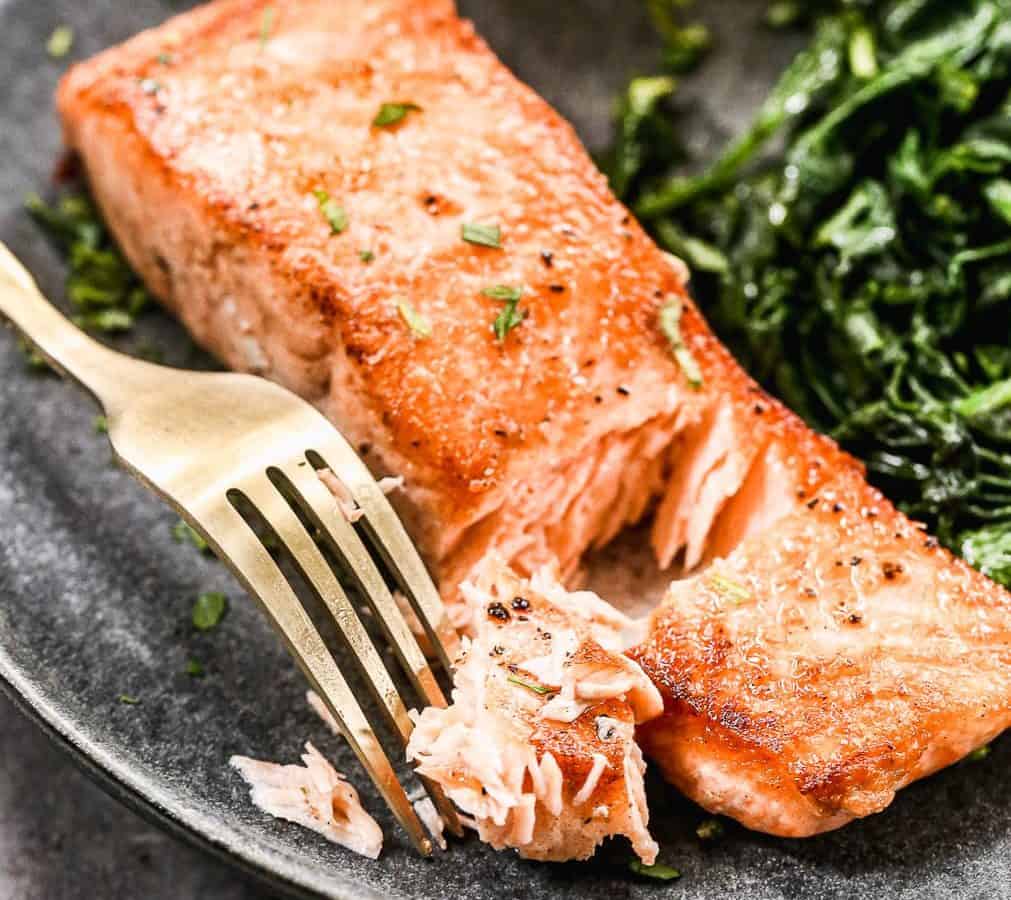
The most frequent mistake in cooking fish is over-exposure to heat. Because fish lacks the dense connective tissue found in land animals, it is ready the moment the proteins coagulate and the flesh becomes opaque and flakes easily with a fork.
The Importance of Surface Moisture
Whether you are searing scallops or pan-roasting a piece of salmon, moisture is the enemy of the crust. Always pat your seafood dry with paper towels before it touches the pan. Excess surface moisture leads to steaming rather than searing, preventing that golden-brown, flavor-packed exterior that characterizes professional cooking.
Seasoning Strategy
Do not over-complicate the seasoning. A high-quality kosher salt, fresh cracked pepper, and a touch of fat (butter or olive oil) are often sufficient. If you are using a blend, ensure it complements rather than masks the natural, delicate sweetness of the fish.
Implications for the Modern Kitchen
Embracing seafood as a staple of your diet has significant implications for your health and lifestyle. Seafood is a primary source of high-quality protein, essential omega-3 fatty acids, and vital micronutrients. Beyond the nutritional profile, the "fast-cooking" nature of fish helps solve the common problem of "dinner fatigue." When a meal can be prepared in 15 minutes, the temptation to order takeout decreases, leading to better financial and dietary outcomes.
Building Your Seafood Repertoire
To start your journey, consider mastering a few "gateway" recipes that build confidence:
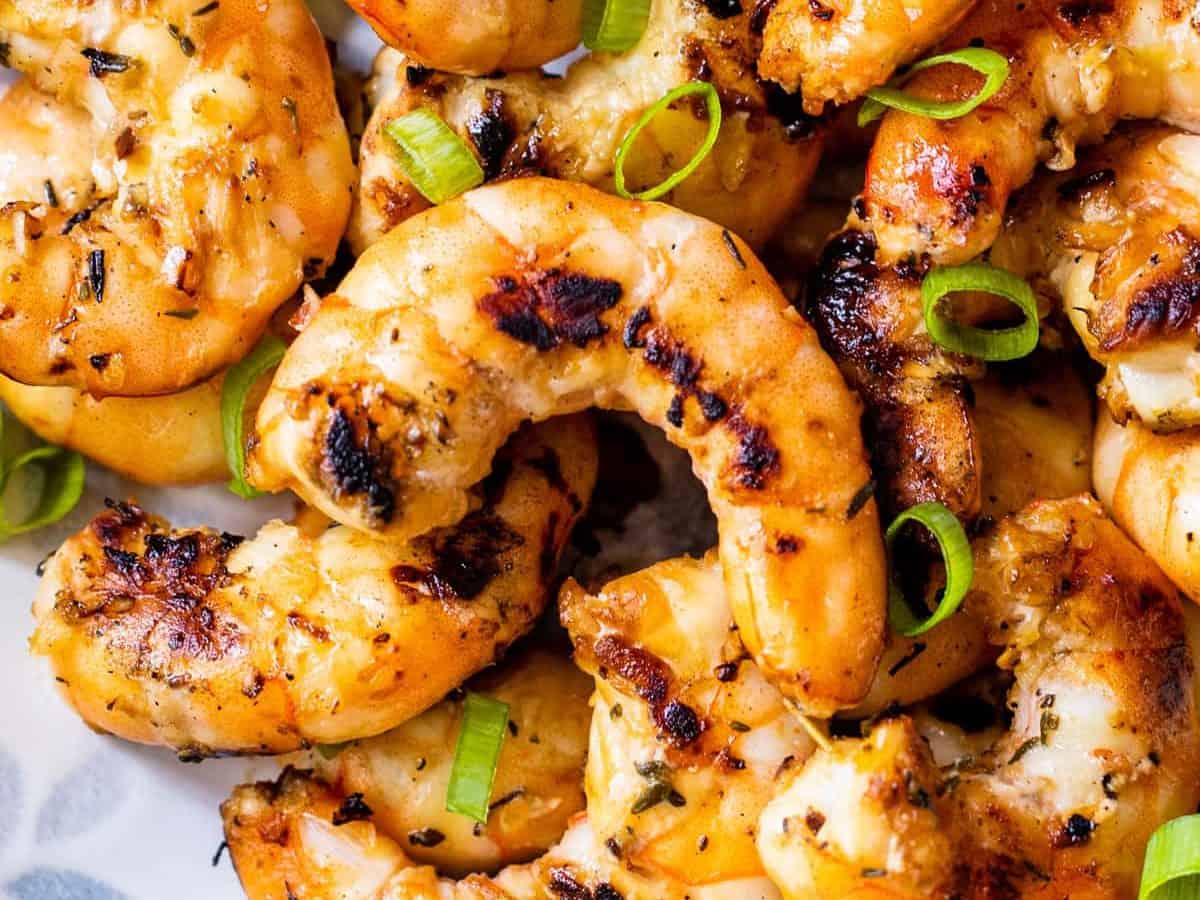
- Grilled Shrimp: Highly forgiving and quick, shrimp are the perfect testing ground for marinades and spice rubs.
- Baked Salmon: Using a 400°F oven, you can achieve a perfect temperature consistently. This method allows you to focus on timing without the constant monitoring required by a stovetop pan.
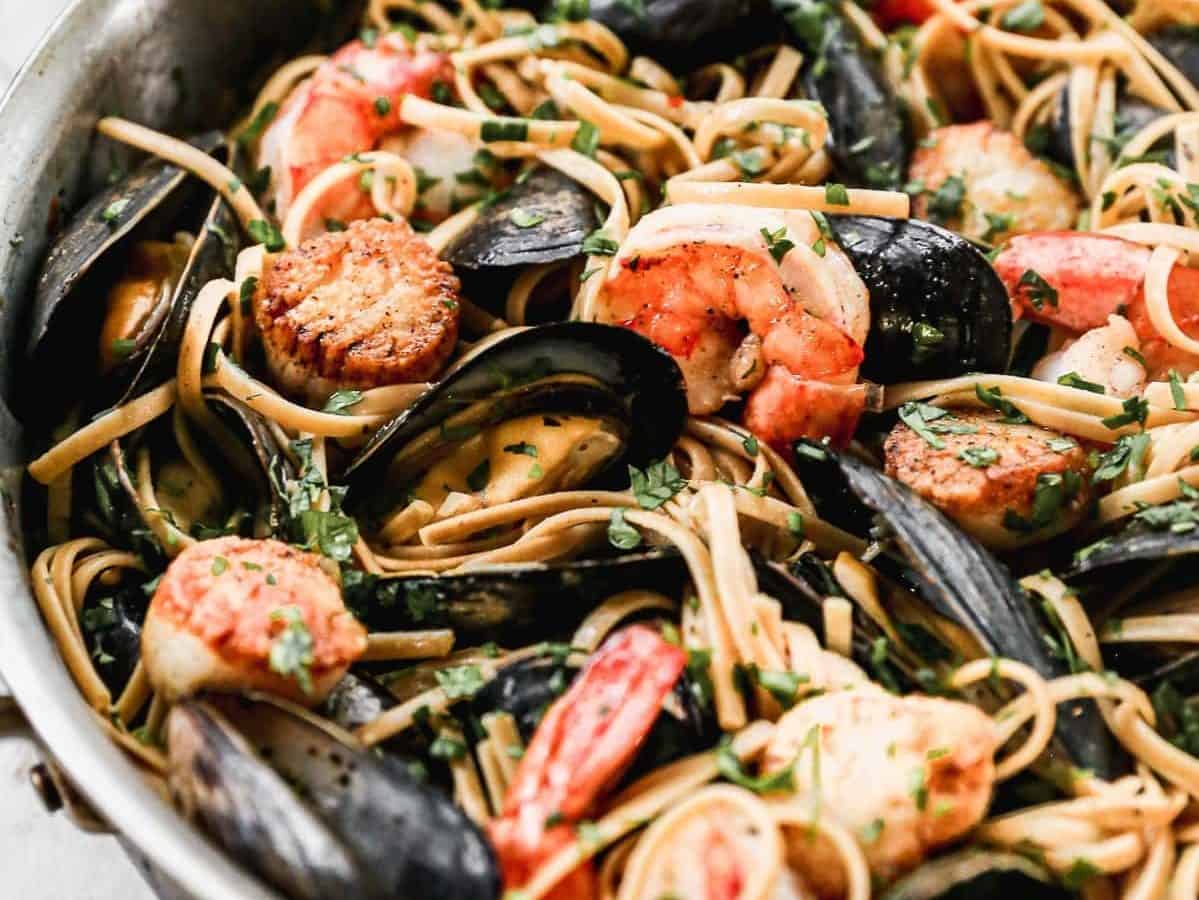
- Seafood Pasta: By cooking the seafood directly into the sauce, you infuse the liquid with flavor while ensuring the seafood remains moist and tender.
- Pan-Seared Scallops: Once you master the dry-pan-surface-moisture technique, this dish will quickly become your "party trick" for impressing guests.
Conclusion: A New Standard for Home Dining
The transition from a hesitant home cook to a confident seafood chef does not happen overnight, but it is a process fueled by logic rather than intimidation. By treating seafood with respect, prioritizing proper storage, and understanding the simple mechanics of heat, you can elevate your home dining experience.
As Erin Clarke emphasizes, the goal of home cooking is to save time, reduce the complexity of the kitchen, and enjoy the food we eat. Seafood, with its short cooking times and clean, vibrant flavors, is the perfect medium to achieve these goals. It is time to move beyond the steak-and-chicken rut and invite the ocean into your kitchen. Whether you are searing a scallop or baking a fillet of cod, you are not just making dinner—you are mastering a craft that brings health, flavor, and a touch of the extraordinary to your table.
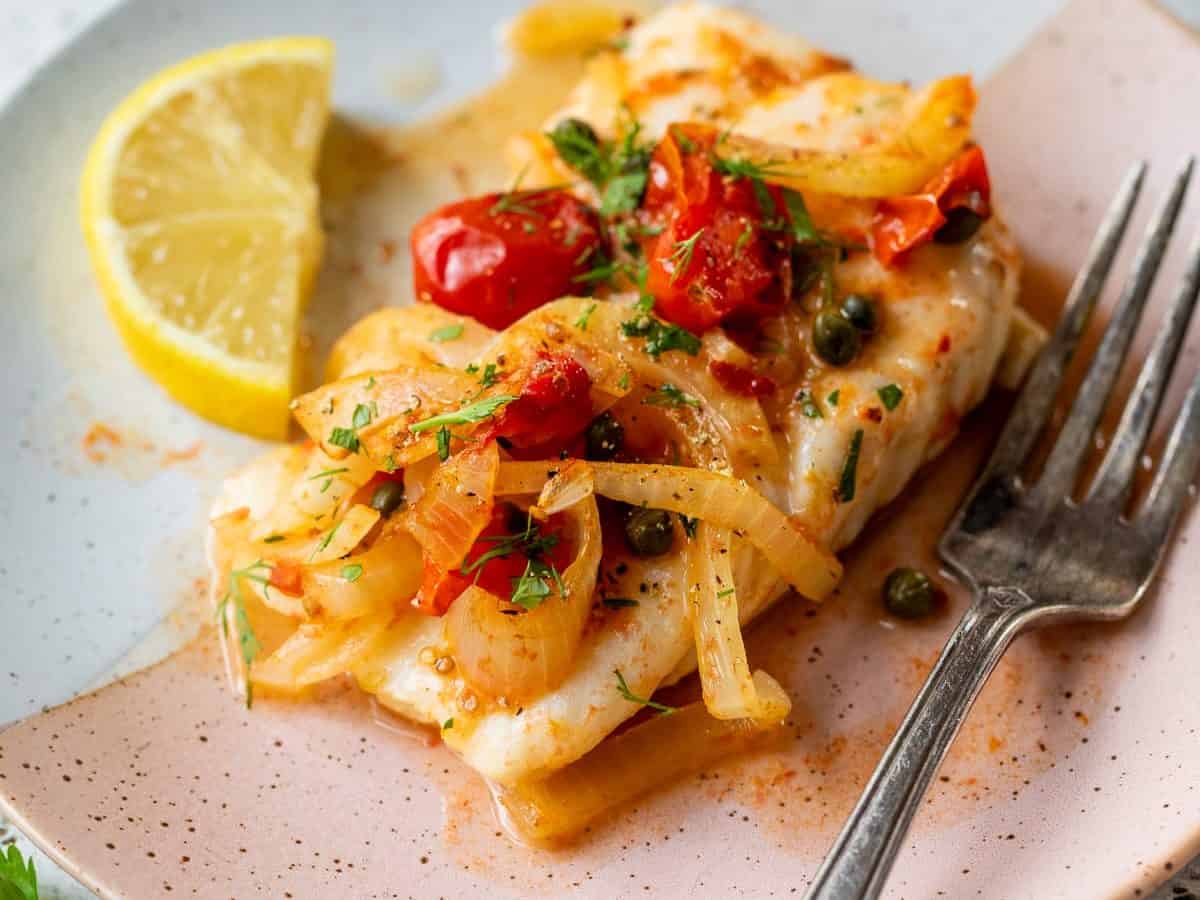
For those looking to deepen their skills, exploring dedicated seasoning blends or temperature-based cooking guides can provide the extra layer of assurance needed to cook with total confidence. The catch of the day is waiting, and with these tools, you are more than ready to prepare it.