By Culinary and Food Science Desk
In the vast and competitive pantheon of game-day finger foods, few items command the universal reverence of the chicken wing. From backyard tailgates to high-definition home theater setups, the wing remains the undisputed heavyweight champion of casual entertaining. Yet, despite its ubiquitous presence on menus nationwide, achieving the holy grail of wing texture—a shatteringly crisp exterior encasing meat that remains succulently juicy—has long eluded the home cook.
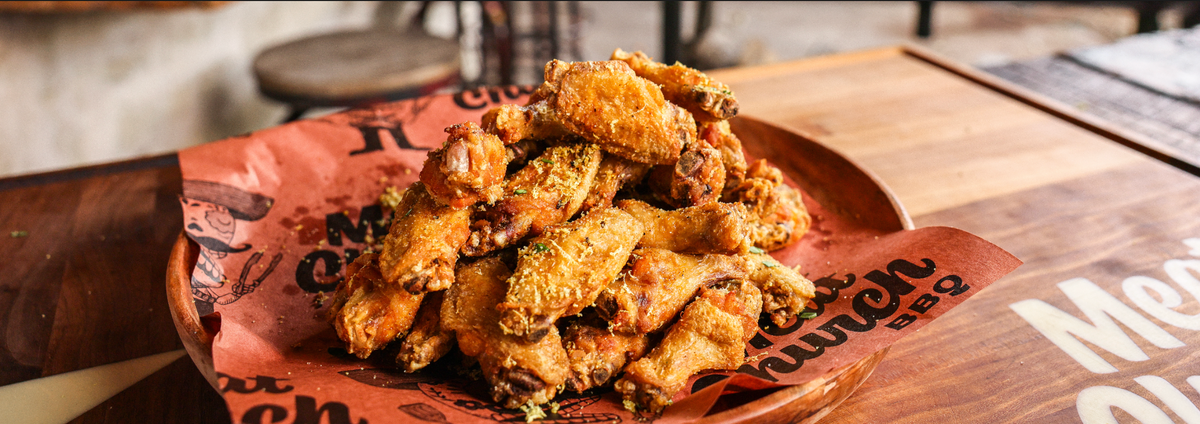
Enter the culinary innovators at Meat Church, who have recently released a masterclass in poultry preparation: the Double-Fried Lemon Pepper Wing. Utilizing a meticulous process of brining, air-drying, a dual-temperature frying method, and a clever post-fry seasoning application, this recipe is redefining what it means to eat a truly great wing. Devoid of heavy, gloppy sauces that mask poor textures, this dish relies entirely on technique, high-grade seasoning, and fresh citrus to deliver a transcendent flavor profile.
Main Facts: Anatomy of the Ultimate Wing
The blueprint for the Double-Fried Lemon Pepper Wing is built on a foundation of culinary science rather than mere guesswork. Traditional wing recipes often fail due to excess surface moisture and improper cooking temperatures, resulting in rubbery skin and dry meat. This recipe systematically eliminates those pitfalls through a four-stage process:
- The Brining Phase: Submerging the wings in a specialized salt-and-sugar solution (utilizing a designated brine bag) seasons the meat internally while denaturing proteins to retain maximum moisture during the high-heat cooking process.
- The Air-Drying Step: Uncovered refrigeration draws out residual surface moisture, creating a dehydrated outer layer—the primary prerequisite for achieving an elite, blistered crunch.
- The Double-Fry Technique: Frying the wings twice at ascending temperatures (350°F followed by 375°F) ensures that the interior is thoroughly cooked without burning the exterior, while the second dip forces out remaining moisture to lock in crispiness.
- The Post-Fry Application: Seasoning the wings immediately upon removal from the hot oil allows the fats on the surface to act as a natural adhesive for the Meat Church Lemon Pepper seasoning, which is subsequently brightened by fresh lemon zest and parsley.
Unlike conventional buffalo or barbecue styles, these wings are completely dry-sauced. This allows the structural integrity of the crisp skin to remain uncompromised, delivering an audible crunch with every single bite.
Chronology: The Step-by-Step Evolution of the Recipe
Creating competition-level wings at home requires patience and precision. The process spans several hours, transforming raw poultry into a gourmet centerpiece through a carefully orchestrated timeline.

Phase 1: Brining and Air-Drying (The Foundation)
The journey begins at least six to seven hours before serving. The process kicks off by dissolving the brine package’s contents into four cups of hot water, activating the salt and sugar. To prepare the liquid for the poultry, eight to twelve cups of ice are introduced to rapidly chill the solution.
Once cooled, the liquid is transferred to a food-safe container—specifically, a heavy-duty vessel like the Meat Church Bird Baptism Brine Bag. The wings are submerged to ensure total coverage, then placed in the refrigerator for a strict four-hour brining window. This duration allows the flavors to penetrate the meat evenly without over-salting the tissue.
Following the bath, the wings are extracted, rinsed thoroughly under cold water to remove surface residue, and meticulously patted dry. They are then arranged in a single layer on a wire rack atop a baking sheet and returned to the refrigerator, uncovered, for an additional two to three hours. This air-drying phase is non-negotiable; it creates a pellicle (a tacky skin surface) that reacts violently and deliciously with hot oil.

Phase 2: The First Fry (Cooking Through)
With the prep work complete, the active cooking commences. A Dutch oven is filled halfway with high-smoke-point peanut oil and heated to a steady 350°F.
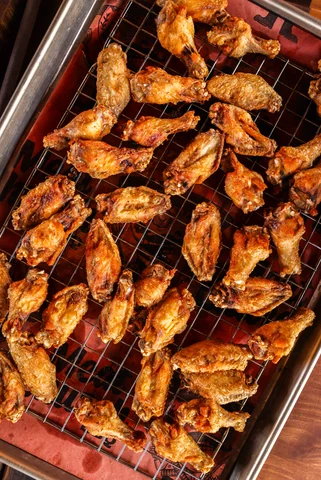
The wings are introduced to the bath in manageable batches to prevent the oil temperature from plummeting. They fry for precisely five minutes, a duration calculated to cook the meat through and render out the thick layer of subcutaneous fat beneath the skin. Upon removal, the wings are transferred to a wire-rack-lined baking sheet outfitted with butcher paper or paper towels to catch dripping fats, where they rest for five minutes.
Phase 3: The Second Fry (Achieving the Crunch)
While the wings rest, the oil’s heat is elevated to 375°F. This higher thermal threshold is the engine behind the "double-fry" magic.

The rested wings re-enter the oil in batches for a second, shorter swim. This brief immersion vaporizes any remaining microscopic moisture pockets in the skin, causing it to puff, crisp, and turn a deep, uniform golden brown. Once achieved, the wings are once again drained of excess oil on the wire rack.
Phase 4: The Finishing Touch (Flavor Fusion)
Timing is everything in the final act. While the wings remain piping hot—ensuring surface oils are active and receptive—they are transferred to a large mixing bowl. A generous dusting of Meat Church Lemon Pepper seasoning is applied to taste.
The final layer of complexity comes from freshly grated lemon zest micro-planed directly over the poultry, followed by a light dusting of fresh parsley for color and herbaceous contrast. A vigorous toss ensures every millimeter of the crunchy exterior is coated in bright, citrusy, peppery goodness.

Supporting Data: The Mechanics of Frying and Flavor Adhesion
Understanding why this recipe works requires a brief look into food chemistry.
- Moisture Management: Water is the enemy of frying. When wet food hits oil at 350°F, water instantly turns to steam, creating a violent bubble barrier that actually boils the food rather than frying it. By brining (which alters protein structures to hold water internally) and subsequently air-drying (which removes external water), the recipe sets the stage for immediate lipid-heat transfer.
- The Maillard Reaction and Lipid Dynamics: Meat Church’s Lemon Pepper blend relies on a balance of coarse black pepper, salt, garlic, and citrus notes. Black pepper contains piperine, a compound that becomes remarkably aromatic when exposed to residual fats. Furthermore, the oils clinging to the freshly fried skin act as a hydrophobic binder, gripping the dry seasoning granules far more effectively than a water- or vinegar-based hot sauce ever could.
- Temperature Differential: The jump from 350°F to 375°F between the first and second fry exploits the Maillard reaction without burning the sugars in the seasoning (which are thankfully added after the fry, preventing bitter, charred notes).
Official Responses and Industry Reception
The culinary community has responded with widespread enthusiasm following the release of the instructional video and recipe guide. Home cooks and barbecue enthusiasts alike have lauded the method for its foolproof nature and bold flavor profile.
"People often think making great wings requires an expensive commercial fryer or a secret restaurant additive," notes a spokesperson for Meat Church’s recipe development team. "In reality, it comes down to old-school fundamentals: proper brining, complete surface dehydration, and the thermal shock of a double fry. When you combine those physical mechanics with a sharp, clean seasoning like our Lemon Pepper, you don’t need a heavy sauce to hide behind. The food speaks for itself."

Culinary forums and social media channels have similarly lit up with user-generated content showcasing golden-brown results, with many reviewers pointing out that the lack of wet sauce makes the wings significantly easier to eat while watching a game—eliminating the mess traditionally associated with wing night.
Implications: Changing the Game for Home Tailgating
The proliferation of advanced, chef-driven techniques to the home kitchen signals a broader cultural shift in how we approach casual entertaining. As consumers invest more heavily in high-end kitchen hardware—such as heavy Dutch ovens, precision thermometers, and specialty seasoning blends—recipes that bridge the gap between restaurant-quality execution and home accessibility are becoming the gold standard.
For the upcoming football season and the broader backyard party circuit, the Double-Fried Lemon Pepper Wing offers a blueprint for elevating everyday gatherings into gourmet experiences. By stripping away artificial thickeners, heavy corn syrup-based glazes, and overly complicated marinades, this recipe champions a return to purity: excellent meat, flawless texture, and bold, uncompromising seasoning.

Whether served to a crowd of screaming sports fans or enjoyed quietly on a weekend afternoon, these wings prove that the best culinary innovations aren’t about inventing something entirely new—they are about perfecting the classics through science, patience, and a relentless pursuit of the ultimate crunch.