In the culinary world, few things are as universally celebrated—yet deceptively difficult to perfect—as the classic American smash burger. It is a dish defined by simplicity: high-quality beef, a hot surface, and the transformative power of the Maillard reaction. Recently, the Meat Church kitchen played host to a meeting of icons, as bass fishing legend Kevin VanDam joined forces with the barbecue experts to tackle one of the most revered recipes in the smash burger canon: Chef Sean Brock’s famous “Crust Burger.”
Utilizing the new Traeger Irontop Griddle, the collaboration serves as a masterclass in texture, technique, and the importance of high-heat execution. This article explores the mechanics of the crust burger, the professional methodology behind the smash, and why this specific preparation has become a gold standard for backyard griddlers everywhere.
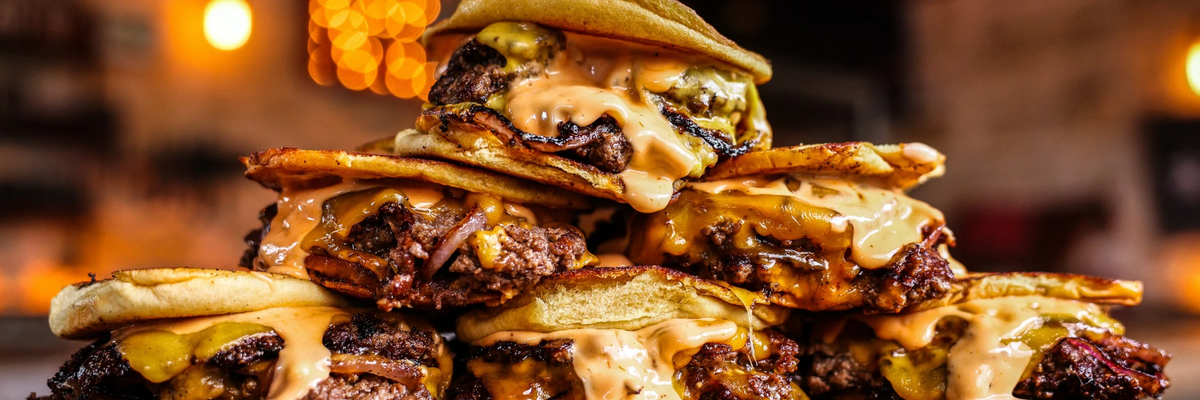
Main Facts: The Anatomy of a Perfect Smash
The “Crust Burger” is not merely a burger; it is a structural exercise in flavor layering. Unlike a traditional thick-patty burger that relies on internal juices, the crust burger prioritizes surface area. By smashing a ball of ground beef onto a scorching-hot griddle, the cook creates a caramelized, crispy exterior—the “crust”—that acts as a flavor-packed shell for the tender, succulent interior.
Key to this specific preparation are four pillars:

- The Onion Bed: Rather than placing onions on top, the beef is smashed directly into a layer of razor-thin sliced onions. As the beef sears, the onions caramelize into the fat, creating a sweet-savory crust that is impossible to replicate otherwise.
- High-Heat Griddling: The use of a flat-top surface, such as the Traeger Irontop, ensures consistent heat distribution, which is vital for building a hard, dark crust in seconds.
- The "Fancy Sauce": A sophisticated emulsion of mayonnaise, ketchup, fish sauce, hot sauce, and a proprietary seasoning blend (Blanco), which balances the richness of the beef with acidity and umami.
- The Bun Flip: A technique popularized by Chef Sean Brock, where the bun is prepared with mayo and seared, then flipped inside-out to provide a structurally sound, buttery foundation.
Chronology: The Step-by-Step Execution
Achieving the perfect crust burger is a process of disciplined timing. The collaboration between VanDam and Meat Church highlights a specific workflow designed to maximize efficiency and flavor.
Phase 1: Preparing the Foundation
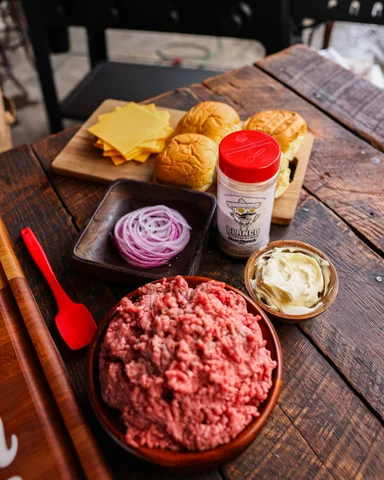
The process begins with the buns. A thin layer of mayonnaise is applied to the cut sides of potato buns. These are placed on the griddle until golden brown. Once toasted, they are smashed flat with a spatula to compress the crumb, ensuring the bun remains sturdy enough to hold the weight of the double-patty construction without turning into a soggy mess.

Phase 2: The Meat and The Onion
The beef is portioned into 2 oz balls. This size is critical; it is small enough to ensure a rapid sear without overcooking the center. The griddle heat is increased to high. Piles of thinly sliced onions are placed on the surface. The beef balls are then placed directly onto the onions. Using a heavy-duty burger press and wax paper, the cook smashes the beef down until it is razor-thin. At this stage, the Meat Church team incorporates their "Blanco" seasoning, which provides a clean, savory profile that enhances the beef’s natural flavor.
Phase 3: The Sear and The Melt
The patty remains undisturbed until a deep, mahogany-colored crust has formed. Once the edges are lacey and crisp, the patty is flipped. A slice of American cheese—the only choice for a true smash burger due to its superior meltability—is added immediately. The cheese acts as a secondary layer of insulation, keeping the meat succulent while it finishes.

Phase 4: Assembly
The final construction involves stacking two patties per burger. The bun is assembled with the toasted, “inside” face turned outward, providing a buttery, crisp texture to the exterior of the sandwich. A generous application of the “Fancy Sauce” completes the build.
Supporting Data: Why the Smash Burger Dominates
The science behind the smash burger is rooted in the Maillard reaction, a chemical reaction between amino acids and reducing sugars that gives browned food its distinctive flavor. By increasing the surface-to-volume ratio through smashing, the cook creates significantly more Maillard-reaction surface area compared to a standard burger.

Furthermore, the integration of onions into the sear creates a process known as “deglazing in reverse.” The moisture from the onions steams the meat slightly from below while the fat from the beef fries the onions from above. This creates an onion-jam consistency that is integrated into the meat rather than sitting on top of it.
The inclusion of fish sauce in the “Fancy Sauce” is a strategic culinary choice. Fish sauce provides an intense hit of glutamates, which function as a flavor enhancer. When combined with the creaminess of the mayonnaise and the acidity of the ketchup, it creates a balanced profile that cuts through the fat of the ground beef.

Official Perspectives: The Meat Church Philosophy
The Meat Church team, known for their rigorous approach to outdoor cooking, emphasizes that the “Crust Burger” is not just about the recipe, but about the equipment. The Traeger Irontop Griddle is specifically engineered to maintain the high temperatures required for this level of searing.
In their commentary, the chefs note that the biggest mistake home cooks make is "over-managing" the meat. By moving the patties or failing to provide enough heat, the meat steams in its own juices rather than searing. The collaboration with Kevin VanDam reinforces the idea that the best outdoor meals are those that are simple, high-intensity, and communal. VanDam, a professional athlete accustomed to high-pressure environments, mirrors this intensity in the kitchen, proving that the same focus required for precision bass fishing is applicable to the perfect crust.

Implications: The Evolution of Backyard Cooking
The popularity of the “Crust Burger” signals a broader shift in backyard grilling culture. For years, the industry was dominated by low-and-slow barbecue—briskets, ribs, and pulled pork. However, the rise of the high-performance griddle (such as the Irontop) has invited a resurgence of “fast-food gourmet.”
Home cooks are increasingly seeking professional-grade results at home. They want the specific texture of a diner-style burger, which requires equipment capable of rapid heat recovery. The Meat Church/Traeger partnership highlights that the barrier to entry for restaurant-quality food is lowering, provided the user respects the technique.

Implications for the Home Cook:
- Equipment Matters: You cannot achieve a proper smash burger on a thin, flimsy pan. You need mass and heat retention.
- Precision Preparation: The prep work—slicing onions razor-thin and portioning the beef—must be done before the heat is turned on. Once the beef hits the griddle, there is no time for multitasking.
- Ingredient Quality: Because the recipe is so minimalist, the quality of the beef (ideally an 80/20 fat ratio) and the freshness of the bun are the primary variables in success.
Conclusion
The “Crust Burger” is more than a fleeting internet food trend; it is a return to the foundational elements of American cooking. By focusing on the interplay of heat, texture, and fat, and by stripping away the unnecessary complexity of over-topped burgers, this recipe honors the integrity of the beef. Whether you are a professional angler like Kevin VanDam or a weekend warrior in your own backyard, the lesson remains the same: give the meat enough heat, leave it alone until it’s ready, and never underestimate the power of a perfectly toasted bun. As the Meat Church team demonstrates, when you get the fundamentals right, the result is nothing short of a “certified banger.”