Main Facts: A Modern Spin on Traditional Wild Game Cooking
For hunters and culinary enthusiasts alike, the start of dove season brings an exciting opportunity to harvest fresh, lean game meat. However, finding innovative ways to prepare dove breasts—which are notoriously lean and prone to drying out if overcooked—can sometimes present a challenge. Enter the Ultimate Dove Quesadilla, a masterclass in blending outdoor wood-fired techniques with comforting Tex-Mex flavors.
This recipe transforms the traditional dove hunt harvest into a gourmet meal by pairing delicately smoked dove breasts with a rich medley of wood-roasted poblano peppers, sweet onions, earthy mushrooms, and vibrant red bell peppers. Encased in griddled flour tortillas with a double-cheese blend that achieves the ultimate gooey melt, this dish redefines wild game cookery.
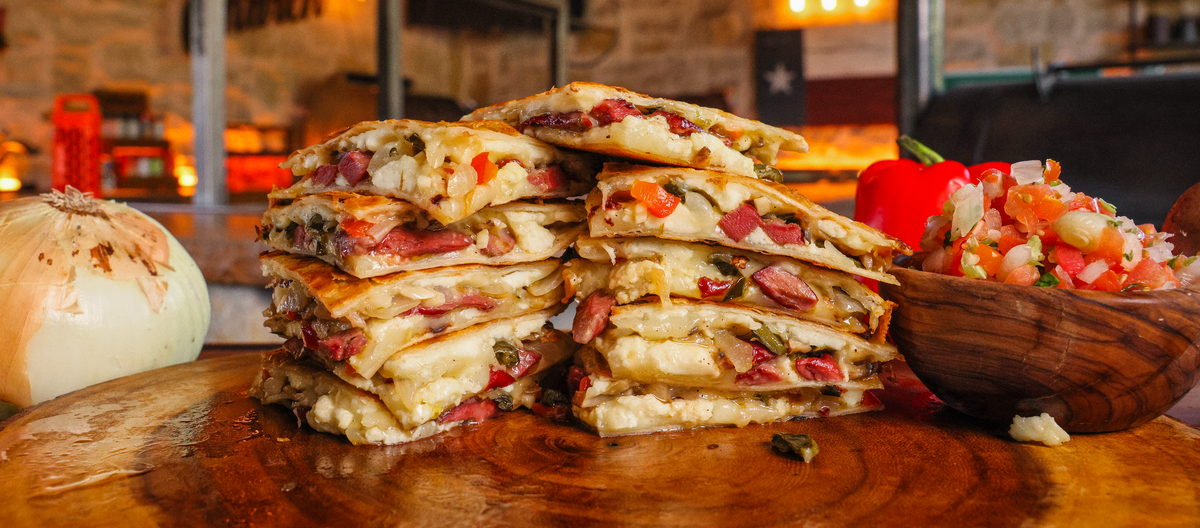
By utilizing a low-and-slow smoking process with post oak wood, followed by a quick sear in a cast-iron skillet, the recipe ensures the dove remains juicy, tender, and infused with savory depth. Whether you are hosting a post-hunt gathering or simply looking to elevate your weeknight dinner with wild game, this recipe proves that dove deserves a front-and-center spot in the modern kitchen.
Chronology: Step-by-Step Culinary Execution
Crafting these ultimate quesadillas requires a deliberate, multi-stage process that balances the gentle infusion of smoke with the high-heat crisping of a griddle or cast-iron skillet.

Phase 1: Preparing the Smoker
Before handling any ingredients, establish the foundation of the smoky flavor profile.
- Temperature Control: Light your offset smoker or pit and bring the internal temperature to a steady 250°F.
- Wood Selection: For this specific preparation, post oak is recommended for its clean, balanced smoke that complements wild game without overpowering it. (In the accompanying video demonstration, a Millscale 94-gallon smoker was utilized to achieve optimal heat and smoke distribution.)
Phase 2: Smoking the Aromatics and Dove
The smoking phase is split to accommodate the differing cooking times of vegetables and delicate game meat.

- The Veggies: Cut a fresh onion in half and place it directly onto the smoker grates alongside whole poblano peppers. Let them smoke for approximately 2 hours, or until they reach your desired level of smokiness and tenderness. Once done, remove them from the pit and roughly chop.
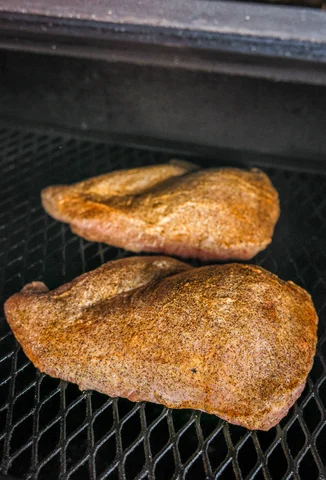
- The Dove Breasts: Carefully remove the dove breasts from the keel bone. Place the harvested breasts onto a wire rack to allow for even smoke circulation. Lightly season the meat with Garlic and Jalapeño BLANCO seasoning. Place the rack into the smoker and monitor closely until the internal temperature reaches 125°F (roughly 25 minutes).
- The Slicing: Remove the dove from the smoker. Slice the breasts thinly, resembling traditional fajita strips, to ensure a tender bite in every quadrant of the quesadilla.
Phase 3: Sautéing the Vegetable Blend
While the smoke imparts a deep, outdoor essence, a quick sauté builds a rich, cohesive texture.
- Cast-Iron Sizzle: Heat a heavy-duty cast-iron skillet over medium-high heat.
- Building Layers: Add a drizzle of olive oil followed immediately by the fresh red bell peppers. Cook for about one minute to soften the edges.
- Combining Elements: Toss in the previously smoked onions, chopped smoked poblanos, sliced mushrooms, and fresh minced garlic. Sauté the entire vegetable medley until it reaches your preferred degree of doneness. Season generously with Garlic and Jalapeño BLANCO, then remove from the skillet and set aside.
Phase 4: Constructing and Griddling the Quesadillas
The final assembly brings all the components together into a crispy, golden package.

- Tortilla Prep: In a clean skillet or on a flat-top griddle, warm your tortillas briefly according to package instructions, then set aside.
- The Layering Process: Melt a generous pat of butter in the skillet. Lay down a base tortilla, followed by a generous handful of a two-cheese blend (such as Monterey Jack and sharp cheddar for optimal melting properties). Layer on the sautéed vegetable medley and the sliced smoked dove breasts.
- The Cap: Top the filling with another handful of cheese and crown it with a second tortilla.
- The Flip: Allow the bottom cheese to melt and the tortilla to turn golden brown. Using a large, sturdy spatula, carefully flip the quesadilla. Continue to flip a few times as needed until the cheese is completely melted throughout and both outer tortillas achieve an even, crispy, golden-brown crust.
Phase 5: Presentation and Serving
- The Cut: Transfer the finished quesadilla to a cutting board and slice it cleanly into uniform triangles using a sharp chef’s knife.
- Accompaniments: Serve hot alongside your favorite condiments, such as fresh salsa, guacamole, sour cream, or pickled jalapeños.
Supporting Data: Ingredients and Nutritional Profile
While exact measurements can be tailored to the size of your dove harvest and personal preferences, understanding the core components of this recipe helps ensure culinary success.
Core Ingredient Breakdown
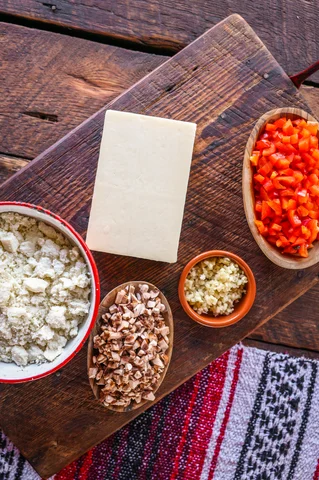
- Wild Game: Freshly harvested dove breasts (approximately 8 to 12 breasts, depending on party size). Known for being an exceptionally lean source of wild protein.
- The Smoke Infusion:
- 2 large poblano peppers
- 1 medium yellow onion
- The Sautéed Veggies:
- 1 fresh red bell pepper (sliced)
- 1 cup mushrooms (sliced; cremini or button work best)
- 2 cloves fresh garlic (minced)
- Olive oil for sautéing
- Seasoning: Garlic and Jalapeño BLANCO rub (or a balanced blend of sea salt, black pepper, garlic powder, and dried jalapeño flakes).
- The Dairy & Binders:
- Large flour tortillas
- Unsalted butter (for the skillet crust)
- 2 cups of a high-melting-point cheese blend (e.g., Oaxaca, Monterey Jack, or mild cheddar).
- Serving Suggestions: Cilantro-lime crema, fire-roasted salsa, and fresh lime wedges.
Nutritional Considerations of Wild Dove
Wild dove is celebrated by conservationists and health-conscious eaters alike for its superior nutritional profile compared to commercially raised meats:

- High Protein: Packed with lean, high-quality protein to support muscle recovery and sustained energy.
- Low Fat: Because doves are migratory birds capable of sustained flight, their muscle tissue contains very little saturated fat. This makes incorporating fats—such as butter, cheese, and olive oil—essential in recipes like this quesadilla to prevent the meat from drying out while adding rich, complementary flavors.
- Organic and Sustainable: Harvested directly from nature, wild dove is entirely free from the antibiotics, hormones, and industrial processing common in commercial poultry production.
Official Responses and Culinary Perspectives
The culinary world has increasingly embraced wild game as a sustainable, premium protein source, shifting away from heavy, overly masked game recipes toward preparations that highlight the meat’s natural qualities.
Prominent outdoor chefs and game-cooking advocates emphasize that the secret to preparing dove successfully lies in moisture management and complementary flavor pairings. Because dove breasts are small and exceptionally lean, cooking them past medium-rare can result in a dry texture. By pulling the meat from the smoker at 125°F—well before it reaches traditional poultry safety thresholds, though safely finished when combined with the subsequent hot skillet cooking and resting periods—the recipe preserves the natural juices of the bird.

Furthermore, culinary experts point out that robust, earthy, and slightly spicy ingredients like smoked poblano peppers and melted cheeses act as the ideal vehicle for wild game. The smoke mimics traditional barbecue techniques while the cheese bridges the gap between game meat and comforting Tex-Mex cuisine, making wild game approachable for diners who may be hesitant to try unfamiliar meats.
Implications: The Growing Popularity of Field-to-Table Cuisine
The creation and viral sharing of recipes like the Ultimate Dove Quesadilla point to a broader cultural shift in how people view hunting, conservation, and modern gastronomy.

1. Reconnecting with the Food Chain
The "field-to-table" movement has surged in popularity over the past decade. Rather than viewing hunting strictly as a sport, contemporary sportsmen and women are increasingly focused on the culinary lifecycle of their harvest. Recipes that elevate wild game into gourmet dishes encourage hunters to utilize every part of their harvest respectfully, reducing waste and deepening their appreciation for local ecosystems.
2. Diversifying Home Cooking
As kitchen enthusiasts look beyond standard supermarket proteins (beef, chicken, and pork), wild game offers a unique alternative. Recipes that bridge the gap between traditional comfort foods—such as quesadillas—and wild harvest items lower the barrier to entry for novice cooks. By utilizing familiar formats like melted cheese, tortillas, and sautéed vegetables, home cooks can experiment with game meats without feeling intimidated by complex culinary techniques.

3. Promoting Sustainable Eating
Wild game is arguably one of the most sustainable forms of protein available. Harvesting game aligns with local wildlife management and conservation efforts, while bypassing the massive carbon footprint and environmental degradation associated with factory farming. As interest in sustainability continues to influence consumer choices, recipes celebrating wild game are poised to transition from niche outdoor blogs to mainstream culinary culture.