CLEVELAND, OH — As tailgating season shifts into high gear and autumn gatherings call for hearty, comforting crowd-pleasers, backyard pitmasters are constantly searching for ways to revolutionize traditional game-day menus. Enter the Smoked Buffalo Turkey Sliders—a culinary fusion that marries the deep, aromatic characteristics of authentic wood-fired barbecue with the fiery, tangy punch of classic Buffalo wings.
Far exceeding the standard dry turkey breast or predictable pulled pork sliders, this recipe utilizes a meticulous overnight brine, a savory binder, zesty Southwestern-style seasonings, and a post-smoke butter bath to create a melt-in-your-mouth texture. Whether you are hosting a Sunday football watch party, a neighborhood block gathering, or simply looking to elevate your weekly smoking routine, this comprehensive guide provides the blueprint for mastering the ultimate Buffalo turkey slider.
Main Facts: The Anatomy of a Perfect Slider
The genius of this recipe lies in its multi-layered flavor profile. Rather than tossing pre-cooked deli meat in hot sauce, this method starts with raw turkey breast, infusing it with layers of smoke, spice, and moisture from the ground up.
The Foundation: A whole turkey breast lobe, brined overnight to lock in maximum juiciness and eliminate the risk of the meat drying out during the smoking process.
The Rub & Binder: A generous slather of mayonnaise—the secret weapon of modern pitmasters for creating an impenetrable bark—followed by a coating of Garlic Jalapeño BLANCO seasoning.
The Buffalo Infusion: After reaching an internal temperature of 155°F, the turkey is transferred to a foil pan alongside butter and classic Buffalo sauce, resting and absorbing rich fats and tangy heat.
The Assembly: Piled high onto soft slider buns, layered with spicy pepper jack cheese for a Southwestern twist, melted to gooey perfection back on the pit, and finished with a drizzle of cool ranch dressing.
Chronology: Step-by-Step Preparation Guide
Achieving competition-level results requires patience, precision, and adherence to a strict timeline. Follow this chronological breakdown to execute your Buffalo Turkey Sliders flawlessly.
Phase 1: The Overnight Brine
Juiciness is the holy grail of cooking poultry, and brining is the most effective scientific method to guarantee it.
Dissolving the Solutes: Thoroughly mix the entire contents of your brine package with 4 cups of water in a medium stockpot. Bring the mixture nearly to a boil, stirring constantly until the salt and sugar are completely dissolved.
Cooling the Liquid: Remove the pot from the heat source. Add 8 to 12 cups of ice water to the pot to rapidly cool the liquid down to a safe temperature.
The Submersion: Place your raw turkey breast into a food-safe container or a dedicated brine bag (such as a Meat Church Bird Baptism Brine Bag). Pour the cooled brine mixture over the turkey, ensuring the meat is completely submerged. If necessary, top off with a bit more cold water.
The Wait: Seal the container and place it in the refrigerator. Allow the turkey to brine undisturbed overnight (between 12 to 16 hours) to allow the saline solution to denature the protein strands and lock in moisture.
Phase 2: Pit Prep and Fire Management
While your smoker comes up to temperature, prepare your protein for the grate.
Rinse and Dry: Remove the turkey breast from the brine bag. Rinse it thoroughly under cold running water to wash away excess surface salt, then pat it completely dry with paper towels. A dry surface is critical for proper seasoning adhesion and smoke ring formation.
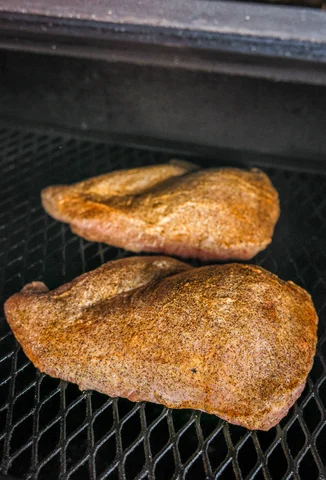
The Binder and Seasoning: Slather all sides of the turkey breast evenly with a thin coat of mayonnaise. Do not worry; the mayonnaise flavor cooks out completely, leaving behind a rich crust and acting as an ideal adhesive for the rub. Season all sides evenly with Garlic Jalapeño BLANCO seasoning.
Igniting the Offset: Fire up your smoker and let it stabilize at a steady 250°F. For this style of cook, traditional offset smokers utilizing clean-burning hardwood splits—such as post oak—impart a clean, aromatic smoke profile that complements poultry without overpowering it.
Phase 3: The Smoke and The Bath
Positioning the Meat: Place the seasoned turkey lobe in the center of the cooker, positioning the thicker end of the breast closer to the firebox for optimal heat distribution.
Monitoring the Cook: Smoke the turkey undisturbed for approximately 1 hour and 45 minutes. Insert an instant-read digital thermometer into the thickest part of the meat, aiming for a target internal temperature of 155°F.
The Butter & Buffalo Rest: Immediately remove the turkey from the smoker once it hits 155°F. Place it directly into a foil pan, add a generous amount of butter and classic Buffalo sauce, and cover the pan tightly with aluminum foil. Let it rest for 15 minutes. This crucial resting period allows the muscle fibers to relax while soaking up the rich, buttery, spicy liquid gold.
Phase 4: Assembly and Melting
Carving: Once rested, slice the turkey breast into uniform portions or pull it apart depending on your texture preference.
Building the Layers: Arrange the bottom halves of your slider buns in a baking dish or directly on a clean tray. Pile a generous amount of the sliced, buffalo-infused turkey onto each bun.
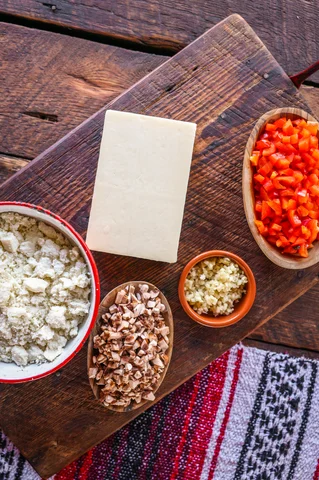
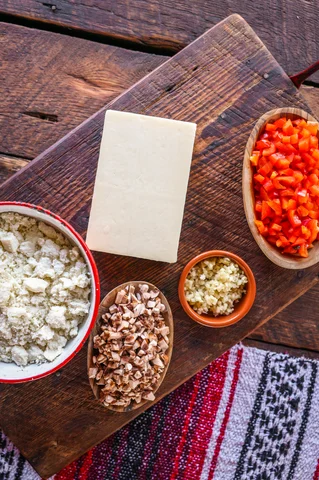
The Southwestern Touch: Blanket the turkey generously with shredded pepper jack cheese, which adds a mild kick and melts into a decadent, gooey blanket.
The Final Melt: Place the assembled sliders back onto the smoker or into a warm oven until the cheese is completely melted and bubbling.
The Grand Finale: Remove the sliders from the heat source, drizzle them lightly with ranch dressing to balance the acidity of the Buffalo sauce, cap them with the top buns, and serve immediately.
Supporting Data: Why This Method Works
Understanding the culinary science behind this recipe elevates your backyard cooking from guesswork to a repeatable art form.
Protein Denaturation: Brining breaks down tough muscle protein filaments through osmosis, allowing the meat to retain roughly 10% more moisture during the cooking process.
The Maillard Reaction & Fat Soluble Spices: Using mayonnaise as a binder introduces both oil and protein to the surface of the meat. This accelerates the Maillard reaction—the chemical reaction between amino acids and reducing sugars that gives barbecued meat its coveted savory crust.
Temperature Control: Pulling poultry at 155°F (slightly below the traditional FDA recommendation of 165°F) is safe when factoring in the carryover cooking that occurs during the 15-minute foil pan rest, where residual heat pushes the internal temperature safely past the threshold while keeping the breast remarkably succulent.
Official Perspectives and Expert Tips
Renowned outdoor cooking enthusiasts and competition pitmasters emphasize that turkey is notoriously difficult to cook correctly due to its low fat content.
"Turkey breast dries out faster than almost any other cut of meat we put on the smoker," notes veteran barbecue circuit competitor Marcus Vance. "By introducing an overnight brine, a fat-based binder like mayo, and finishing the meat in a butter-and-sauce braise, you completely eliminate the dryness factor. You get all the robust smoke flavor with the rich, unctuous mouthfeel you would expect from slow-smoked beef brisket or pork shoulder."
Culinary experts also advise paying close attention to wood selection. While heavy woods like mesquite can overwhelm delicate poultry, neutral and sweet-leaning hardwoods like post oak, pecan, or applewood provide a balanced smoke that highlights the garlic and jalapeño notes of the seasoning blend rather than masking them.
Implications: Elevating Your Tailgate and Party Game
As consumer interest in artisanal barbecue continues to surge, recipes that bridge the gap between traditional techniques and modern flavor trends are dominating social media feeds and backyard menus alike.
The Smoked Buffalo Turkey Sliders represent a shift toward high-efficiency, high-reward party cooking. By preparing the turkey ahead of time and executing a quick assembly phase just before kickoff, hosts can spend less time trapped over a hot grill and more time enjoying gatherings with friends and family.
Furthermore, this recipe serves as a versatile template. Pitmasters looking to experiment can easily swap out the pepper jack cheese for smoked gouda, substitute blue cheese crumbles for the ranch drizzle, or adjust the heat levels of the Buffalo sauce to suit any crowd’s palate. Ultimately, mastering this dish guarantees that your next game-day spread will be the talk of the neighborhood long after the final whistle blows.