Main Facts: Elevating Comfort Food Through Fresh Ingredients
In the landscape of American comfort food, few side dishes hold as cherished a place as the traditional corn casserole. Often associated with holiday spreads, potlucks, and cozy family dinners, the classic version of this dish typically relies on packaged shortcuts—most notably, boxed Jiffy cornbread mix and cans of creamed corn. However, a culinary shift is redefining this beloved staple. Home cooks and culinary enthusiasts are increasingly turning to a refined, from-scratch iteration that delivers the nostalgic sweet-and-savory profile of the original while dramatically upgrading texture, flavor profiles, and nutritional transparency.
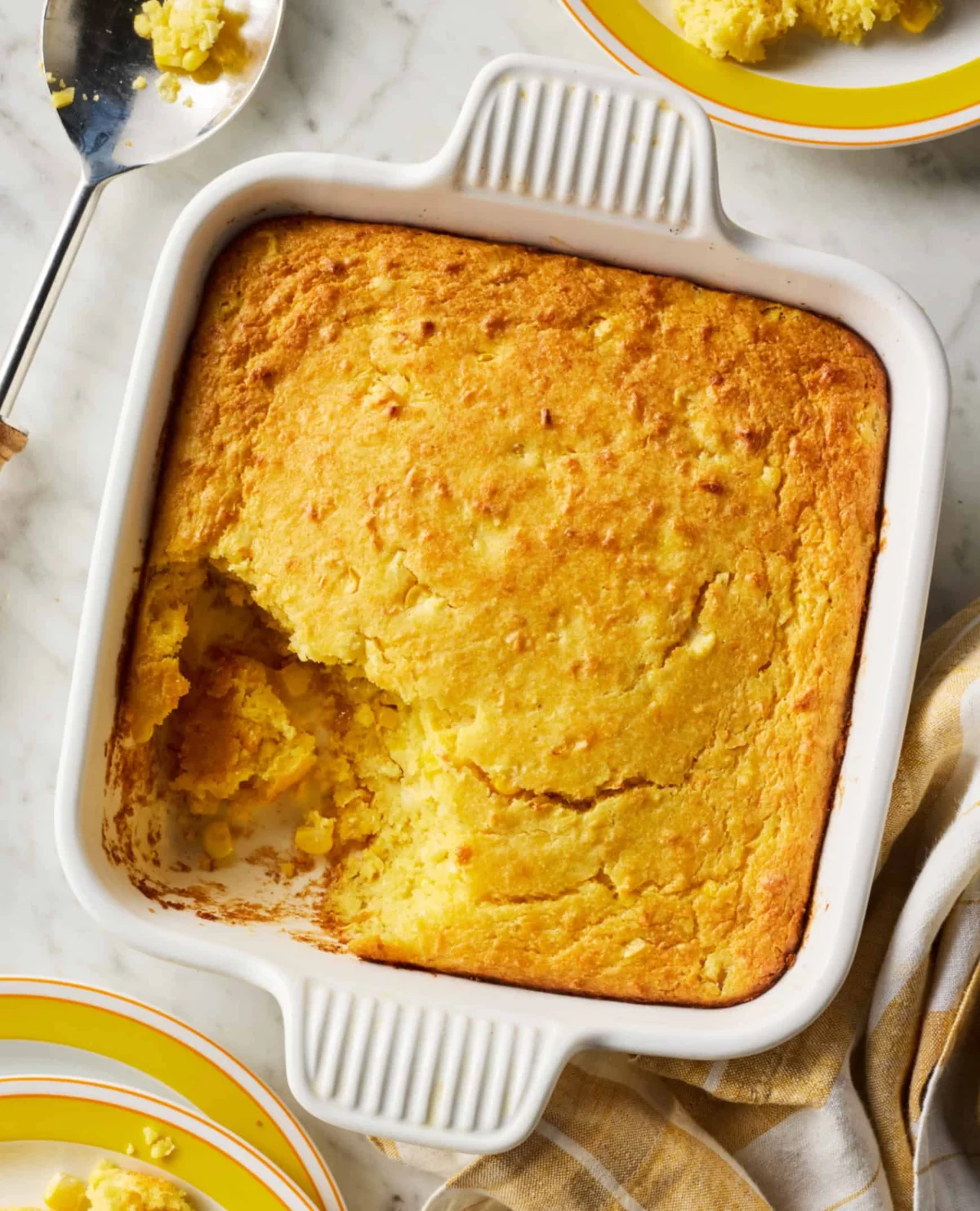
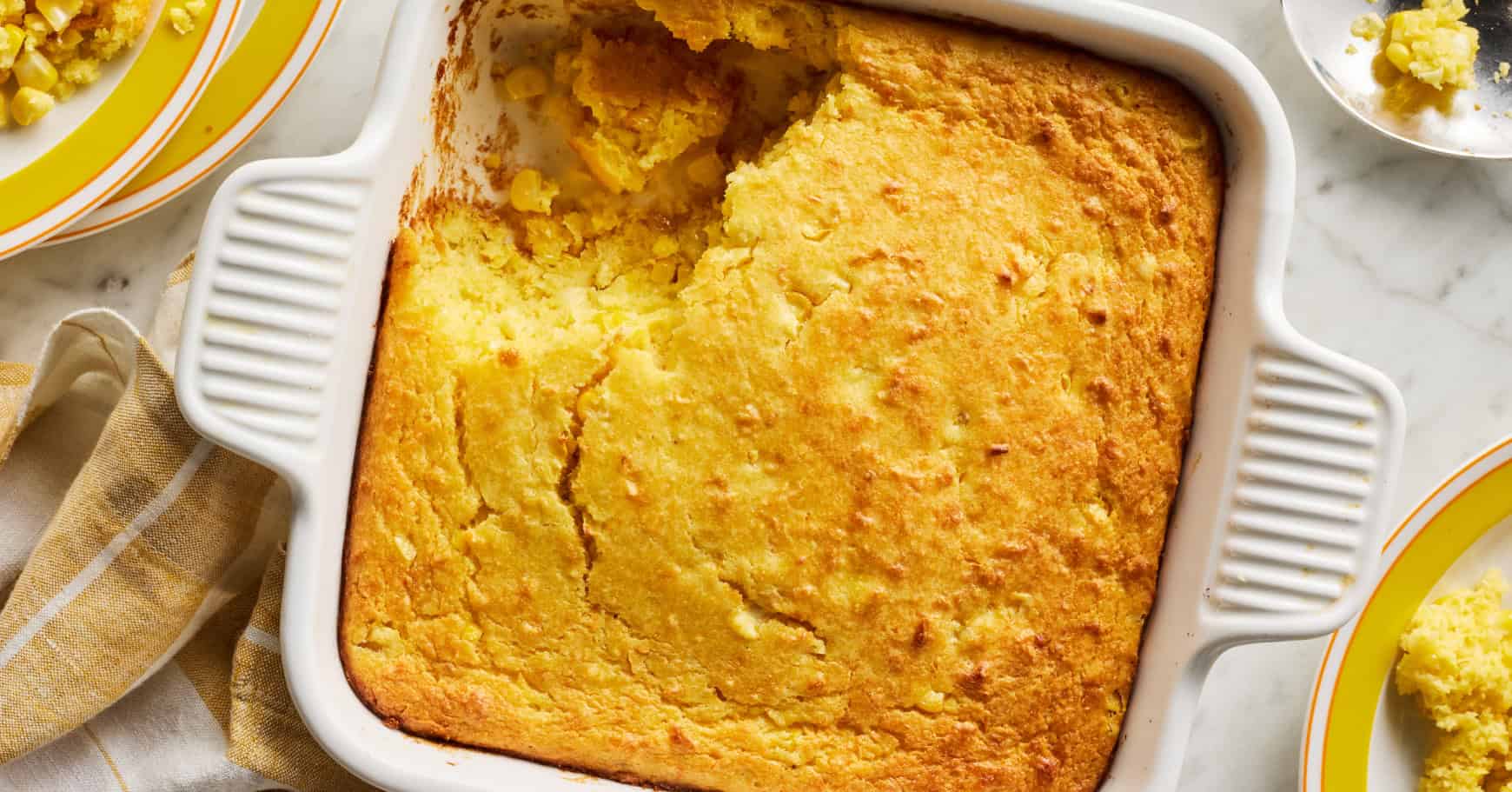
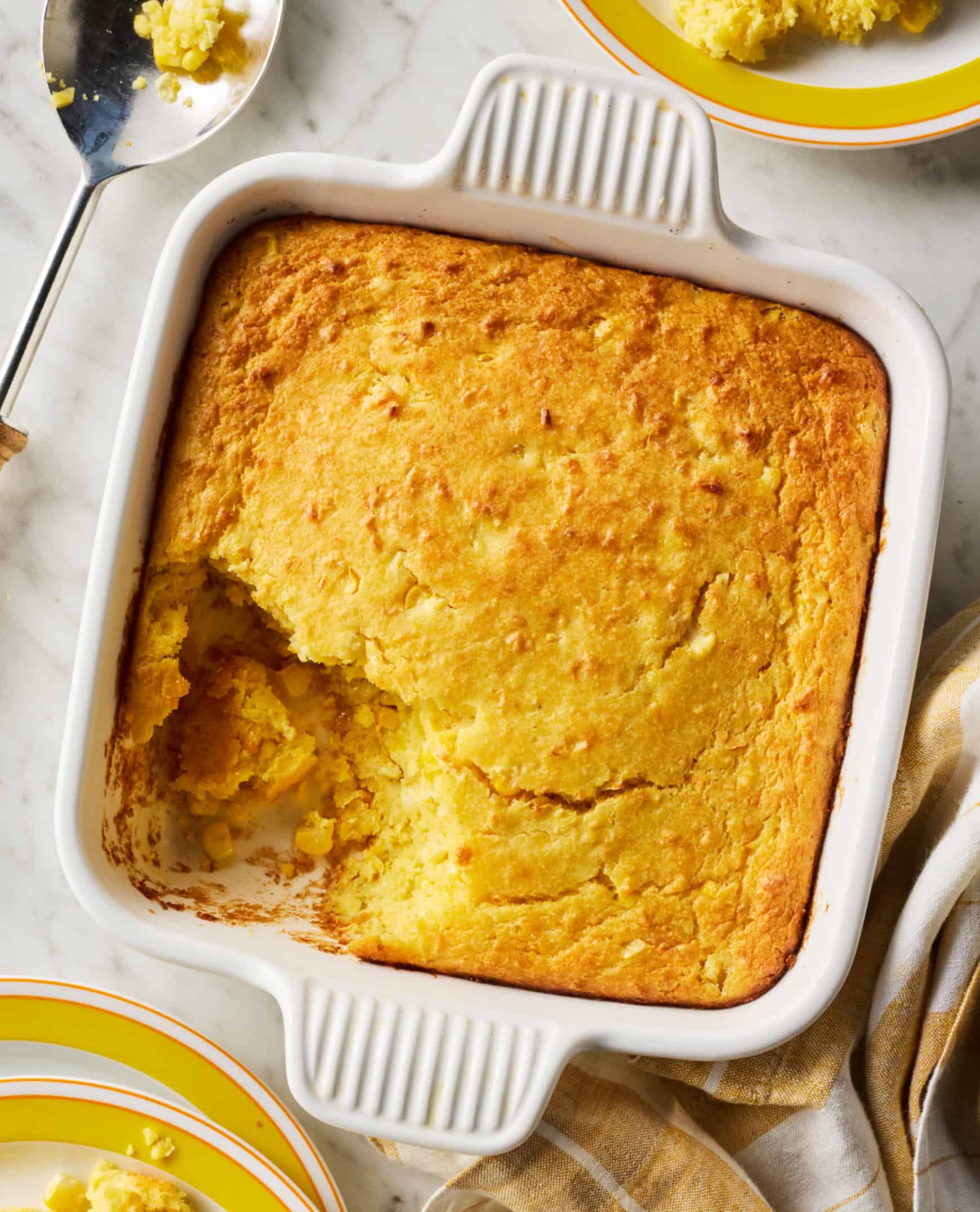
The modern incarnation of the corn casserole features a golden-brown, lightly crisp exterior that yields to an ultra-creamy, spoonable center. Unlike traditional cornbread, which can occasionally lean dry or crumbly, this casserole bridges the gap between a rich corn pudding and a savory bake. By utilizing a homemade blend of all-purpose flour, fine cornmeal, and baking powder, and incorporating freshly pureed corn kernels to mimic the moisture of canned creamed corn, this recipe achieves a superior balance of structure and richness.
Furthermore, the recipe’s inherent flexibility ensures that it remains accessible. While designed to shine brightest during early fall when sweet corn is at its seasonal peak, the dish easily adapts to frozen or canned alternatives, making it a reliable, high-impact side dish for Thanksgiving, winter holidays, and weeknight suppers alike.
Chronology: The Evolution of Corn Casserole
To understand the cultural and culinary significance of this updated recipe, it helps to examine the timeline of how corn casserole evolved within American domestic cooking.
The Mid-20th Century: The Rise of Convenience
The genesis of modern corn casserole is deeply intertwined with the post-World War II boom in processed foods. The widespread availability of canned cream-style corn and commercial baking mixes—specifically the ubiquitous Jiffy cornbread mix introduced by the Chelsea Milling Company—transformed home baking. Homemakers sought quick, reliable side dishes that required minimal measuring. The classic "four-ingredient" corn casserole (boxed mix, whole corn, creamed corn, eggs, and sour cream or butter) quickly became a staple across the American Midwest and South, prized for its foolproof nature and comforting sweetness.
The Late 20th Century: A Holiday Staple
By the 1980s and 1990s, corn casserole had secured its status as a mandatory fixture on Thanksgiving tables. It offered a contrasting texture to roasted turkey, stuffing, and mashed potatoes, providing a sweet counterpoint to savory holiday spreads. However, reliance on processed canned goods meant the dish often tasted overwhelmingly sweet and lacked the vibrant, garden-fresh flavor of actual corn.
The Contemporary Revival: From-Scratch Ingenuity
In recent years, a broader culinary movement toward scratch-cooking has inspired home cooks to revisit convenience-driven classics. Rather than abandoning the comforting texture of traditional corn casserole, culinary creators have engineered a from-scratch version. By pureeing fresh corn kernels to replicate the starchy, velvety consistency of canned creamed corn, and replacing boxed mixes with custom measurements of flour, cornmeal, and leavening agents, modern cooks have successfully retained the soul of the classic dish while elevating its ingredient integrity and culinary execution.
Step-by-Step Chronology: How to Execute the Modern Recipe
For those looking to master this updated classic, the cooking process is straightforward, requiring approximately 15 minutes of active preparation and 45 minutes in the oven.
Step 1: Combining the Dry Elements
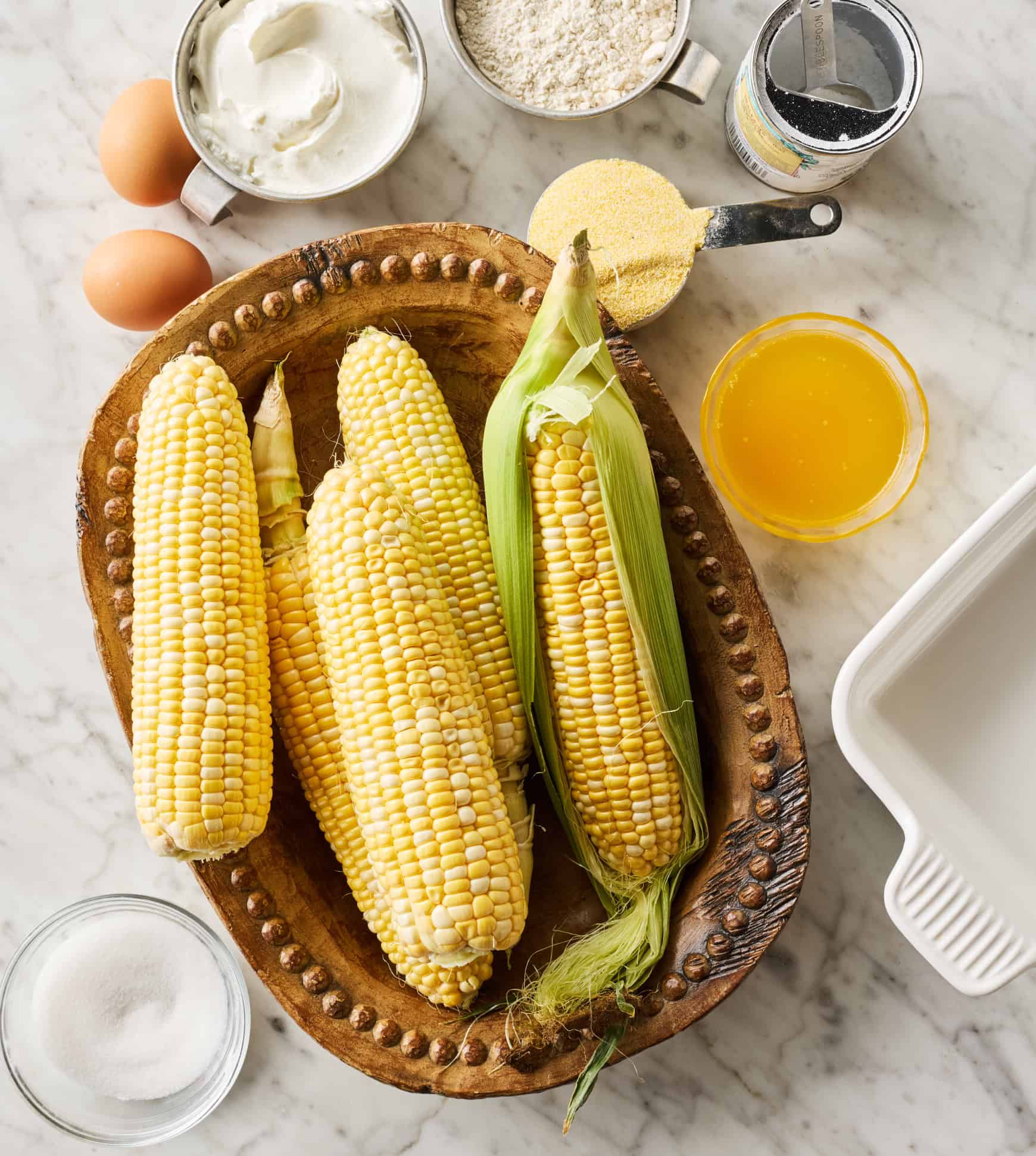
The foundation of the dish begins in a medium-sized mixing bowl. Whisk together all-purpose flour, cornmeal, sugar, baking powder, and salt. Creating a uniform dry blend ensures that the leavening agent and seasonings are evenly distributed throughout the batter, preventing pockets of salt or dense flour during baking.
Step 2: Processing the Corn for Optimal Texture
A defining characteristic of traditional corn casserole is its creamy interior, historically achieved via canned cream-style corn. The modern method replicates this without canned additives by taking 3 cups of corn kernels (fresh, or thawed frozen) and pulsing them in a food processor until smooth. This puree introduces essential moisture and natural starches that help the casserole set into a custard-like consistency. The remaining 1 1/2 cups of corn kernels are left whole, providing essential pops of crunch and texture in every bite.
Step 3: Whisking the Wet Ingredients
In a separate, larger bowl, whisk together whole eggs and melted butter. Introduce the corn puree and sour cream, whisking vigorously until fully incorporated. The sour cream introduces a subtle tang that balances the natural sweetness of the corn and the sugar, while the butter and eggs provide the structural fat necessary for a rich mouthfeel.
Step 4: Bringing Batter Together and Baking
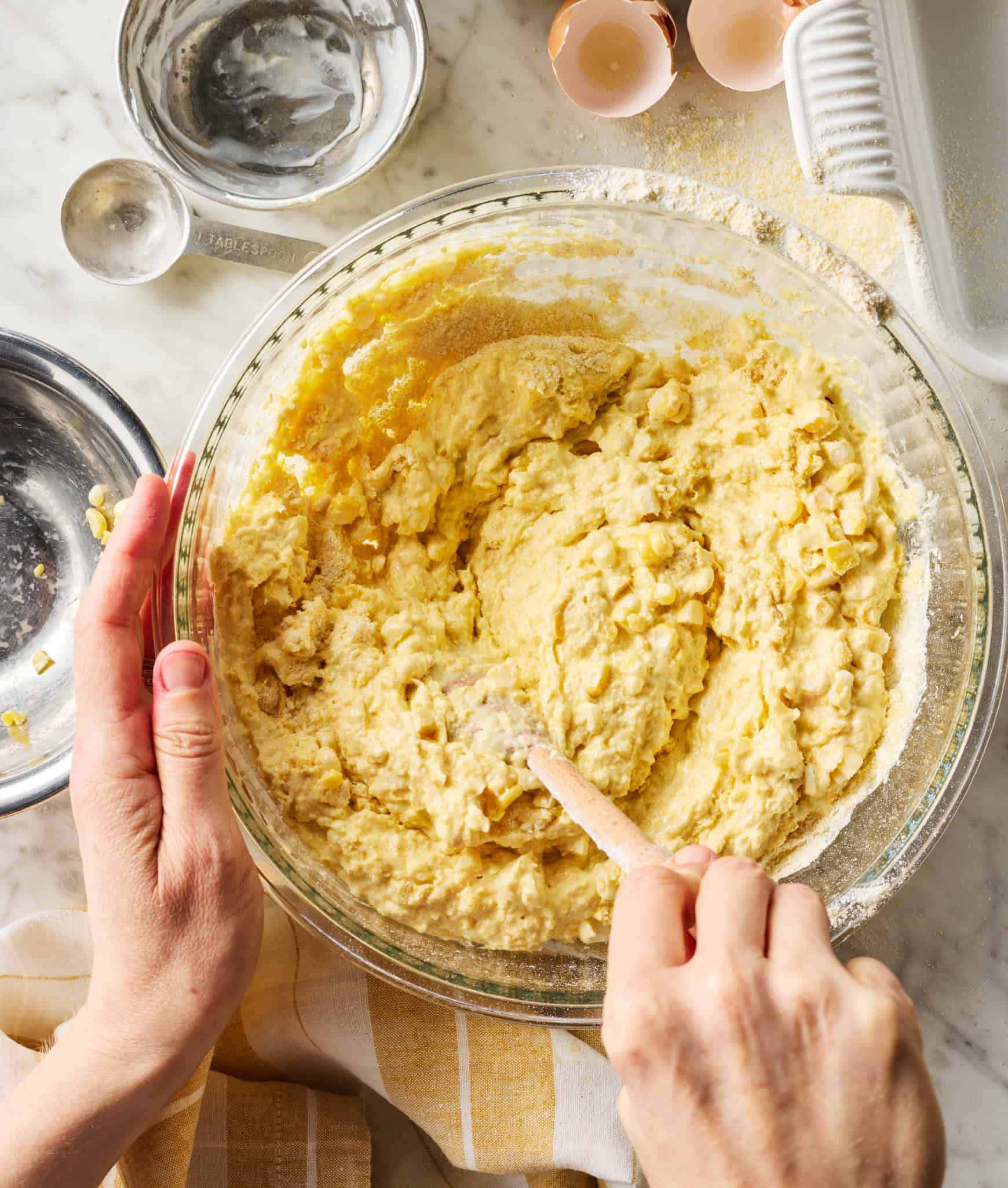
Gently fold the dry ingredient mixture into the wet ingredients, stirring just until combined. Much like preparing pancake batter, overmixing will develop the gluten in the flour and result in a tough, rubbery texture; a few lumps should remain. Fold in the reserved whole corn kernels.
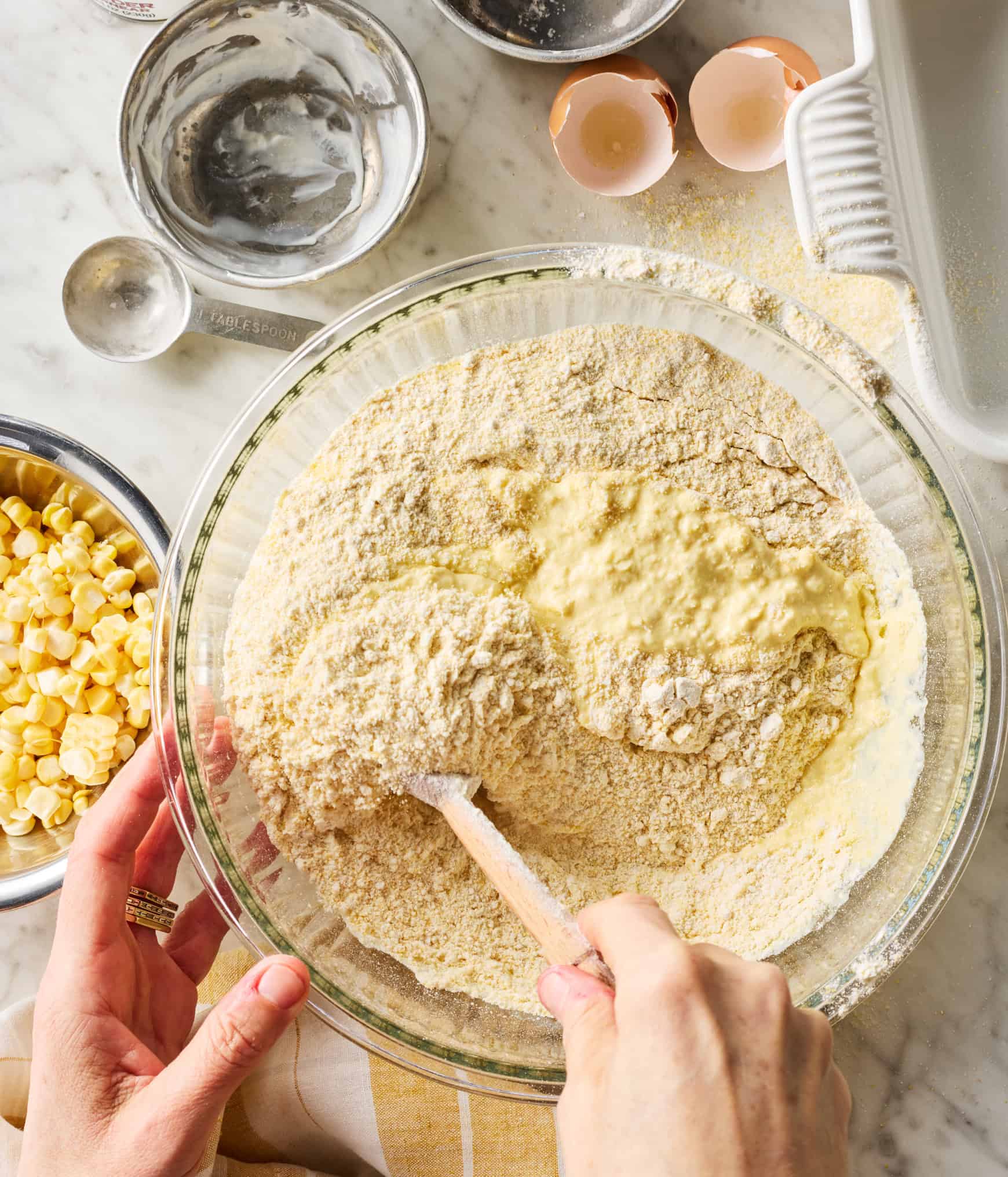
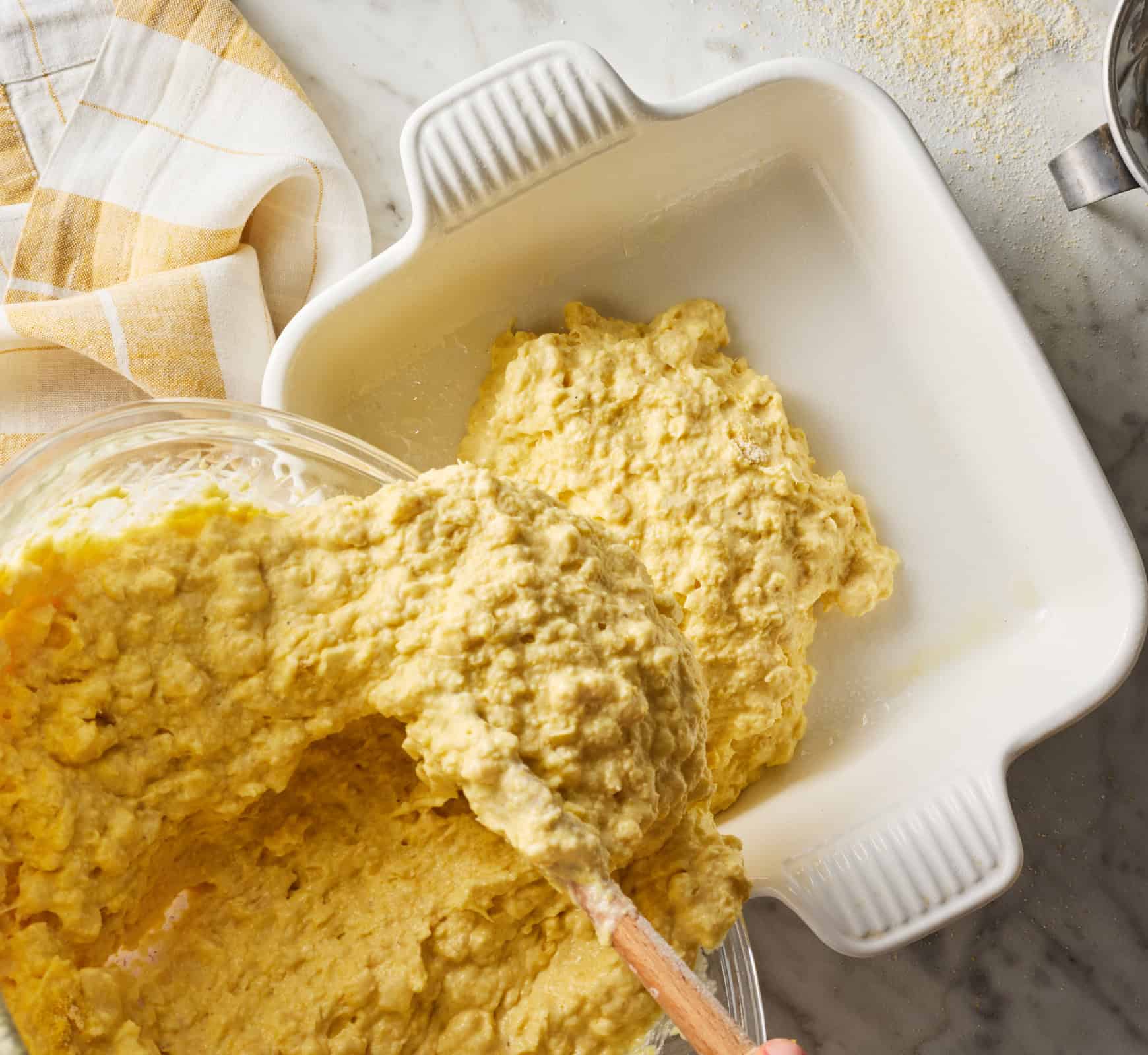
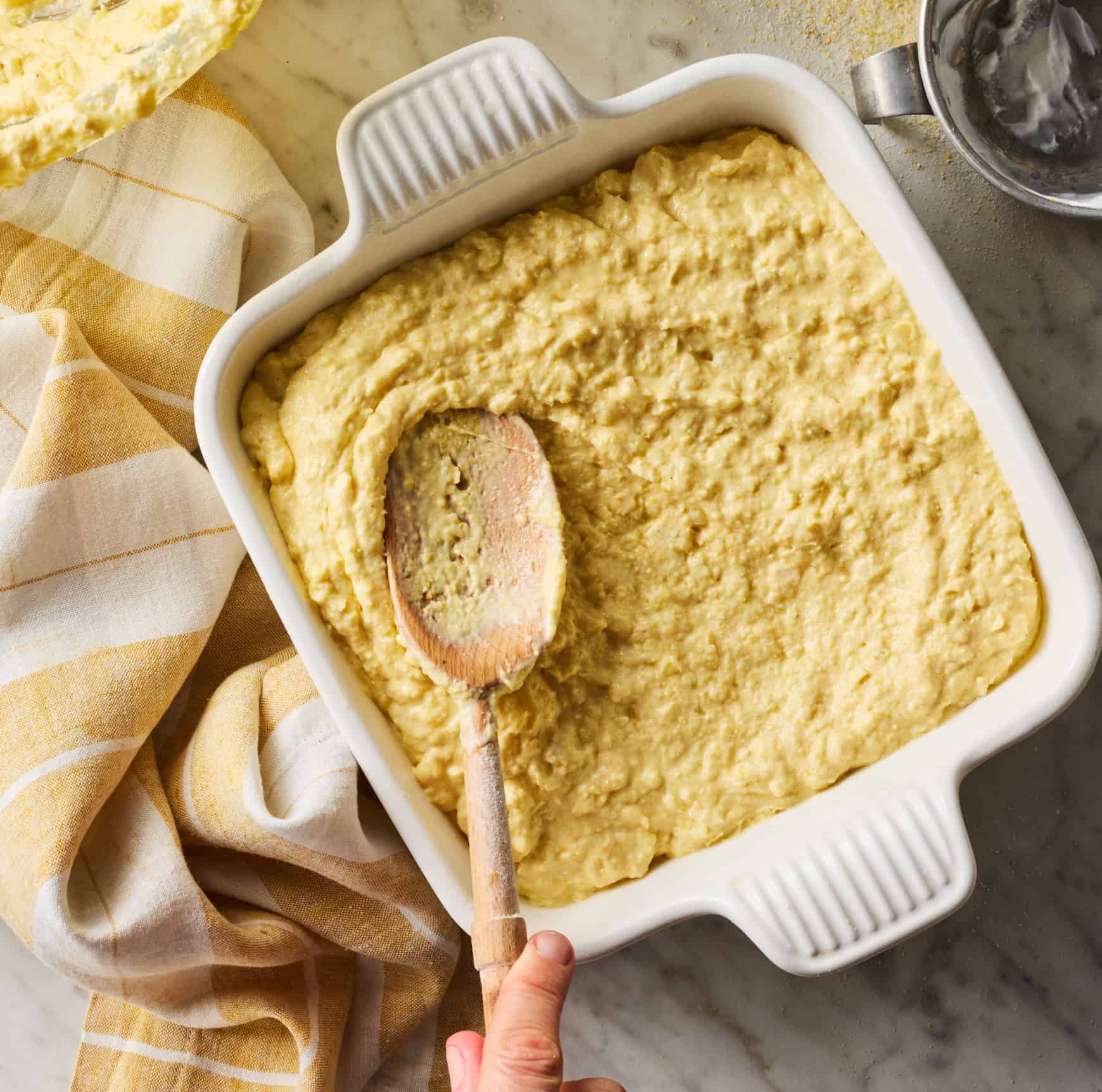
Transfer the thick batter into a greased 9×9-inch casserole dish, smoothing the top with a spatula. (A helpful culinary tip: grease the baking dish using a small amount of the melted butter before mixing the rest into the batter). Bake in a preheated oven at 350°F (175°C) for 45 to 50 minutes. The casserole is ready when the edges turn a deep golden brown and the center remains slightly soft and jiggly. Allow the dish to rest for 10 minutes before slicing to let the interior set properly.
Supporting Data & Nutritional Profile
Understanding the nutritional composition of homemade comfort foods allows home cooks to integrate them mindfully into balanced meal plans. Based on a standard recipe yielding 9 generous servings (one slice per serving), the nutritional breakdown is as follows:
- Serving Size: 1 slice
- Calories: 292 kcal
- Calories from Fat: 153 kcal
- Total Fat: 17g (26% DV)
- Saturated Fat: 9g (56% DV)
- Trans Fat: 0.4g
- Polyunsaturated Fat: 1g
- Monounsaturated Fat: 4g
- Cholesterol: 75mg (25% DV)
- Sodium: 368mg (16% DV)
- Potassium: 287mg (8% DV)
- Total Carbohydrates: 33g (11% DV)
- Dietary Fiber: 3g (13% DV)
- Sugars: 10g (11% DV)
- Protein: 6g (12% DV)
Micronutrient Contributions
Beyond macronutrients, this corn casserole provides notable vitamins and minerals derived primarily from whole corn, dairy, and eggs:
- Vitamin A: 631 IU (13% DV)
- Calcium: 110 mg (11% DV)
- Iron: 1 mg (6% DV)
- Vitamin C: 5 mg (6% DV)
Note: Percentage Daily Values (% DV) are based on a standard 2,000-calorie daily diet. Individual nutritional requirements may vary based on activity level and metabolic needs.
Official Responses and Culinary Expert Insights
Professional chefs, food scientists, and home-economists have weighed in heavily on the resurgence of scratch-made casserole variations, highlighting why moving away from processed shortcuts yields superior culinary results.
The Argument for Scratch-Made Textures
According to culinary instructors and recipe developers, relying on boxed cornbread mixes often introduces unwanted chemical aftertastes and excess sodium that overpower the delicate sweetness of corn. Food scientists note that pureeing fresh or frozen corn breaks down the cell walls of the kernels, releasing natural pectin and starches. When baked alongside eggs and sour cream, these natural starches act as a thickening agent, creating a luxurious custard-like texture that boxed mixes simply cannot replicate without artificial thickeners.
Flexibility and Dietary Adaptability
Culinary experts praise the recipe’s adaptability. While purists advocate for fresh sweet corn harvested during the late summer and early autumn months, professional test kitchens confirm that frozen corn kernels—thawed and drained—yield nearly identical textural results during winter months. Furthermore, for cooks operating on tight schedules during holiday rushes, culinary consultants emphasize that the recipe can be fully prepared, baked, cooled, and refrigerated up to 48 hours in advance without sacrificing structural integrity or moisture.
Implications: Meal Planning, Storage, and Holiday Integration
The practical implications of incorporating this modern corn casserole into household meal planning extend far beyond a single dinner party. Its robust storage profile and make-ahead capabilities make it a strategic asset for home cooks managing complex menus.
Make-Ahead Convenience
One of the primary logistical challenges of preparing large meals—such as Thanksgiving dinner or large family gatherings—is oven management. Because this corn casserole can be fully baked up to two days in advance, stored covered in the refrigerator, and reheated gently at 300°F (150°C) for 10 to 20 minutes before serving, it frees up valuable oven space during peak cooking hours.
Freezing and Long-Term Storage
For those wishing to plan even further ahead, the casserole freezes exceptionally well.
- Refrigerator Storage: Leftovers can be stored in an airtight container in the refrigerator for up to 4 days.
- Freezer Storage: To freeze, wrap the baked and cooled casserole tightly in heavy-duty aluminum foil or seal it within an airtight freezer-safe container. It will maintain optimal quality for up to 3 months. To serve, transfer the casserole to the refrigerator to thaw overnight before reheating thoroughly in the oven or individual portions in the microwave.
Expanding the Comfort Food Horizon
The success of this updated corn casserole points toward a broader trend in modern home cooking: the elevation of comfort classics. By swapping processed convenience items for whole-food alternatives, home cooks are discovering that dishes traditionally relegated to "quick and easy" categories can be transformed into standout centerpieces of culinary craftsmanship. Whether served alongside a Sunday roast, a summer barbecue, or a traditional holiday turkey, this sweet-and-savory corn casserole proves that timeless favorites are always improved by a return to kitchen fundamentals.