Easter brunch is a cornerstone of spring entertaining, acting as a celebratory bridge between the quiet introspection of the season and the vibrant renewal of nature. For hosts, the task of planning a menu that satisfies a diverse crowd while maintaining a festive, seasonal atmosphere can be daunting. Whether you are aiming for a classic, elegant affair or a relaxed, family-friendly gathering, the key lies in balancing make-ahead preparation with fresh, high-quality ingredients.

In this guide, we have compiled a comprehensive resource of the 25 best Easter brunch recipes. From hearty egg-based centerpieces to bright, seasonal salads and decadent morning sweets, this collection is designed to help you execute a professional-level brunch with confidence.

The Foundation of a Successful Brunch: Strategic Planning
When orchestrating a holiday brunch, the primary challenge is often timing. Professional chefs rely on "mise en place"—everything in its place—and strategic delegation of tasks. The goal is to spend less time in the kitchen and more time with your guests.
A successful brunch menu typically follows a "Golden Ratio" of flavors and textures:

- The Savory Anchor: A substantial egg dish or protein that serves as the foundation.
- The Fresh Element: A seasonal salad or vegetable-forward side to cut through the richness of the main courses.
- The Starch: A comforting element like potatoes, biscuits, or bread.
- The Sweet Note: Pastries or cakes that provide a celebratory finish.
- The Libation: Refreshing, low-maintenance drinks that complement the food.
Savory Egg Dishes: The Heart of the Table
Egg-based dishes are the undisputed stars of the Easter menu. They are cost-effective, infinitely customizable, and can often be prepared in advance.
The Crowd-Pleasing Breakfast Casserole
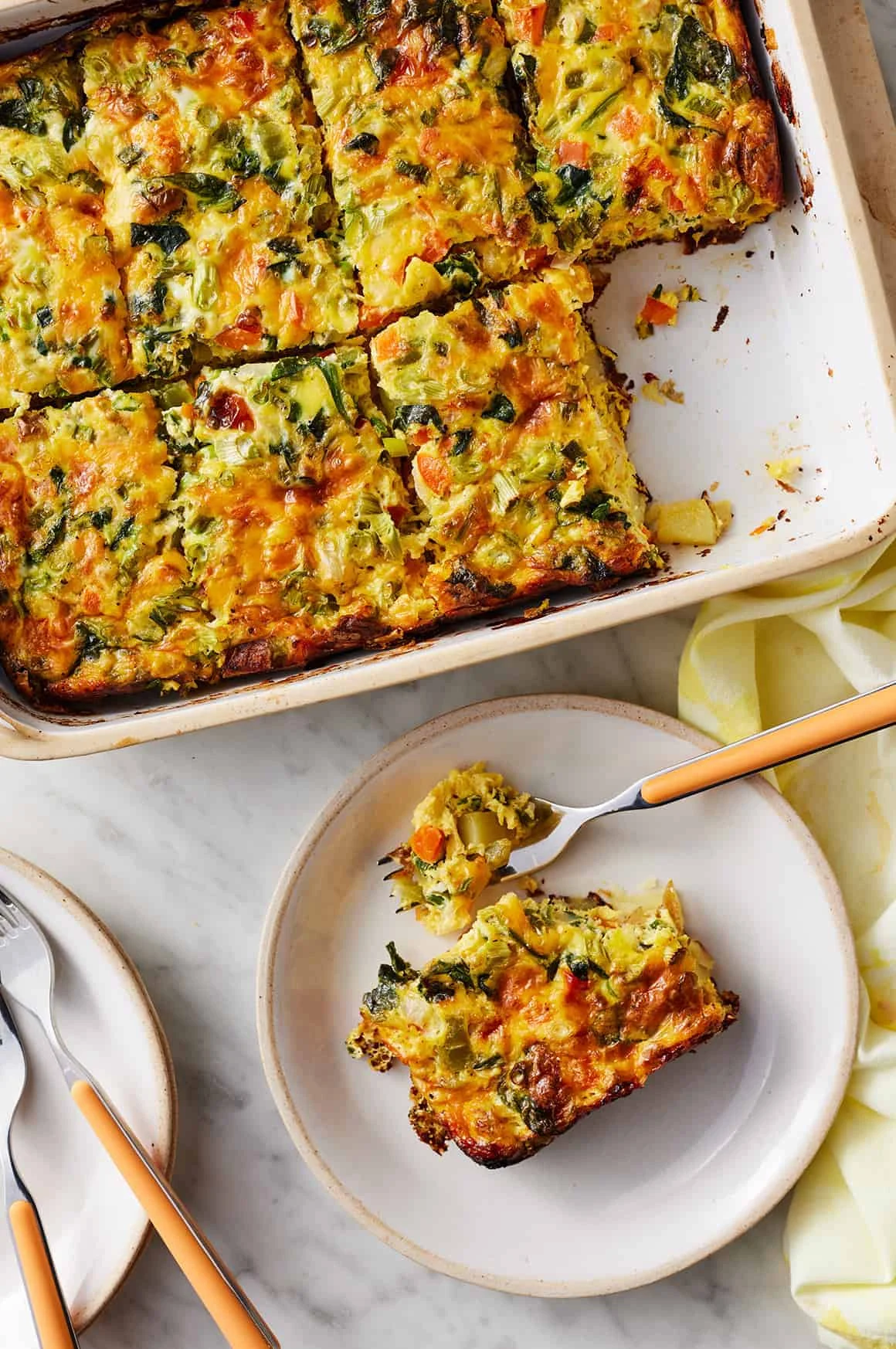
The breakfast casserole is the workhorse of the brunch world. By combining roasted potatoes, bell peppers, and sharp cheddar cheese with a rich egg base, you create a dish that is both filling and deeply satisfying. Its ability to hold its texture over time makes it the perfect choice for large groups.

Mastering the Quiche
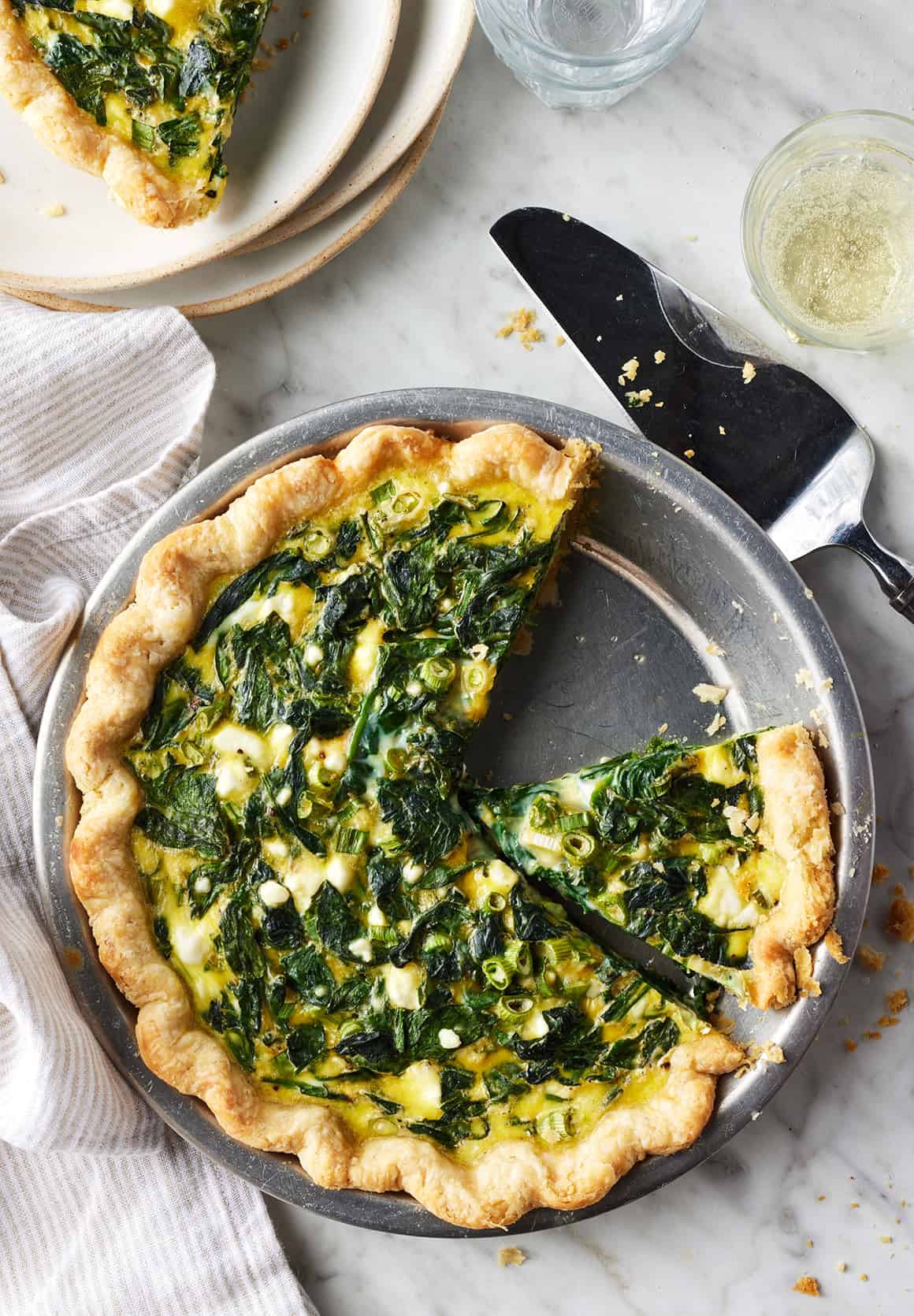
For those who prefer a more elegant presentation, a spinach quiche with a buttery, flaky crust is the quintessential spring dish. Pro tip: Prepare your pie crust 24 to 48 hours in advance. Chilling the dough allows the gluten to relax, ensuring a tender, non-shrinking crust that remains crispy even after being filled with a custard of eggs, scallions, and tangy feta cheese.

The Convenience of Crustless and Frittatas
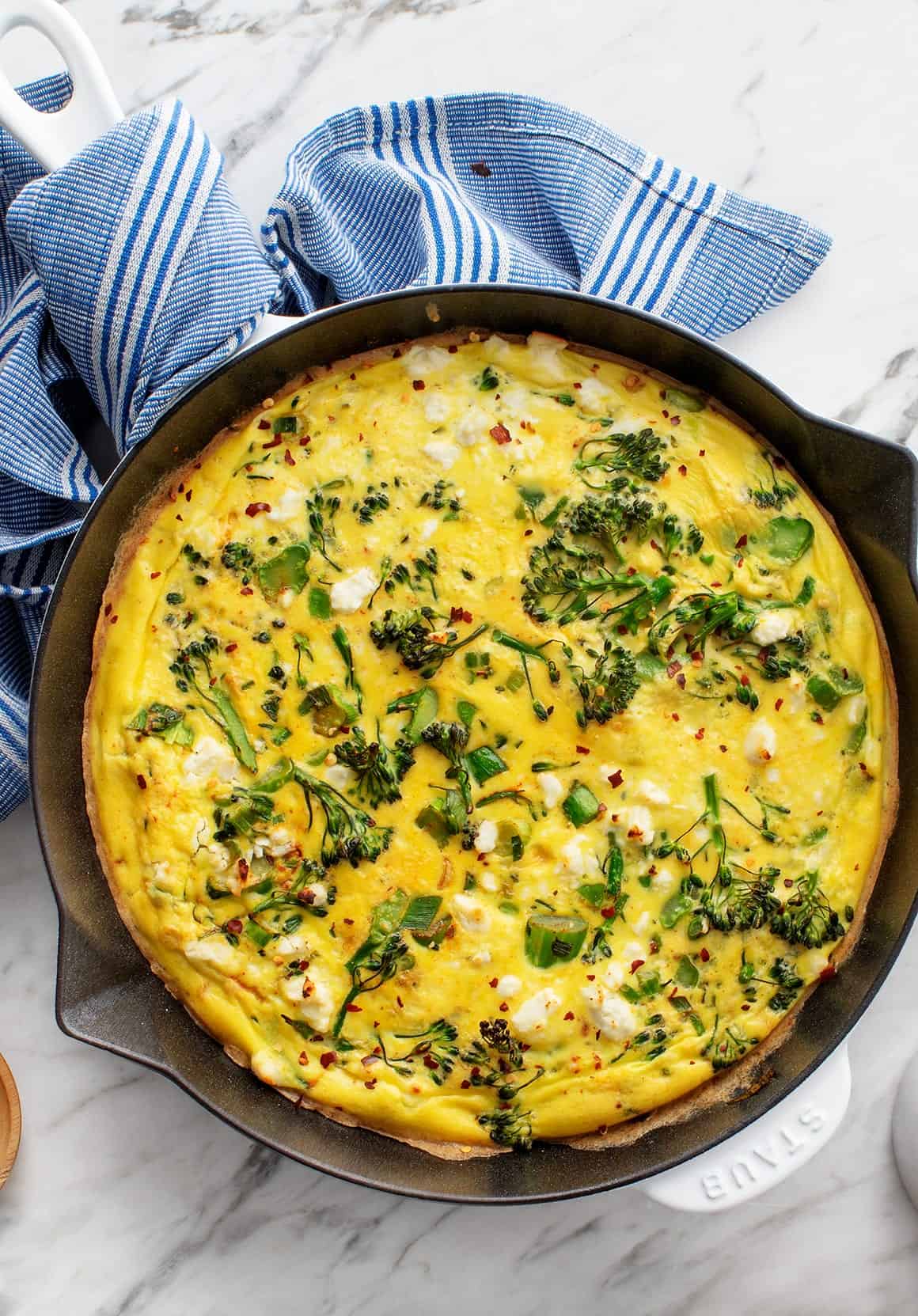
For a lighter, gluten-conscious option, a crustless quiche filled with broccoli, fresh thyme, and nutty Gruyère cheese provides all the luxury of a traditional quiche in under an hour. Similarly, the frittata remains the most versatile tool in the host’s arsenal. It is essentially a "clean-out-the-fridge" masterpiece, allowing you to incorporate any leftover spring vegetables—asparagus, peas, or leeks—into a golden, protein-rich wedge.

Eggs Benedict and Deviled Eggs
While Eggs Benedict is often reserved for restaurant dining, a vegetarian version featuring poached eggs over English muffins with roasted asparagus and hollandaise sauce is achievable at home. Furthermore, don’t overlook the utility of deviled eggs. If your weekend includes an Easter egg hunt, repurposing your hard-boiled eggs into a seasoned, bite-size appetizer is both practical and festive.
The Sweet Side: Pastries and Morning Delights
No brunch is complete without the aroma of baking filling the home.

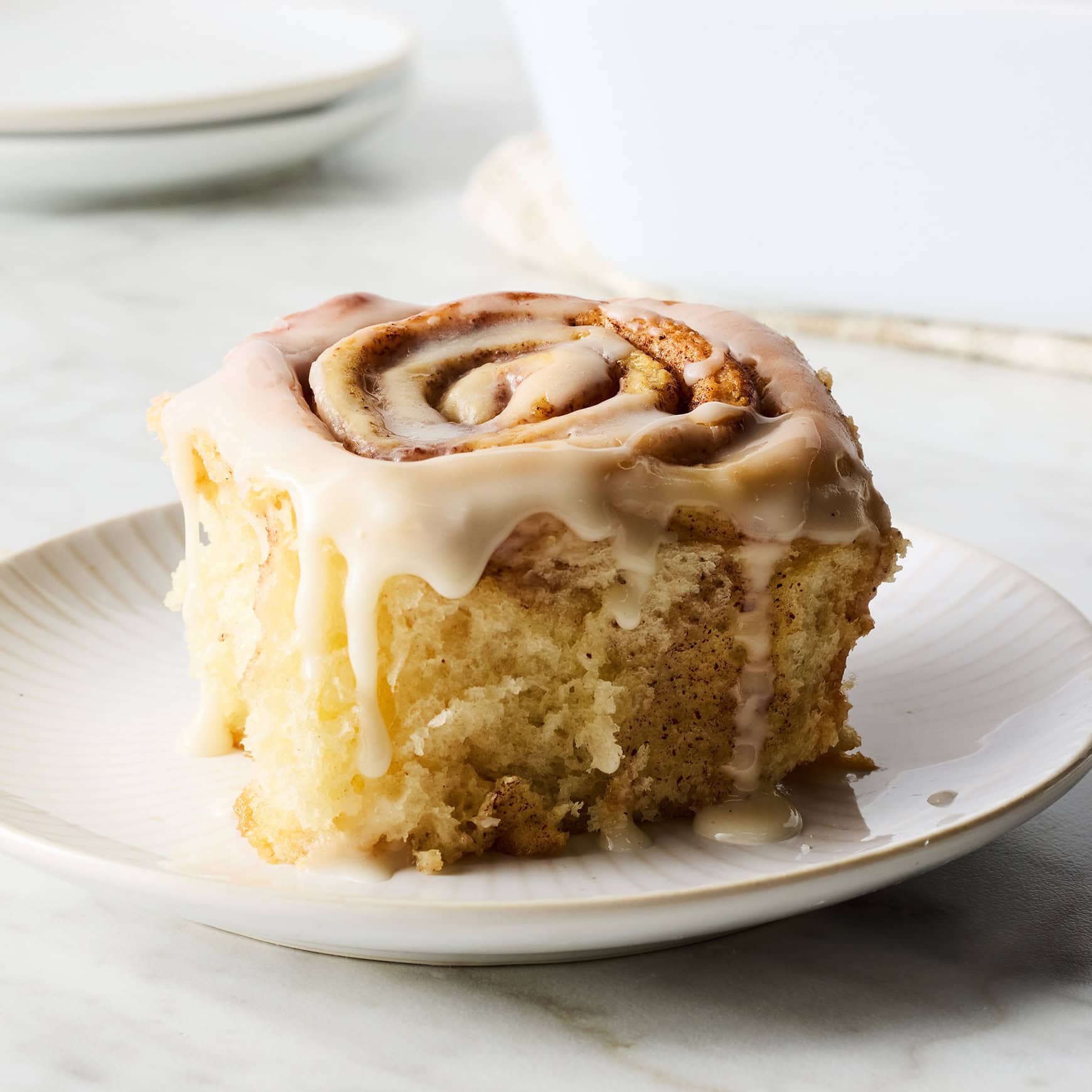
- Cinnamon Rolls: A soft, gooey cinnamon roll is a nostalgic favorite. For an elevated touch, consider a dairy-free vanilla glaze or a classic, rich cream cheese frosting. These are best served warm, providing a comforting contrast to the savory elements of the meal.
- Waffles and Pancakes: Setting up a "waffle bar" is an excellent way to engage guests. By providing crisp, fluffy waffles alongside bowls of fresh berries, nut butters, and pure maple syrup, you allow guests to customize their plates. Similarly, fluffy, homemade pancakes are a reliable favorite for younger guests and those who appreciate the simple pleasure of a classic breakfast.
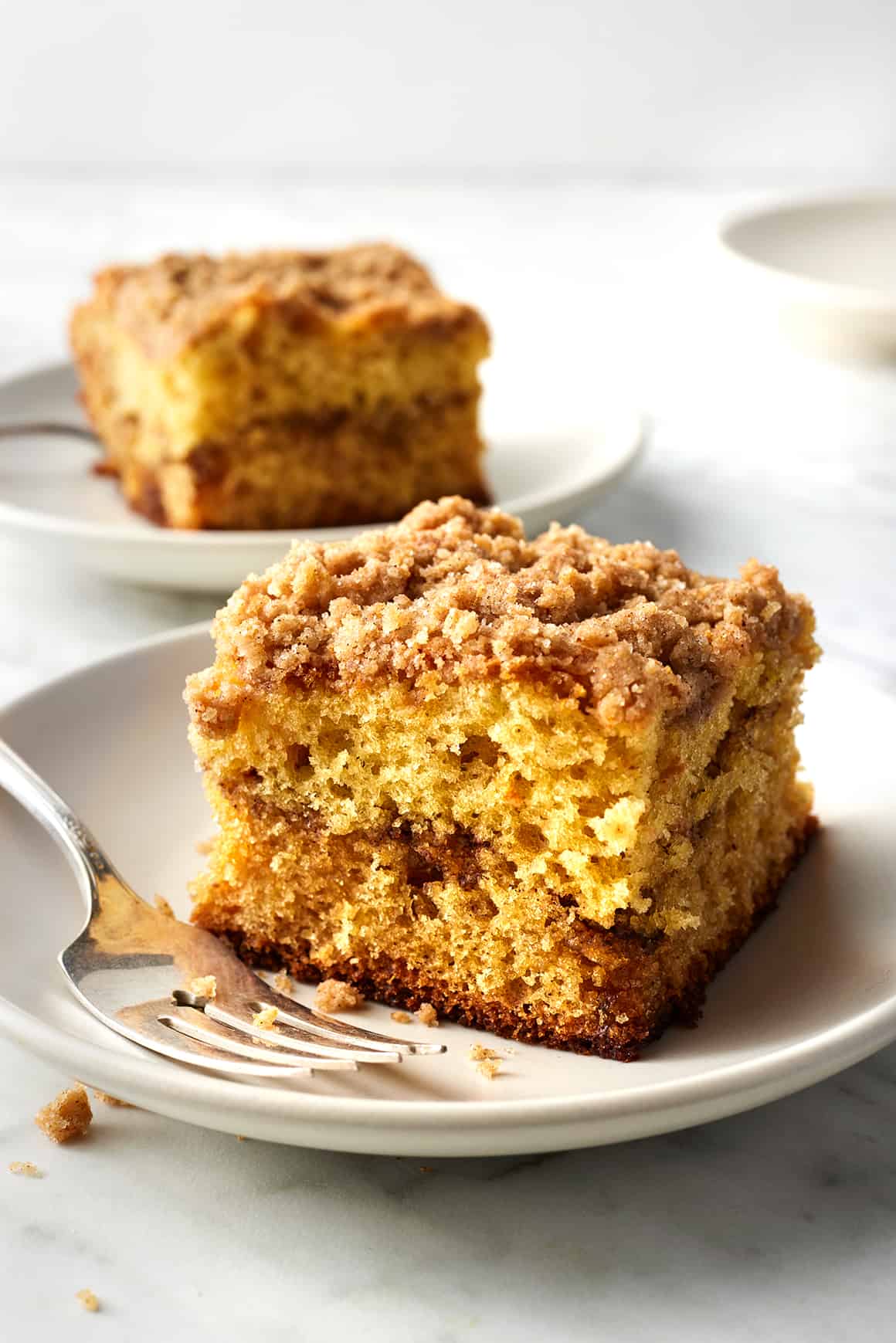
- Coffee Cake: A moist, buttery coffee cake, perhaps inspired by a family recipe with a brown sugar and cinnamon swirl, provides a sophisticated finish that pairs perfectly with mid-morning coffee.
Celebrating Spring: Salads and Sides
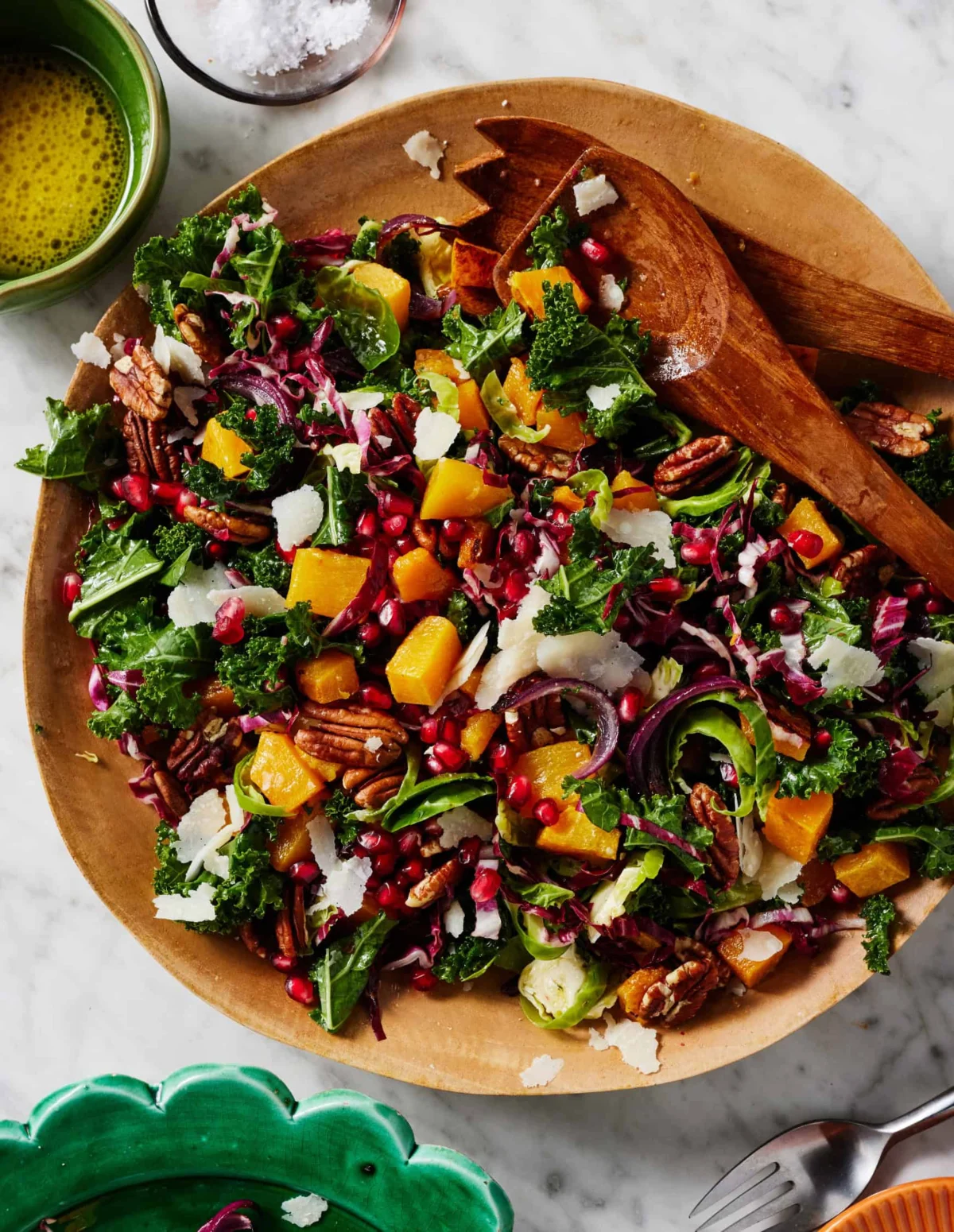
Spring is a time for vibrant, crisp produce. Integrating these elements provides a necessary textural contrast to the heavier egg and bread dishes.
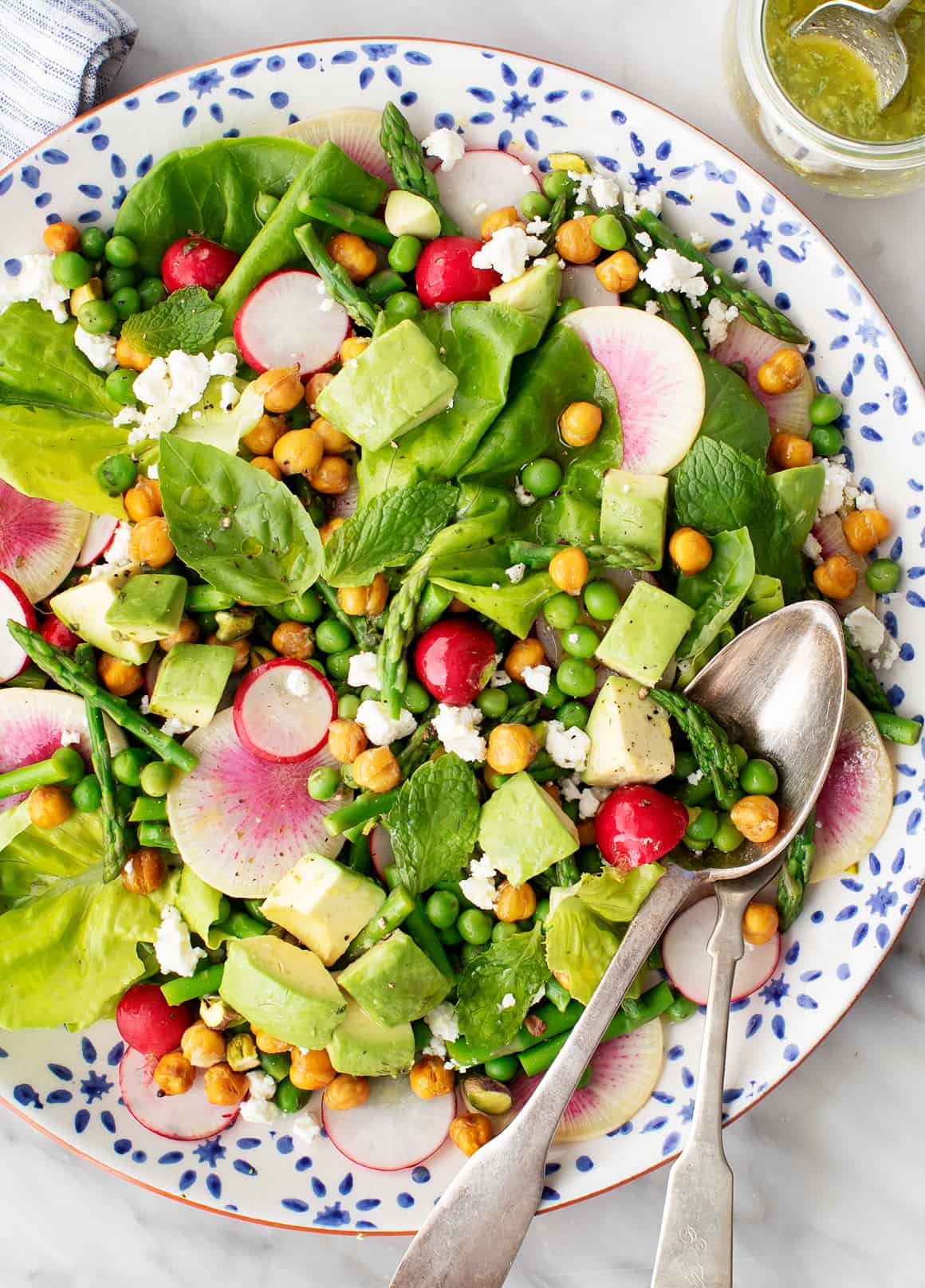
- The Bright Spring Salad: Utilizing butter lettuce, shaved radishes, and crisp asparagus tossed in a basil vinaigrette creates a visual and flavorful masterpiece that screams "spring."
- Strawberry Caprese: By incorporating sliced strawberries into a traditional Caprese salad, you bridge the gap between savory and sweet. The acidity of the strawberries plays beautifully against fresh mozzarella and basil.
- Asparagus Salad: Asparagus is the harbinger of spring. Shaving the spears raw or lightly blanching them before tossing with peas and an avocado dressing creates a sophisticated, modern side dish.
The Potato Factor: Scalloped and Breakfast Styles
Potatoes are the ultimate comfort food. Whether you opt for creamy, oven-baked scalloped potatoes—a classic holiday staple—or crispy, pan-fried breakfast potatoes seasoned with smoky, savory spices, this starch is essential for a balanced plate.

Elevating the Experience: Drinks and Desserts
The atmosphere of a brunch is often defined by the drinks menu.
- Classic Mimosa: The simplicity of high-quality orange juice combined with chilled sparkling wine (Champagne, Cava, or Prosecco) remains the gold standard.
- Bellinis: Utilize frozen peaches during the early spring months to create a consistent, flavorful puree that elevates the cocktail beyond the basic mimosa.
- Bloody Marys: A well-constructed Bloody Mary allows for creative expression through garnishes. Think celery stalks, pickled olives, and fresh herbs.
For the finale, carrot cake is arguably the most thematic choice for Easter. An ultra-moist, spiced carrot cake with a generous layer of tangy cream cheese frosting is the perfect conclusion to the meal. Alternatively, a lemon-blueberry bread, enhanced by the depth of olive oil and the moisture of Greek yogurt, offers a slightly lighter, yet equally impressive, dessert option.

Sample Menu and Final Preparations
To help you get started, consider this sample menu designed for a crowd:

- Main: Breakfast Casserole with Roasted Potatoes and Peppers.
- Side: Bright Spring Salad with Basil Vinaigrette.
- Bread: Easy Homemade Biscuits with Honey Butter.
- Drink: Classic Mimosas.
- Dessert: Easy Carrot Cake with Cream Cheese Frosting.
Suggested Swaps for Customization
- For a lighter meal: Replace the breakfast casserole with a crustless quiche and add more seasonal fruit platters.
- For a kid-friendly table: Prioritize the pancake and waffle bar, and offer a selection of fruit-based muffins.
- For an elegant brunch: Focus on the Eggs Benedict and a sophisticated asparagus salad, paired with a selection of fine pastries.
Implications for the Modern Host
The modern approach to Easter brunch is less about perfection and more about connection. By utilizing these recipes, you are not just preparing food; you are curating an experience. The move toward make-ahead components like casseroles, quiches, and batters allows for a more relaxed environment where the host is not tethered to the stove.

As you plan your menu, remember that the most successful brunches are those that allow for flexibility. If you find yourself short on time, prioritize the dishes that can be prepared the night before. Ultimately, the joy of the holiday lies in the shared table, the celebration of the season, and the memories created with friends and family. Happy cooking!