CULINARY TREND REPORT — As winter settles in and the holiday calendar fills with celebrations ranging from intimate gatherings to grand New Year’s Eve galas, mixologists and home bartenders alike are shifting their focus. Gone are the heavy, cream-based stouts and overly spiced hot toddies of yesteryear; in their place stands a vibrant, ruby-red contender that has swiftly captured the public imagination: the Pomegranate Martini.
Striking the ultimate balance between sophisticated mixology and approachable home preparation, this four-ingredient seasonal cocktail is proving to be much more than a fleeting social media trend. It is rapidly becoming the defining signature drink of the winter social season.
Main Facts: Anatomy of a Modern Classic
At its core, the appeal of the pomegranate martini lies in its elegant simplicity. While classic martinis rely on the austere, spirit-forward marriage of gin and dry vermouth, contemporary palate preferences lean toward brighter, fruit-forward profiles. The pomegranate martini answers this call by transforming a traditional vodka martini into a complex, sweet-tart experience.
The drink is constructed from four foundational elements:
- Premium Vodka: Serving as the neutral canvas, high-quality vodka provides the necessary alcoholic backbone without overpowering the delicate fruit notes.
- Pomegranate Juice: The star of the show, imparting a deep, jewel-toned ruby red hue and a complex tartness rich in antioxidants.
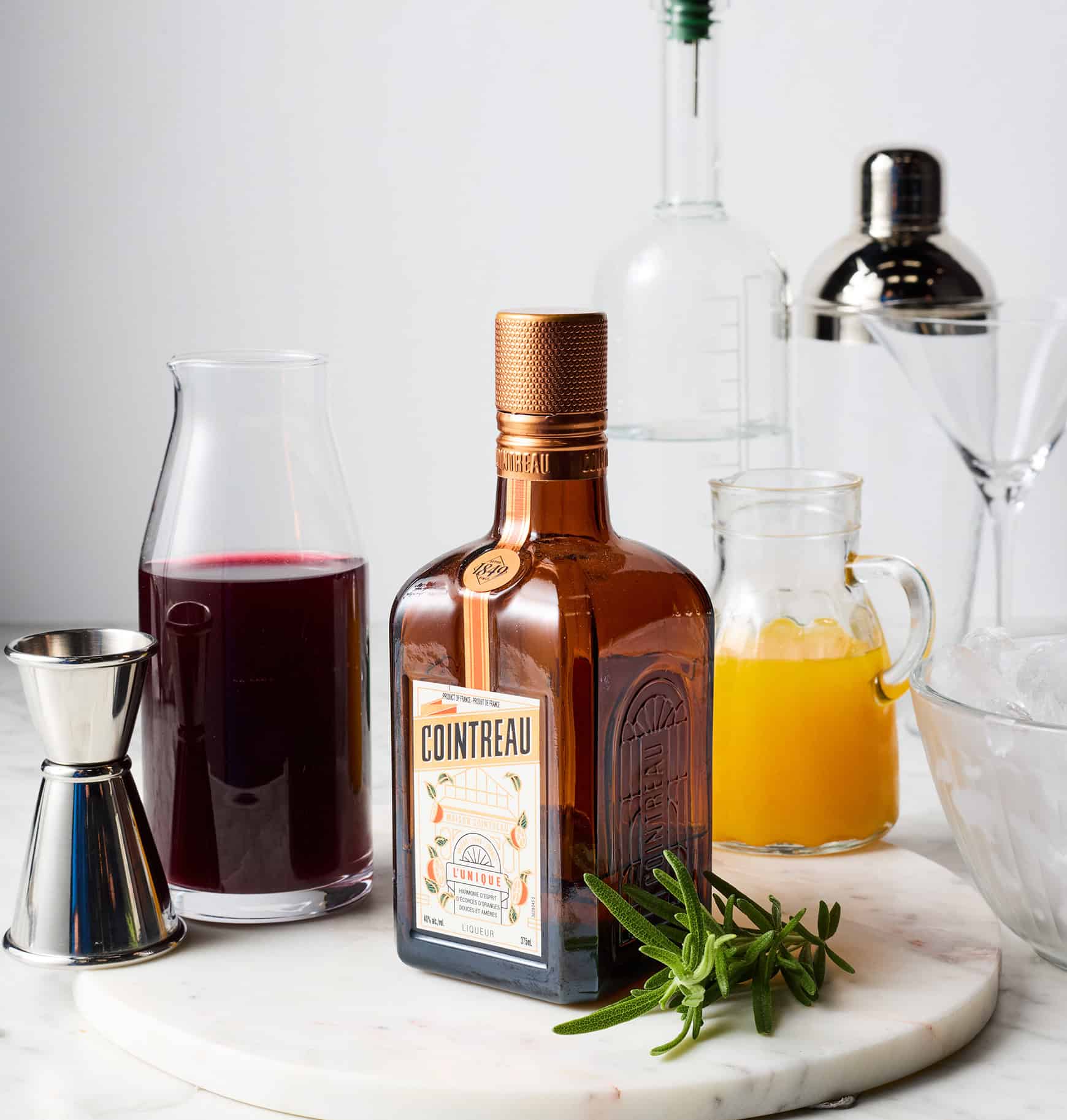
- Orange Liqueur: Traditional options like Cointreau or Triple Sec add aromatic citrus depth and a necessary layer of sweetness to temper the tart juice.
- A Splash of Fresh Orange Juice: This accentuates the citrus notes from the liqueur, tying the flavor profile together with a bright, sunny finish.
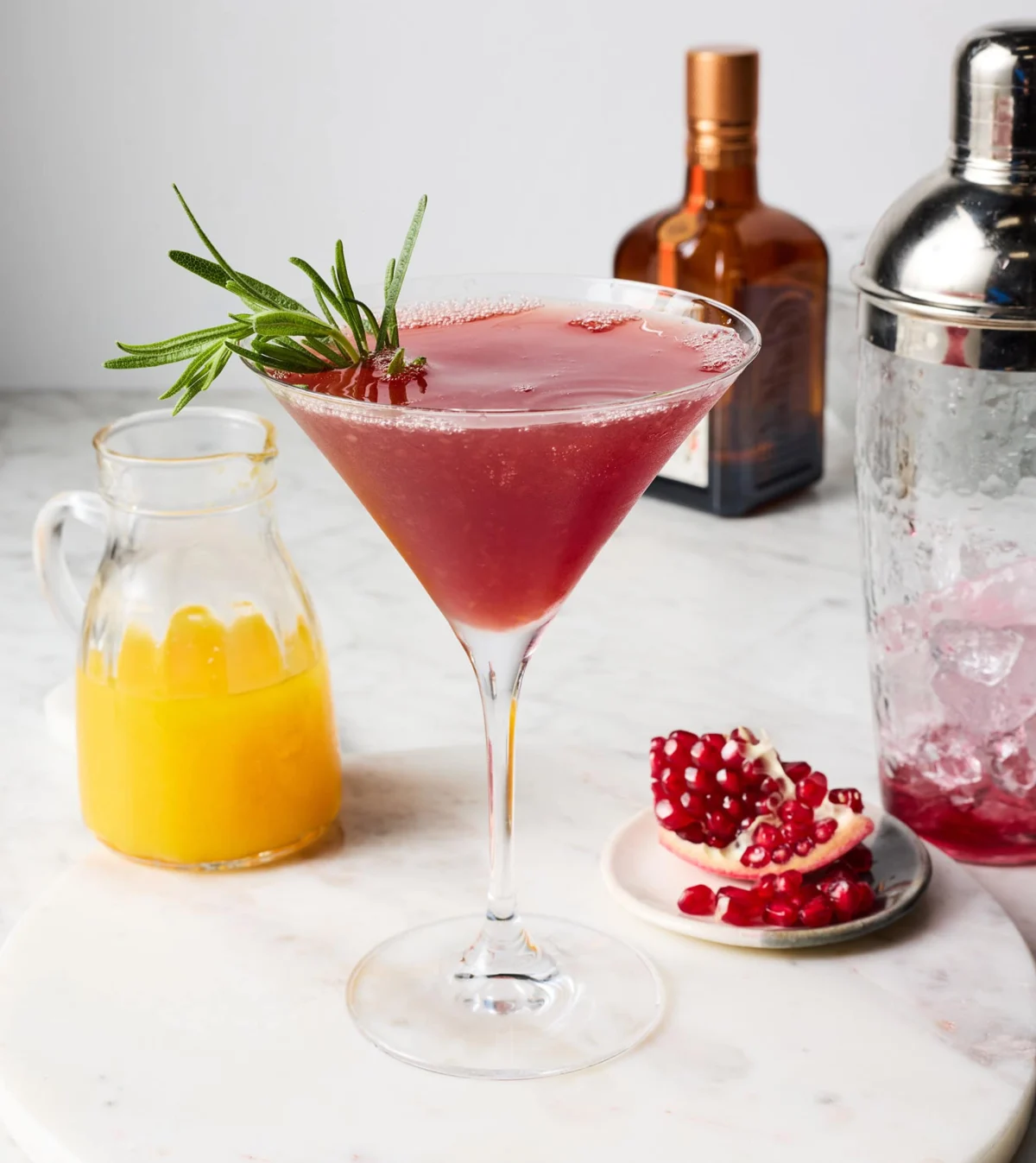
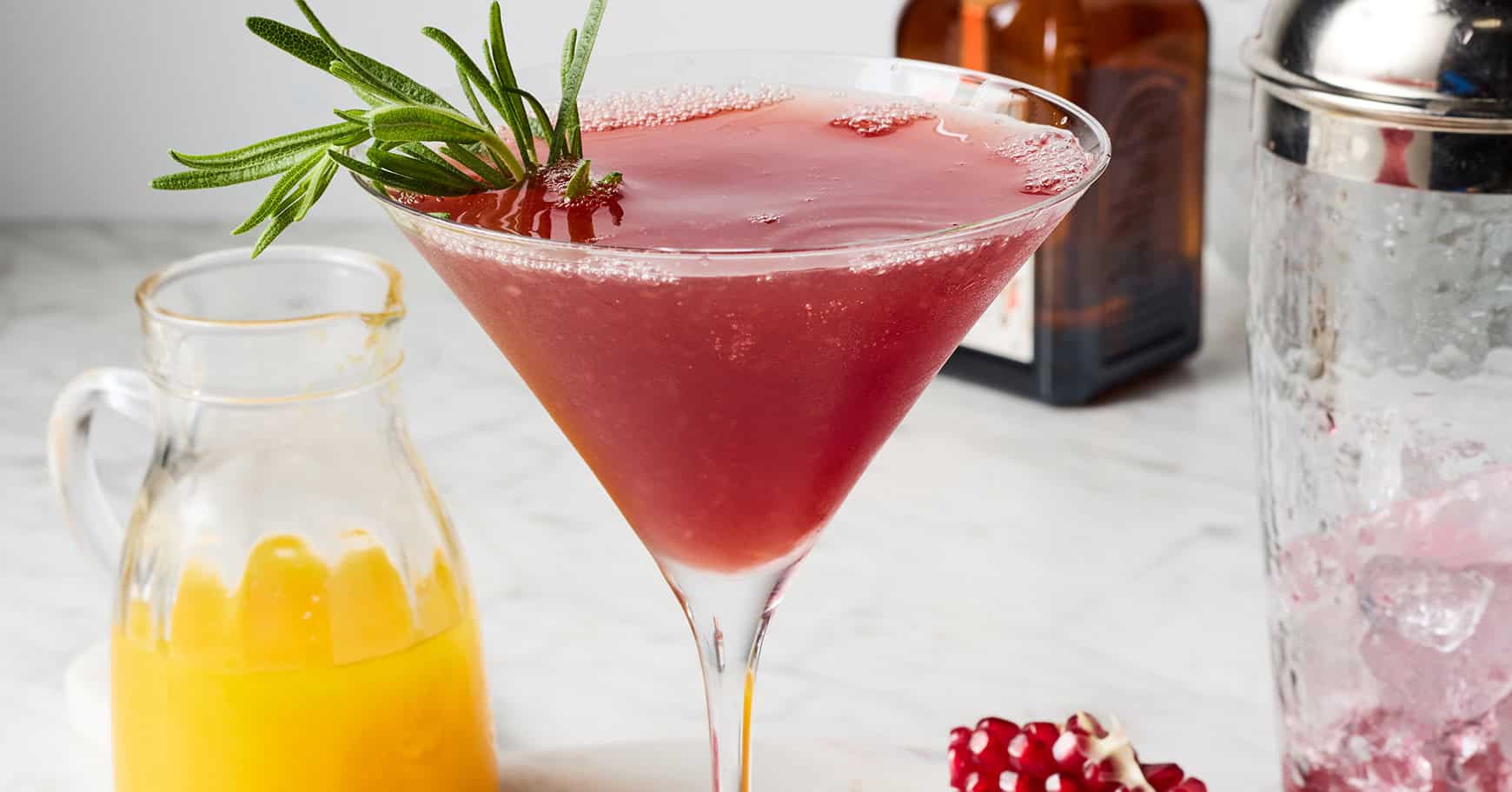
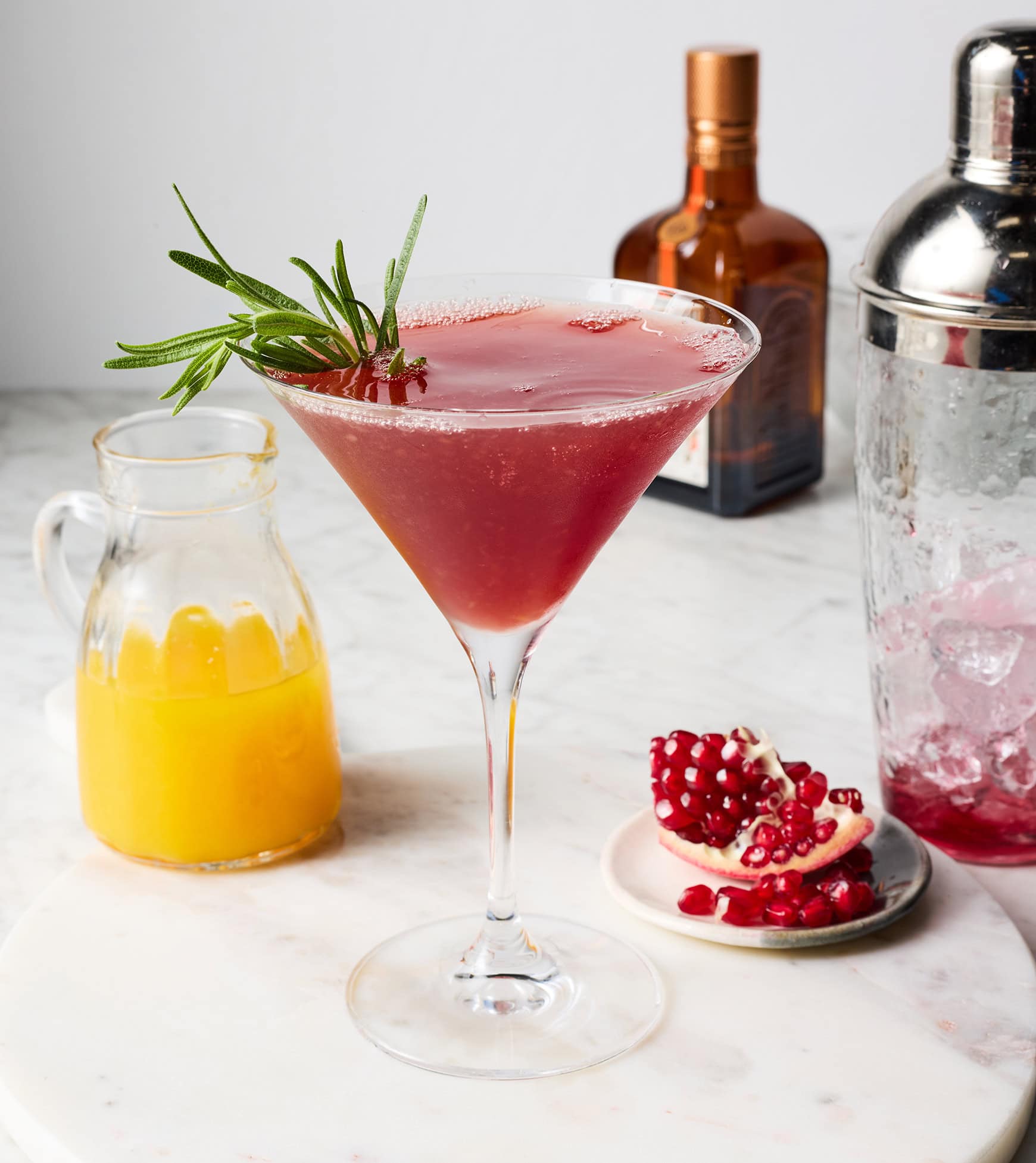
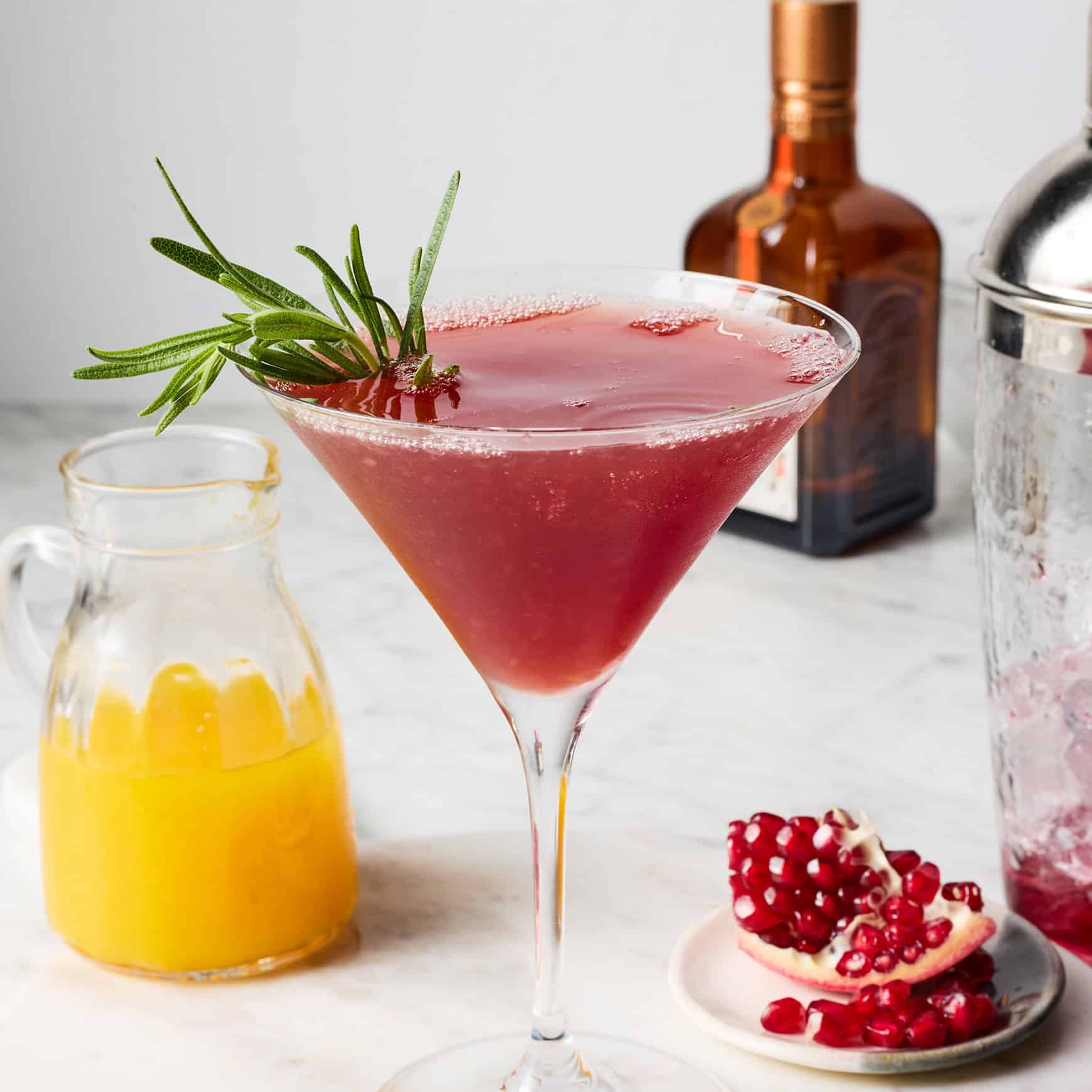
Garnished traditionally with an aromatic sprig of fresh rosemary—which releases herbal, pine-like notes with every sip—or elevated with an orange twist and fresh pomegranate arils, the drink functions as both a visual centerpiece and a refreshing beverage.
Chronology: The Evolution of the Fruity Martini
The journey of the pomegranate martini is tied directly to the evolution of modern cocktail culture over the last three decades.
The 1990s: The Martini Renaissance
During the cocktail renaissance of the 1990s, the definition of a "martini" expanded drastically. Driven by the massive success of the Cosmopolitan and the Apple Martini (Appletini), drinkers demonstrated an overwhelming appetite for chilled, vodka-based cocktails served in V-shaped stemware, infused with fruit juices and liqueurs.
The 2000s: The Rise of Superfruits
As nutritional awareness and the "superfood" movement took hold in the early 2000s, pomegranates stepped into the culinary spotlight. Celebrated for their high concentration of antioxidants and striking visual appeal, bars and restaurants began experimenting with pomegranate-infused spirits and fresh juices. It was during this era that early iterations of the pomegranate martini began appearing on upscale restaurant menus across major metropolitan areas.
The Present Day: Refinement and Accessibility
Today, the cocktail has transcended its nightclub origins. No longer burdened by the overly sweet, neon-colored mixes of the past, the contemporary pomegranate martini is defined by balance, high-quality fresh ingredients, and aesthetic versatility. Home cooks and culinary content creators have democratized the recipe, proving that a drink fit for a five-star lounge can be successfully shaken up in a home kitchen in under five minutes.
Supporting Data: Nutrition, Ratios, and Mixology Metrics
For the mindful modern consumer, understanding the nutritional and structural metrics of a cocktail is increasingly important. Culinary analysts note that while traditional holiday beverages can easily exceed 300 to 400 calories per serving due to heavy creams and excessive sugars, the pomegranate martini offers a lighter profile.
Nutritional Profile (Per Standard Serving)
- Calories: ~164 kcal
- Total Fat: 0.1g (0% Daily Value)
- Sodium: 4mg
- Total Carbohydrates: 10g (3% Daily Value)
- Sugars: 9g
- Dietary Fiber: 0.1g
- Protein: 0.2g
- Vitamin C: ~7mg (8% Daily Value, primarily derived from the fresh citrus juice and pomegranate components)
Mixology Ratios and Customization
Professional mixologists emphasize that the secret to a great pomegranate martini is the precise calibration of sweet versus tart. Because commercial pomegranate juices vary in their sugar content—ranging from 100% pure unsweetened juice to sweetened blends—adjustability is key.
- For a Dry, Spirit-Forward Drink: Increase the vodka ratio slightly or use a lower-sugar juice.
- For Extra Tartness: Lean heavily into pure, 100% pomegranate juice and scale back the orange liqueur.
- For Enhanced Sweetness: Rather than adding more heavy liqueur (which alters the citrus balance), bartenders recommend a tiny dash of simple syrup to maintain the clean fruit flavors.
Official Responses: What Bartenders and Culinary Experts Are Saying
The culinary community has enthusiastically embraced the pomegranate martini as a masterclass in accessible elegance.
"People are looking for cocktails that feel luxurious and celebratory, but they don’t want to spend twenty minutes muddling obscure ingredients or hunting down artisanal bitters," explains James Beard Award-winning mixology consultant Marcus Vance. "The pomegranate martini hits that sweet spot. It looks stunning in the glass—that deep, translucent crimson feels inherently festive—and the flavor profile bridges the gap between sophisticated adults and casual drinkers."
Food and lifestyle curators echo this sentiment, pointing out the psychological impact of color and presentation in modern dining.
"We eat—and drink—with our eyes first," notes culinary stylist Elena Rostova. "When you place a chilled martini glass on a table with a sparkling sugared rim, a vibrant ruby liquid, and a fragrant sprig of green rosemary floating on top, it instantly elevates a casual Friday night in or a major milestone celebration like New Year’s Eve and Valentine’s Day into an authentic event."
Furthermore, bartenders praise the drink’s adaptability across different seasons. While heavily associated with winter holidays due to its jewel-toned aesthetic and seasonal garnishes, substituting fresh mint or lime can easily transition the profile into a refreshing spring or summer offering.
Implications: The Trend Toward Mindful, Aesthetic Entertaining
The booming popularity of recipes like the pomegranate martini highlights broader shifts in how contemporary consumers approach home entertaining and hospitality.
1. The "Low-Stress, High-Impact" Entertainment Model
Modern hosts are increasingly rejecting complicated, multi-step menus that keep them trapped in the kitchen or behind the home bar all evening. A cocktail that requires only four standard bar staples—vodka, orange liqueur, pomegranate juice, and orange juice—allows hosts to quickly shake, strain, and serve individual or small-batch drinks, maximizing their time with guests.
2. Aesthetics as a Social Currency
In an era dominated by visual-first platforms, the presentation of food and drink matters more than ever. The pomegranate martini serves as an ideal canvas for creative presentation. Variations such as applying a sparkling, crystal-sugar rim using an orange or lime wedge, floating fresh pomegranate arils, or utilizing aromatic herbal garnishes provide endless opportunities for personalization and visual storytelling.
3. The Demystification of Craft Cocktails
The success of streamlined craft recipes demonstrates that consumers no longer view mixology as an exclusive art form practiced only by professional bartenders in high-end speakeasies. By mastering a few core techniques—such as properly chilling glassware, utilizing a cocktail shaker with ice, and understanding how to balance sweet and tart elements—anyone can achieve professional results at home.
Step-by-Step Preparation Guide
For those looking to recreate the experience at home, the process is remarkably straightforward:
- Prep the Glass: For a festive touch, rub a wedge of orange or lime along the rim of a chilled martini glass. Dip the rim into a shallow plate of granulated sugar to create a sparkling border. Set aside.
- Combine Ingredients: Fill a cocktail shaker generously with ice. Pour in the vodka, pomegranate juice, orange liqueur, and a splash of fresh orange juice.
- Shake Vigorously: Secure the lid and shake energetically for 15 to 20 seconds until the exterior of the shaker is frosty and the liquid is thoroughly chilled.
- Strain and Garnish: Strain the vibrant red mixture directly into your prepared, chilled martini glass. Garnish with a fresh sprig of rosemary (smacking the rosemary gently against your hand beforehand releases its essential oils) or an elegant orange twist.
- Taste and Adjust: Sip, evaluate the balance, and adjust future batches according to personal preference—adding a touch of simple syrup for sweetness, or a splash more juice for tartness.
As winter celebrations continue to evolve, the pomegranate martini stands as a shining example of modern culinary trends: beautiful, balanced, effortlessly chic, and profoundly satisfying.