This post contains affiliate links.
For many home cooks, the culinary landscape is neatly divided into "safe" territory—chicken, ground beef, and hearty steaks—and the "intimidating" frontier of seafood. There is a persistent myth that cooking scallops, salmon, or shrimp is a task best left to professional chefs who have access to high-end equipment and infinite supplies. However, this belief is not only outdated but is depriving home cooks of one of the fastest, healthiest, and most versatile protein categories available.

Once you master a few fundamental principles, you will realize that seafood is, in many ways, significantly easier to prepare than the traditional proteins that currently dominate your weekly meal plan.
The Case for Seafood: Speed and Sophistication
If you are looking to elevate your weeknight dinner rotation, seafood is the ultimate solution. From a logistical standpoint, the primary advantage is time. While a whole roasted chicken can take upwards of an hour and a thick ribeye requires constant monitoring for internal temperature, most white fish fillets reach their optimal state in under 15 minutes. Shrimp are typically finished in less than five minutes, and even delicate scallops require less time than it takes to boil a pot of pasta.

Beyond the efficiency, there is an inherent "wow" factor associated with seafood. Whether it is a perfectly seared scallop or a vibrant seafood pasta, these dishes naturally feel like a special occasion. By integrating seafood into your routine just once a week, you transform an ordinary Tuesday night into a restaurant-quality experience without the associated bill.
Dispelling the "Fresh vs. Frozen" Myth
Perhaps the most significant barrier to entry for home cooks is the obsession with "fresh" fish. There is a widespread misconception that unless a fish was caught this morning and placed on ice, it is inferior.
The Reality of Modern Supply Chains
For those of us not living in coastal fishing villages, "fresh" often means fish that has been shipped over long distances, potentially sitting in a refrigerated display case for days. In contrast, modern flash-freezing technology has revolutionized the industry. Seafood that is processed and frozen immediately upon being caught locks in the nutrients, texture, and flavor at the peak of quality.
When you purchase high-quality frozen seafood, you are often getting a product that is objectively fresher than the "fresh" option at the local fish counter. Furthermore, buying frozen allows for better inventory management, as you can keep a stash in your freezer and thaw only what you need, reducing food waste.
How to Shop for Quality
When selecting seafood, look for the following indicators of quality:
- Uniformity: If buying frozen, ensure the packaging is airtight with no signs of freezer burn or large ice crystals, which indicate temperature fluctuations.
- Sustainability: Look for certifications such as the MSC (Marine Stewardship Council) label, which ensures the product was sourced responsibly.
- Odor: Fresh or properly thawed seafood should have a clean, oceanic smell. A pungent, "fishy" odor is a red flag that the product has begun to degrade.
Strategic Storage: Preserving the Catch
Seafood is a highly perishable protein. If you choose to buy fresh, it should be consumed within 24 to 48 hours. If you cannot cook it immediately, store it in the coldest part of your refrigerator—typically the back shelf.
To maintain the integrity of the flesh, keep it in its original packaging or wrapped tightly in plastic or wax paper. For an added layer of safety, place the wrapped fish in a bowl filled with ice, ensuring the liquid from the melting ice does not come into direct contact with the fish. For frozen items, ensure your freezer is set to 0°F (-18°C) and keep the door closed as much as possible to prevent thawing cycles.
Foundational Techniques for the Home Cook
The fear of overcooking is the primary deterrent for most beginners. Fortunately, there are universal rules that apply across most species:
- The "10-Minute Rule": A reliable starting point for fish is to cook it for 10 minutes per inch of thickness, measured at the thickest part.
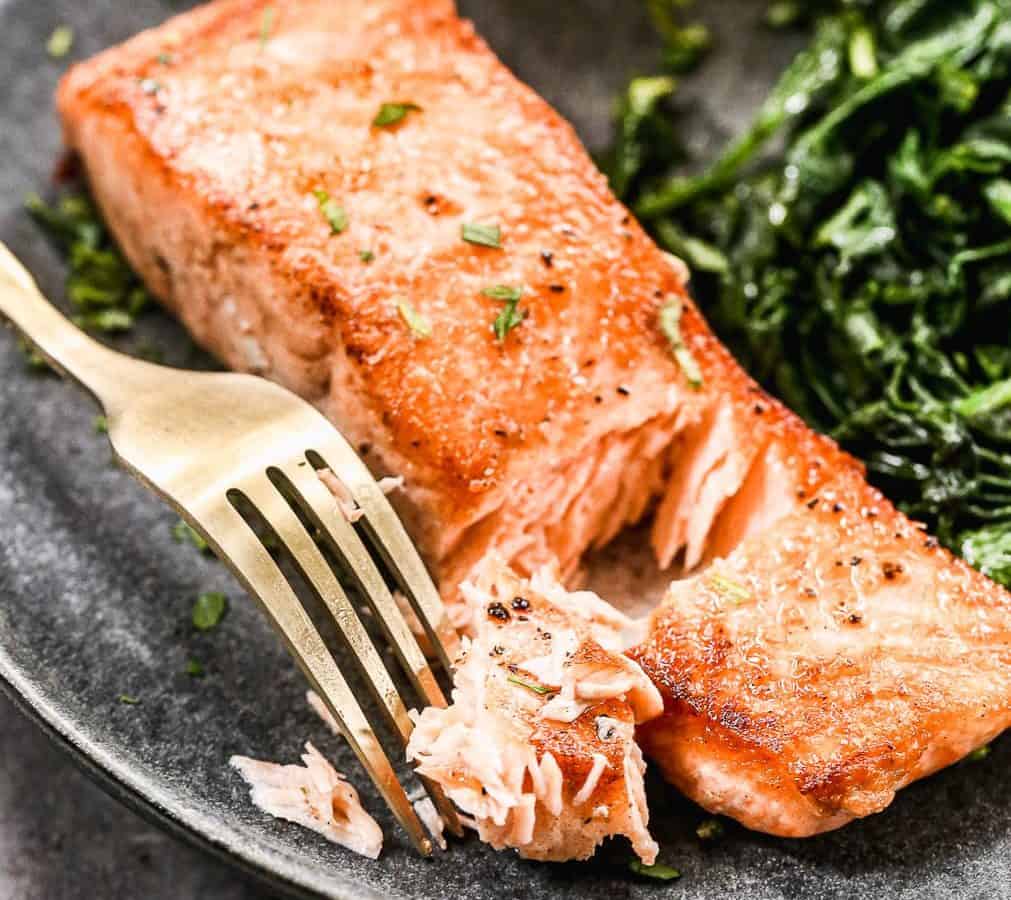
- Visual Cues: Most fish, such as cod or salmon, will turn from translucent to opaque when cooked. It should flake easily with a fork.
- The Importance of Dryness: Before searing, always pat your protein completely dry with paper towels. Excess moisture creates steam, preventing the golden-brown crust (the Maillard reaction) that provides flavor and texture.
- Temperature Control: Investing in an instant-read thermometer is the fastest way to build confidence. Aim for an internal temperature of 145°F (63°C) for most fish, though some, like salmon, are often preferred at a slightly lower temperature (around 125°F-130°F) for a more buttery texture.
Curated Methods: From Pan-Sear to Oven-Roast
The Versatility of Shrimp
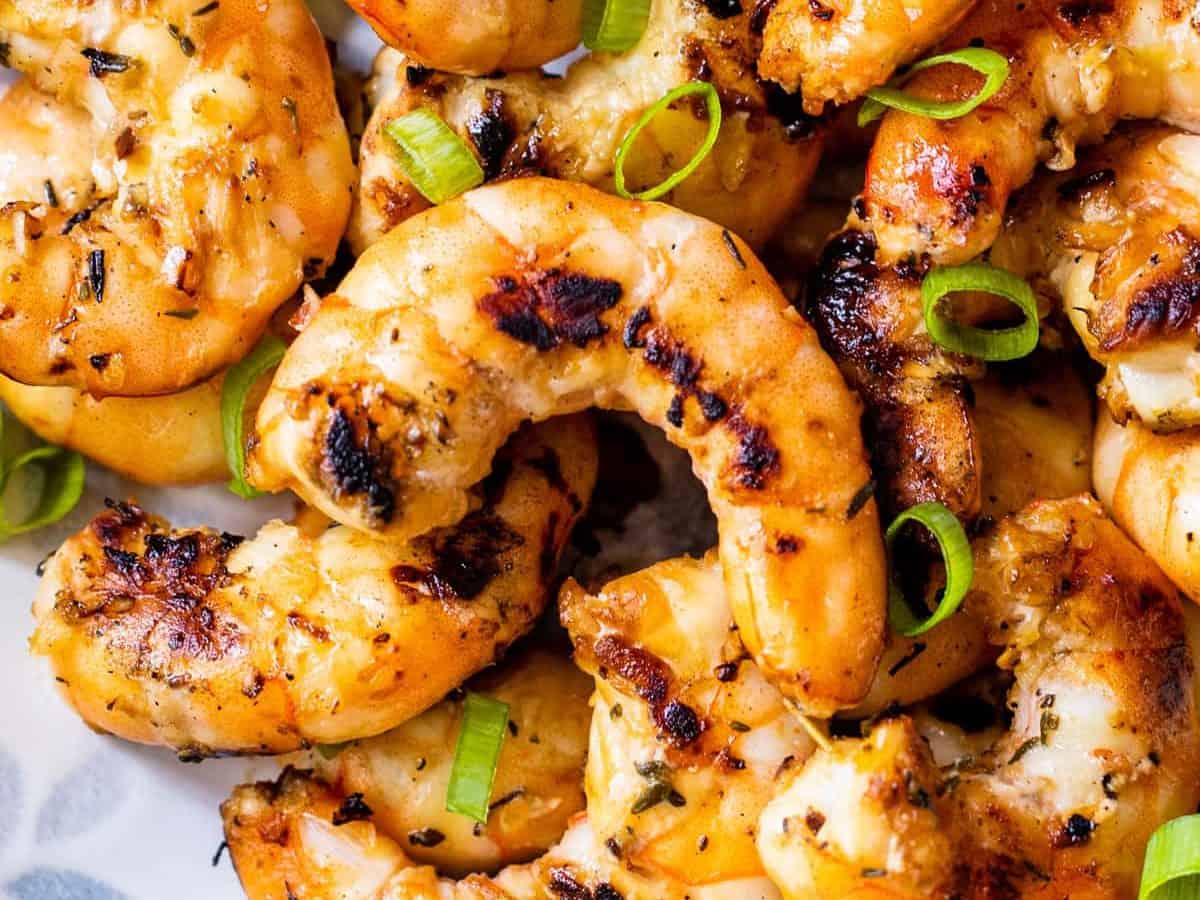
Shrimp are the "gateway" protein for seafood novices. They are incredibly forgiving and act as a sponge for marinades. A simple lemon, garlic, and herb marinade can transform basic shrimp into a high-end appetizer or main course in minutes. Whether grilled or sautéed, they offer a firm texture that is hard to ruin.
Mastering the Baked Salmon
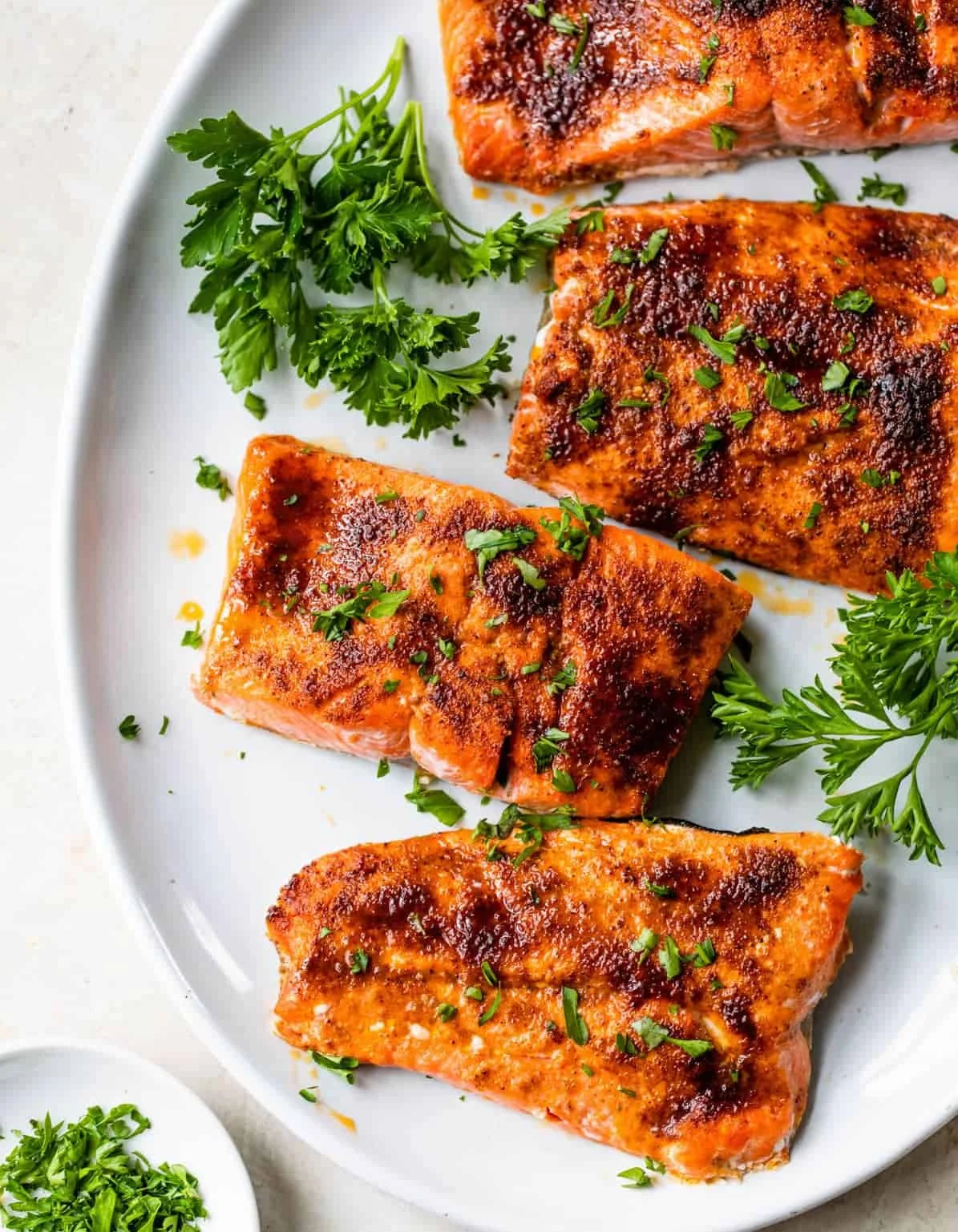
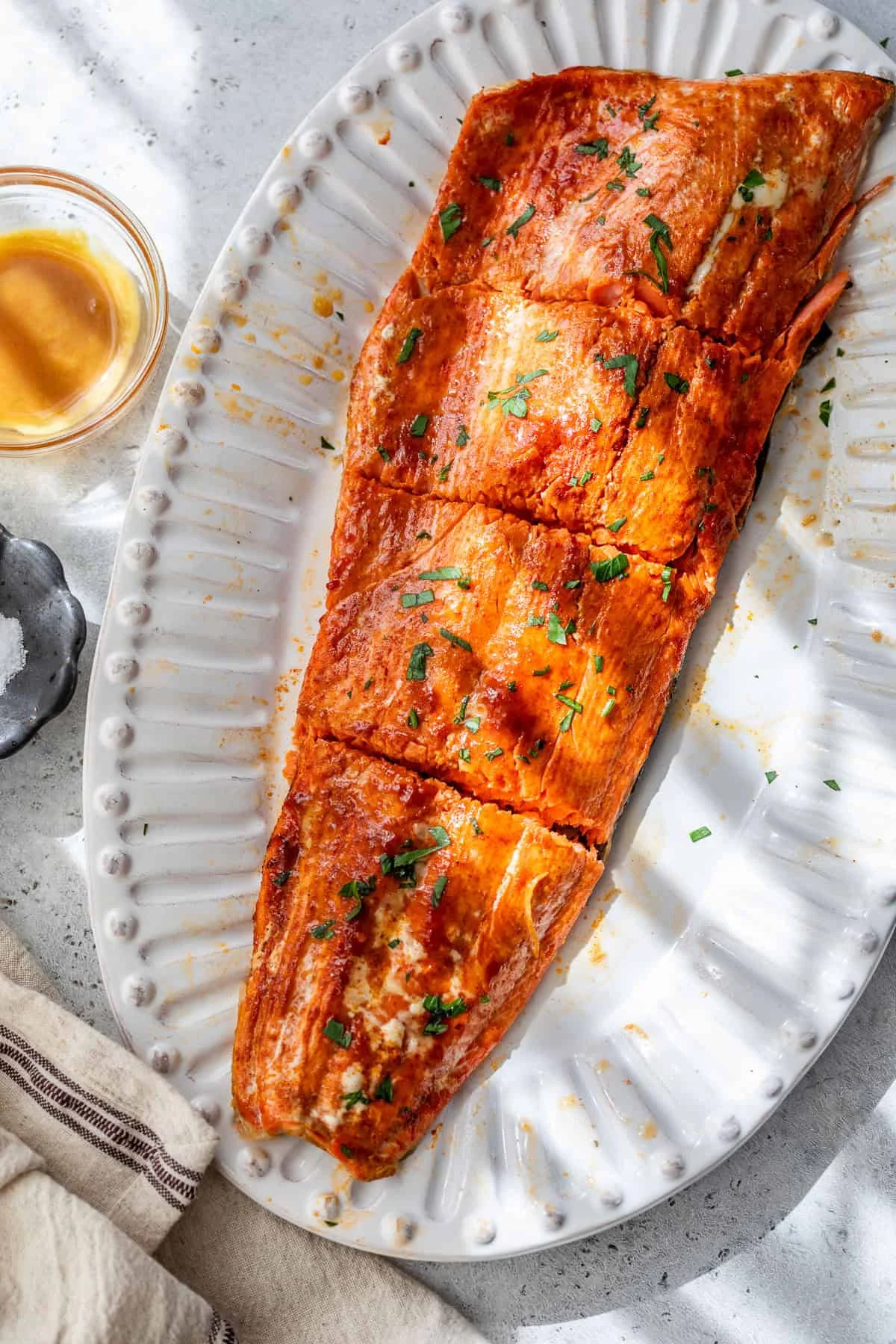
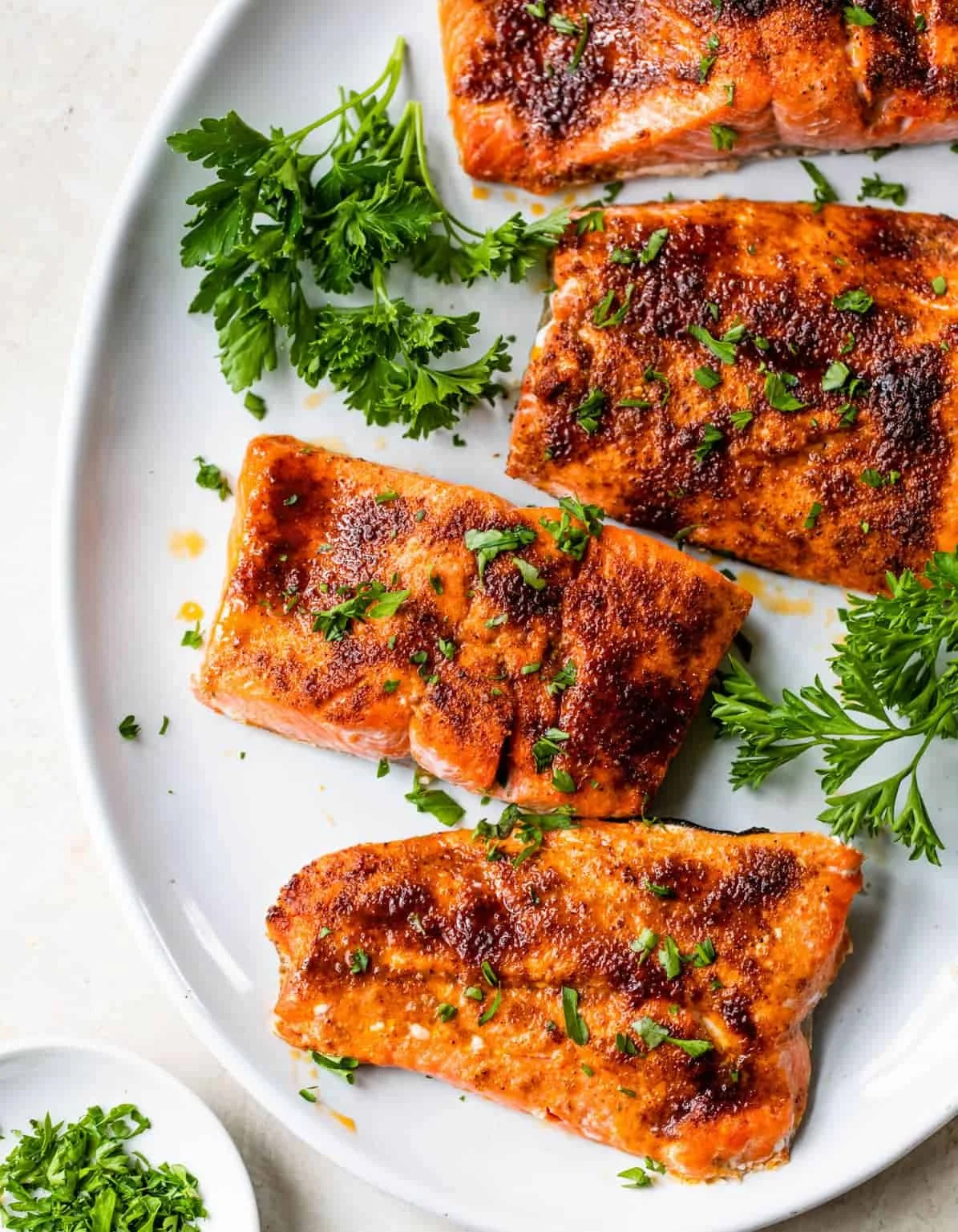
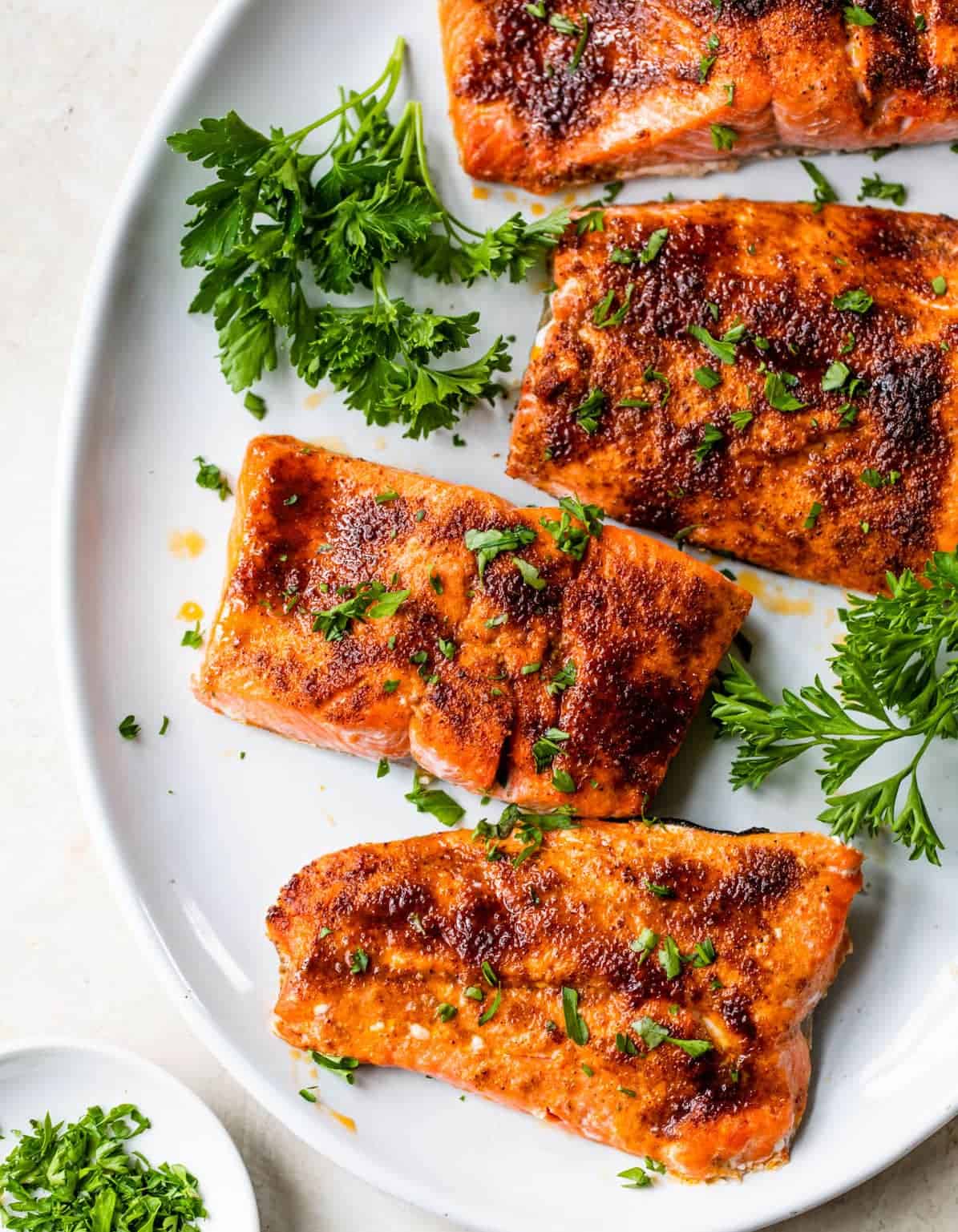
Baked salmon is the gold standard for healthy, consistent weeknight dinners. By roasting at 400°F, you achieve a crispy exterior while keeping the center tender. Using a signature seasoning blend—heavy on smoked paprika, garlic powder, and brown sugar—can elevate a standard fillet into a crowd-pleasing masterpiece.
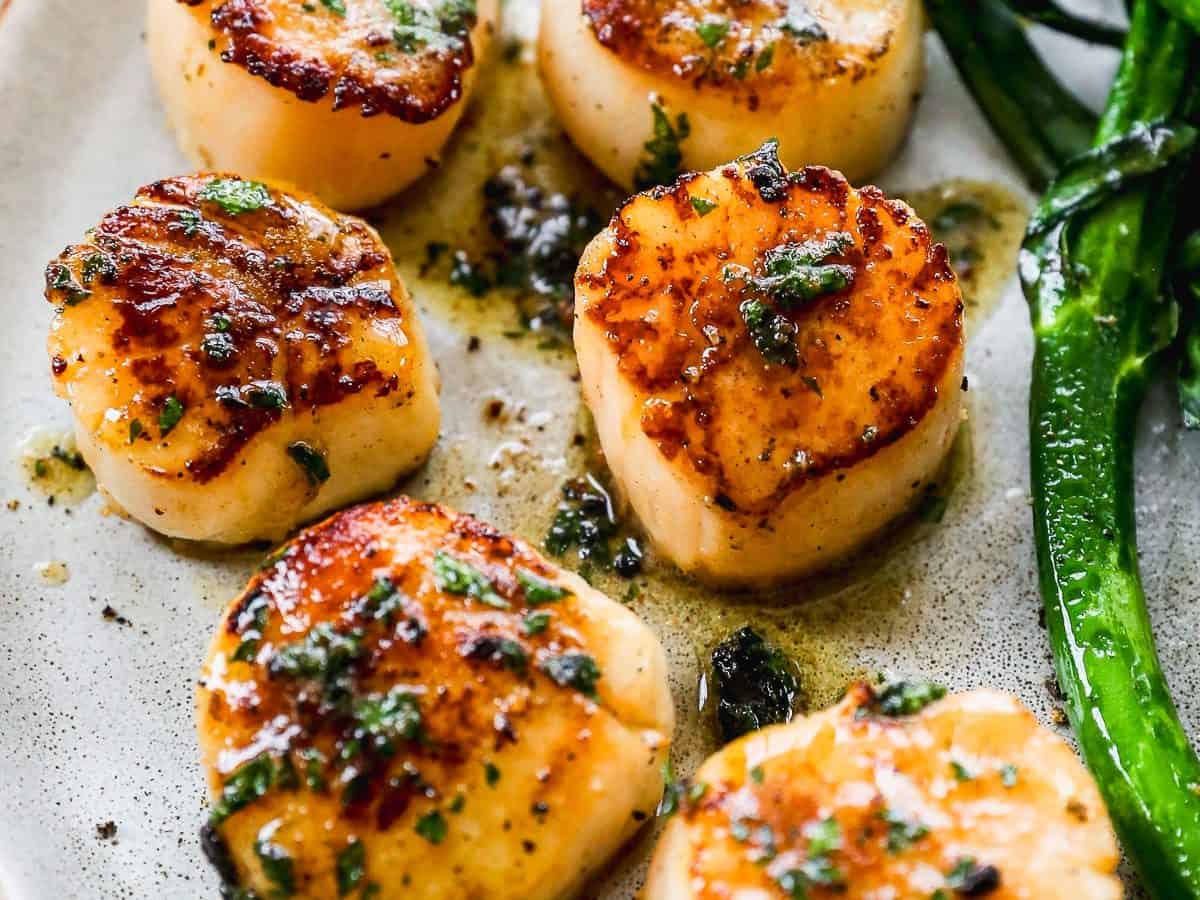
The Elegance of Scallops
The intimidation surrounding scallops usually stems from the fear of them becoming rubbery. The secret is heat management. Get your skillet smoking hot, use a high-smoke-point oil (like avocado or grapeseed), and once you place the scallops in the pan, do not move them. Let the crust develop naturally for two to three minutes before flipping.
The Comfort of Seafood Pasta
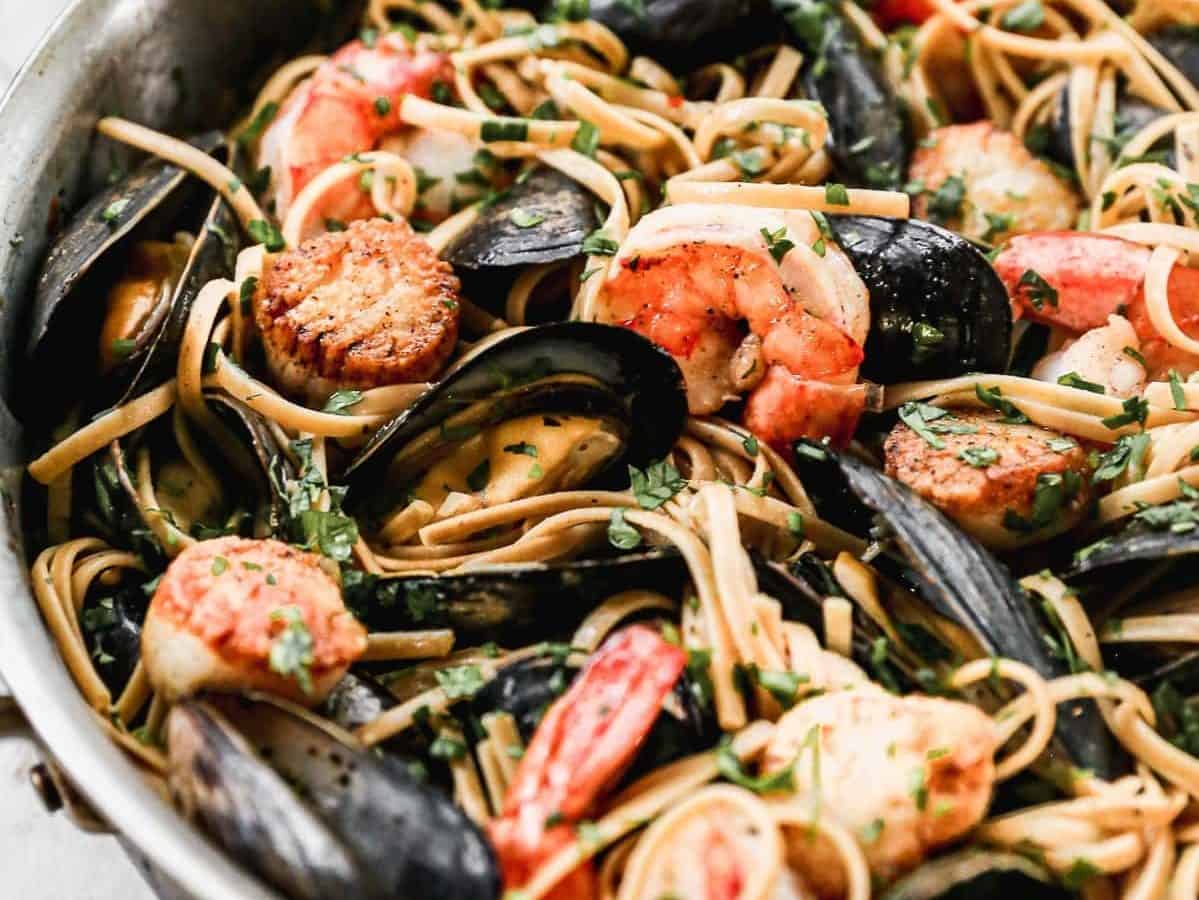
Seafood pasta is the ultimate "low effort, high reward" dish. By poaching the seafood directly in a white wine and tomato-based sauce, you ensure the fish stays moist and the flavor profile is integrated throughout the entire meal. It is a one-skillet marvel that reduces cleanup time while maximizing culinary impact.
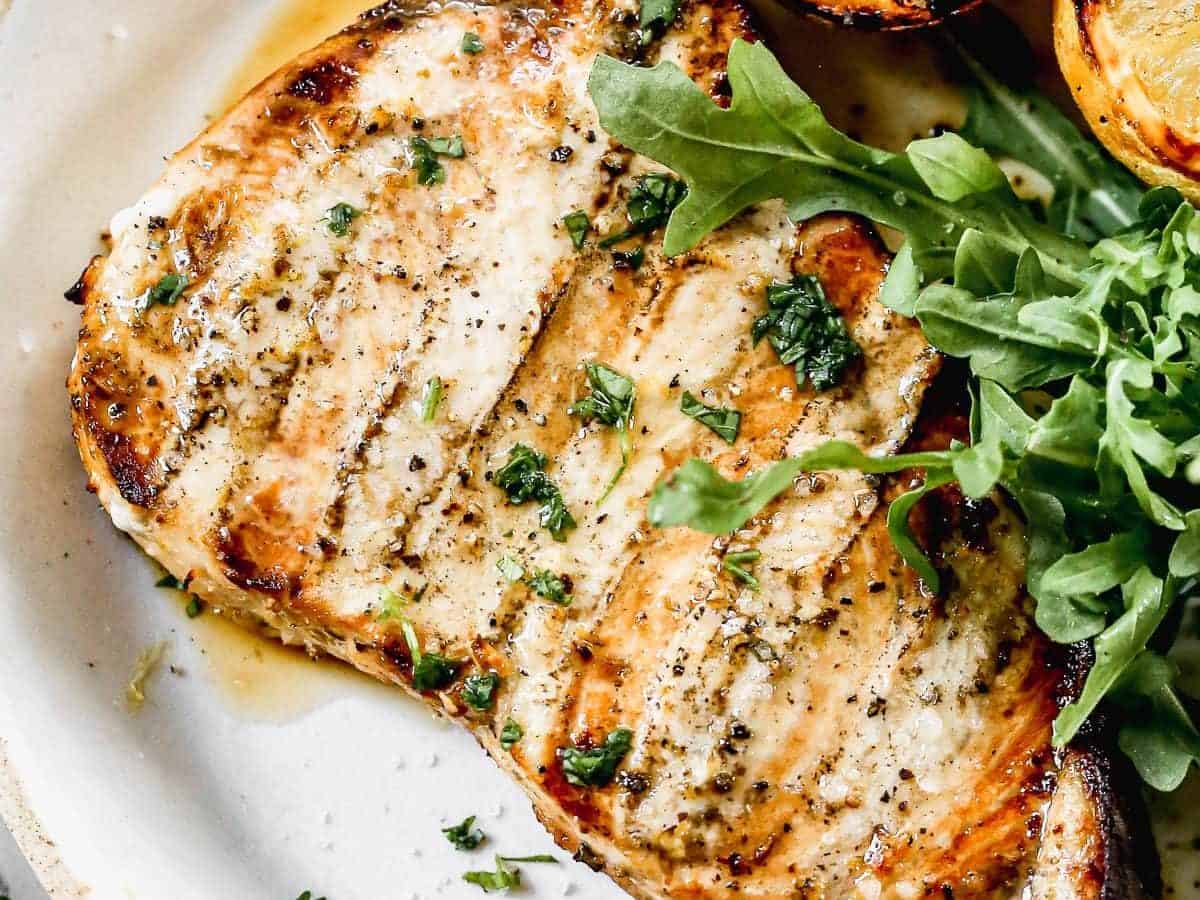
Sturdy Choices: Grilled Swordfish
For those who are nervous about fish falling apart on the grill, swordfish is the perfect choice. Its meaty, dense texture behaves more like a steak than a delicate fillet. It holds up perfectly to high-heat grilling and pairs beautifully with bold flavors like capers, olives, and fresh citrus.
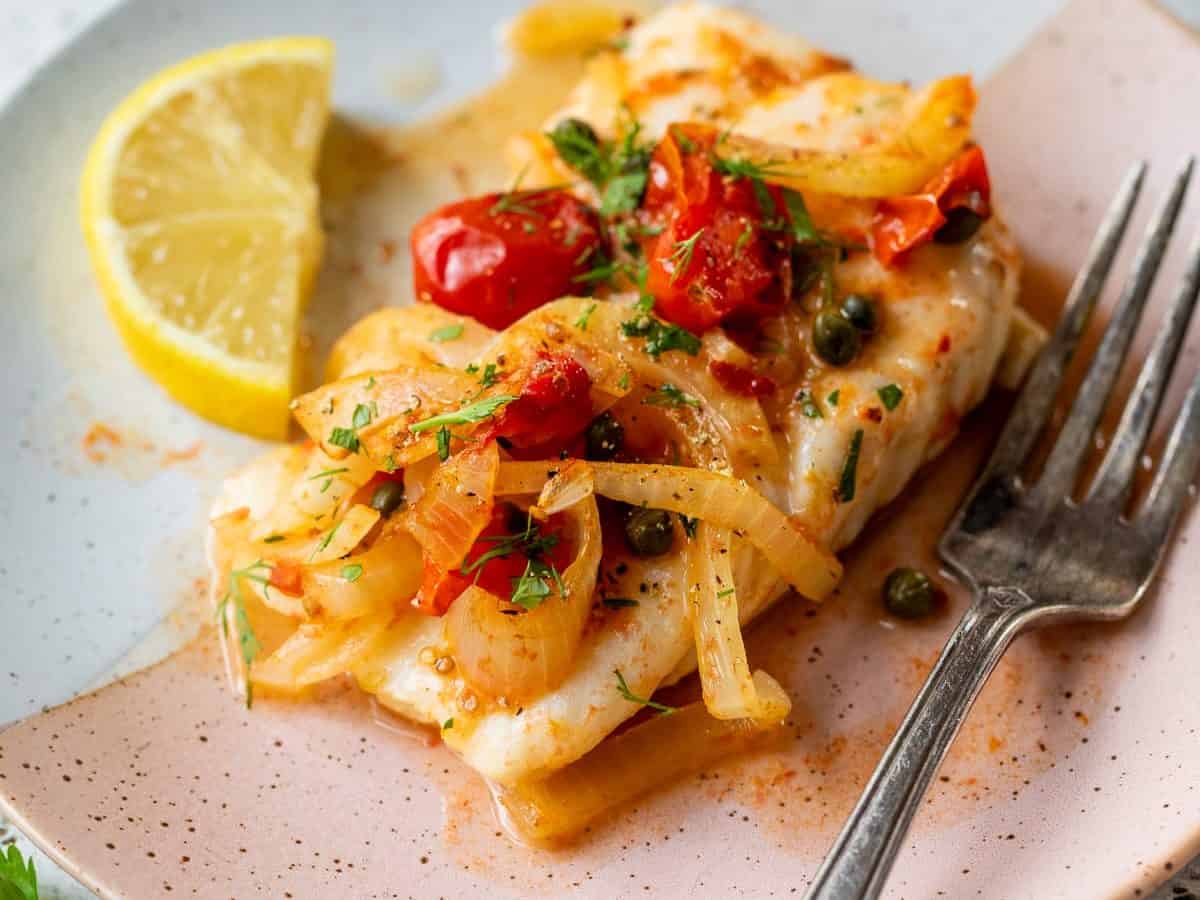
The Approachable Cod
Cod is perhaps the most approachable fish in the market. Its mild, neutral flavor profile makes it a blank canvas. Baking cod with roasted tomatoes and lemon creates a Mediterranean-inspired dish that is light, nutritious, and virtually impossible to mess up.
Implications for Your Culinary Journey
By incorporating these techniques, the "seafood barrier" is effectively dismantled. The implications for your diet are profound: you are introducing more lean protein, omega-3 fatty acids, and essential minerals into your meals, all while reducing the time spent laboring over a hot stove.
As you become more comfortable, you will find that seafood is not just a special occasion ingredient—it is a functional, delicious, and efficient tool for the modern home cook. Whether you are a beginner looking to expand your skills or a seasoned pro looking for faster weeknight solutions, the world of seafood is waiting. Embrace the process, trust the science behind the temperature, and start bringing the flavors of the ocean to your own dining table.

Welcome to your new life as a seafood master.