There are few culinary experiences as quintessentially summer as the arrival of a bubbling, aromatic peach cobbler at the dinner table. As the temperature rises and stone fruits reach their peak ripeness, home bakers and culinary enthusiasts alike turn to this classic American dessert. Unlike its more labor-intensive cousins—the lattice-crusted pie or the delicate fruit tart—the peach cobbler remains a triumph of rustic simplicity, offering a warm, buttery, and deeply satisfying indulgence that has secured its place as a staple of domestic comfort food.
The Anatomy of a Perfect Cobbler: Main Facts and Fundamentals
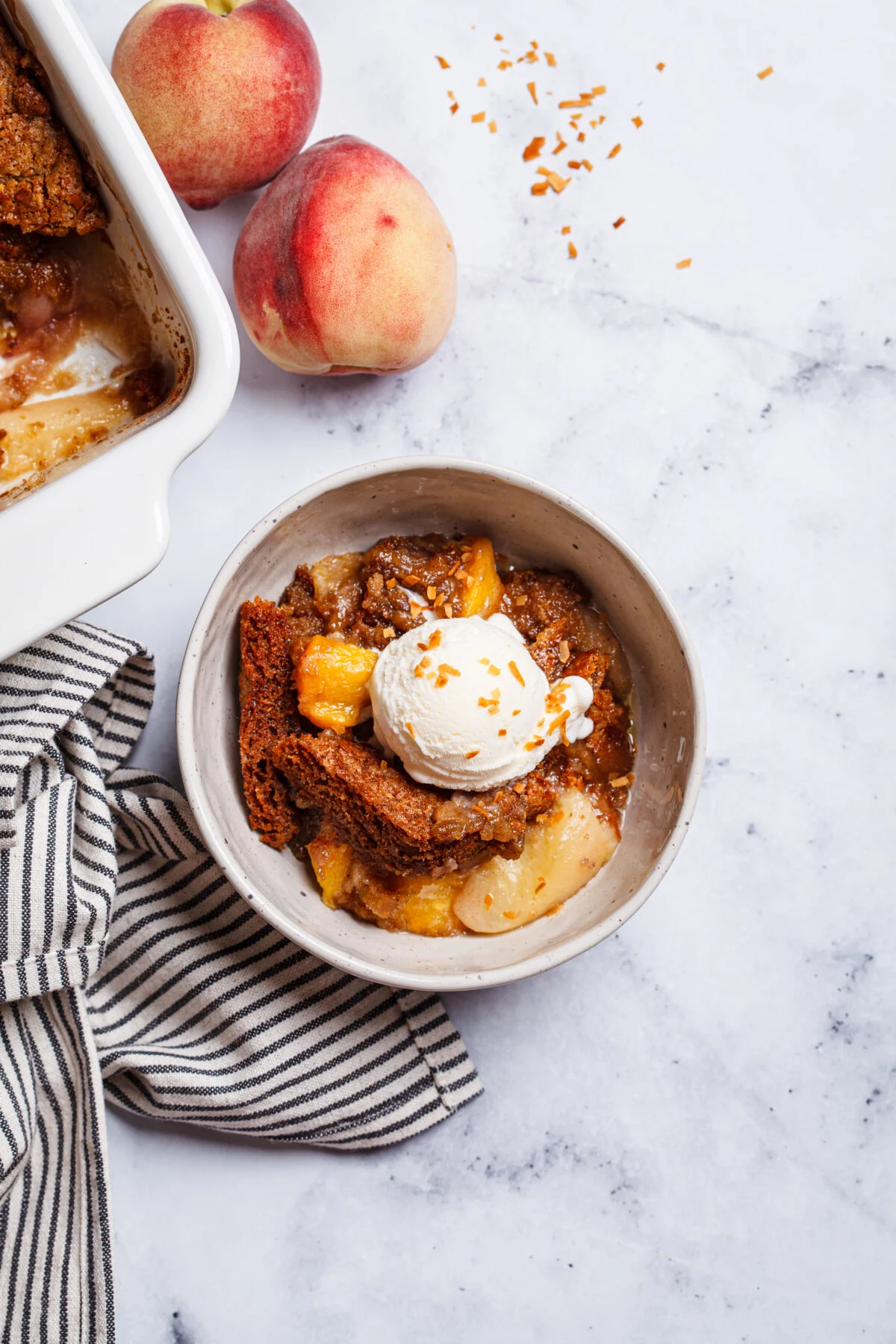
At its core, a peach cobbler is an exercise in harmonious contrast. It consists of two distinct components: a base of sweetened, macerated peaches and a crowning layer of biscuit-like dough. The magic occurs within the oven, where the heat forces the fruit to surrender its juices, which subsequently thicken and bubble up to meet the topping.
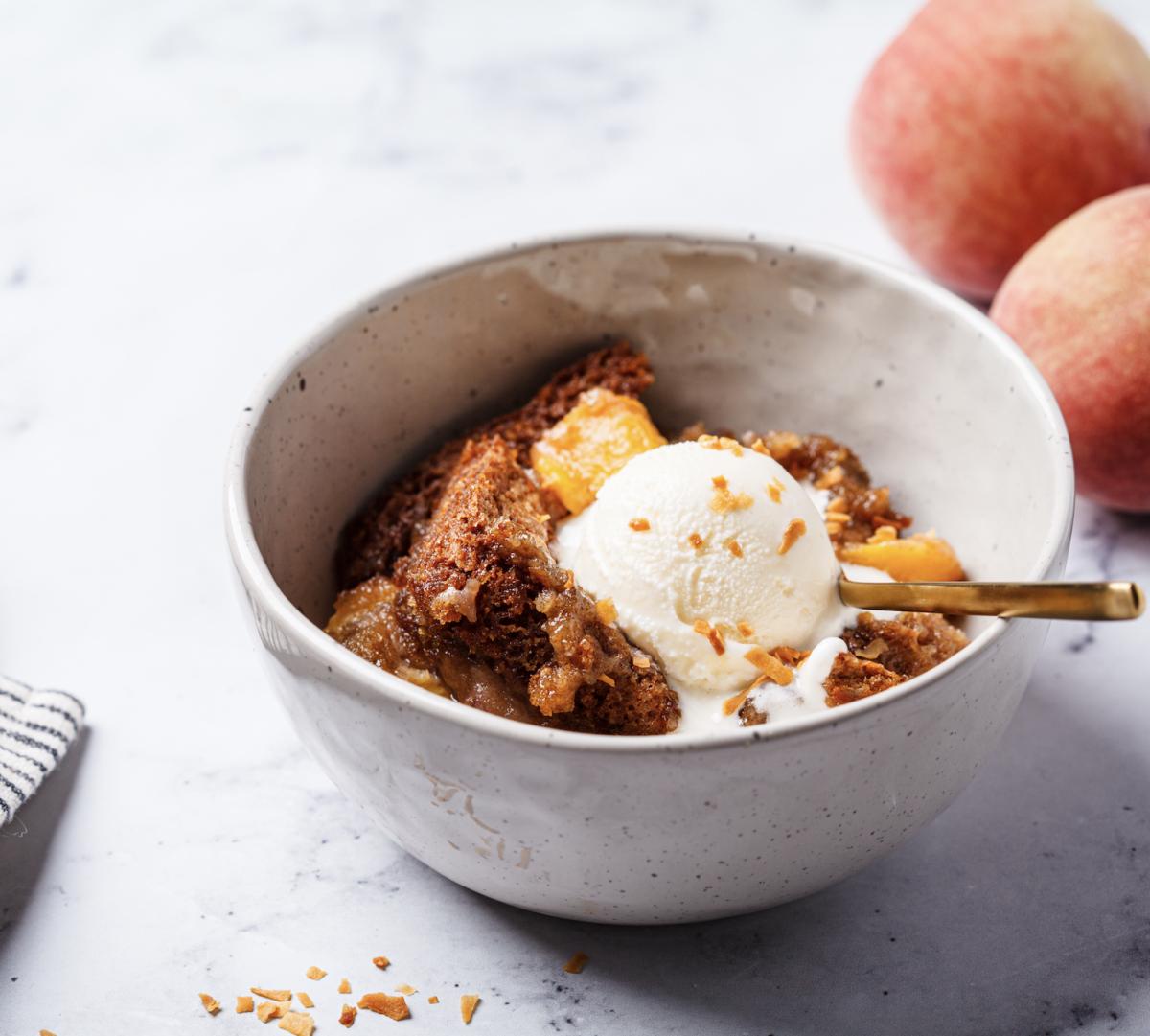
The name "cobbler" itself is steeped in culinary lore. It is widely believed to refer to the appearance of the topping, which, when dropped in mounds onto the fruit, resembles a cobbled stone path. Unlike the precise, rigid structures of French pastry, the cobbler thrives on imperfection. The topping is designed to soak up just enough fruit nectar to become tender and cake-like on the underside, while the exposed peaks crisp into a golden, buttery crust.
Why Simplicity Wins
For the modern home cook, the primary appeal of the cobbler is its efficiency. There is no requirement for rolling pins, ice-cold butter crusts, or hours of chilling time. The batter is prepared quickly, spooned over the fruit, and baked until the kitchen is perfumed with the scent of caramelized sugars and fresh stone fruit. It is a forgiving, high-reward dessert that requires minimal technical skill but yields professional-level flavor.
A Chronological Guide to Perfection
Achieving the perfect cobbler requires a rhythmic approach to preparation. Understanding the timeline ensures that the final result is neither gummy nor overly dry.
- The Preparation Phase (0–20 minutes): This is the stage of selection. The quality of your cobbler is inextricably linked to the quality of your peaches. Ripe, fragrant peaches are non-negotiable. If they are slightly firm, they will retain their shape; if they are soft and juicy, they will create a more sauce-like consistency. Once sliced, they should be tossed with sugar and a thickening agent, such as cornstarch, to manage the release of juices during the baking process.
- The Assembly Phase (20–25 minutes): The secret to a tender topping lies in the management of fats. Cold butter is essential. By keeping the butter chilled, you create steam pockets in the dough as it bakes, resulting in a lighter, more airy crumb. The assembly should be quick; overmixing the dough is the most common pitfall, often resulting in a dense, chewy texture.
- The Baking Phase (45–50 minutes): The oven does the heavy lifting. The most critical indicator of readiness is the visual "bubble." The filling must be visibly bubbling, not just around the edges but throughout the center, to ensure that the starches have been properly activated.
- The Rest Phase (15–20 minutes): Perhaps the most overlooked step is allowing the dessert to rest post-bake. During this time, the internal juices settle and thicken, transforming from a thin liquid into a luscious, syrupy glaze.
Supporting Data: Techniques for Success
The science of a non-runny cobbler lies in starch management. If you find your cobbler is consistently "soupy," the issue is usually an imbalance between the fruit’s water content and the thickening agent.
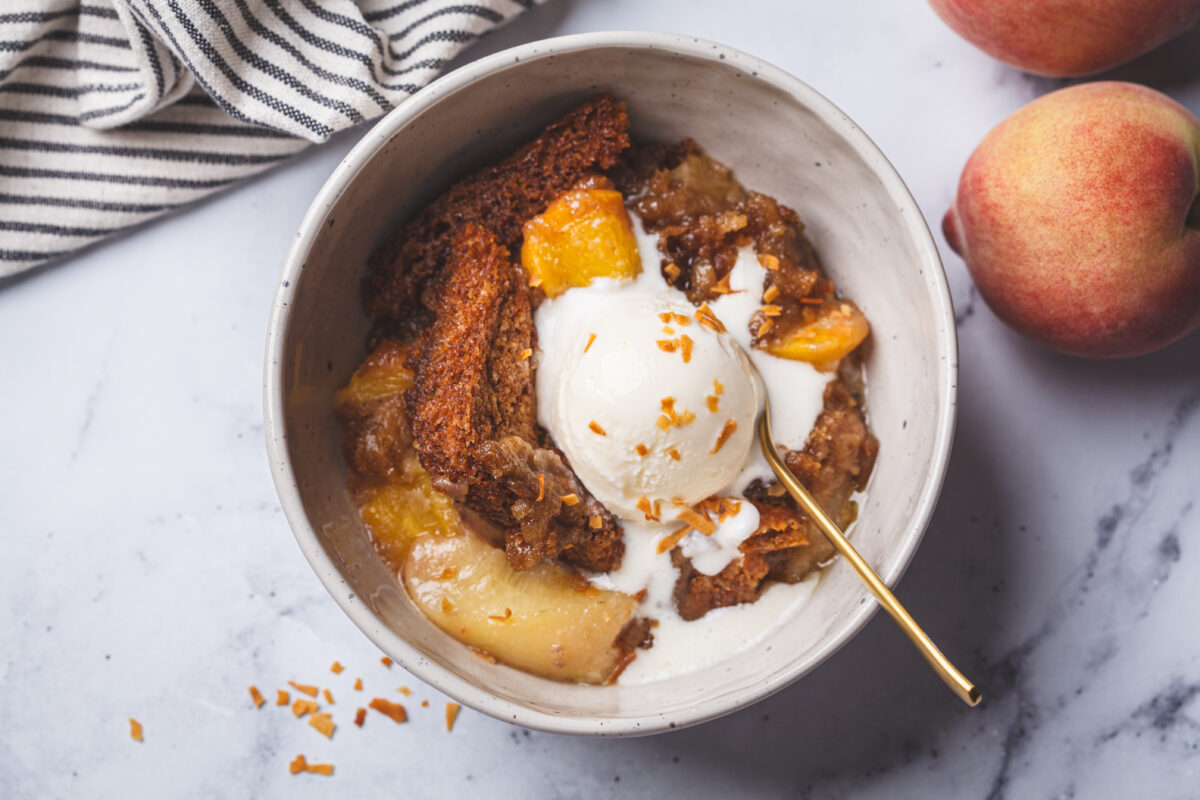
- Cornstarch vs. Flour: While some traditional recipes use flour, cornstarch provides a clearer, more stable thickening for fruit fillings. For especially juicy peaches, an additional teaspoon of cornstarch can act as an insurance policy against a soggy bottom.
- Frozen and Canned Fruit Variations: Contrary to popular belief, fresh is not the only way to achieve excellence. Frozen peaches are an excellent year-round alternative. Because they are often processed at peak ripeness, they retain a deep flavor profile. The key is to avoid thawing them completely, as this leads to excessive water release; instead, toss them into the mixture while still slightly icy. When using canned peaches, ensure they are thoroughly drained. If using peaches packed in heavy syrup, it is advisable to reduce the sugar content in your topping to prevent the final product from becoming cloying.
Expert Perspectives and Professional Tips
Culinary experts often emphasize the importance of "exposed fruit" in the design of a cobbler. While it is tempting to cover the fruit entirely with dough, leaving gaps allows steam to escape from the fruit base. This prevents the underside of the biscuit from becoming waterlogged.
Furthermore, temperature control remains the primary "pro-tip" for a superior crust. If the butter begins to soften during the mixing process, placing the bowl in the refrigerator for five minutes can salvage the texture. This thermal management ensures that the topping remains "biscuit-like" rather than "cake-like."
Variations for the Adventurous
While the classic recipe is timeless, the cobbler serves as a blank canvas for regional and seasonal variations.
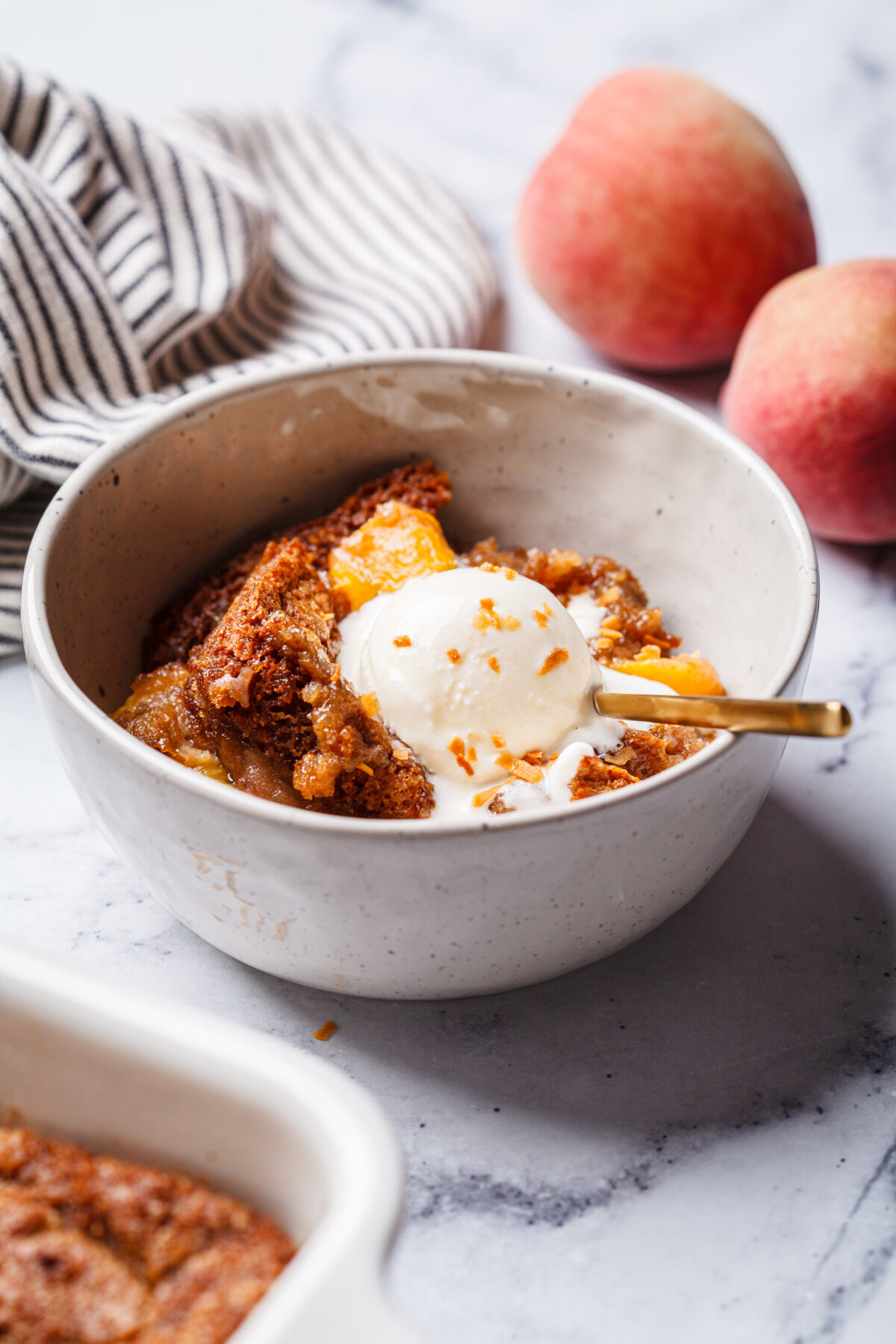
- The Berry Infusion: Adding blueberries, raspberries, or blackberries can introduce a tart acidity that cuts through the sweetness of the peaches.
- Aromatic Enhancements: A quarter teaspoon of ground ginger or fresh grated ginger can brighten the flavor profile, while a dash of almond extract provides a sophisticated, "bakery-style" depth.
- Texture Additions: For those seeking a crunch, sprinkling chopped pecans or incorporating rolled oats into the topping adds a textural complexity that elevates the dish from a simple pudding-like dessert to a more robust, rustic treat.
Implications for Future Gatherings
The rise of the "homemade" movement in home cooking has elevated the status of the peach cobbler from a simple backyard treat to a sophisticated centerpiece for gatherings. It is a dessert that speaks to the values of home, family, and seasonality.
Storage and Scalability
For those planning ahead, the cobbler is remarkably resilient. The filling can be prepared and refrigerated several hours in advance, and the baked cobbler freezes exceptionally well for up to three months. When reheating a frozen cobbler, a low oven temperature (325°F) is recommended to allow the heat to penetrate the center without burning the golden crust.
For large-scale events, it is best to avoid the temptation to overfill a single large dish. Dividing the mixture into two separate pans ensures even heat distribution and a more consistent bake, guaranteeing that every guest receives the same balance of tender dough and syrupy fruit.
Conclusion
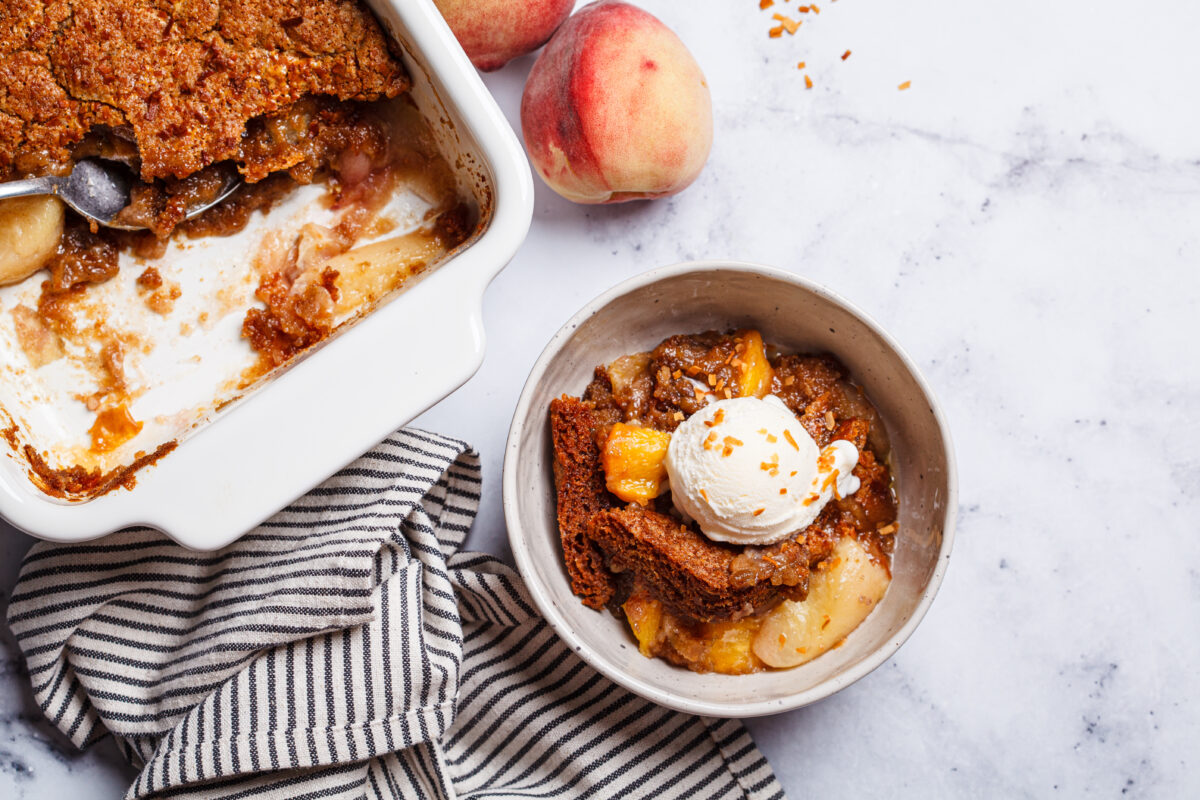
Whether served with a generous scoop of vanilla bean ice cream or enjoyed warm on its own, the homemade peach cobbler remains a testament to the idea that the most memorable food is often the most straightforward. By respecting the quality of the fruit, mastering the temperature of the butter, and allowing the dish the necessary time to rest, any home cook can produce a dessert that satisfies the palate and evokes the nostalgic warmth of a perfect summer day. It is, quite simply, the golden standard of American comfort baking.