As the crisp air of autumn begins to settle and the leaves transition into their golden hues, the culinary world inevitably turns toward the quintessential flavors of the season. Among the pantheon of fall treats, few items capture the spirit of the harvest quite like the pumpkin scone. Recently, culinary experts and home bakers alike have been revisiting this classic bake, refining techniques to achieve the perfect balance of tender, flaky texture and deep, autumnal spice.
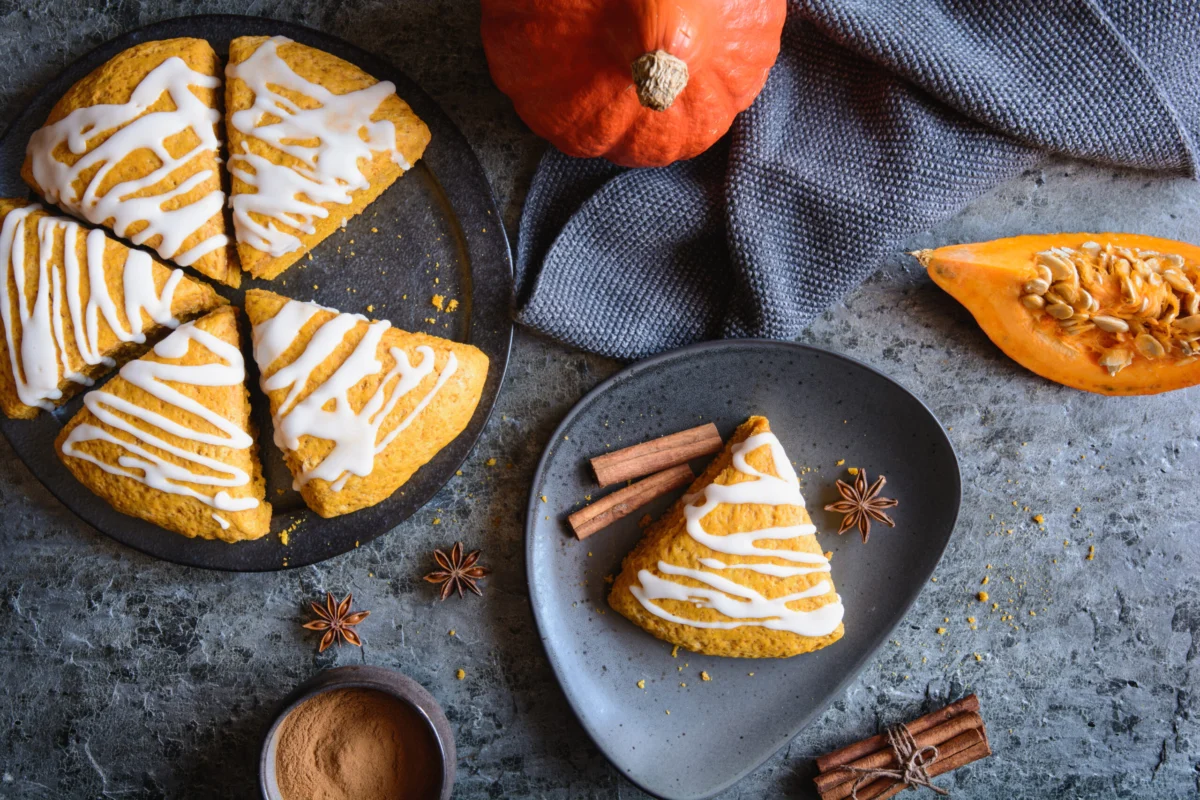
This article explores the technical nuances, the cultural significance, and the expert-recommended methodologies for crafting the perfect Pumpkin Scone with Maple Drizzle—a dish that has solidified its place as a staple of the modern seasonal kitchen.
Main Facts: The Anatomy of a Perfect Scone
At its core, a scone is a "quick bread," characterized by its reliance on chemical leaveners like baking powder rather than yeast. Unlike a muffin, which relies on a batter, a scone is built upon a biscuit-style dough. The primary objective is to create distinct, flaky layers—a result of fat (typically butter) that has remained cold throughout the mixing process.
The addition of pumpkin puree introduces a significant variable: moisture. While pumpkin provides a rich, earthy flavor profile and a desirable golden hue, its high water content can threaten the structural integrity of the dough if not managed correctly. The most successful recipes utilize high-quality, plain pumpkin puree rather than pre-spiced pie fillings, ensuring the baker has total control over the spice levels, which traditionally include cinnamon, ginger, nutmeg, and cloves.
Chronology: The Evolution of the Scone
The scone traces its roots back to early 16th-century Scotland, where it was originally a round, flat cake cooked on a griddle. Over centuries, the scone transitioned into the oven-baked, wedge-shaped delicacy known today, particularly gaining popularity during the rise of the British tea culture in the 19th century.
In the contemporary American landscape, the pumpkin scone has undergone a culinary evolution. The early 2000s saw the "pumpkin spice" phenomenon sweep the nation, transforming the simple scone into a vehicle for seasonal marketing. Today, the focus has shifted from the mass-produced, overly sugary versions found in commercial coffee chains to a more "artisan-at-home" approach. The modern trend emphasizes lower sugar content, higher quality fats, and the integration of sophisticated glazes—such as the maple drizzle—to enhance rather than mask the inherent flavor of the squash.
Supporting Data: The Science of Texture
To understand why certain techniques are deemed "essential" by professional pastry chefs, one must look at the science of gluten development and fat emulsification.
The Role of Cold Fats
When cold butter is cut into flour, it creates discrete "pockets" of fat. During the baking process, these pockets melt, creating steam that pushes the layers of dough apart, resulting in the desired flaky texture. If the butter is allowed to soften or melt during the prep stage, it incorporates into the flour, resulting in a dense, cake-like texture rather than the light, airy crumb characteristic of a superior scone.
The Gluten Constraint
Gluten is a protein network that provides structure to baked goods. In bread, we want extensive gluten development; in scones, we want minimal development. By limiting the agitation of the dough—stirring just until the ingredients coalesce—the baker ensures the scone remains tender. Overmixing is the most common cause of "tough" scones, a point emphasized by culinary instructors worldwide.
Hydration and Flour Ratios
The "tacky" dough principle is paramount. Because humidity levels vary by geography, strict flour measurements can sometimes be misleading. A dough that feels slightly sticky to the touch is often the "sweet spot." Attempting to knead in excessive flour to achieve a dry, smooth dough often results in a dry, crumbly finished product that lacks the moist interior of a well-executed bake.
Official Perspectives and Professional Techniques
Culinary professionals across the industry offer a consensus on the best practices for home bakers looking to achieve professional results.
Managing the Pumpkin Variable
"The most critical error home bakers make is using canned pumpkin pie filling," notes a lead instructor at a prominent culinary institute. "Pie filling contains high amounts of corn syrup and stabilizers. When you add that to a scone recipe, you are essentially trying to bake with sugar-syrup, which compromises the crumb. Always opt for 100% pure canned pumpkin."
The Importance of Temperature Control
Professional bakers recommend a two-stage cooling process. First, the butter must be kept in the freezer until the exact moment it is needed. Second, if the kitchen environment is warm, the shaped dough should be chilled in the refrigerator for at least 15 minutes before hitting the hot oven. This "thermal shock"—moving from a cold state to a high-heat environment—is what creates the rise and the golden crust.
The Art of the Drizzle
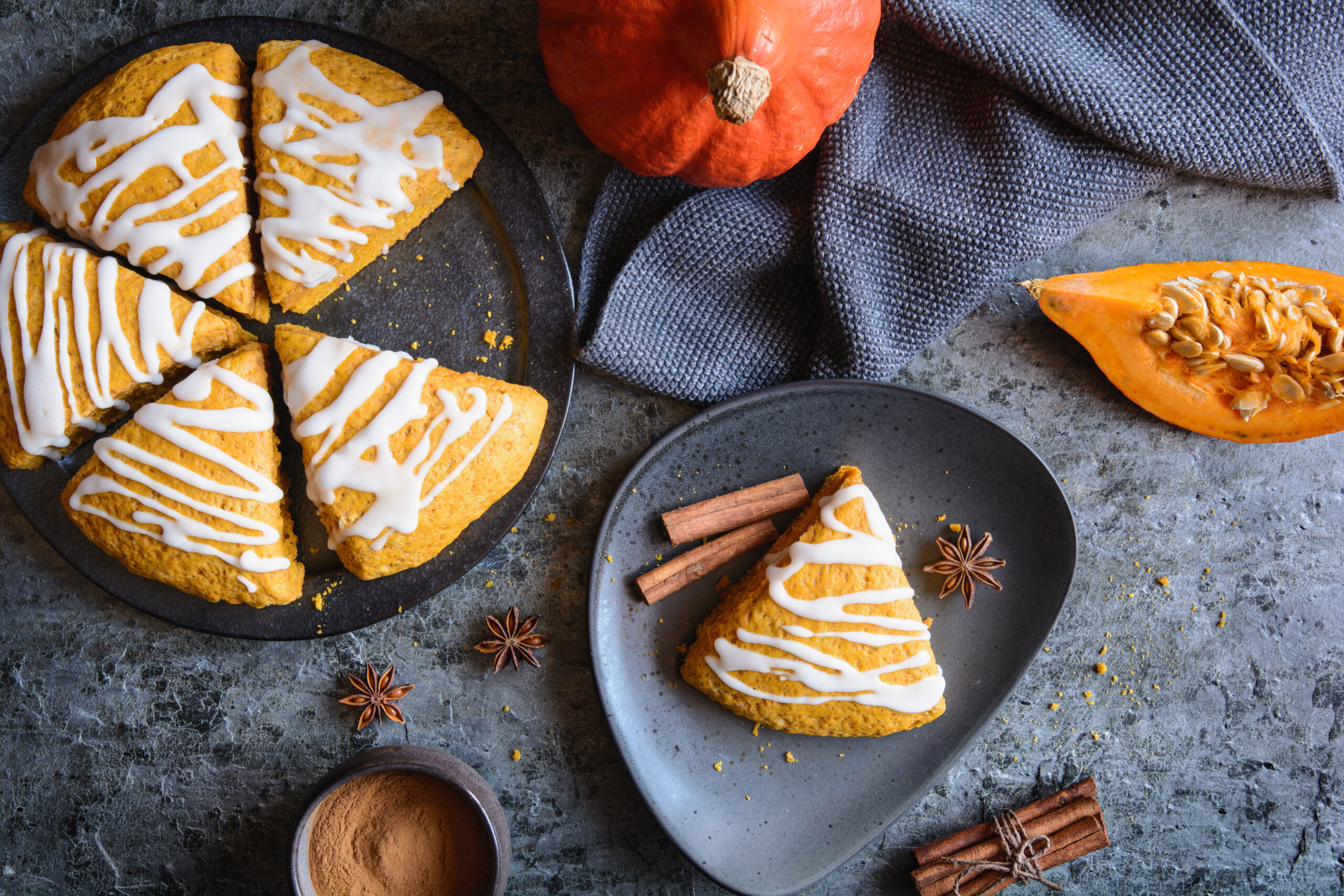
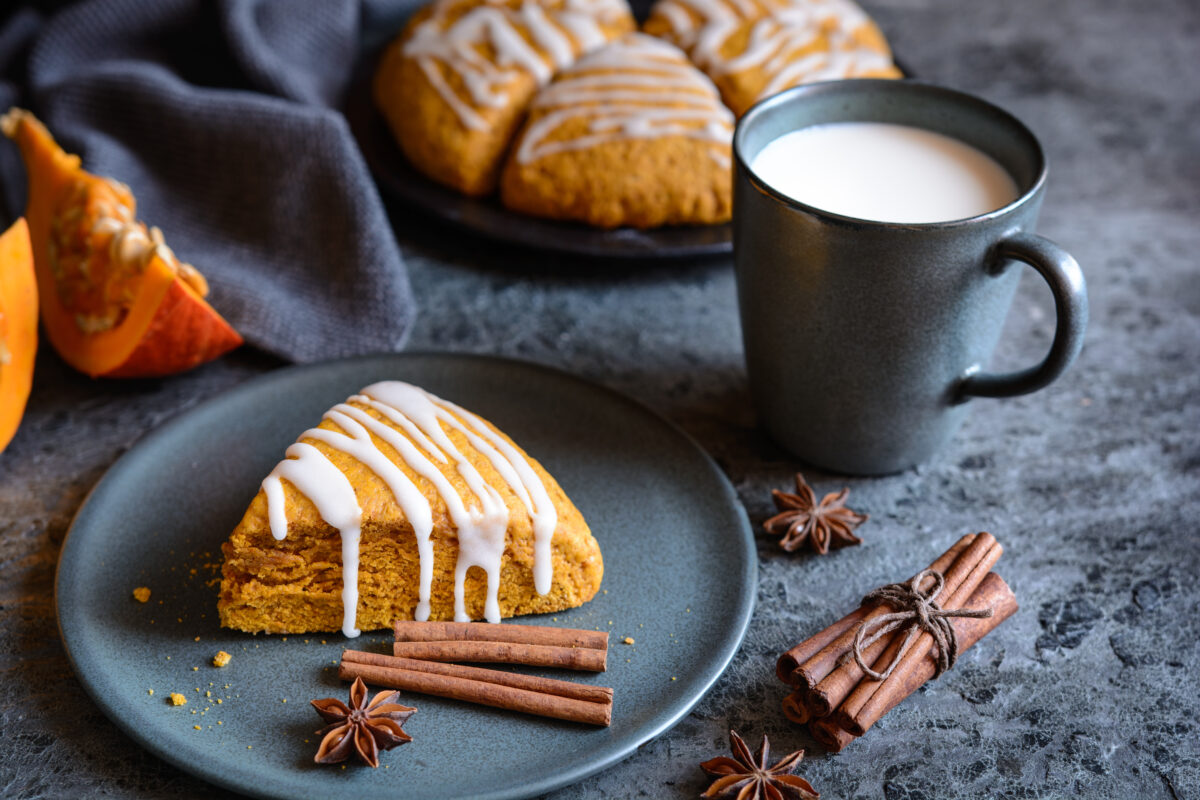
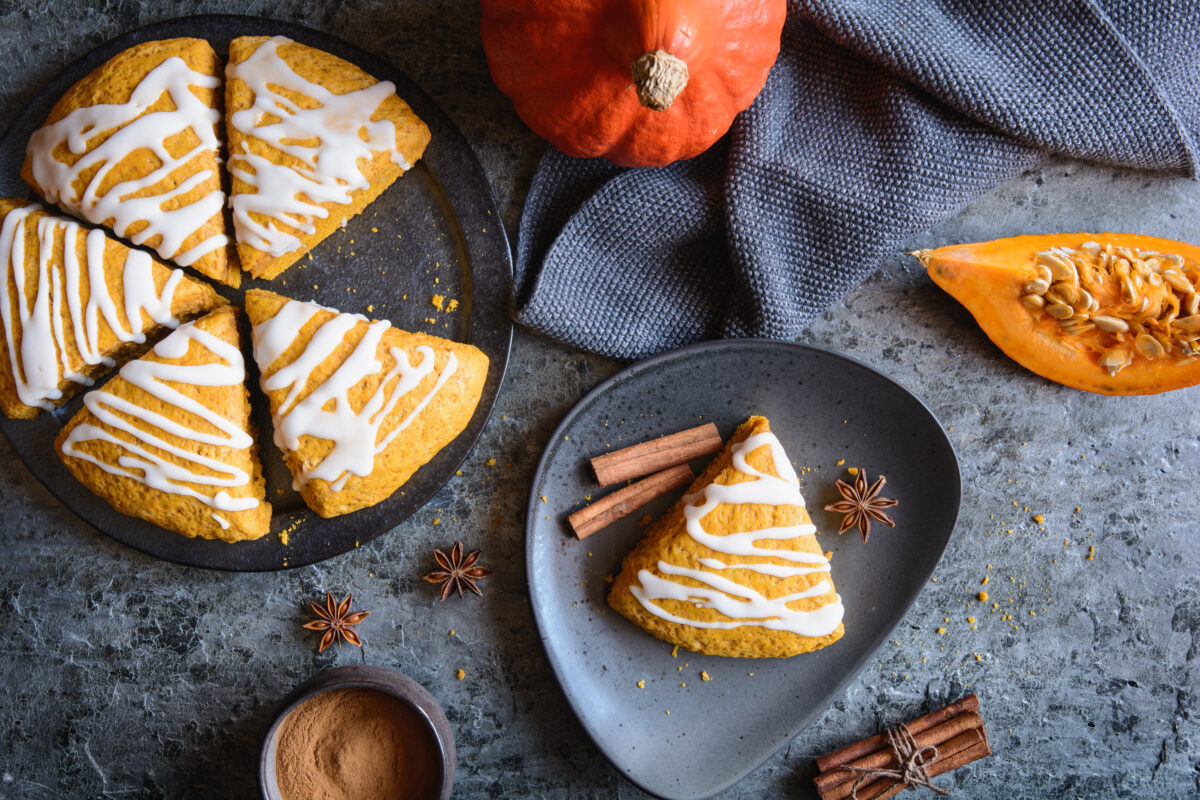
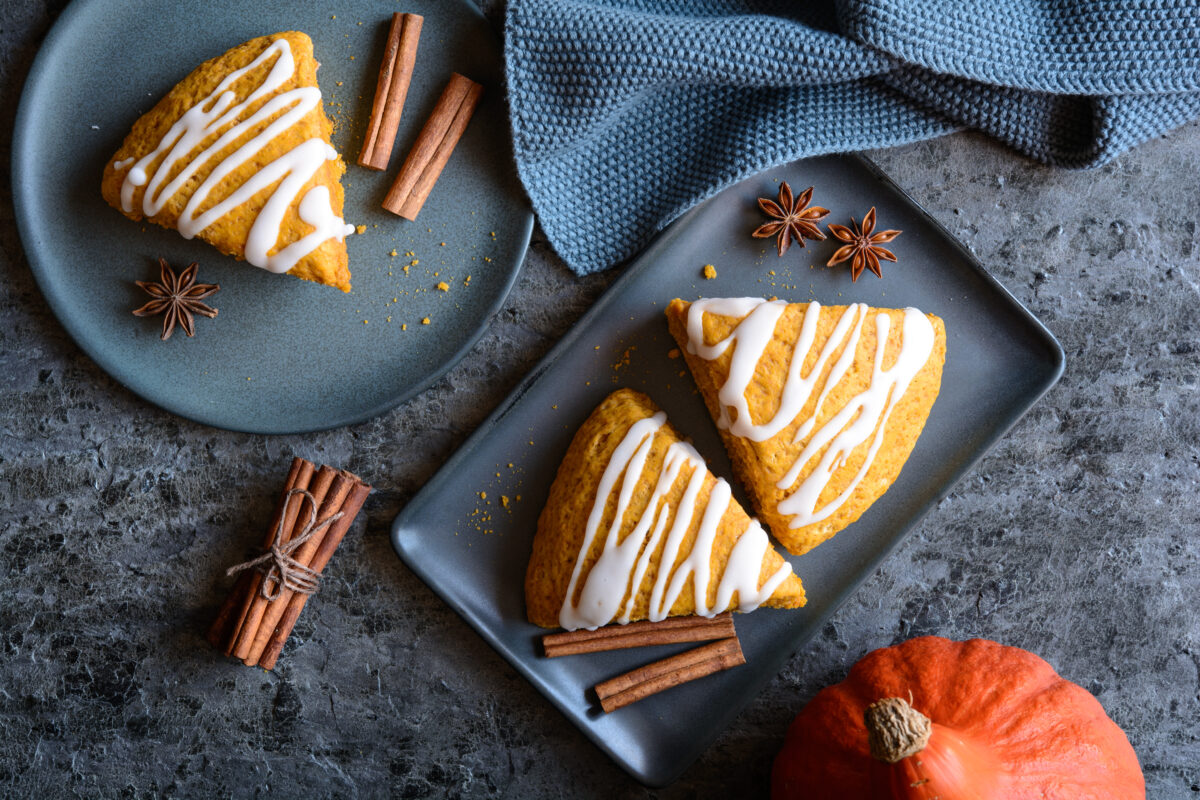
The maple glaze serves a dual purpose: it acts as a moisture barrier to keep the scone fresh, and it provides a contrasting sweetness to the earthy spice of the dough. The consensus among professionals is that the glaze should be applied only after the scone has reached room temperature. Applying glaze to a hot scone results in absorption, which ruins the texture and aesthetic.
Implications for the Modern Home Baker
The rise of the "cozy fall bake" trend has significant implications for how families interact with their food. The act of baking scones is often viewed as a "gateway" culinary activity—accessible enough for children to assist, yet technical enough to reward the more advanced home chef.
Economic and Dietary Implications
Beyond the joy of the craft, the homemade scone offers a cost-effective alternative to commercial bakery items. By preparing batches in advance and utilizing the freezer-friendly nature of the dough, consumers can enjoy high-quality breakfasts throughout the week without the need for daily labor. Furthermore, the ability to modify the recipe—incorporating toasted pecans for protein, dried cranberries for acidity, or even savory elements like pepitas—allows for a level of customization that commercial products simply cannot match.
Sustainability and Seasonal Eating
The focus on pumpkin as a primary ingredient aligns with broader trends toward seasonal and locally sourced eating. By utilizing winter squash, bakers are engaging with the natural harvest cycle. This shift toward "slow baking" reflects a wider societal desire to step away from the fast-paced, processed food culture in favor of mindful, intentional consumption.
Troubleshooting Common Failures
Even experienced bakers occasionally face challenges. Here is a breakdown of the most common issues and their scientific solutions:
- The "Spreading" Problem: If your scones lose their shape in the oven, the butter was likely too warm. The solution is increased chilling time before baking.
- The Dry Crumb: This is almost always caused by over-baking or an incorrect flour-to-liquid ratio. A digital thermometer can be a baker’s best friend here; check for an internal temperature that indicates the dough is set but not desiccated.
- The Dull Glaze: If the maple drizzle appears cloudy or grainy, the issue is likely the ratio of sugar to liquid. A smooth, opaque glaze requires a higher ratio of powdered sugar to maple syrup, adjusted slowly with microscopic amounts of milk.
Conclusion: A Tradition Reimagined
The Pumpkin Scone with Maple Drizzle is more than a seasonal fad; it is a refined exercise in texture, flavor, and technique. Whether enjoyed as part of a quiet Sunday morning ritual or as a shared activity with family, the process of bringing these ingredients together—cold butter, fresh pumpkin, and warming spices—represents the very best of autumn baking. By mastering the fundamental science behind the scone, the home baker can move beyond the recipe, creating a staple that is as reliable as it is delicious. As we look toward the cooling months ahead, these scones serve as a reminder that the most rewarding experiences are often the ones we create with our own hands, one layer of pastry at a time.