Introduction and Main Facts
As the vibrant colors of spring begin to displace the winter chill, families and food enthusiasts across the country turn their attention toward one of the season’s most cherished culinary traditions: the Easter Sunday brunch. Far surpassing a standard weekend meal, Easter brunch serves as a celebratory anchor for the holiday, bringing loved ones together around tables laden with the fresh, bountiful flavors of the new season.

This year, culinary planners and home hosts are elevating the traditional spread far beyond basic scrambled eggs and standard pastries. The modern Easter brunch menu is a carefully orchestrated balance of hearty, make-ahead casseroles, delicate vegetable-forward quiches, vibrant seasonal salads bursting with early spring produce, and indulgent pastries that blur the line between breakfast and dessert.

At the center of this culinary movement is the integration of convenience and sophistication. Hosts are increasingly prioritizing recipes that can be prepped the night before—such as overnight French toast casseroles and make-ahead pie crusts—allowing the cook to spend less time isolated in the kitchen and more time celebrating with family. From vegetarian twists on classic breakfast staples like Eggs Benedict to interactive waffle bars and refreshing, citrus-forward cocktails, this year’s top Easter recipes offer a harmonious blend of nostalgia and contemporary gastronomy.
The Chronology of Easter Brunch Planning: A Timeline for Success
Hosting a flawless Easter brunch requires more than just picking out delicious recipes; it demands strategic timing. To ensure a stress-free holiday morning, experienced hosts follow a precise logistical timeline that begins days in advance.

Five Days to One Week Out: Menu Finalization and Shopping
The planning process begins with headcount confirmation and menu selection. Whether opting for a grand buffet or a seated family-style meal, hosts should finalize their dishes at least a week prior. This window provides ample time to curate a balanced menu featuring a mix of proteins, carbohydrates, fresh produce, and sweet treats, while also accounting for any dietary restrictions among guests. Once the menu is locked in, comprehensive grocery lists are drafted, and non-perishable items, dry goods, and beverages are purchased.
Two to Three Days Out: Prep Work and Baking
Mid-week leading up to Easter is the ideal time to tackle advance kitchen labor. Pie crusts for quiches can be mixed, rolled, and stored in the refrigerator or freezer. Ingredients that require heavy chopping—such as potatoes, peppers, and spring vegetables—can be washed, diced, and stored in airtight containers. If baking dense loaves, quick breads, or certain cakes that actually improve in flavor after a day or two, this is the optimal window to get them out of the oven.

The Eve of Easter: Assembly and Staging
Saturday afternoon and evening are critical for ensuring Sunday morning runs smoothly. Casseroles, particularly breakfast stratas and French toast bakes, are assembled entirely the night before, covered, and placed directly into the refrigerator to allow the flavors to meld and the bread to absorb the rich custardy mixtures. Tablescapes can also be set the night before, complete with spring floral arrangements, polished silverware, and glassware, minimizing morning-of chores.

Easter Sunday Morning: Execution and Celebration
With the heavy lifting complete, Easter morning transforms from a frantic kitchen scramble into a seamless execution. Dishes prepared the night before—such as the breakfast casserole or French toast bake—are popped straight from the refrigerator into the preheated oven. Fresh elements, like crisp spring salads and delicate dressings, are tossed at the last minute. As guests arrive, freshly shaken mimosas and classic bellinis are poured, setting a welcoming and relaxed tone for the afternoon’s festivities.

Supporting Data: Categorizing the Ultimate Easter Brunch Recipe Repertoire
A successful Easter brunch relies on variety, ensuring that every palate finds something to enjoy. Culinary experts break down the ideal menu into several distinct, mutually supportive categories:
1. The Heart of the Meal: Egg Dishes and Savory Bakes
Eggs remain the undisputed star of Easter morning. Crowd-pleasing staples include:

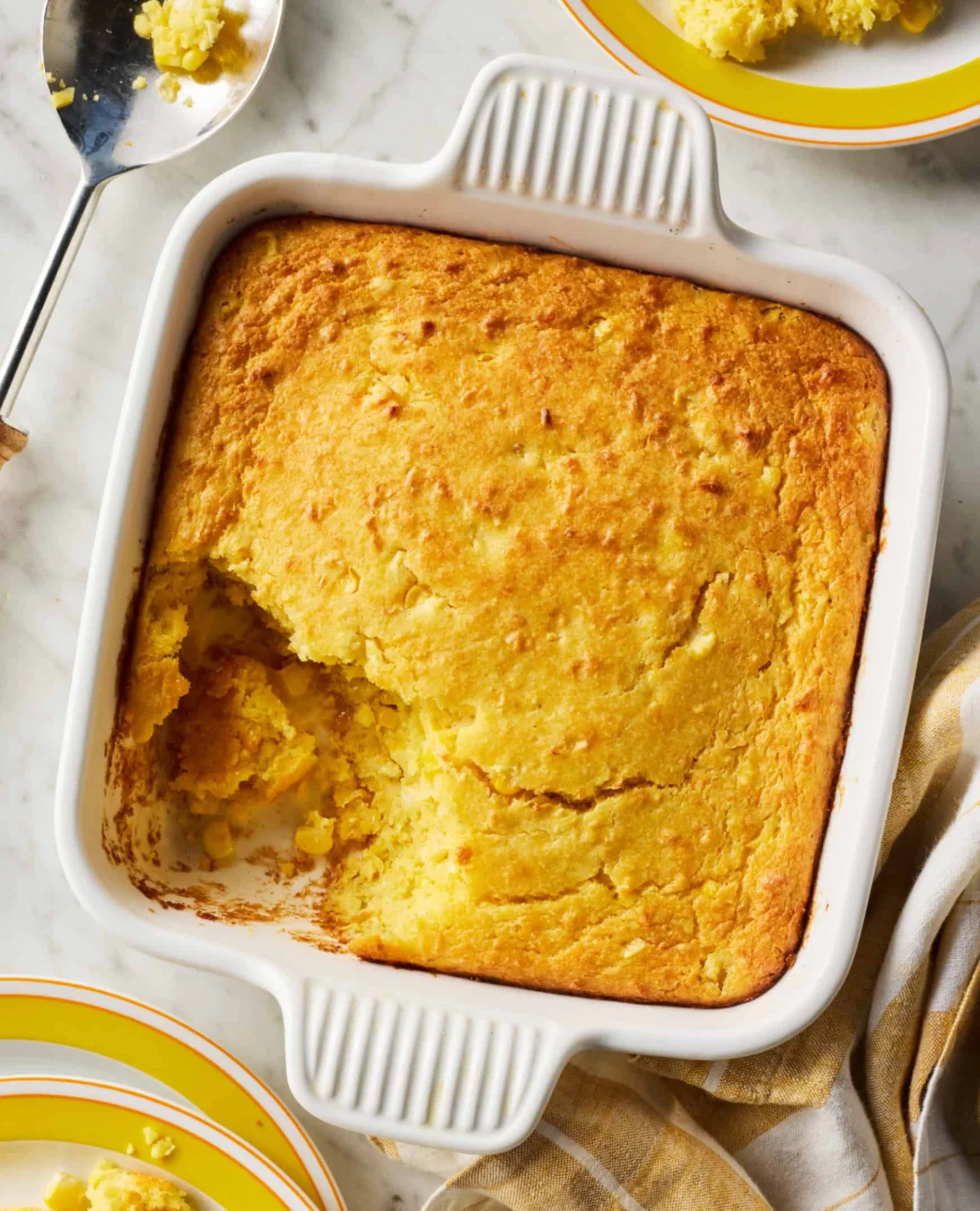
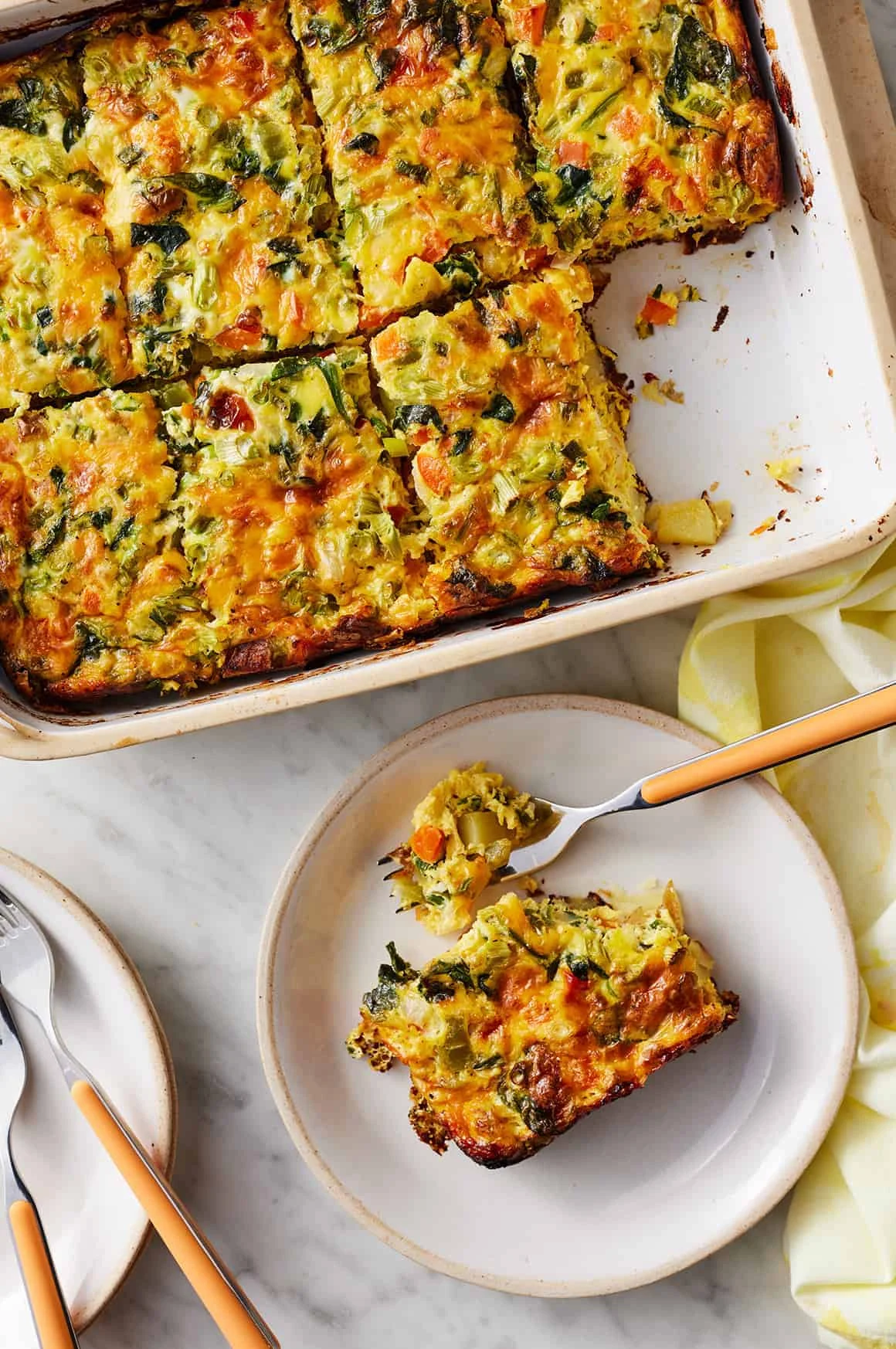
- Breakfast Casseroles: Rich combinations of roasted potatoes, bell peppers, and sharp cheddar cheese designed to feed large gatherings efficiently.
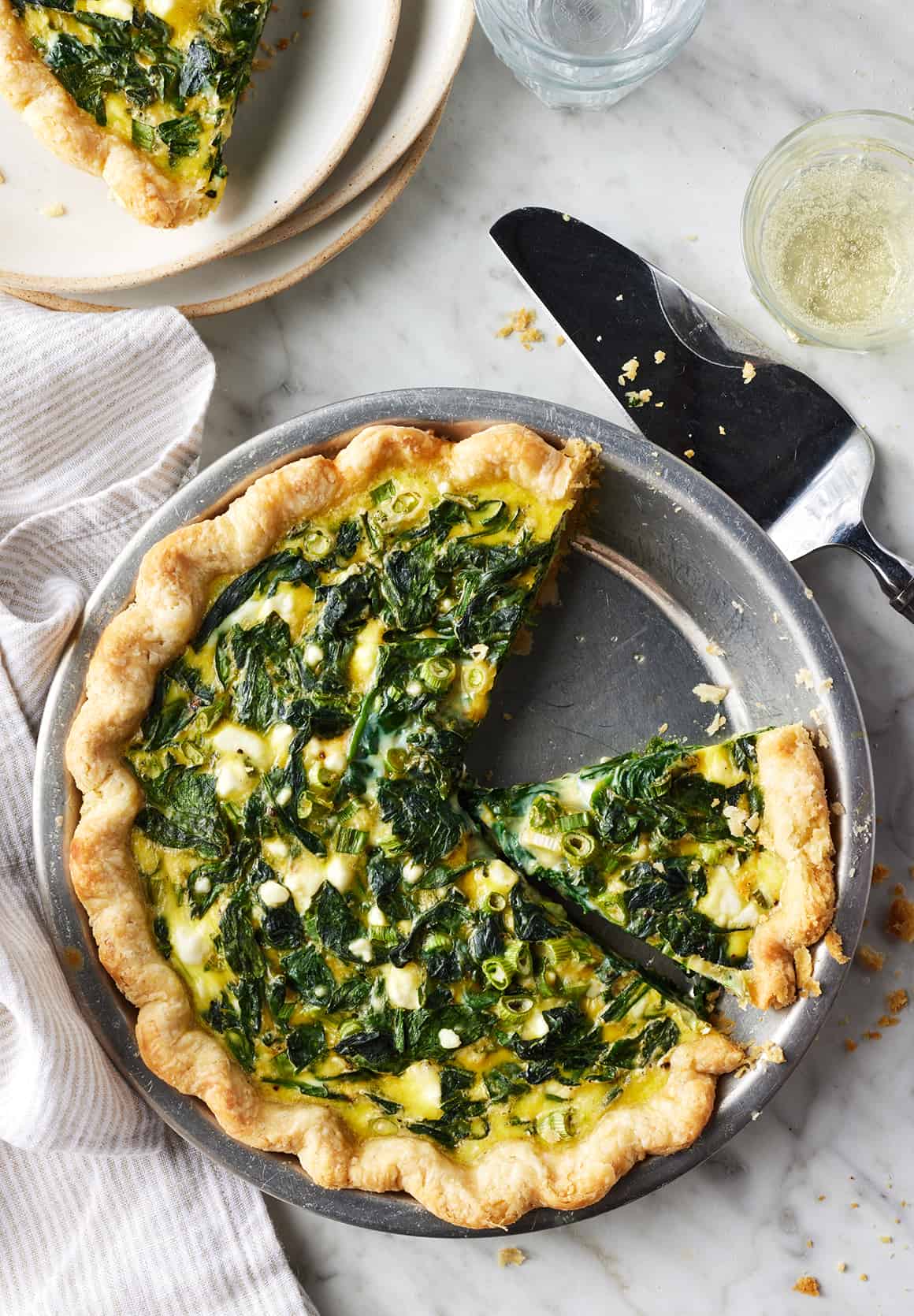
- Quiches (Classic and Crustless): Delicate, buttery pie crusts housing custardy fillings flecked with spinach, scallions, and feta, alongside flourless alternatives utilizing broccoli, thyme, and nutty Gruyère cheese.
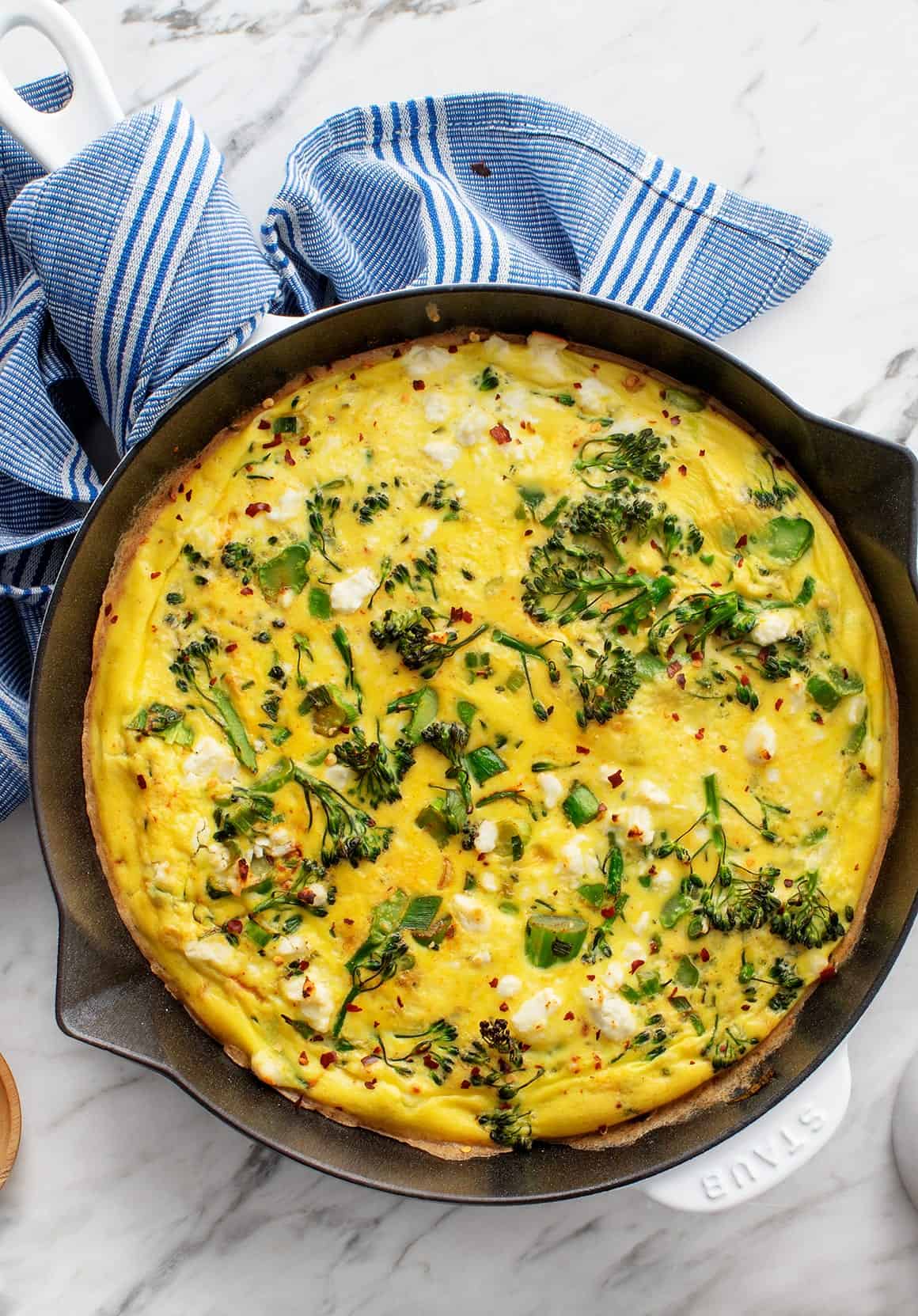
- Frittatas and Vegetarian Eggs Benedict: Highly adaptable skillet dishes paired with veggie-centric Benedicts utilizing juicy tomato slices or roasted asparagus in place of traditional Canadian bacon, topped with rich, creamy hollandaise sauce.
- Upcycled Deviled Eggs: A practical and delicious solution for utilizing leftover hard-boiled eggs from morning Easter egg hunts.
2. Sweet Indulgences and Baked Goods
Balancing the savory elements requires an array of comforting, sweet baked goods that capture the comforting warmth of a family kitchen:
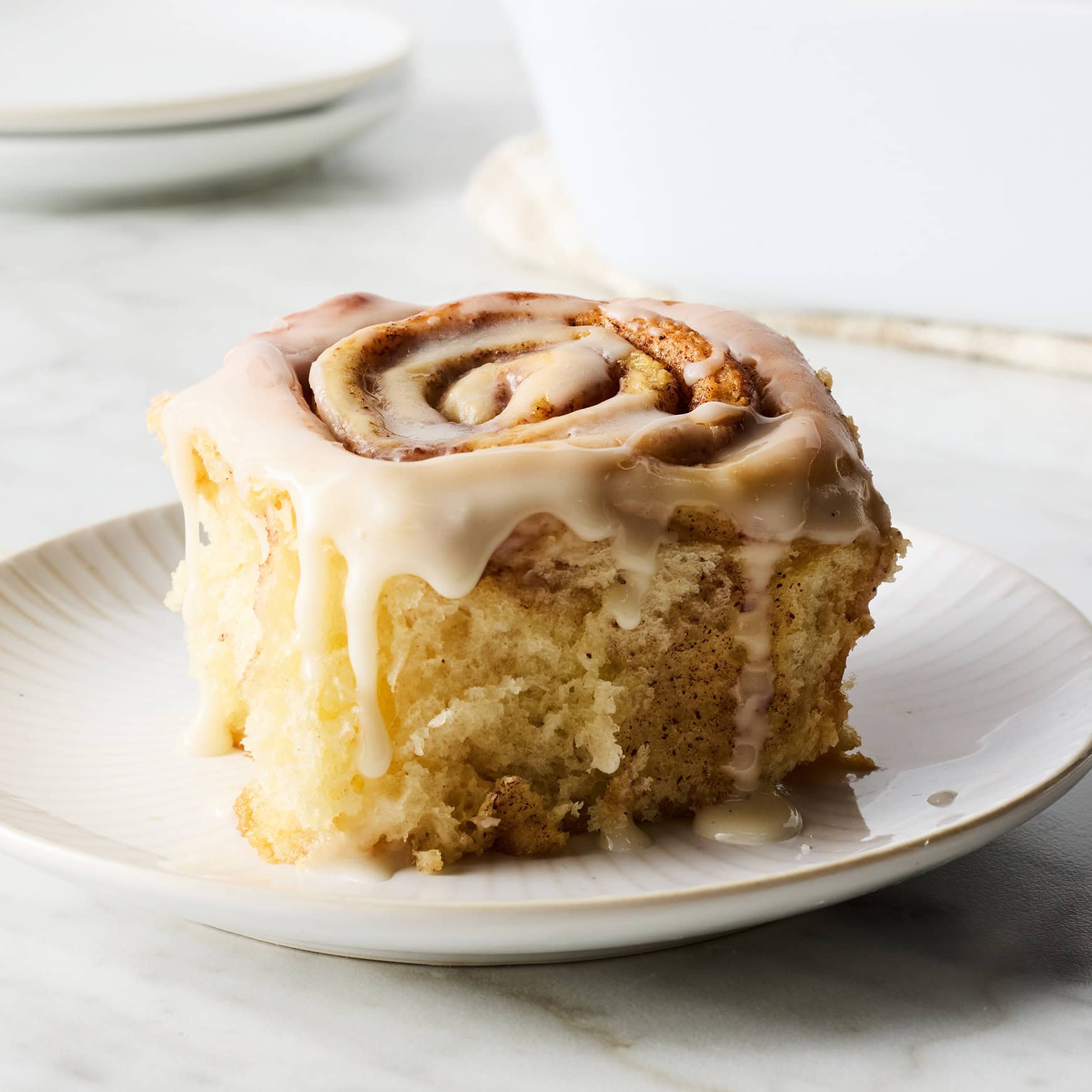
- Cinnamon Rolls: Soft, gooey, and entirely egg-free variations topped with dairy-free vanilla glazes or traditional rich cream cheese frosting.
- Interactive Waffle and Pancake Bars: Crisp, fluffy waffles and light pancakes served alongside customizable toppings like fresh berries, nut butters, and pure maple syrup.
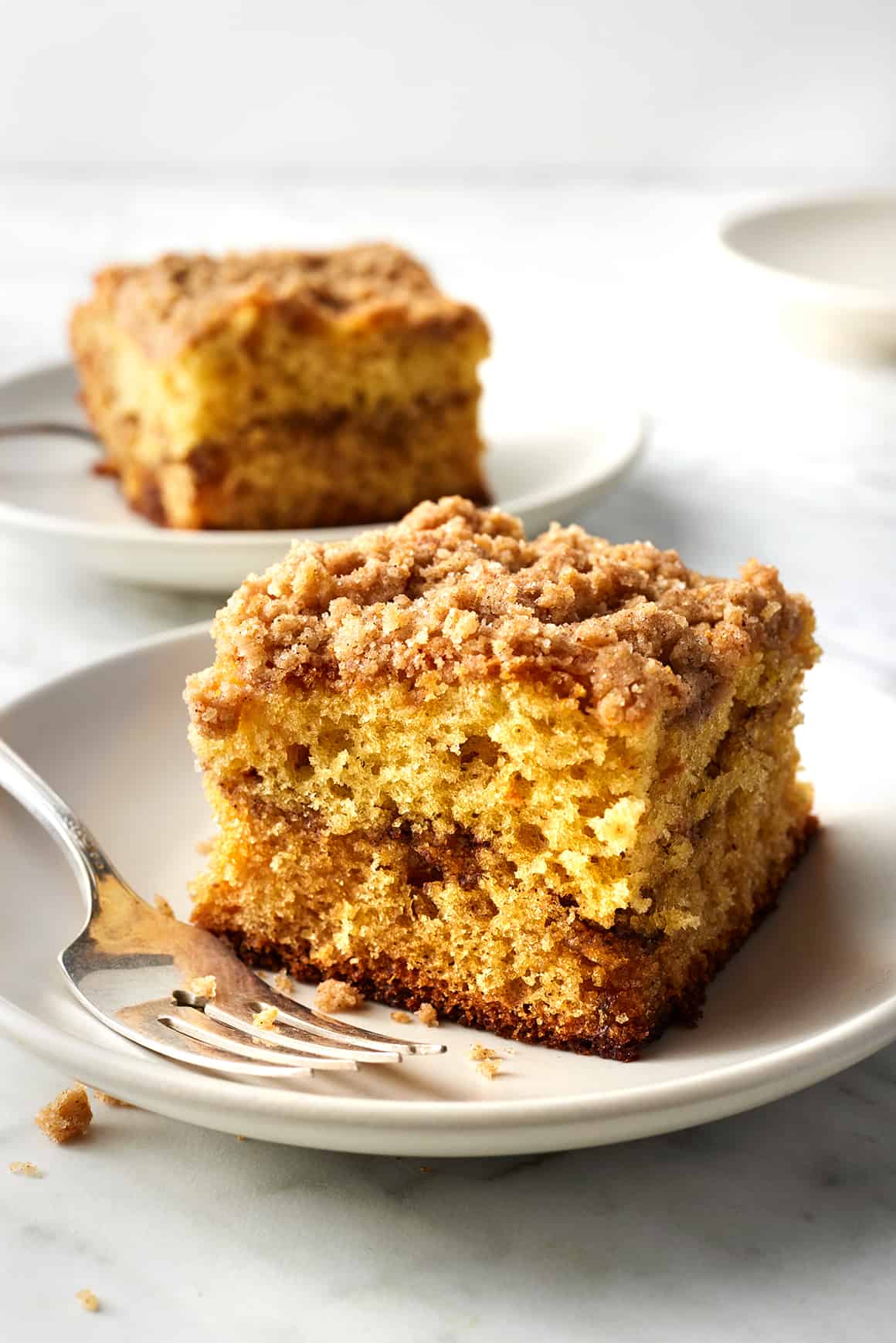
- Grandma-Style Coffee Cakes and Muffins: Moist, buttery coffee cakes featuring cinnamon crumb toppings and brown sugar swirls, alongside seasonal lemon poppy seed muffins, blueberry scones, and warmly spiced carrot muffins.
3. Crisp and Bright Spring Salads
To cut through the richness of heavy egg and cheese dishes, fresh salads bring color and vitality to the table:

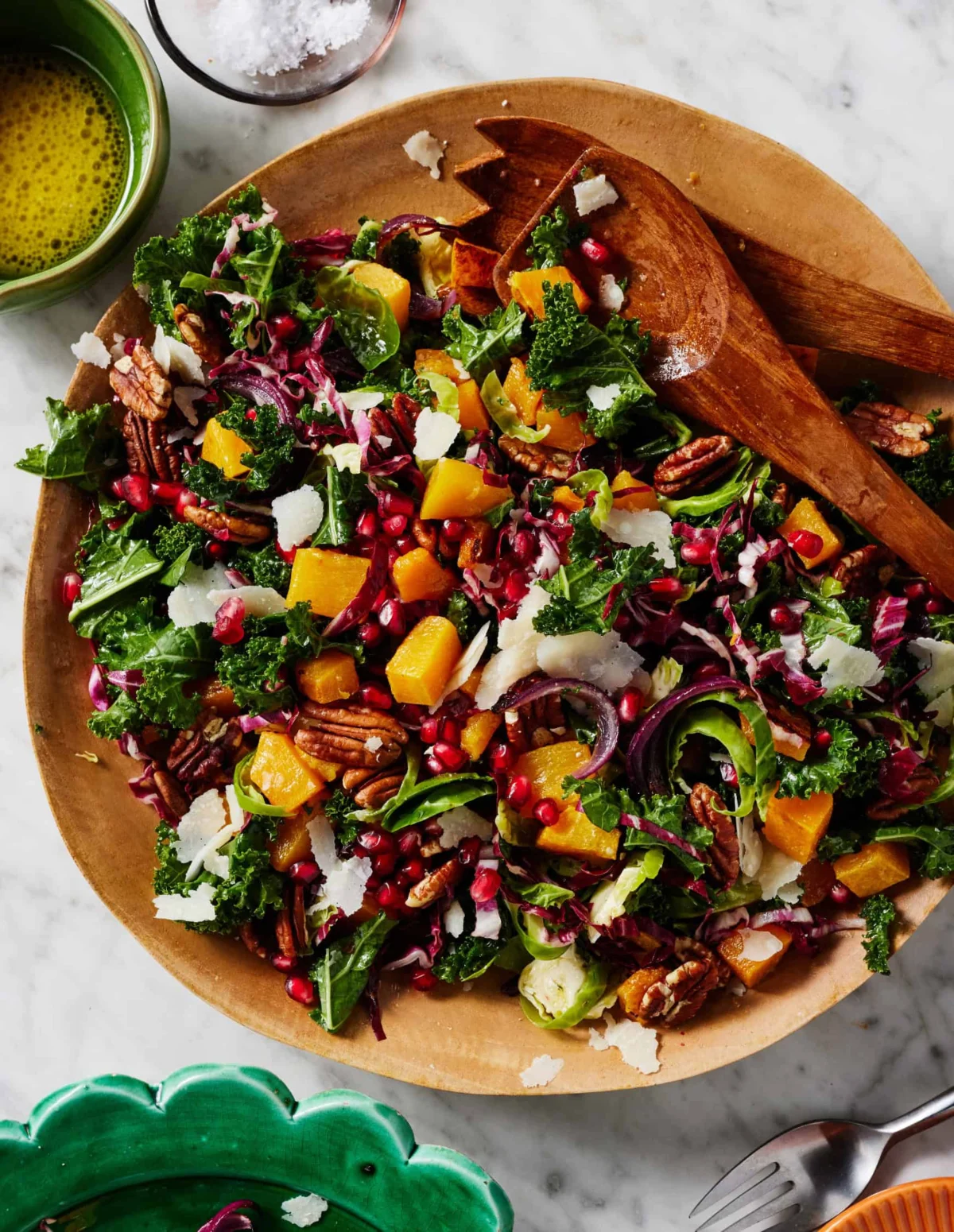
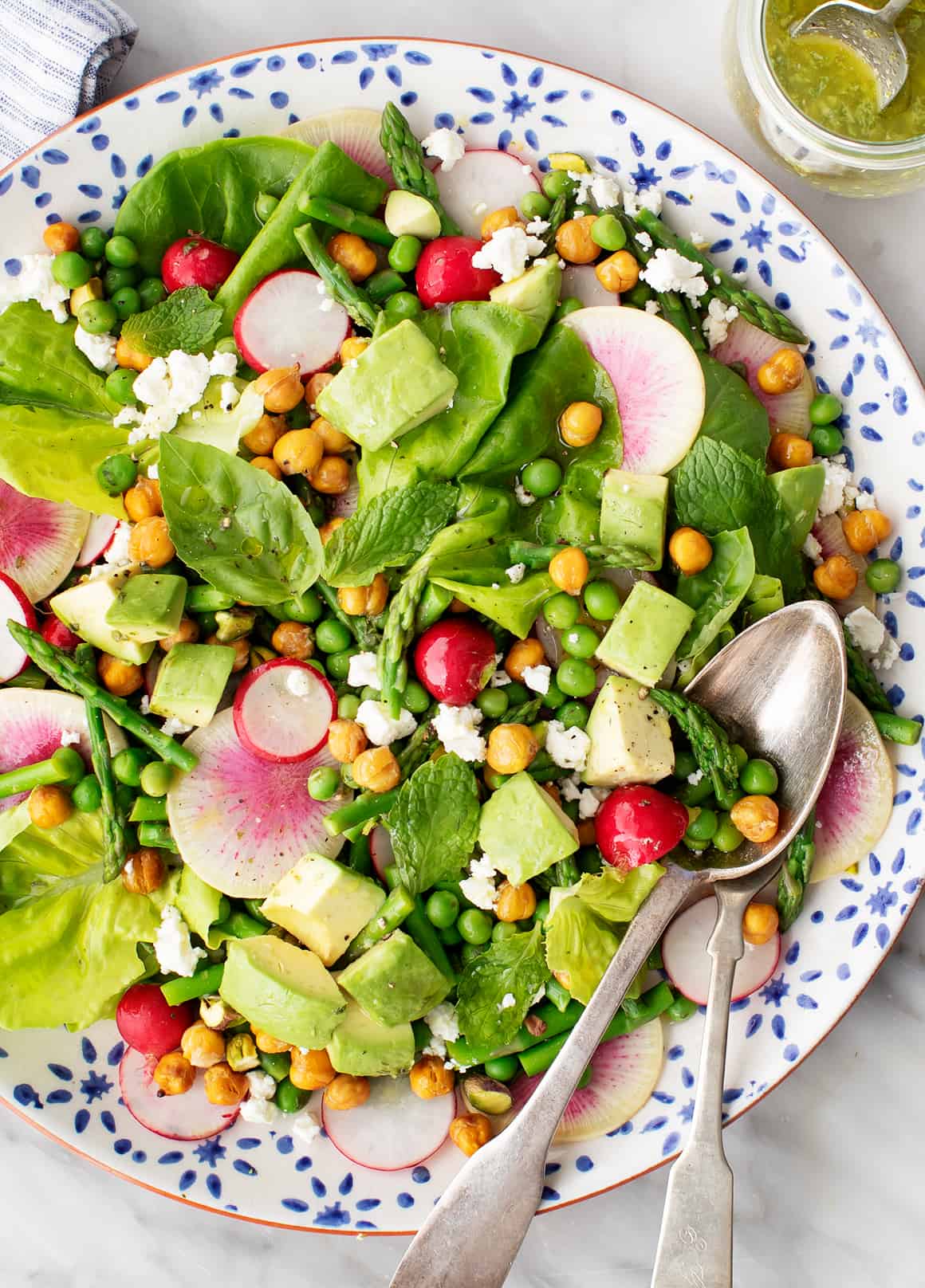
- Bright Spring Salad: A striking pink-and-green arrangement featuring creamy avocado, crisp asparagus, tender butter lettuce, and radishes, tied together with a fragrant basil vinaigrette.
- Strawberry Caprese & Asparagus Salads: Fruity twists on classic Italian salads utilizing fresh spring strawberries, alongside grassy asparagus spears tossed with peas and creamy avocado dressing.
4. Hearty Potatoes and Sides
No brunch is complete without a comforting potato dish, ranging from creamy, cheesy scalloped potatoes baked to golden perfection to smoky, perfectly browned breakfast potatoes seasoned with savory spices.
5. Festive Beverages and Show-Stopping Desserts
- Cocktails: Classic mimosas utilizing affordable sparkling wines like cava or prosecco, peach bellinis flavored with cost-effective frozen spring peaches, and heavily garnished bloody marys.
- Grand Finales: Ultra-moist carrot cakes layered with tangy cream cheese frosting and lemon-blueberry quick breads enriched with olive oil and Greek yogurt for an unmatched tender crumb.
Official Perspectives and Culinary Insights
Renowned home cooks, professional bakers, and event coordinators emphasize that the secret to a successful Easter brunch lies in striking the right balance between tradition and modern dietary flexibility.

According to leading culinary educators, modern hosts are shifting away from rigid menu planning in favor of customizable, interactive dining experiences. "The modern brunch guest appreciates agency," notes one prominent food stylist and cookbook author. "Setting up stations—such as a DIY waffle bar or a mimosa bar with various fruit purees and garnishes—takes the pressure off the host while elevating the interactive guest experience."

Furthermore, nutritional experts and home economists point out that the rising popularity of make-ahead dishes is a direct response to modern lifestyle demands. By utilizing overnight casseroles and prep-ahead baking components, families can reclaim the true meaning of the holiday. Instead of spending the entirety of Easter morning trapped over a hot stove, hosts are empowered to participate fully in the morning’s festivities, egg hunts, and quality family time.

Implications: Transforming Holiday Traditions for the Modern Home
The evolving landscape of Easter brunch carries significant implications for modern family life, consumer habits, and the broader culinary arts sector.

The Shift Toward Stress-Free Entertaining
The heavy emphasis on make-ahead recipes and structured timelines reflects a cultural shift in how holidays are approached. Perfectionism in the kitchen is steadily being replaced by a desire for genuine connection and reduced stress. When hosts utilize casseroles that bake passively in the oven while they converse with guests, the overall quality of the holiday experience improves dramatically.
Economic and Seasonal Consciousness
With modern consumers increasingly mindful of food waste and economic efficiency, holiday menus are reflecting smarter shopping habits. Utilizing frozen fruits for seasonal bellinis during the early spring transition, repurposing hard-boiled eggs from holiday games into gourmet deviled eggs, and relying on versatile root vegetables and early-season asparagus demonstrate a resourceful approach to contemporary cooking.

Inclusivity at the Table
As dietary preferences and restrictions—ranging from vegetarianism to dairy- and egg-free requirements—become more common, contemporary Easter brunch menus are adapting. The inclusion of vegan-friendly cinnamon rolls, crustless quiches, and customizable ingredient bars ensures that every guest feels accommodated without the host needing to prepare entirely separate meals.

Ultimately, the comprehensive Easter brunch has transcended its status as a simple meal. It has become a canvas for seasonal creativity, an exercise in logistical efficiency, and, above all, a treasured vehicle for creating lasting memories around the family table.