In the modern culinary landscape, the intersection of affordability, seasonality, and comfort remains a elusive "holy grail" for home cooks. As food costs fluctuate and time becomes an increasingly scarce commodity, the demand for recipes that offer sophisticated flavor profiles without an exorbitant price tag has never been higher. Enter the Butternut Squash Lasagna—a dish that masterfully bridges the gap between gourmet comfort food and high-efficiency, low-cost meal preparation.
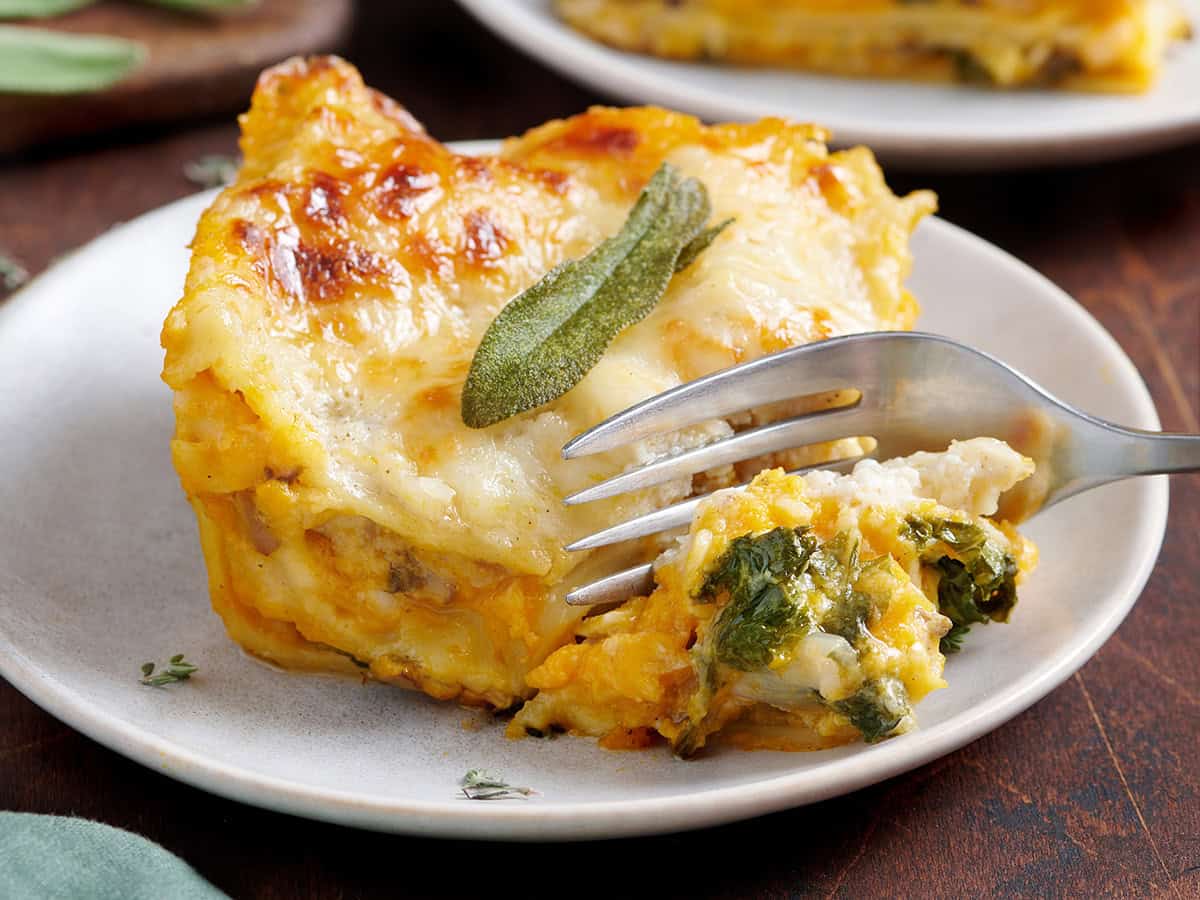
By leveraging the natural sweetness of roasted squash and the deep, savory umami of a scratch-made brown butter béchamel, this dish challenges the notion that "slow-food" aesthetics require professional budgets. At a calculated cost of just $1.88 per serving, this recipe stands as a testament to the fact that with proper technique, simple pantry staples can be transformed into a centerpiece worthy of any autumn gathering.
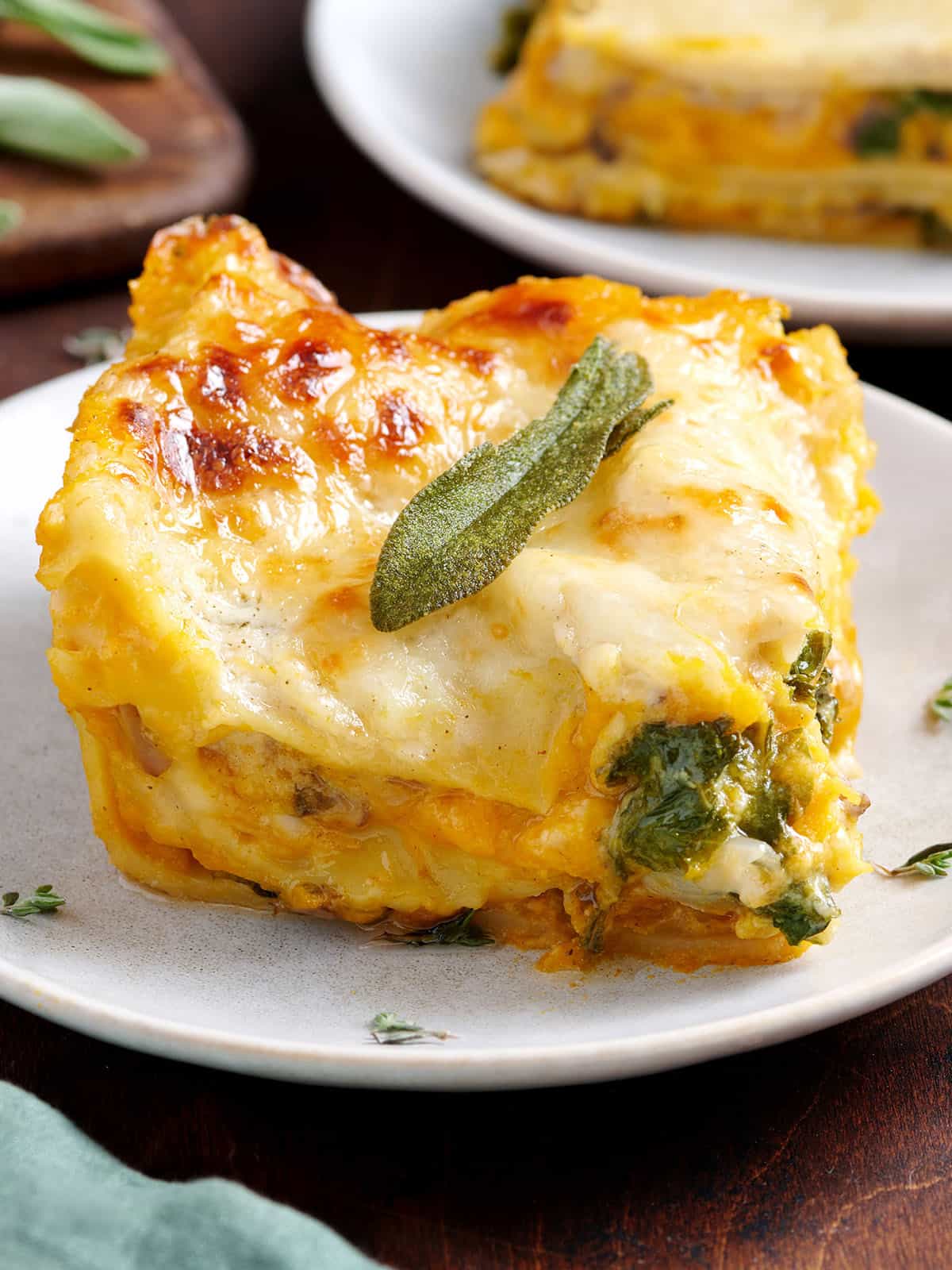
Main Facts: The Anatomy of an Affordable Masterpiece
The success of this lasagna lies in its intentional use of textures and flavors. The recipe is built upon four fundamental pillars: a roasted butternut squash purée, a sautéed mushroom-kale filling, a rich sage-infused brown butter béchamel, and the structural integrity provided by high-quality lasagna noodles.
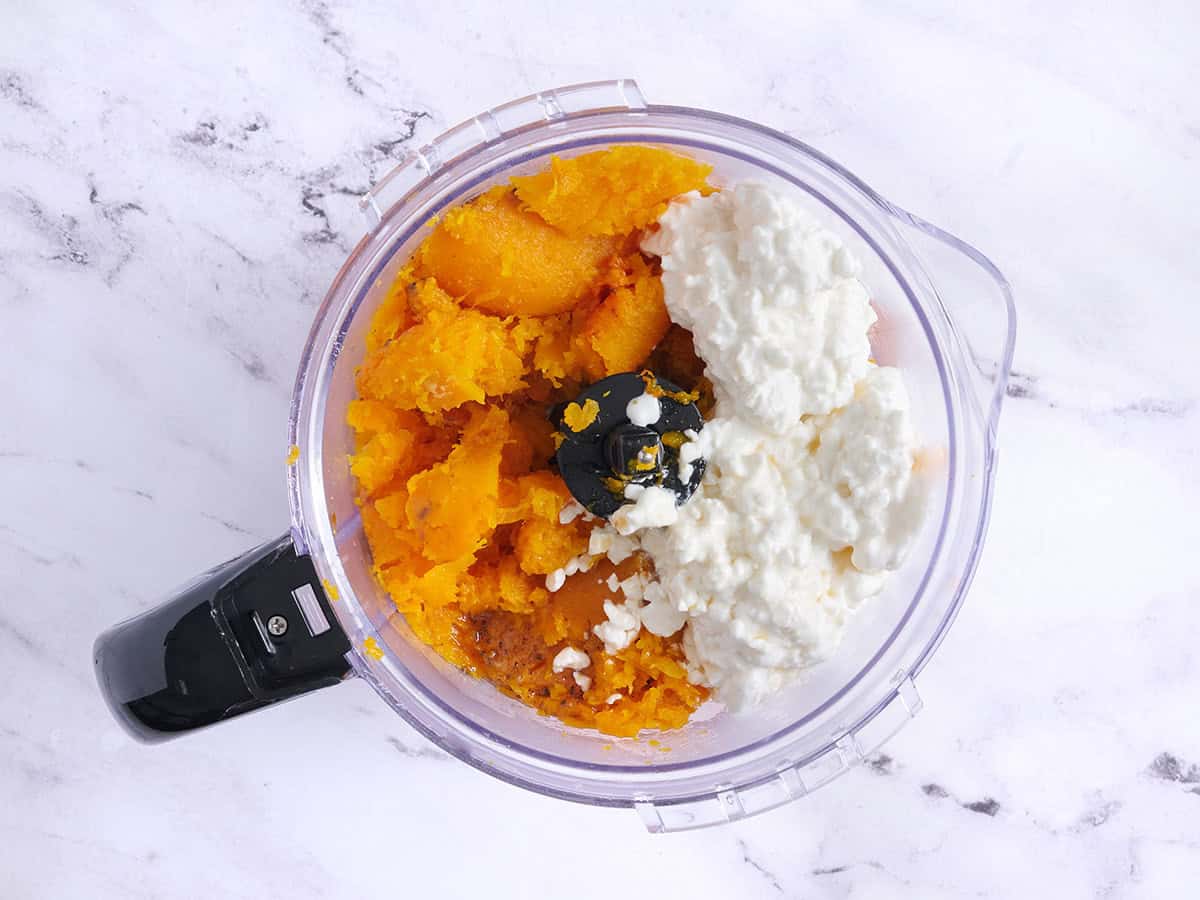
Unlike traditional meat-heavy lasagnas, this vegetarian iteration relies on the creamy, velvety consistency of blended squash and cottage cheese to provide the richness usually expected from dairy-heavy cheeses or meat-based sauces. The inclusion of mushrooms—specifically white button or cremini—adds an essential earthiness that anchors the sweetness of the squash.
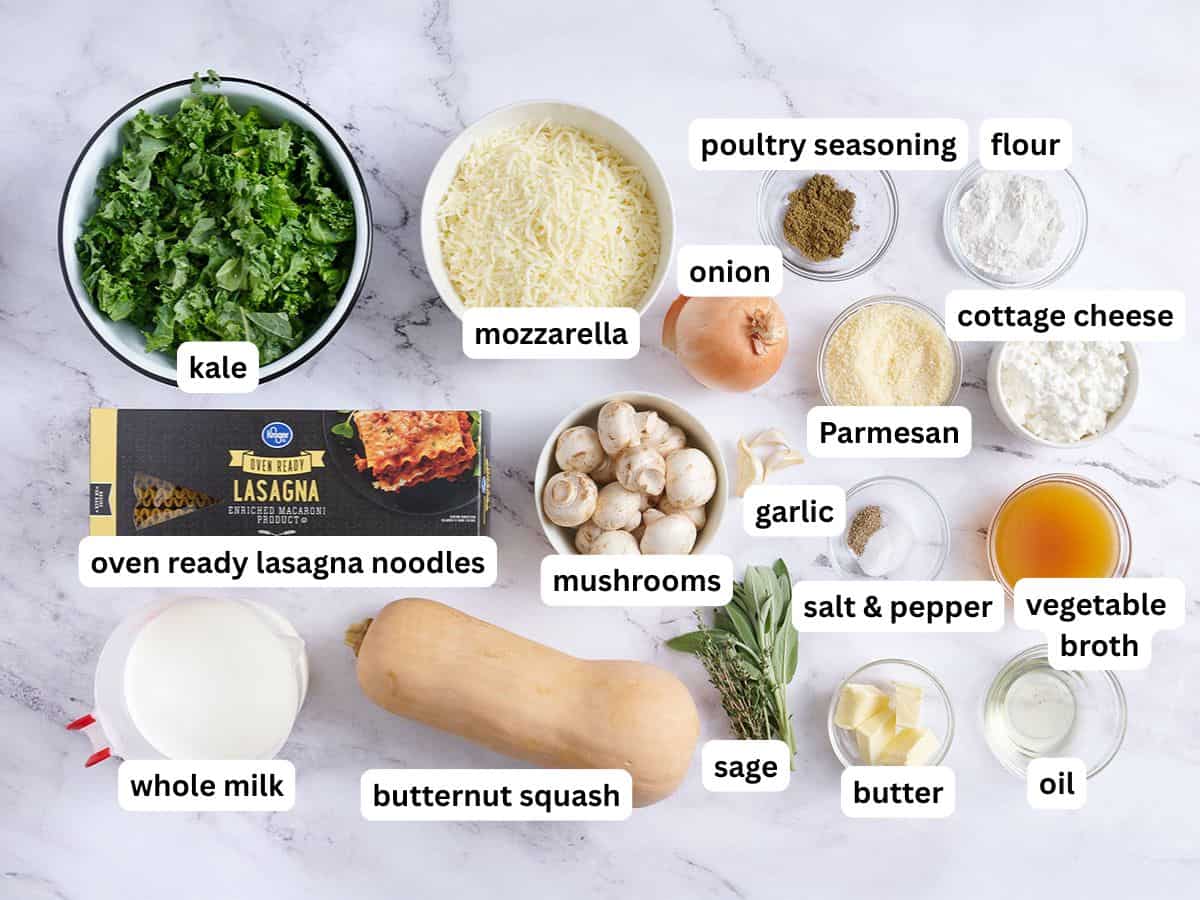
The nutritional profile is equally compelling. Each serving provides a substantial 23 grams of protein and a balanced distribution of carbohydrates and healthy fats, making it a satiating choice for a main course. By utilizing oven-ready noodles, the recipe minimizes the labor-intensive boiling process while ensuring the final dish maintains a firm yet tender bite.

Chronology: A Step-by-Step Approach to Assembly
Achieving the perfect balance in this dish requires a disciplined, chronological approach to preparation.
Phase 1: Roasting and Infusion
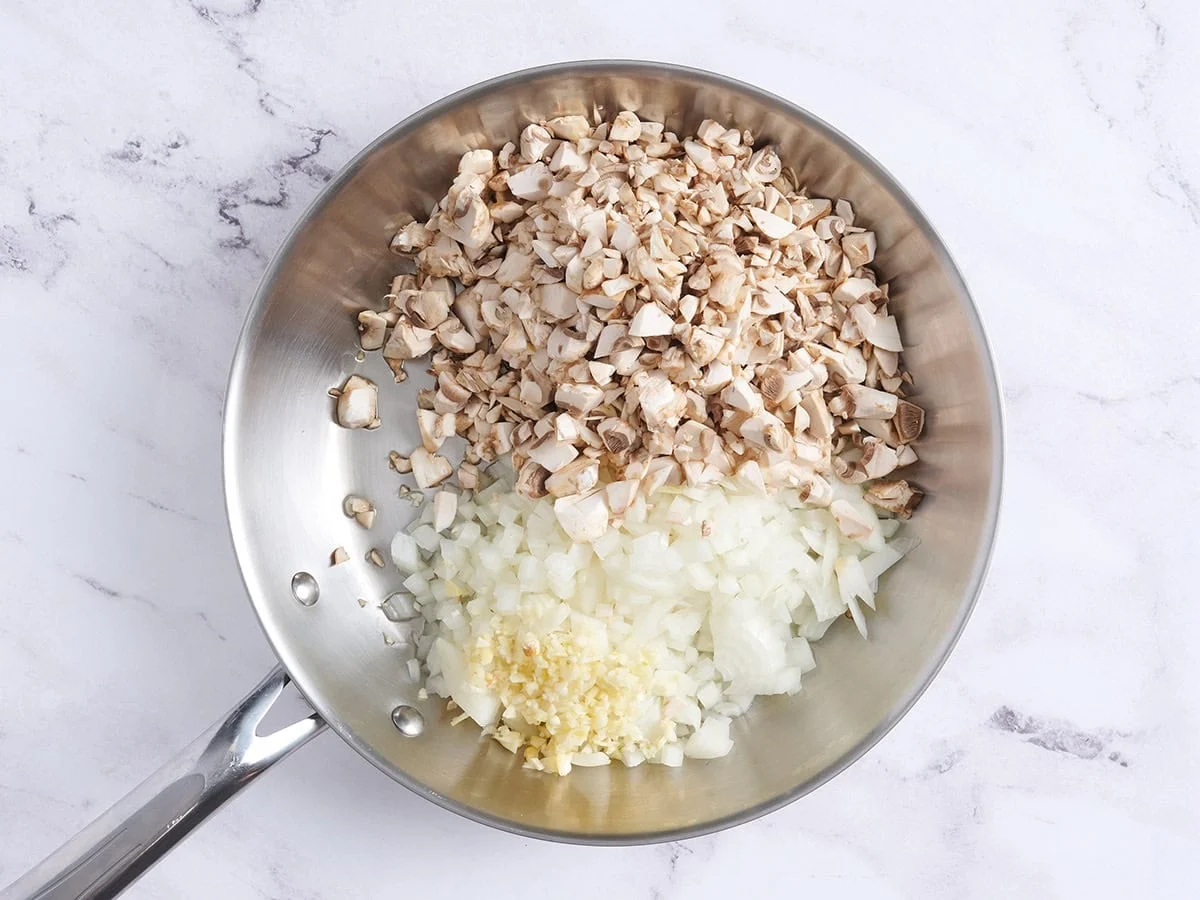
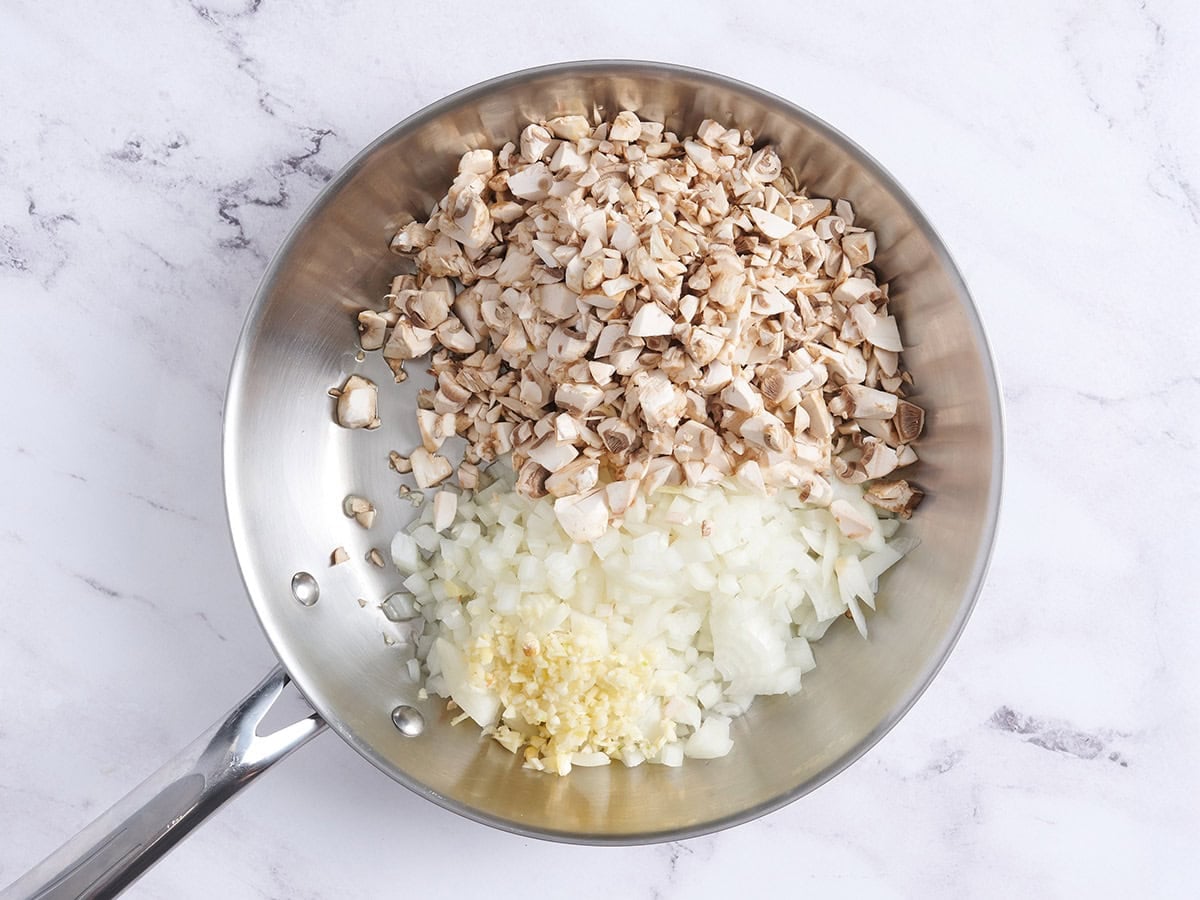
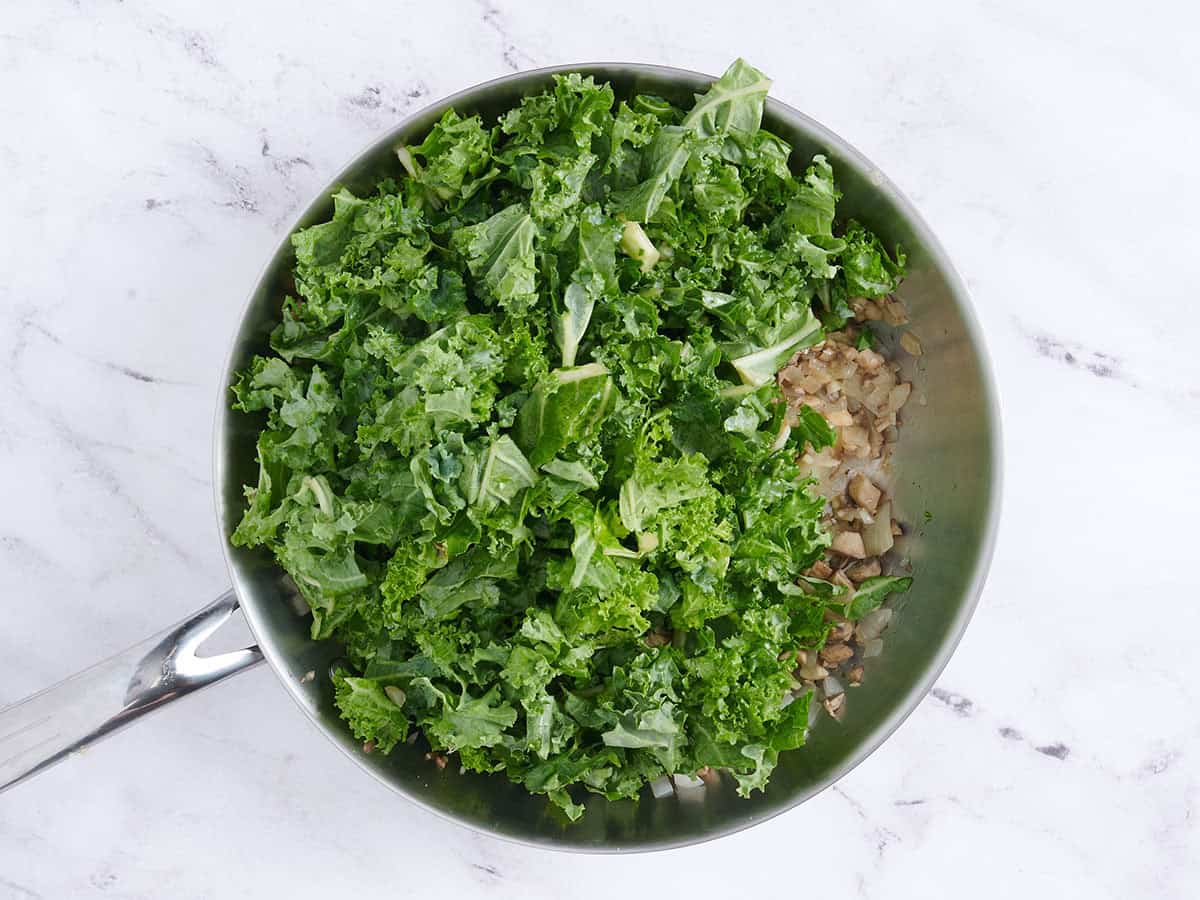
The process begins with the preparation of the squash. Rather than laboring over peeling and dicing, a whole butternut squash is halved, seeded, and roasted until the flesh is tender enough to be scooped directly from the skin. This not only saves time but also preserves the structural integrity of the flavor. Simultaneously, the aromatics—onions, garlic, and mushrooms—are sautéed to release their moisture, a critical step to ensure the lasagna does not become watery during the baking process.
Phase 2: The Béchamel Technique
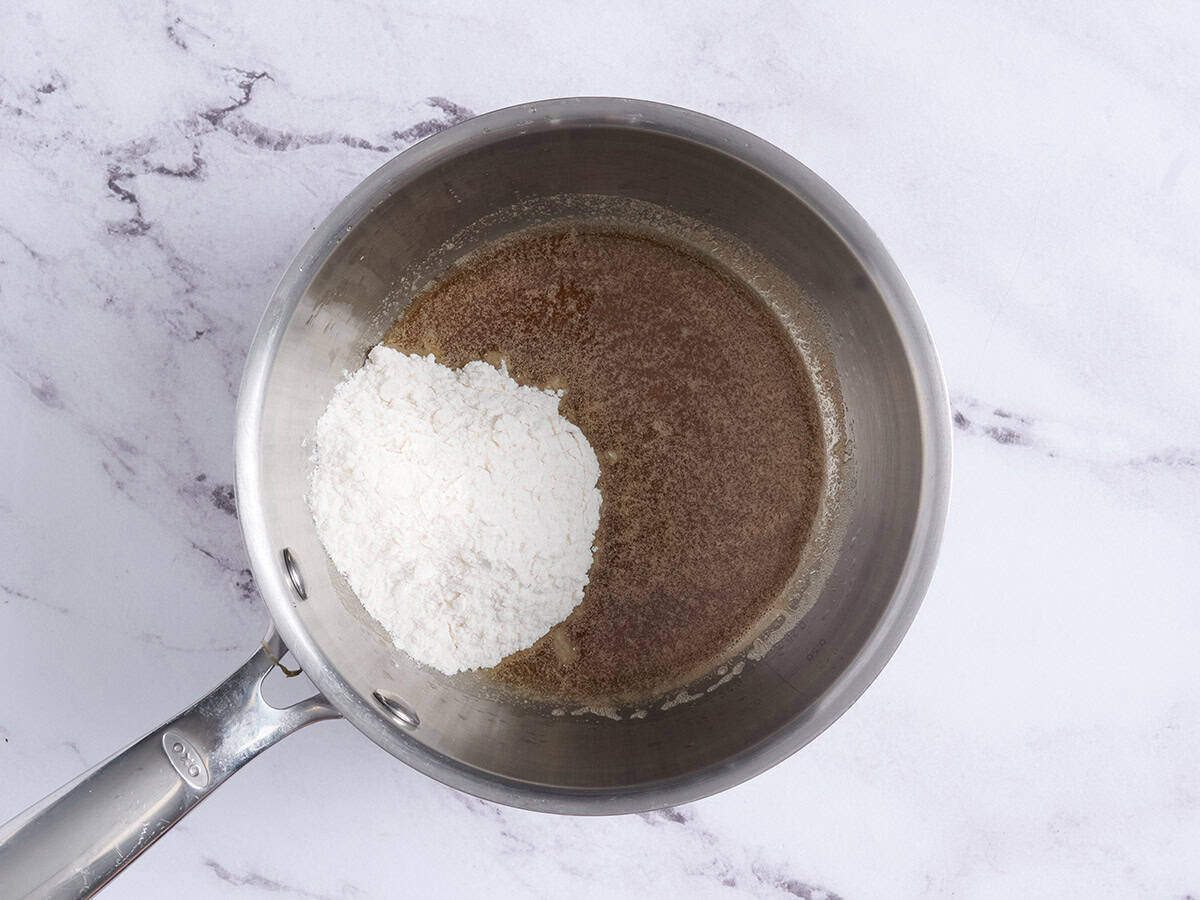
The centerpiece of the dish is the brown butter béchamel. This is where culinary technique elevates the recipe. By melting butter until the milk solids turn a golden, toasted brown, the sauce gains a nutty, complex flavor profile. Infusing the butter with fresh sage leaves during this stage ensures that the herb’s essential oils are distributed throughout the sauce. The subsequent whisking of flour and milk requires steady attention; the goal is a velvety, pourable consistency that will thicken perfectly within the confined heat of the oven.
Phase 3: The Assembly
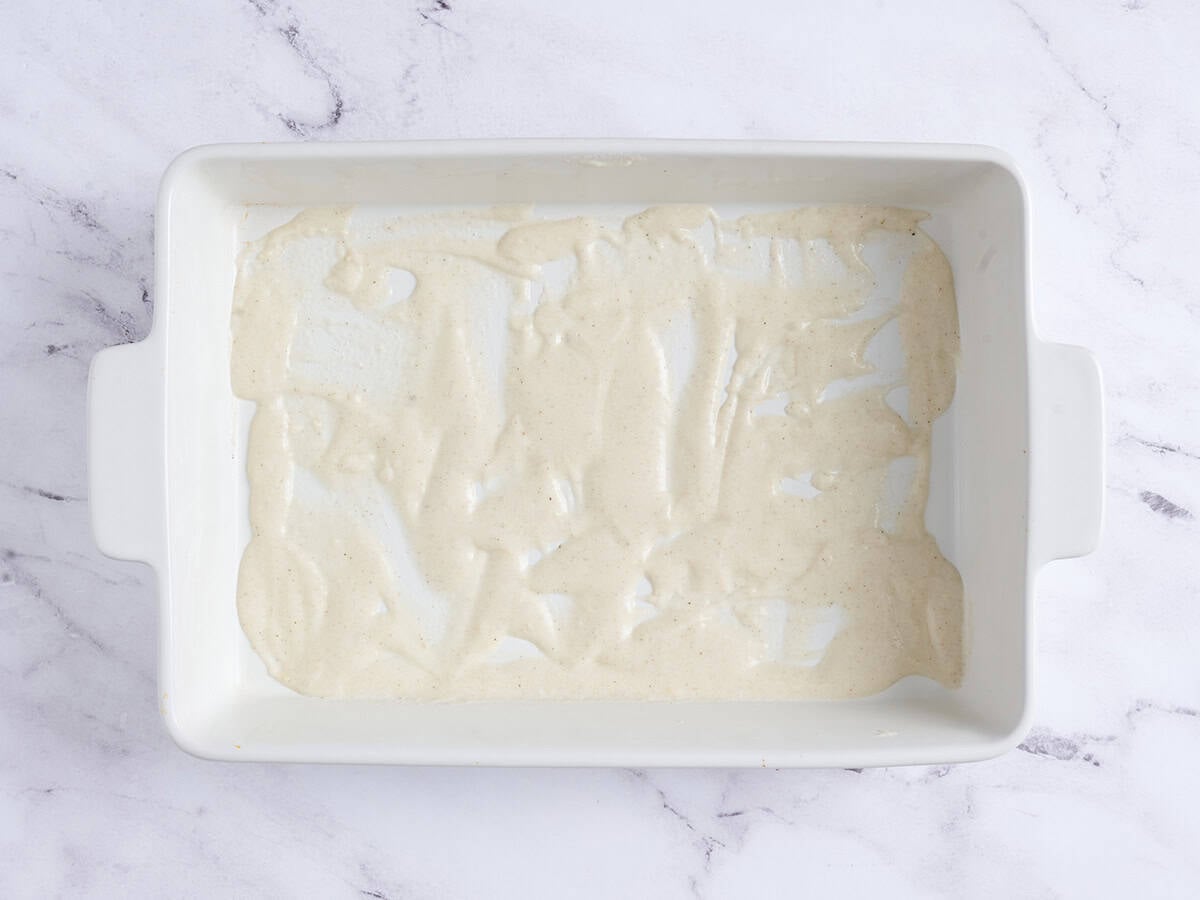
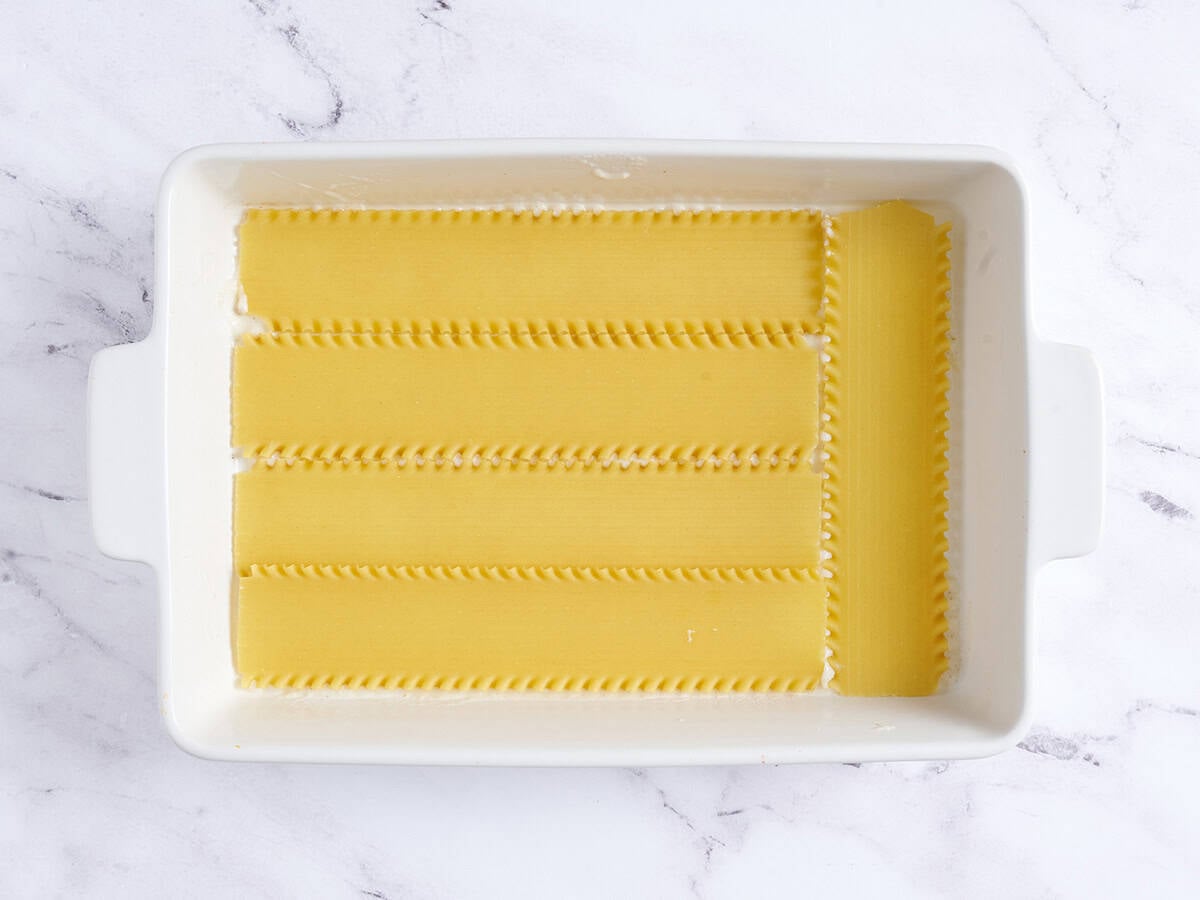
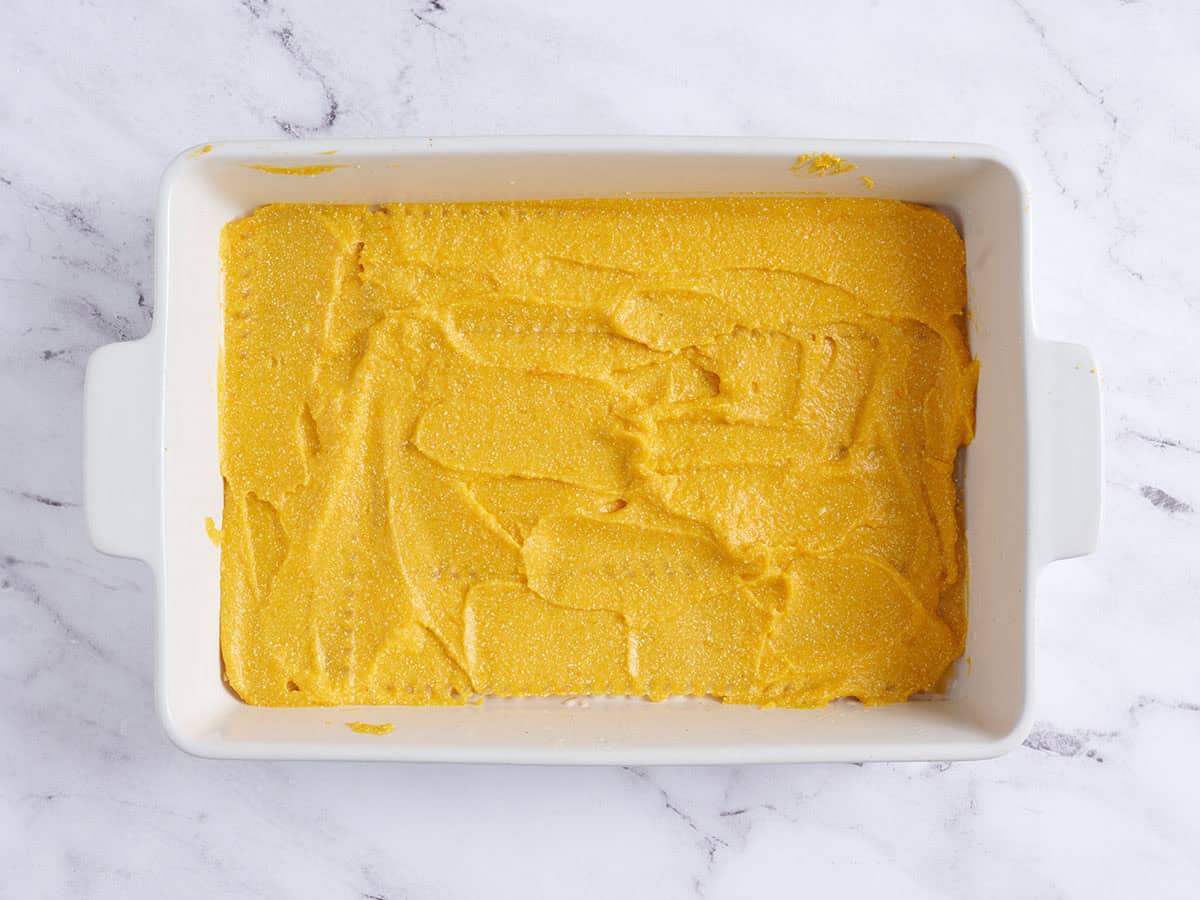
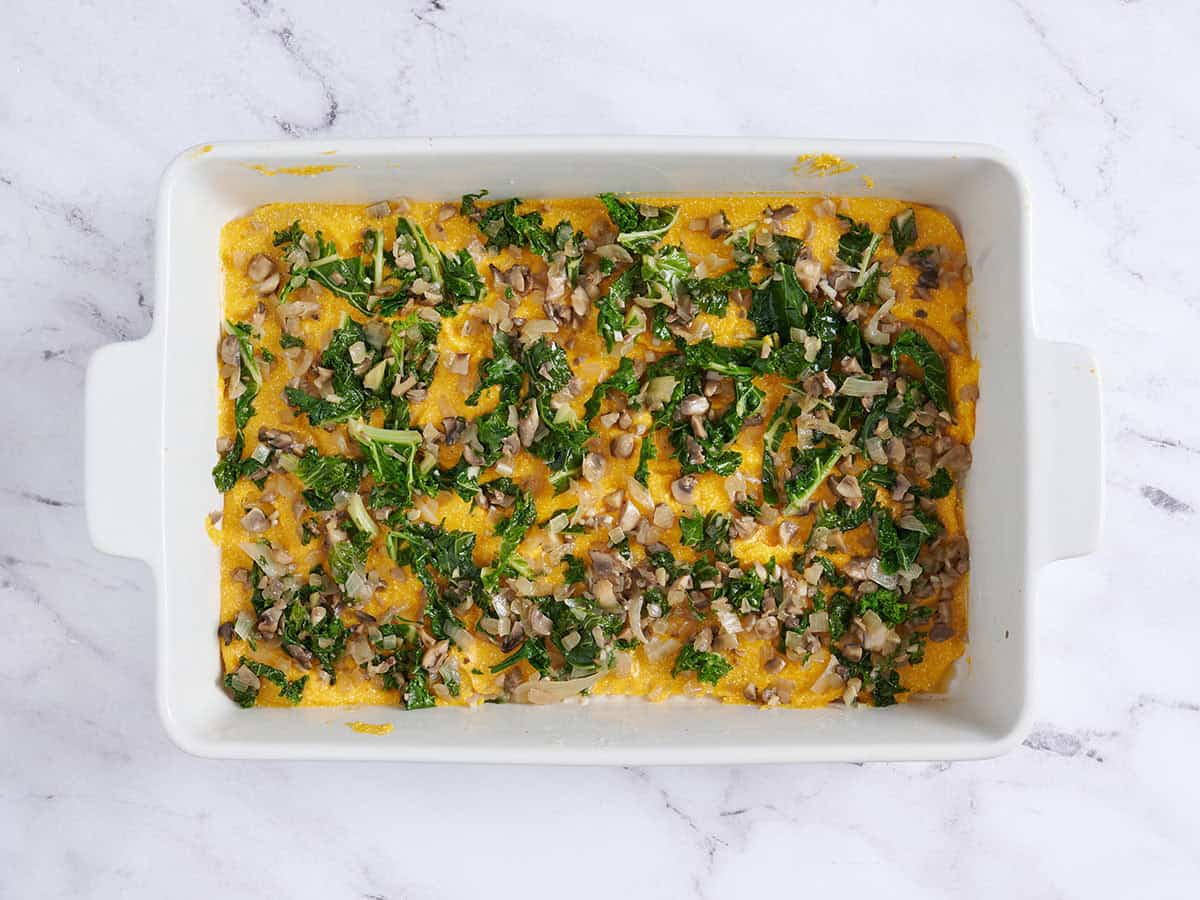
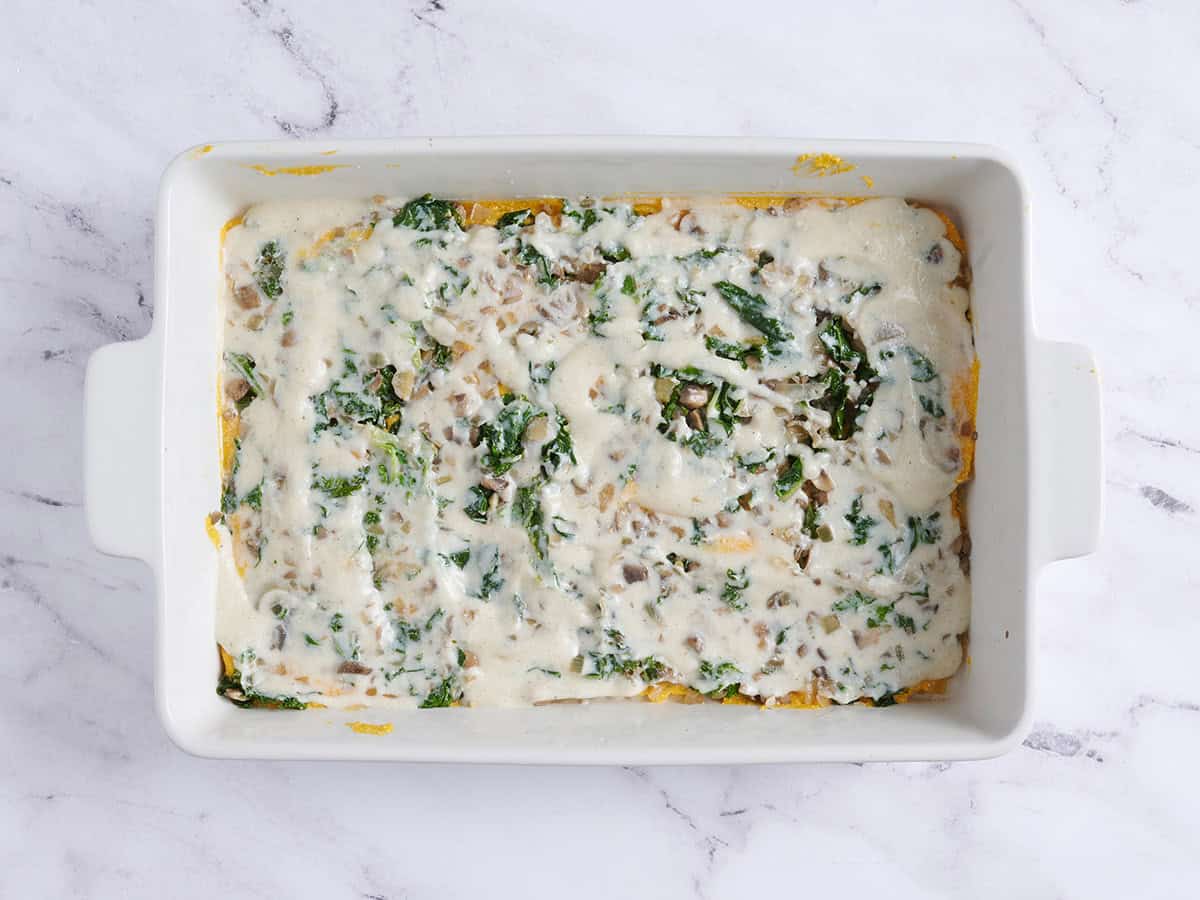
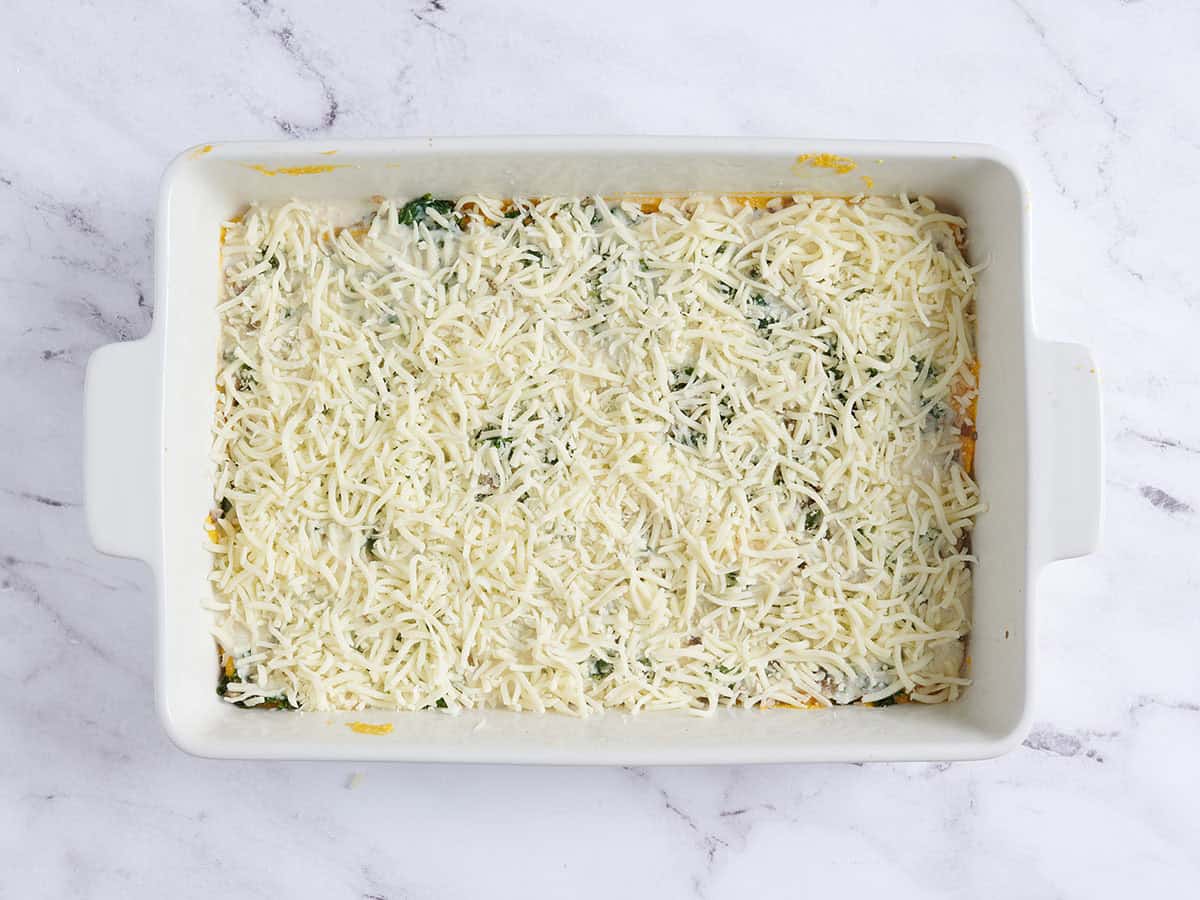
Layering is an exercise in precision. A thin base of béchamel prevents sticking, followed by a sequence of noodles, the creamy squash purée, the earthy mushroom-kale mixture, and a light dusting of mozzarella. This process is repeated until the vessel is filled. The final layer is crucial: it must be completely submerged in the remaining sauce to ensure the pasta hydrates properly during the bake.

Phase 4: The Final Bake
The lasagna is initially covered with aluminum foil to trap steam, allowing the noodles to cook through. In the final 10–15 minutes, the foil is removed, allowing the top layer of cheese to undergo the Maillard reaction, resulting in a golden, bubbling crust that provides a textural contrast to the soft interior.
Supporting Data: Economic and Nutritional Efficiency
The economic viability of this dish is derived from the utilization of budget-friendly, high-yield ingredients. The total recipe cost of $16.95—yielding nine generous servings—highlights the efficacy of plant-based proteins and seasonal produce.

Nutritional Breakdown (Per Serving):

- Calories: 458 kcal
- Protein: 23g (46% of daily value)
- Carbohydrates: 38g
- Fat: 25g
- Sodium: 875mg
- Fiber: 4g
The reliance on cottage cheese as a primary base for the sauce is a strategic choice; it provides high protein content at a fraction of the cost of ricotta or imported cheeses, while also contributing a pleasant, slightly tangy creaminess that pairs perfectly with the roasted squash.
Official Perspectives: The Value of Tested Methodology
According to the Nashville Test Kitchen, where this recipe underwent rigorous development, the primary obstacle for home cooks is often the confidence to execute a béchamel sauce. Their official guidance emphasizes patience: "The sauce may appear thin initially, but it will achieve its final density during the baking process. Do not overcook the sauce on the stovetop, or the lasagna will lose its necessary hydration."
This emphasis on testing ensures that even novice cooks can achieve professional results. The incorporation of "poultry seasoning"—a classic blend of sage, thyme, and rosemary—is a recommended shortcut that provides a depth of flavor typically requiring a complex array of individual spices.
Implications for Meal Prep and Future Dining
The implications of this recipe for modern meal planning are significant. Because the dish is structurally stable, it is an ideal candidate for meal prep. Once cooled, it can be portioned into individual containers, remaining fresh in the refrigerator for up to four days.
Furthermore, the recipe’s flexibility allows for minor adjustments based on pantry availability. For instance, frozen kale is a perfectly viable substitute for fresh, provided that the excess moisture is thoroughly squeezed out. This adaptability makes the recipe not just a one-time meal, but a foundational component of a weekly routine.
Future Considerations
As consumers continue to prioritize sustainable and cost-effective eating, the success of this Butternut Squash Lasagna serves as a template for future recipes. It demonstrates that the future of home cooking does not necessarily lie in complex equipment or expensive proteins, but in the sophisticated application of heat and timing to humble, seasonal ingredients.
For those looking to expand their repertoire, the technique used here—the transformation of a vegetable into a savory, creamy element through roasting and blending—can be applied to various other seasonal squashes, such as delicata or acorn, ensuring that the principles of this "budget-friendly feast" can be applied year-round. By investing a small amount of effort in the preparation of a scratch-made sauce and the thoughtful layering of ingredients, home cooks can achieve a level of culinary satisfaction that is both economically prudent and undeniably luxurious.