In the modern kitchen, where time is often the scarcest ingredient, the pursuit of a dinner staple that is simultaneously affordable, delicious, and effortless remains the "holy grail" for home cooks. Enter the humble chicken drumstick—a culinary workhorse that, when treated with the right technique, transforms from a budget-friendly grocery store find into a golden-brown, succulent centerpiece.
Recent culinary testing conducted at the renowned Nashville Test Kitchen has reaffirmed that baked chicken drumsticks are not just a nostalgic comfort food; they are a sophisticated solution for the time-strapped individual. By focusing on a high-heat roasting method and precise temperature control, home cooks can achieve restaurant-quality results with less than five minutes of active preparation time.
The Core Facts: Why Drumsticks Lead the Pack
Chicken drumsticks remain one of the most economically advantageous protein sources available to the average consumer. Beyond their price point, they offer a forgiving nature in the oven that makes them ideal for both novice cooks and seasoned meal-preppers.
Unlike leaner cuts, such as chicken breasts, which can dry out in a matter of seconds, drumsticks are composed of dark meat. This higher fat content acts as an internal basting mechanism, ensuring that the meat remains juicy even when roasted at the higher temperatures required to achieve crispy skin. The bone-in nature of the cut further enhances the depth of flavor, as the marrow and bone contribute to the structural integrity and savory profile of the dish.
At an average cost of roughly $4.37 for a full recipe—equating to approximately $0.73 per serving—this dish provides a high-protein, budget-conscious meal that yields 23 grams of protein per serving while maintaining a low carbohydrate profile.
A Chronology of the Perfect Roast
Achieving the ideal texture—defined by a crisp, crackling skin and tender, pull-away meat—requires a structured approach to the oven environment. The following timeline outlines the path to optimal results.
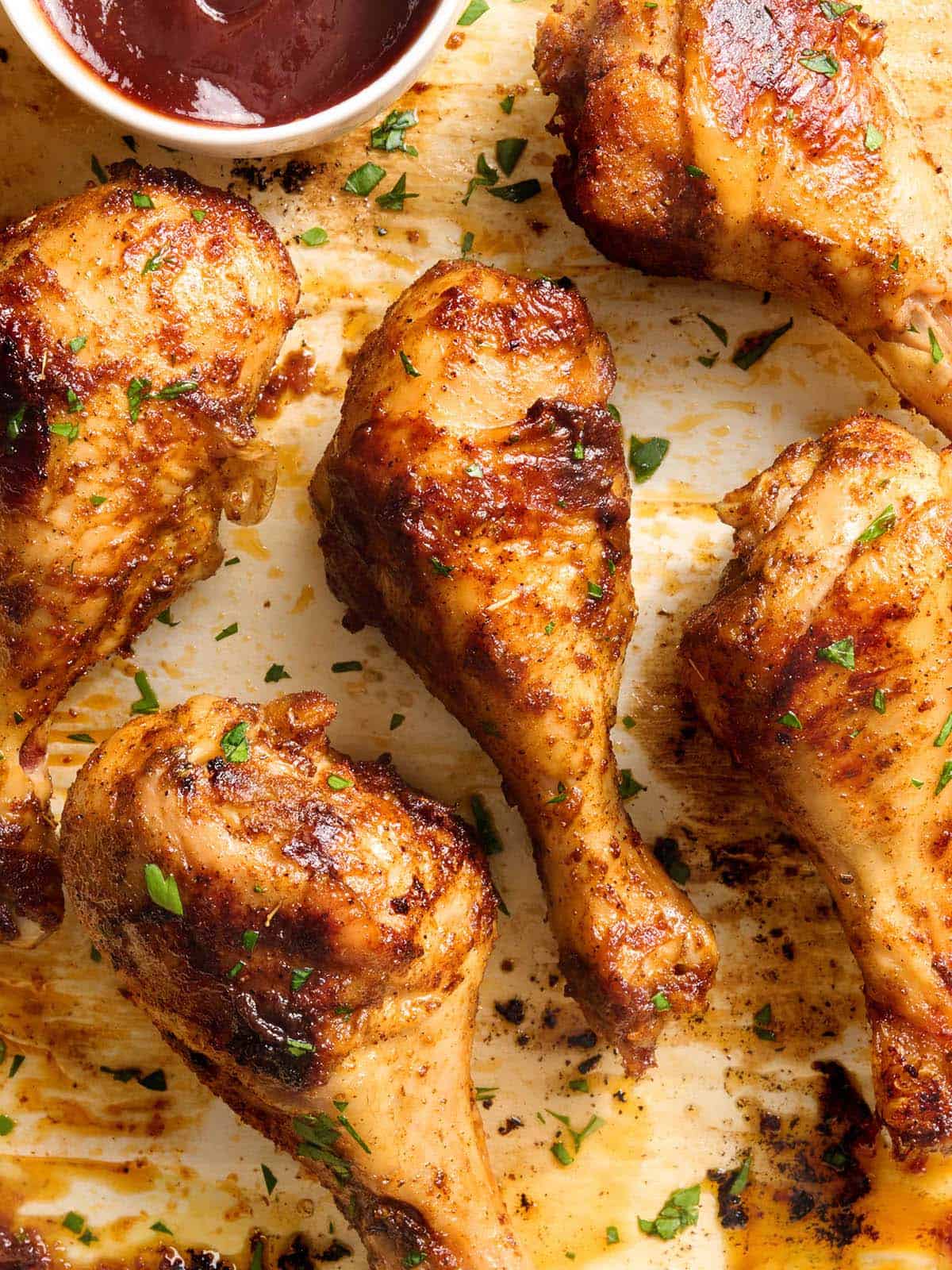
Phase 1: Preparation (Minutes 0–5)
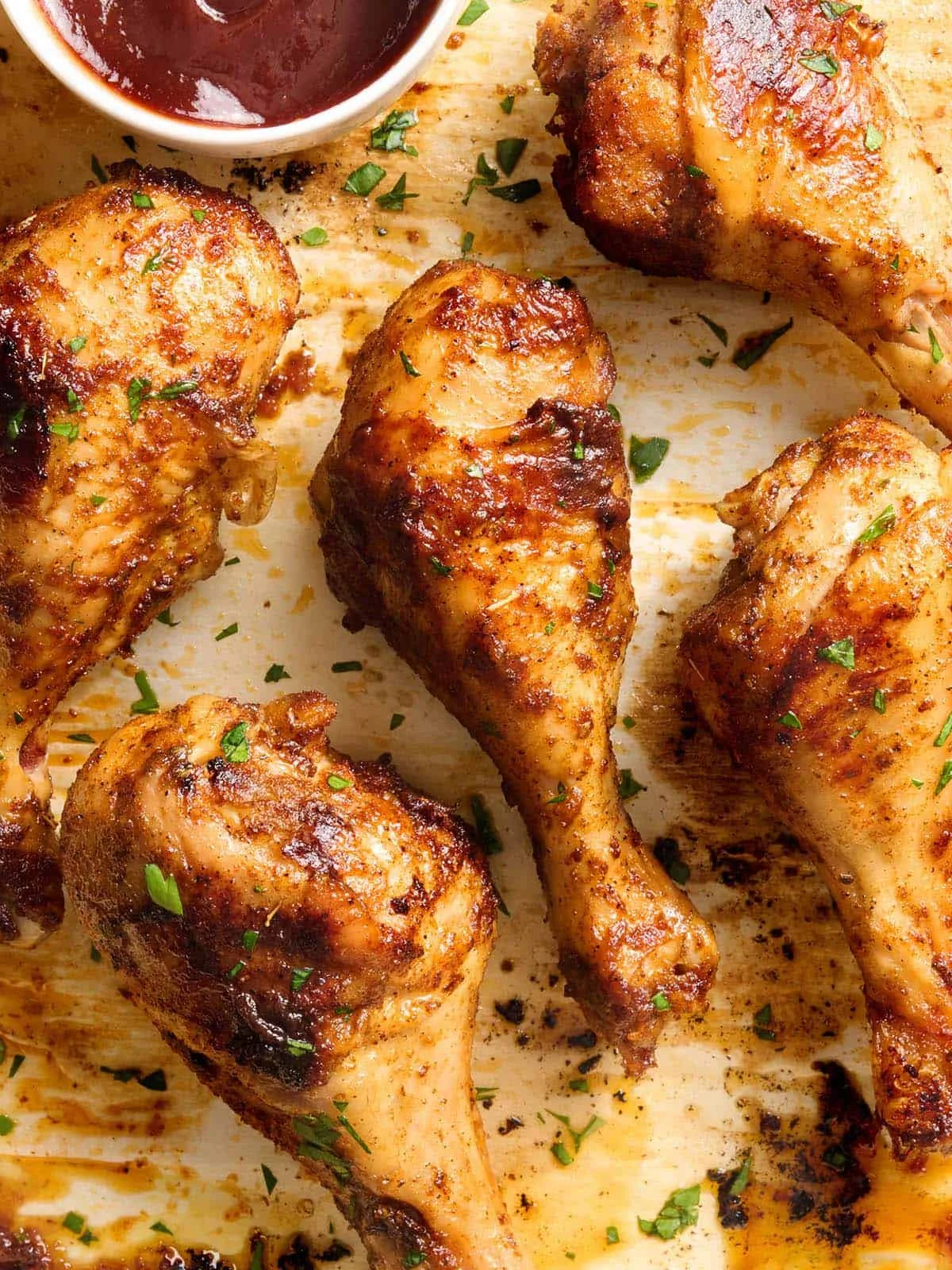
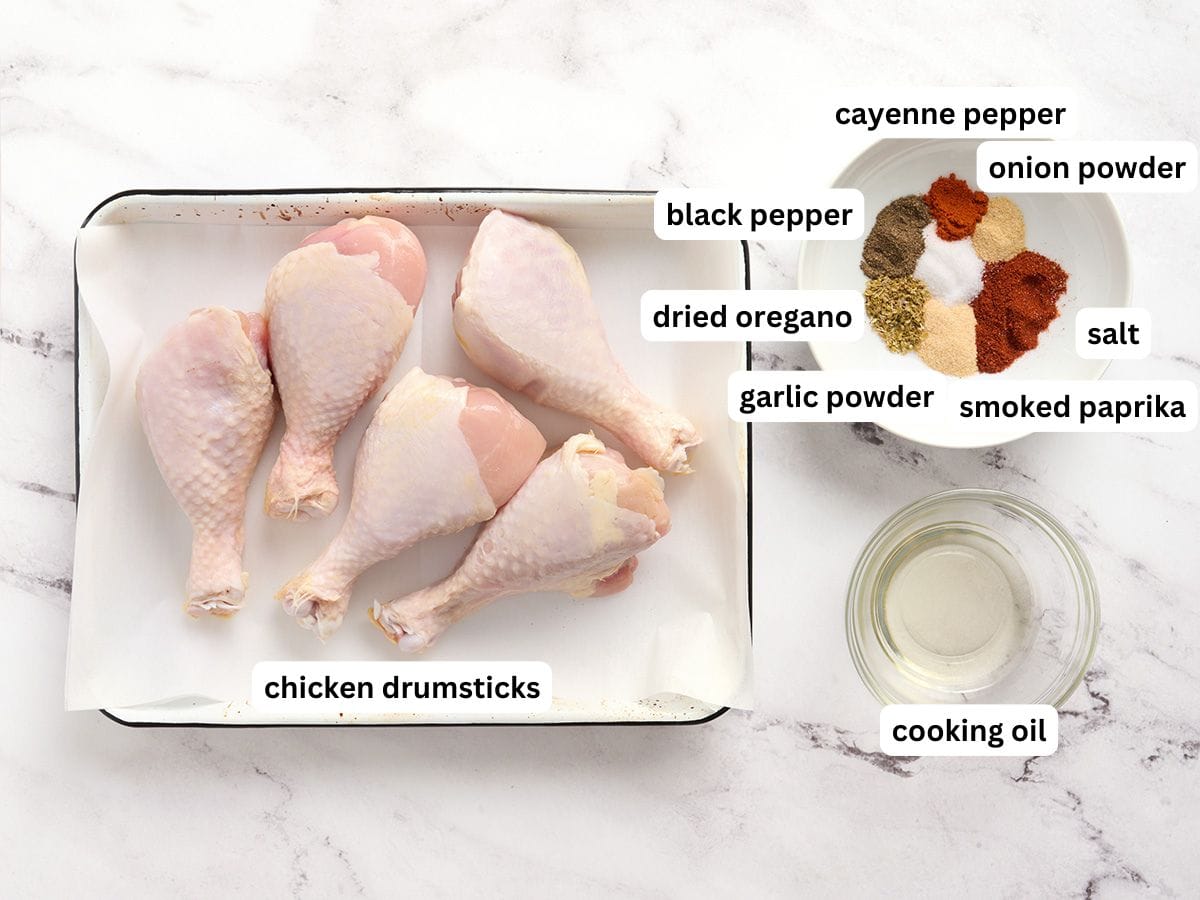
The process begins with the "dry seasoning" philosophy. By avoiding heavy, wet marinades initially, the cook allows the surface of the skin to dry out, which is the primary prerequisite for crispiness. A balanced spice blend—incorporating smoked paprika for color, garlic and onion powder for depth, and a touch of cayenne for a subtle kick—is tossed with the chicken and a high-heat stable oil (such as canola or avocado oil). This thin, glossy coating ensures even heat distribution.
Phase 2: The Initial Roast (Minutes 0–20)
The chicken is arranged in a single layer on a parchment-lined baking sheet. Proper spacing is non-negotiable; crowding the pan creates steam, which leads to soggy skin rather than the desired crunch. The oven, preheated to a robust 425°F, begins the Maillard reaction, the chemical process that gives browned food its distinctive flavor.
Phase 3: The Mid-Point Turn (Minute 20)
At the twenty-minute mark, the skin begins to tighten and take on a golden hue. Flipping the drumsticks at this stage ensures that both sides benefit from the hot air circulation, preventing the underside from becoming damp or pale.
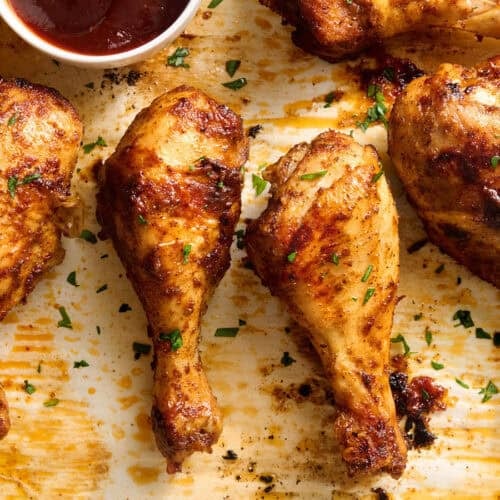
Phase 4: Reaching the Target (Minutes 20–40)
The final stretch is where the magic happens. While standard food safety guidelines suggest an internal temperature of 165°F, culinary experts recommend pushing the temperature to 175°F for dark meat. At this higher threshold, the connective tissues within the drumstick further break down, resulting in a more tender, "melt-in-your-mouth" texture.
Supporting Data and Culinary Science
The reliability of this recipe is backed by rigorous testing. The Nashville Test Kitchen emphasizes that the use of an instant-read thermometer is the single most important tool in a home cook’s arsenal. By measuring the temperature in the thickest part of the meat—avoiding the bone, which conducts heat differently—cooks eliminate the guesswork that often leads to overcooked or undercooked poultry.
Nutritional Profile (Per Serving)
- Calories: 254 kcal
- Protein: 23g
- Total Fat: 17g
- Carbohydrates: 1g
- Sodium: 332mg
These metrics demonstrate that baked drumsticks are not only cost-effective but also align with various dietary patterns, including gluten-free, soy-free, and egg-free lifestyles.
Community Feedback: The "Emergency Meal" Philosophy
The popularity of this dish is perhaps best evidenced by the community of home cooks who have adopted it as an "emergency meal." Cindy, a long-time home cook, notes: "I’ve done a lot of cooking and usually enjoy it, but sometimes you just want something simple, uncomplicated, without a bunch of layers of ‘things.’ This is now a regular go-to."
This sentiment captures the core appeal of the recipe: it removes the cognitive load of "what’s for dinner?" without sacrificing quality. The simplicity of the seasoning allows for endless variations, from lemon-herb blends to dry rubs or, for those who prefer a sticky finish, the addition of a barbecue glaze in the final ten minutes of cooking.
Strategic Implications: Scaling and Meal Prep
For those who view cooking as a strategic endeavor, this recipe offers high utility for meal preparation.
Storage and Reheating Protocols
- Refrigeration: Cooked drumsticks can be stored in an airtight container for 3–4 days.
- Reheating: To restore the original texture, avoid the microwave, which tends to steam the skin. Instead, utilize an oven or air fryer set to 375°F. Reheating until the internal temperature hits 165°F ensures the skin regains its crispness.
- Freezing: For long-term storage, the drumsticks can be frozen for up to 2–3 months. A slow thaw in the refrigerator followed by a high-heat crisping session in the oven yields results nearly identical to freshly baked chicken.
The Air Fryer Alternative
For those who prioritize speed over volume, the air fryer is a viable, albeit smaller-capacity, alternative. By arranging the chicken in a single layer at 400°F, the cooking time can be reduced to approximately 22 minutes total, with a flip halfway through. While the flavor profile remains consistent, the air fryer’s convection-like power provides an even more pronounced "fry-like" crunch.
Final Culinary Recommendations
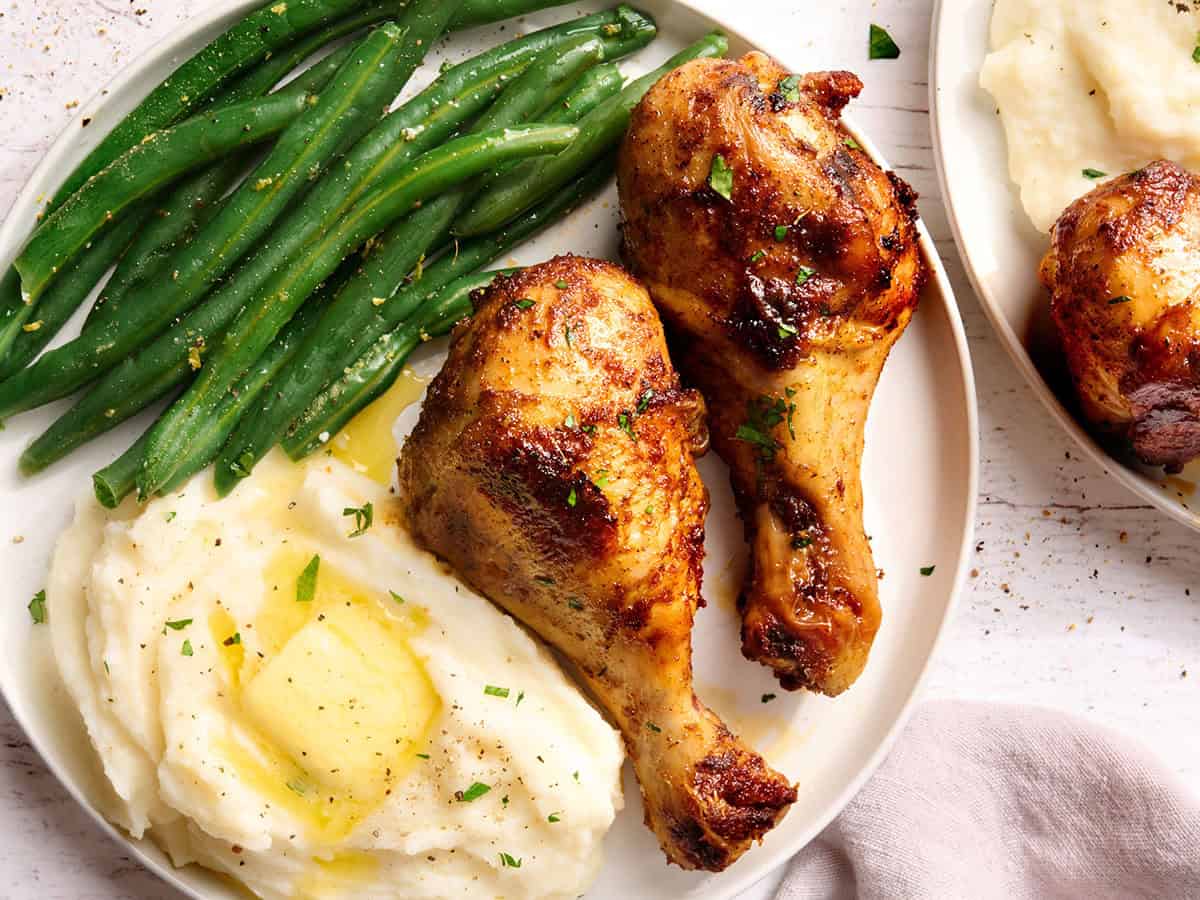
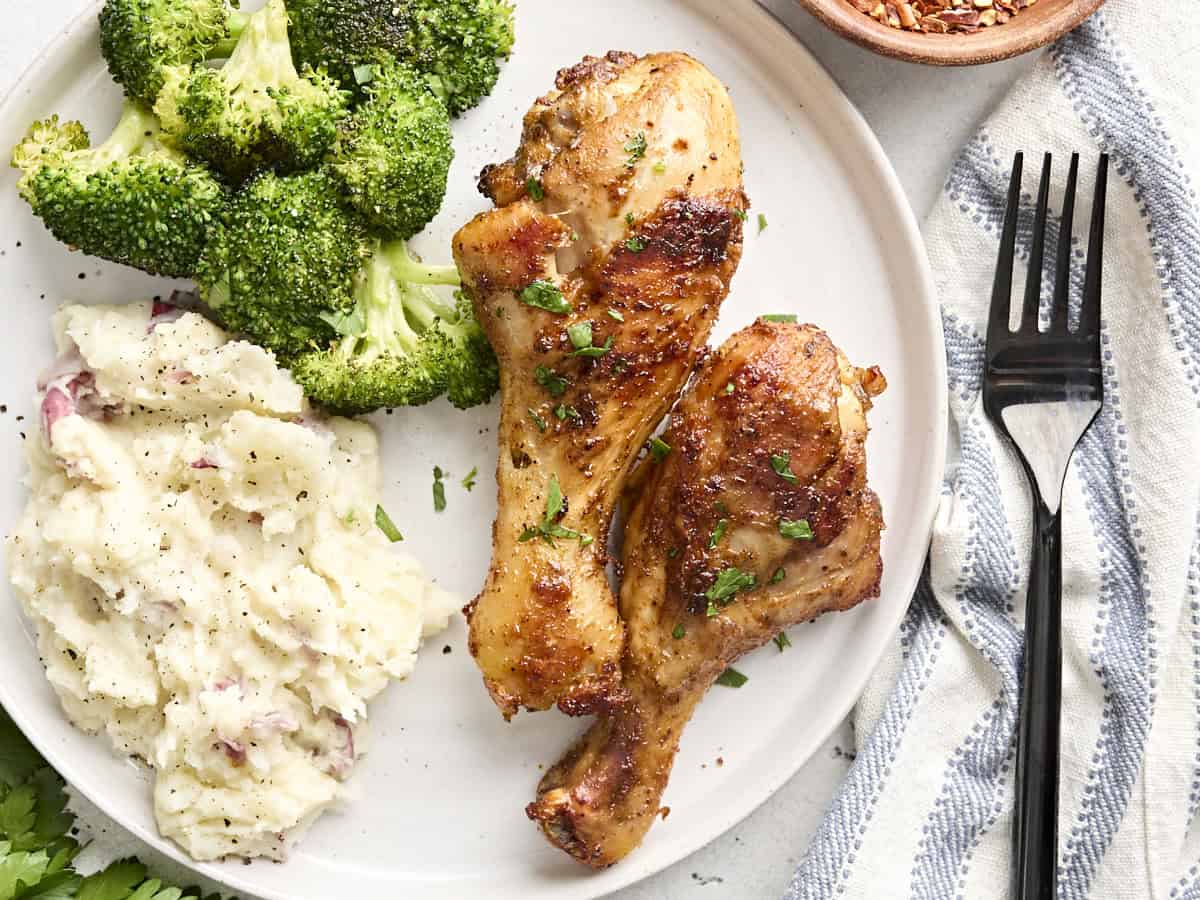
To round out the meal, the simplicity of the roasted chicken pairs exceptionally well with starches that require minimal active effort, such as Instant Pot mashed potatoes or steamed rice. Adding vegetables directly to the sheet pan—such as broccoli florets tossed in the same oil and spice blend—allows the cook to create a full, nutritionally balanced dinner on a single pan, effectively minimizing cleanup.
Ultimately, the baked chicken drumstick stands as a testament to the fact that high-quality, delicious food does not require complex techniques or exorbitant grocery bills. It requires only the application of heat, the use of a reliable thermometer, and a willingness to embrace the simplicity of a classic preparation. Whether you are a student on a budget, a busy parent, or simply someone looking for a dependable dinner win, these drumsticks provide a reliable, scalable, and satisfying foundation for your weekly menu.