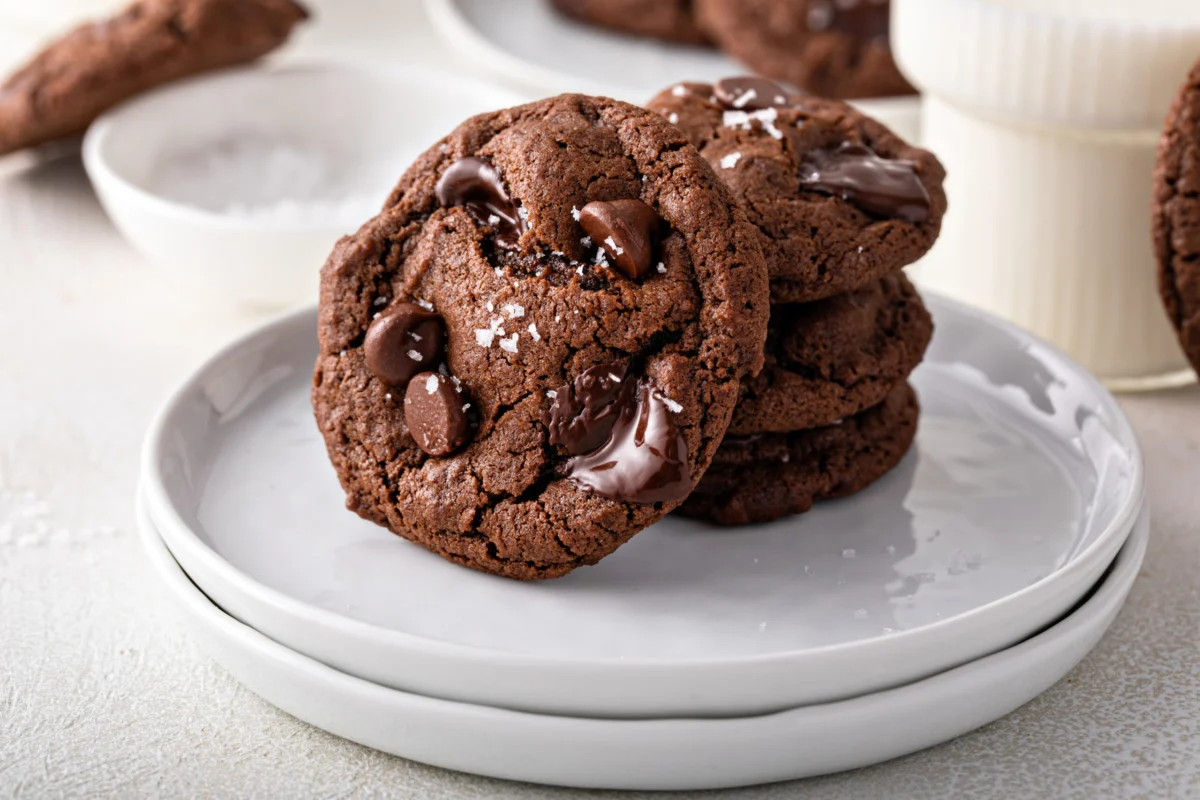
In the vast and ever-evolving landscape of home baking, few creations have managed to capture the collective imagination—and appetite—of the public quite like the Salted Double Chocolate Chip Cookie. It is a confection that sits at the intersection of two beloved American classics: the fudgy, dense brownie and the chewy, comforting chocolate chip cookie. As culinary trends lean further into the sophisticated marriage of sweet and savory flavor profiles, this particular cookie has emerged as the definitive treat for the modern palate.
The Anatomy of the Perfect Cookie: Main Facts
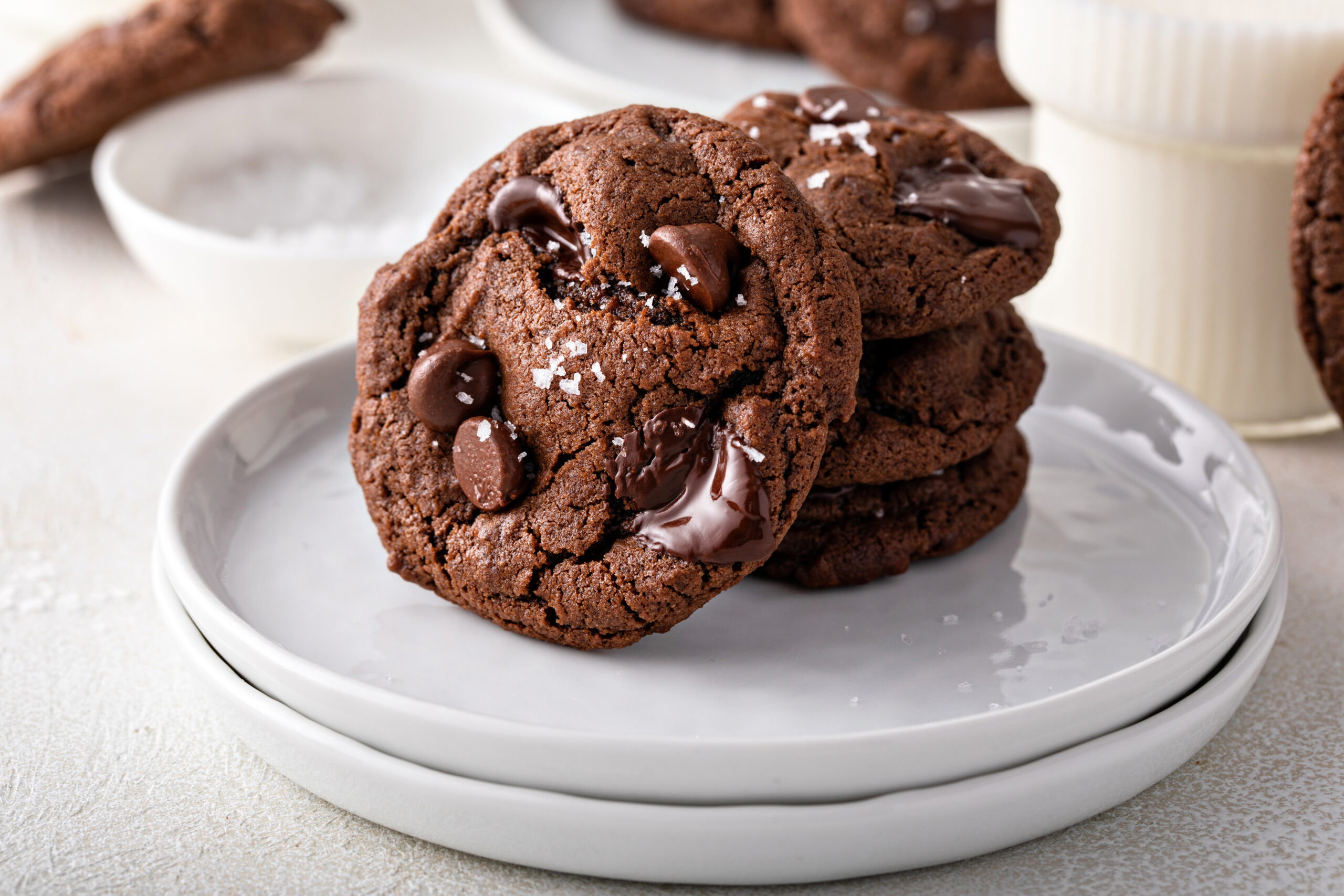
What exactly makes a cookie "the best"? According to pastry chefs and food scientists alike, it comes down to a delicate balance of hydration, fat content, and the quality of the cocoa. The Salted Double Chocolate Chip Cookie is defined by its dark, intense crumb, which relies on premium-grade unsweetened cocoa powder.
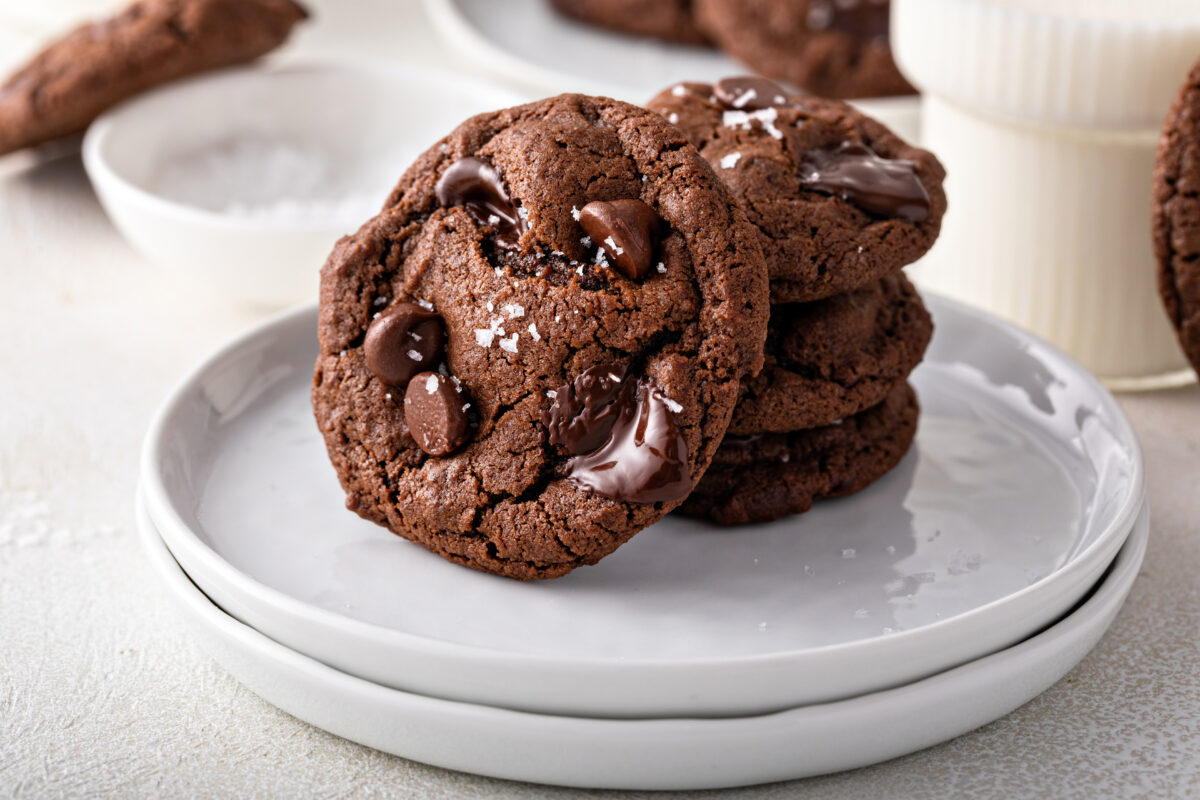
Unlike standard cookies, which often rely on butter and sugar for structure, the double chocolate variety utilizes a higher ratio of cocoa solids. This creates a dough that is inherently more fragile. When baked correctly, the result is a soft, molten center encased by a crisp, caramelized edge. The "salted" component is not merely a garnish; it is a chemical necessity. Flaky sea salt acts as a flavor enhancer, cutting through the heavy sweetness of the sugar and the bitterness of the dark chocolate, creating a multidimensional sensory experience that keeps consumers coming back for more.
A Brief Chronology: From Pantry Staple to Gourmet Trend
While the history of the chocolate chip cookie dates back to Ruth Graves Wakefield’s 1938 invention at the Toll House Inn, the "double chocolate" iteration gained significant traction during the gourmet baking boom of the late 1990s and early 2000s.
- The Origins (1940s–1980s): Early chocolate cookie recipes were often dry and lacked the complexity of modern versions. They were largely viewed as a niche variation for those who found traditional sugar-based cookies too mild.
- The Fudgy Revolution (1990s–2010s): As home bakers gained access to higher-quality baking chocolates and Dutch-processed cocoa, recipes began to shift toward a "brownie-like" texture. The emphasis moved from "fluffy" to "dense and fudgy."
- The Salted Era (2015–Present): The introduction of Maldon and other flaky sea salts to the home pantry revolutionized the category. The contrast of textures—crunchy salt crystals against a soft, gooey cookie—became the industry standard for "elevated" home baking.
Supporting Data: Why the Science Works
The success of this recipe is not just anecdotal; it is rooted in food chemistry.
- The Maillard Reaction: By using high-quality cocoa, the cookies undergo a more pronounced Maillard reaction, which is the chemical process responsible for the browning and deep, savory notes in baked goods.
- The Hygroscopic Nature of Sugar: Brown sugar, a staple in this recipe, is hygroscopic—it attracts water. This is what keeps these cookies chewy for days, rather than drying out like a traditional shortbread.
- Melting Point of Fats: The specific temperature at which the butter is creamed with the sugar determines the spread of the cookie. By ensuring the dough is chilled, bakers can prevent the cookies from spreading too thin, ensuring those thick, "bakery-style" edges.
Expert Perspectives: The Professional Approach
Culinary professionals emphasize that consistency is the hallmark of a great cookie. When asked about the common pitfalls of home baking, expert pastry instructors point to three critical errors:
- Over-mixing: "Once you add the flour, you are playing a dangerous game with gluten development," says one industry expert. "Over-mix, and you end up with a bread-like texture rather than a tender, fudgy one."
- Temperature Control: Using cold eggs or melted butter that is too hot can destabilize the emulsion of the dough. Room temperature ingredients are vital for a uniform bake.
- The "Underbake" Strategy: Many home bakers fear taking the cookies out of the oven too early. However, the residual heat of the baking sheet is a tool, not an enemy. Removing the cookies when the edges are set but the center looks slightly raw is the only way to achieve the perfect "fudgy" finish.
Culinary Implications: The Future of Home Baking
The popularity of the Salted Double Chocolate Chip Cookie signals a shift in consumer behavior. We are seeing a move away from hyper-sweet, mass-produced snacks toward "mindful indulgence." This recipe encourages home bakers to use higher-quality ingredients—such as single-origin cocoa powder or hand-harvested sea salt—turning a simple 26-minute baking session into a creative outlet.
Furthermore, the versatility of this base dough has led to a surge in creative sub-variants. Whether it is the infusion of espresso powder to deepen the chocolate notes, or the substitution of gluten-free flours for dietary inclusivity, the recipe serves as a canvas. It is a testament to the fact that home cooking is becoming more sophisticated, driven by a desire for quality over quantity.
Practical Tips for the Modern Baker
For those looking to master this recipe, the following guidelines are essential:
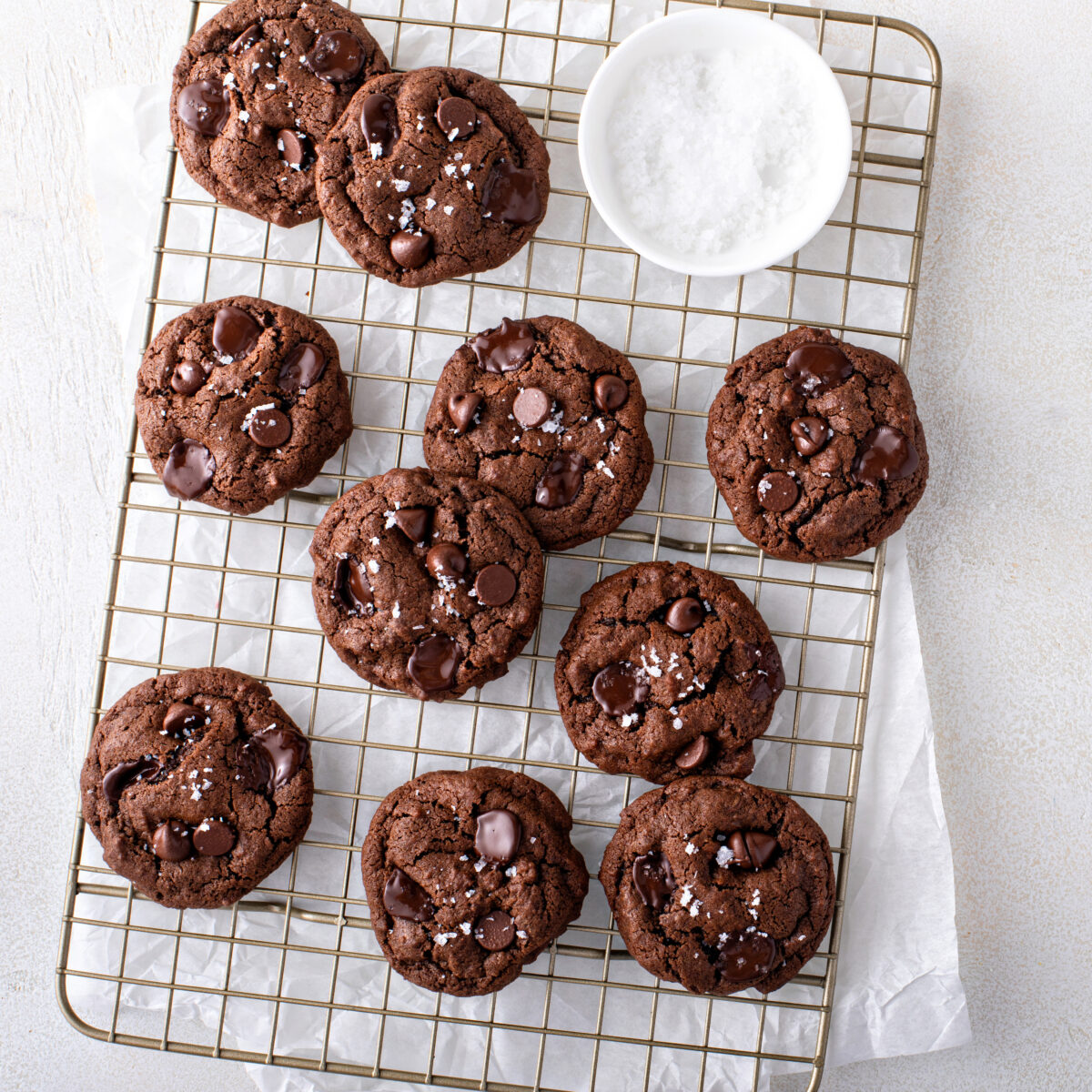
- The Chocolate-on-Top Technique: Always reserve a handful of chocolate chips or chunks to press into the tops of the dough balls immediately before they go into the oven. This creates the "Instagram-ready" aesthetic associated with high-end bakeries.
- The Salt Application: Timing is everything. The salt must be applied the second the tray leaves the oven. If applied too early, the salt will dissolve into the moisture of the cookie; too late, and it won’t adhere to the surface.
- Freezing for Longevity: The ability to freeze dough balls for up to three months has made this a staple for busy households. The practice of baking from frozen—adding a minute or two to the cook time—is a game-changer for those who want the smell of fresh, warm cookies on demand without the 15-minute preparation time.
Conclusion: A Timeless Classic
The Salted Double Chocolate Chip Cookie is more than just a dessert; it is a masterclass in balance. By marrying the deep, bitter intensity of dark cocoa with the sharp, bright contrast of sea salt, it satisfies the cravings for both comfort and sophistication. As we look to the future of home baking, it is clear that this recipe will remain a cornerstone of the modern kitchen—an easy, indulgent, and infinitely customizable treat that proves the best things in life are often the ones we bake ourselves.
Whether shared at a neighborhood potluck or enjoyed quietly with a glass of milk, these cookies represent the gold standard of home baking. They remind us that with just a few simple pantry staples, we can recreate the magic of a professional bakery right in our own homes. The next time you find yourself craving a moment of indulgence, remember the science, respect the process, and—above all—don’t forget the salt.