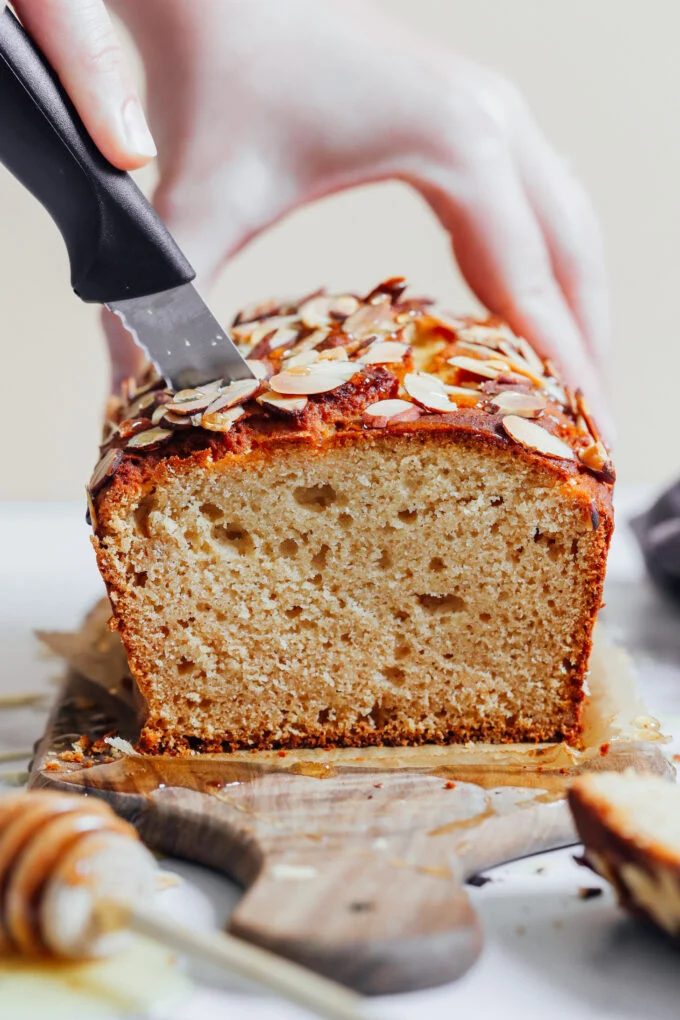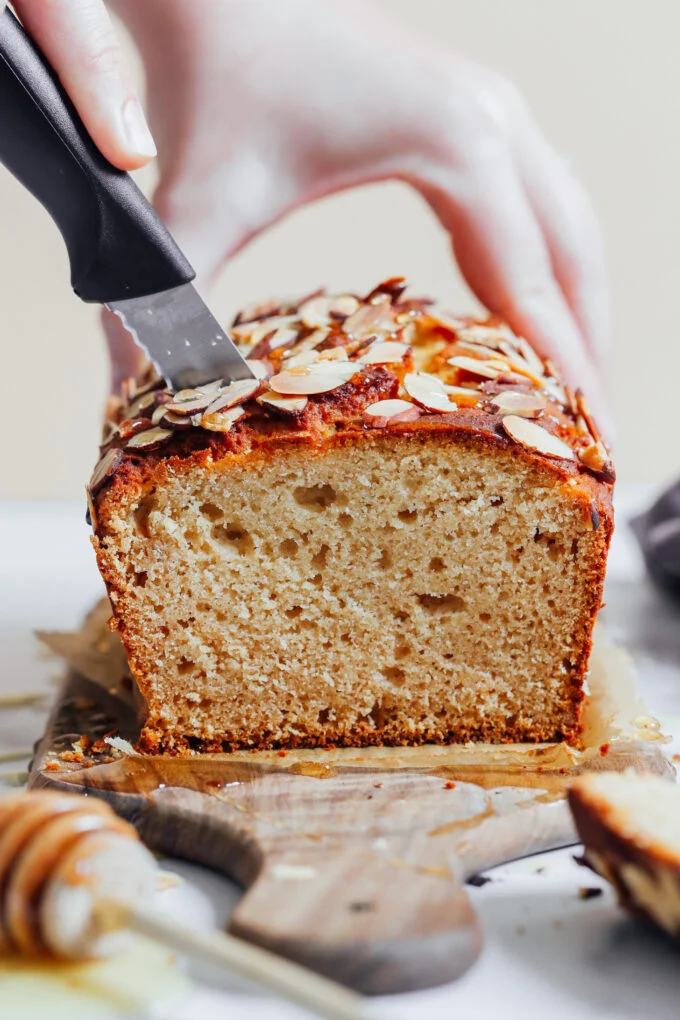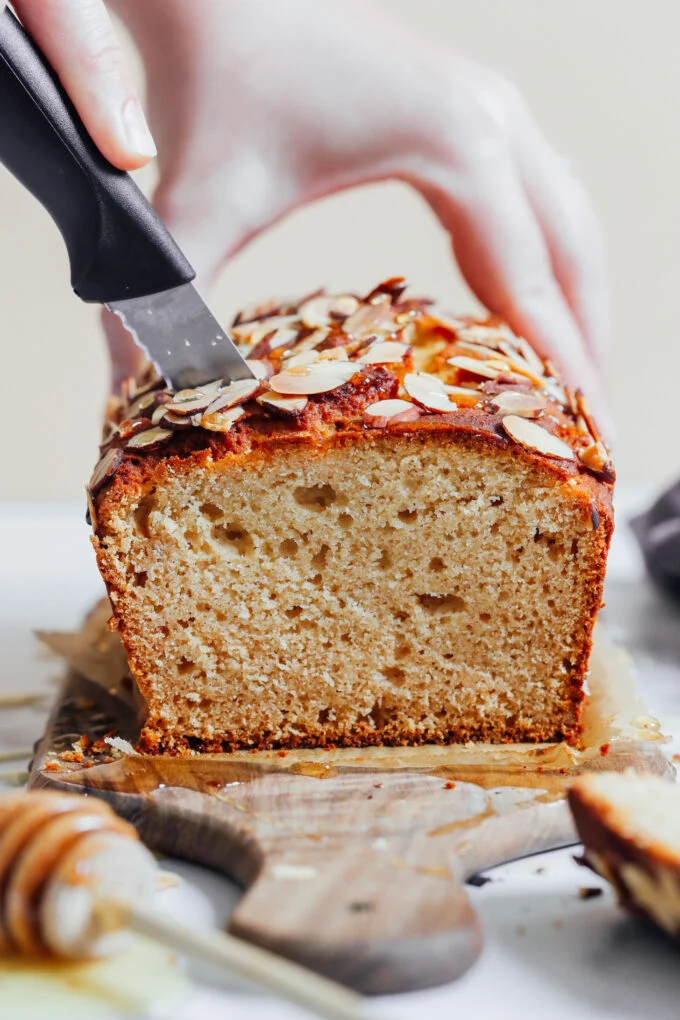
In the evolving landscape of modern home baking, the quest for recipes that balance dietary inclusivity with genuine, gourmet flavor has become a primary objective for culinary enthusiasts. A notable development in this space is the emergence of the "1-Bowl Honey Almond Snack Cake," a creation that has recently captured the attention of the gluten-free community for its ability to deliver a sophisticated, moist crumb without the complexity typically associated with specialized dietary baking.
By streamlining the process into a single-vessel preparation method and utilizing a minimalist ingredient list, this recipe represents a broader shift in the culinary world toward "low-friction, high-reward" cooking. This article explores the mechanics, nutritional profile, and cultural implications of this viral baking success.
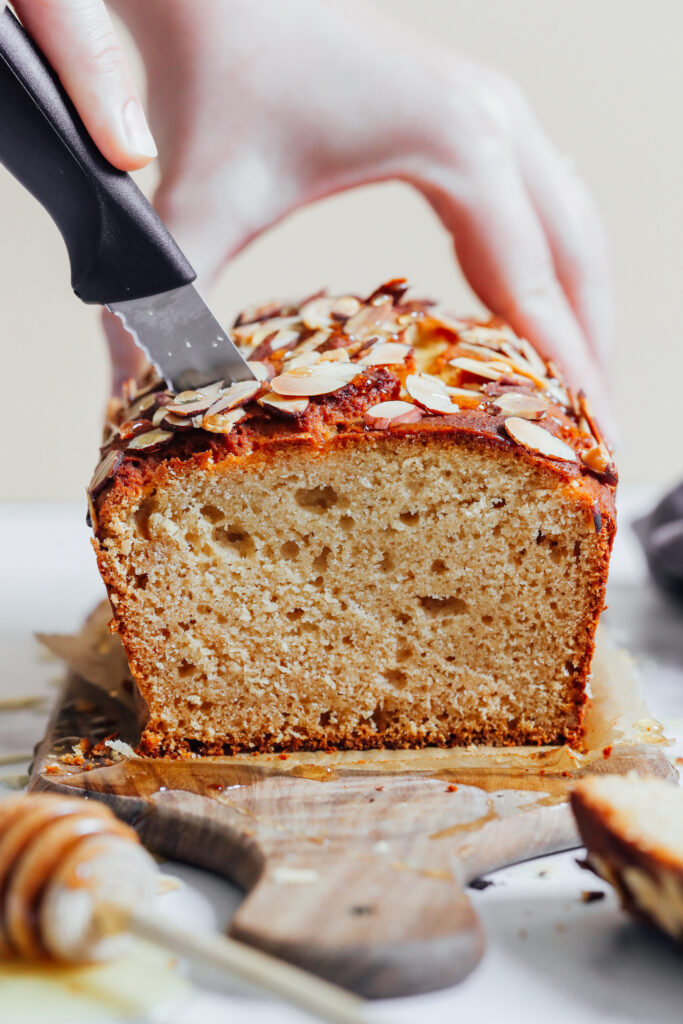
Main Facts: A New Standard for Gluten-Free Confectionery
The Honey Almond Snack Cake is defined by its commitment to accessibility and texture. At its core, the recipe relies on a synergy between almond flour—which provides the necessary fat content and moisture—and a high-quality gluten-free flour blend that mimics the structure of traditional wheat-based cakes.
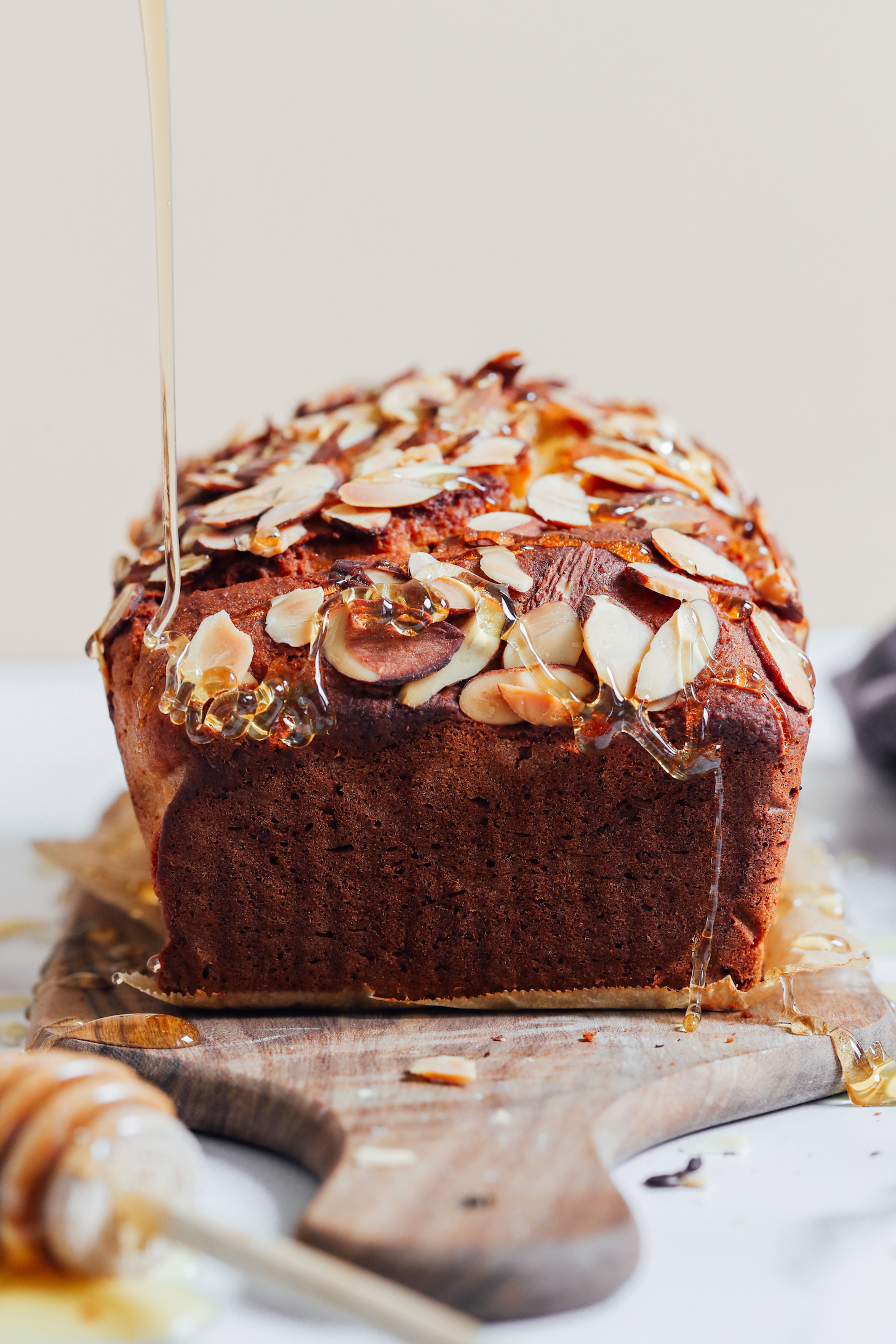
Unlike many gluten-free recipes that require a battery of stabilizers or complex hydrocolloids, this cake achieves its lift and sponge through a precise balance of leavening agents and the protein structure of eggs. The use of honey acts as both a natural humectant and a sweetener, imparting a distinct, subtle floral note that defines the flavor profile. The result is a loaf that is "undetectably" gluten-free and dairy-free, challenging the long-standing stigma that inclusive baking necessitates a compromise in texture or taste.
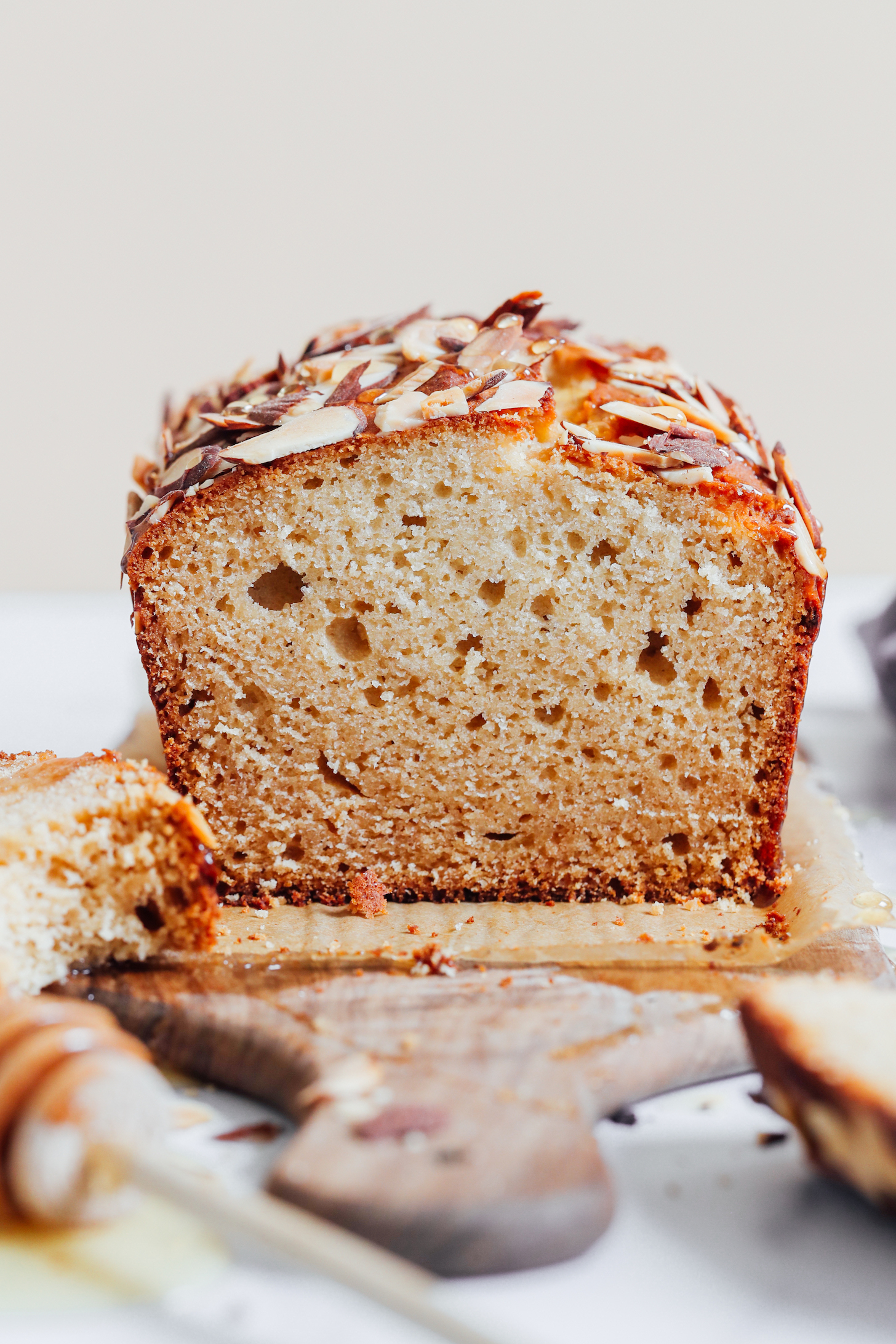
Key Culinary Characteristics:
- Minimalist Efficiency: The recipe requires only 10 essential ingredients, emphasizing pantry staples over obscure additives.
- Simplified Methodology: By eliminating the need for electric mixers, the recipe lowers the barrier to entry for novice bakers.
- Dietary Versatility: The base recipe is naturally free from gluten and dairy, making it an ideal candidate for households with varying dietary restrictions.
Chronology: The Development of the One-Bowl Phenomenon
The rise of the one-bowl, gluten-free snack cake did not happen in a vacuum. It is the culmination of years of experimentation within the "Minimalist Baker" methodology, a philosophy that prioritizes efficiency without sacrificing culinary integrity.
Phase 1: Research and Development
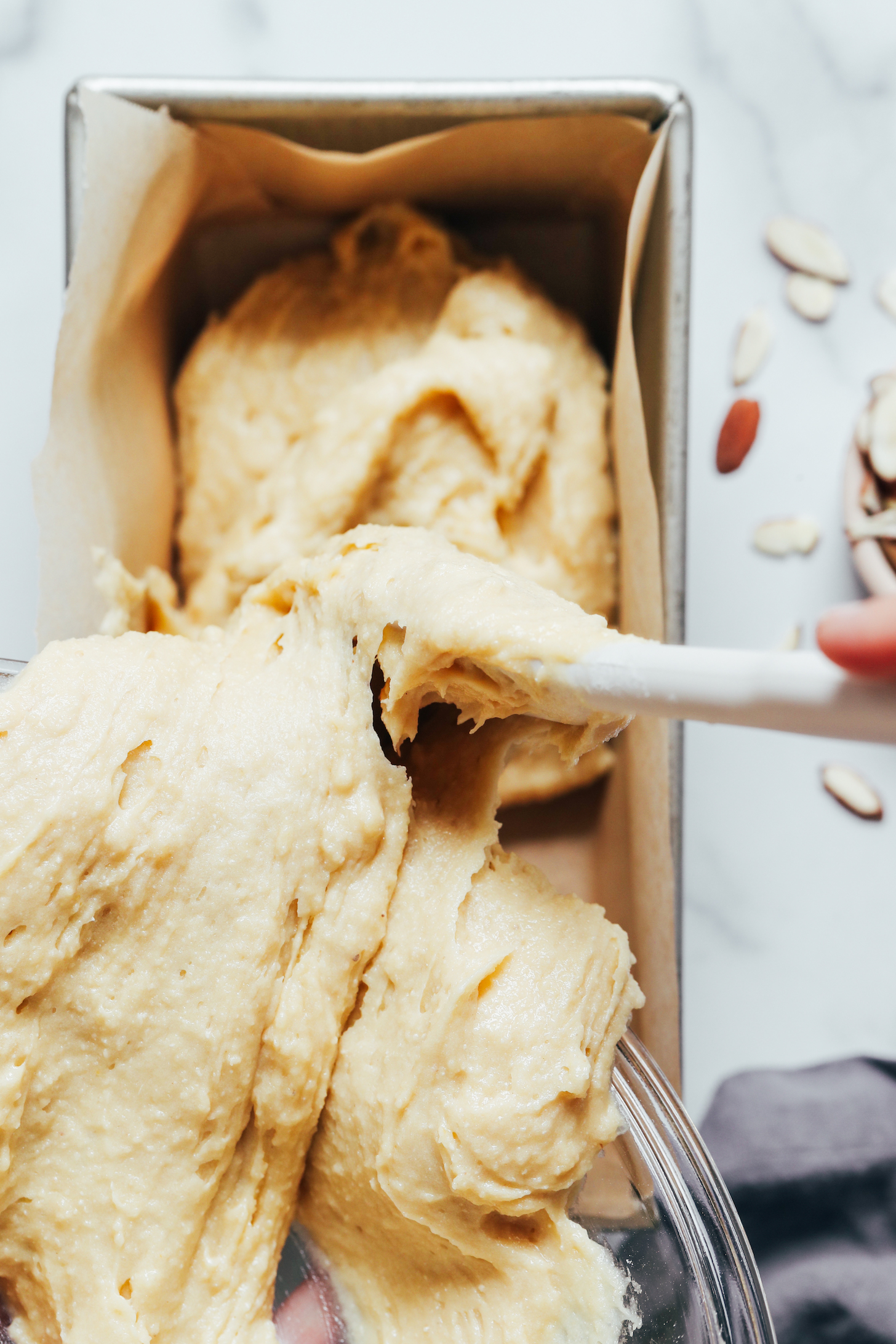
The initial phase involved identifying a fat-to-sugar ratio that would prevent the graininess often associated with almond flour. By incorporating dairy-free yogurt, the developers introduced an acidic component that reacts with baking soda to create a light, airy crumb.
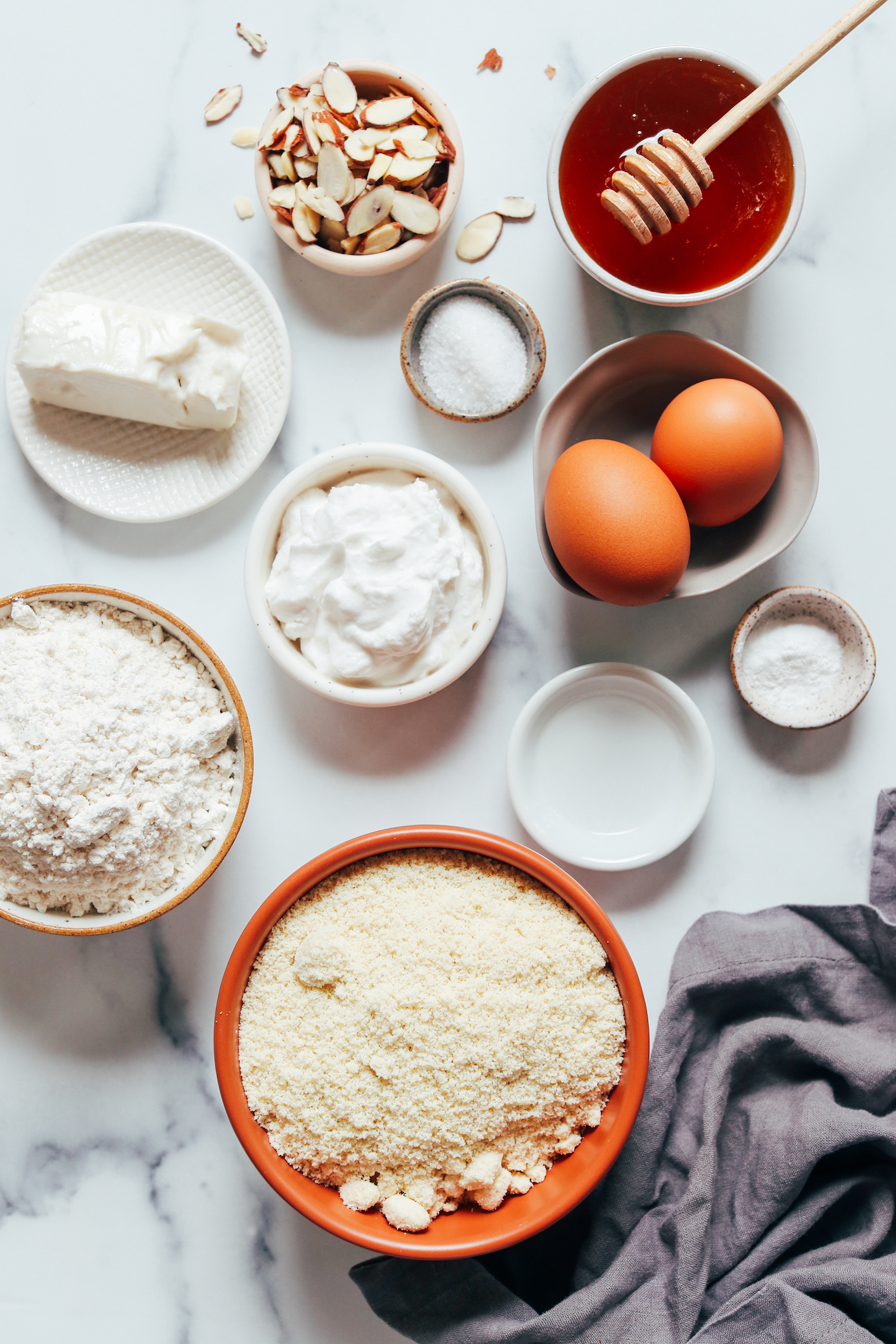
Phase 2: Refining the Structural Integrity
Early prototypes struggled with structural collapse. The team tested various gluten-free flour blends, eventually concluding that a 1:1 ratio, when paired with the specific viscosity of honey, provided the necessary support to hold the loaf together during the cooling process.
Phase 3: The Public Debut
Upon its introduction to the digital culinary space, the recipe gained immediate traction. Within weeks, it was being adapted across social media platforms, with users highlighting its suitability for brunch settings and tea-time snacks. The "snack cake" label—distinct from a formal dessert—positioned the recipe as a versatile item suitable for any time of day.
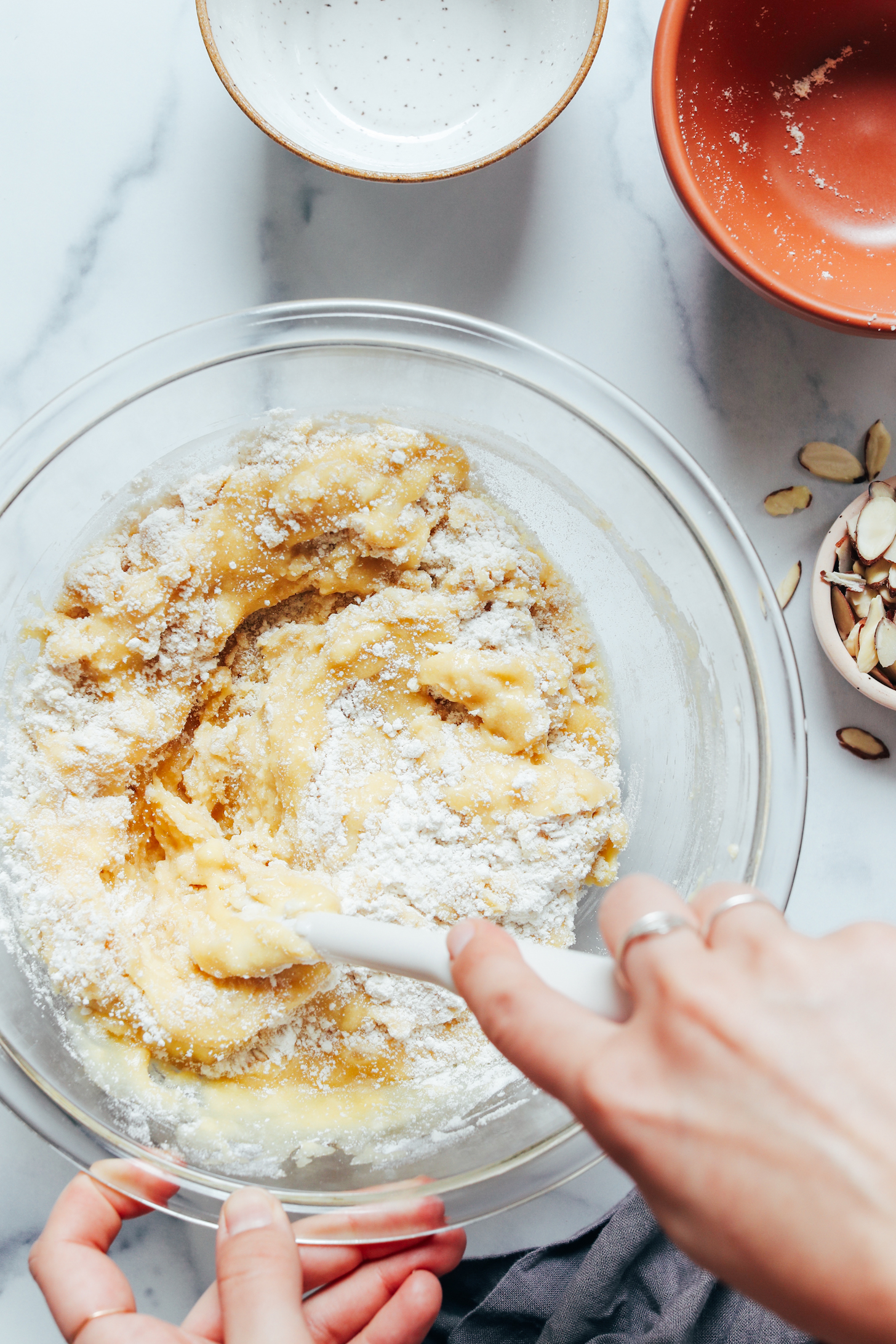
Supporting Data: Nutritional and Technical Analysis
The snack cake is designed to be a caloric balance of indulgence and satiety. Each serving, calculated at approximately 245 calories, offers a moderate carbohydrate load of 33.7 grams, primarily derived from natural honey rather than refined sucrose.
Nutritional Breakdown (Per Slice)
- Total Carbohydrates: 33.7g
- Protein: 3.7g
- Total Fat: 11.8g (Primarily monounsaturated fats from almonds)
- Fiber: 1.7g
- Cholesterol: 31mg
From a technical perspective, the cake’s success lies in its moisture retention. The inclusion of almonds provides essential oils that slow down the staling process, allowing the cake to remain palatable for three to four days when stored correctly. Furthermore, its freezer-friendly nature—remaining stable for up to one month—makes it a practical solution for meal-prepping or advance-event planning.
Official Guidance and Best Practices
For those attempting this recipe, professional guidance suggests strict adherence to the measurement of the gluten-free flour blend. Because different brands contain varying ratios of rice flour, potato starch, and xanthan gum, the choice of blend can significantly impact the final texture.
Expert Recommendations for Success:
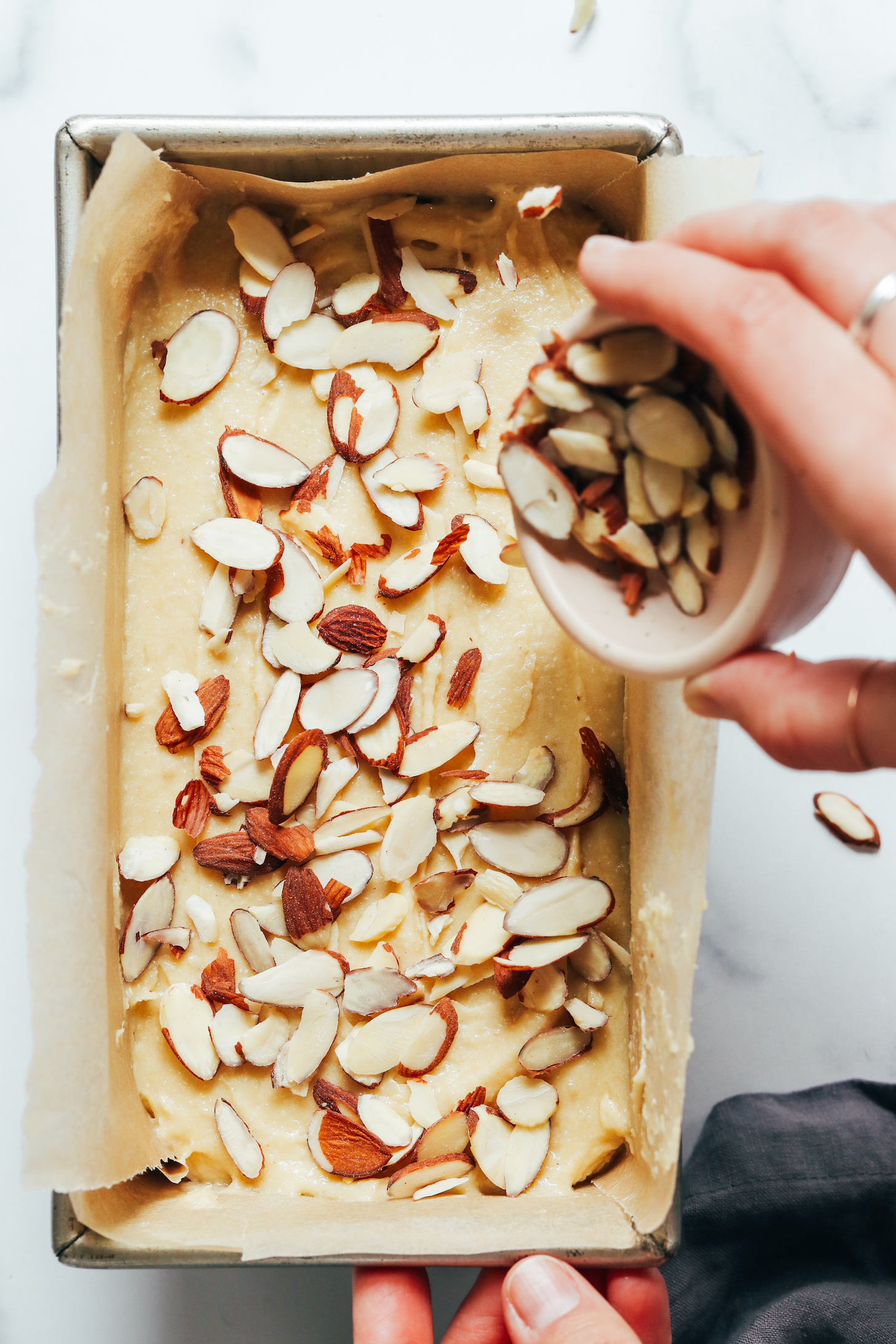
- Parchment Paper Utilization: The recipe specifically calls for a parchment-lined loaf pan. This is not merely a suggestion for cleanup; it is essential for the structural removal of the cake, as the lack of gluten makes the crumb more delicate before it has fully set.
- The Cooling Process: Patience is required. Allowing the cake to cool fully before slicing is critical to ensure that the internal structure has stabilized.
- Substitution Protocols: For those looking to make the recipe egg-free, initial testing suggests that applesauce or aquafaba may serve as effective binders, though further community-led testing is encouraged to perfect these variations.
Implications for the Future of Home Baking
The popularity of the Honey Almond Snack Cake signifies a fundamental change in how consumers perceive gluten-free and dairy-free diets. No longer relegated to "alternative" or "health-food" status, these recipes are becoming mainstream staples.
The "Inclusive Cooking" Trend
The success of this recipe implies that the modern home cook is increasingly disinterested in "compromise foods." The demand is for recipes that taste like the traditional versions of themselves, regardless of the dietary restrictions required. This shift has forced food creators to move away from complex, multi-step procedures and toward smarter, ingredient-driven solutions that leverage the natural properties of whole foods.
Economic and Environmental Considerations
By opting for fewer ingredients, bakers can reduce their grocery footprint and minimize the waste of partially used specialty items. The reliance on almond flour and honey—ingredients with long shelf lives—further supports the sustainability of this recipe model. As supply chains become more volatile, the ability to create high-quality goods from a small, flexible pantry list is a significant advantage for the modern consumer.
A Community-Driven Evolution
Finally, the interactive nature of this recipe—encouraging user feedback, photo tagging, and public discussion—serves as a digital kitchen-table environment. By fostering a space where users can discuss their results, share photos of their modifications, and ask for technical advice, the culinary community creates a living document of the recipe. This crowdsourced refinement ensures that the recipe remains relevant and continues to be improved upon by the very people who bake it.
Conclusion
The 1-Bowl Honey Almond Snack Cake is more than a simple recipe; it is a testament to the power of culinary simplicity. By stripping away the unnecessary components and focusing on the interplay between almond, honey, and a perfectly balanced flour blend, the developers have provided a blueprint for success in the gluten-free kitchen.
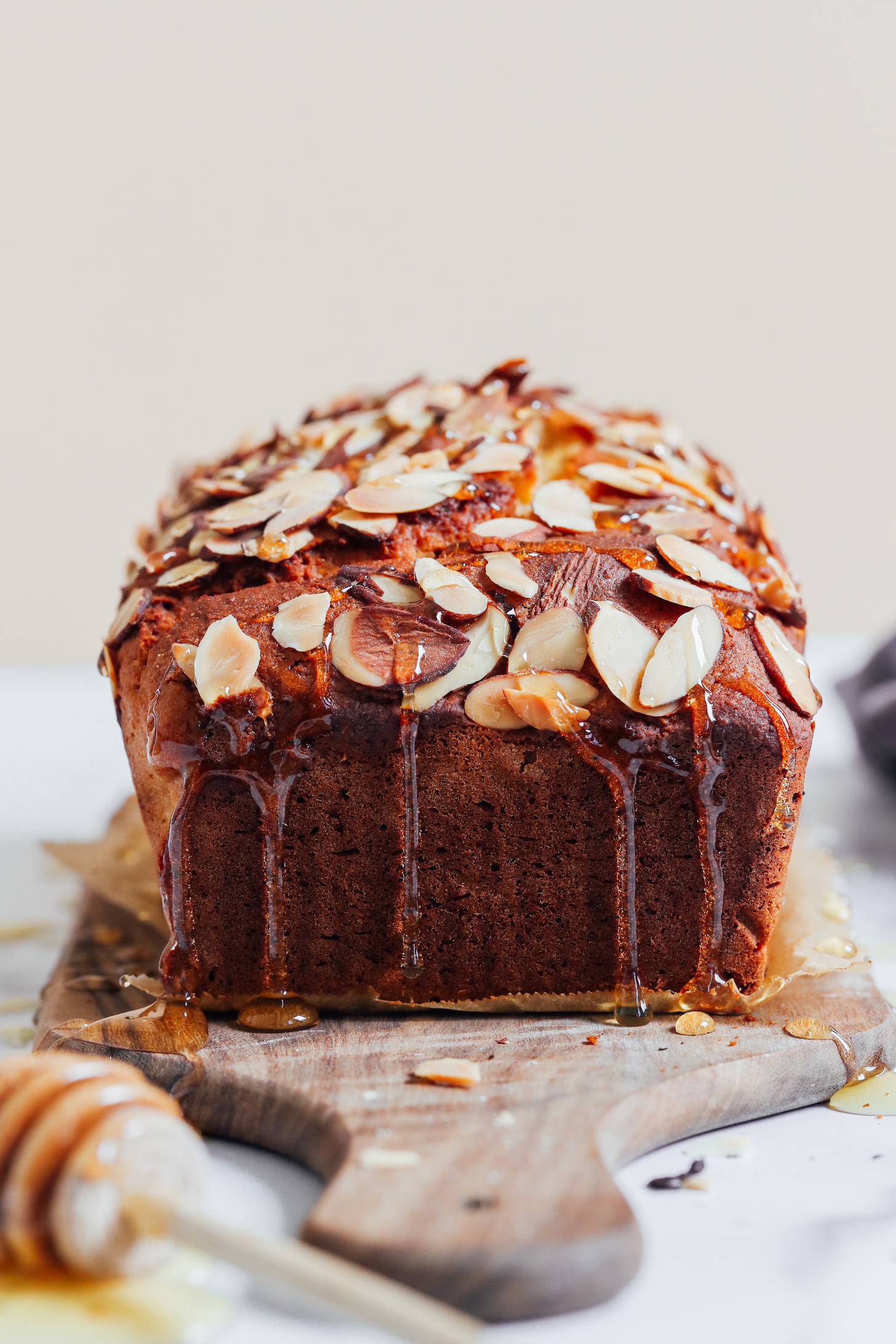
Whether one is a seasoned baker looking for a reliable snack, or a novice seeking an accessible entry point into gluten-free baking, this loaf offers a reliable, delicious, and deeply satisfying experience. As we look toward the future, it is clear that the most enduring recipes will be those that honor the history of traditional baking while embracing the requirements of the modern, inclusive table. The "snack cake" has arrived, and it appears to be here to stay.