CULINARY TRENDS — In the ever-evolving landscape of home-cooked comfort foods, few dishes strike the delicate balance between casual convenience and gourmet satisfaction quite like the flatbread pizza. As consumers increasingly seek out ways to elevate weeknight dinners without spending hours over a hot stove, versatile recipes that bridge the gap between scratch-made cooking and store-bought efficiency have taken center stage.
Spearheaded by popular cookbook author and home cooking advocate Erin Clarke of Well Plated, the renaissance of the flatbread pizza proves that achieving a crispy, pizzeria-quality crust and vibrant toppings is entirely possible within the comfort of a standard household kitchen. Whether utilizing a homemade dough for an authentic touch or leaning on ready-made flatbreads and naan for a rapid weeknight solution, this culinary approach redefines fast, flavorful dining.

Main Facts: The Anatomy of the Perfect Flatbread Pizza
The core appeal of the flatbread pizza lies in its adaptability. Unlike traditional heavy-dough pizzas that require extensive kneading, rising times, and specialized baking equipment, flatbread variations offer a streamlined path to a crispy, golden-brown crust.
According to culinary frameworks highlighted by home-cooking experts, the dish relies on two primary foundational methods:

- The Scratch-Made Approach: Utilizing a simple homemade dough divided into portions and shaped into rustic ovals, offering ultimate control over texture and flavor.
- The Quick-Assembly Approach: Leveraging store-bought shortcuts such as pre-baked flatbread, naan, or specialty crusts (including gluten-free alternatives like broccoli pizza crust) to cut preparation time down to mere minutes.
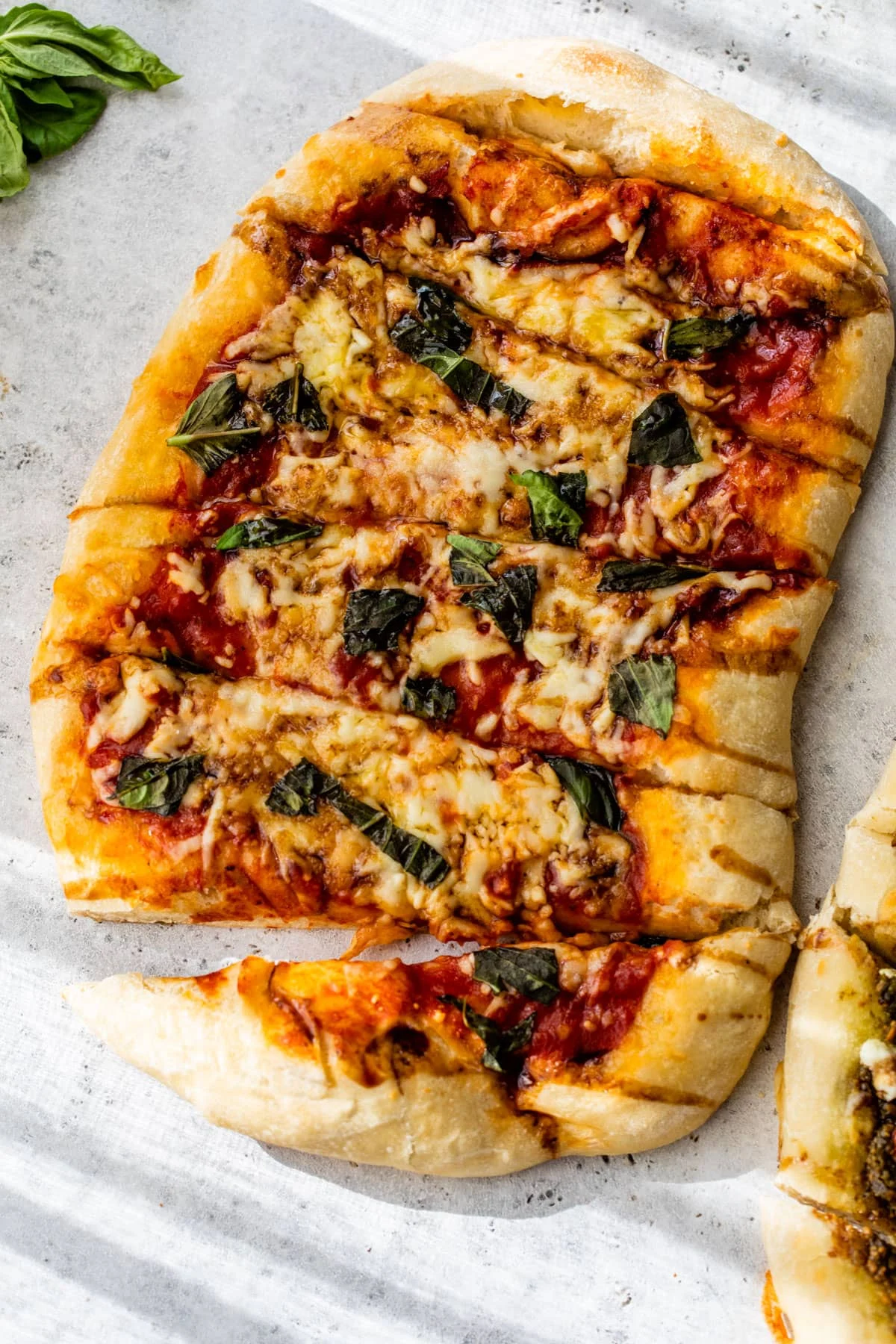
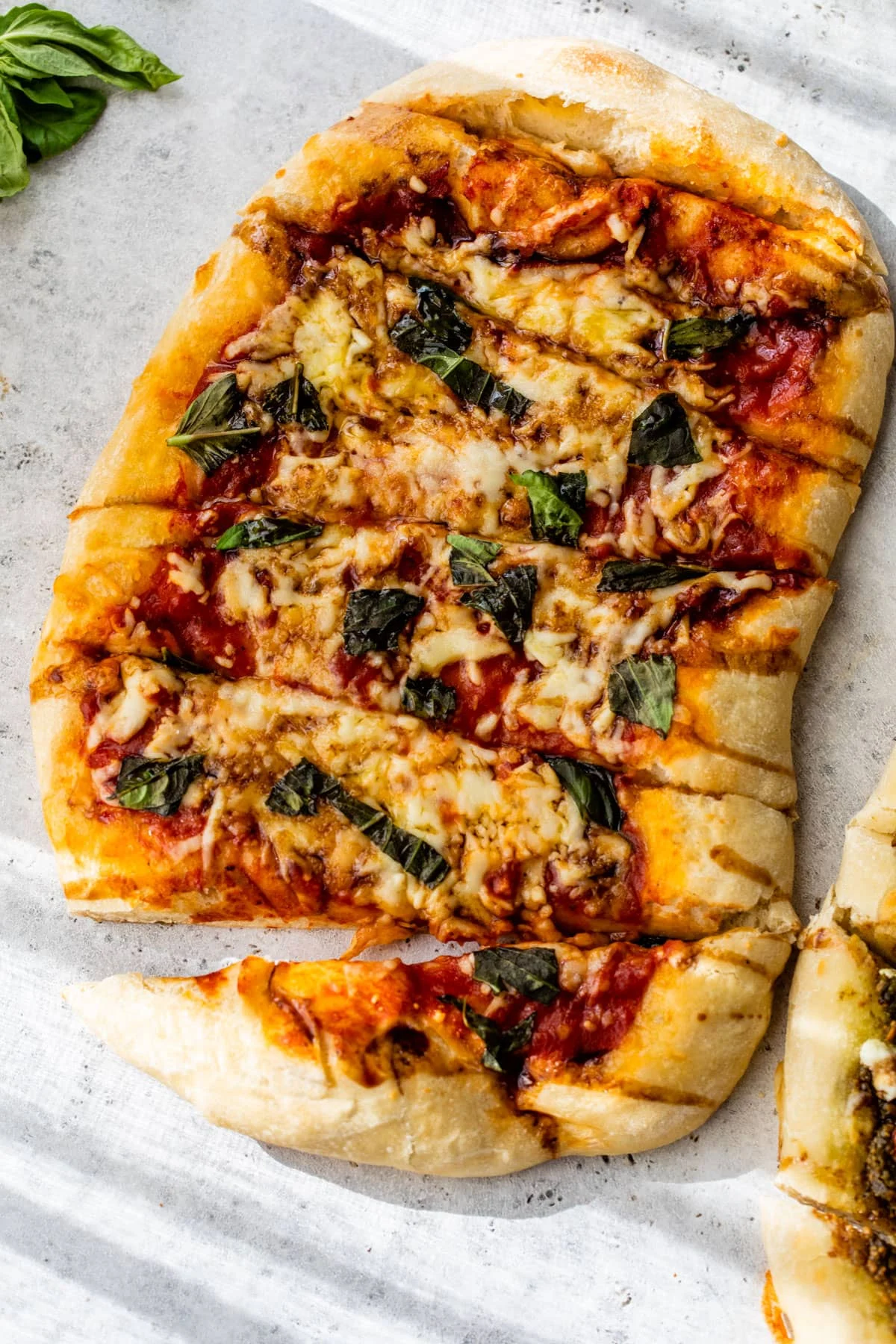
To showcase this versatility, modern recipes often focus on two distinct flavor profiles: the classic Margherita flatbread pizza, featuring traditional tomato or sauce bases, fresh mozzarella, and aromatic herbs; and the vibrant pesto flatbread pizza, which trades red sauce for herbaceous green pesto paired with complementary cheeses and vegetables.
Beyond flavor, the logistical appeal of the dish is undeniable. With minimal cleanup, rapid baking times at high oven temperatures (typically around 450 degrees Fahrenheit), and endless opportunities for customization, the flatbread pizza has cemented its status as a staple for busy families, budget-conscious foodies, and culinary minimalists alike.

Chronology: From Concept to Kitchen Table
Understanding how to execute a successful flatbread pizza night requires a streamlined, step-by-step methodology. Culinary timelines for this dish emphasize efficiency and precision to ensure the crust achieves optimal crispiness without burning the toppings.
Phase 1: Preparation and Oven Calibration
The process begins well before ingredients touch the counter. Cooks are advised to position an oven rack in the upper third of the oven, allowing the high heat—ideally preheated to a blistering 450 degrees Fahrenheit—to circulate evenly and crisp the top and bottom of the flatbread simultaneously. Baking sheets lined with parchment paper are prepared to prevent sticking and guarantee easy transfer.

Phase 2: Crust Shaping or Oil Treatment
For those opting for scratch-made dough, the process involves dividing the mass into two equal portions, rolling or stretching them into distinct ovals, and arranging them on the prepared baking sheet. For cooks utilizing pre-baked store-bought flatbreads or naan, a light brushing of oil on both sides primes the surface to absorb heat and develop a golden, crunchy exterior.
Phase 3: Layering the Components
Strategic assembly is critical to prevent a soggy crust. Sauces, cheeses, and heavier structural toppings are applied first. However, delicate or moisture-rich garnishes—such as fresh basil leaves or sweet balsamic glazes—are intentionally held back until the baking process is complete.

Phase 4: The High-Heat Bake and Rest
The assembled flatbreads are transferred to the oven, where they bake rapidly until the crust turns a rich golden brown and the cheese bubbles into a melted, lightly crisp state. Upon removal, a brief resting period allows the cheese to set and flavors to meld before the pizza is sliced, garnished with reserved herbs and drizzles, and served immediately.
Supporting Data: Nutritional Breakdown and Meal Prep Economics
For health-conscious consumers, understanding the nutritional profile of homemade meals is paramount. Standardized nutritional tracking for a typical flatbread pizza recipe reveals a remarkably balanced macronutrient profile, especially when compared to heavy, delivery-style fast-food alternatives.

Based on standard nutritional analysis for a multi-slice flatbread yield, data points per individual serving (calculated on a per-slice basis from a 16-slice total yield) highlight the following metrics:
- Caloric Density: ~147 kcal per slice, allowing portion control for diners monitoring daily caloric intake.
- Macronutrients:
- Carbohydrates: 12g (driven primarily by the crust base)
- Protein: 7g (supported by dairy cheeses and select toppings)
- Fat: 9g (including 3g of saturated fat, 2g of monounsaturated fat, and 0.3g of polyunsaturated fat)
- Micronutrients & Minerals: Moderate levels of calcium (~104 mg) stemming from quality cheeses, alongside trace amounts of potassium, iron, vitamin A, and vitamin C.
- Dietary Fiber: ~1g per serving, which can be significantly increased by incorporating vegetable-heavy toppings or specialized whole-grain/gluten-free crusts.
The Meal Prep and Freezing Advantage
Data regarding household food management also points to the viability of flatbread pizzas as an ideal candidate for meal prep. Cooks can assemble multiple flatbread pizzas in advance, flash-freezing them unbaked on a parchment-lined baking sheet. Once solid, wrapping them tightly in plastic wrap creates a stockpile of DIY frozen pizzas. When ready to bake, these can go straight from the freezer to the oven with only a minor adjustment to the baking time.

To maintain structural integrity during freezing, culinary specialists recommend substituting moisture-heavy ingredients like fresh cherry tomatoes with sun-dried alternatives, or simply adding fresh tomatoes immediately prior to baking.
Official Perspectives and Expert Insights
Industry leaders and cookbook authors continue to champion accessible, customizable cooking as the key to sustainable home meal preparation. Erin Clarke, the culinary voice behind Well Plated and a veteran cookbook author who has shared healthy, approachable recipes with millions of home cooks, emphasizes that the underlying philosophy of modern cooking is about removing intimidation from the kitchen.

"The beauty of pizza is that there are endless topping options, and that’s true of flatbread pizza too," Clarke notes in her culinary guides. By empowering home cooks to pivot between scratch-made endeavors and smart, store-bought shortcuts, culinary authorities aim to save consumers time, reduce the burden of post-meal cleanup, and eliminate the anxiety often associated with complex baking techniques.
Furthermore, nutritional experts point out that home-assembly methods empower consumers to control sodium levels, select high-quality artisan cheeses, and incorporate fresh produce in ways that traditional commercial frozen pizzas simply cannot replicate. This shift aligns with broader public health trends favoring whole-ingredient consumption paired with maximum household convenience.

Broader Implications: The Shift Toward DIY Gourmet Dining
The enduring popularity of flatbread pizza recipes reflects a broader cultural shift in how modern households approach dining. As the economic pressures of dining out continue to fluctuate, consumers are increasingly looking inward, seeking to replicate restaurant-quality gourmet experiences within their own kitchens.
The flatbread phenomenon satisfies this demand by offering a creative outlet. It transforms a routine Tuesday night dinner into an interactive, customizable experience where family members or dinner party guests can curate their own flavor combinations—ranging from classic Italian Margherita profiles to sophisticated pesto, goat cheese, and vegetable medleys.

Moreover, the adaptability of the flatbread pizza underscores the growing mainstream acceptance of dietary inclusivity. With seamless modifications for gluten-free lifestyles (such as cauliflower or broccoli-based crusts) and dairy-free options, the recipe format ensures that dietary restrictions no longer serve as a barrier to culinary creativity.
Ultimately, the humble flatbread pizza represents more than just a quick meal; it stands as a testament to the fact that with the right balance of high-heat technique, quality ingredients, and flexible assembly, home cooking can remain both profoundly simple and delightfully gourmet.