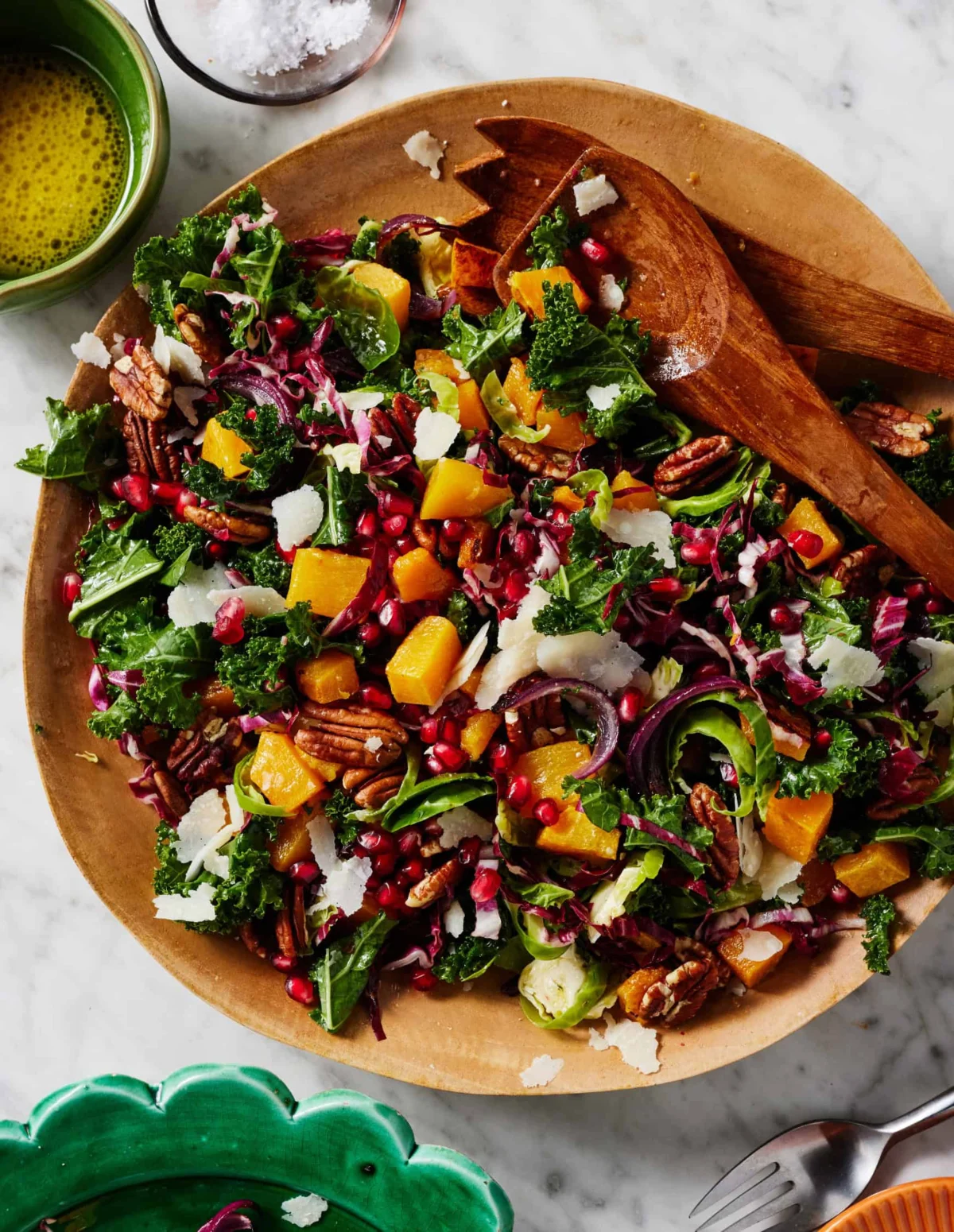
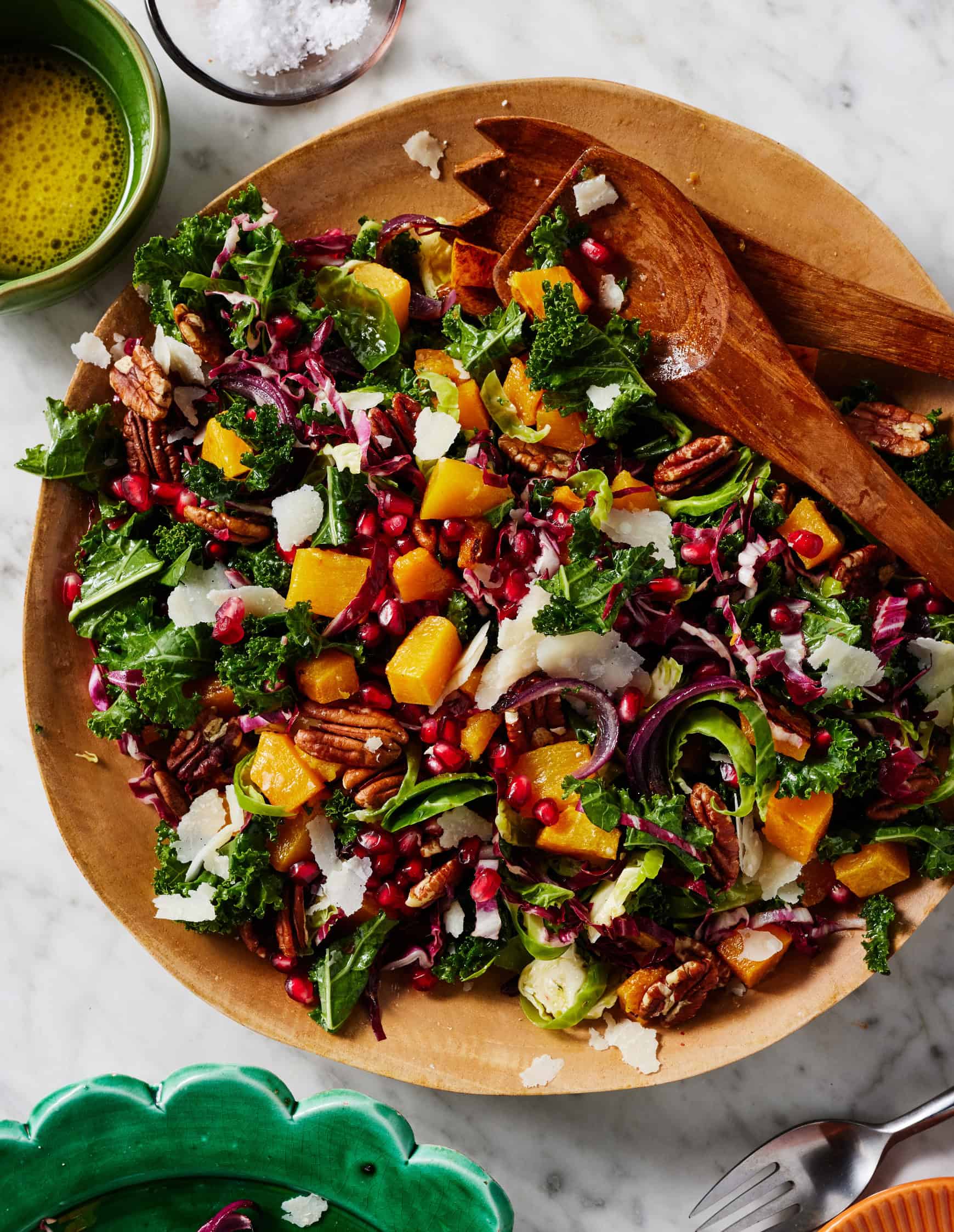
WASHINGTON — In an era where holiday tables are historically dominated by heavy, comfort-heavy dishes, roasted meats, and rich starches, a quiet culinary revolution is taking place across home kitchens. The modern festive spread is increasingly making room—indeed, demanding space—for vibrant, produce-forward centerpieces that balance decadence with vitality. Leading this charge is the ultimate holiday side dish: a meticulously crafted Christmas salad that marries the earthy warmth of roasted winter squash with the bright, jeweled pop of ruby-red pomegranate seeds.
For home cooks and culinary enthusiasts alike, achieving the ideal balance of flavors and textures during the festive season has long been a challenge. Too often, winter side dishes lean monochromatic and heavy. However, the integration of crisp winter greens, sweet-and-savory roasted vegetables, creamy shaved pecorino, and a signature tangy apple cider vinegar dressing has established a new benchmark for holiday gastronomy.
Main Facts: Anatomy of the Ultimate Holiday Salad
The foundational appeal of this seasonal dish lies in its deliberate interplay of contrasting elements. Rather than relying on heavy fats, the recipe constructs flavor profiles through structural diversity:
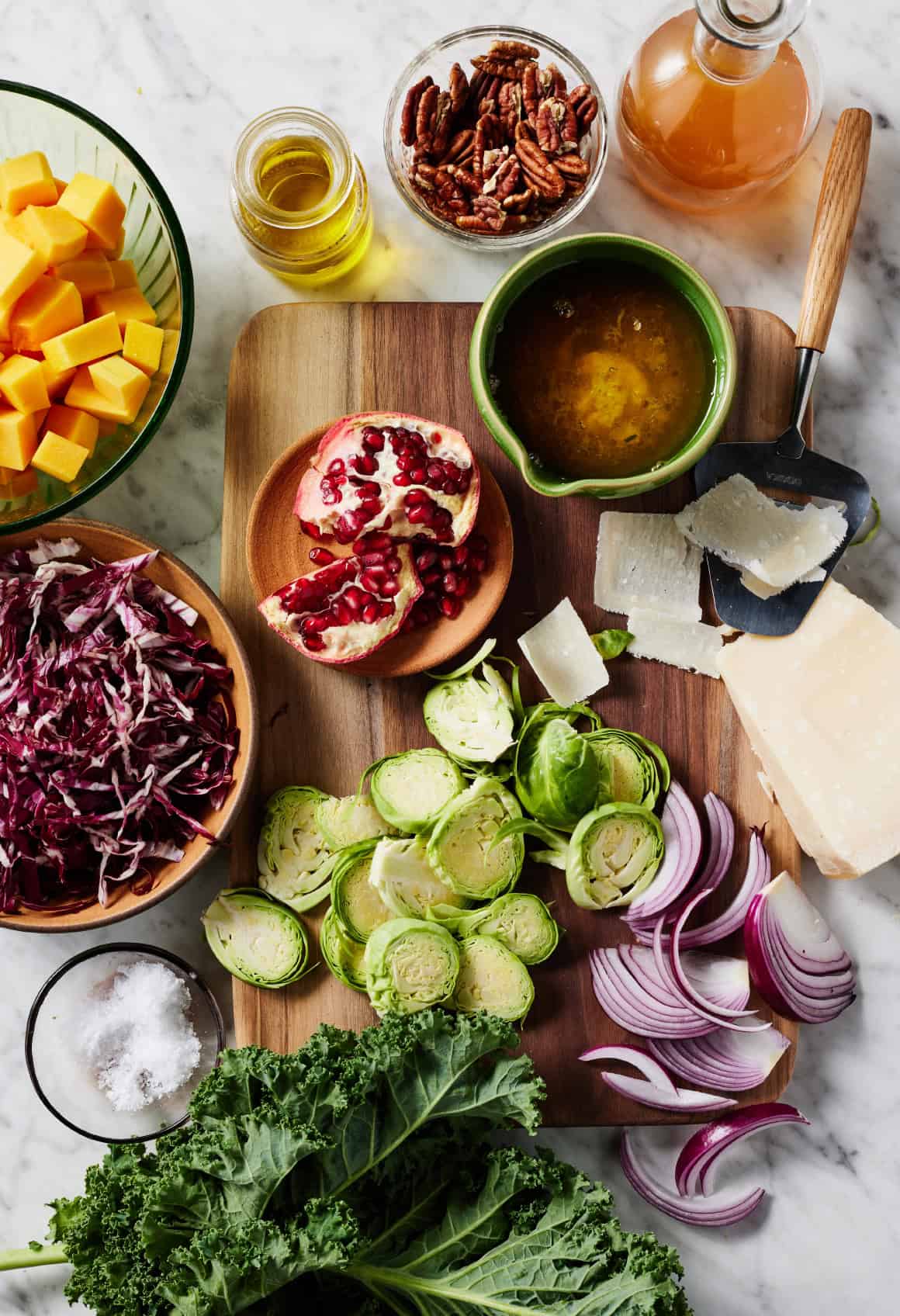
- The Produce Base: A robust foundation of winter greens—specifically featuring nutrient-dense kale, bitter radicchio, and shredded Brussels sprouts—provides an earthy canvas.
- The Warm Elements: Caramelized cubes of roasted winter squash (such as butternut) and tender roasted onions introduce a cozy, oven-baked warmth that bridges the gap between raw freshness and traditional comfort food.
- The Contrast: Sweet-and-tangy ruby pomegranate arils deliver sudden bursts of juiciness, counterbalanced by the rich, sugary crunch of candied pecans and the savory bite of shaved pecorino cheese.
- The Binding Agent: A bright, emulsified dressing crafted from apple cider vinegar, high-quality extra-virgin olive oil, a touch of honey, Dijon mustard, and fresh garlic ties the disparate components into a cohesive whole.
Nutritional data compiled for standard servings highlights the salad’s surprising lightness relative to its rich flavor profile. Coming in at approximately 141 calories per serving (sans dressing), the dish offers an impressive 3 grams of dietary fiber, 4 grams of protein, and a staggering 125% of the recommended daily value of Vitamin A, largely driven by the beta-carotene-rich roasted squash and winter greens.
Chronology: From Farm to Festive Platter
Preparing a complex winter salad for a major holiday gathering requires a systematic approach to timing, roasting, and assembling. Culinary experts break down the process into an accessible, step-by-step chronology designed to maximize flavor development while minimizing day-of-event stress.
Phase 1: The Roast (30 to 50 Minutes Prior)
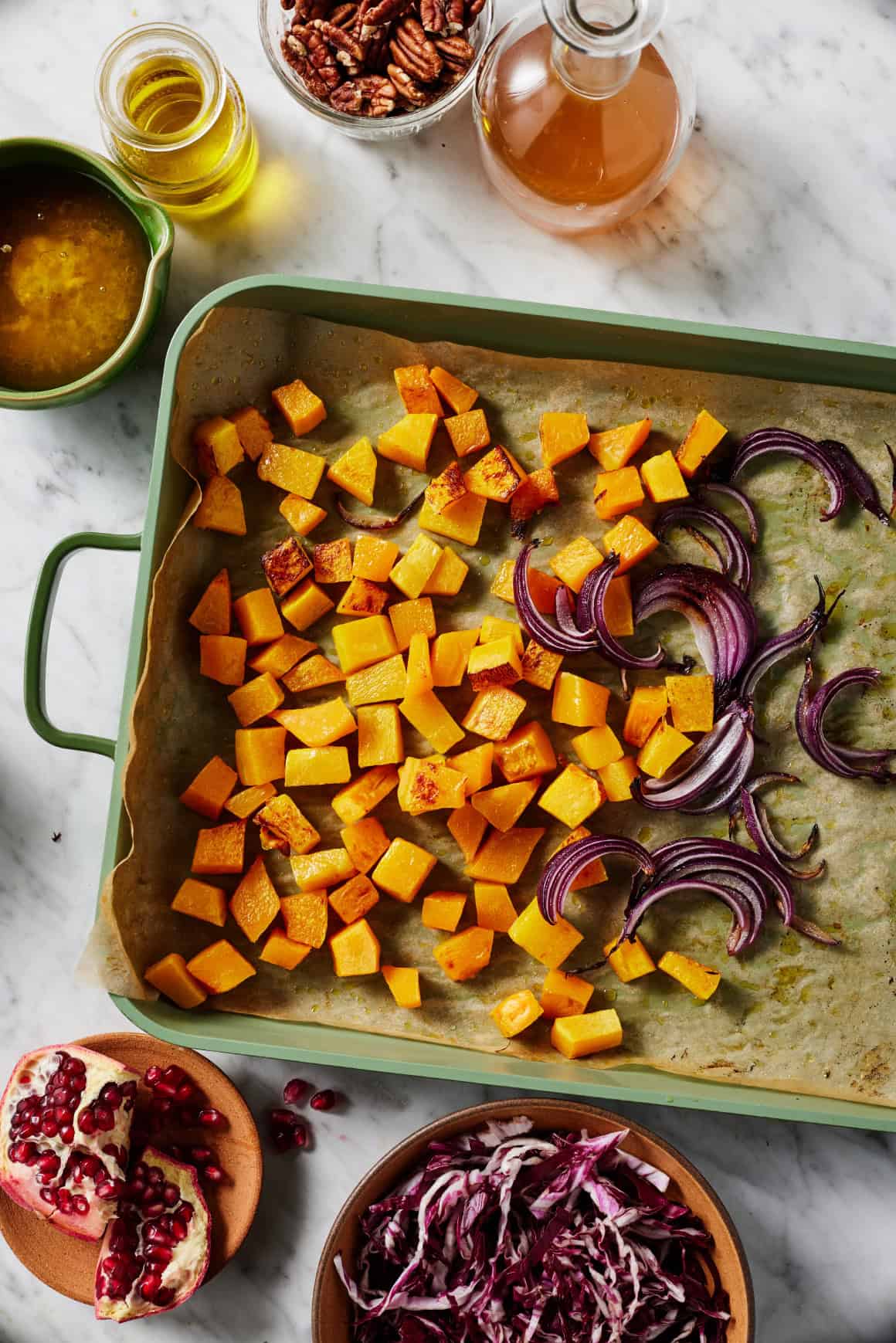
The process begins with the oven. Winter squash and onions are sliced, tossed in olive oil, seasoned with salt and pepper, and spread evenly across a parchment-lined baking sheet. Roasted at a high heat, they require anywhere from 20 to 35 minutes to achieve proper tenderness and caramelized edges.
- Culinary Note: Onions often caramelize faster than dense squash varieties. Cooks must monitor the baking sheet closely, removing the onion wedges as they reach golden perfection while allowing the squash to finish its tenure in the heat.
Phase 2: Emulsification and Massaging (10 Minutes Prior)
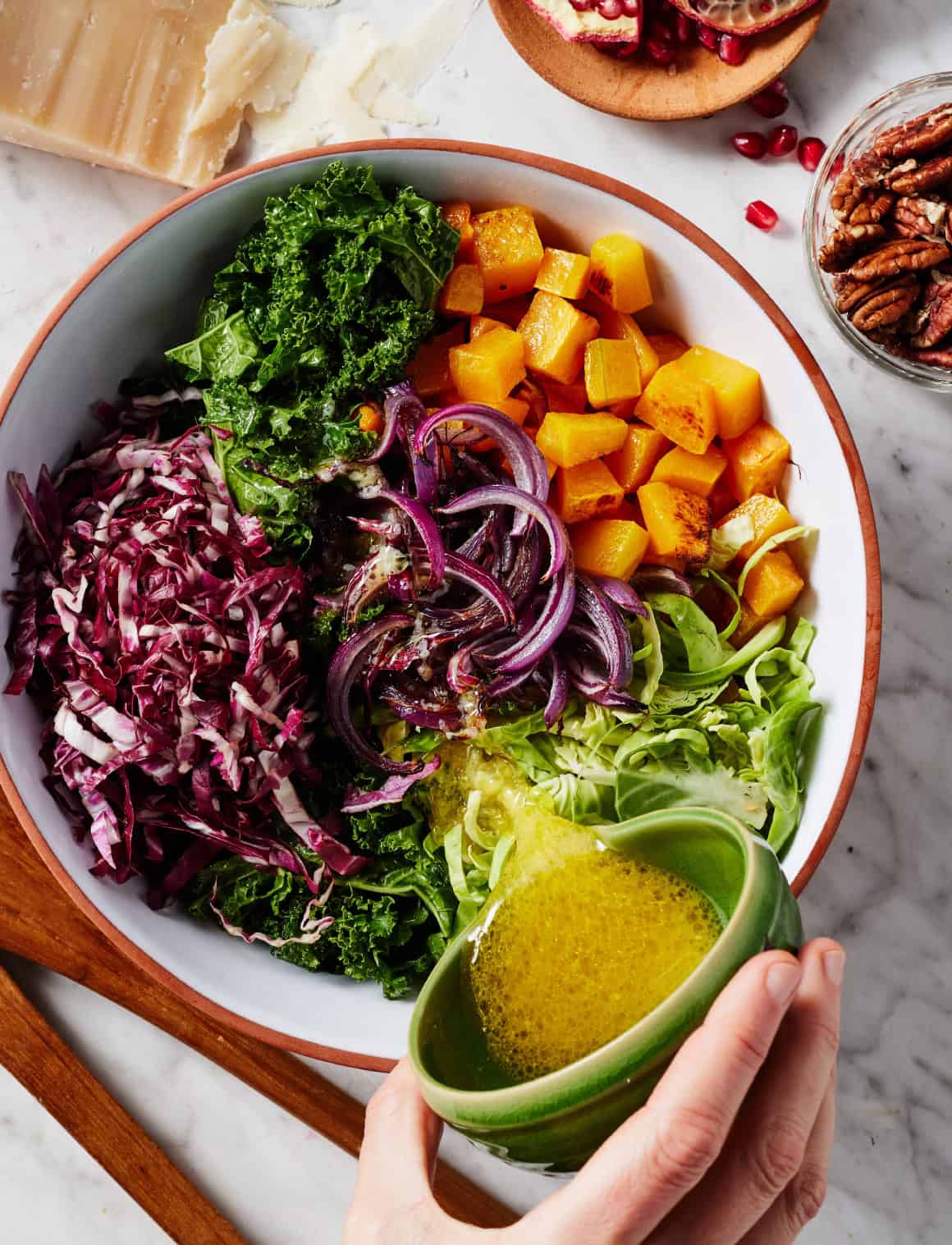
While the vegetables cool slightly, the dressing is whisked together in a small bowl, blending the sharp acidity of apple cider vinegar with the rounded sweetness of honey and the mild pungency of garlic and mustard.
Crucially, the kale is introduced to the dressing early. By "massaging" a portion of the dressing directly into the raw kale leaves, the fibrous cellular walls break down, softening the texture and mellowing its inherent bitterness without sacrificing its structural integrity.
Phase 3: The Assembly and Toss (Immediate Service)
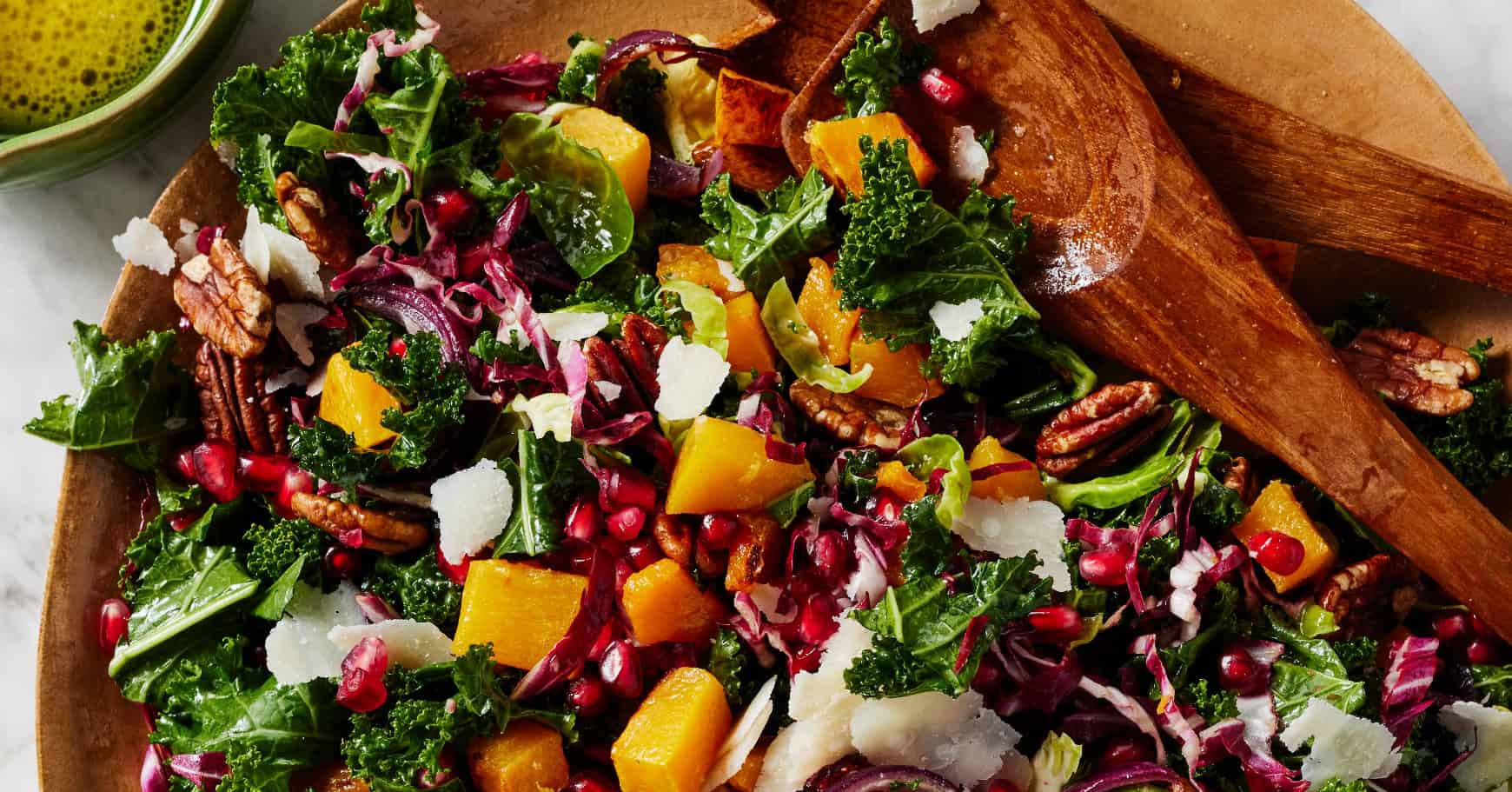
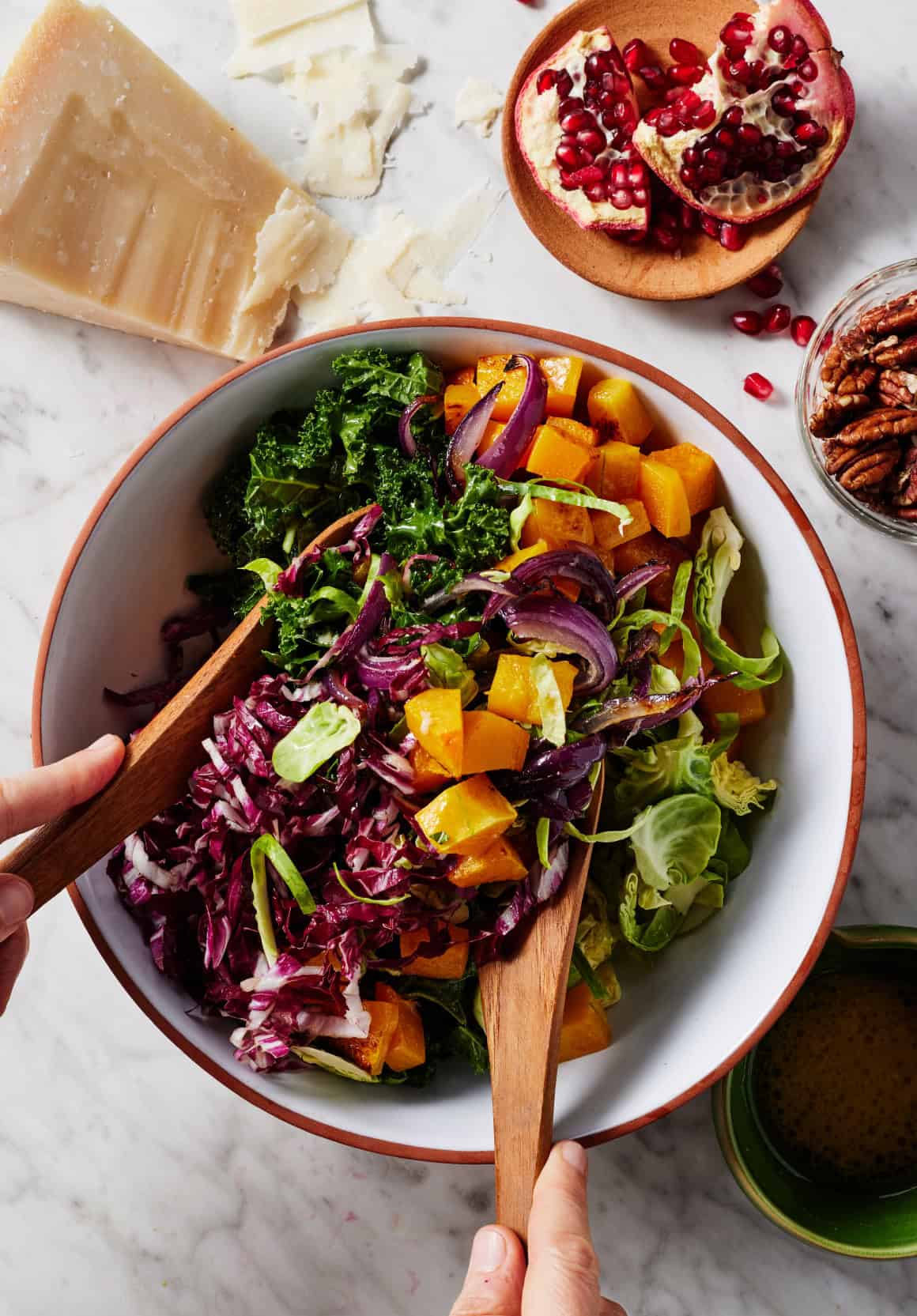
The final stage brings all elements together in a grand serving bowl. The softened kale is combined with shredded radicchio, shaved Brussels sprouts, and the warm roasted squash and onions. The remaining dressing is drizzled over the top and gently tossed. Finally, the delicate garnishes—pomegranate arils, candied pecans, and shaved pecorino—are folded in at the very last second to preserve their distinct textures and visual appeal.
Supporting Data and Nutritional Breakdown
Understanding the nutritional landscape of holiday eating reveals why green-and-ruby salads have transitioned from optional garnishes to essential dietary counterweights during the winter months.
Dietary analysts note that heavy holiday meals—frequently laden with saturated fats, sodium, and refined carbohydrates—can leave diners feeling lethargic. Incorporating fiber-rich winter produce helps regulate digestion and stabilize blood sugar levels throughout prolonged holiday feasts.
| Nutritional Metric | Amount Per Serving (Estimated) | Percentage of Daily Value (DV)* |
|---|---|---|
| Calories | 141 kcal | — |
| Total Fat | 7g | 11% |
| Saturated Fat | 1g | 6% |
| Monounsaturated Fat | 3g | — |
| Cholesterol | 4mg | 1% |
| Sodium | 157mg | 7% |
| Potassium | 316mg | 9% |
| Carbohydrates | 16g | 5% |
| Dietary Fiber | 3g | 13% |
| Sugars | 8g | 9% |
| Protein | 4g | 8% |
| Vitamin A | 6230 IU | 125% |
| Vitamin C | 38mg | 46% |
| Calcium | 137mg | 14% |
| Iron | 1mg | 6% |
*Percent Daily Values are based on a 2,000 calorie diet.
Beyond the hard numbers, the structural inclusion of raw and cooked cruciferous vegetables (kale, Brussels sprouts, radicchio) provides valuable antioxidants and phytonutrients that support immune health during the peak of the winter cold and flu season.
Official Responses and Culinary Perspectives
Professional chefs, food historians, and home-cooking advocates have increasingly championed the elevation of the holiday salad.
"We are seeing a profound shift in what people expect from a holiday table," notes executive chef and culinary educator Marcus Vance. "Ten or twenty years ago, a salad at Christmas was an afterthought—a bag of iceberg lettuce tossed with a few cherry tomatoes and bottled ranch. Today, it is treated as a foundational element of the meal. Guests want vibrant colors, complex layers of acidity, and textures that wake up the palate after bites of heavy turkey, ham, or roast beef."
Home economics researchers also point to the psychological value of vibrant table aesthetics. The deep crimson of pomegranate seeds juxtaposed against the forest green of winter kale naturally evokes the traditional palette of the season, making the dish feel native to holiday celebrations rather than like an imported dietary compromise.
Furthermore, culinary experts emphasize the strategic advantages of make-ahead flexibility. By roasting the squash in advance, whisking the dressing ahead of time, and washing the greens hours before service, hosts can drastically reduce the frantic kitchen choreography traditionally associated with Christmas dinner preparation.
Implications: The Evolution of Holiday Traditions
The widespread embrace of produce-centric holiday side dishes points to broader cultural and dietary trends that are reshaping how families celebrate communal milestones.
1. Inclusivity in Meal Planning
Modern holiday gatherings frequently encompass a diverse array of dietary preferences, including vegetarian, vegan, gluten-free, and flexitarian diets. A sophisticated roasted vegetable and green salad naturally accommodates many of these needs without requiring the preparation of entirely separate meals. By keeping cheese or candied nuts optional or modifiable, hosts can ensure that virtually every guest finds a welcoming, nourishing option on the table.
2. Seasonal Eating Awareness
The reliance on winter-hardy produce—squash, brassicas, root vegetables, and storage fruits like pomegranates—reconnects diners with the rhythms of seasonal agriculture. Rather than demanding out-of-season summer produce to build a salad, modern holiday recipes celebrate the robust, hearty yields of the colder months, fostering a deeper appreciation for sustainable, regional cooking practices.
3. The Reimagination of Comfort Food
Perhaps most importantly, the success of dishes like the Christmas salad challenges the false dichotomy between "comfort food" and "healthy food." By roasting sweet squash until tender, candy-coating pecans for rich textural contrast, and dressing greens in a zesty, balanced vinaigrette, culinary creators prove that nourishing food can be just as indulgent, memorable, and celebratory as any butter-laden casserole.
As families continue to refine their holiday traditions for future generations, the vibrant, multi-textured winter salad has firmly secured its place not merely as a side dish, but as an indispensable icon of modern seasonal cuisine.