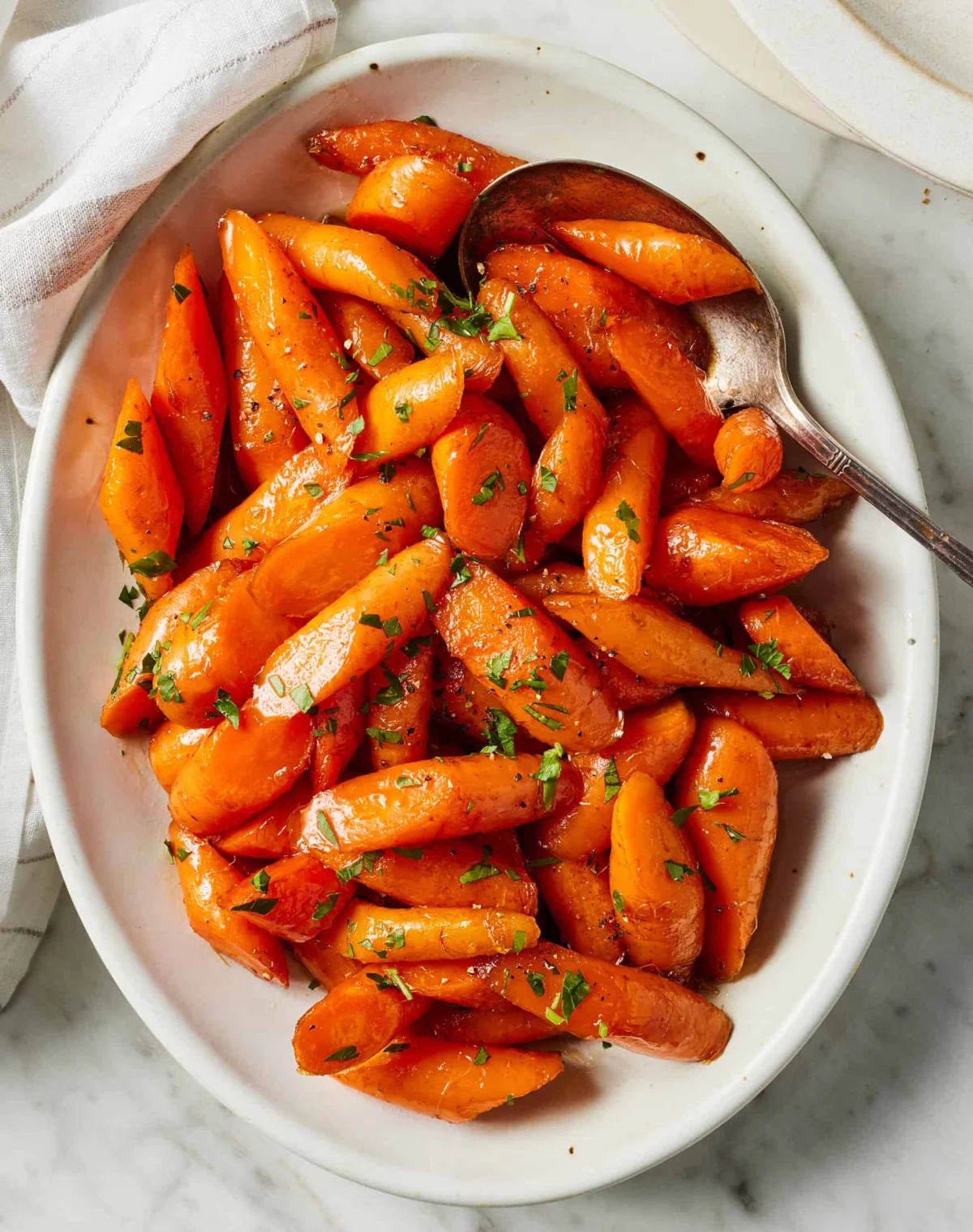
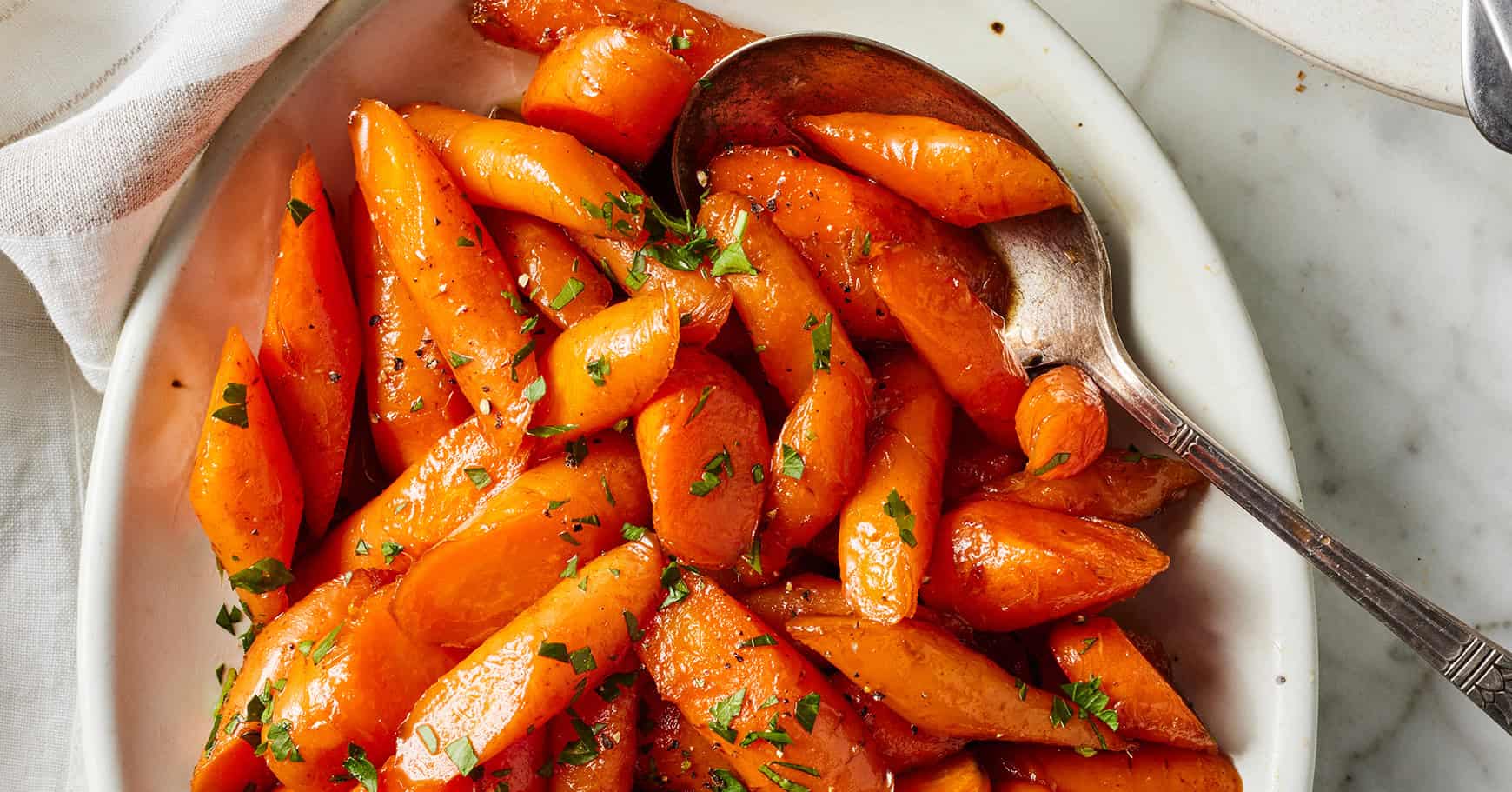
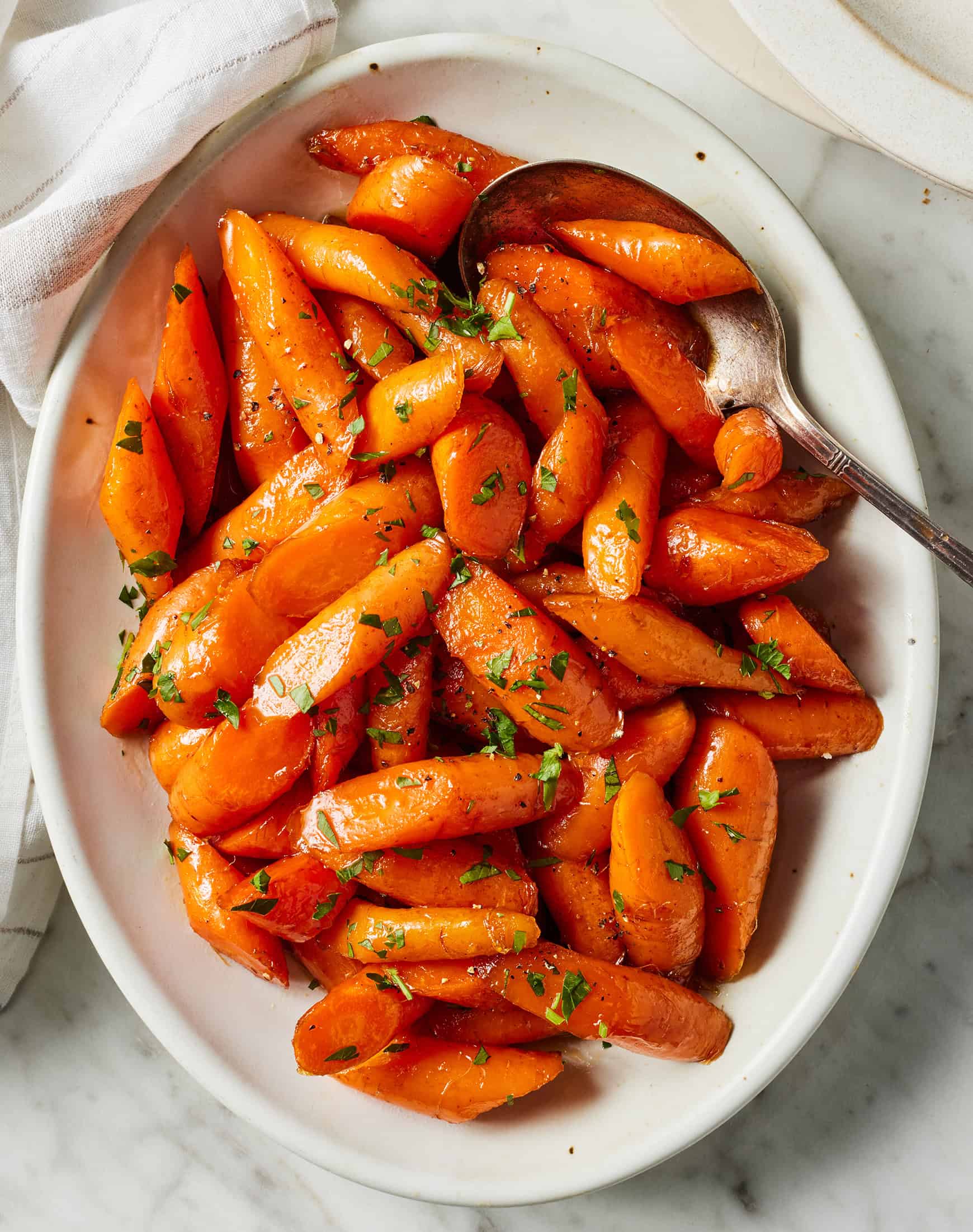
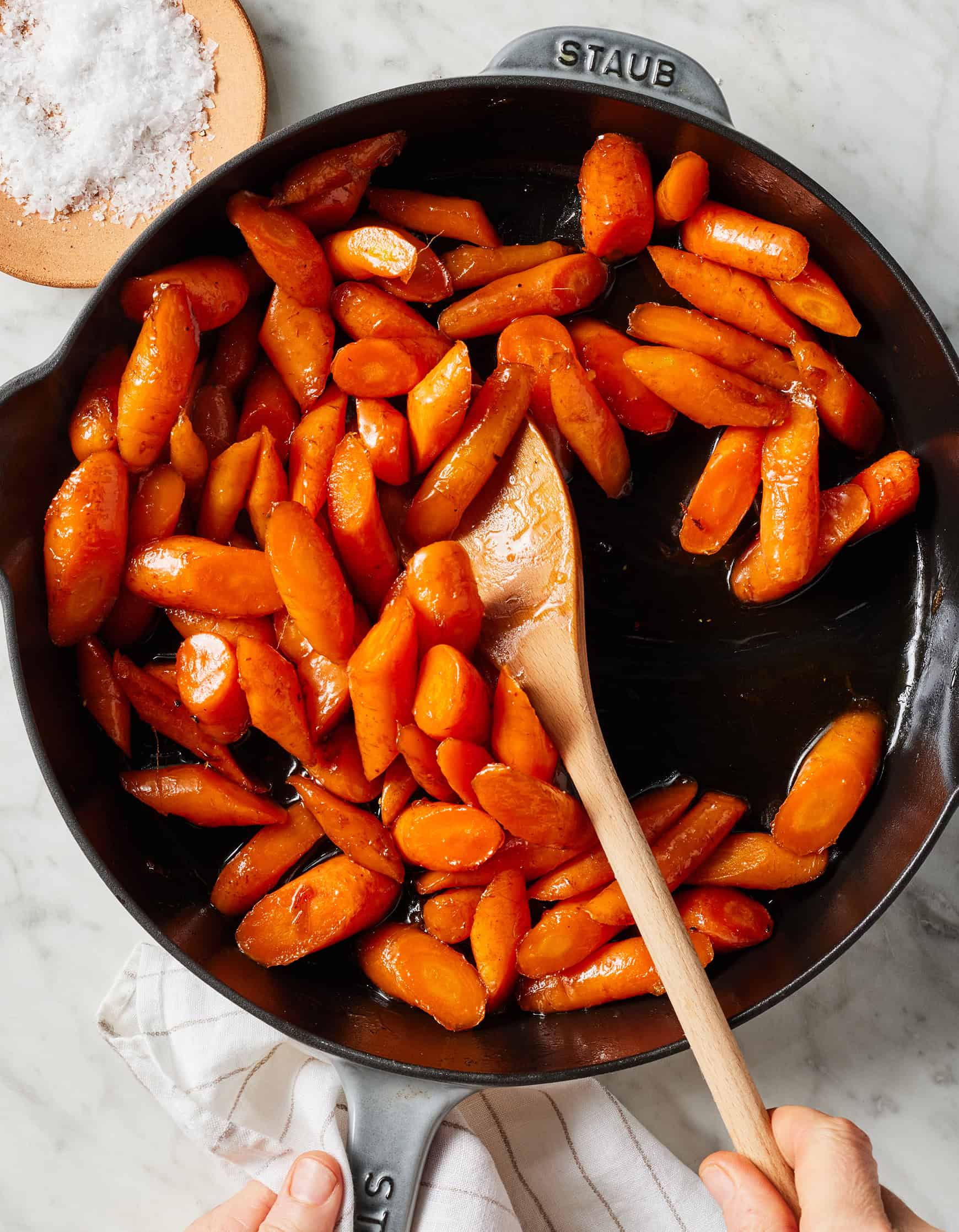
WASHINGTON — In the landscape of domestic culinary traditions, few side dishes evoke as distinct a sense of nostalgia as glazed carrots. Long heralded as the mandatory, brightly colored punctuation mark of holiday spreads—from the Easter ham to the Thanksgiving turkey—the dish has historically suffered from a reputation of excess. Traditional preparations frequently leaned too heavily into cloying sweetness and a regrettable mushiness, leaving generations of diners to view the humble root vegetable as an obligatory plate-filler rather than a culinary highlight.
Now, a contemporary culinary approach is transforming this classic preparation. By shifting the focus away from overcooked sweetness and introducing savory balance, vibrant texturing, and stovetop efficiency, home cooks and culinary creators are redefining the glazed carrot. Far from being relegated to once-a-year appearances, the modernized glazed carrot is emerging as a versatile, thirty-minute weeknight staple designed for modern kitchens.
Main Facts: Anatomy of a Modern Classic
At its core, the revitalized glazed carrot recipe challenges the shortcomings of its predecessors. Traditional recipes often boiled carrots until they lost all structural integrity, dousing them in simple sugar syrups that masked, rather than elevated, the vegetable’s natural flavor profile.
The updated blueprint centers on precision and contrast:
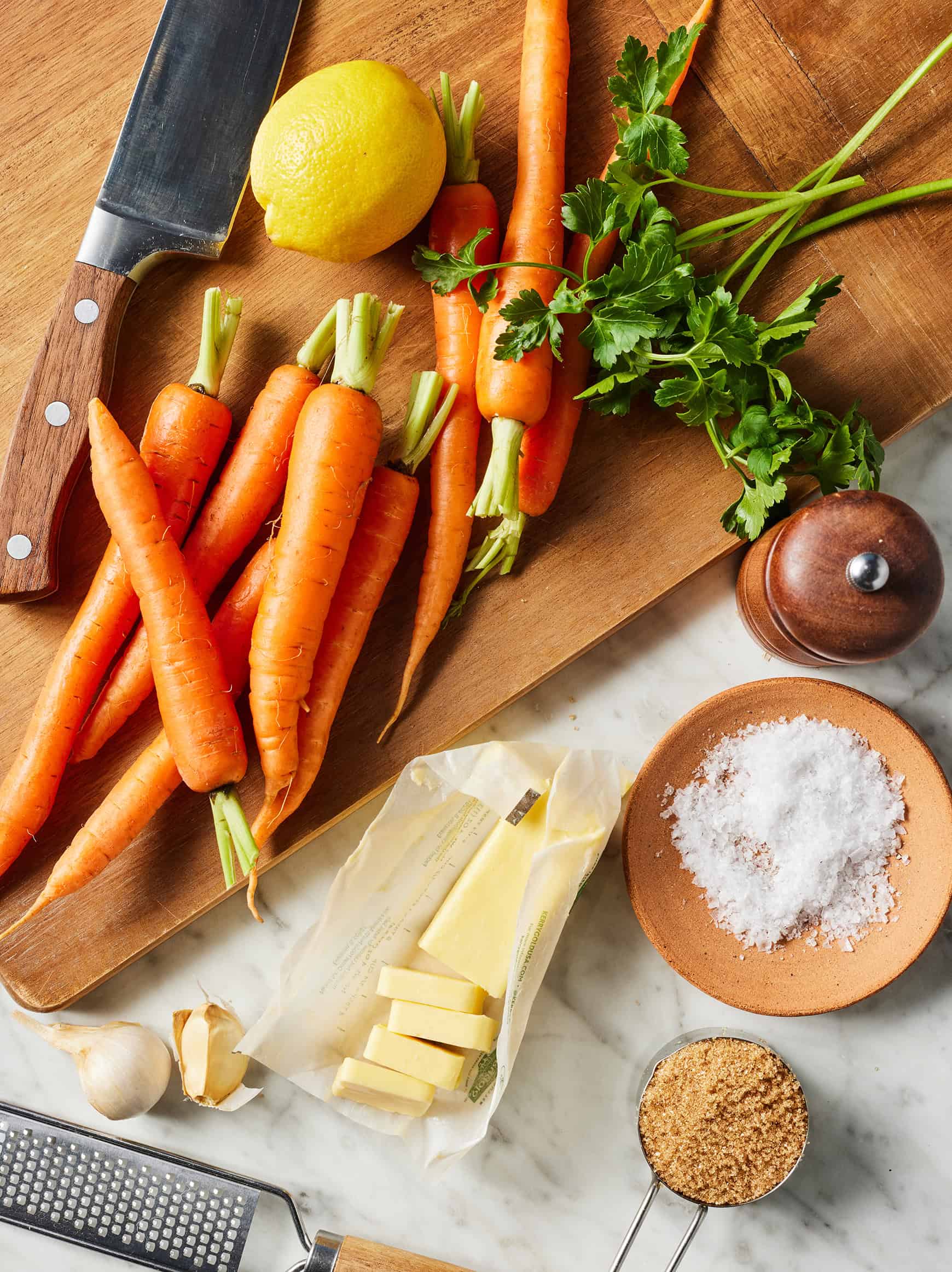
The Sweet Element: Cooks can utilize either brown sugar or natural honey to caramelize the exterior, bringing out the inherent sugars of the carrot without overwhelming the palate.
The Textural Standard: Unlike the limp, overly soft iterations of the past, modern glazed carrots are cooked strictly until al dente—tender, yet retaining a crisp, satisfying bite.
The Savory Counterbalance: To combat the inherent sweetness, the cooking liquid is fortified with aromatic garlic, a bright splash of fresh lemon juice, and a robust seasoning of salt and freshly cracked black pepper.
Stovetop Efficiency: Requiring only a skillet and roughly twenty minutes of active cooking time, the recipe bypasses the need for crowded oven space—a critical advantage during holiday cooking marathons.
Chronology: From Holiday Obligation to Weeknight Staple
To understand the evolution of the glazed carrot, culinary historians point to the mid-20th-century American kitchen, where convenience foods and heavy-handed butter-and-sugar combinations dominated vegetable side dishes.
Mid-20th Century: Glazed carrots solidify their place as a holiday tradition, frequently appearing on tables alongside glazed hams and roasted poultry. However, standardization often leads to overcooked, overly sweet variations that alienate younger diners.
The Turn of the Millennium: As culinary consciousness shifts toward farm-to-table freshness and vegetable-forward dining, traditional vegetable sides face intense scrutiny. Chefs and food writers begin experimenting with roasting, charring, and acid-balancing to rescue root vegetables from monotony.
The Contemporary Shift: Recent culinary developments focus on bridging the gap between holiday nostalgia and weeknight practicality. By refining the cooking process to focus on stovetop speed and balancing sweetness with acidity (such as lemon and garlic), the recipe sheds its burdensome reputation.
Present Day: The dish is officially reimagined as an all-season side. With a total preparation and cooking time of just 30 minutes, it transitions seamlessly from a high-stakes Thanksgiving dinner to a rapid Tuesday night meal.
Supporting Data and Nutritional Profile
While celebrated for their flavor, carrots remain a nutritional powerhouse. The modern glazed carrot recipe balances indulgence with substantial health benefits, making it an accessible option for health-conscious households.
Based on standard nutritional indexing for a recipe yielding six servings, a single portion of stovetop glazed carrots delivers a robust profile:
Caloric Value: Approximately 181 calories per serving, with roughly 90 calories derived from healthy fats (such as butter or olive oil used in the glazing process).
Macronutrient Breakdown:
Total Fat: 10g (15% Daily Value), primarily composed of monounsaturated fats (7g) with minimal saturated fats (1g).
Carbohydrates: 24g (8% Daily Value), featuring 16g of sugars derived from both the natural vegetable sugars and the honey/brown sugar glaze.
Dietary Fiber: 4g (17% Daily Value), aiding in digestion and satiety.
Protein: 1g (2% Daily Value).
Vitamins and Minerals:
Vitamin A: A staggering 25,259 IU per serving, accounting for an impressive 505% of the recommended daily value, courtesy of the beta-carotene-rich carrots.
Potassium: 501mg (14% Daily Value).
Vitamin C: 10mg (12% Daily Value), enhanced by the addition of fresh citrus juice.
Sodium: 398mg (17% Daily Value).
Culinary Perspectives and Expert Insights
Food writers and home economics professionals have long debated the optimal way to prepare root vegetables. While oven-roasting has enjoyed a massive surge in popularity over the last decade, culinary experts emphasize the distinct advantages of the stovetop method for glazed preparations.
"When you cook carrots on the stovetop with a deliberate balance of sugar, fat, acid, and aromatics, you control every variable of the texture," notes one culinary researcher specializing in domestic American cuisine. "Oven-roasted carrots are wonderful, but they caramelize through dry heat. A stovetop glaze emulsifies with butter and juices, coating the vegetable evenly while keeping the interior crisp-tender rather than shriveled."
Furthermore, kitchen efficiency experts point out the logistical nightmare of holiday oven management. On major holidays like Thanksgiving, the oven is perpetually occupied by turkeys, casseroles, and bread. A stovetop vegetable side dish frees up valuable thermal real estate, allowing home cooks to execute complex menus without scheduling conflicts.
Additionally, professional chefs advocate for the inclusion of acid. The secret to elevating a sweet vegetable glaze is the strategic deployment of citrus or vinegar. The lemon juice integrated into modern recipes cuts through the richness of the butter and the density of the brown sugar, creating a dynamic, multi-layered flavor profile that lingers on the palate.
Practical Implications for the Modern Home Cook
The resurgence of the modernized glazed carrot carries several practical takeaways for individuals and families looking to elevate their daily cooking routines.
1. Make-Ahead Versatility
For busy families, meal-prep viability is a primary concern. The updated recipe is engineered to accommodate advance preparation. Cooked carrots can be prepared up to 24 hours in advance, allowed to reach room temperature, and safely stored in an airtight container in the refrigerator. Reheating is easily achieved via a gentle stovetop warm-up or a quick spin in the microwave, making it an ideal candidate for meal-prep enthusiasts.
2. Shelf Life and Storage
Leftovers maintain their structural integrity and flavor profile for up to three days when properly sealed and refrigerated. However, due to the delicate balance of the glaze, prolonged storage beyond 72 hours is not recommended to preserve the bright notes of the lemon and the firmness of the vegetable.
3. Kitchen Flexibility
The recipe’s adaptability stands as one of its strongest attributes. Whether a cook prefers the earthy, molasses-forward undertones of dark brown sugar or the floral sweetness of raw honey, the base technique remains foolproof. Furthermore, for those who prefer alternative cooking methods, the culinary blueprint easily bridges to oven-roasted variations with minor adjustments.
Conclusion
The transformation of the glazed carrot from a tired holiday cliché into a dynamic, everyday side dish illustrates a broader trend in modern cooking: the willingness to deconstruct and refine childhood memories. By discarding the tendencies toward over-sweetening and mushy textures, and by embracing smart seasoning, acid balance, and stovetop convenience, home cooks have reclaimed a classic vegetable dish. Whether gracing an elaborate holiday table or complementing a modest weeknight protein, the modernized glazed carrot proves that even the simplest ingredients can achieve greatness with a thoughtful touch.