THE NETHERLANDS — In an era dominated by homogenous global agriculture and supermarket aisles lined with the same predictable produce, a quiet culinary revolution is taking root in the sandy soils of Brabant and the historic farmlands of Friesland. At the center of this movement is a humble, heirloom legume with a big personality and an even bigger historical footprint: the Giele Wâltbeantsje.
Often overshadowed by its ubiquitous cousin, the ordinary brown bean (bruine boon), this yellowish-brown treasure is stepping out of the shadows. Sourced from sustainable suppliers like Ekoto and championed by home cooks, food scientists, and agricultural historians alike, the Giele Wâltbeantsje is proving that old-school biodiversity has a delicious and viable future in the modern kitchen.
1. Main Facts: Meet the Giele Wâltbeantsje
To understand the Giele Wâltbeantsje is to understand a unique cross-section of Dutch agricultural heritage, culinary resilience, and modern food trends.
- Botanical and Heritage Profile: Scientifically classified among the vast family of dry beans (Phaseolus vulgaris), the Giele Wâltbeantsje boasts deep Frisian roots. Though historically tied to the northern province of Friesland, modern cultivation has successfully expanded to other regions, including the southern province of Brabant.
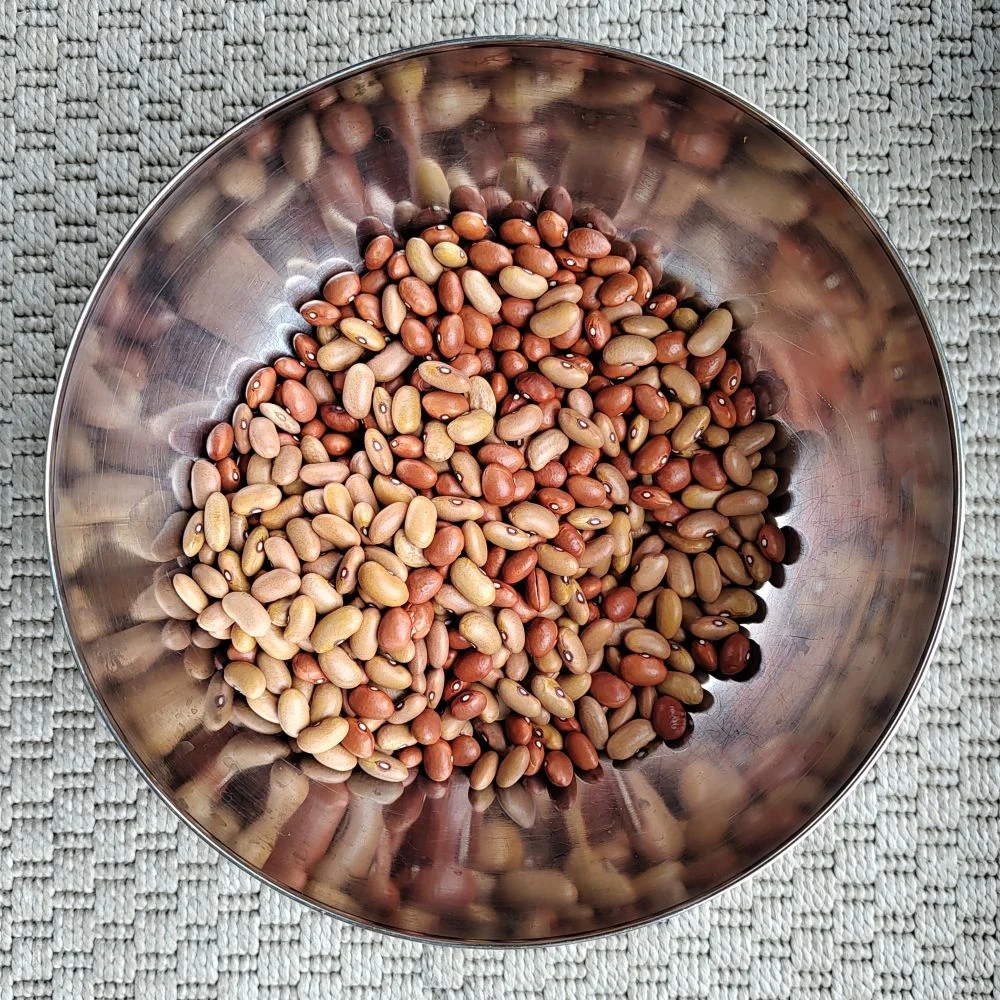
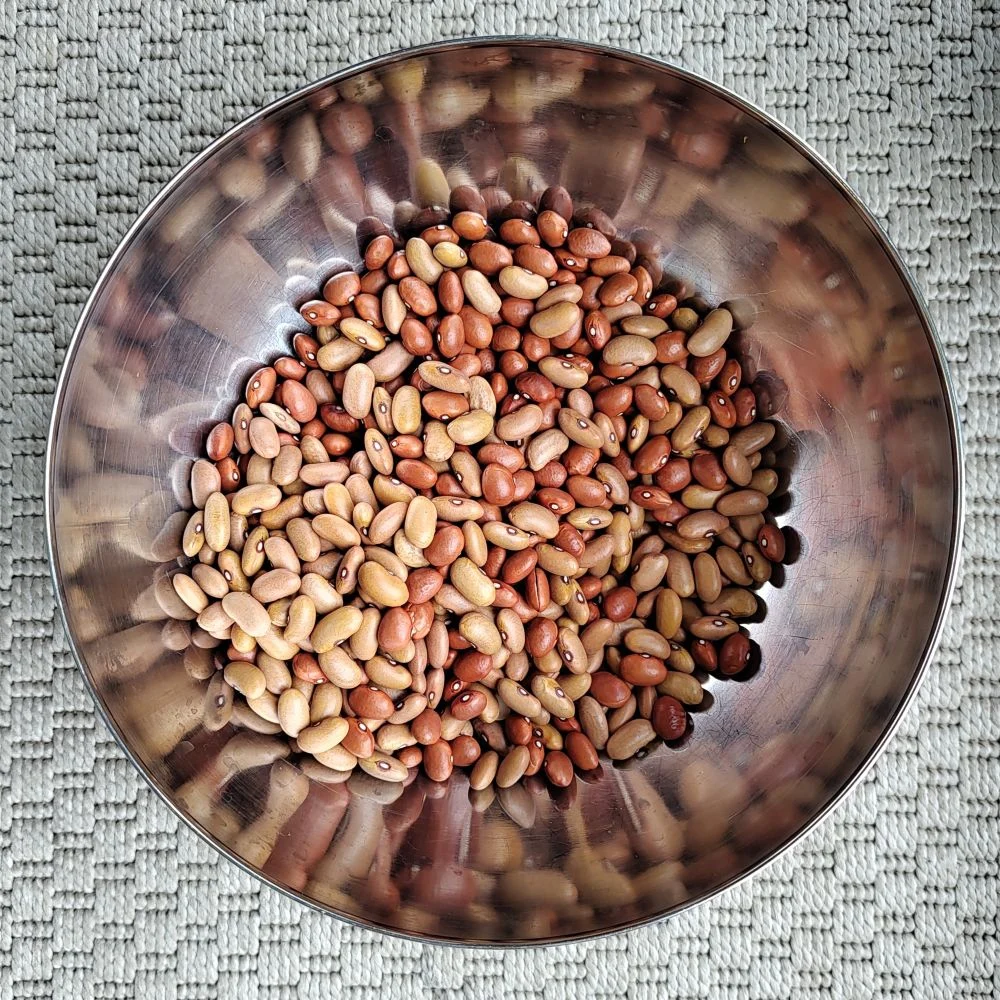
- Physical Appearance: In its raw, dried state, the bean exhibits a distinctive yellowish-hue, frequently described by admirers as a warm, light brown. Once cooked, however, it undergoes a visual transformation, bearing a striking resemblance to the standard brown bean. Size-wise, it outpaces its common relative by a fraction, offering a slightly chunkier profile in the bowl.
- Market Availability: While standard brown beans occupy prime real estate in virtually every Dutch supermarket chain, the Giele Wâltbeantsje remains a niche product. Consumers are most likely to encounter it in northern specialty shops, farm-gate stores, or through targeted online organic platforms such as Ekoto.
- Culinary Versatility: Despite traditional preparation guidelines—which typically advise a lengthy overnight soaking process—the bean has proven remarkably forgiving. Culinary experiments have demonstrated that it can withstand high-pressure cooking methods without a pre-soak, emerging tender and flavorful. It shines in hearty soups, traditional stews, and modern interpretations of chili con carne, and can even be repurposed into avant-garde baked goods like black-bean-style brownies.
2. Chronology: The Journey from Frisian Fields to Modern Kitchens
The biography of the Giele Wâltbeantsje is a tale spanning centuries of agricultural shifts, commercial oversight, and a modern renaissance driven by curious food enthusiasts.
Pre-Industrial Era: The Local Staple
Long before commercial supply chains dictated what appeared on European dinner plates, farmers in Friesland cultivated diverse local landraces of legumes. The Giele Wâltbeantsje was bred and selected for its ability to thrive in local soil conditions, its capacity to be dried and stored for years without spoiling, and its dense nutritional profile that sustained rural communities through harsh northern winters. It was a staple of peasant cuisine—unfussy, reliable, and deeply tied to the regional identity of the Wâlde region in Friesland.
The 20th Century: The Rise of Industrial Agriculture
As the 20th century progressed, European agriculture underwent a massive consolidation. Supermarket chains demanded uniformity, high yields, and year-round predictability. Crops that required specialized local knowledge, manual harvesting, or delicate handling fell out of favor.
While the standard brown bean secured robust marketing budgets, streamlined industrial processing, and widespread distribution contracts, heritage varieties like the Giele Wâltbeantsje were quietly sidelined. They retreated from commercial farming into the private plots of seed savers, historical garden curators, and a handful of dedicated traditional growers in Friesland and beyond.
The 21st Century Revival: Digital Markets and Sustainable Sourcing
The turning point for the Giele Wâltbeantsje arrived with the digital age and the surging consumer interest in heritage foods, agrobiodiversity, and sustainable supply chains. Online platforms specializing in organic, locally sourced, and zero-waste agriculture—such as Ekoto—began bridging the gap between small-scale producers and urban consumers.
Farmers in regions like Brabant began experimenting with cultivating the bean outside its traditional northern stronghold, proving its adaptability. Food bloggers, culinary historians, and home cooks began documenting their trials with the bean, transforming it from a forgotten historical artifact into an active, trending ingredient in contemporary Dutch kitchens.
3. Supporting Data: Comparative Analysis of Dutch Heritage Legumes
To fully grasp the market position and culinary potential of the Giele Wâltbeantsje, it is helpful to examine how it compares to more mainstream legumes found in the Netherlands.
| Feature | Giele Wâltbeantsje | Standard Brown Bean (Bruine Boon) |
|---|---|---|
| Primary Region of Heritage | Friesland (with modern cultivation in Brabant) | Nationwide / Globally sourced |
| Visuals (Dry) | Light yellowish-brown / golden tan | Uniform dark brown |
| Visuals (Cooked) | Darkens to resemble standard brown beans | Standard earthy brown |
| Size | Slightly larger than the standard brown bean | Medium, standard baseline size |
| Supermarket Presence | Rare / Specialty and online-only | Universal across all major chains (Albert Heijn, Jumbo, etc.) |
| Storage Capability | Excellent when dried (years) | Excellent when dried (years) |
| Traditional Preparation | Soak for several hours; adaptable to pressure cookers | Standard soak and simmer |
| Primary Culinary Uses | Soups, stews, chili con carne, brownies | Soups, traditional Dutch bruine bonen soep |
Agricultural Resilience and Storage Longevity
Data from small-scale agricultural trials indicate that the Giele Wâltbeantsje retains the classic dry-bean property of exceptional longevity. Once properly harvested, threshed, and dried to a low moisture content, the beans can be stored in airtight containers for years without losing their structural integrity or nutritional value. This makes them a darling of the zero-waste and food-security movements, offering households a shelf-stable protein source that rivals canned goods in convenience while far surpassing them in flavor and environmental sustainability.
4. Official Responses: Growers, Retailers, and Culinary Experts
The resurgence of the Giele Wâltbeantsje has sparked commentary from various corners of the food industry, highlighting the tension between commercial efficiency and agricultural heritage.
The Marketer’s Paradox
Agricultural economists point to the Giele Wâltbeantsje as a classic victim of "marketing neglect."
"It’s not that the Giele Wâltbeantsje is inherently inferior to the standard brown bean," notes an independent agricultural marketing analyst based in Utrecht. "In many blind taste tests, heritage beans actually score higher for complex, earthy flavor profiles. The reality comes down to supply chain economics. The brown bean had better marketers, more resilient industrialized breeding programs decades ago, and a streamlined supply chain that made it cheaper to produce at scale. The Giele Wâltbeantsje simply missed that industrial train."
Supplier Perspectives: Ekoto and Sustainable Retail
Online organic platforms have taken up the mantle where traditional supermarkets fear to tread. Retailers like Ekoto emphasize that offering heritage items is not merely a commercial strategy, but an ecological necessity. By introducing consumers to varieties like the Giele Wâltbeantsje, these platforms actively encourage crop rotation and agricultural biodiversity.
"When consumers buy heritage beans, they are casting a vote for agricultural diversity," explains a spokesperson for sustainable food initiatives in the Netherlands. "Monoculture makes our food supply vulnerable to disease and climate shocks. Bringing back varieties grown in Brabant and Friesland diversifies our agricultural landscape and keeps regional food cultures alive."
The Home Cook’s Verdict
Culinary experimenters have been overwhelmingly positive, frequently expressing surprise at the bean’s adaptability. While official package instructions urge patience—recommending a traditional multi-hour soak—adventurous home cooks have tested the boundaries of the legume.
In recent food science circles, accounts of tossing dry Giele Wâltbeantsje directly into a pressure cooker without prior soaking have circulated with great enthusiasm. The result? A tender, perfectly cooked bean that absorbs surrounding flavors in a rich stew or chili without falling apart. Furthermore, adventurous bakers have begun puréeing the cooked beans into chocolate batters, echoing the modern trend of using nutrient-dense legumes as a flour substitute in fudgy brownies.
5. Implications: What the Giele Wâltbeantsje Means for the Future of Food
The story of the Giele Wâltbeantsje extends far beyond a single bowl of soup or an experimental brownie recipe. It serves as a micro-case study for broader trends in European agriculture, consumer behavior, and sustainability.
1. The Fight Against Agricultural Monoculture
Global food security relies heavily on diversity. When vast agricultural acreage is dedicated to only a handful of high-yielding crop varieties, ecosystems become fragile. The successful cultivation of the Giele Wâltbeantsje in multiple Dutch provinces (from its historic home in Friesland down to Brabant) proves that regional heirloom varieties can be revived. This decentralization of agriculture fosters local resilience against climate change and pathogens.
2. The Shift in Consumer Consciousness
Modern consumers are increasingly fatigued by the homogenized offerings of multinational supermarkets. There is a growing appetite—pun intended—for foods with a narrative. Knowing that a bean was grown in a specific Dutch province, purchased from an independent online steward like Ekoto, and prepared using a blend of traditional respect and modern culinary shortcuts transforms a simple meal into an act of cultural connection.
3. Bridging Tradition and Convenience
One of the historical barriers to cooking with dried beans has been the time investment required for soaking and simmering. By demonstrating that heritage beans can adapt to modern kitchen appliances—such as the pressure cooker—and cross over into unconventional formats like brownies, food innovators are dismantling the intimidation factor associated with heirloom ingredients.
Conclusion
The Giele Wâltbeantsje may never completely dethrone the mighty brown bean in the aisles of mainstream Dutch supermarkets. Its supply chains are smaller, its production costs are higher, and its marketing history is decidedly more grassroots. Yet, in many ways, this is precisely its appeal.
It represents a deliberate choice to slow down, to explore regional biodiversity, and to honor the agricultural heritage of places like Friesland and Brabant. Whether simmered in a rich winter stew, tossed hurriedly into a pressure cooker, or baked into an unexpected batch of rich chocolate brownies, the Giele Wâltbeantsje has firmly established that it is more than just a footnote in Dutch culinary history—it is a vibrant, delicious protagonist for the future.
Nice to meet you indeed, Giele Wâltbeantsje.