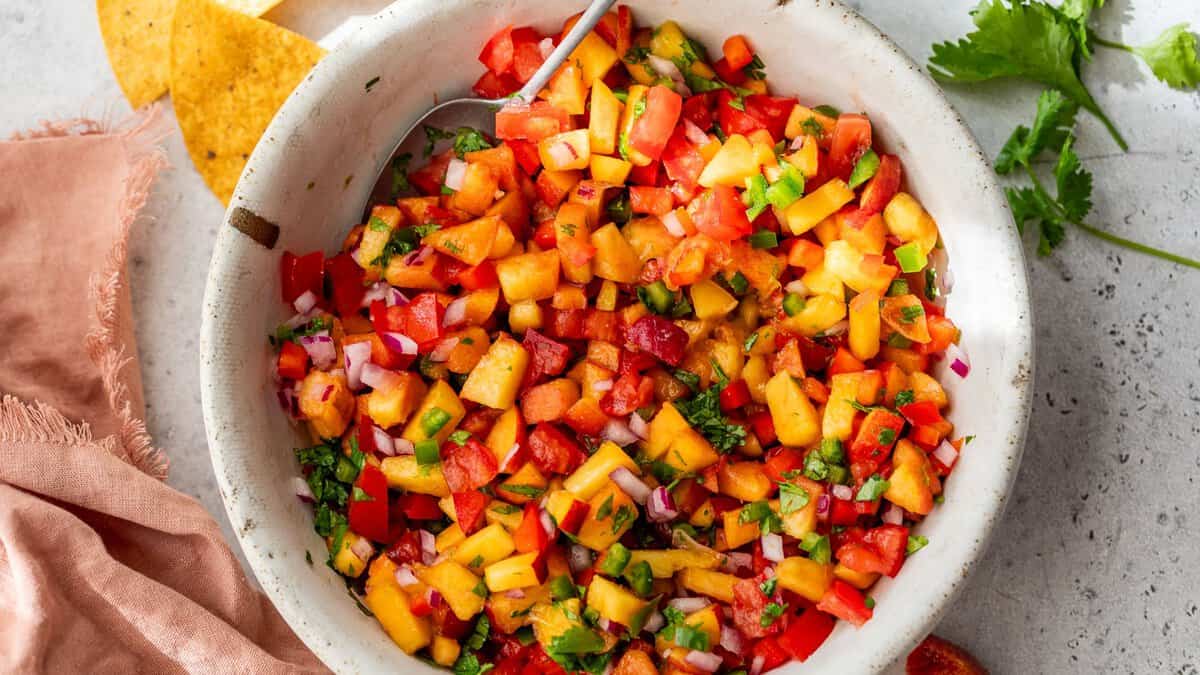
As summer produce hits its peak, culinary enthusiasts and home cooks alike are constantly looking for innovative ways to celebrate the fleeting bounty of the season. While traditional tomato-based salsas have long reigned supreme at backyard barbecues and patio gatherings, a vibrant contender has emerged to steal the spotlight. Crafted by cookbook author and culinary creator Erin Clarke of Well Plated, a meticulously tested fresh Peach Salsa is redefining how we think about sweet-and-savory condiments, offering a sophisticated flavor profile that bridges the gap between dessert-level sweetness and savory, herbaceous freshness.
Far from a novelty recipe, this dish represents a masterclass in culinary balance. Designed to highlight fresh, ripe peaches during their brief seasonal window, the salsa successfully navigates the common pitfalls of homemade fruit condiments—avoiding the cloying sweetness of commercial jarred varieties while sidestepping the harsh sharpness often brought on by overzealous raw onions. For home cooks looking to elevate everything from grilled proteins to traditional tortilla chips, this recipe has quickly become the definitive guide to utilizing peak-summer stone fruit.
The Genesis of a Modern Classic: A Chronological Look at Recipe Development
The path to the ultimate peach salsa was anything but accidental. Recognizing that peaches are "here for a good time, not a long time," Clarke embarked on a rigorous recipe-testing journey to engineer a condiment that could serve as an equal counterpart to crunchy tortilla chips, smoky grilled chicken, and vibrant fish tacos.
Phase One: Identifying the Flaws in Existing Recipes
At the outset of development, Clarke analyzed commercially available peach salsas, noting a recurring issue: an over-reliance on added sugars that masked the natural fruit flavor, turning a fresh condiment into something resembling a dessert topping. Conversely, early homemade iterations yielded inconsistent results. Unripe peaches left the mixture bland and woody, while improper vegetable ratios allowed sharp red onions to completely overpower the delicate flavor of the stone fruit.
Phase Two: Balancing Textures and Flavors
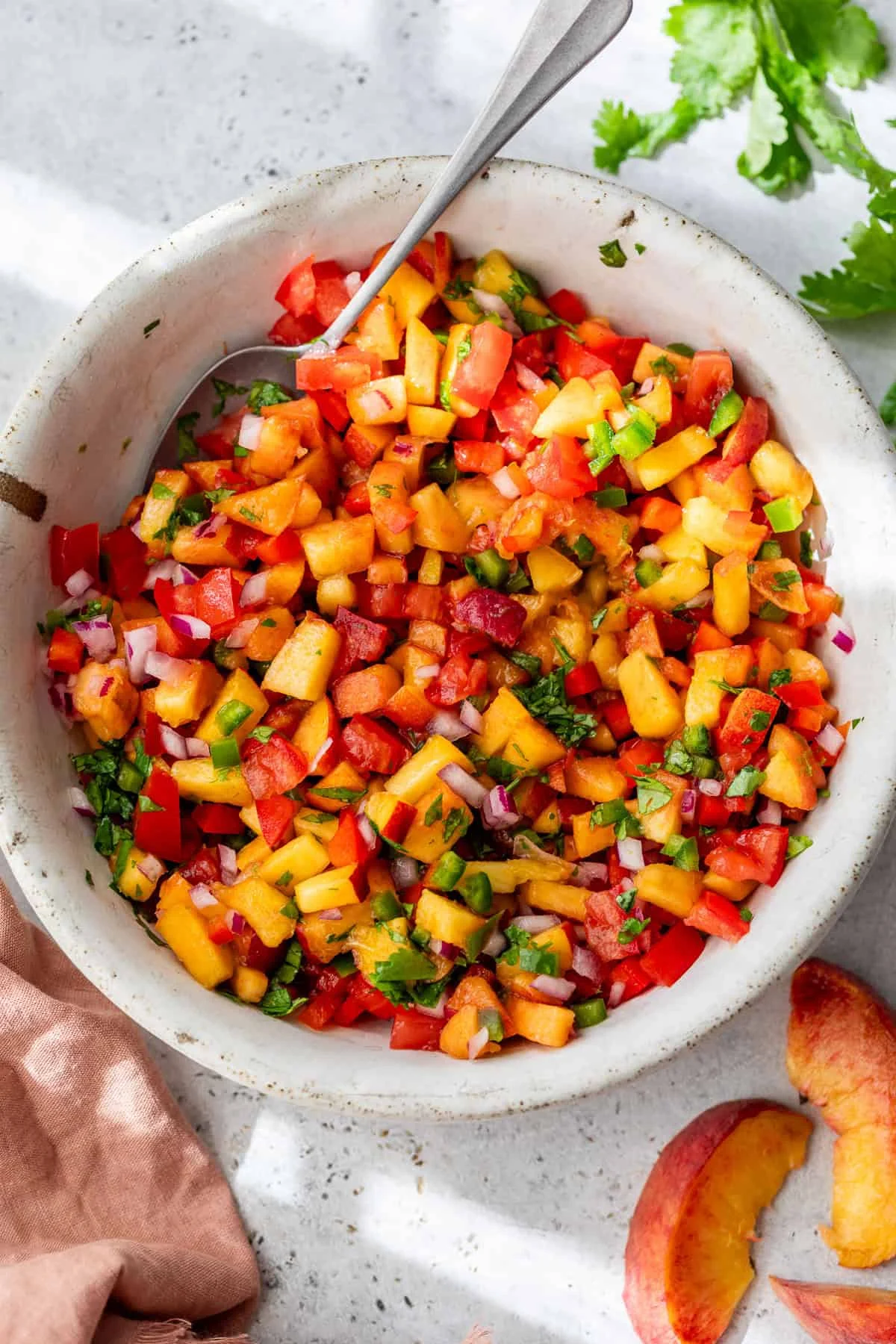
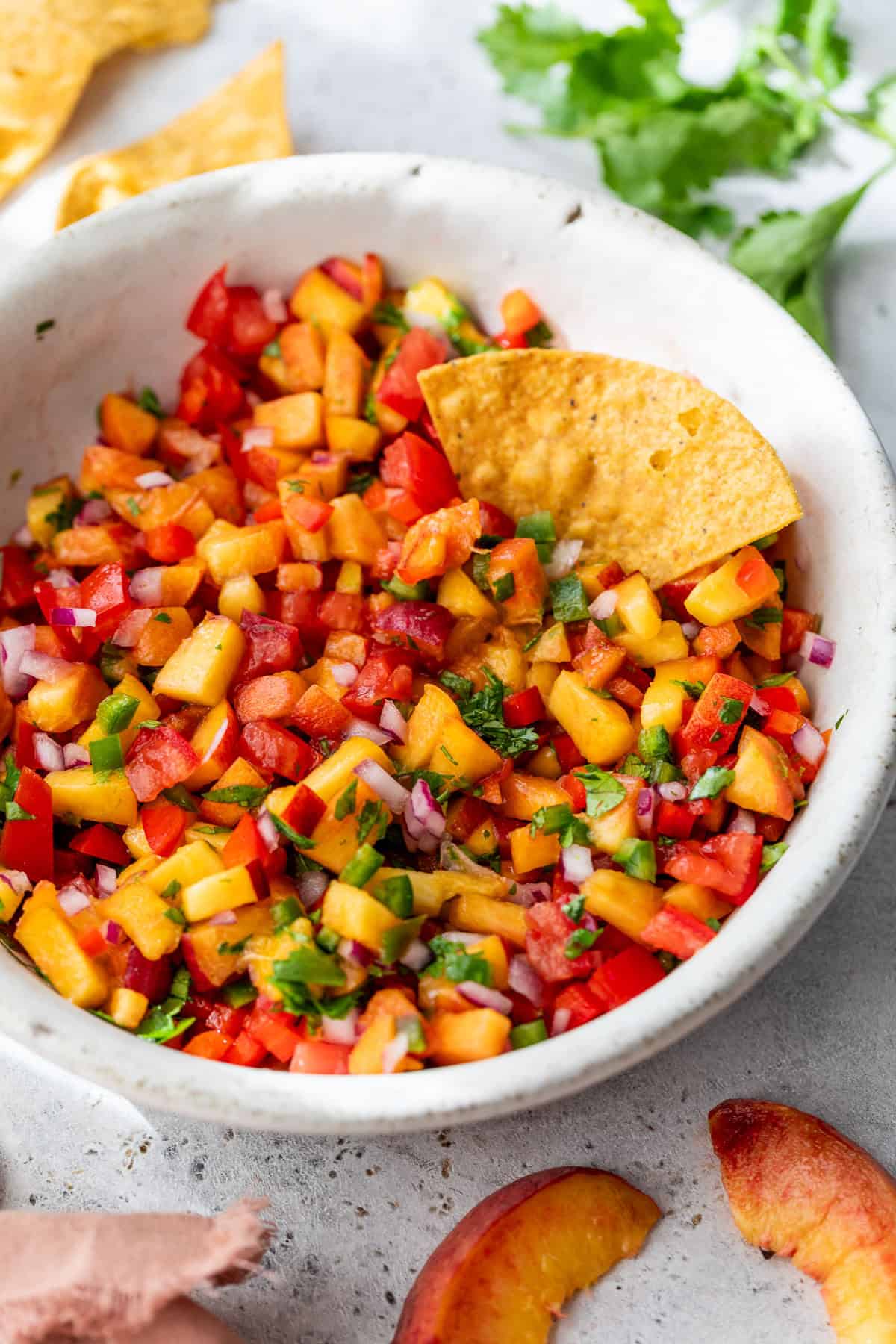
Through multiple rounds of kitchen testing, the ingredient matrix was carefully refined to achieve harmony among contrasting elements:
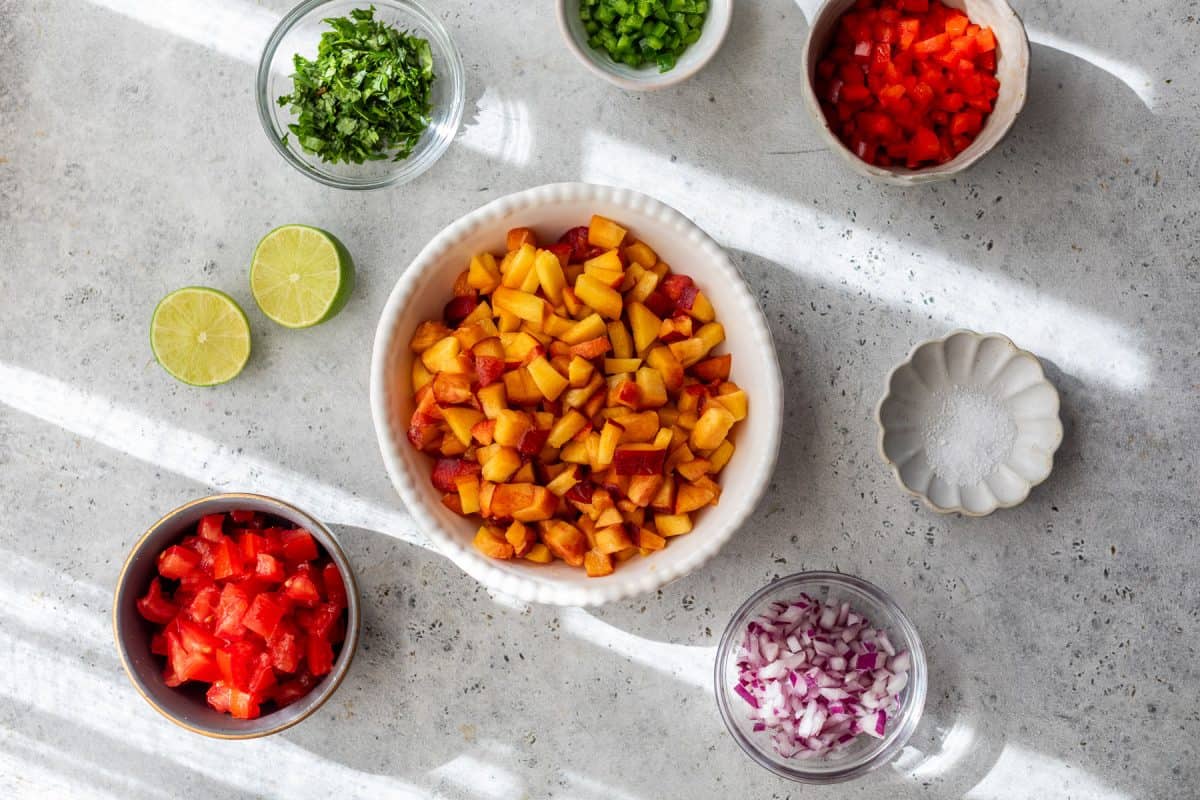
- The Sweetness: Freshly diced, perfectly ripe peaches provide the foundational fruit flavor.
- The Acidity: A ripe, in-season tomato introduces a subtle, traditional salsa acidity that cuts through the fruit’s natural sugars. (Note: Testing notes emphasize that the tomato is entirely optional, entirely dependent on the quality of in-season produce available).
- The Crunch: Finely diced bell pepper introduces a necessary structural integrity, ensuring the salsa maintains a satisfying bite.
- The Heat: Minced jalapeño delivers a controlled, warming kick without overwhelming the palate.
- The Brightness: Fresh lime juice and herbaceous cilantro tie the entire mixture together, adding a zesty finish that unifies the sweet and savory components.
Phase Three: Finalizing the Method
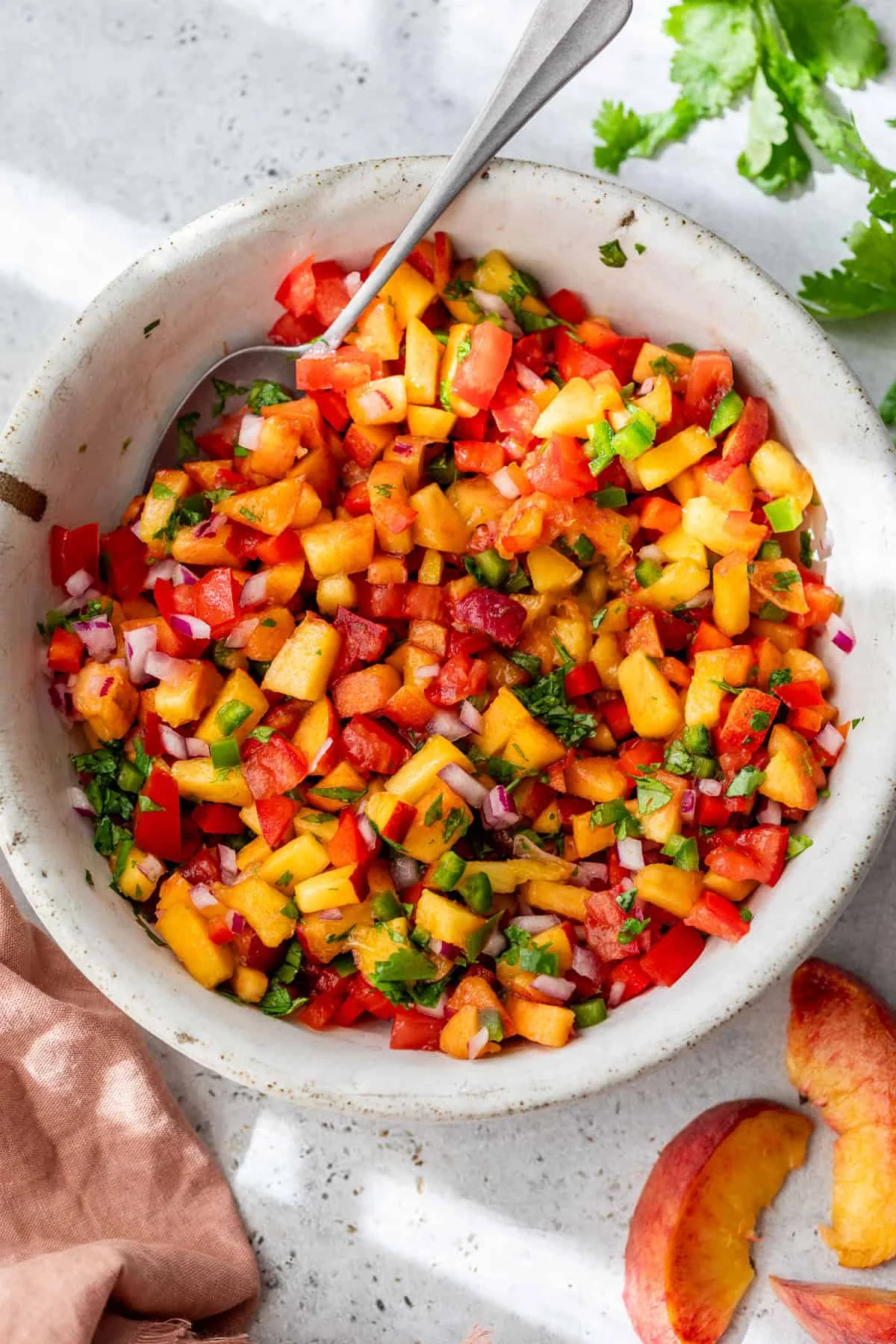
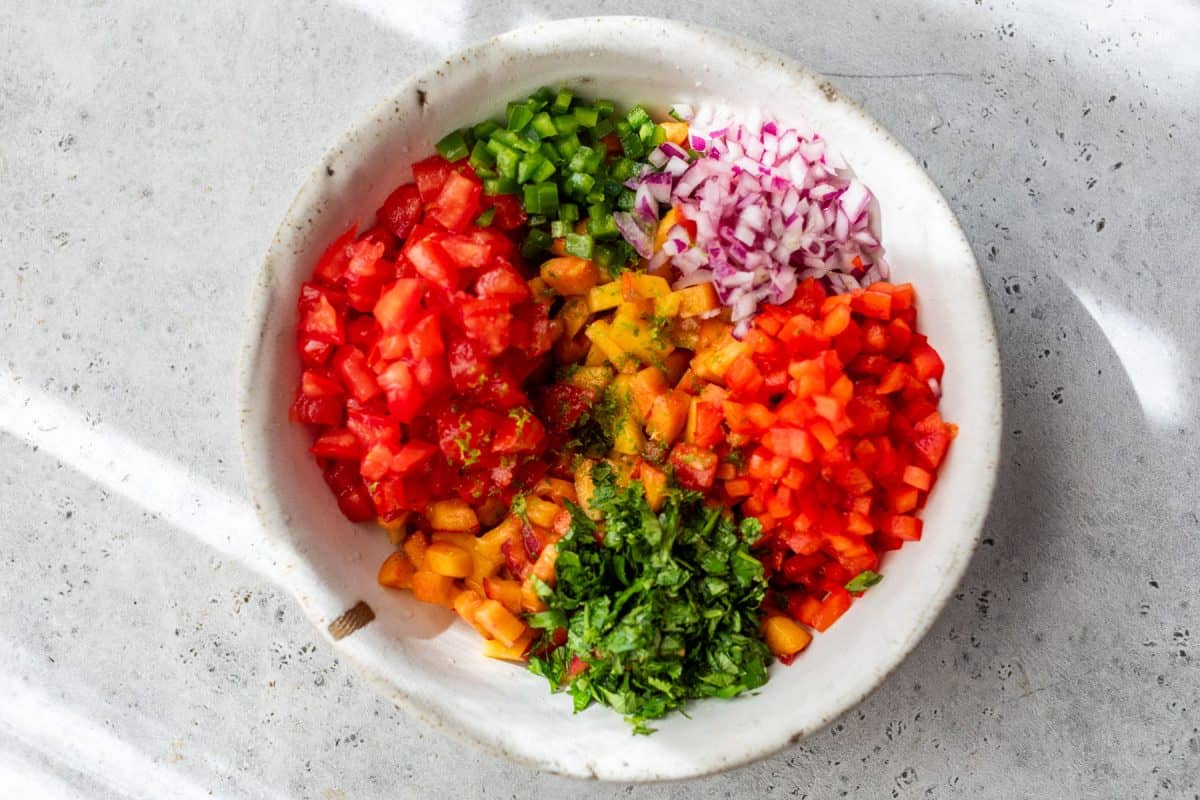
The final development phase focused on execution. To guarantee that every single scoop delivers a balanced bite, Clarke established strict prep guidelines centered on uniformity. By dicing the peaches, bell peppers, tomatoes, and red onions to roughly the exact same dimensions, the structural integrity of the dish is preserved. Furthermore, a gentle folding technique prevents the delicate peaches from bruising or breaking down, while a mandatory 30-minute refrigeration period allows the flavors to meld cohesively before serving.

Supporting Data and Nutritional Profile
For health-conscious food enthusiasts, this fresh peach salsa offers a remarkably nutrient-dense profile without sacrificing flavor. Because it relies heavily on raw, unprocessed summer produce, the dish is exceptionally light, naturally low in fat, and packed with essential vitamins and minerals.
Comprehensive Nutritional Breakdown (Per Serving, Based on a 6-Serving Yield)
- Calories: 54 kcal
- Total Carbohydrates: 13 g
- Dietary Fiber: 2 g
- Sugars: 9 g (naturally occurring from fruit)
- Protein: 1 g
- Total Fat: 0.4 g
- Saturated Fat: 0.04 g
- Polyunsaturated Fat: 0.1 g
- Monounsaturated Fat: 0.1 g
- Sodium: 110 mg
- Potassium: 210 mg
- Vitamins & Minerals:
- Vitamin A: 826 IU (driven by vibrant peaches and bell peppers)
- Vitamin C: 27 mg (supplied by fresh lime juice and jalapeños)
- Calcium: 9 mg
- Iron: 0.5 mg
Storage and Shelf-Life Data
Due to the high water content of fresh produce and the delicate nature of ripe stone fruit, structural degradation occurs rapidly if the salsa is stored improperly. Food safety and culinary guidelines for this recipe recommend:
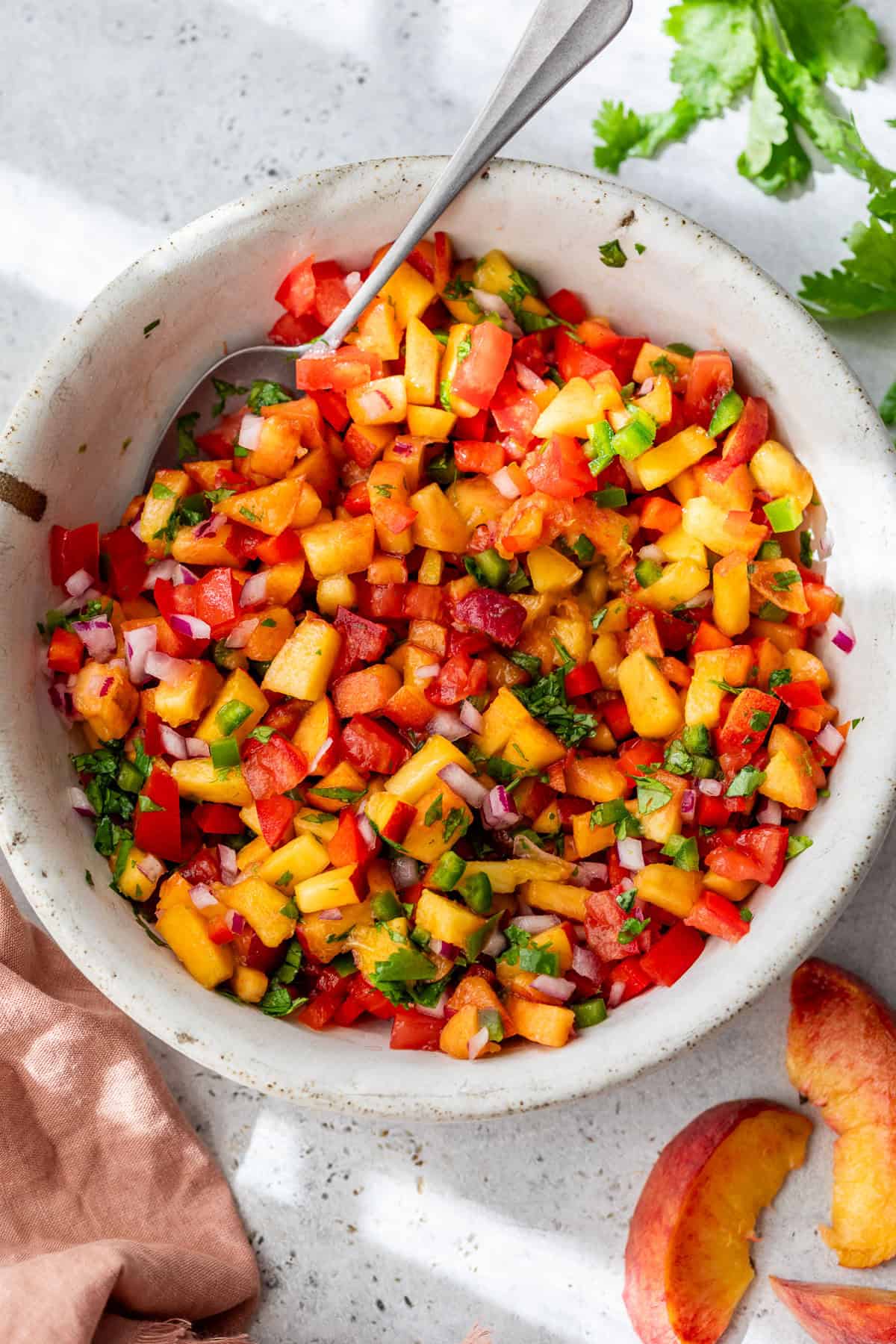
- Active Window: Best consumed within the first few hours of preparation after chilling.
- Maximum Refrigeration: Leftovers must be stored in a tightly sealed airtight container and consumed within 2 days. Freezing is strongly discouraged, as thawing fresh stone fruit destroys its cellular structure, resulting in a watery, unappealing texture.
Culinary Insights and Expert Perspectives
As the culinary world continues to embrace high-acid, fruit-forward savory dishes, creators like Erin Clarke have become leading voices in modern home cooking. With a platform dedicated to helping millions of home cooks prepare accessible, health-conscious meals without sacrificing flavor—backed by the sale of over 200,000 cookbooks—Clarke’s approach emphasizes efficiency, smart kitchen techniques, and seasonality.
"While I get excited for tomatoes and other summer produce, it’s peaches that really make my heart skip a beat," Clarke shares, reflecting on her inspiration for the recipe. While peaches shine brilliantly in classic baked goods like peach cobblers or simple baked desserts, the sheer volume of available summer fruit demands versatile, savory applications.
Culinary experts point out that fruit-based salsas utilize the fundamental principles of food science—specifically the interaction between acid (lime), salt, capsaicin (jalapeño), and natural sugars (peaches)—to trick the palate into experiencing a complex flavor spectrum. By pairing the natural sweetness of stone fruit with the pungent bite of red onion and the herbaceous notes of cilantro, home cooks can elevate simple weeknight proteins like grilled chicken breasts or pan-seared fish into restaurant-quality meals with minimal effort.
Implications for Seasonal Eating and Home Cooking Trends
The viral popularity of fresh peach salsa speaks to broader shifts in contemporary consumer behavior and home cooking trends. As grocery shoppers increasingly seek out locally sourced, seasonal produce, recipes that utilize perishable items efficiently are experiencing a surge in demand.
1. Minimizing Food Waste Through Versatility
Perishable stone fruits have a notoriously short shelf life, transitioning rapidly from rock-hard to overripe within a matter of days. Recipes like this provide an immediate, high-yield solution for home cooks who find themselves with an abundance of ripe peaches from a farmers market or orchard trip. By incorporating slightly bruised or softening peaches into a finely diced salsa, cooks can salvage produce that might otherwise go to waste, maximizing household efficiency.
2. Elevating Weeknight Dinners with Minimal Friction
Modern consumers face constant time constraints, making quick assembly meals increasingly attractive. This peach salsa requires zero cooking, utilizing raw, vibrant ingredients that can be chopped and combined in under fifteen minutes. The low barrier to entry—combined with a high visual and sensory payoff—empowers novice cooks to experiment with flavor profiling (balancing sweet, spicy, and acidic elements) without the intimidation factor of complex culinary techniques.
3. The Renaissance of Fruit in Savory Applications
The traditional boundaries separating sweet and savory ingredients continue to blur. From hot honey drizzles to mango-habanero glazes and peach salsas, consumer palates have evolved to embrace complex, contrasting flavor notes. This shift not only diversifies home cooking but also encourages a deeper appreciation for agricultural seasonality, reminding consumers of the unique sensory experiences tied to specific times of the year.
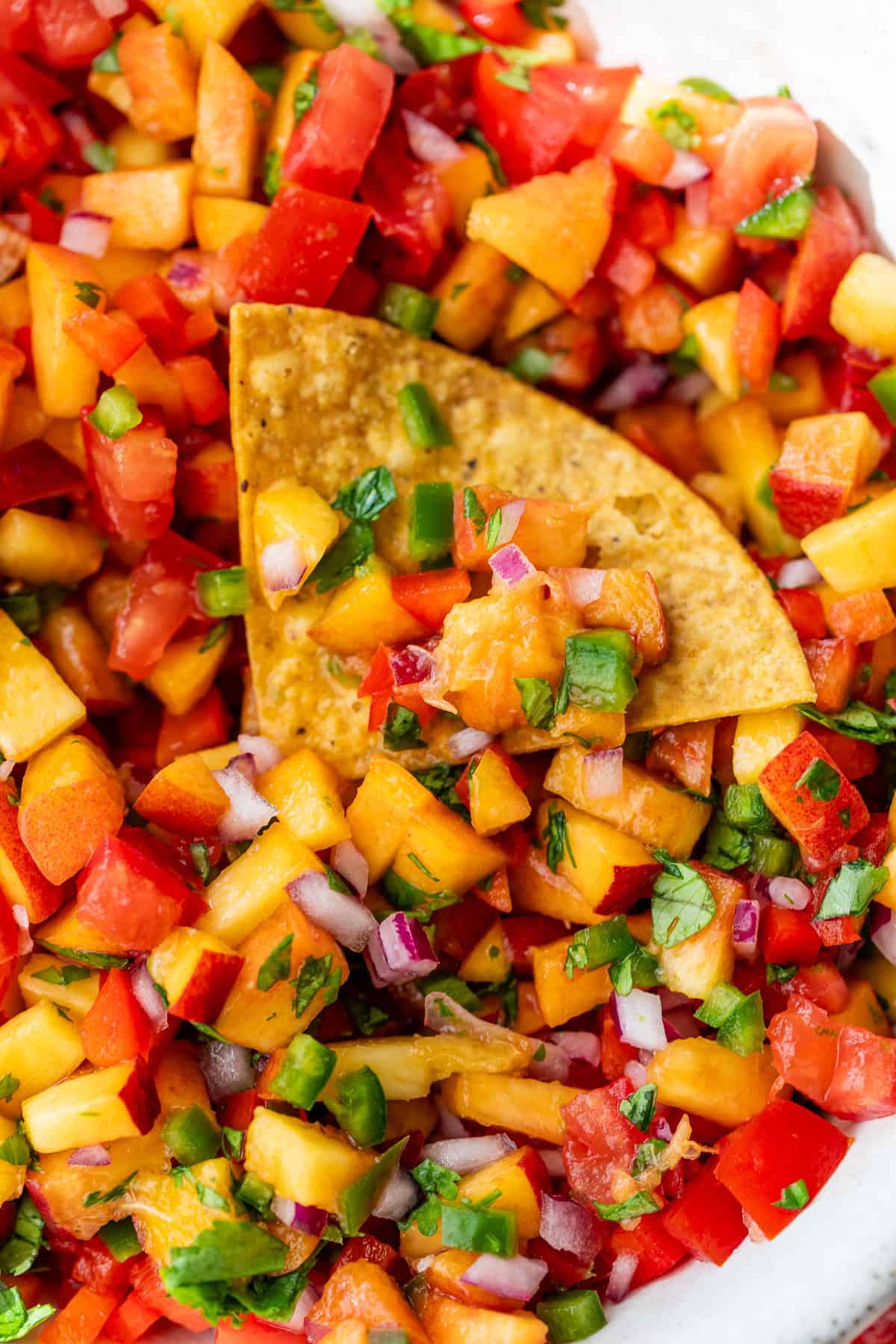
Ultimately, whether served over a bed of crispy fish tacos, spooned generously over smoky grilled chicken, or simply scooped up with a handful of salted tortilla chips at a summer cookout, this fresh peach salsa stands as a testament to the power of thoughtful ingredient balancing. By treating peak-season fruit with the culinary respect it deserves, home cooks can transform simple pantry and produce staples into an unforgettable seasonal delicacy.