GAINESVILLE, FL — For generations, the holy grail of Mexican street food—authentic, slow-cooked pork carnitas—came with a heavy culinary tax. Traditional methods required submerging cuts of pork shoulder in vats of bubbling lard for hours. While this arduous technique successfully locked in moisture, yielding succulent meat with crispy edges, it proved cumbersome, expensive, and largely unsustainable for home cooks operating in standard modern kitchens.
Today, culinary innovators are redefining this classic comfort food. By swapping vats of rendered animal fat for a simple, scientifically optimized one-hour saltwater brine, home chefs can achieve the same rich, velvety interior texture and deeply savory flavor profile without the logistical nightmare of handling gallons of boiling lard.
Main Facts: Deconstructing the Science of Modern Carnitas
At its core, the transformation of pork carnitas relies on a delicate balance of protein structure, moisture retention, and Maillard reaction crisping. Traditional recipes utilized lard not just for flavor, but as a thermal transfer medium and barrier to moisture loss. As the pork cooked slowly over hours, water escaped the muscle fibers, leaving leaner sections dry and stringy unless compensated for by the surrounding fat.
The modern approach introduces a proactive step: the pre-cook brine.
- The Cut: 2 to 2.5 pounds of pork shoulder (pork butt), cut uniformly into 2-inch chunks.
- The Brine: A simple solution of 2 quarts of cold water and ½ cup of kosher or sea salt (which lacks additives that can impart off-flavors).
- The Time: Just 60 minutes submerged in the refrigerator.
- The Flavor Profile: Enhanced through a dry rub of Mexican oregano, ground cumin, a touch of optional chipotle powder, freshly cracked black pepper, kosher salt, and olive oil, combined with aromatics like fresh orange, onion, jalapeno, and garlic cloves during the low-and-slow roast.
Food science dictates that submerging meat in a saline solution initiates a process of osmosis and protein denaturation. Salt molecules break down some of the muscle proteins (specifically myosin), allowing the meat cells to trap and hold water molecules more effectively. When exposed to heat, these tighter protein matrices resist expelling all their moisture, ensuring that even leaner sections of the pork shoulder remain succulent after hours in the oven.
Chronology: Step-by-Step Culinary Execution
Mastering modern carnitas requires precision, timing, and an appreciation for the interplay between dry heat and moisture. Culinary experts outline the preparation timeline as follows:
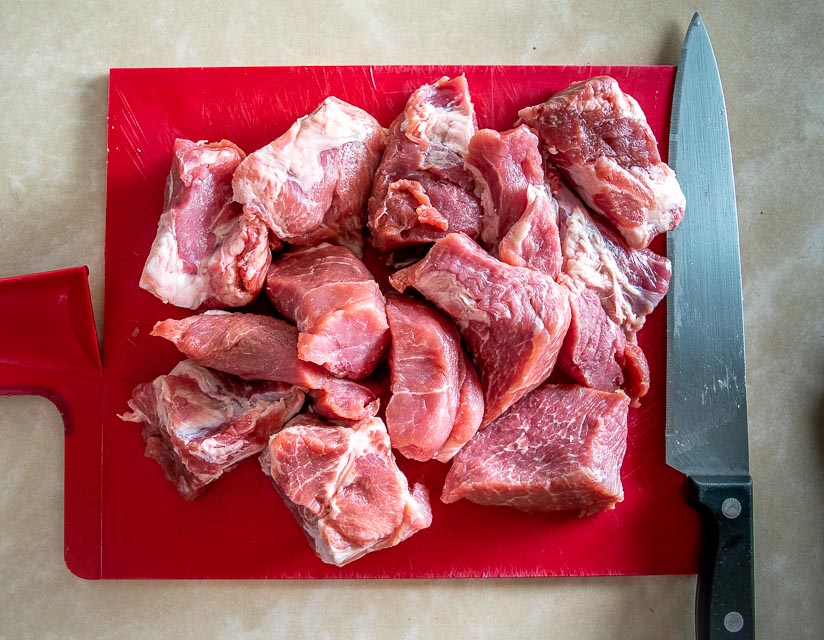
Phase 1: The Accelerated Brine
Begin by trimming and sectioning 2 to 2.5 pounds of pork shoulder into uniform 2-inch blocks. In a non-reactive bowl large enough to accommodate the meat, dissolve ½ cup of kosher or sea salt into 2 quarts of cold water. Submerge the pork chunks, ensuring complete coverage—add a splash more water if necessary. Cover the vessel and refrigerate for precisely one hour.
Phase 2: Seasoning and Aromatics
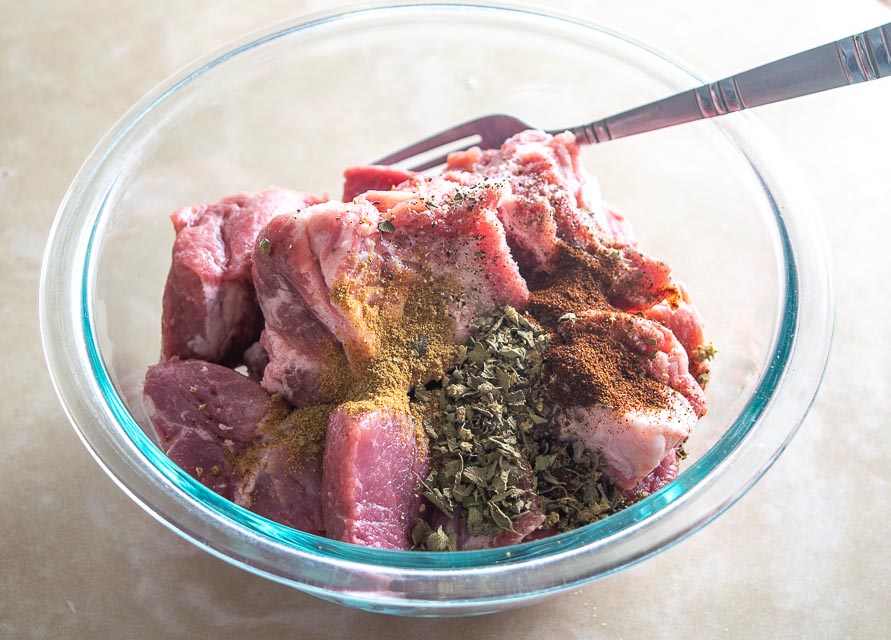
Remove the pork from the brine and pat the pieces thoroughly dry with paper towels to encourage proper browning. Transfer the dry chunks to a mixing bowl and toss with 2 teaspoons of Mexican oregano, 1 teaspoon of ground cumin, ½ teaspoon of chipotle powder (for subtle smoke), freshly cracked black pepper, 1 teaspoon of salt, and 2 to 3 tablespoons of olive oil until evenly coated.
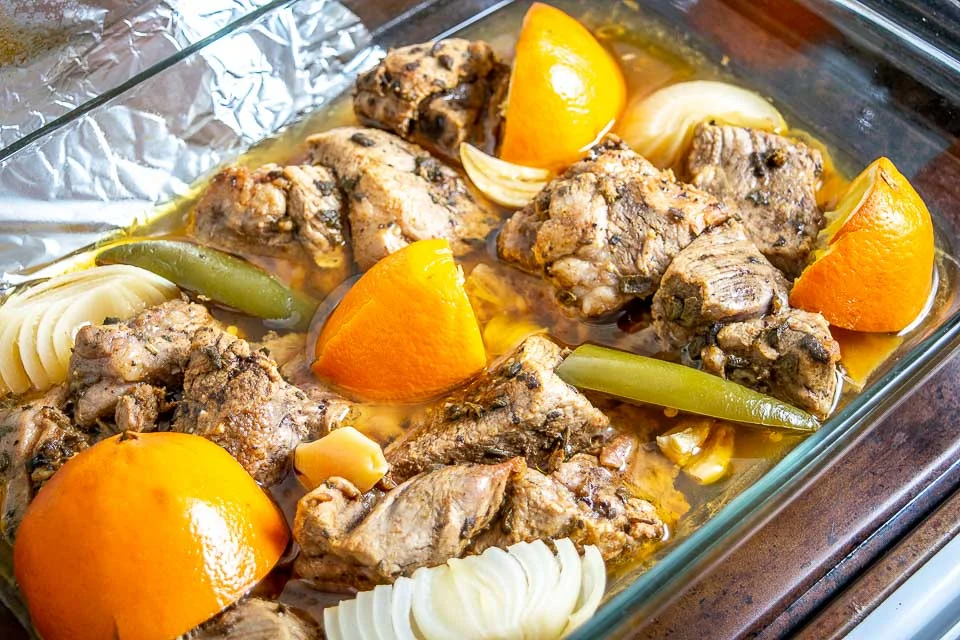
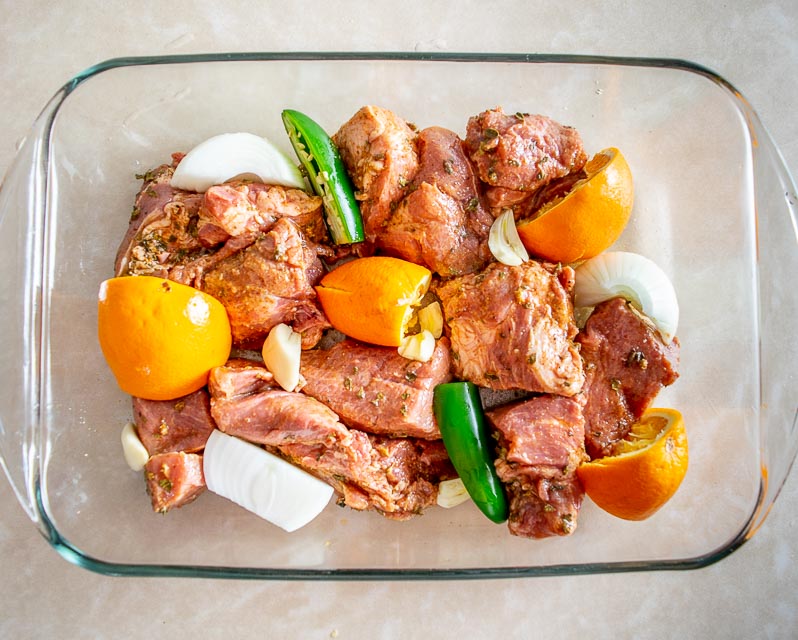
Transfer the seasoned pork to a deep casserole dish or roasting pan. Nestled among the meat should be the aromatic foundation: the juice of 1 fresh orange (with the spent rind tucked alongside the meat), half an onion, 1 fresh jalapeno, and 4 smashed garlic cloves.
Phase 3: Low-and-Slow Roasting
Seal the casserole dish tightly with heavy-duty aluminum foil to trap all internal steam and volatile aromatics. Place the pan into a preheated oven at 300°F (150°C) and allow it to roast undisturbed for approximately three hours.
The meat is finished when a fork slides into a chunk with virtually zero resistance. If the structural integrity remains firm, return the pan to the oven for an additional 30 minutes until fork-tender.
Phase 4: The Finishing Broil and "Secret Weapon" Resting Liquid
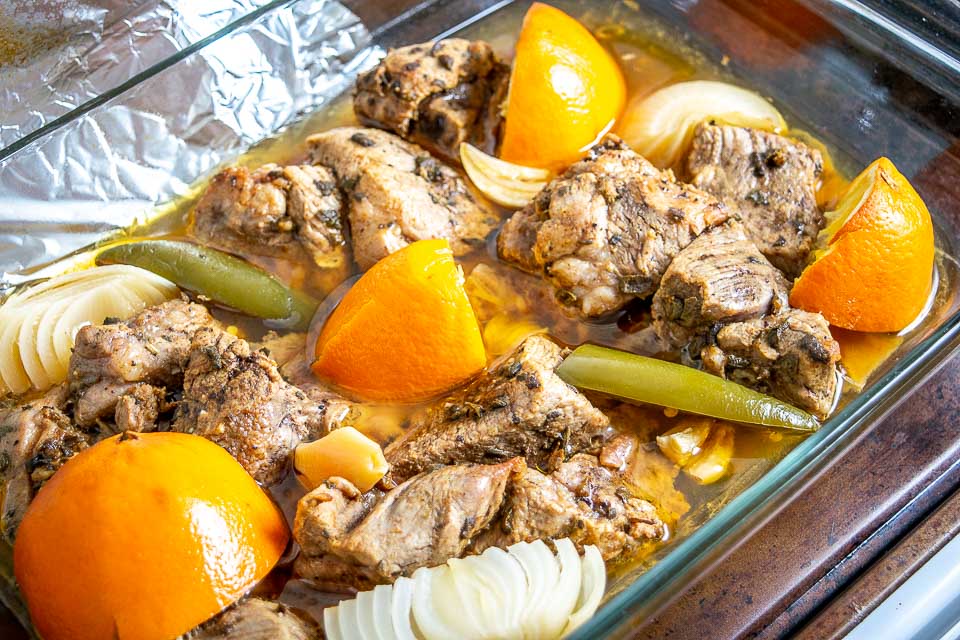
Once tender, remove the foil to reveal the meat swimming in its own rich, aromatic pan juices—often referred to by chefs as the "resting liquid." This liquid is a concentrated elixir blending sweet citrus notes, gentle heat from the jalapeno, savory pork undertones, and the deep herbal notes of cumin and oregano.
Drain the resting liquid into a separate container. As it settles, a layer of flavorful pork fat will rise to the surface. Drizzle a small amount of this reserved fat back over the pork chunks to supercharge the crisping process.
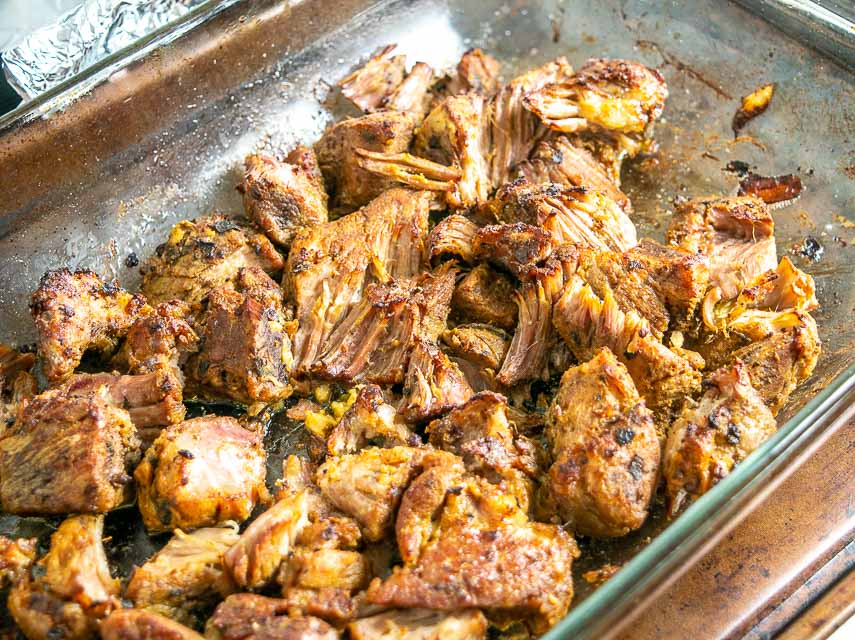
Switch the oven from bake to broil. Place the uncovered roasting pan directly under the broiler for 5 to 10 minutes. Keep a watchful eye as the edges caramelize and crisp up into the classic semi-crunchy texture characteristic of top-tier carnitas. For those who prefer a shredded presentation, use two forks to pull the meat apart before or after broiling.
Supporting Data: Why Brining Outperforms Traditional Shortcuts
Skeptics often question whether a one-hour brine can genuinely compete with traditional multi-hour lard simmering or overnight brining techniques. Culinary data and kitchen tests provide a definitive affirmative.
| Brining Method | Time Investment | Moisture Retention | Flavor Penetration | Fat Management |
|---|---|---|---|---|
| Traditional Lard Vat | 4–6 Hours | High | Moderate | Extremely High (Cumbersome cleanup) |
| Standard 24-hr Brine | 24+ Hours | Very High | High | Moderate |
| Optimized 1-hr Brine (2" Chunks) | 1 Hour | High | High | Low (Clean, streamlined) |
Cutting the pork shoulder into 2-inch cubes dramatically increases the surface-area-to-volume ratio, allowing the saline solution to penetrate the exterior layers of the meat exponentially faster than it would an intact, multi-pound roast.
Furthermore, if time constraints ever force a cook to skip the brining process entirely—resulting in drier, less seasoned lean patches—the resting liquid serves as an emergency rescue tool. Shredding the dry meat and tossing it back into the warm, spiced resting liquid rehydrates the protein fibers instantly, salvaging the dish without compromising its integrity.
Official Responses and Culinary Perspectives
Professional chefs and food historians have increasingly embraced streamlined adaptations of traditional Mexican comfort foods, provided the foundational flavor profiles remain intact.
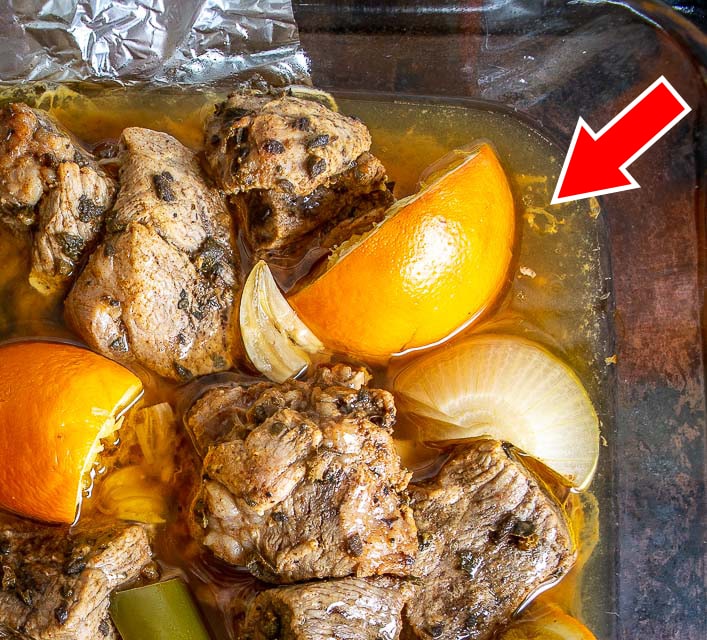
"The soul of carnitas isn’t the medium of fat; it’s the alchemy of pork, citrus, and aromatic spices cooked down until tender and then crisped to contrast textures," notes food historian and recipe developer perspectives. "By introducing a quick brine, home cooks neutralize the primary risk of oven-roasting pork shoulder—dryness—without requiring industrial quantities of lard that modern consumers simply do not want to store or dispose of."
Culinary instructors also emphasize the versatility of the finished product. While traditional presentation calls for soft corn tortillas topped with fresh salsa, diced raw onion, and cilantro, the neutral yet deeply savory base of properly brined carnitas lends itself equally well to burritos, grain bowls, taquitos, and hearty broths.
Implications: Elevating Weeknight and Weekend Dining
The democratization of authentic carnitas through simplified brining techniques has significant implications for home cooking culture. Gourmet Mexican cuisine, once viewed as an intimidating weekend project requiring specialized ingredients and heavy equipment, is now accessible within a standard weeknight time frame.
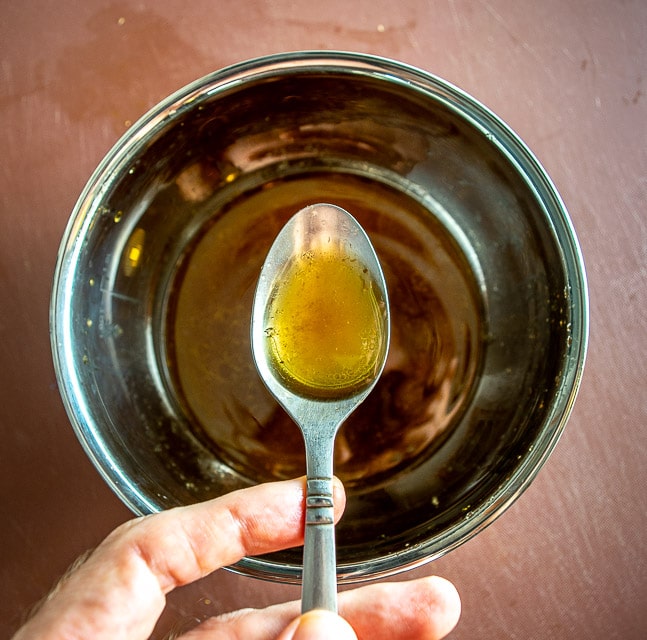
Moreover, the dual utility of the cooking components—such as utilizing the citrus-infused pan drippings as both a braising agent, a crisping fat, and a moisture-restoring sauce—exemplifies zero-waste kitchen efficiency.
As food enthusiasts continue to experiment with fusion bowls, street-taco pop-ups, and elevated home dining experiences, the modernized carnitas recipe stands out as a masterclass in culinary adaptation: respecting heritage flavors while embracing modern efficiency. Whether served straight from the roasting pan with a fork or piled high onto a dry-toasted corn tortilla alongside a sharp, serrano-infused Salsa Verde, these carnitas prove that great food is less about adhering to cumbersome traditions and more about understanding the science of flavor.