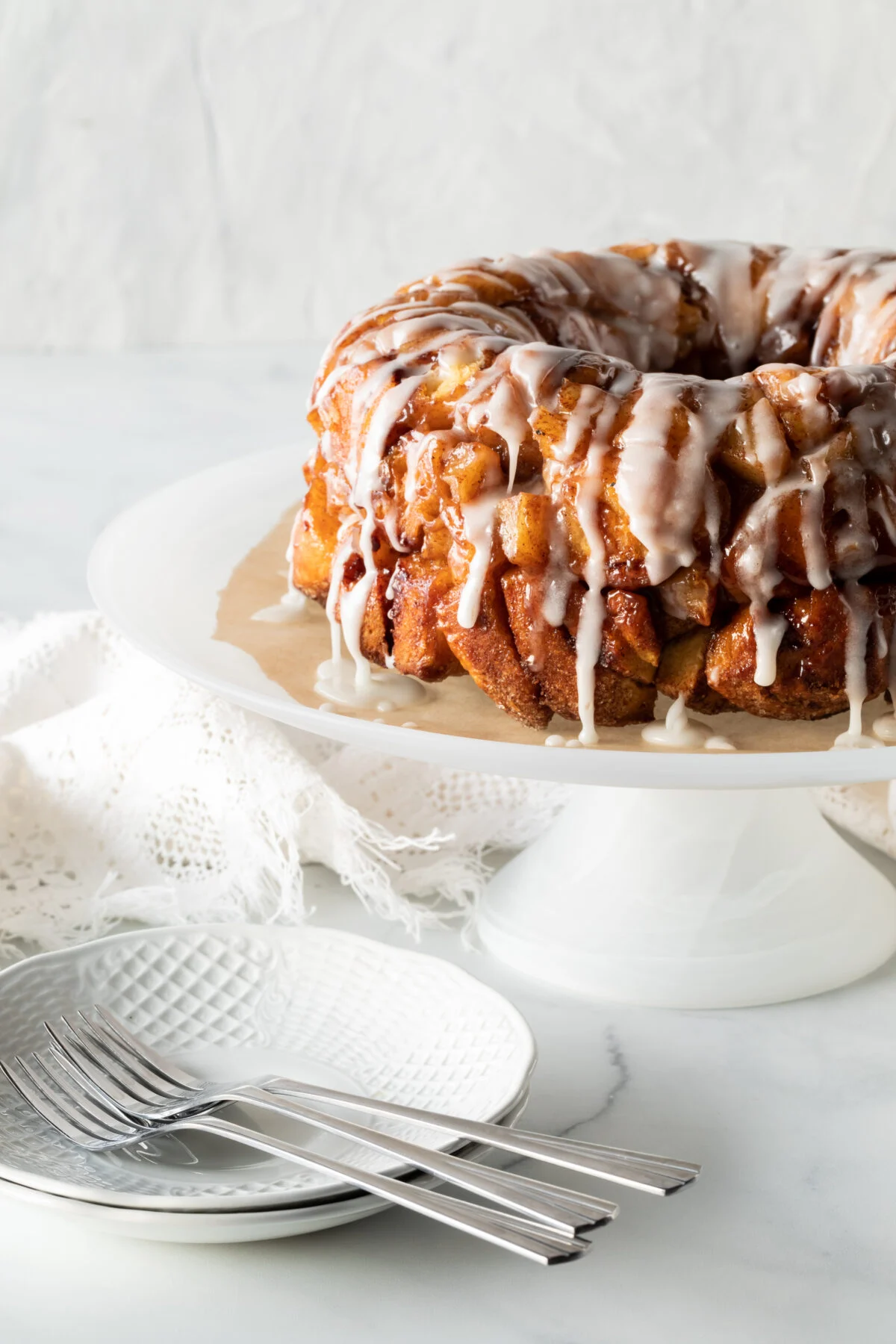
In the world of home baking, few creations capture the essence of comfort quite like Monkey Bread. Traditionally a simple, pull-apart dough coated in cinnamon sugar, this nostalgic treat is undergoing a seasonal evolution. By incorporating fresh, crisp apples, bakers are transforming this classic pull-apart loaf into a sophisticated, orchard-inspired centerpiece that bridges the gap between a decadent sticky bun and a rustic coffee cake. As fall approaches, this Apple Cinnamon Monkey Bread has emerged as the definitive solution for busy families seeking a high-reward, low-effort breakfast centerpiece.
The Anatomy of a Perfect Monkey Bread
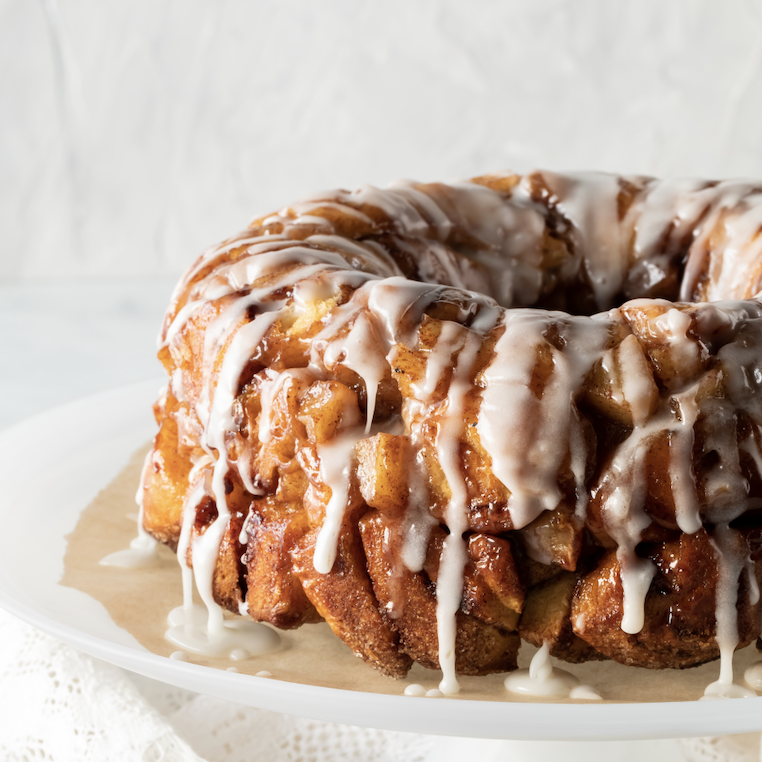
At its core, Monkey Bread is a triumph of texture. It relies on the physics of the Bundt pan—a vessel designed to distribute heat evenly through a ring of dough. When small, sugar-coated dough pieces are layered with fruit and bathed in a butter-brown sugar syrup, they undergo a transformation in the oven. The exterior of each piece caramelizes into a deep, mahogany crust, while the interior remains pillowy and soft.
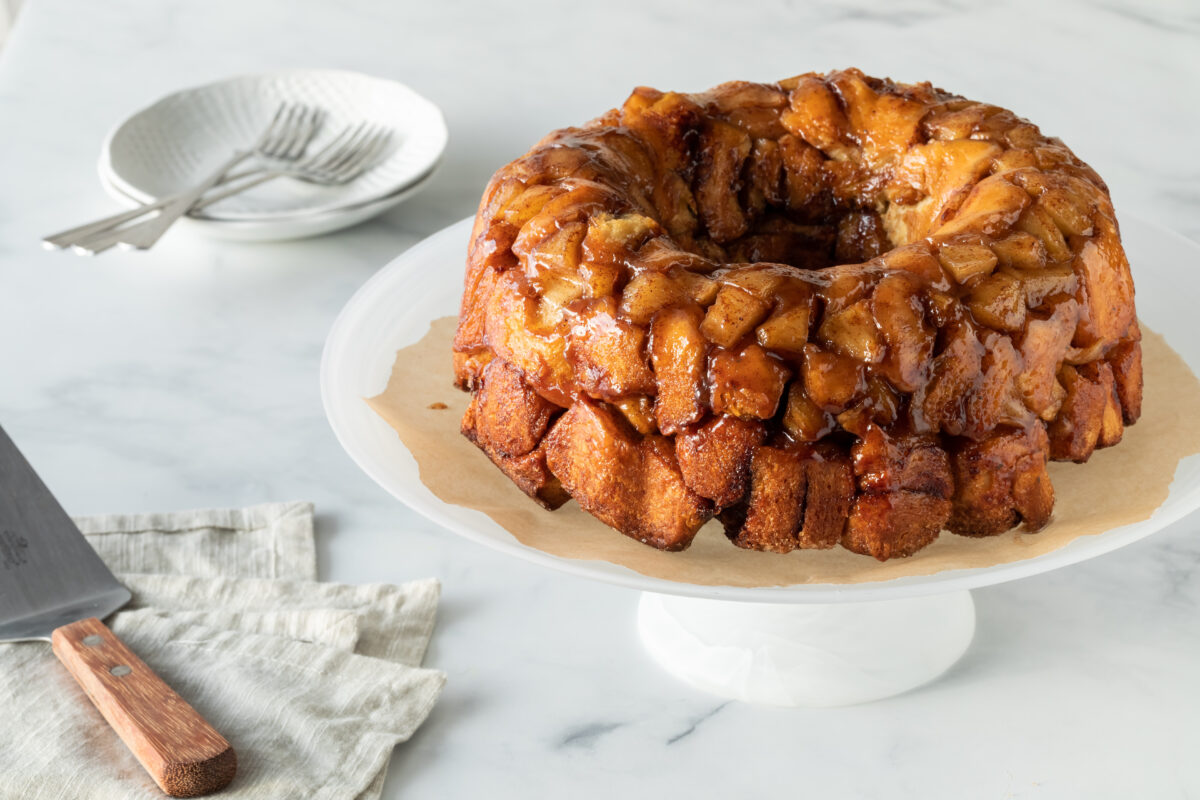
The addition of apples is more than just a flavor upgrade; it introduces a necessary acidity to balance the richness of the butter and sugar. As the bread bakes, the juices from the apples meld with the caramel, creating a nuanced sauce that clings to every crevice of the pull-apart dough.
A Chronology of the Classic Pull-Apart
While the origins of Monkey Bread (often called "sticky bread" or "bubble bread") are shrouded in mid-20th-century Americana, it became a staple of American kitchens by the 1950s. Initially, the process required labor-intensive yeast doughs that demanded hours of proofing.
In the modern era, the evolution of the recipe has shifted toward efficiency. The current iteration—utilizing high-quality, store-bought refrigerated biscuit dough—has revolutionized the preparation timeline:
- 0:00–0:10: Preparation of the station, dicing of fresh apples into uniform 1/4-inch cubes, and mixing the cinnamon-sugar dry rub.
- 0:10–0:20: The assembly phase, where dough pieces are tossed in the sugar mixture and strategically layered with fruit in a well-greased Bundt pan.
- 0:20–1:00: The baking process, where the magic of caramelization occurs at approximately 350°F.
- 1:00–1:10: The critical cooling phase, allowing the sugar-butter syrup to thicken into a stable glaze.
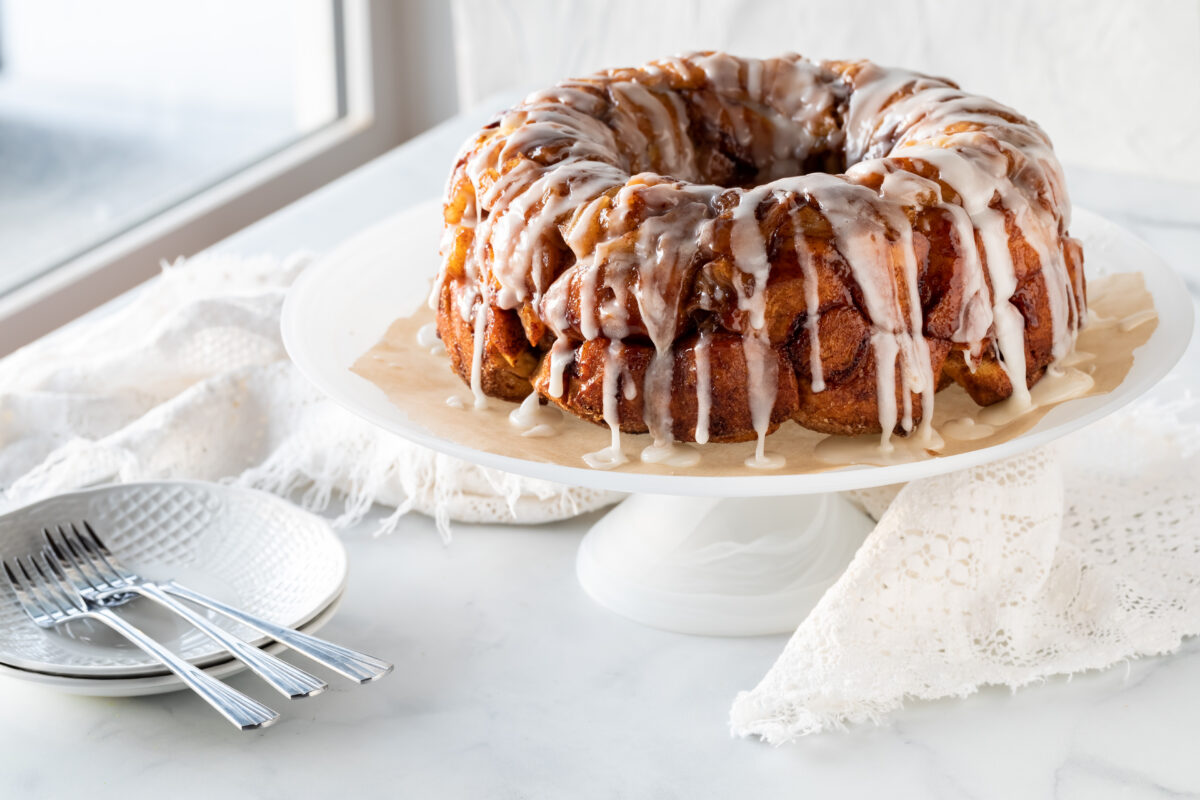
- 1:10+: The "flip" and the final aesthetic drizzle of vanilla icing, rendering the dish ready for service.
Supporting Data: Why Texture and Technique Matter
Culinary experts note that the success of this dish relies heavily on the choice of apple. Because the bread spends significant time in the oven, soft-fleshed apples like Red Delicious are discouraged, as they risk disintegrating into a paste. Instead, high-acidity, firm-fleshed varieties are recommended:
- Granny Smith: The gold standard for baking; its tart profile cuts through the sweetness of the brown sugar.
- Honeycrisp: Offers a perfect balance of sweetness and structural integrity.
- Braeburn: Known for a spicy, complex flavor that pairs exceptionally well with cinnamon.
According to food scientists, the "soggy bottom" phenomenon often reported by home bakers is almost exclusively linked to moisture management. By patting diced apples dry before adding them to the pan, bakers can ensure that the steam escaping from the fruit doesn’t interfere with the rise of the biscuit dough. Furthermore, the practice of "loose layering"—dropping dough pieces in rather than pressing them—allows for the essential circulation of hot, sugar-laden air, which is the secret to achieving that signature gooey, caramelized finish.
Culinary Insights and Professional Advice
For those looking to elevate the recipe beyond the basic preparation, culinary professionals suggest a few strategic adjustments.
The "Center-Check" Protocol:
One of the most common complaints regarding Monkey Bread is the "raw center" effect. Because the Bundt pan is deep, the outer edges often brown long before the middle has set. To mitigate this, bakers are encouraged to utilize a meat thermometer, aiming for an internal temperature of 190°F. If the top appears dark but the center remains undercooked, a loose tent of aluminum foil can be used to protect the surface while the interior completes its transition.
The Cooling Paradox:
Timing is the most critical element of the post-bake phase. If the pan is inverted too quickly, the structure of the bread may collapse. If it is left too long, the caramel sauce will seize and solidify, effectively welding the bread to the pan. A ten-minute window is the "sweet spot" for achieving a clean, impressive release.
Implications for Modern Entertaining
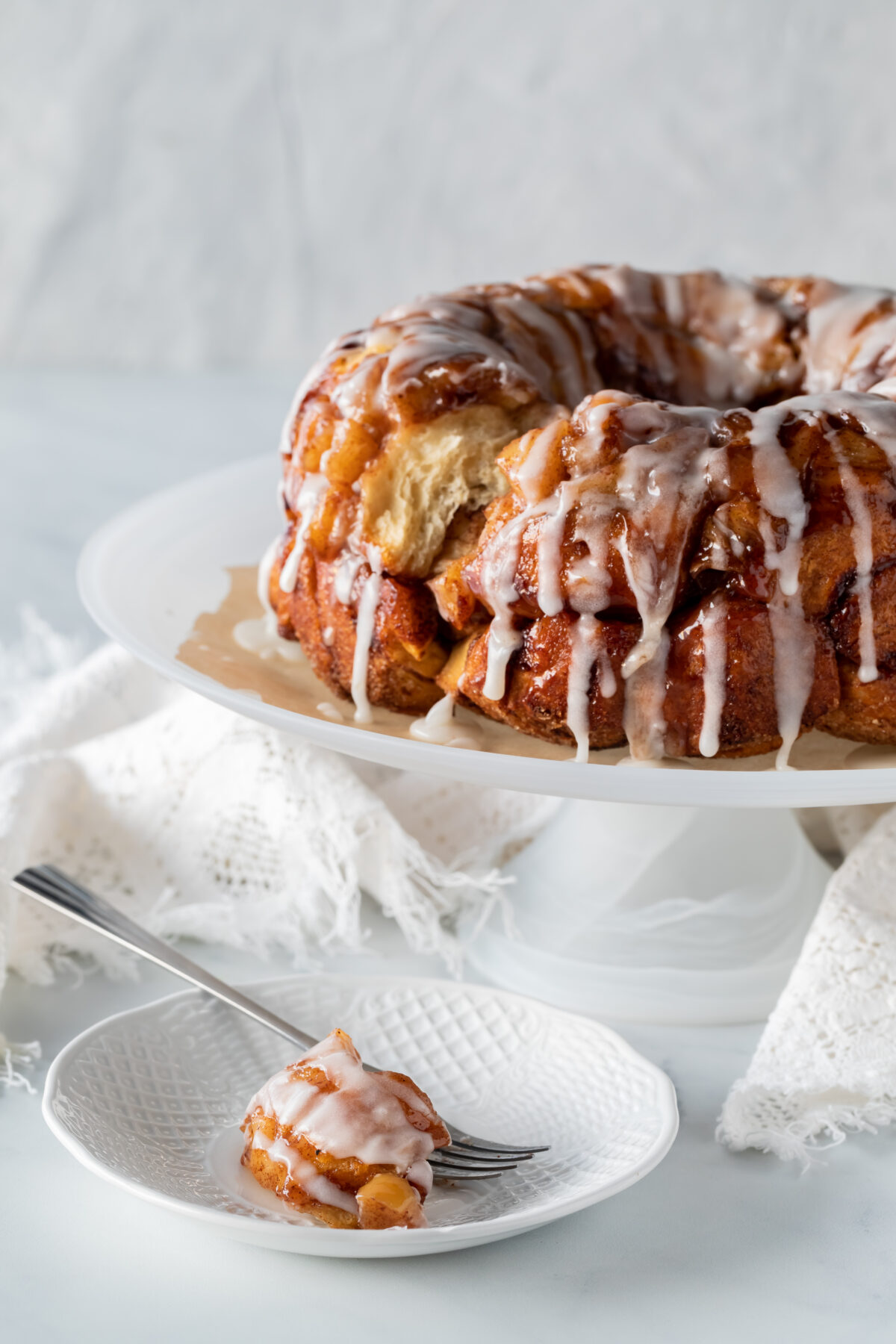
The rise of the Apple Cinnamon Monkey Bread signals a broader trend in home cooking: the desire for "communal eating." Unlike sliced cakes or individual muffins, Monkey Bread is inherently social. It requires the diner to physically pull the bread apart, fostering a casual, interactive atmosphere at the brunch table.
From a nutritional and lifestyle perspective, this dish offers a bridge between convenience and quality. By using a "base" (the biscuit dough) and "elevators" (fresh, high-fiber apples and warm spices like cinnamon), home cooks are able to provide a scratch-cooked experience in under an hour. It is a dish that respects the constraints of a busy weekend schedule while providing the sensory rewards of traditional, labor-intensive baking.
Strategic Variations for the Discerning Baker
The versatility of the recipe is perhaps its greatest asset. Depending on the occasion, the base recipe can be modified to suit various palates:
- The Nutty Crunch: Incorporating toasted pecans or walnuts between layers adds a savory, earthy profile that contrasts with the soft apples.
- The Cream Cheese Twist: Introducing small, frozen cubes of cream cheese into the center of the dough balls adds a tangy, cheesecake-like element that elevates the dish to a dessert-level treat.
- The Spice Spectrum: While cinnamon is traditional, substituting or augmenting it with apple pie spice (which includes ginger, nutmeg, and cloves) creates a more aromatic, autumnal profile.
- The Glaze Factor: A simple vanilla bean glaze is the standard, but swapping the extract for maple, or drizzling the finished product with a thick, salted caramel sauce, can transform the dish into a decadent evening dessert.
Conclusion: A Seasonal Staple
Whether it is being prepared for a festive holiday brunch or a quiet Sunday morning, the Apple Cinnamon Monkey Bread serves as a reminder that cooking does not need to be complicated to be impressive. By mastering the fundamental techniques—properly prepping the fruit, ensuring the pan is well-greased, and respecting the cooling time—the home baker can consistently produce a professional-grade centerpiece.
As we look toward the cooler months, the appeal of warm, fragrant, pull-apart bread remains timeless. It is a dish that invites family and friends to gather, pick, and share, turning a simple breakfast into an event. With its perfect balance of tart fruit, deep caramel, and tender dough, this recipe is not just a trend; it is a permanent fixture in the repertoire of the modern kitchen.