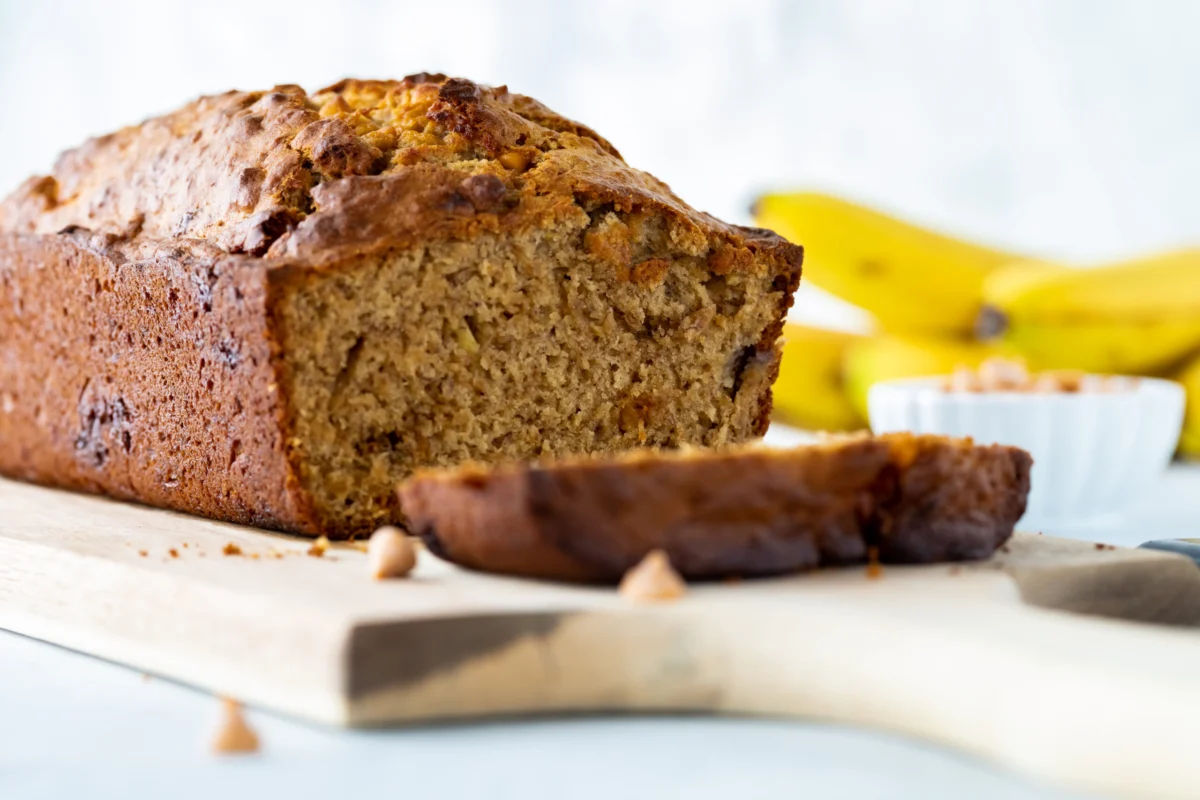
In the world of home baking, few recipes hold the iconic status of banana bread. It is the quintessential "pantry staple" solution—a reliable, comforting, and remarkably forgiving project that transforms humble, overripe fruit into a fragrant centerpiece. However, even the most beloved classics can benefit from a modern evolution. Enter the Butterscotch Banana Bread: a sophisticated yet accessible twist that introduces deep, molten caramel notes to the traditional profile. By marrying the tropical sweetness of mature bananas with the buttery, rich profile of butterscotch chips, this recipe is setting a new benchmark for what a simple quick bread can achieve.
The Evolution of a Kitchen Staple: Main Facts
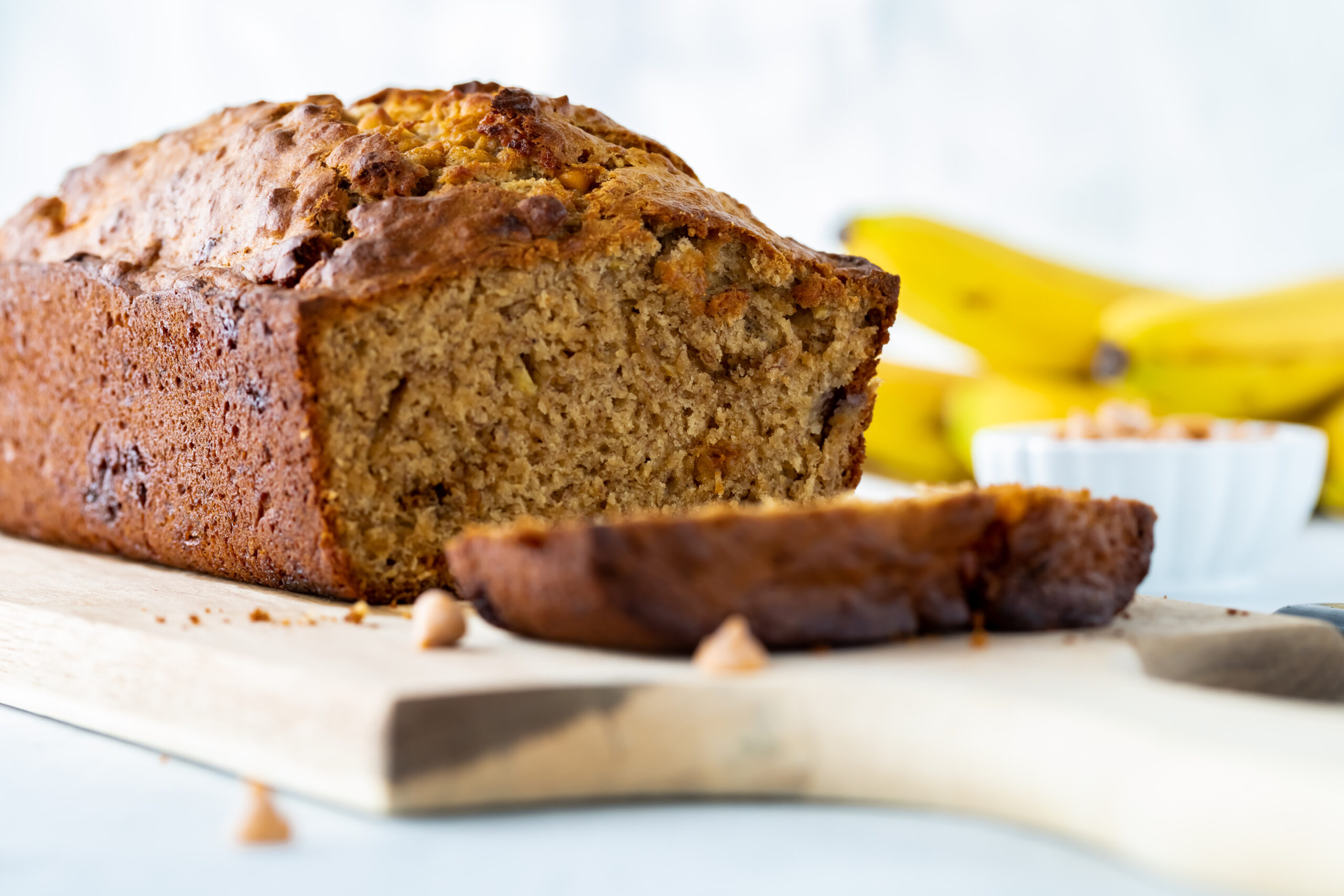
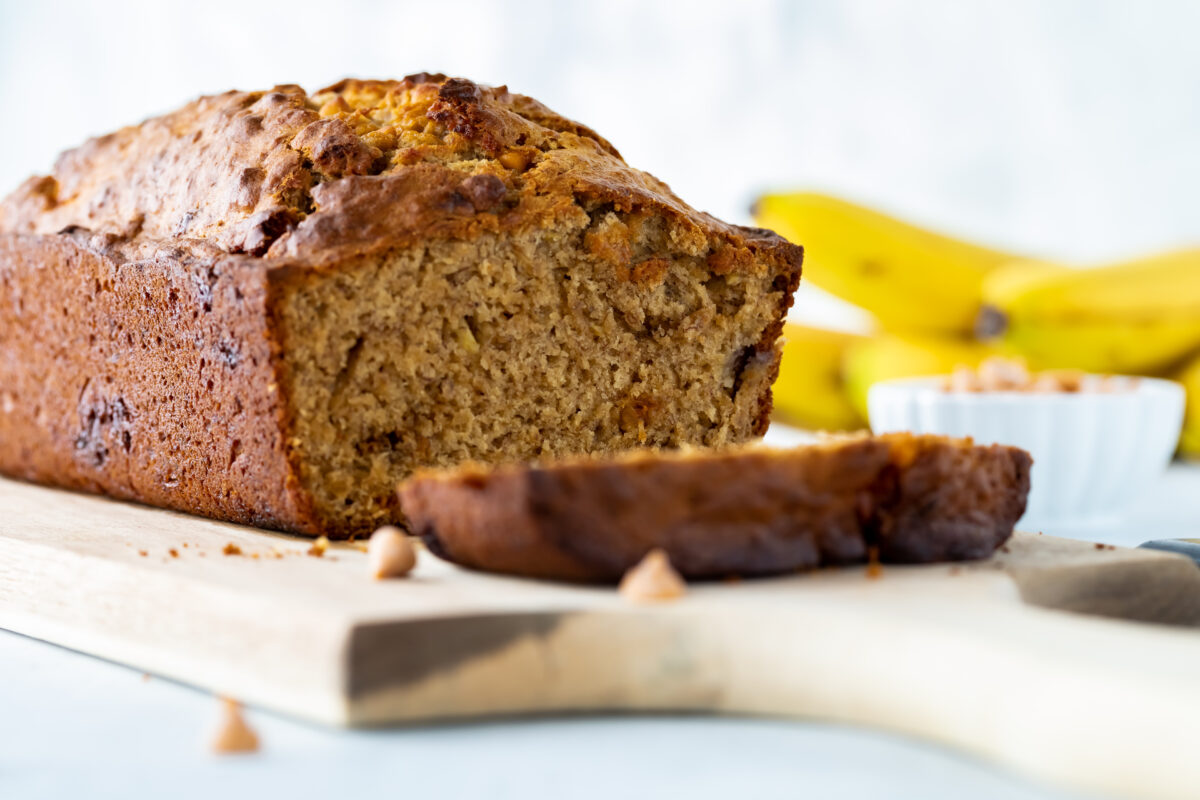
At its core, the Butterscotch Banana Bread is an exercise in textural and flavor contrast. While standard banana bread relies on the earthy sweetness of the fruit, this version amplifies the experience through the inclusion of butterscotch chips. These morsels do more than simply add sugar; they undergo a controlled melt during the baking process, creating localized pockets of viscous, golden caramel that permeate the crumb.
The chemistry behind this success is rooted in the interplay of moisture and fat. The use of high-quality, overripe bananas—characterized by significant sugar spots—provides the foundational moisture and fructose necessary for a tender loaf. When paired with Greek yogurt or sour cream, the batter achieves a velvety consistency that resists the dryness often associated with homemade breads. This is not merely a recipe; it is a masterclass in utilizing pantry staples to create a bakery-quality product without the need for specialized equipment.
A Chronology of the Perfect Bake
Understanding the timeline of this recipe is essential for those aiming for the perfect slice. The process begins long before the oven is preheated.
1. The Ripening Phase (Days 1–5)
The journey starts with the bananas. The ideal state for baking is reached when the peel is heavily speckled with brown or black spots. During this stage, the starches within the fruit have successfully converted into natural sugars, and the cell walls have broken down, releasing the moisture required for a tender loaf. If the fruit is not quite there, the "Paper Bag Method" acts as a catalyst; by sealing the bananas in a paper bag with an apple or an existing ripe banana, ethylene gas is trapped, accelerating the maturation process.
2. The Preparation (T-Minus 20 Minutes)
Precision in the kitchen is the difference between a dense loaf and a light, airy crumb. The "Spoon and Level" method for measuring flour remains the gold standard. By spooning flour into a measuring cup rather than packing it down, bakers avoid the common pitfall of over-flouring, which inevitably leads to a dry, crumbly texture.
3. The Mixing Technique (The "Gently Fold" Rule)
Once the wet and dry ingredients meet, the clock starts on gluten development. To ensure a tender loaf, the baker must exercise restraint. The batter should be folded until just combined—a visual check where no dry streaks remain. Overmixing at this stage activates the gluten strands, turning a delicate bread into a tough, rubbery loaf that lacks the desired melt-in-the-mouth quality.
4. The Bake and Cool (55–65 Minutes)
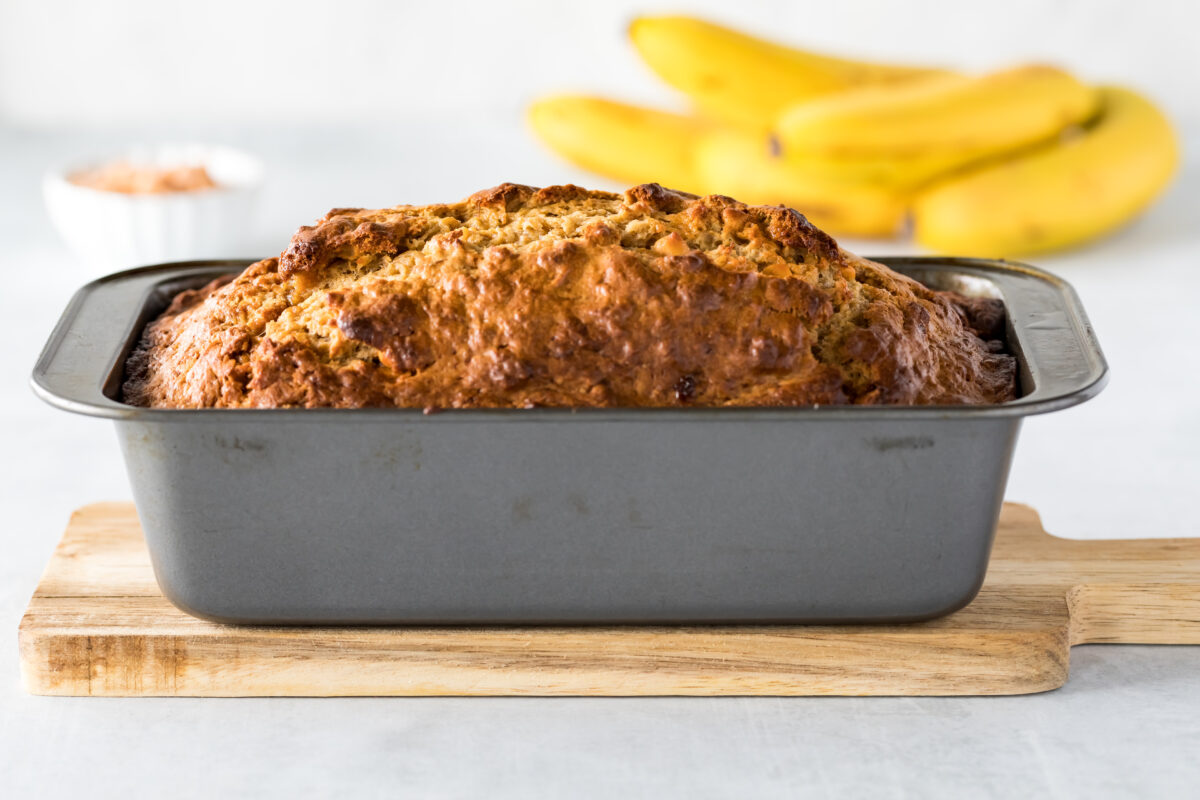
The baking duration is a guideline, not a guarantee. Because every oven varies, the "toothpick test" serves as the final authority. A clean extraction—or one with a few moist, cooked crumbs—indicates success. The final, often overlooked, step is the resting period. Allowing the bread to cool for at least 30 minutes is not optional; it is a structural requirement. During this time, the crumb sets, ensuring that the loaf can be sliced cleanly without falling apart.
Supporting Data: Why Texture Matters
The popularity of this specific recipe variant is supported by the sensory science of baking. Butterscotch, composed primarily of brown sugar and butter, has a melting point that aligns perfectly with the internal temperature of a baking loaf. Unlike chocolate chips, which can become grainy or bitter if overbaked, butterscotch chips maintain a distinctively creamy mouthfeel.
Furthermore, the addition of acidic elements—specifically Greek yogurt or sour cream—serves a dual purpose. Beyond providing moisture, the acidity reacts with the baking soda, creating carbon dioxide bubbles that lift the batter. This results in a superior rise and a more open, airy structure. When compared to recipes utilizing only oil or milk, those incorporating fermented dairy products consistently demonstrate a more tender "crumb structure," which is the primary metric by which home bakers evaluate their success.
Expert Perspectives and Culinary Implications
Food scientists and professional pastry chefs alike often point to "The Banana Bread Effect" as a psychological cornerstone of domestic life. The scent of browning bananas and caramelized sugar is widely recognized for its "home-scent" qualities, providing a sensory experience that links baking to feelings of comfort and nostalgia.
From an industry perspective, the rise of "gourmet quick breads" suggests a shift in consumer habits. Home bakers are no longer satisfied with the basic, utilitarian loaves of the past. They are increasingly looking for ways to infuse luxury into everyday items. By introducing flavor-dense ingredients like butterscotch chips, walnuts, or even a swirl of nut butter, the humble banana bread is elevated from a breakfast afterthought to a sought-after dessert or afternoon treat.
The Versatility of the Loaf: Variations and Customization
The true strength of the Butterscotch Banana Bread lies in its versatility. It serves as a blank canvas for customization, allowing for individual expression in the kitchen:
- The Textural Upgrade: Adding 1/2 cup of toasted pecans or walnuts provides a necessary crunch that balances the softness of the banana and the silkiness of the butterscotch.
- The Warmth Factor: Increasing the cinnamon content to a full teaspoon introduces a "cozy" element that pairs exceptionally well with the caramel notes of the butterscotch.
- The Decadent Blend: For those who crave complexity, a 50/50 split between butterscotch and dark chocolate chips offers a sophisticated flavor profile that appeals to both children and adults.
- The Format Shift: Converting the loaf into muffins is a practical solution for those seeking portion control or a "grab-and-go" breakfast. When baked as muffins, the surface area increases, resulting in a more caramelized crust and a shorter bake time of roughly 18 to 22 minutes.
Implications for Future Baking
As we look toward the future of home baking, the focus remains on minimizing waste while maximizing flavor. The Butterscotch Banana Bread is a prime example of the "zero-waste" culinary philosophy. By viewing overripe bananas as a high-value ingredient rather than refuse, bakers are participating in a sustainable practice that has been passed down through generations.
This recipe also highlights the importance of temperature control and ingredient quality. The move toward using room-temperature eggs and dairy, combined with the deliberate choice of butterscotch as a flavoring agent, represents a broader trend of "elevated home cooking." It suggests that as we spend more time in our kitchens, we are increasingly focused on the intersection of ease and excellence.
In conclusion, this recipe is more than a way to use up fruit; it is a testament to the power of simple ingredients to create something truly exceptional. Whether you are a novice baker looking for your first success or an experienced hand looking for a new favorite, the Butterscotch Banana Bread offers a reliable, delicious, and deeply satisfying experience that is sure to become a staple in your household for years to come. By following the nuances of temperature, mixing technique, and ingredient selection, you can transform a simple loaf into a masterpiece of home baking.