In the fast-paced world of youth sports—characterized by back-to-back practices, weekend-long tournaments, and the relentless energy of growing children—nutrition is often the deciding factor between a peak performance and a mid-game slump. For parents and coaches, the challenge lies in balancing the demanding caloric requirements of active bodies with the need for wholesome, convenient, and cost-effective nutrition.
While the market is saturated with expensive, pre-packaged sports bars, shakes, and synthetic supplements, the most effective fuel for young athletes often comes from the pantry and the refrigerator. By focusing on a strategic synergy of protein, complex carbohydrates, and healthy fats, caregivers can provide the essential building blocks necessary for athletic development, muscle repair, and sustained energy.
The Science of Athletic Fueling: Understanding Nutritional Needs
For the young athlete, a snack is not merely a distraction from hunger; it is a critical physiological intervention. Growing bodies are in a constant state of transition, requiring an intake that supports both normal development and the high energy expenditure of physical activity.
The Nutritional Trifecta
- Protein: Essential for the repair and growth of muscle fibers stressed during training. Key sources include Greek yogurt, cottage cheese, eggs, legumes, and lean meats.
- Carbohydrates: The body’s primary fuel source. During high-intensity movement, the body relies on stored glycogen. Replenishing these stores with fruit, oats, and whole grains is vital to preventing fatigue.
- Healthy Fats: Providing sustained energy, fats from avocados, nuts, and seeds offer satiety and are crucial for the absorption of fat-soluble vitamins.
When these components are paired correctly, they create a "metabolic cushion," ensuring that the athlete remains energized without experiencing the rapid blood sugar spikes and subsequent crashes associated with highly processed snacks.
15 High-Protein Snack Solutions: A Culinary Roadmap
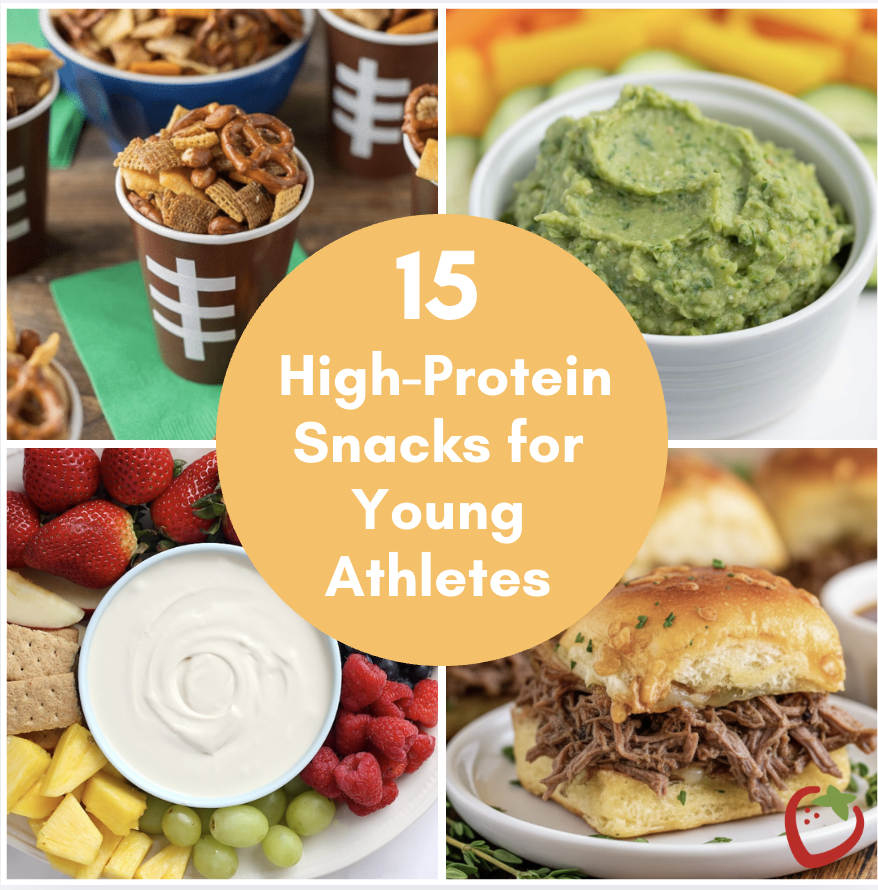
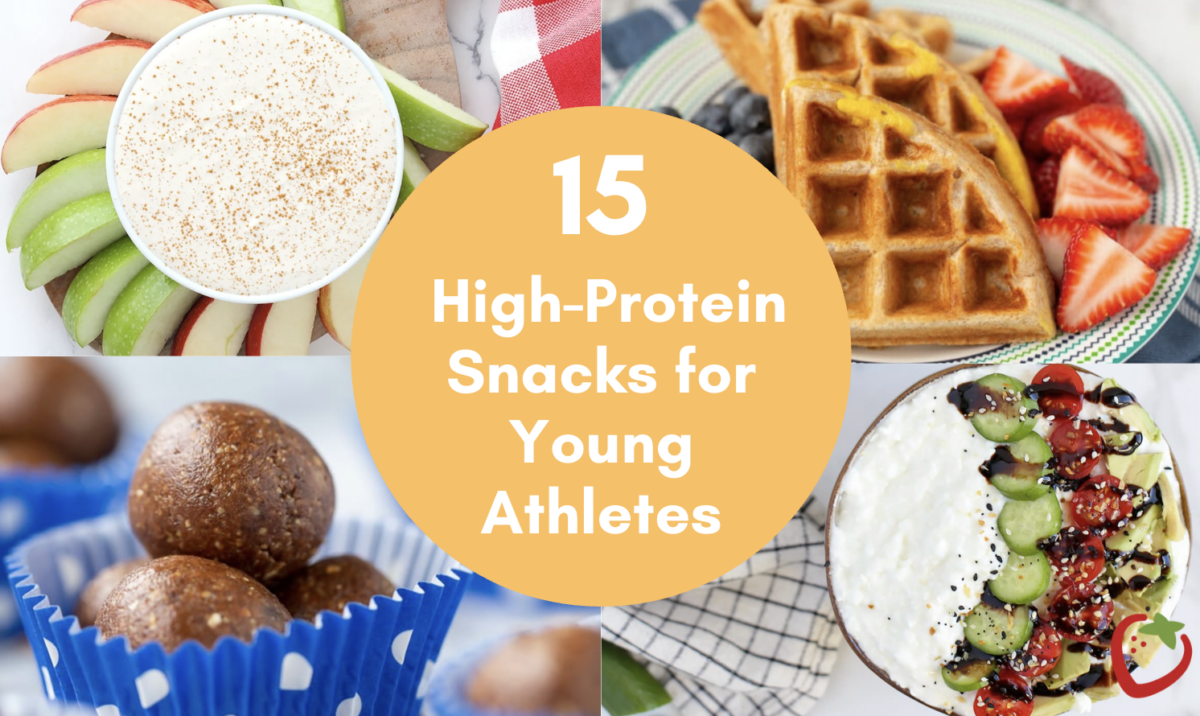
Moving beyond the conventional, we have curated a list of 15 nutrient-dense snack options designed to meet the rigorous demands of youth athletics.
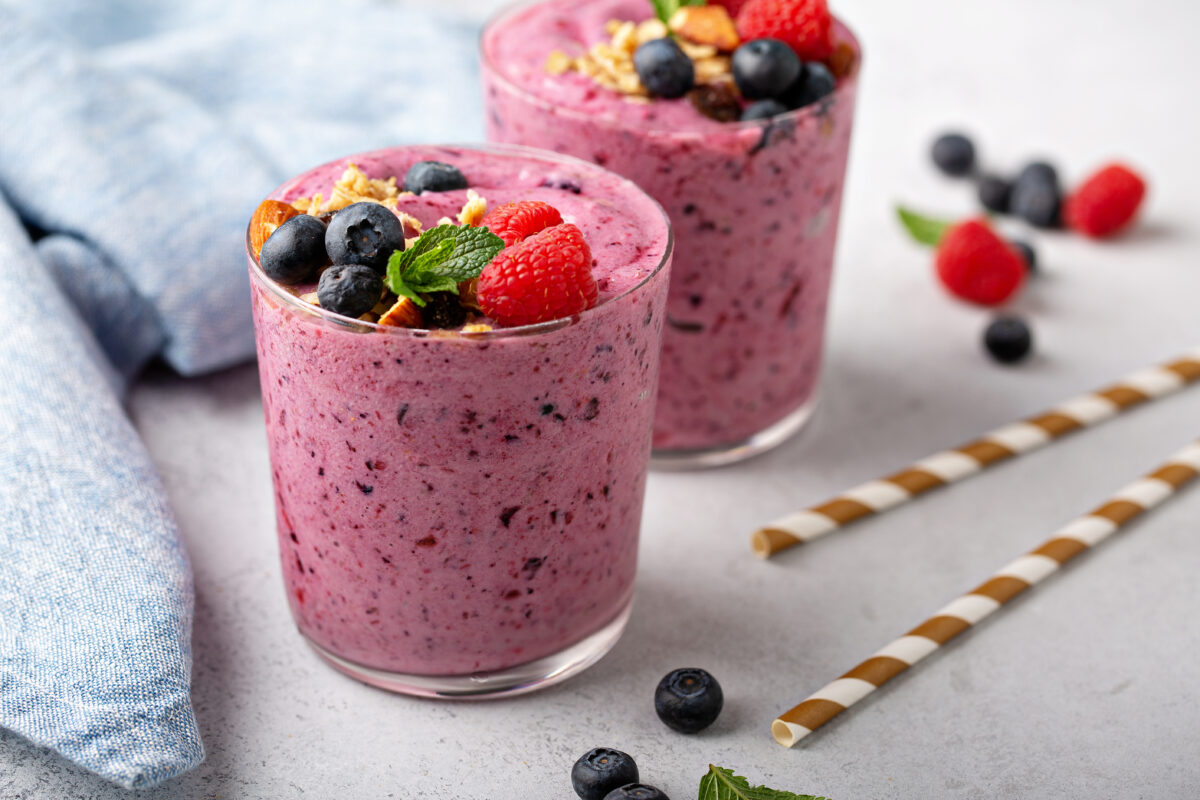
1. Mixed Berry Protein Smoothies
The smoothie remains the gold standard for immediate post-workout recovery. By blending Greek yogurt (protein) with frozen berries and bananas (carbohydrates), you provide an easily digestible nutrient load.
- Performance Edge: The liquid form ensures rapid absorption, while the cold temperature provides immediate relief after exertion in the heat.
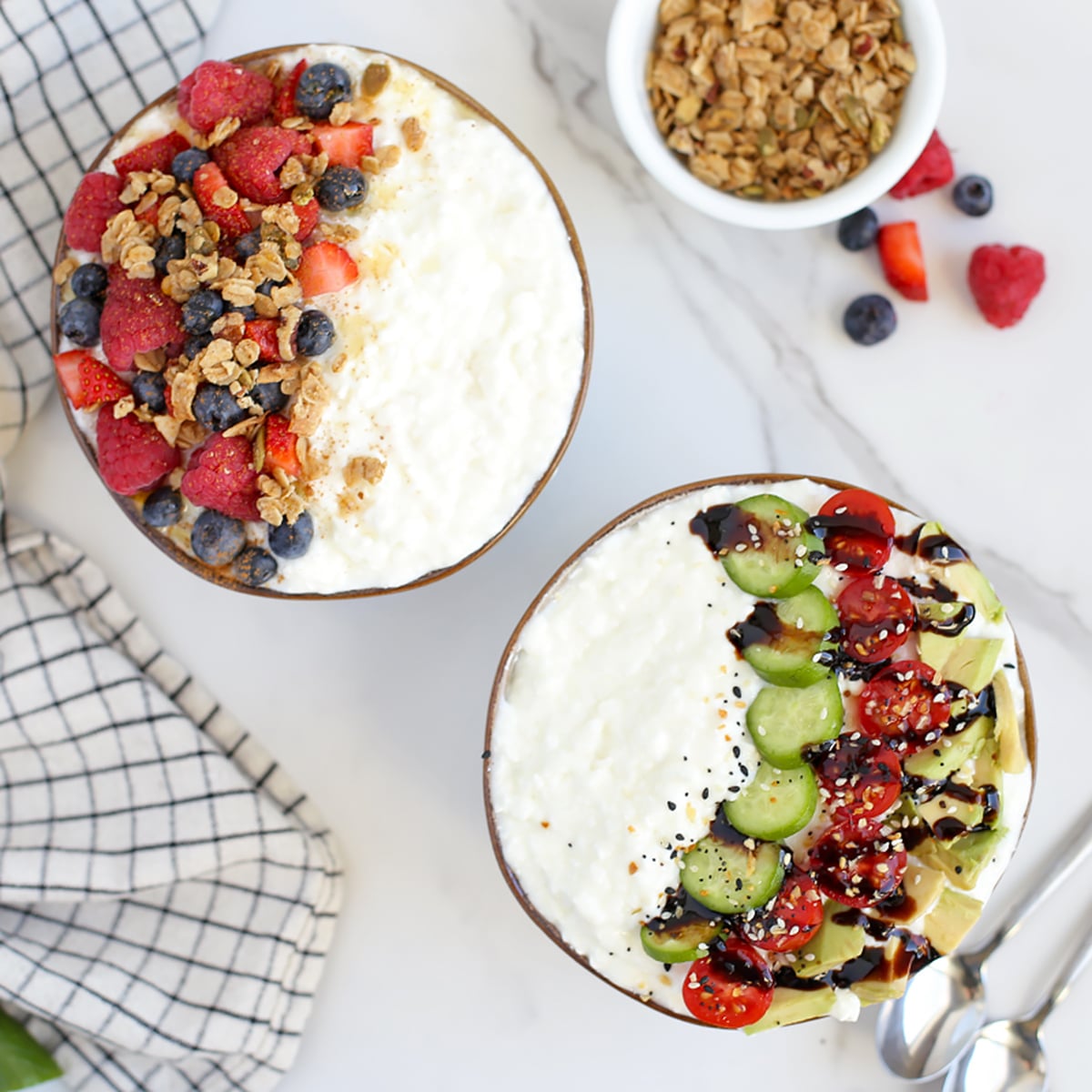
2. High-Protein Cottage Cheese Bowls
Often overlooked, cottage cheese is a powerhouse of casein protein, which provides a slow, steady release of amino acids. Whether served with berries for a sweet fix or cucumber and balsamic for a savory crunch, this snack provides nearly 17 grams of protein per serving.
3. Blueberry Protein Popsicles
These are a game-changer for summer sports. By freezing a blend of Greek yogurt, blueberries, and a touch of maple syrup, parents can create a recovery treat that feels like an indulgence but functions like a protein shake.
4. Peanut Butter Fudge Energy Balls
Utilizing dates, oats, and peanut butter, these no-bake bites are rich in fiber and plant-based protein. They are the perfect "grab-and-go" solution for the transition between school and the field.
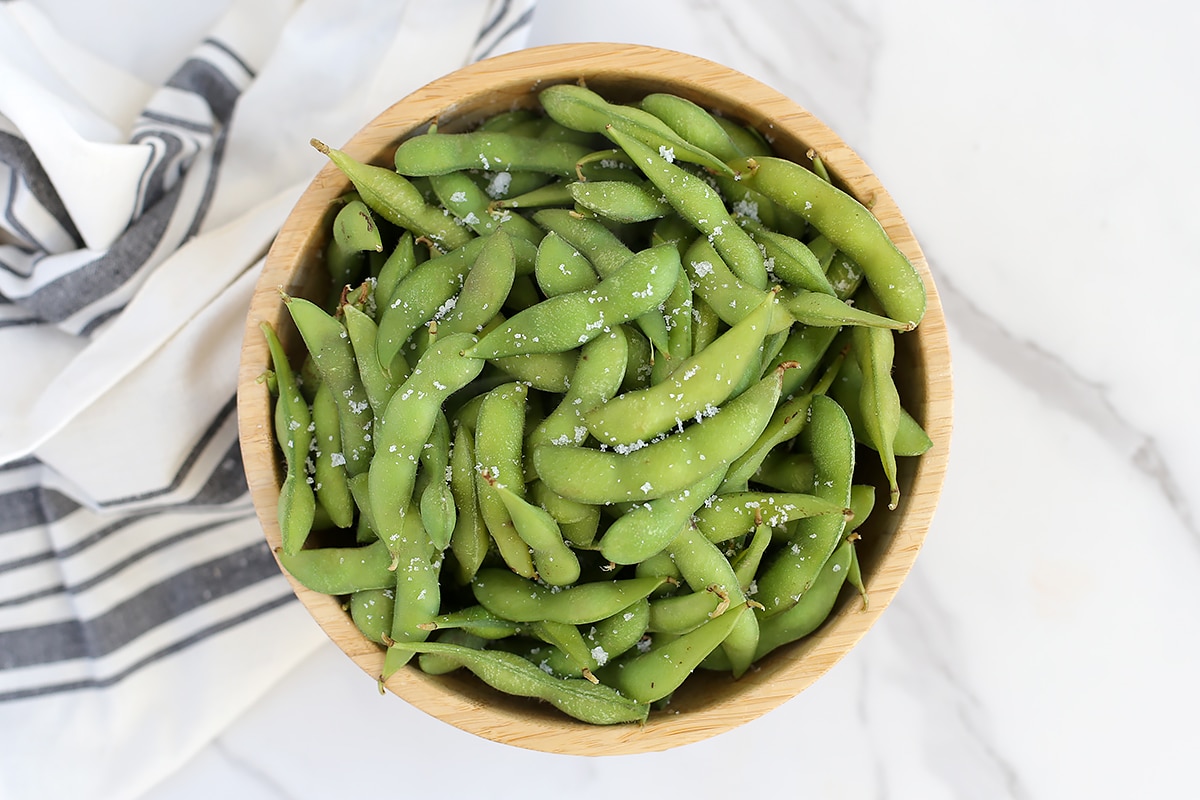
5. Easy High-Protein Edamame
Simple, inexpensive, and packed with fiber and protein, edamame is an excellent finger food. A light dusting of sea salt makes them a favorite even for picky eaters.
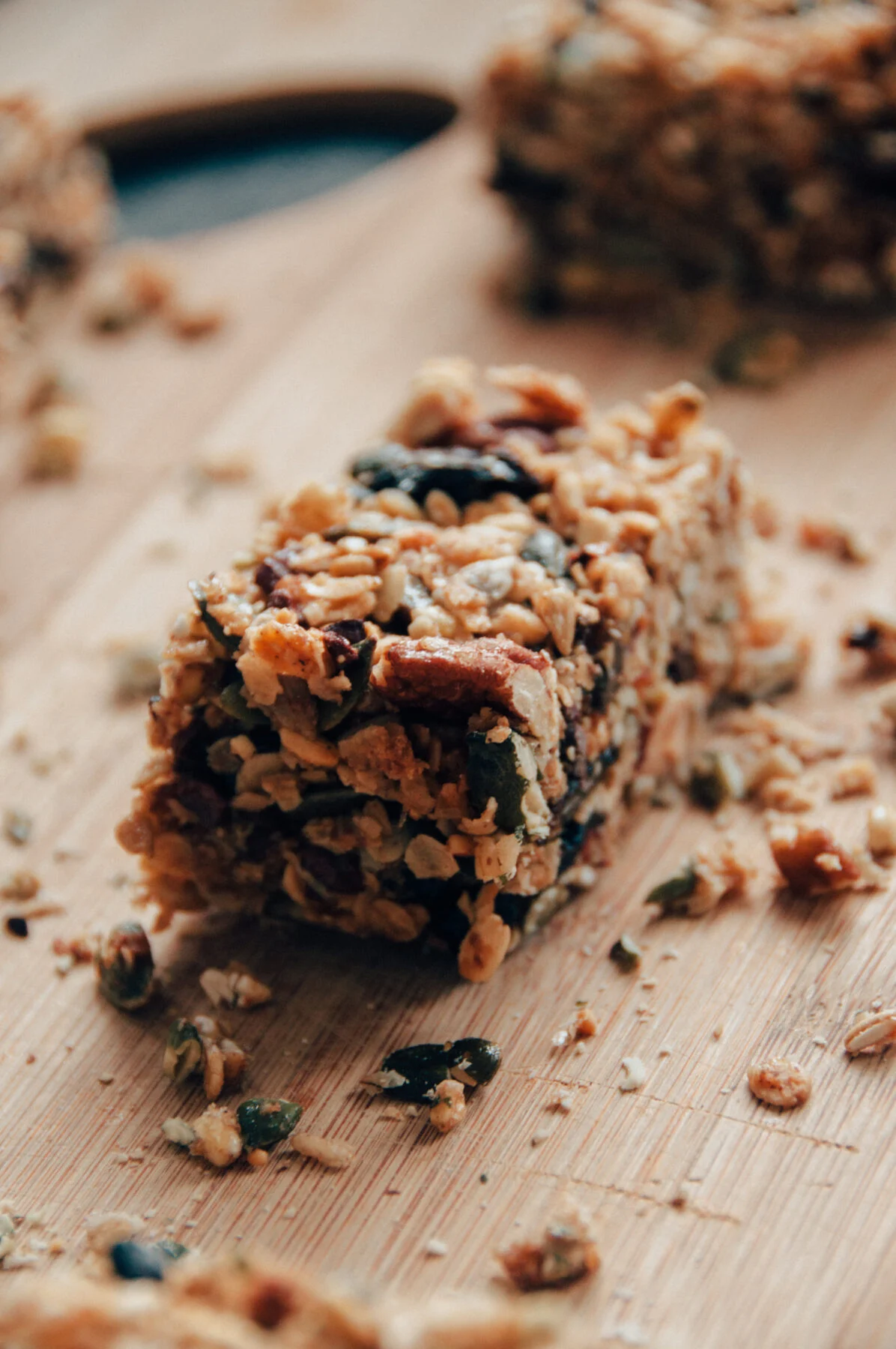
6. Homemade "RX-Style" Protein Bars
By controlling the ingredients—typically nuts, dates, and egg-white powder—you can eliminate the preservatives and high sugar content found in store-bought bars while maintaining a 10-gram protein profile.
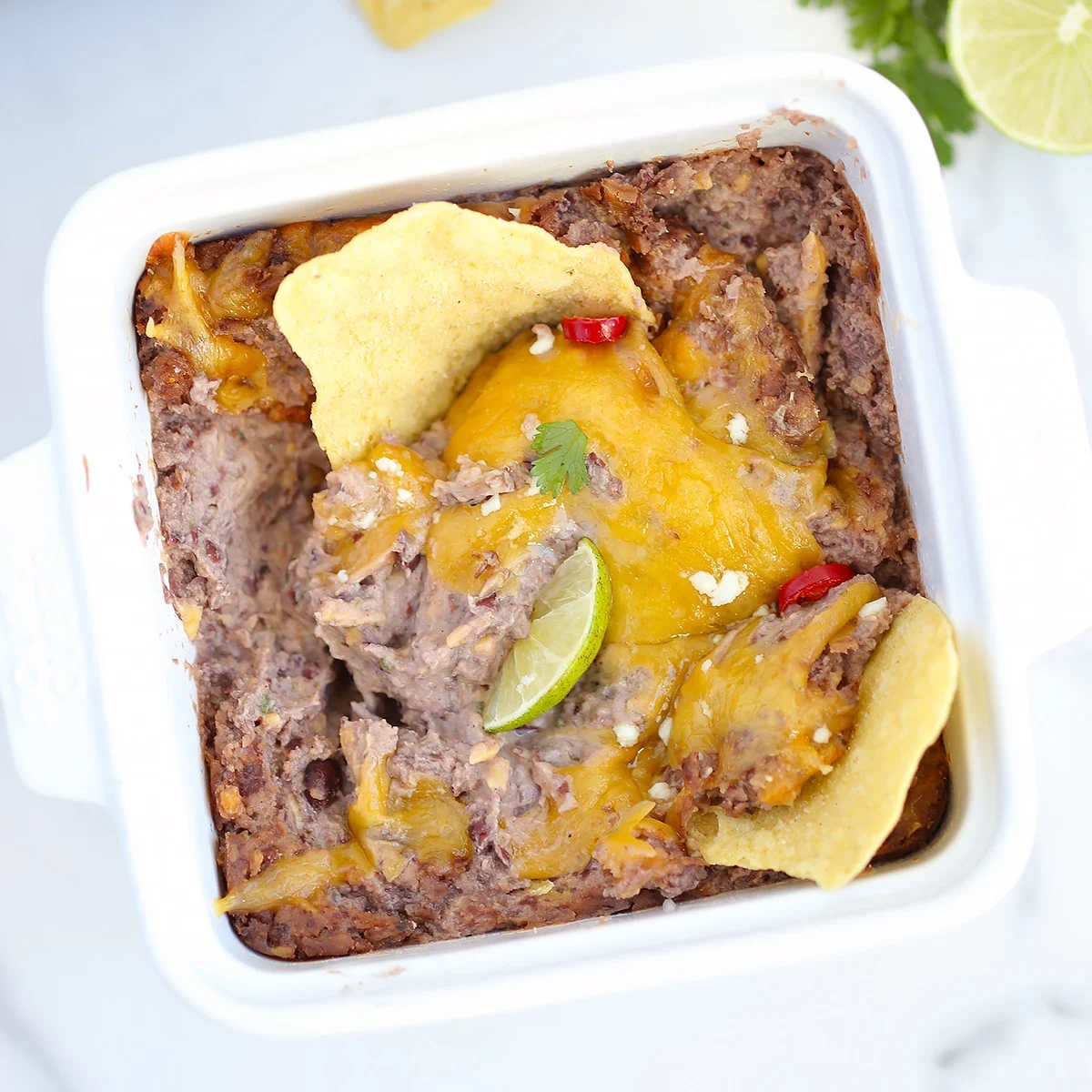
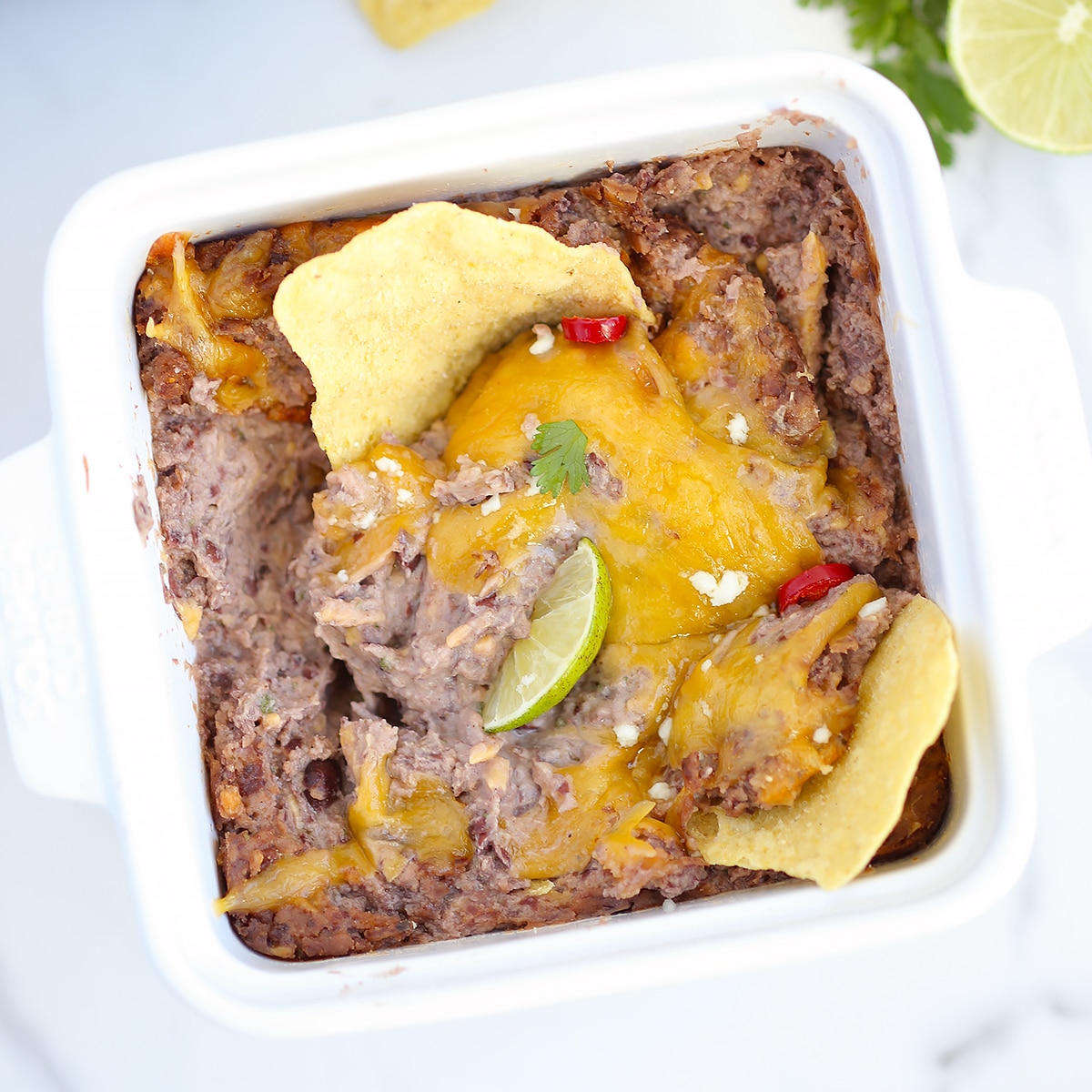
7. High-Protein Black Bean Dip
Legumes are the unsung heroes of sports nutrition. This dip, bolstered by Greek yogurt and cheese, serves as an excellent vehicle for raw vegetable sticks, providing a perfect mix of crunch and nutrition.
8. Kid-Friendly Protein Waffles
By incorporating Greek yogurt and eggs directly into the batter, you create a breakfast-style snack that can be frozen and toasted. It is an ideal "pre-game" fuel that provides sustained carbohydrate release.
9. Roasted Chickpeas
When the craving for chips strikes, roasted chickpeas offer the satisfying crunch of a snack food with the added benefit of 9 grams of protein and significant fiber.
10. Healthy Yogurt Fruit Dip
Greek yogurt blended with vanilla and cinnamon transforms simple fruit slices into a high-protein treat that keeps kids satiated for longer.

11. Crunchy Roasted Peas
Roasted peas offer a portable, plant-based alternative to crackers, delivering 5 grams of protein per serving and a savory flavor profile that appeals to younger palates.
12. Greek Yogurt Dip with Veggies
For the athlete who prefers savory snacks, a herb-infused yogurt dip provides 7 grams of protein while encouraging the intake of essential vitamins found in fresh bell peppers and cucumbers.
13. "Kids-Can-Make-Em" Energy Bites
Empowering children to participate in the preparation process increases the likelihood they will consume their snacks. These bites rely on flaxseed, chia, and dark chocolate to provide a nutrient-dense experience.
14. Chia Seed Energy Bites
Chia seeds provide essential Omega-3 fatty acids, which play a role in reducing exercise-induced inflammation. Combined with oats and honey, they offer a balanced energy boost.
15. Raspberry Quinoa Smoothie
Quinoa is a complete protein, containing all nine essential amino acids. Blending it into a smoothie provides a substantial 22 grams of protein, making it the ideal recovery drink for teen athletes with higher caloric needs.
Chronology of Consumption: Timing is Everything
The efficacy of these snacks is largely dependent on timing. Nutritionists categorize athletic fueling into two distinct windows:
Pre-Practice (The Preparation Phase)
- Goal: Provide steady energy and prevent hunger without causing gastrointestinal distress.
- Strategy: Eat 60–90 minutes before activity. Focus on complex carbohydrates and moderate protein.
- Top Picks: Energy bites, protein waffles, or a small bowl of oats.
Post-Practice (The Recovery Phase)
- Goal: Replenish glycogen stores and initiate muscle repair.
- Strategy: Eat within 30–60 minutes after activity.
- Top Picks: Smoothies, protein popsicles, or cottage cheese bowls.
Expert Perspective: The Role of Supplements
A common question among parents is whether young athletes require protein powders or specialized performance supplements. According to pediatric nutritionists, the answer is a resounding "no" for the vast majority.
"The goal should always be ‘food first,’" says Dr. Aris Thorne, a sports dietitian. "Protein powders are highly processed and often contain additives that are unnecessary for a developing child. When you provide whole foods like yogurt, eggs, and legumes, you are not just getting protein; you are getting a complex matrix of vitamins, minerals, and phytonutrients that powders simply cannot replicate."
When to Seek Professional Guidance
While whole foods are sufficient, there are scenarios where a conversation with a pediatrician is warranted:

- Elite Athletics: If a child is training at an Olympic development level with high-volume, multi-hour sessions daily.
- Dietary Restrictions: If the athlete follows a strictly vegan or allergen-restricted diet that makes hitting protein targets difficult.
- Significant Weight Changes: Unexplained weight loss or plateauing growth curves in a high-intensity athlete.
Implications for Long-Term Health
The habits formed during childhood sports set the stage for a lifetime of metabolic health. By teaching young athletes to view food as "fuel" rather than just "taste," parents are equipping them with the tools to manage their energy levels, focus, and recovery long after their sports career has concluded.
The Bottom Line
Fueling a young athlete does not require a science degree or a massive grocery budget. It requires a commitment to consistency, the utilization of basic, high-quality ingredients, and an understanding that every snack is an opportunity to support the child’s growth and passion. Whether it is a simple bag of roasted chickpeas in a sports bag or a homemade smoothie after a rainy practice, these nutritional choices are the quiet supporters of every goal scored, every race run, and every victory earned.
As you look toward your next sports season, remember the foundational rule: keep it simple, keep it balanced, and ensure that your young athlete is fueled for the game of life, not just the game of the day.