In the pantheon of summer dining, few culinary traditions are as universally celebrated as the backyard grill. Among the myriad options available to the home cook, the grilled chicken and veggie kabob stands out as a masterclass in balance, convenience, and nutritional density. These skewers, characterized by their vibrant colors and charred, savory profile, represent more than just a meal; they are an accessible entry point into the science of heat application and ingredient pairing.
As we navigate the demands of modern, fast-paced lifestyles, the appeal of a "complete meal on a stick" has never been more relevant. By integrating lean proteins with seasonal produce, these kabobs offer a sophisticated solution to the perpetual question of "what’s for dinner," all while minimizing the cleanup that typically accompanies a full-course preparation.
The Core Elements: A Symphony of Freshness
The foundation of a superior kabob lies in the quality of its components. The traditional recipe centers on four primary elements: high-quality chicken, crisp zucchini, pungent red onion, and vibrant bell peppers.
The chicken, when properly marinated, undergoes a chemical transformation. The acidity of a simple herb-based marinade—typically consisting of olive oil, lemon juice, garlic, and fresh herbs—serves two critical functions. First, it imparts a deep, savory profile that penetrates the fibers of the meat. Second, it acts as a tenderizing agent, breaking down connective tissues to ensure the chicken remains succulent even under the intense direct heat of a grill.
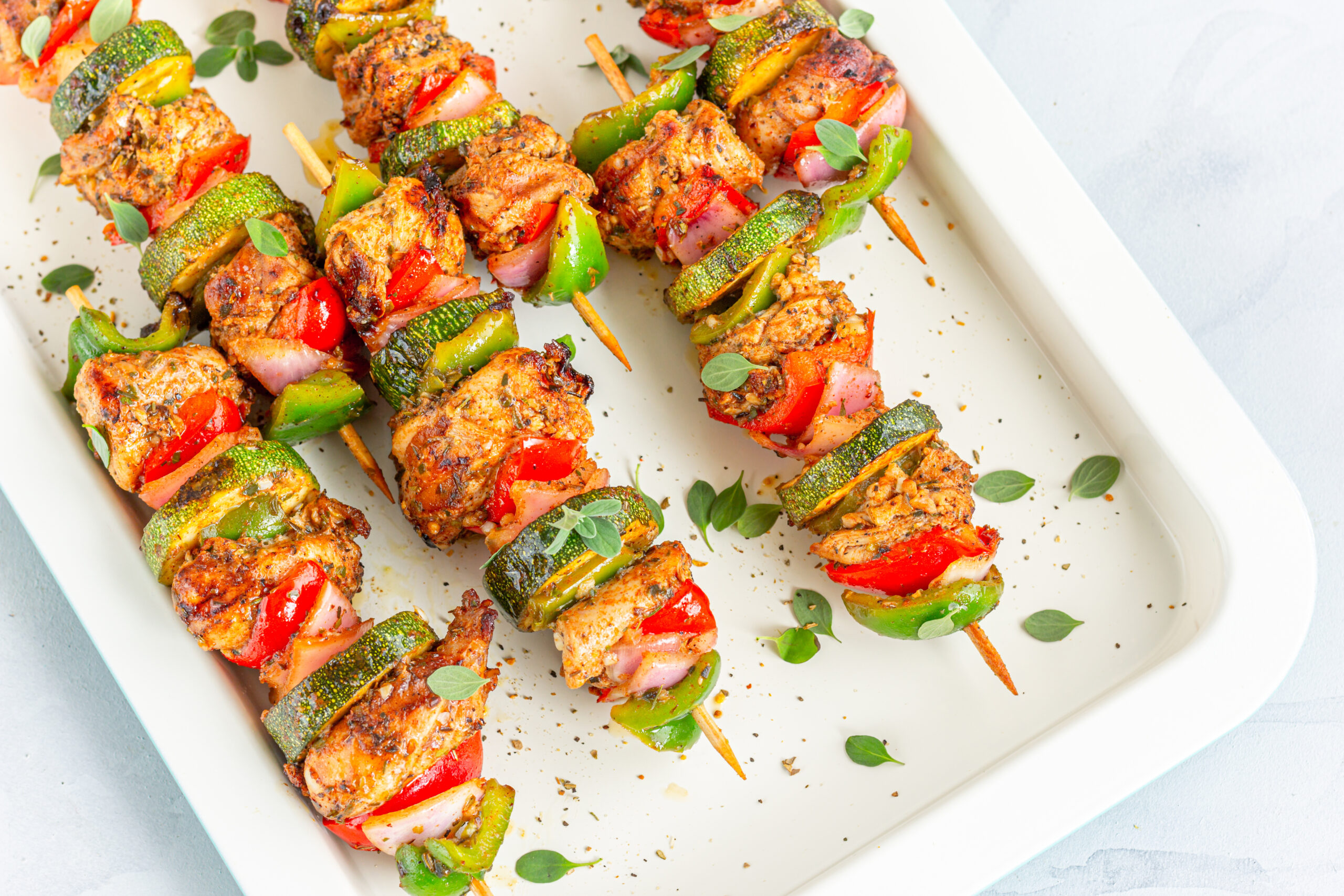
The vegetables are equally vital. Zucchini provides a mild, absorbent base that takes on the smoke of the grill, while bell peppers offer a natural sweetness and a satisfying crunch. Red onion, arguably the most transformative ingredient, mellows during the cooking process, trading its sharp, raw bite for a caramelized, mellow sweetness that anchors the flavor profile of the entire skewer.
Chronology of Preparation: From Marinade to Platter
Achieving the perfect kabob requires a systematic approach. Understanding the timeline of preparation is key to ensuring that every element reaches its peak simultaneously.
1. The Marination Phase (0–4 Hours)
The process begins with the preparation of the marinade. While some may be tempted to marinate overnight, culinary experts advise against this. The lemon juice or vinegar content in most marinades can begin to "cook" the meat prematurely, leading to a mealy texture if left for too long. A four-hour window is the "goldilocks zone"—long enough for flavor development, but short enough to maintain the structural integrity of the chicken.
2. The Cutting and Skewering (20 Minutes)
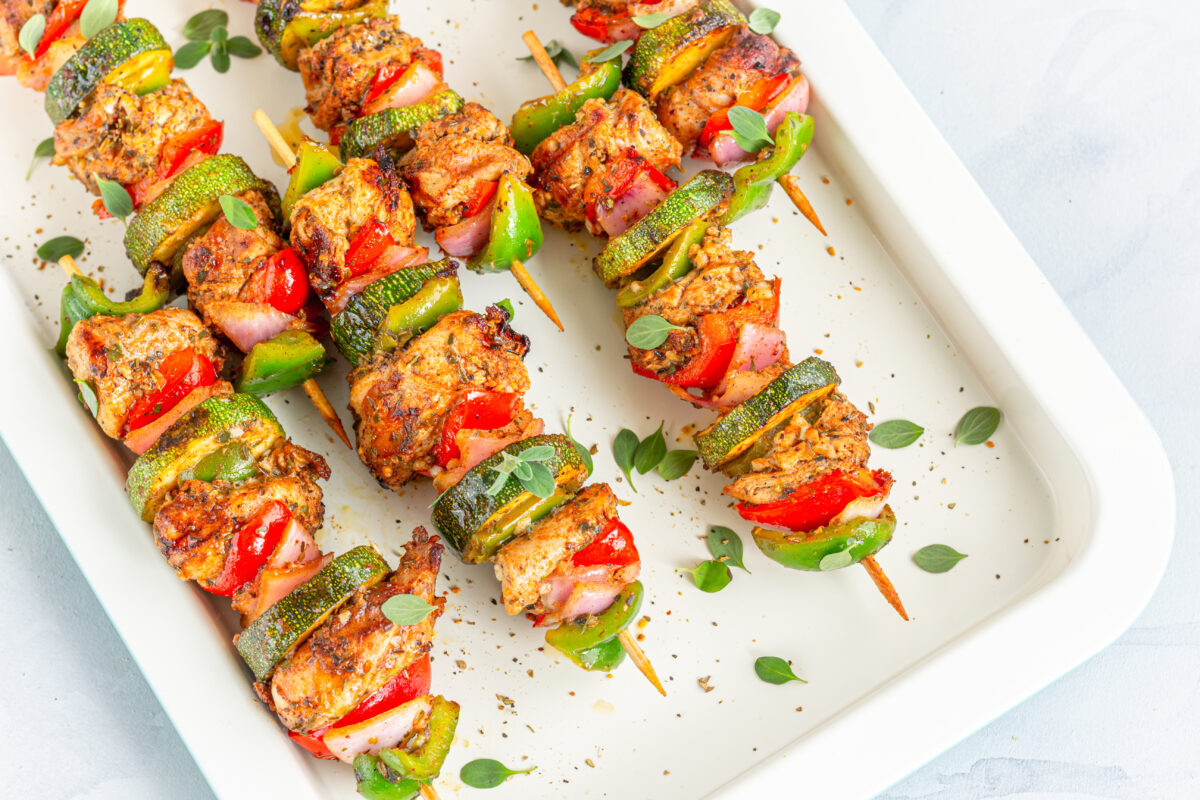
Consistency is the cornerstone of even cooking. Home cooks should aim to cut both the protein and the vegetables into roughly one-inch cubes. This uniformity ensures that a piece of chicken does not remain raw while a piece of onion burns. When assembling, it is essential to leave a small gap between ingredients. This "breathing room" allows the heat to circulate, enabling the ingredients to char properly rather than steaming in a tightly packed cluster.
3. The Thermal Application (10 Minutes)
Once the grill is preheated to medium-high heat, the skewers are placed over the direct flame. A ten-minute window is usually sufficient, provided the cook utilizes an instant-read thermometer. The internal temperature of the chicken must reach 165°F (74°C) to ensure safety. This is the only definitive way to gauge doneness, as external color can be deceptive.
Supporting Data: Why This Method Works
Nutritionally and logistically, the kabob format is a superior model for home dining. By utilizing boneless, skinless chicken thighs instead of breasts, cooks can significantly increase the "forgiveness" factor of the meal. Thighs contain a higher fat content, which renders down during the grilling process, creating a natural self-basting effect that prevents the meat from drying out.
Furthermore, the versatility of the kabob allows for extreme customization. Whether the goal is to lower the glycemic index of a meal by pairing it with quinoa or to increase fiber intake by adding mushrooms and cherry tomatoes, the structure remains consistent. The "skewer system" effectively portion-controls the meal, making it an excellent candidate for health-conscious individuals or those practicing structured meal prep.
Official Guidelines for Safety and Success
While the grill is a place of creativity, it is also a place where standard food safety protocols must be observed. The USDA and various culinary health authorities consistently emphasize that cross-contamination is the primary risk factor when grilling.
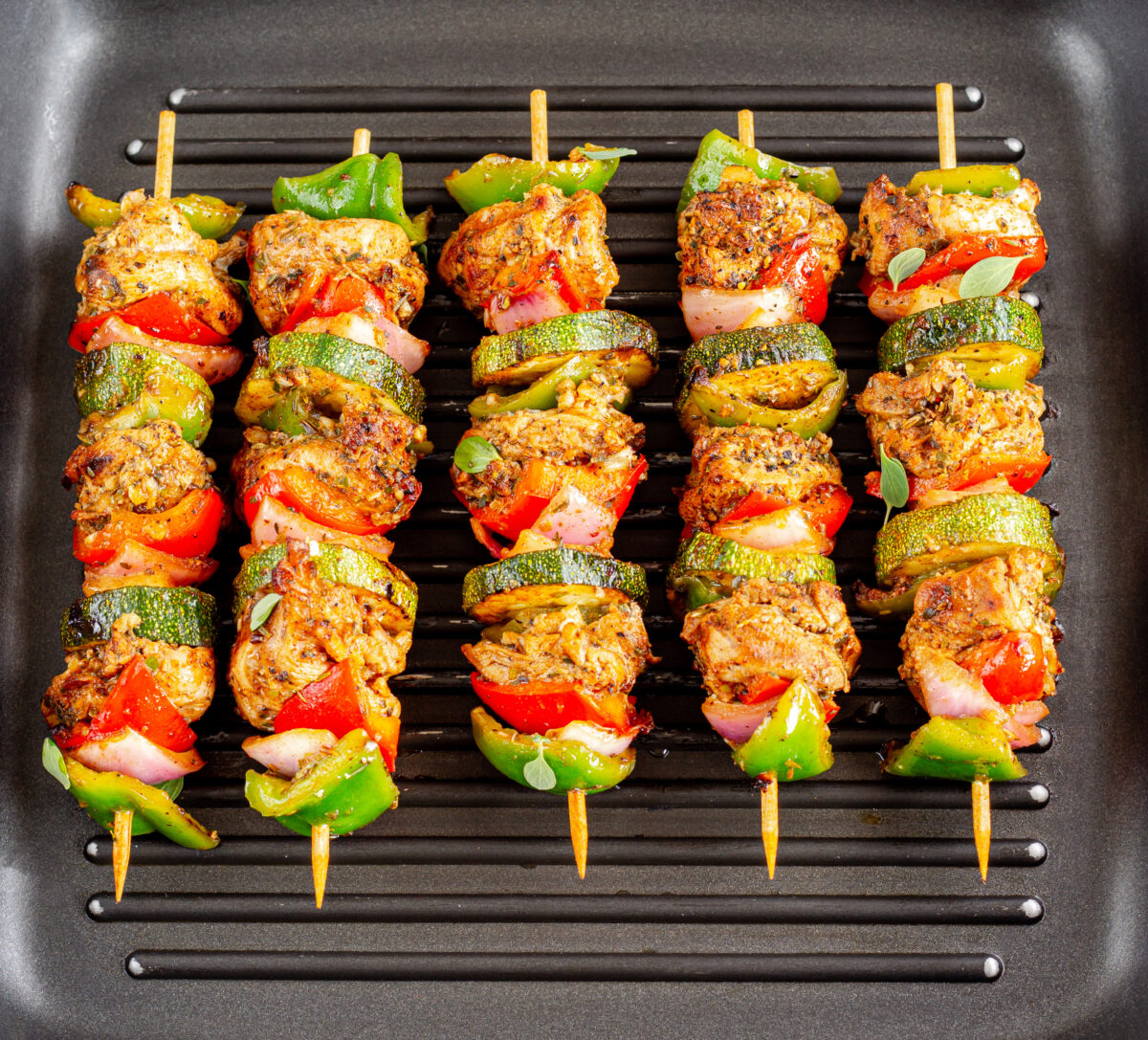
- Temperature Management: Never rely on the "poke test." An instant-read thermometer is the industry-standard tool for verifying that the chicken has reached the safe threshold of 165°F.
- The Skewer Choice: Whether opting for bamboo or stainless steel, safety is paramount. Bamboo skewers should be soaked in water for at least 30 minutes prior to use to prevent them from catching fire on the grill grates. Metal skewers, while reusable, become extremely hot; handled with care is required during the removal process.
- Storage and Reheating: Leftover kabobs are highly durable. If stored in an airtight container, they can remain safe and flavorful for up to four days. For optimal results during reheating, it is recommended to remove the ingredients from the skewers. This allows for more even distribution in a skillet or air fryer, preventing the edges of the vegetables from drying out while the center of the meat remains cold.
Implications for Modern Dining
The rise of the "Kabob Culture" in home cooking reflects a broader trend toward mindful, integrated eating. By combining protein and produce on a single skewer, the home cook is forced to consider the nutritional balance of the meal in a way that is inherently visual.
Moreover, the psychological aspect of the meal cannot be overlooked. The act of assembling skewers is tactile and engaging, making it an ideal activity for involving children in the kitchen. When children participate in the preparation of their food—choosing the order of peppers or zucchini on their own skewer—they are statistically more likely to consume the vegetables, fostering a positive relationship with healthy eating habits from an early age.
Variations: A Global Canvas
The beauty of this basic recipe lies in its capacity for evolution. By modifying the marinade and the serving style, one can traverse various culinary landscapes:
- The Mediterranean Pivot: By introducing oregano, garlic, and high-quality olive oil, and serving the finished product with a side of tzatziki and crumbled feta, the kabob transforms into a classic Greek-inspired dish.
- The "Bowl" Adaptation: For those who prefer a more traditional sit-down experience, removing the finished product from the skewers and serving it over a bed of fluffy couscous or fresh greens transforms the kabob into a modern "Buddha Bowl."
- The Caramelization Hack: Introducing a tablespoon of honey or maple syrup to the marinade provides a deeper, more complex Maillard reaction on the grill, resulting in a sweet-and-savory crust that rivals high-end restaurant fare.
Conclusion: A Staple for the Future
As the culinary landscape continues to prioritize efficiency without sacrificing quality, the grilled chicken and vegetable kabob remains a cornerstone of the domestic kitchen. It is a meal that respects the intelligence of the cook, the health of the family, and the constraints of the clock. Whether utilized for a weekend social gathering or a Tuesday night meal prep session, this recipe proves that with just a few fresh ingredients and the simple application of fire, we can elevate the ordinary into the extraordinary.
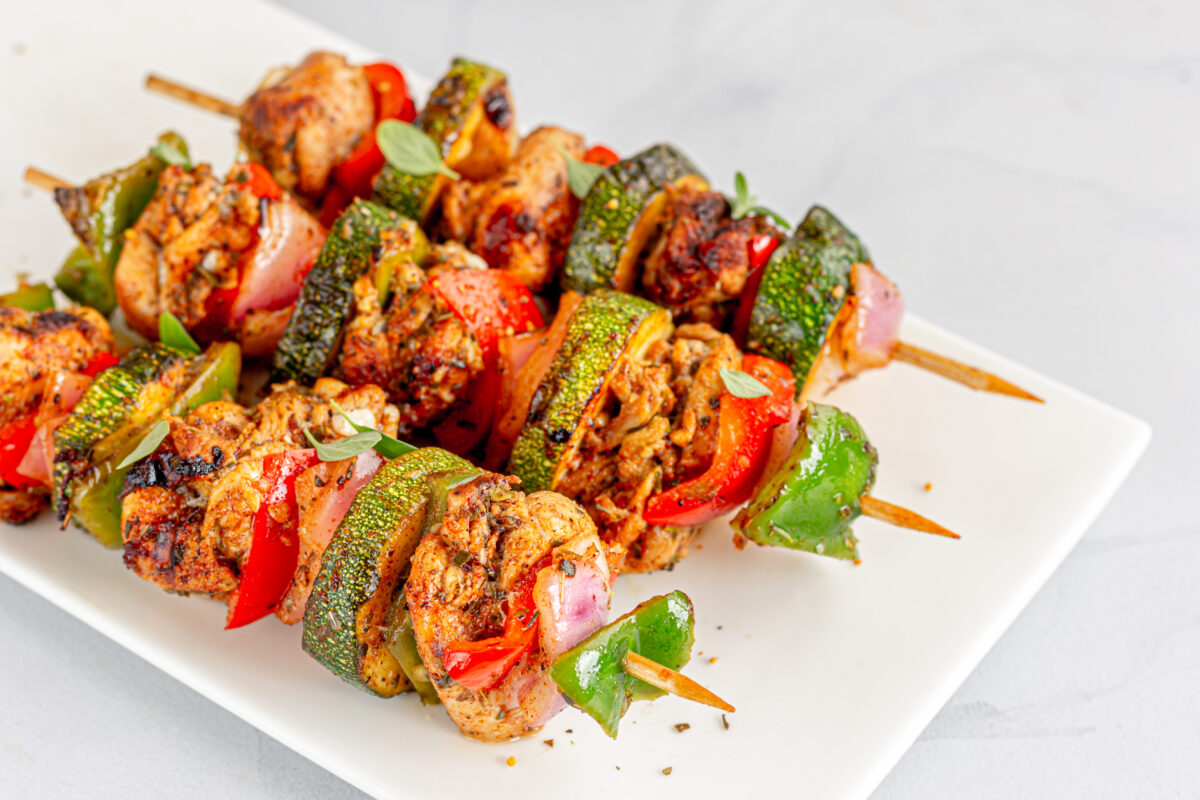
By mastering the basics—uniform cutting, temperature precision, and smart marination—anyone can unlock the potential of the grill, turning a simple dinner into a vibrant, nutrient-dense celebration of flavor.