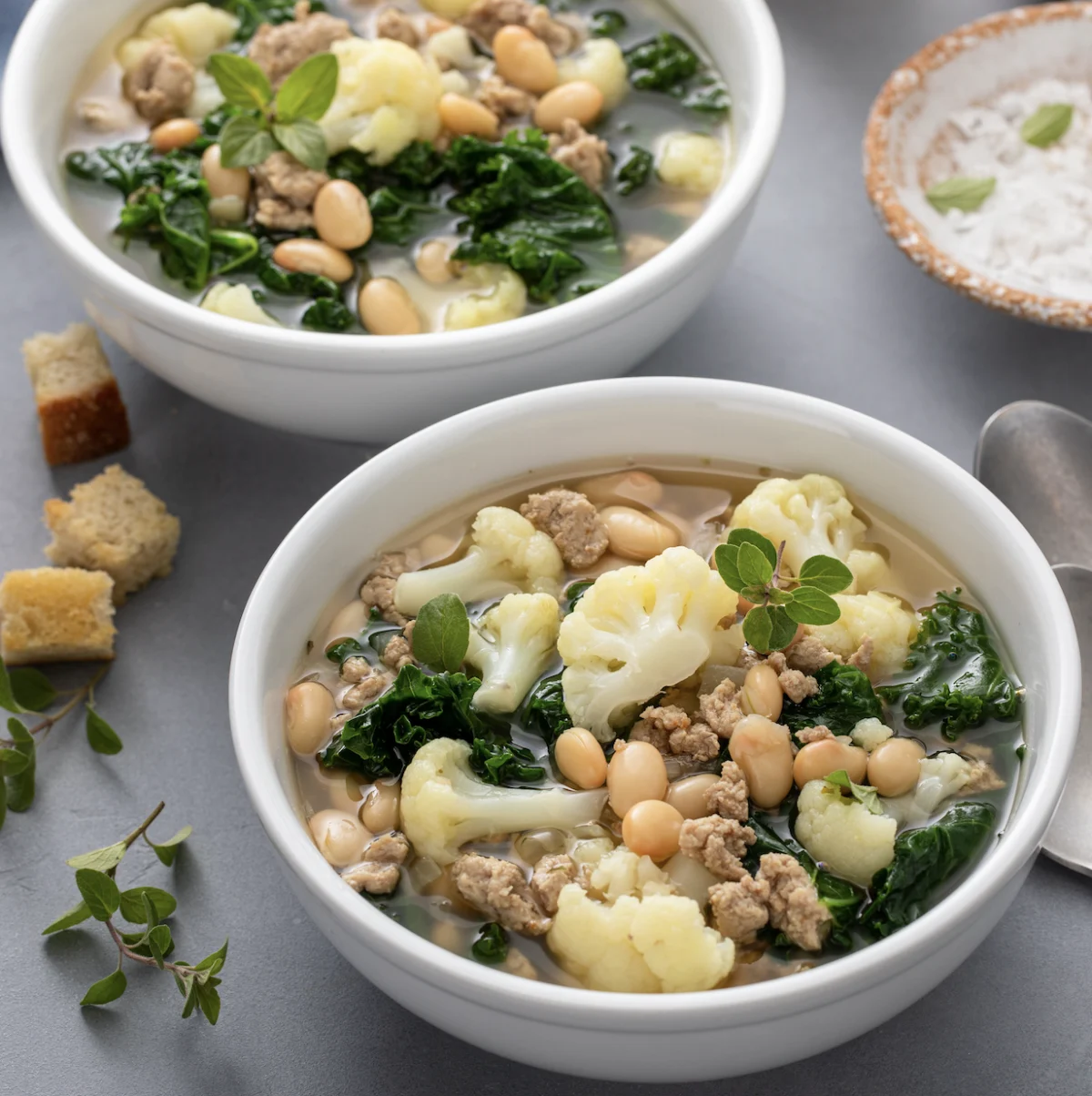
In an era where home cooks are increasingly seeking a balance between culinary nostalgia and modern nutritional standards, the "Tuscan White Bean Soup" has emerged as a quintessential solution. Drawing inspiration from the time-honored traditions of the Italian countryside, this dish has been reimagined for the contemporary kitchen—prioritizing ease of preparation, high-quality plant-based protein, and an abundance of seasonal vegetables. By integrating lean turkey sausage, creamy cannellini beans, and crisp cruciferous vegetables like cauliflower and kale, this recipe serves as a masterclass in functional, satisfying, and accessible home cooking.
Main Facts: The Anatomy of a Perfect One-Pot Meal
At its core, the Tuscan White Bean Soup is defined by its versatility and structural integrity. Unlike heavy, cream-based chowders that can leave diners feeling sluggish, this soup achieves a luxurious, velvety texture through the natural starch released by beans and the careful layering of broth-based flavors.
The primary components are as follows:
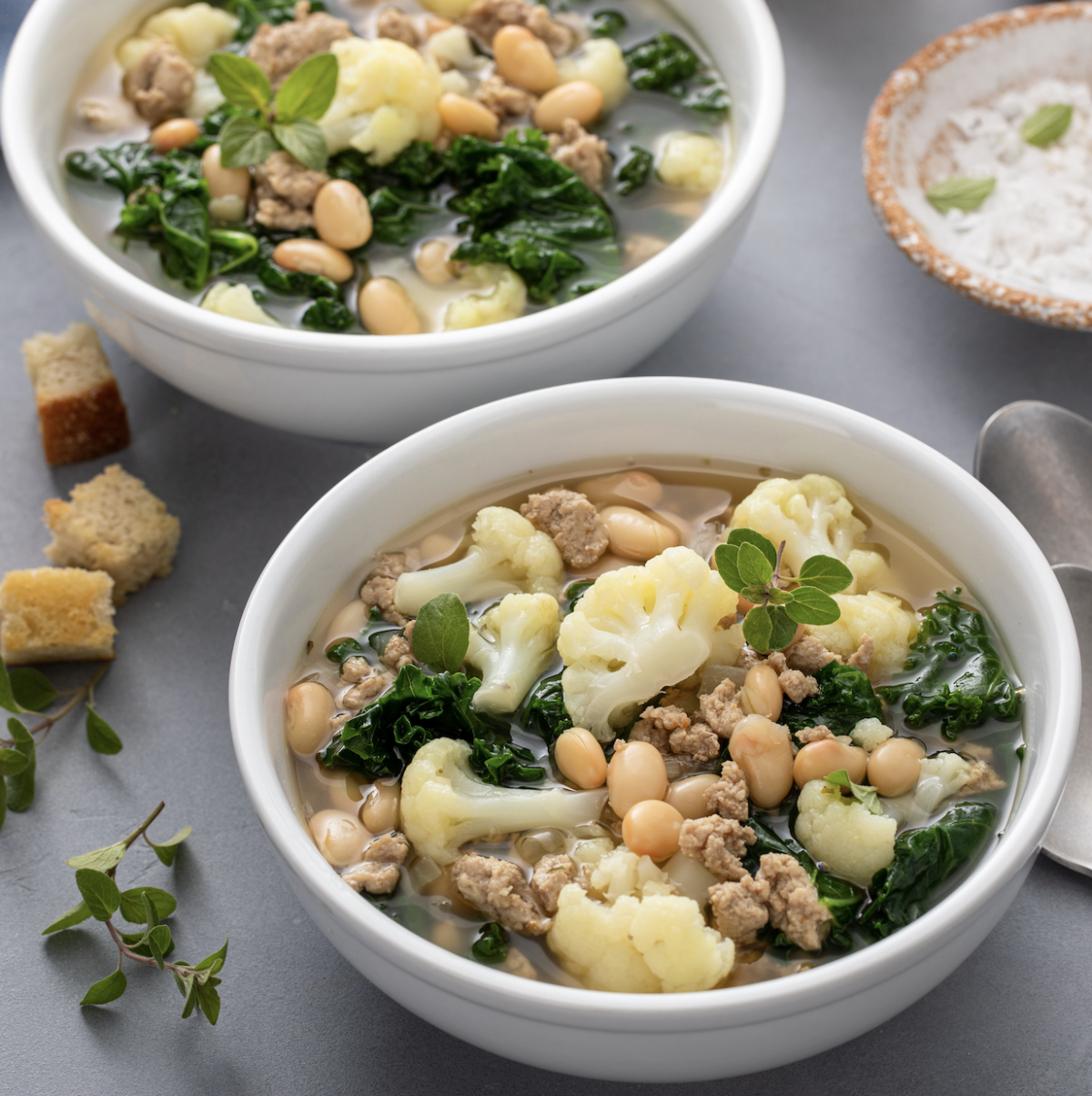
- The Protein Base: Mild Italian turkey sausage provides a savory depth without the excessive saturated fat often associated with traditional pork-based sausages.
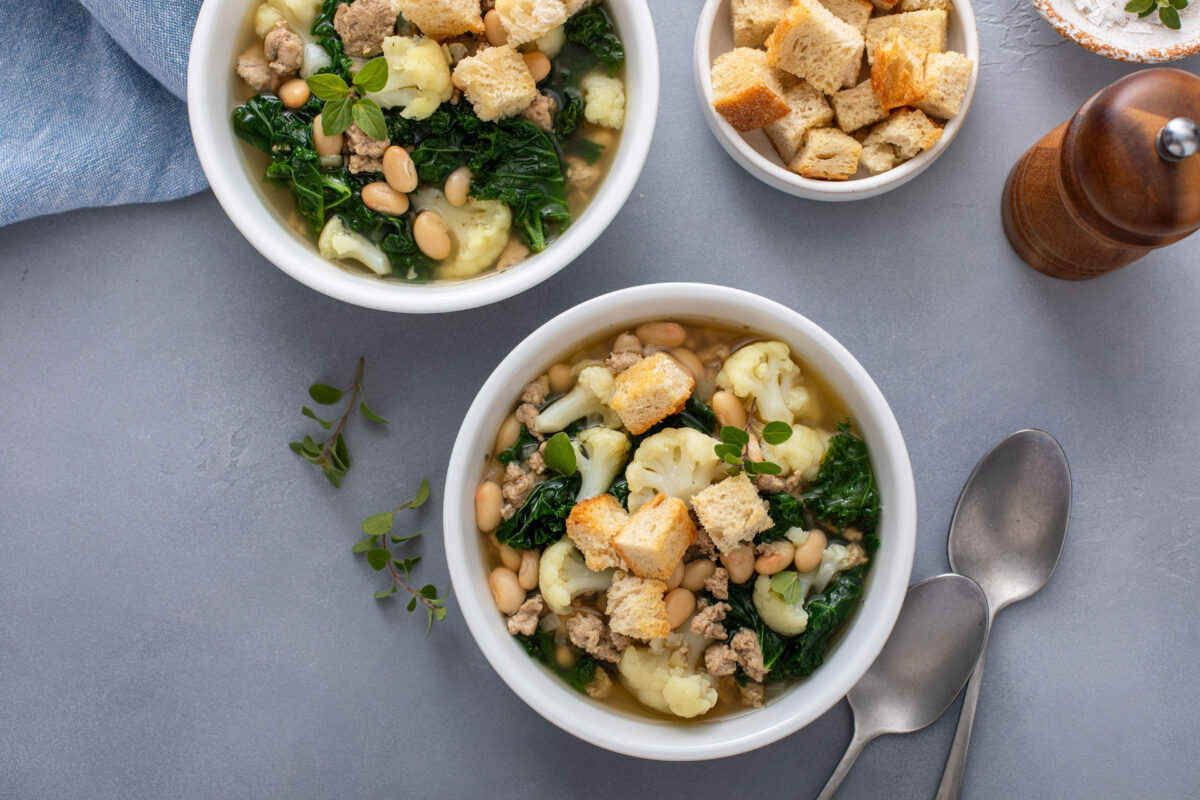
- The Creaminess: Cannellini beans, or white kidney beans, are the backbone of the dish. Their soft, creamy interiors hold their shape during the simmering process, providing a satisfying "meaty" texture that is entirely plant-based.
- The Vegetable Density: Cauliflower and kale act as the primary nutritional powerhouses. Cauliflower offers a neutral flavor profile that absorbs the aromatics of the broth, while kale introduces essential vitamins and a slight earthy bitterness that balances the richness of the sausage.
This soup is not merely a recipe; it is a nutritional strategy. By combining fiber-rich legumes with lean protein and leafy greens, it addresses the common culinary challenge of creating a "complete" dinner in a single pot.
A Chronological Approach to Preparation
For the home chef, the success of this soup relies on a disciplined workflow. The preparation follows a logical progression designed to build layers of flavor:
1. The Searing Phase (Minutes 0–10):
The process begins by browning the turkey sausage. This is a critical step; the Maillard reaction—the chemical reaction between amino acids and reducing sugars that gives browned food its distinctive flavor—creates a foundation of savory notes. Breaking the sausage into small, uniform pieces ensures that every spoonful contains a balanced distribution of protein.
2. The Aromatic Infusion (Minutes 10–15):
Once the meat is browned, the base of aromatics—typically onions, carrots, and garlic—is introduced. Sautéing these in the rendered fat of the sausage allows the vegetables to soften and develop a complex sweetness.
3. The Simmer (Minutes 15–40):
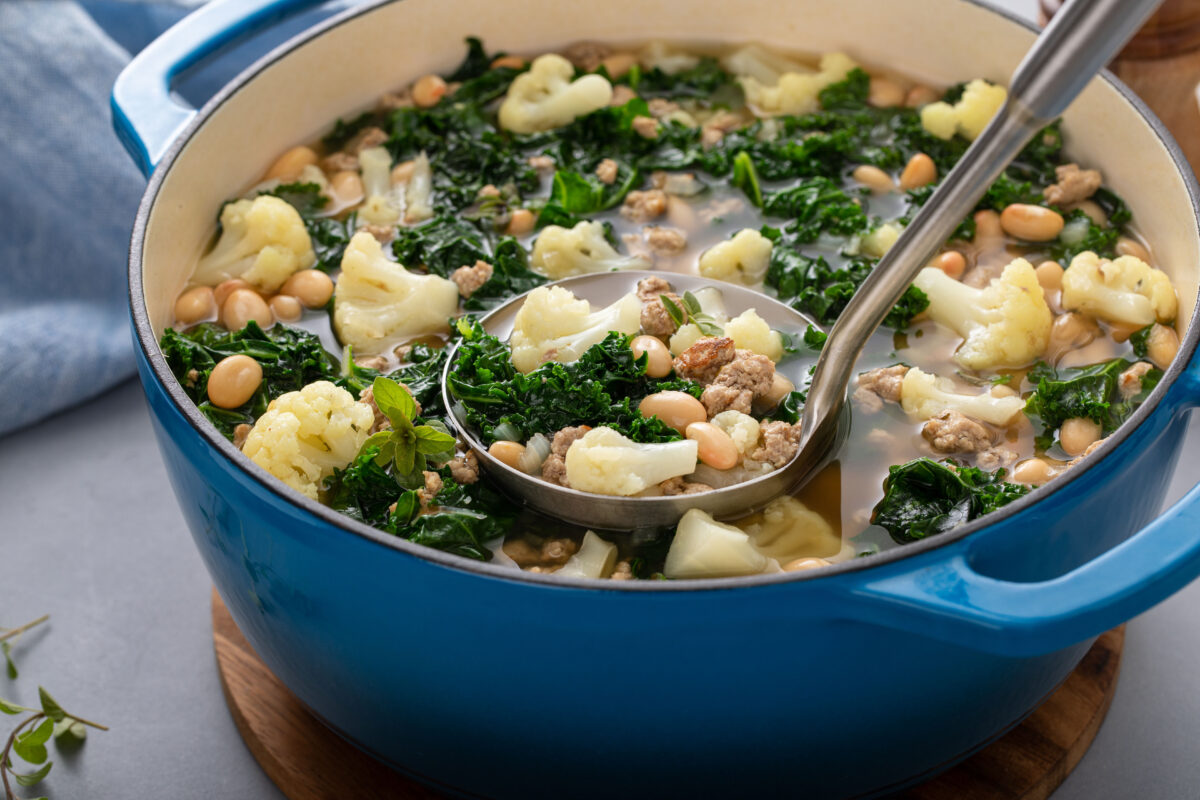
The broth, beans, and cauliflower are added next. This phase is about integration. The vegetables must be cut into uniform sizes to ensure even cooking. As the soup simmers, the cauliflower softens, and the beans begin to release their starch into the broth, thickening the liquid naturally.
4. The Finishing Touches (Minutes 40–45):
The final steps are designed to preserve the integrity of the more delicate ingredients. Kale, which loses its nutritional potency and texture if overcooked, is added in the final minutes. A splash of fresh lemon juice is the "secret ingredient" used by professional chefs to cut through the richness of the fat and salt, providing a bright, acidic finish that elevates the dish.
Supporting Data: The Nutritional Advantage
Modern dietary guidelines consistently emphasize the importance of legumes and cruciferous vegetables. According to nutritional analysis, the Tuscan White Bean Soup provides a significant source of plant-based protein and dietary fiber.
- Fiber-to-Calorie Ratio: Because of the beans and kale, this soup is high in fiber, which aids in digestion and helps maintain steady blood glucose levels—a stark contrast to refined carbohydrate-heavy dinners.
- Micronutrient Density: Kale is a well-documented superfood, rich in vitamins K, A, and C, as well as manganese. When cooked in a broth, these water-soluble vitamins are preserved in the liquid, ensuring that the entire soup remains nutrient-dense.
- Sodium Management: One of the primary benefits of making this dish at home is the ability to control sodium levels. By utilizing low-sodium vegetable or chicken broth and rinsing canned beans, the cook can reduce the overall sodium content by as much as 40% compared to commercially prepared alternatives.
Expert Culinary Insights and Techniques
Achieving a restaurant-quality consistency at home requires more than just following instructions; it requires an understanding of texture management.
The "Starch-Thickening" Technique
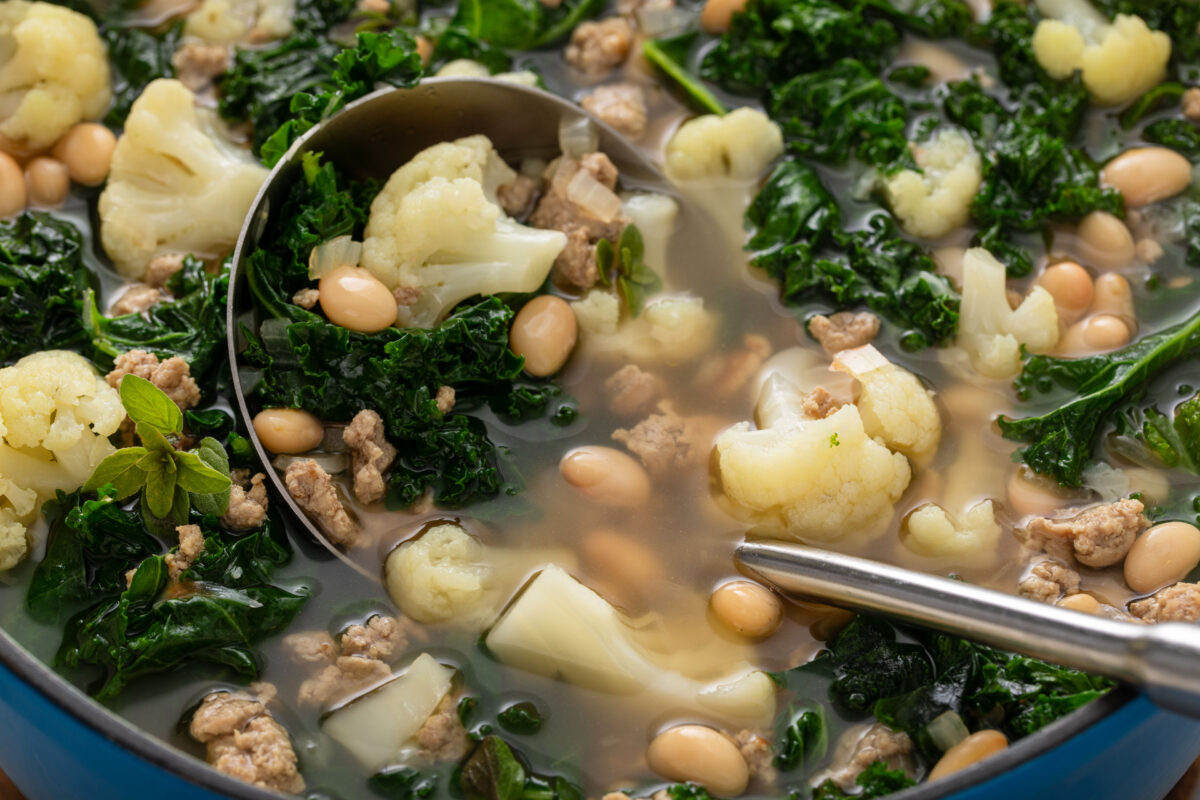
If a cook desires a thicker, creamier soup without resorting to heavy dairy, the "mash-and-blend" technique is the gold standard. By removing a cup of beans and broth and blending them into a purée before returning it to the pot, the cook adds body to the soup. Alternatively, using a potato masher to crush a portion of the beans against the side of the pot releases starch, naturally thickening the broth to a velvety consistency.
Temperature Control and Resting
The concept of "letting the soup rest" is often overlooked. Allowing the finished dish to stand off the heat for 10 to 15 minutes is crucial. This cooling period allows the flavors of the herbs, garlic, and sausage to fully permeate the beans and vegetables, and it allows the broth to stabilize, resulting in a more cohesive dining experience.
Implications for Modern Meal Planning
The shift toward "batch cooking" and "meal prep" has made the Tuscan White Bean Soup an essential staple for busy households. The soup exhibits remarkable stability, often tasting better on the second or third day as the flavors continue to marry.
Scalability and Storage
- Refrigeration: The soup can be stored in airtight containers for up to four days. Because the beans act as a "sponge," the soup may thicken during storage; adding a small splash of water or broth during the reheating process is recommended.
- Freezing: This recipe is highly freezer-friendly. When preparing for long-term storage, it is best to slightly undercook the cauliflower and kale, as they will finish softening during the reheating process. By leaving a small "headspace" in the freezer container to allow for expansion, the integrity of the soup can be maintained for up to three months.
Adaptability for Diverse Dietary Needs
The inherent flexibility of the recipe allows it to serve as a platform for various dietary requirements. For vegetarian households, the turkey sausage can be omitted in favor of sautéed mushrooms or an extra measure of beans. For those requiring a gluten-free option, the soup is naturally compliant, provided that the broth used is certified gluten-free. For a "dairy-free" version, the final sprinkle of Parmesan can be replaced with a nutritional yeast dusting or a high-quality vegan alternative, ensuring that the umami profile remains intact.
Conclusion: A Timeless Classic for the Modern Home
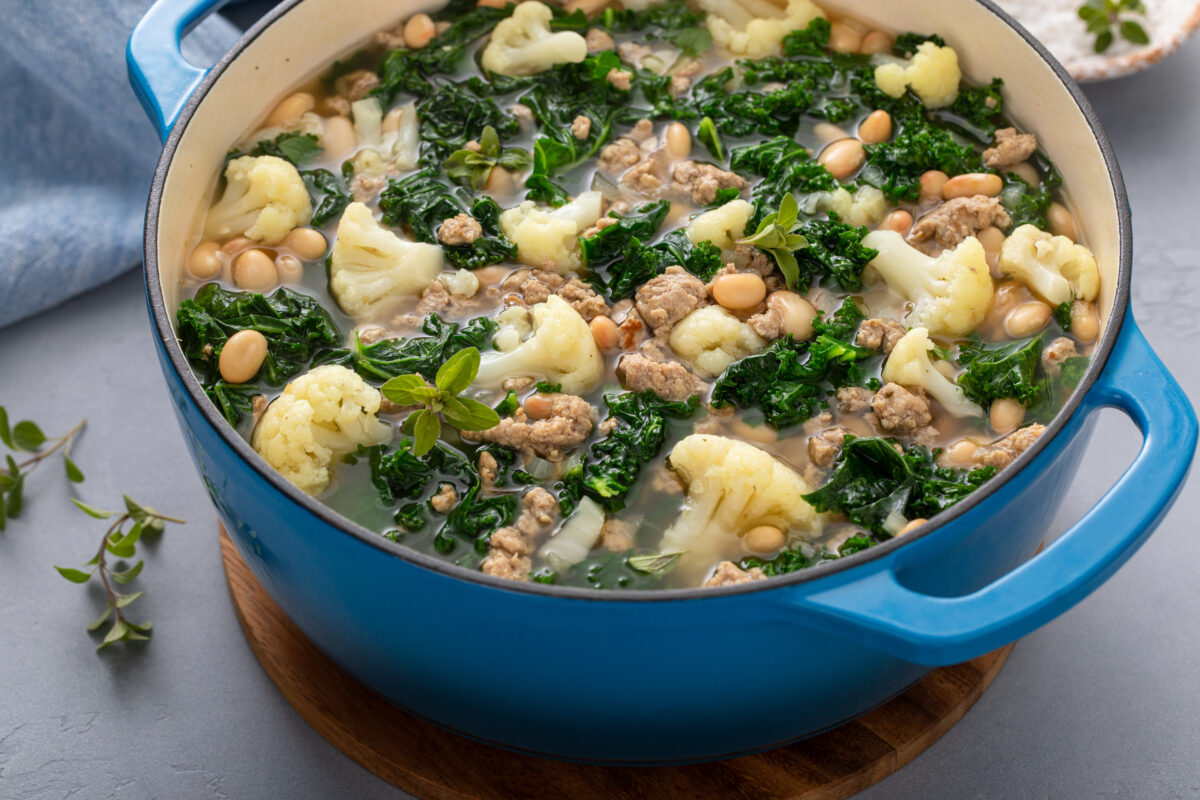
The Tuscan White Bean Soup stands as a testament to the idea that sophisticated, healthy, and satisfying meals do not require complex techniques or exotic ingredients. By centering the dish on pantry staples—beans, broth, and seasonal vegetables—and applying mindful cooking techniques, families can create a meal that is as nutritionally sound as it is comforting.
Whether prepared in a traditional pot, a time-saving Instant Pot, or a slow cooker, this soup offers a reliable, repeatable, and deeply satisfying culinary experience. It represents a return to the fundamentals of good cooking: high-quality ingredients, balanced textures, and the patience to let a dish develop its own unique, rustic character. As we look toward the future of home dining, recipes like this one offer a bridge between the healthful traditions of the past and the practical demands of the present.