In the modern household, the intersection of nutrition, convenience, and child-friendly flavor is often a difficult place to arrive. Parents are constantly searching for meals that satisfy the dietary needs of active children while remaining simple enough to prepare after a taxing day at work or school. Enter the high-protein, veggie-loaded meatball—a culinary innovation created by Sara Judkins of Hungry Nutrition that is rapidly becoming a staple in meal-prepping kitchens across the country.
These are not your average freezer-aisle meatballs. They are a sophisticated blend of extra-lean ground beef, savory sausage, nutrient-dense spinach, and classic Italian aromatics. Designed with the "freezer-to-oven" methodology in mind, this recipe bridges the gap between gourmet home cooking and the necessity of speed.
The Core Components: A Nutritional Powerhouse
The success of this recipe lies in its balanced ingredient profile. By combining extra-lean ground beef with pork sausage, the dish achieves a perfect equilibrium: the beef provides a dense, high-protein foundation, while the sausage lends moisture, depth of flavor, and a complex spice profile that makes the dish stand out.
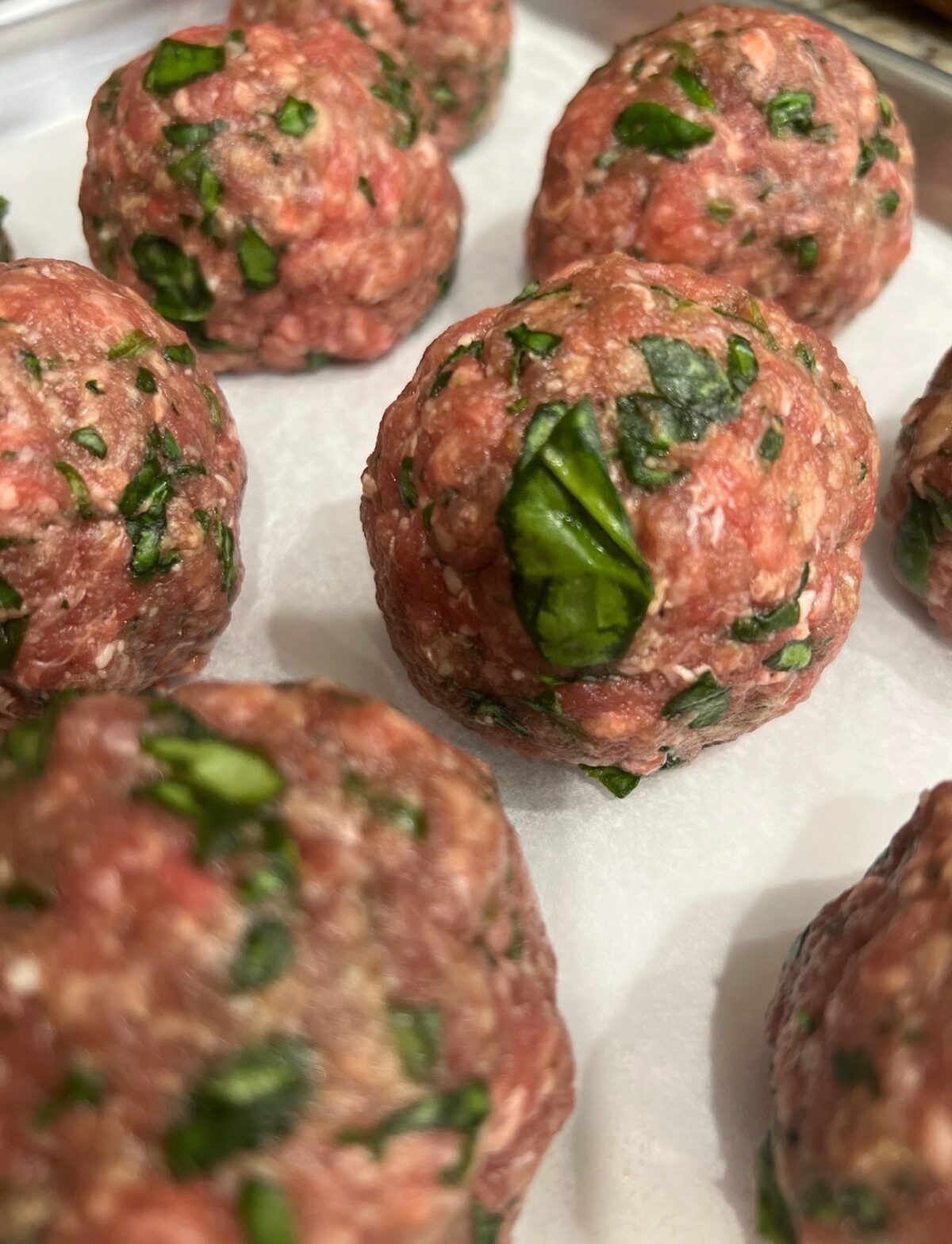
Beyond the meat, the inclusion of fresh spinach transforms these meatballs into a hidden-veggie vessel. For many parents, the struggle to get children to consume leafy greens is constant. In this recipe, the spinach is finely chopped—or pulsed in a food processor—until it integrates seamlessly into the protein base. When cooked, the greens soften and meld with the meat, removing the "textural hurdle" that often causes children to reject vegetables.
Chronology of the Perfect Meal: From Prep to Plate
The beauty of this recipe is its modular nature. The process is broken down into distinct phases, allowing home cooks to manage their time effectively.
Phase 1: The Assembly (Prep)
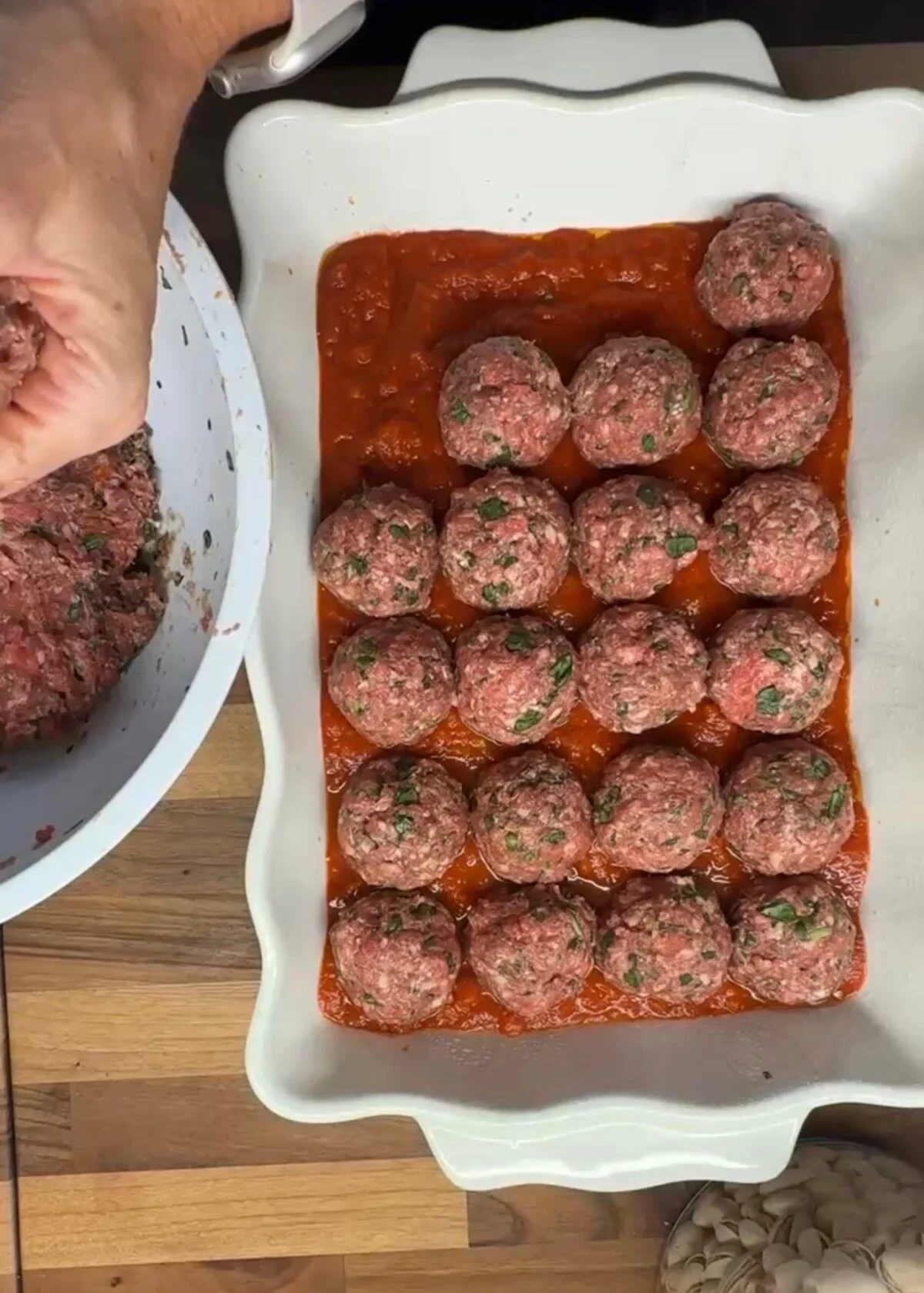
The initial phase involves combining the proteins, the binder (eggs), the seasonings, and the finely chopped greens. This is where the customization happens. Whether one chooses to fold in freshly grated Parmesan for a sharp, salty finish or opts for the "cheesy surprise" of a mozzarella-stuffed center, the prep work is manageable within a 25-minute window.
Phase 2: The Flash-Freeze (Storage)
Unlike standard recipes that require immediate cooking, these meatballs are designed for longevity. The secret lies in the flash-freeze technique. By placing the formed meatballs on a baking sheet in a single layer until they are firm, cooks prevent them from sticking together. Once solidified, they can be transferred to a freezer-safe bag, effectively creating a "home-made convenience food" that is free from the preservatives found in store-bought alternatives.
Phase 3: The Oven-Ready Transition (Cook)
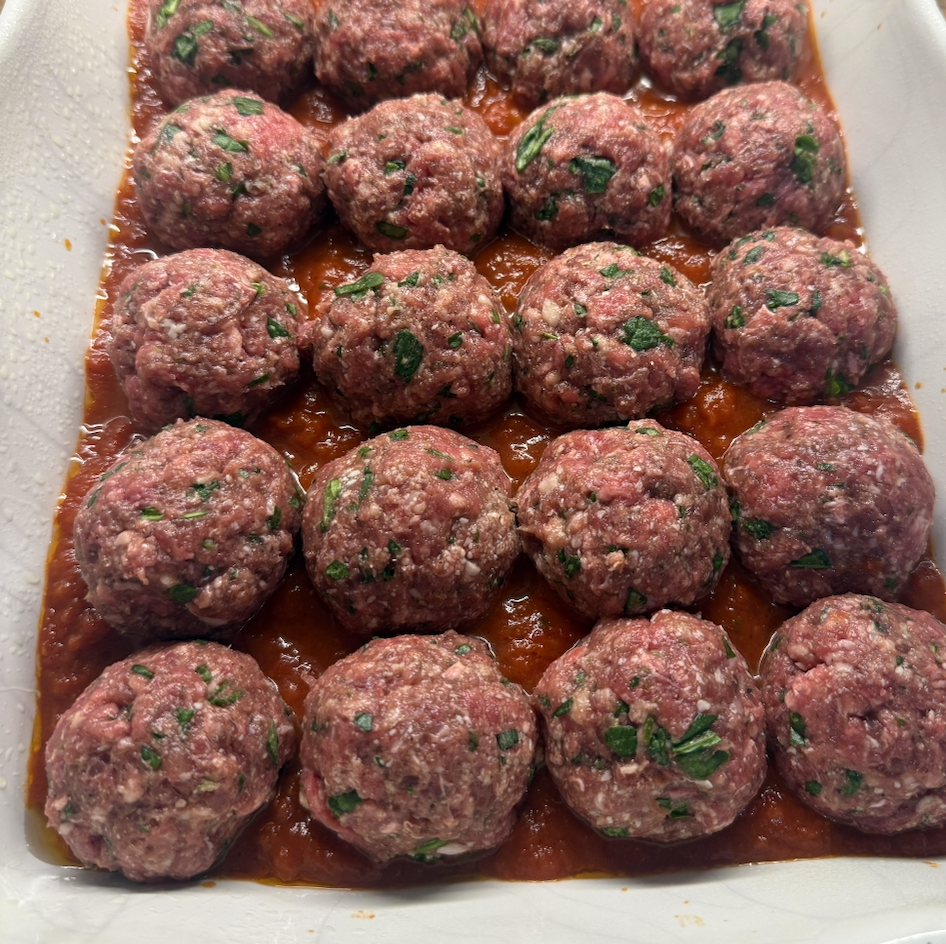
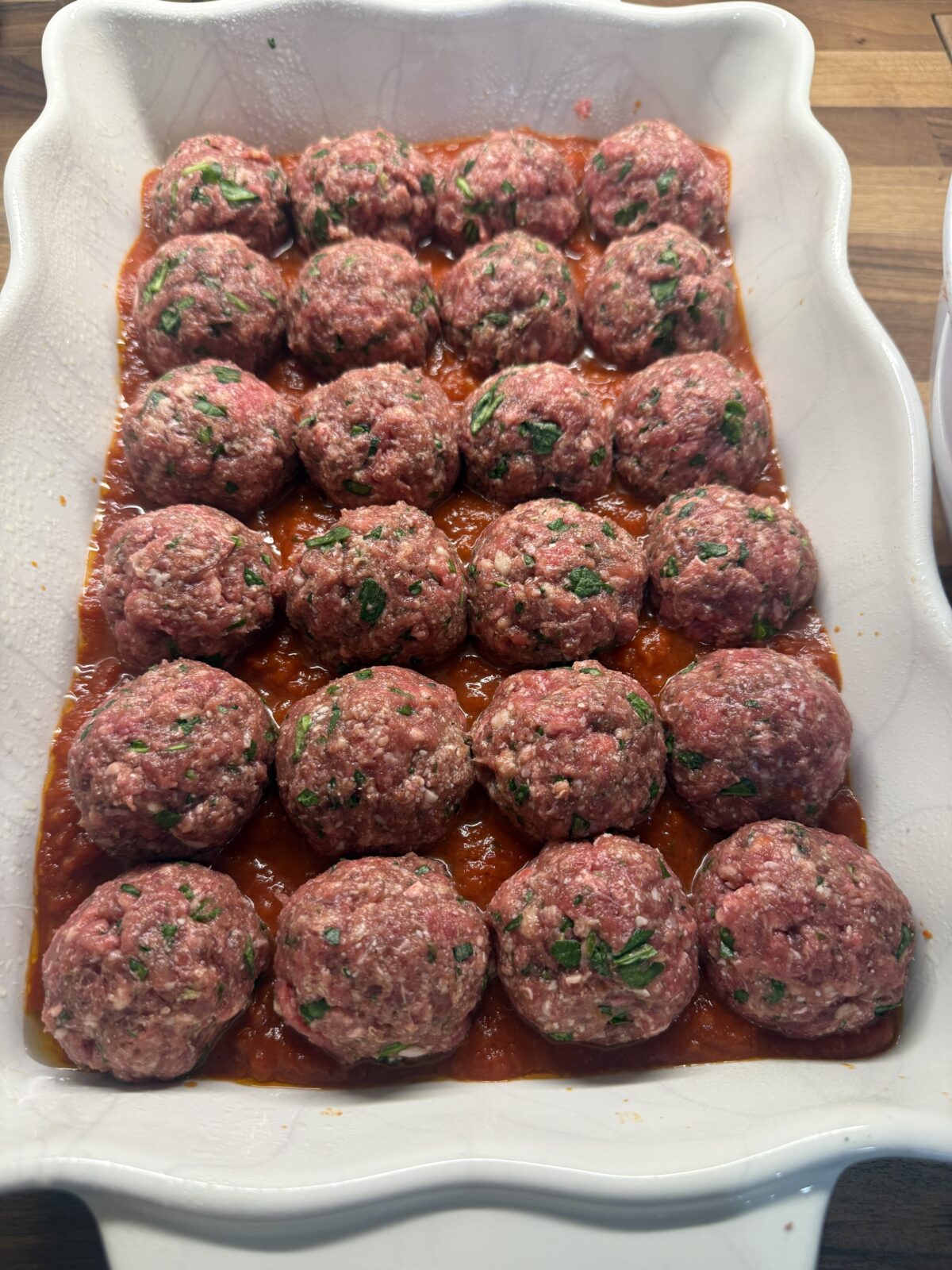
When the dinner hour approaches, the transition is seamless. Because they are designed to go from the freezer directly into a bath of marinara sauce in the oven, the "thawing time" is eliminated. This allows for a hot, nutritious, and protein-packed meal to be ready in roughly 30 minutes, regardless of how chaotic the afternoon may have been.
Supporting Data and Nutritional Implications
The rise of the "high-protein, low-prep" movement in home cooking is supported by a growing body of consumer data indicating that families are prioritizing protein intake as a means of sustaining energy throughout the day.
- Protein Density: The combination of beef and sausage provides a substantial amino acid profile, essential for the growth and development of children and the metabolic health of adults.
- Micronutrient Integration: By incorporating spinach, the recipe introduces essential vitamins, including Vitamin A, Vitamin C, and iron, without requiring additional side dishes that might be rejected by picky eaters.
- Portion Control: The use of a cookie scoop ensures that each meatball is uniform in size, which is not merely an aesthetic choice but a safety one; uniform size ensures even cooking throughout, eliminating the risk of undercooked centers.
Expert Techniques for Success
Sara Judkins and other culinary experts in the Super Healthy Kids community emphasize several critical techniques to ensure the texture and flavor of the meatballs remain consistent:
- The "Don’t Overmix" Rule: One of the most common mistakes in meatball preparation is excessive agitation of the meat. Overworking the protein strands leads to a tough, rubbery texture. The goal is to distribute the ingredients evenly and then immediately cease mixing.
- The Mozzarella Seal: When stuffing the centers with mozzarella, the "seal" is paramount. A small, dry cube of low-moisture mozzarella works best. It is vital to ensure the meat completely encases the cheese. If the cheese is exposed, it will bleed out into the sauce—resulting in a delicious sauce, but a meatball that lacks its gooey, molten center.
- Moisture Management: For those looking to add more vegetables, such as zucchini or carrots, the moisture content is the primary challenge. High-water-content vegetables must be shredded and squeezed dry through a cheesecloth or paper towel before being added to the mixture. Failing to do so can result in a soggy meatball that falls apart in the oven.
Variations and Adaptations
One of the defining features of this recipe is its versatility. The base recipe is a canvas for various culinary expressions:
- The Turkey Pivot: For those looking for a lower-fat option, ground turkey is a viable substitute. However, because turkey is significantly leaner than a beef/pork blend, it is advisable to add a small amount of olive oil or breadcrumbs to ensure the final product remains juicy.
- The Spice Factor: By utilizing spicy Italian sausage, the dish can be elevated for an adult palate. Alternatively, the addition of red pepper flakes into the mix provides a controlled heat that can be adjusted to the family’s preference.
- Sauce Pairings: While marinara is the traditional pairing, these meatballs are remarkably adaptable. They perform exceptionally well with a bright, herbal pesto, a rich Alfredo sauce, or even a spicy arrabbiata.
The Implications for Modern Family Dining
The popularity of this specific recipe signals a shift in how families approach the "dinner dilemma." As the pace of life accelerates, the reliance on high-quality, pre-prepared meals is no longer a compromise—it is a strategy.
By creating these high-protein, nutrient-dense meatballs in bulk, families are effectively "outsourcing" their own labor to their future selves. This proactive approach reduces the likelihood of ordering takeout or relying on ultra-processed snacks during a time-crunched weeknight. Furthermore, by involving children in the process—perhaps letting them roll the meatballs or place the cheese cubes inside—parents can foster a healthier relationship between children and their food.
Conclusion
Sara Judkins’ recipe serves as a reminder that healthy, wholesome eating does not need to be synonymous with hours spent in the kitchen. By leveraging the power of the freezer, the nutritional benefits of hidden vegetables, and the comforting, familiar flavor profile of Italian-inspired proteins, this recipe addresses the fundamental needs of the modern family.
Whether served over a bed of al dente pasta, alongside a pile of roasted seasonal vegetables, or atop a bowl of zucchini noodles for a low-carb alternative, these meatballs provide a consistent, reliable, and—most importantly—delicious meal that satisfies the whole family. In an era where time is the most valuable currency, having a cache of these protein-rich, kid-approved meatballs in the freezer is perhaps the ultimate culinary luxury.