In the landscape of contemporary home cooking, few dishes capture the essence of versatility quite like the Greek Couscous Salad. As households pivot toward nutrition-conscious, time-efficient, and flavor-forward meals, this vibrant side dish has emerged as a quintessential staple. Combining the delicate, pillowy texture of pearl couscous with the zesty brightness of a traditional Mediterranean dressing, this salad is more than just a culinary trend—it is a practical solution for the demands of modern life. Whether served at a sprawling summer garden party or portioned into containers for a busy week of lunches, its appeal lies in its sophisticated simplicity.
Main Facts: The Anatomy of a Perfect Salad
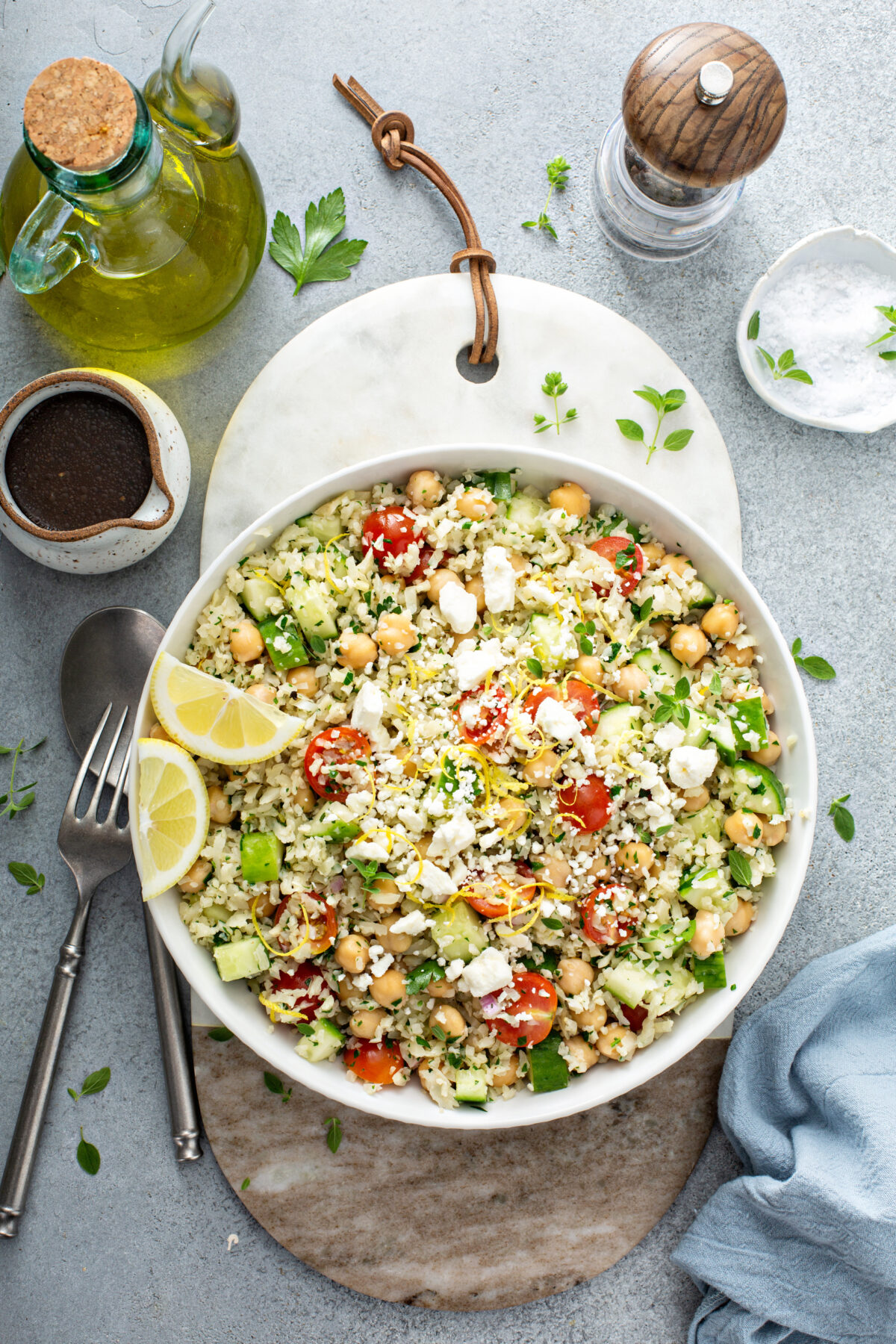
At its core, the Greek Couscous Salad is a masterclass in texture and balance. The foundation is couscous—small, steamed balls of semolina flour—which acts as the perfect canvas for a symphony of fresh ingredients. Unlike heavier pasta salads that can become gummy or bland, couscous retains a light, airy quality that absorbs the nuances of a lemon-infused olive oil dressing without losing its integrity.
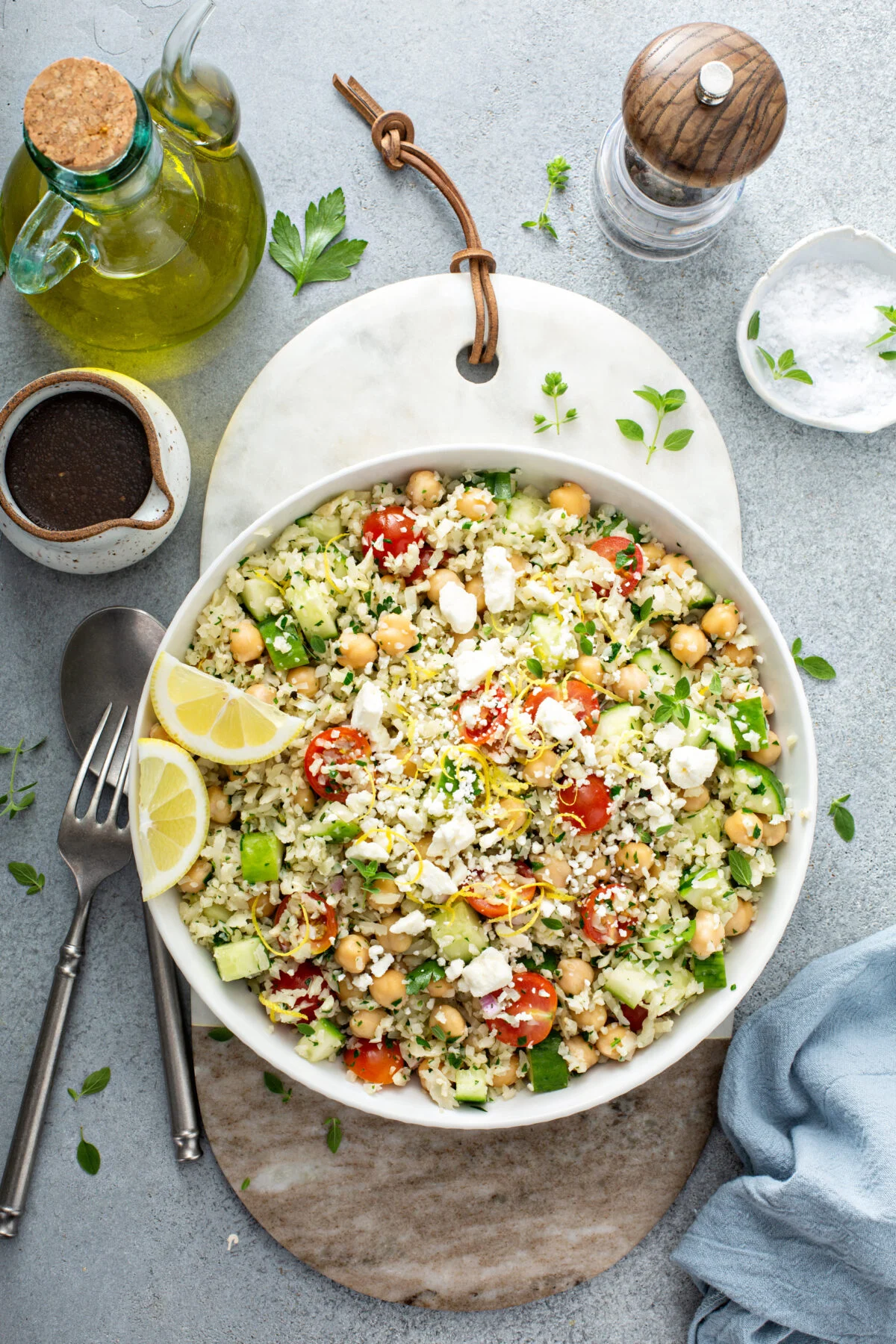
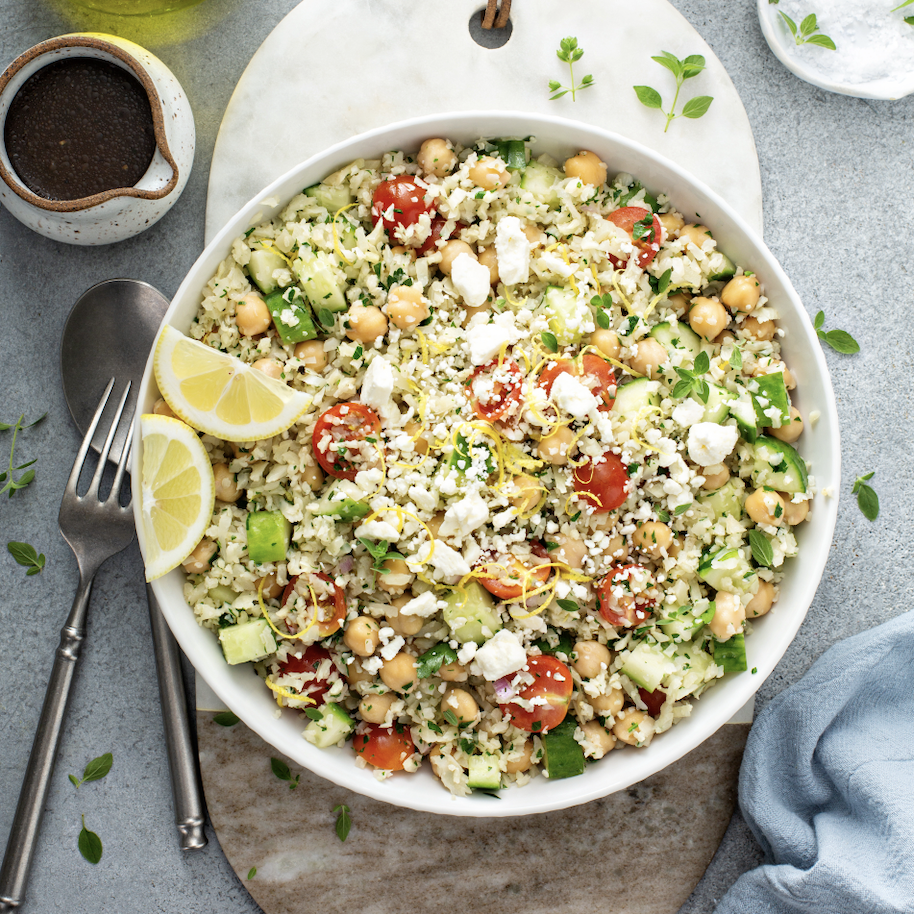
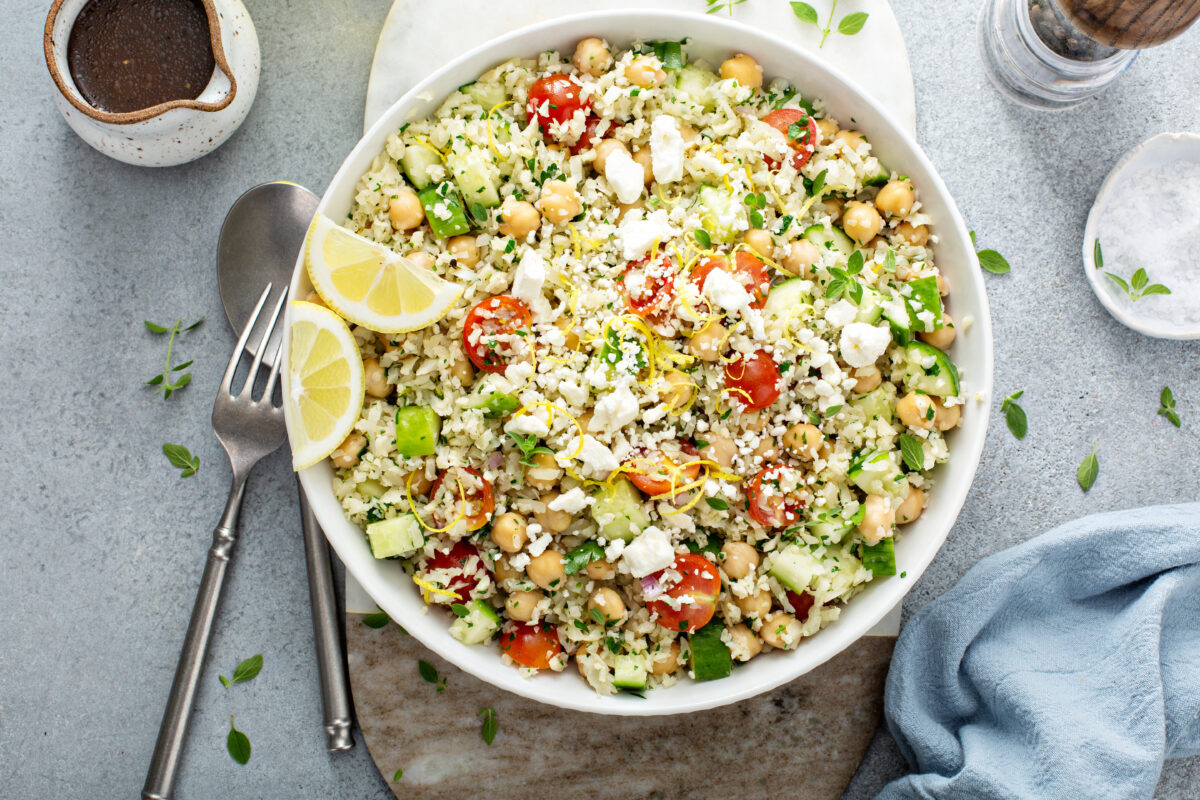
The "Greek" profile is achieved through a precise selection of Mediterranean staples: crisp cucumbers, sun-ripened tomatoes, briny olives, and tangy feta cheese. When tossed together, these ingredients create a profile that is simultaneously acidic, salty, and earthy. The dressing, a simple emulsion of high-quality extra virgin olive oil, freshly squeezed lemon juice, and perhaps a touch of dried oregano, acts as the binding agent that elevates these disparate elements into a cohesive, flavorful experience.
Chronology: The Evolution of the Dish
The history of the Greek Couscous Salad mirrors the evolution of the global palate. While couscous has been a staple of North African cuisine for centuries, its integration into the "Greek salad" framework is a relatively modern phenomenon, popularized by the fusion culinary movements of the late 20th and early 21st centuries.
- The Origins: Historically, traditional Greek salads (horiatiki) did not feature grains. They were composed of tomatoes, cucumbers, onion, feta, and olives.
- The Grained Integration: As global food culture became more interconnected, chefs and home cooks began introducing grains—such as bulgur or, more recently, pearl couscous—to transform the traditional vegetable medley into a more substantial, satiating meal.
- The Modern Era: Today, the dish has moved from the realm of niche Mediterranean restaurants to the mainstream home kitchen. With the rise of the "meal prep" culture, this specific iteration has gained traction because it is one of the few salads that not only survives the refrigerator but arguably improves after a resting period, as the flavors meld and the dressing softens the grain.
Supporting Data: Why Texture and Technique Matter
Culinary science suggests that the success of a cold grain salad relies heavily on temperature management and ingredient preparation. Expert chefs emphasize several key technical benchmarks that ensure a high-quality result:
Thermal Equilibrium
One of the most common pitfalls is adding fresh vegetables to hot couscous. The residual heat causes the cucumbers and tomatoes to release excess water, resulting in a soggy, unappealing mixture. The professional standard is to allow the couscous to reach room temperature before incorporation. This preserves the structural integrity of the produce, keeping the cucumbers crisp and the tomatoes firm.
The Role of Acid
The use of fresh lemon juice is not merely a matter of taste; it is a chemical necessity. The acidity breaks down the starches slightly, allowing the dressing to penetrate the grain, while simultaneously brightening the palate. Data on consumer preferences indicates that dishes utilizing fresh citrus consistently rank higher in "freshness" and "satisfaction" scores than those relying on vinegar-based dressings alone.
The "Feta Factor"
Incorporating cheese at the correct stage is vital. Folding in the feta as the final step ensures that the cheese retains its form. If added too early and tossed vigorously, the feta loses its texture, effectively turning the dressing into a milky sauce—a mistake that detracts from the visual appeal and the distinctive salty "pop" that feta is intended to provide.
Official Perspectives: The Nutritionist’s View
Dietitians and nutritionists have increasingly championed the Greek Couscous Salad as a model for balanced eating. According to health experts, the combination of complex carbohydrates from the couscous, healthy fats from the olive oil, and the vitamin-rich profile of the fresh vegetables provides a sustainable energy release.
"The beauty of this dish is its accessibility," says one leading culinary nutritionist. "It encourages the consumption of raw, nutrient-dense vegetables while providing enough fiber and satiety to prevent mid-afternoon snacking. It is a textbook example of how Mediterranean-style eating can be seamlessly integrated into a busy, non-Mediterranean lifestyle."
Furthermore, the customization options allow it to fit almost any dietary requirement. For those seeking higher protein, the addition of rotisserie chicken or chickpeas is highly recommended. For those monitoring carbohydrate intake, the substitution of cauliflower rice—while technically a different dish—maintains the "Greek" flavor profile while significantly altering the macronutrient breakdown.
Implications for the Modern Kitchen
The rise of the Greek Couscous Salad reflects a larger shift in how we approach food. We are moving away from overly complicated, time-intensive recipes in favor of "assembly-style" cooking. The implications for the home cook are significant:
Efficiency and Economics
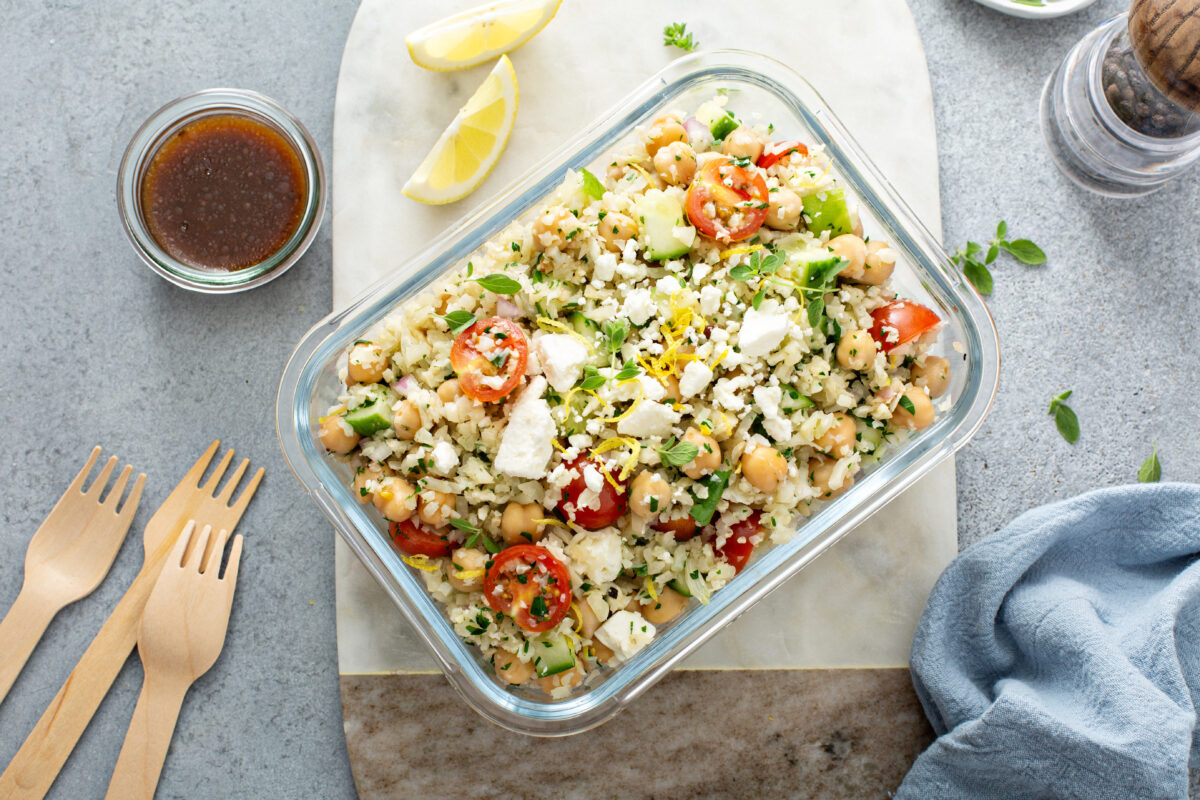
By utilizing staples such as cucumbers, tomatoes, and herbs, the salad is cost-effective. Furthermore, its four-day refrigerator lifespan makes it a superior option for professionals looking to minimize food waste. When stored in airtight containers, the salad maintains its quality, making it a "set-and-forget" meal solution.
Culinary Versatility
The dish serves as a chameleon. It is formal enough to be the centerpiece of a neighborhood potluck, yet simple enough to serve as a Tuesday night side dish for grilled proteins. This versatility is the hallmark of a "forever recipe"—one that remains in a family’s rotation for generations.
The "Next Day" Advantage
Perhaps the most intriguing implication is the discovery that this salad is a "maturing" dish. Unlike green salads that wilt within hours of dressing, the couscous acts as a sponge. After 12 to 24 hours in the refrigerator, the interplay between the lemon, the salt of the feta, and the starch of the grain creates a depth of flavor that is unattainable immediately after preparation.
Conclusion: A Blueprint for Better Eating
The Greek Couscous Salad is more than the sum of its parts. It is a testament to the fact that healthy, delicious eating does not require professional training or hours of labor. By focusing on high-quality fresh herbs—such as dill and parsley—and adhering to the fundamental principles of cooling and layering, any home cook can produce a result that rivals the best Mediterranean bistros.
As we look toward the future of home cooking, the emphasis will continue to be on recipes that respect our time while honoring our health. With its vibrant colors, refreshing profile, and unmatched adaptability, the Greek Couscous Salad is poised to remain a staple of the modern kitchen for years to come. Whether you are an experienced cook or a novice looking to master your first meal-prep routine, this dish offers a perfect starting point. It invites you to experiment, to taste, and ultimately, to enjoy the simple, timeless pleasure of a perfectly prepared meal.