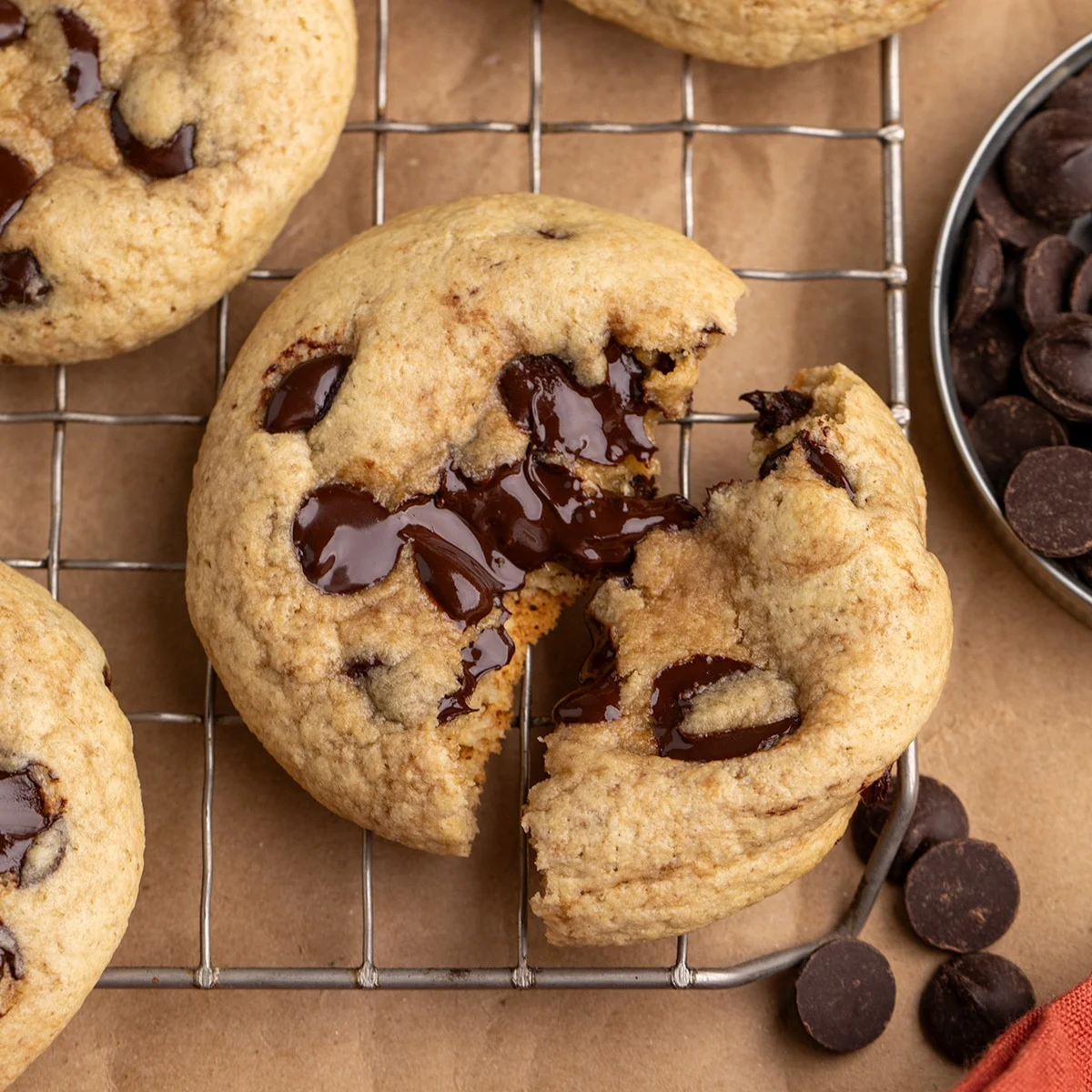
In the modern culinary landscape, the intersection of fitness-focused nutrition and classic comfort baking has long been a battlefield of compromise. Consumers seeking a post-workout protein boost have historically been forced to choose between chalky, dense protein bars or indulgent, sugar-laden cookies that offer little nutritional value. However, a new approach to the “protein cookie” is challenging these trade-offs, proving that performance-oriented snacks can taste just as decadent as their traditional counterparts.
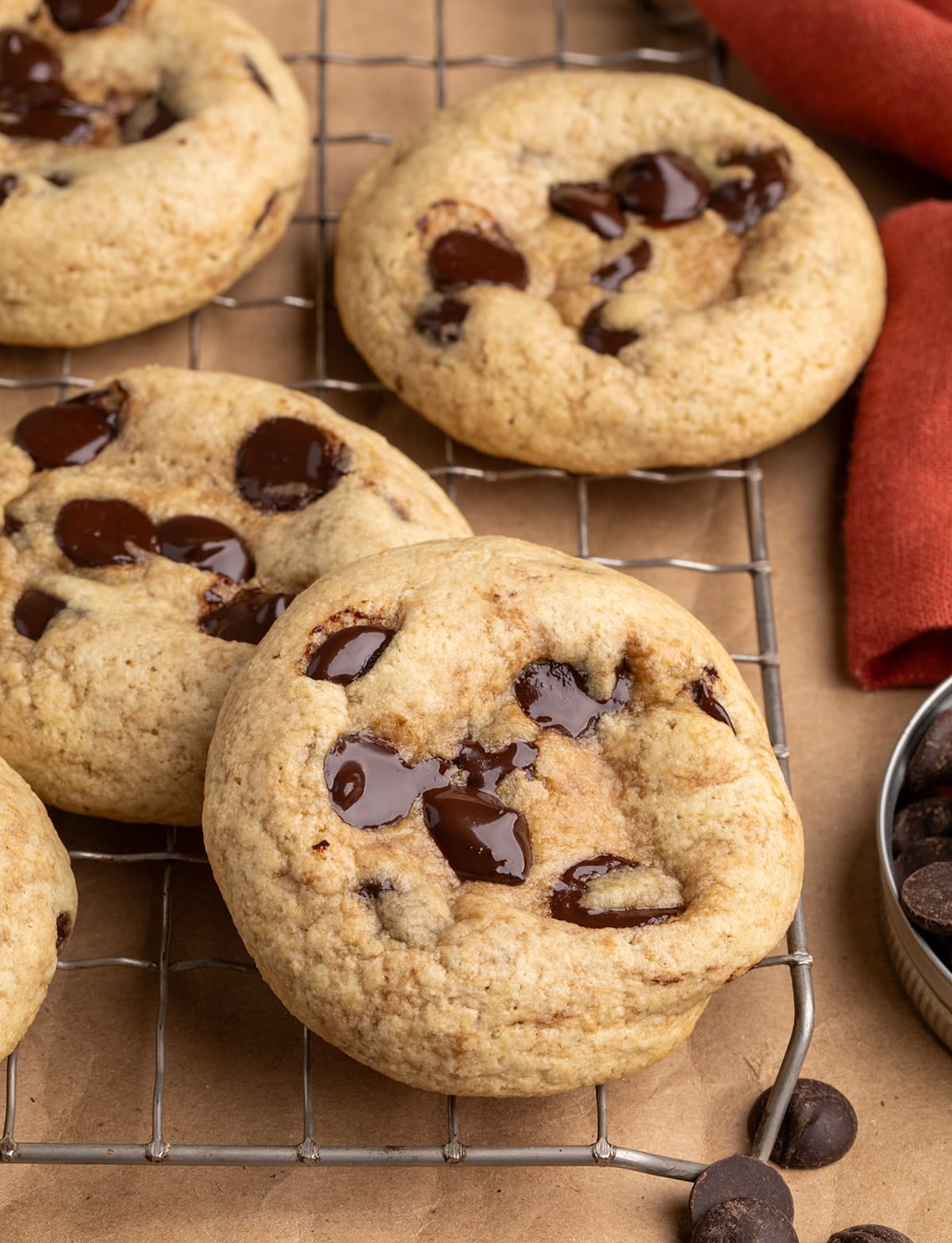
This guide examines a refined recipe for chocolate chip protein cookies that effectively balances 10 grams of protein per serving with the soft, buttery texture of a bakery-style treat. By moving away from the common reliance on nut butters, this approach shifts the structural foundation of the cookie to oat flour and precision-balanced protein powder, setting a new benchmark for home-baked functional foods.
The Core Concept: Engineering the Perfect Protein Cookie
Most commercially available protein cookies suffer from a reputation for being dry, grainy, or overly earthy in flavor. The structural integrity of these products usually relies on heavy nut butters, which—while healthy—dominate the flavor profile and create a dense, oily mouthfeel.

The strategy employed in this recipe is to treat the cookie as a sophisticated baking project rather than a supplement shake in solid form. By utilizing finely ground oat flour, the base of the cookie remains neutral, allowing the buttery, sweet notes of the chocolate chip cookie to take center stage. The integration of high-quality protein powder is managed through a specific mixing technique that prevents the “chalkiness” often associated with whey or collagen-based additives.
Chronology of Development: From Concept to Kitchen
The pursuit of this recipe followed a structured development process, focusing on the chemistry of the ingredients to ensure a moist, chewy finish.
Phase 1: The Dry-Mix Foundation
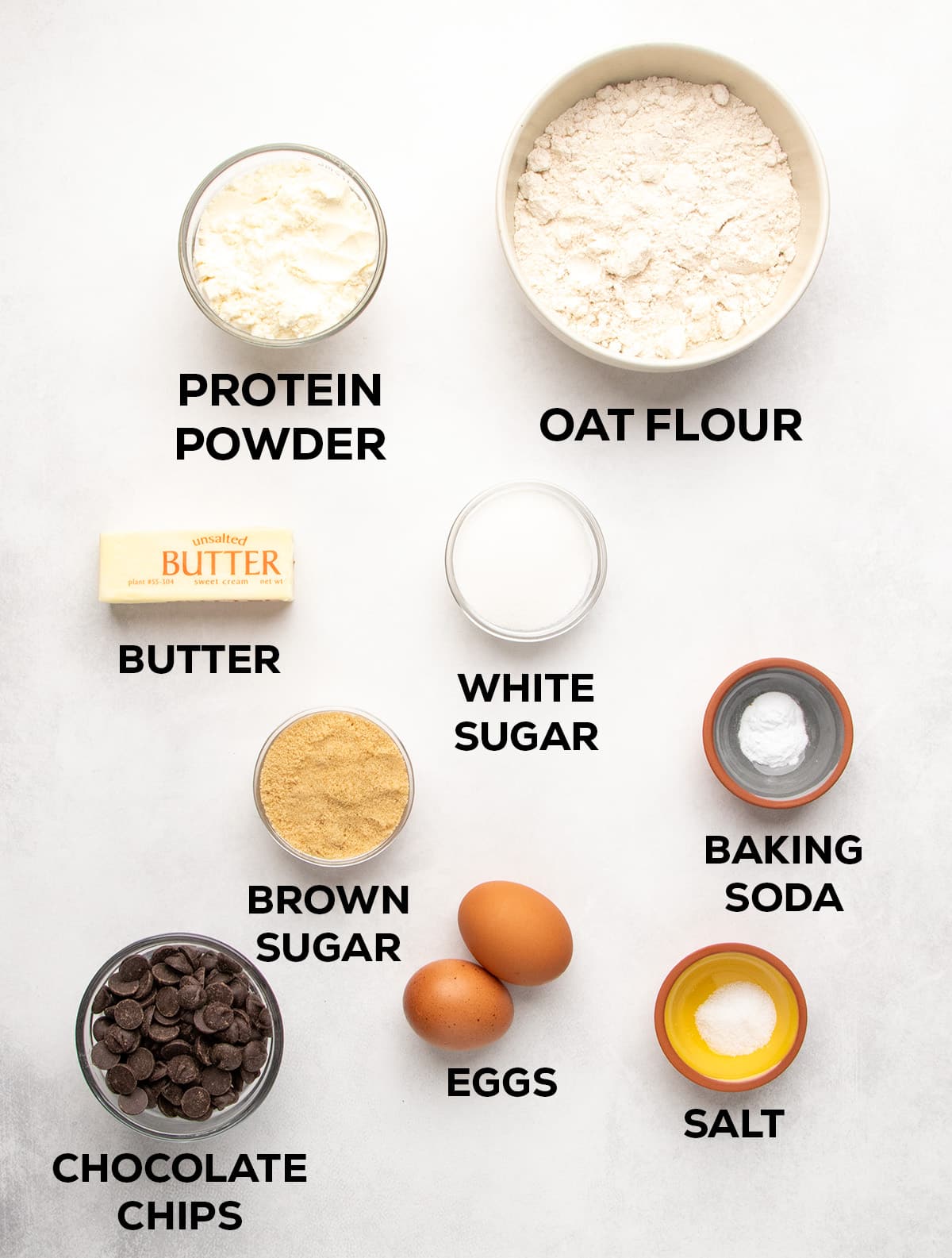
The process begins with the rigorous integration of dry ingredients: finely ground oat flour, protein powder, white and brown sugars, baking soda, and salt. The objective here is two-fold: achieving a perfectly homogenous blend and eliminating clumps. In professional baking, even small pockets of leavening agent or salt can compromise the consistency of an entire batch. Brown sugar is treated with particular attention, as its natural moisture causes it to clump; these must be broken down to ensure an even bake.
Phase 2: The Wet-Dry Emulsion
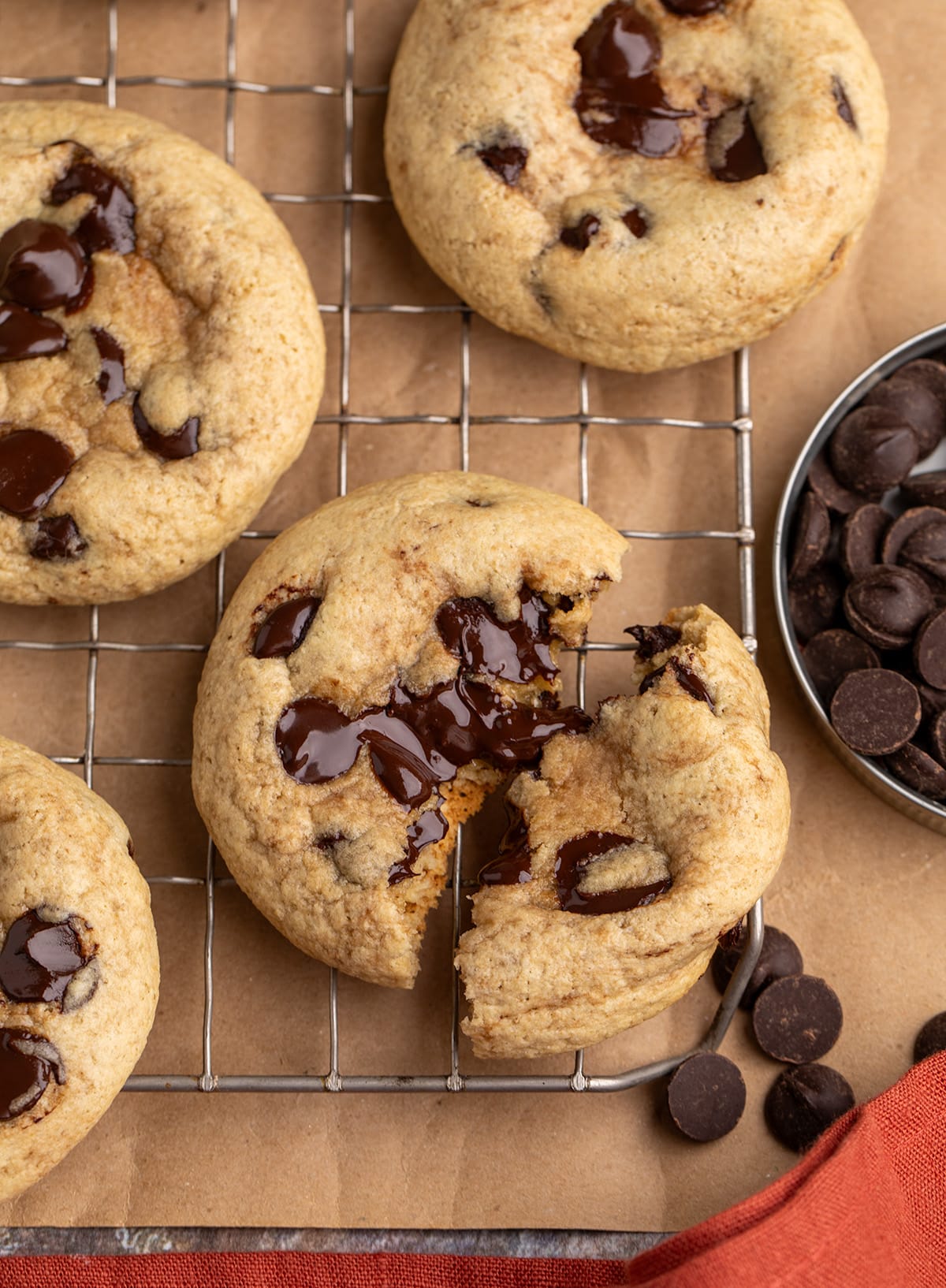
Rather than overmixing the dough, which can activate proteins in a way that leads to a tough, stringy texture, this method uses a “well” technique. By creating a center depression in the dry mix and introducing melted butter and beaten eggs, the baker can pull the ingredients together quickly. This minimal handling is critical for maintaining the soft, chewy crumb characteristic of a premium cookie.
Phase 3: The Thermal Precision
The final, and perhaps most critical, step is the bake. Because protein powder can dehydrate rapidly under heat, the timing is a matter of seconds. The cookies are pulled from the oven while the centers appear slightly underbaked and the tops remain pale. This “carry-over” cooking effect allows the heat trapped within the cookie to finish the setting process during the cooling phase, ensuring the final product remains tender rather than crumbly.
Supporting Nutritional Data
For those tracking macronutrients, the profile of these cookies represents a significant upgrade from standard confectionery. With 10 grams of protein per serving, these cookies function as a viable snack for muscle recovery or as a protein-rich dessert.
| Nutrient | Amount per Serving |
|---|---|
| Calories | 284 kcal |
| Protein | 10g |
| Carbohydrates | 28g |
| Fat | 15g |
| Fiber | 2g |
| Sugar | 16g |
Note: The above nutritional data is an approximation based on standard ingredient values and may vary depending on the specific brand of protein powder or flour utilized.
Strategic Ingredient Substitutions
The versatility of this recipe allows it to be adapted for various dietary requirements, though these modifications require a baseline understanding of food chemistry.
Dairy-Free Alternatives
For those avoiding dairy, the primary challenge is the butter. The use of high-quality, block-style vegan butter—such as those produced by Melt or Miyoko’s—is the recommended substitute to maintain the fat content necessary for a soft texture. Regarding the protein source, whey protein isolate can be swapped for collagen peptides or plant-based protein powders, such as Vega Essentials. However, users should be aware that plant-based powders often contain starches or gums that may alter the final texture, requiring a slight adjustment in the hydration levels of the dough.
Navigating the Oat-Free Requirement
For those with sensitivities to oats, the structural substitute must be equally fine in texture. Super-finely ground and sifted almond flour is the most reliable alternative. If using almond flour, the absorption rate may differ slightly, so bakers should monitor the dough consistency during the mixing phase to ensure it remains pliable.
The Challenge of Sugar Substitutes
While many seek to reduce the sugar content further, it is important to note that sugar serves a structural purpose in this recipe. It acts as a humectant, locking in moisture to prevent the protein powder from drying out the cookie. When using sugar alcohols or alternative sweeteners like Lakanto, the cookies will naturally be drier. If choosing this route, adding a small amount of extra moisture—such as a tablespoon of applesauce or extra egg—may be necessary to maintain the desired chewiness.
Implications for Modern Baking
The rise of the “functional cookie” reflects a broader trend in consumer behavior: the rejection of binary choices. Consumers no longer want to categorize food strictly as “healthy” or “tasty.” This recipe serves as a template for the future of home baking, where nutritional density is baked into the foundation of the item rather than added as an afterthought.

Furthermore, the emphasis on precise technique—such as the importance of not overbaking—underscores the shift toward a more professional approach in home kitchens. As interest in fitness and dietary management grows, the ability to produce these items at home provides a cost-effective and transparent alternative to expensive, highly processed commercial protein snacks.
Conclusion: A Balanced Approach to Indulgence
Ultimately, these chocolate chip protein cookies prove that protein-enriched baking does not have to be a sacrifice. By focusing on the structural properties of ingredients like oat flour and managing the bake time with precision, one can achieve a product that satisfies both the craving for a classic cookie and the requirement for increased protein intake. Whether for a post-workout snack or a guilt-free dessert, this recipe offers a reliable framework for healthy, high-protein baking.
For those looking to expand their repertoire, the secret lies in the balance: respect the ingredients, monitor the heat, and never settle for a "good enough" texture. By mastering these basics, the home baker can turn a simple snack into a nutritional cornerstone.