NEW YORK — In an era defined by hyper-convenience and skyrocketing grocery prices, health-conscious consumers are increasingly casting a critical eye toward the wellness aisle. Pre-packaged functional foods—long touted as the ultimate post-workout fuel—have faced a wave of consumer pushback regarding exorbitant price points, chalky textures, and ingredient lists laden with unrecognizable stabilizers.
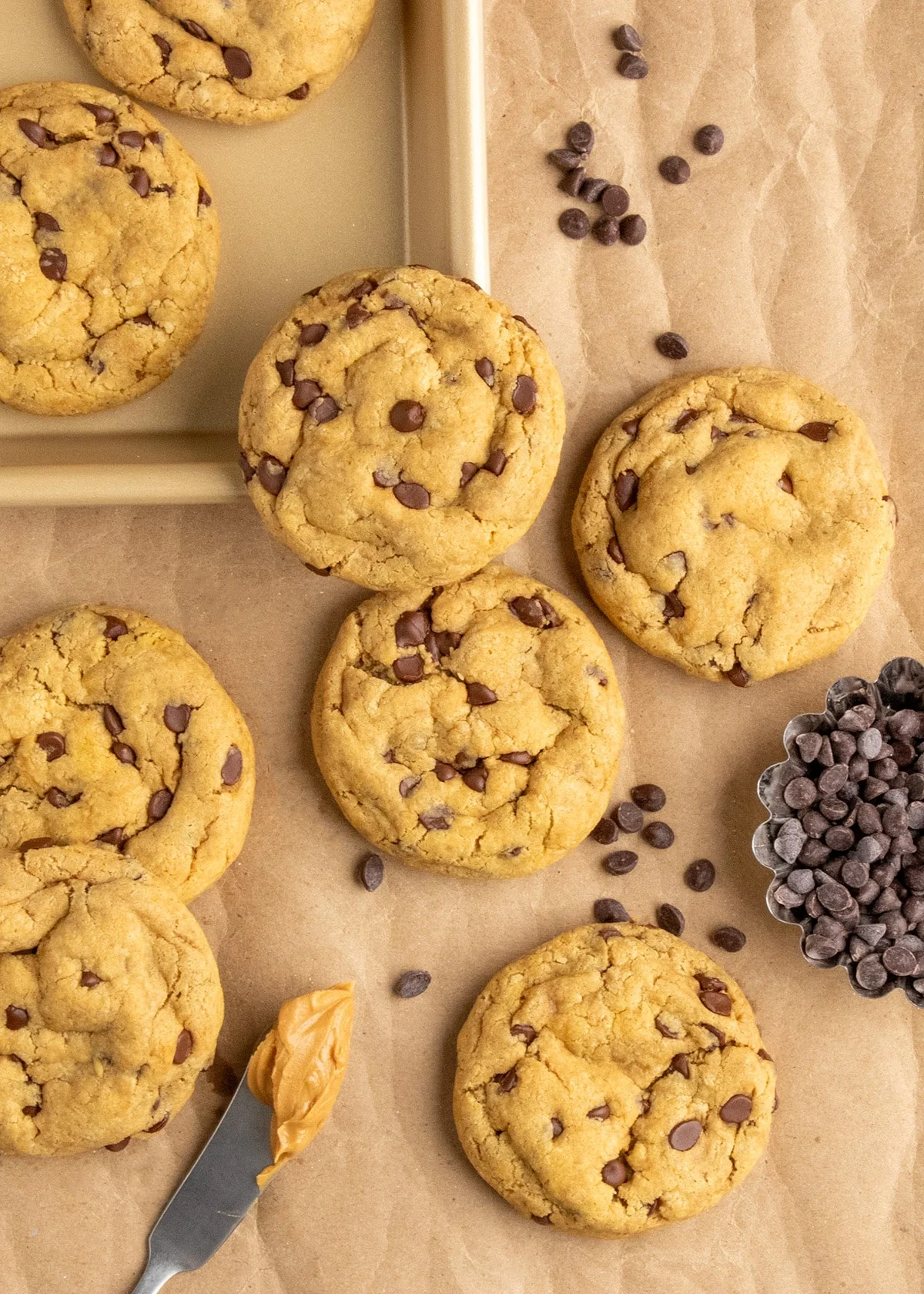
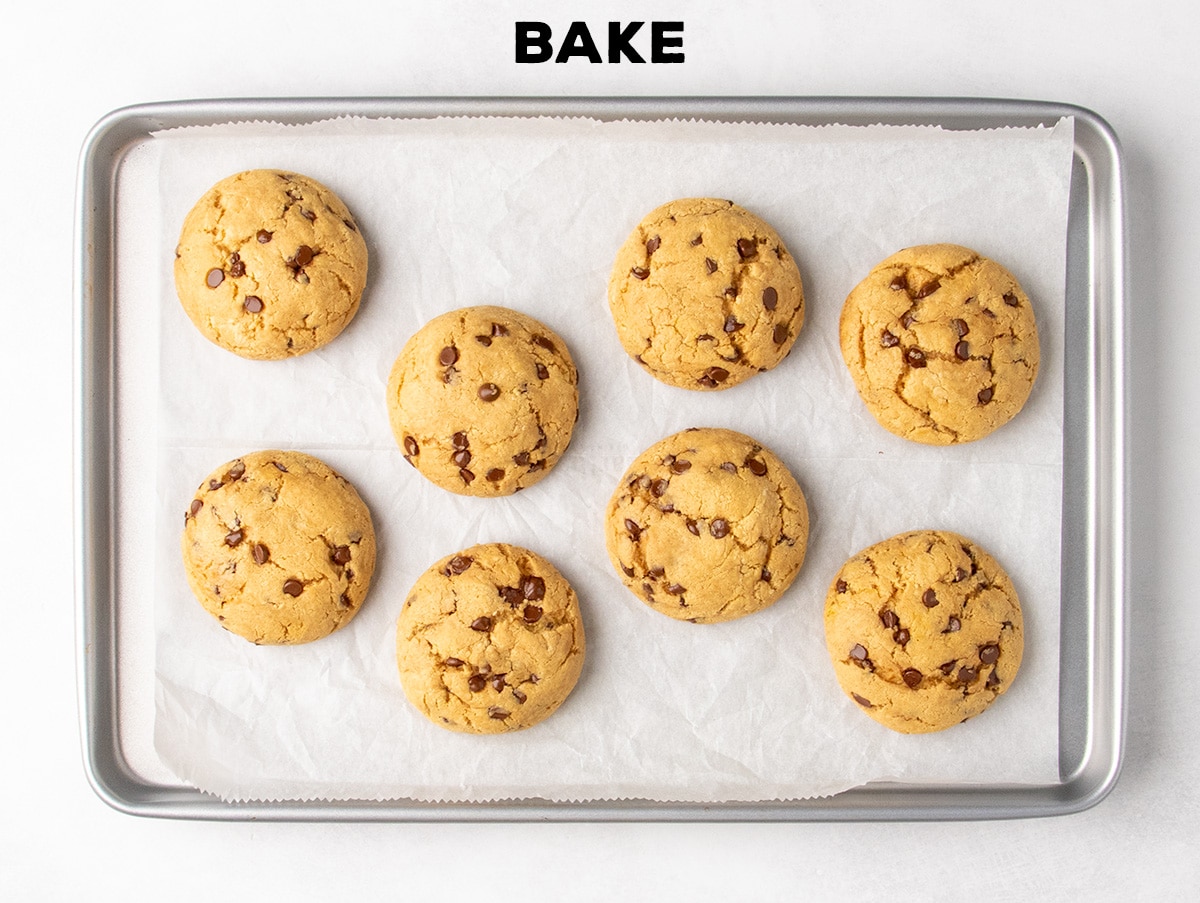
Enter a culinary shift toward high-protein home baking. Leading the charge is gluten-free baking expert Nicole Hunn, creator of Gluten Free on a Shoestring, whose latest recipe for soft and chewy peanut butter protein cookies is redefining what consumers should expect from functional treats. Delivering an impressive 10 grams of protein per cookie at a fraction of store-bought costs, this formulation bridges the historical gap between nutritional efficacy and genuine culinary indulgence.
Main Facts: Nutritional Breakdown Meets Culinary Craft
At the intersection of sports nutrition and traditional baking lies a persistent challenge: protein powders inherently absorb moisture differently than traditional wheat flour, frequently yielding dense, dry, or rubbery results. Hunn’s recipe overcomes this structural hurdle through a calculated combination of science-backed baking techniques and high-grade ingredients.
Macronutrient Profile: Each 50-gram cookie yields approximately 224 calories, 13 grams of fat (rich in heart-healthy monounsaturated and polyunsaturated fats), 19 grams of carbohydrates, 16 grams of sugar, and a robust 10 grams of protein.
Structural Integrity: By utilizing a casein and whey protein powder blend, the dough gains essential structural support without sacrificing chewiness.
Moisture Retention: An emulsion built on natural honey, an extra egg yolk, and Greek yogurt successfully counteracts the drying effects of high protein content and peanut oil.
Dietary Compliance: Naturally flourless and gluten-free, the recipe caters to a massive demographic of consumers navigating dietary restrictions without requiring specialized, high-cost specialty flours.
Chronology: The Evolution of the Functional Cookie
The journey from commercial protein bars to kitchen-crafted functional cookies reflects a broader evolution in consumer food habits:
Phase 1: The Era of Convenience (Early 2010s): The market was flooded with mass-produced protein bars and cookies. While functional, many products were criticized for their chalky aftertaste, artificial sweeteners, and prices scaling upwards of $3.00 to $4.00 per single-serving cookie.
Phase 2: The Gluten-Free and Allergen-Aware Boom: As consumer awareness of celiac disease and non-celiac gluten sensitivity surged, bakers sought alternatives. Early gluten-free protein baked goods often relied heavily on dense oats or alternative flours, occasionally compromising on texture.
Phase 3: The Precision-Baking Breakthrough (Present): Modern home bakers are leveraging precise ingredient emulsions—such as combining dairy powders, yogurt emulsions, and specific protein isolates—to match the mouthfeel of traditional bakery items while maintaining high nutritional values. Hunn’s formula represents this current zenith, where cost-efficiency meets professional-grade sensory appeal.
Supporting Data: Cost Analysis and Nutritional Metrics
A deeper dive into the economics and chemistry of functional snacking illuminates why home-baked protein cookies are gaining rapid traction among budget-conscious athletes and families.
Financial Impact
Commercial protein cookies often retail at premium prices due to packaging, shipping, and brand markups. Independent kitchen audits show that crafting these peanut butter protein cookies at home reduces ingredient costs by more than 50% per serving compared to leading national brands. For households consuming functional snacks regularly, the cumulative annual savings can total hundreds of dollars.
Chemical Composition and Role of Ingredients
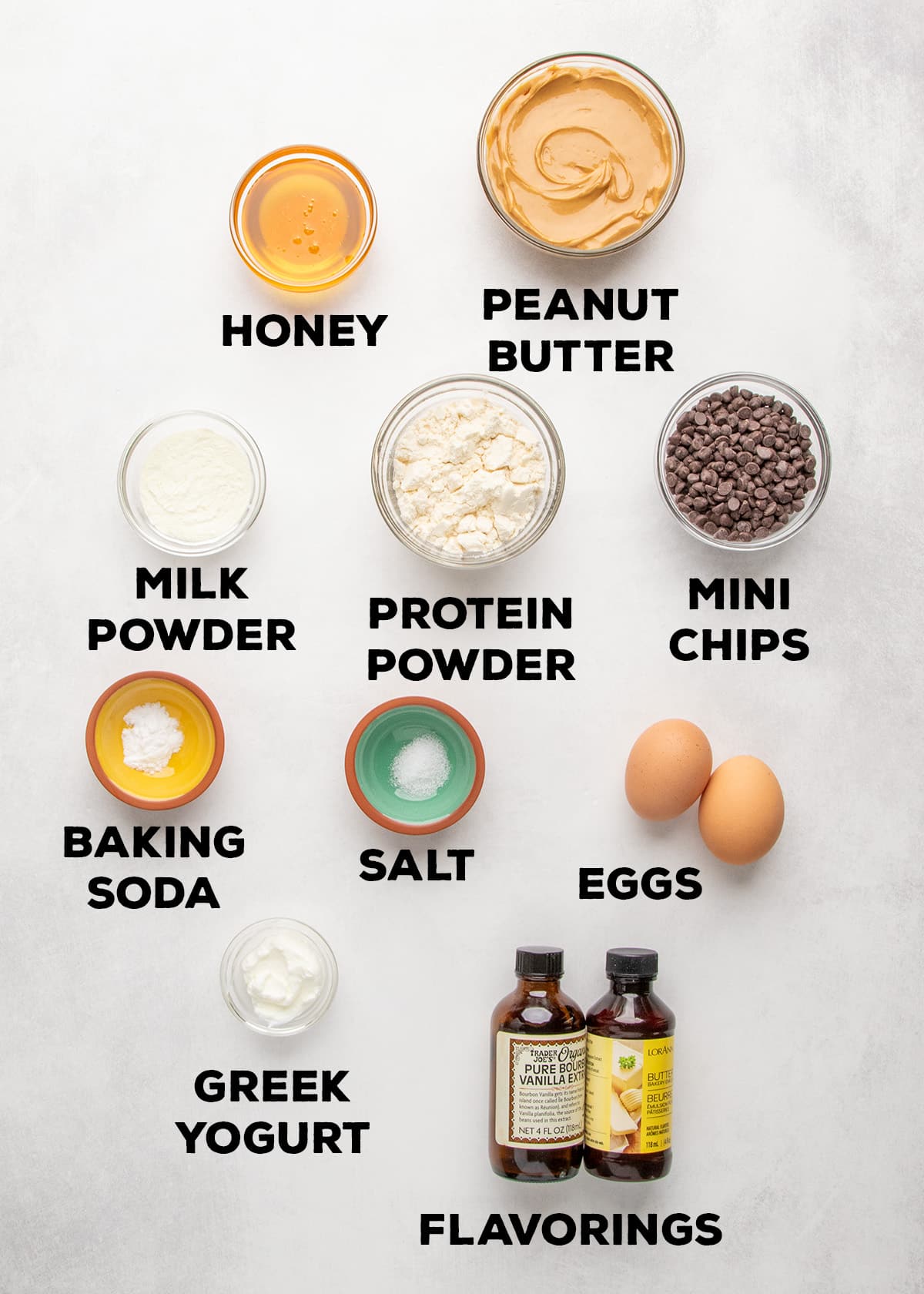
Understanding the function of each component explains why the recipe maintains its signature soft texture:
Ingredient
Primary Function in Recipe
Casein/Whey Blend
Provides structural framework and a high-protein baseline without excessive dryness.
Honey, Egg Yolk & Greek Yogurt
Creates a rich emulsion, adding essential moisture to balance peanut oil and protein absorption.
Mini Chocolate Chips
Distributed evenly via dry-coating to prevent sinking, ensuring consistent flavor delivery.
Baking Soda & Salt
Provides micro-leavening while balancing sweetness and enhancing nutty flavor profiles.
Official Responses and Expert Perspectives
The culinary community has increasingly embraced recipes that prioritize transparency over proprietary commercial blends. Food scientists and recipe developers note that home baking grants consumers total agency over what enters their bodies.
"Packaged protein cookies are so expensive and often taste strange somehow," notes Hunn. "These cookies cost less than half the price to make, and have the soft, chewy texture and rich peanut butter flavor I actually want to eat. At Gluten Free on a Shoestring, ‘good, for gluten free’ just isn’t good enough."
Nutritional experts point out that while commercial protein snacks offer undeniable portability, they frequently rely on sugar alcohols and fiber blends that can cause gastrointestinal distress for sensitive individuals. By utilizing whole-food fats like natural peanut butter and cultured dairy like Greek yogurt, home recipes offer a cleaner gastrointestinal profile alongside sustained energy release.
Implications: The Future of Functional Home Baking
The popularity of high-protein, allergen-friendly home baking signals several wider implications for the food and beverage industry:
1. Consumer Empowerment
As grocery inflation persists, consumers are increasingly auditing their weekly budgets. Recipes that deliver specialized nutritional outcomes—such as high protein or allergen-free profiles—without requiring expensive commercial specialty items empower consumers to take control of their nutrition.
2. Adaptation of Dietary Adaptability
Modern recipes must be versatile. Hunn’s formulation includes comprehensive pathways for dietary adjustments, noting that those requiring dairy-free alternatives can substitute pea or rice protein isolate alongside coconut milk powder and plant-based yogurts. Similarly, nut-free adaptations using seed butter or specialized alternatives ensure that inclusivity remains at the forefront of modern baking design.
3. Sustainability and Waste Reduction
Baking in batches not only saves money but also significantly reduces the single-use plastic waste associated with individually wrapped commercial protein bars and cookies. Stored at room temperature for two days, refrigerated for up to a week, or frozen for three months, these cookies offer the longevity of commercial snacks without the environmental footprint.
Ultimately, the rise of the homemade protein cookie proves that nutritional density and gourmet flavor are not mutually exclusive. By applying precise culinary science to accessible household ingredients, home bakers are successfully rewriting the rules of functional nutrition.