There is perhaps no culinary hallmark of summer more definitive than the peach cobbler. It is a dish that balances the fleeting, sun-drenched sweetness of peak-season stone fruit with the comforting, buttery warmth of a rustic pastry topping. Unlike the technical precision required for a fruit pie—which demands the chilling of dough, the delicate art of crimping, and the anxiety of a soggy bottom—the cobbler is a celebration of ease. It is a dessert defined by its "cobbled" appearance, a warm, bubbling landscape of fruit and biscuit that invites home cooks of all skill levels to participate in a storied American tradition.
As we move through the peak harvest, understanding the science and technique behind this classic dessert is essential for those looking to elevate their kitchen game.
The Anatomy of a Perfect Cobbler: Main Facts
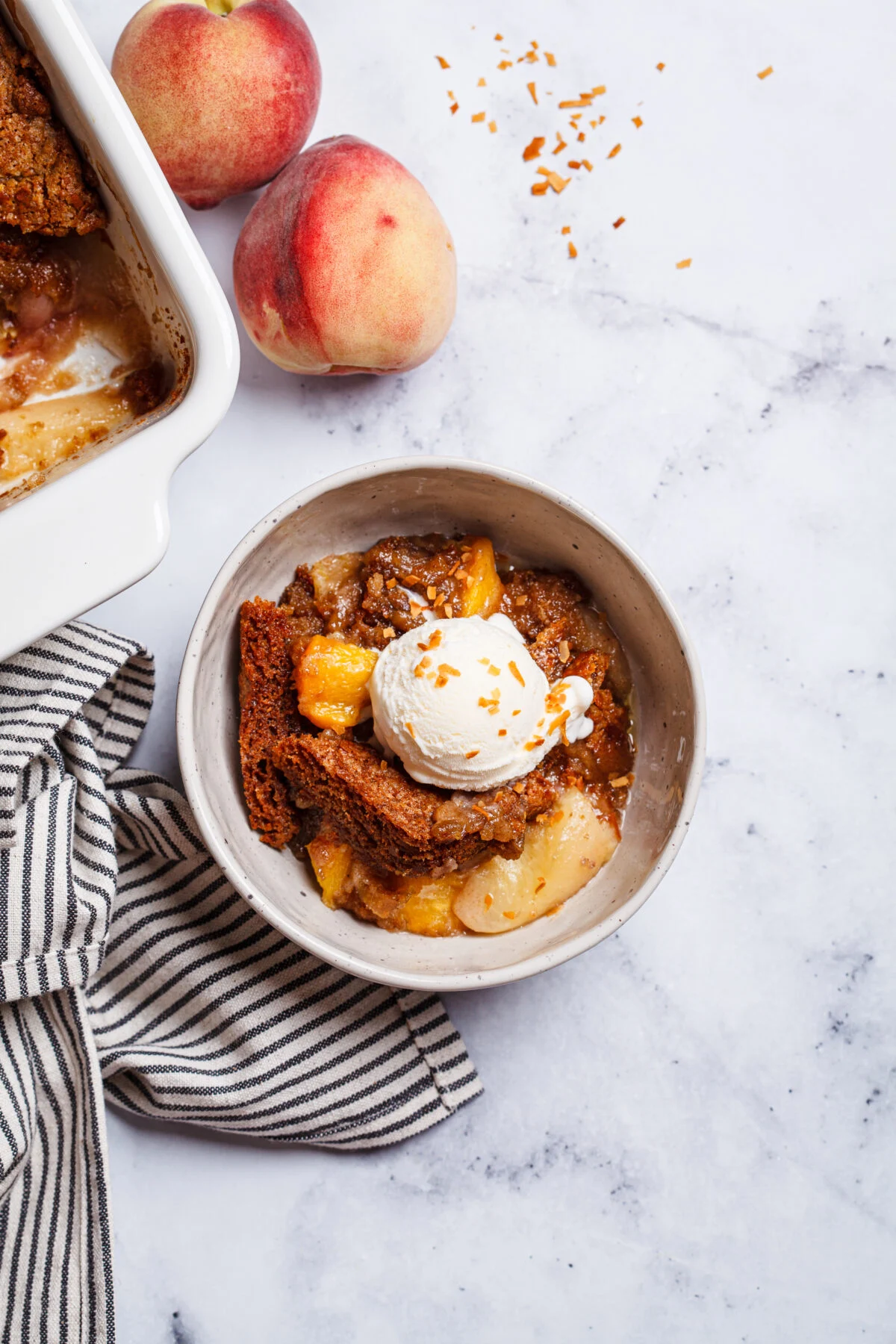
At its core, a peach cobbler is an exercise in structural contrast. You have the "filling," which consists of sliced peaches tossed in sugar, thickeners, and spices, and the "topping," which acts as a sponge for the caramelizing juices.
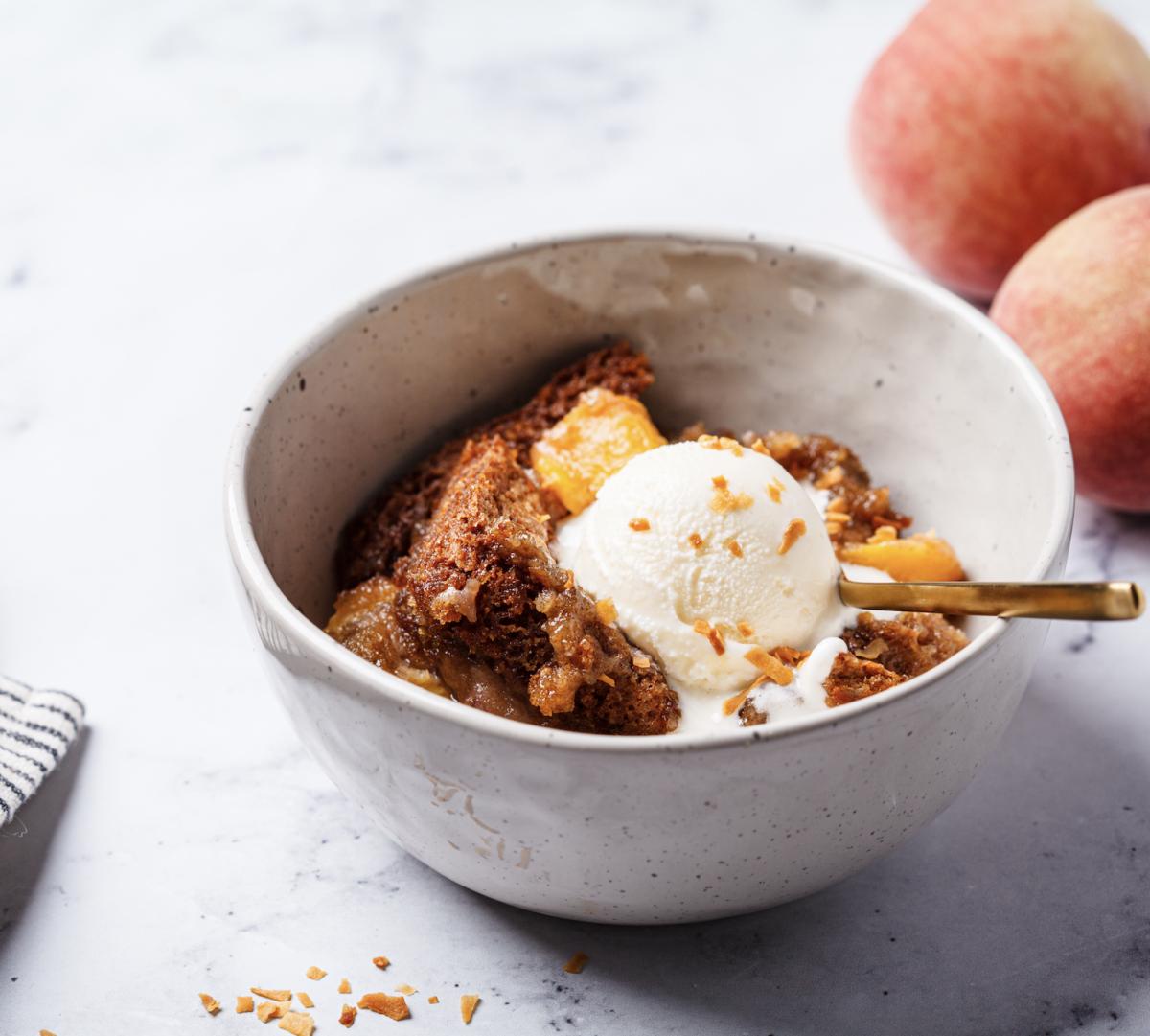
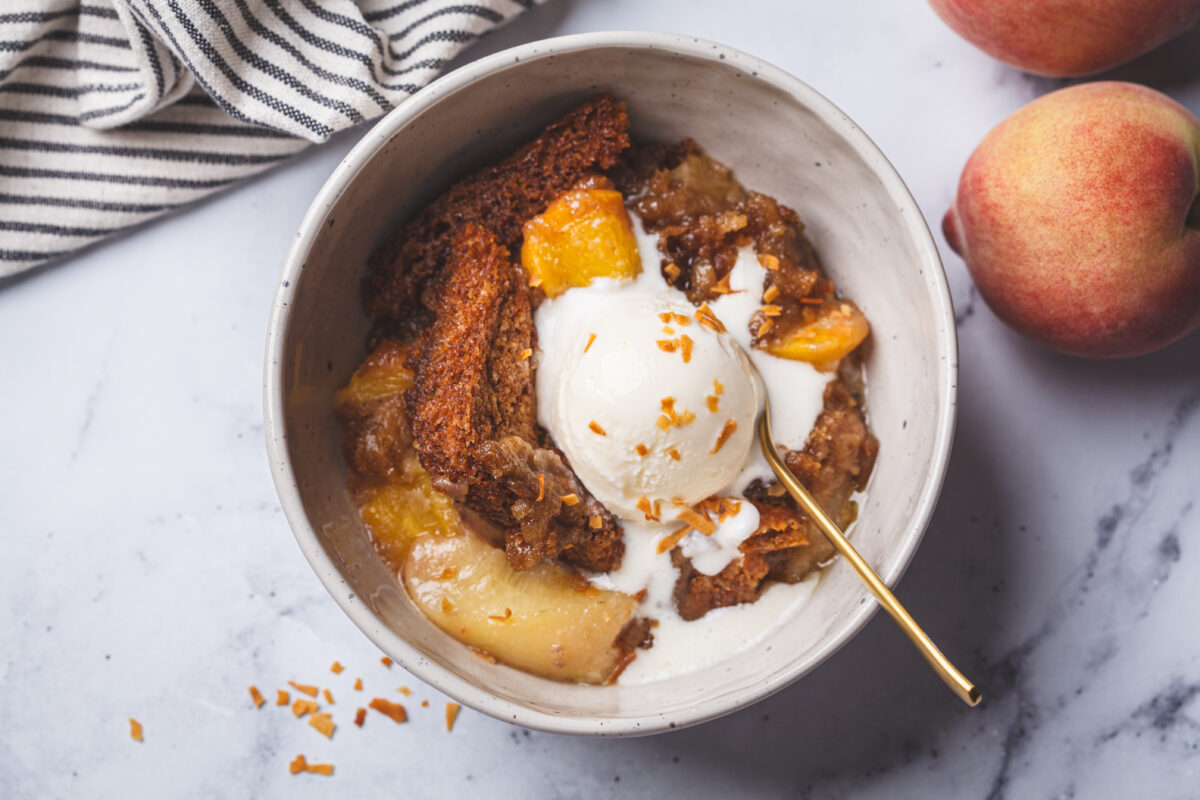
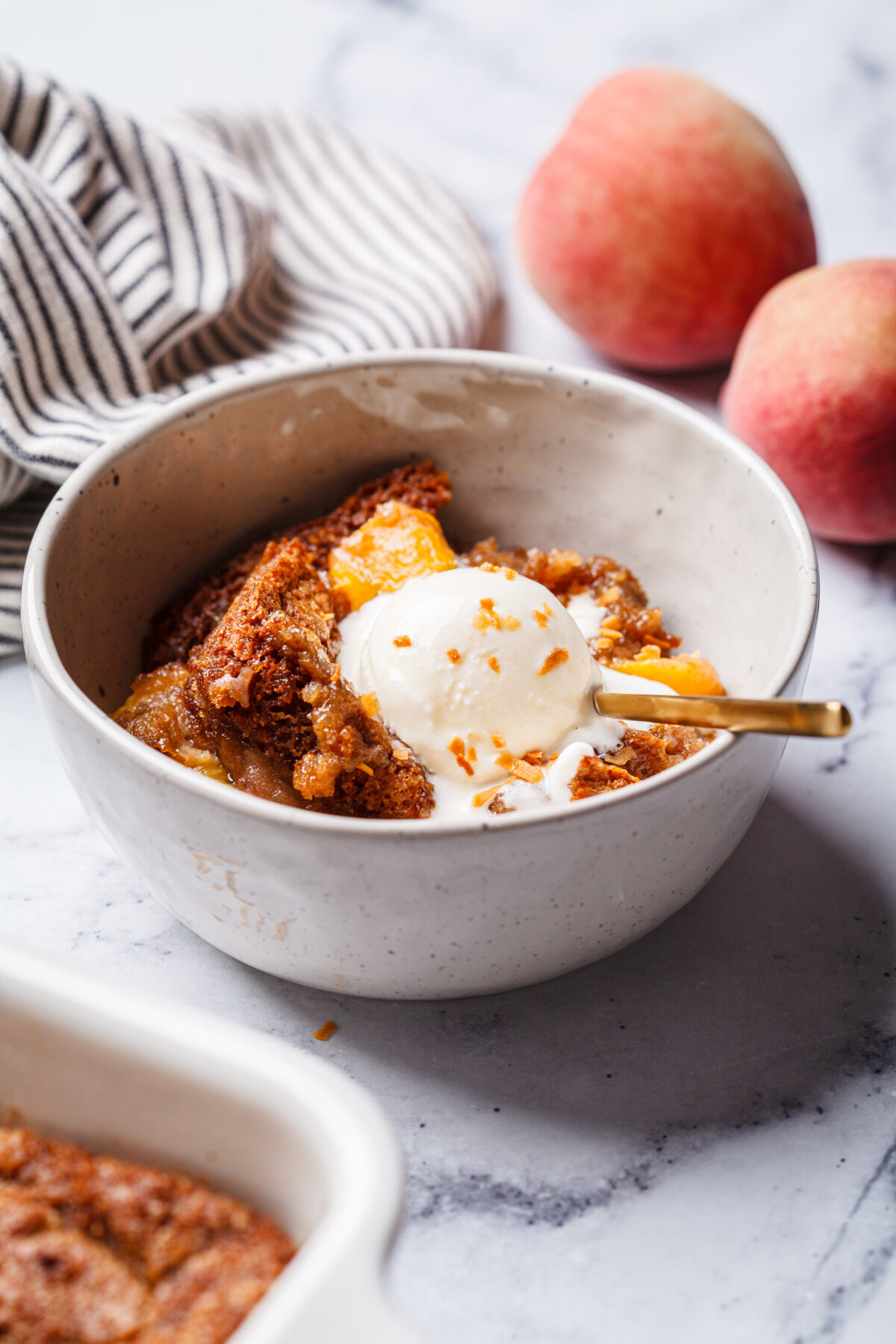
The magic occurs in the oven. As the temperature rises, the peaches release their natural pectin and sugars. Simultaneously, the topping—often a biscuit-style dough or a pourable batter—expands and browns. The most successful cobblers are those where the topping does not entirely seal the fruit; by leaving gaps, steam escapes, allowing the juices to thicken into a syrupy, jam-like consistency rather than a watery soup. The result is a texturally diverse bite: the tender, golden-brown crust gives way to a soft, warm interior that has absorbed the concentrated essence of the fruit.
A Chronology of the Cobbler
While the precise origins of the cobbler are often debated, culinary historians generally agree that it emerged in the British American colonies. Early settlers, lacking the necessary equipment and specialized ingredients to replicate the elaborate suet puddings or pies of the British Isles, improvised with the resources at hand.
- The Colonial Period: Early versions were often cooked in heavy cast-iron Dutch ovens directly over hearth fires. These early iterations were likely far more rustic, using whatever fruit was available, topped with a simple flour-and-water dough.
- The Mid-19th Century: As baking powder became commercially available, the topping evolved from a hard, biscuit-like crust into the light, leavened batter that we recognize today.
- The Modern Era: Today, the cobbler has moved from a survivalist necessity to a staple of the American dessert canon. It is frequently adapted to include modern flavor profiles—such as ginger, almond, or oat-based crumbles—while maintaining its fundamental identity as a "comfort-first" dessert.
Supporting Data: The Science of Texture and Flavor
To achieve professional results, one must look at the chemistry of the ingredients. The common complaint regarding "soggy" cobblers is almost always a result of ingredient management.
The Role of Starch
Peaches are naturally high in water content. Without a thickening agent, that water creates a thin, runny sauce. Cornstarch is the preferred binder for fruit cobblers because it produces a translucent, glossy finish and possesses excellent thickening power at the specific temperatures required to bake a cobbler. For particularly ripe, "drippy" peaches, a slight increase in cornstarch is the standard professional adjustment to ensure the filling holds its own when spooned into a bowl.
The Importance of Fat Temperature
The secret to the "golden, tender" topping cited by culinary experts lies in the temperature of the butter. By keeping the butter cold before it hits the oven, you ensure that as it melts, it creates small pockets of steam within the dough. This process, known as "lamination" in its most basic form, prevents the topping from becoming dense or cake-like, instead providing the signature flaky, light structure that complements the heavy fruit base.
The Resting Period
Perhaps the most overlooked step in the process is the "rest." Upon removing the cobbler from the oven, the sugar-laden fruit juices are thin and boiling. A 15-to-20-minute rest is not merely for temperature safety; it is a vital period of gelatinization. During this time, the cornstarch finishes its work, and the juices re-incorporate into the fruit, resulting in a cohesive, syrupy filling rather than a bowl of fruit soup.
Culinary Expert Perspectives: Pro-Tips for the Home Kitchen
When asked about the common pitfalls in cobbler preparation, pastry chefs emphasize three pillars: fruit selection, fat handling, and heat management.
1. The Fruit Standard
"If you start with a peach that lacks flavor, you cannot fix it with sugar," notes one industry expert. The ideal peach for cobbler is "freestone," where the flesh separates easily from the pit, and it should be ripe enough to yield to gentle pressure. If peaches are out of season, frozen peaches are actually a superior alternative to canned, as they are flash-frozen at peak ripeness and contain no added syrups that can throw off the sugar balance of the recipe.
2. The Overmixing Fallacy
A major contributor to a dense, tough crust is the handling of the dough. Flour contains gluten; the more you work it, the tougher it becomes. The goal is to stir the batter until the ingredients are just incorporated—a few streaks of flour remaining is actually preferable to a perfectly smooth, over-worked dough.
3. The Exposure Technique
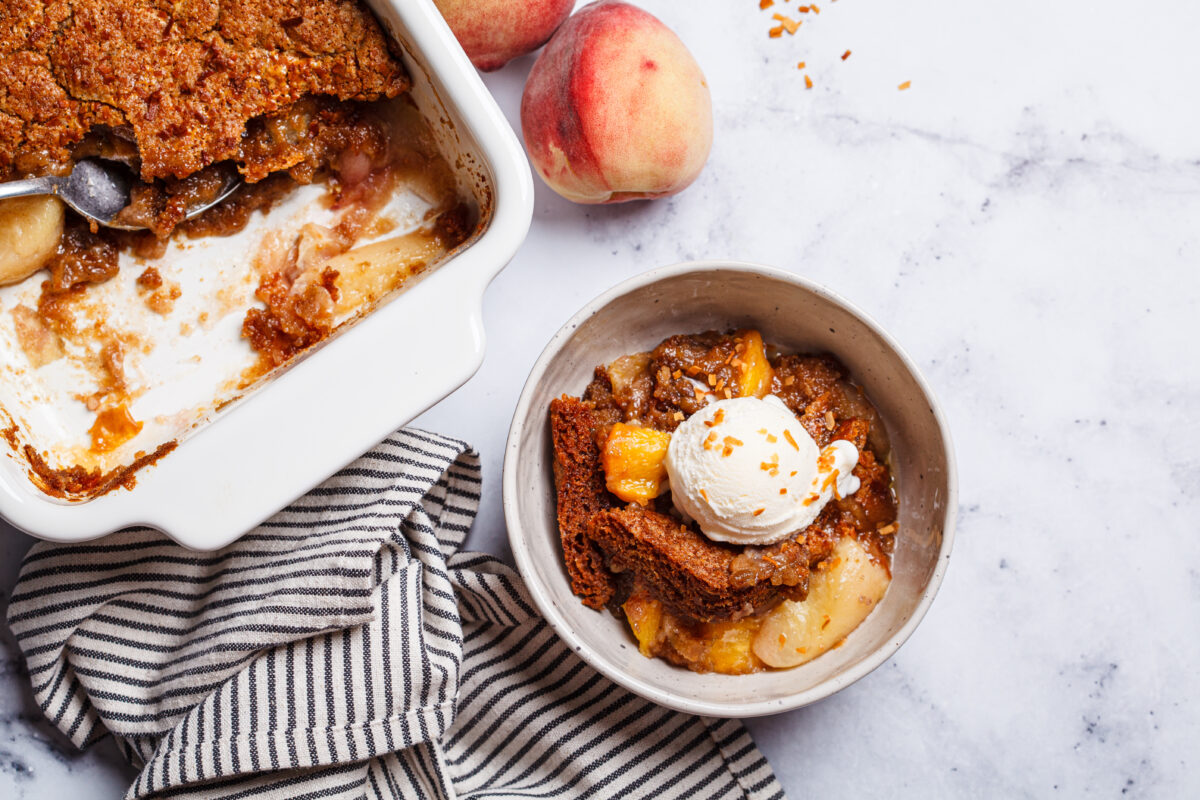
Do not attempt to create a perfect, sealed lid. The "cobbled" surface is supposed to be uneven. By intentionally leaving gaps in the topping, you provide vents for steam, which prevents the underside of the dough from turning into a gummy, uncooked layer of paste.
Implications for Modern Baking
The popularity of the peach cobbler in the 21st century speaks to a broader movement toward "accessible nostalgia." As we face an increasingly fast-paced digital world, there is a tangible demand for recipes that require minimal specialized equipment but offer maximum sensory reward.
The versatility of the recipe has also allowed it to survive in an era of dietary awareness. Modern interpretations—such as the use of whole wheat flour, dairy-free butter substitutes, or the infusion of warming spices like ginger and cinnamon—show that the cobbler is not a static relic, but a living recipe. The ability to easily scale the recipe for individual ramekins or double it for large gatherings ensures its place in the modern kitchen for years to come.
Conclusion: The Enduring Legacy
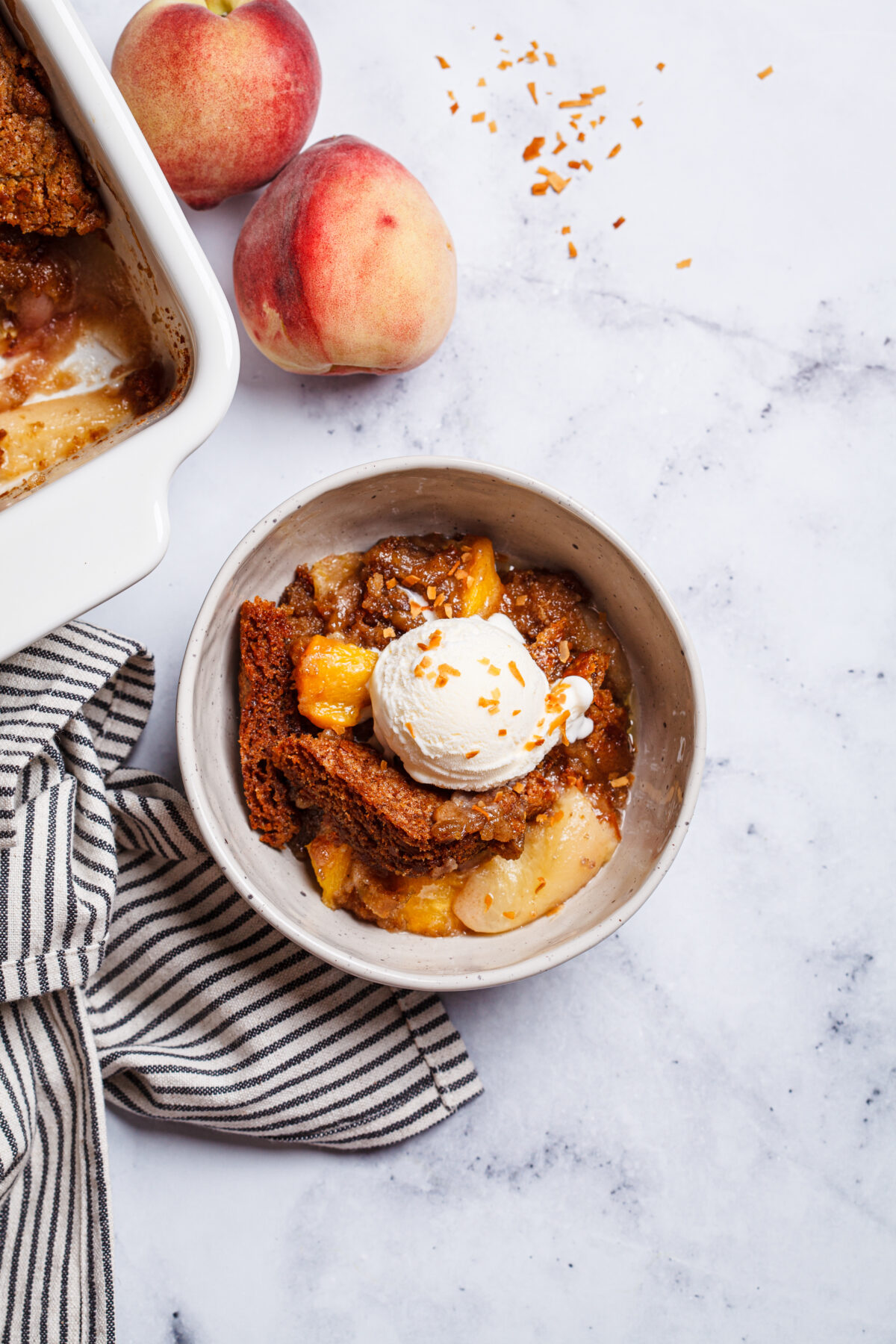
Homemade peach cobbler remains a cornerstone of the American table because it embodies the spirit of the season. It is forgiving, customizable, and deeply satisfying. Whether served with a generous scoop of vanilla bean ice cream—which provides the necessary temperature contrast—or enjoyed on its own, it is a reminder that the best desserts are often the ones that honor the simplicity of the harvest.
By mastering the science of the filling and the technique of the topping, any home cook can transform a humble basket of peaches into a culinary event. In the end, the secret is not in a complicated process, but in the patience to let the fruit bubble, the discipline to leave the dough alone, and the wisdom to wait those essential twenty minutes before taking that first, warm, buttery bite.