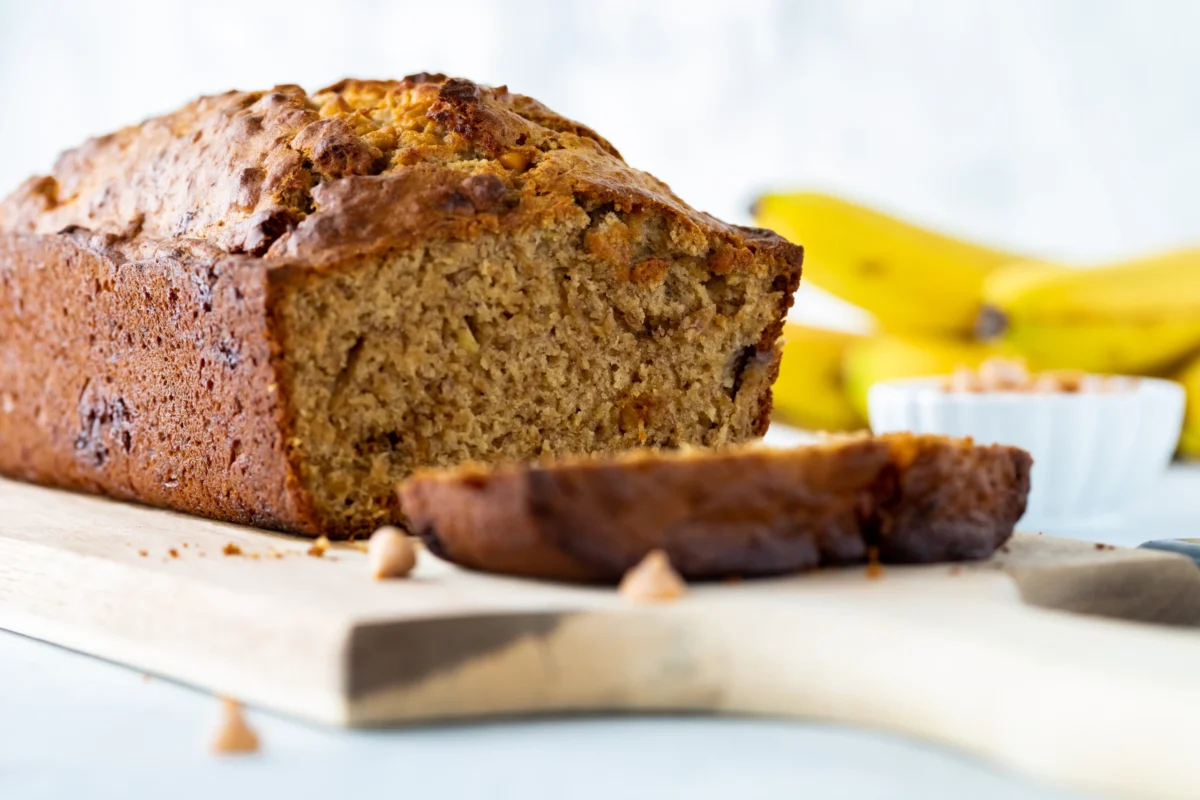
In the pantheon of home-baked comfort foods, few items hold the nostalgic weight of a loaf of banana bread cooling on a wire rack. It is a kitchen staple that bridges the gap between breakfast and dessert, a reliable solution for the problem of overripe fruit, and a sensory delight that fills a home with the scent of caramelized sugars and warm spices. Recently, home bakers and culinary enthusiasts have been turning their attention to a sophisticated, albeit simple, evolution of this classic: the Butterscotch Banana Bread.
By integrating the deep, buttery notes of butterscotch chips into the traditional banana base, bakers are discovering a way to transform a humble pantry staple into a gourmet treat. This article explores the science, the technique, and the cultural resonance of this elevated comfort food.
The Evolution of a Kitchen Staple
The history of banana bread is inextricably linked to the economic landscape of the United States in the 1930s. As the Great Depression forced families to minimize food waste, the trend of using "black-skinned" bananas to create quick breads gained traction. Over the decades, the recipe became a canvas for personal creativity. From the inclusion of walnuts and raisins to the more modern addition of chocolate chips, the recipe has remained fluid.
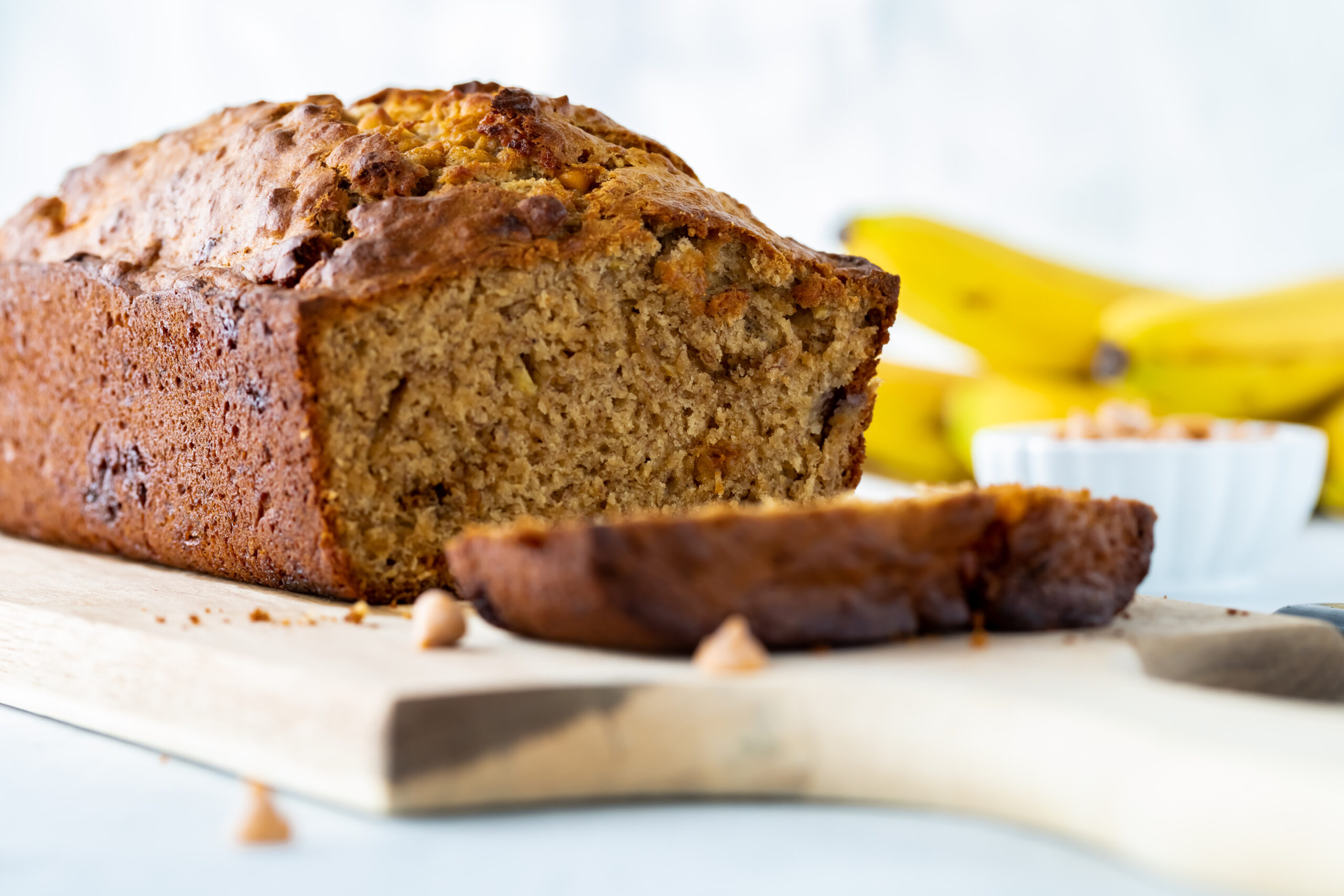
The introduction of butterscotch chips into this narrative is a logical, if decadent, progression. Butterscotch—a confection made by melting butter and brown sugar—possesses a depth that mirrors the natural sweetness of a concentrated, overripe banana. When folded into the batter, these chips provide not just flavor, but a textural complexity that elevates the bread from a simple snack to a confectionery experience.
The Chemistry of Moisture: Why Ripe Matters
To understand the success of this recipe, one must look at the biochemistry of the banana. As a banana ripens, the starch within the fruit begins to break down into simple sugars, primarily glucose, fructose, and sucrose. Simultaneously, the cell walls break down, resulting in the characteristic softness and potent aroma associated with overripe fruit.
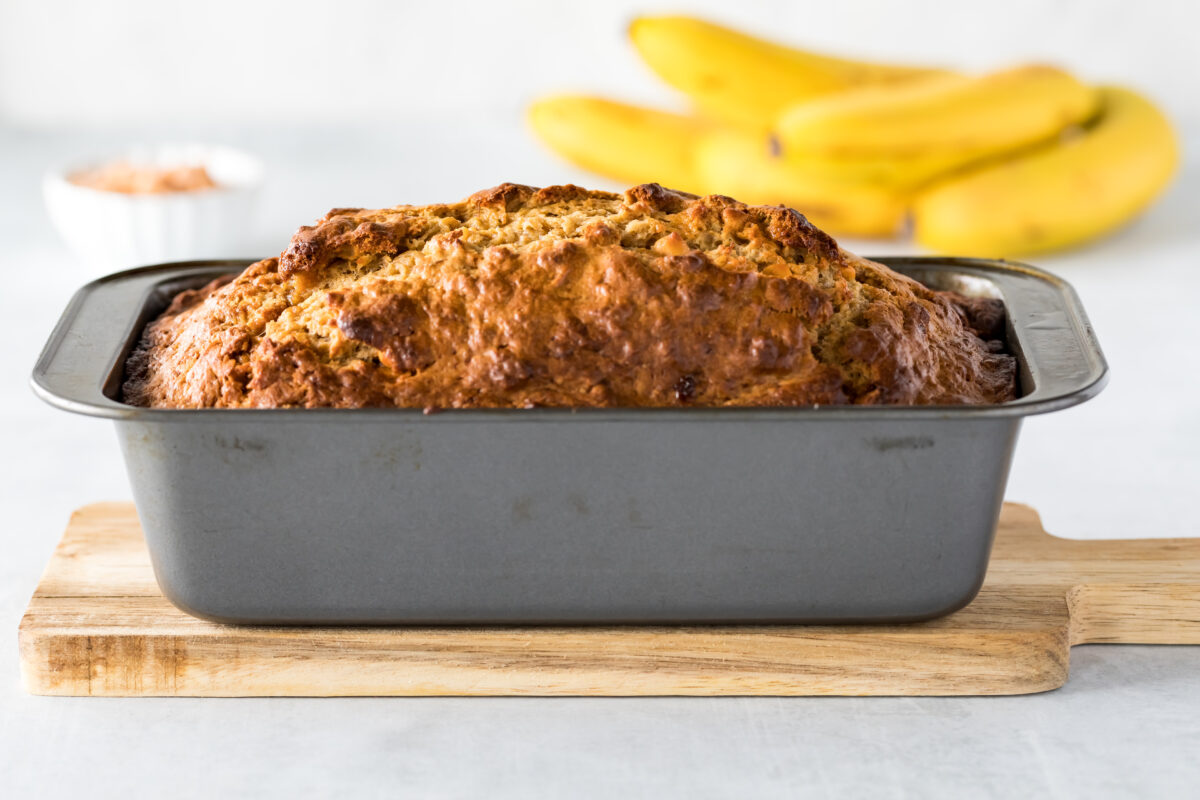
For the baker, these "ugly" bananas are, in fact, the premium ingredient. The moisture content in a heavily spotted banana is significantly higher than in a firm yellow one, providing the necessary hydration to ensure the bread remains tender for days. Furthermore, the higher sugar concentration aids in the Maillard reaction—the chemical process responsible for the golden-brown crust that develops during the baking process.
The Role of Supplemental Fats and Acids
While the bananas provide the base moisture, professional bakers often look to secondary ingredients to guarantee a "crumb" that is neither dry nor gummy. The inclusion of Greek yogurt or sour cream is a strategic choice. These ingredients introduce a small amount of acidity, which reacts with the baking soda to create a lift, resulting in a lighter, more aerated texture. Moreover, the fat content in these dairy products coats the flour proteins, preventing the formation of excessive gluten, which ensures the bread remains tender rather than chewy.
A Chronology of the Baking Process
Achieving the perfect loaf requires a disciplined approach to timing and temperature. The following chronology outlines the standard workflow for a successful bake:
- Preparation (15 Minutes): The process begins with the careful selection and mashing of the fruit. Proponents of the recipe suggest leaving the bananas slightly chunky for a more rustic texture.
- The Creaming Phase: Emulsifying the butter, brown sugar, and vanilla creates a stable foundation. This is where the caramel notes are established.
- The Incorporation of Dry Ingredients: Once the wet and dry components meet, the clock begins. Overmixing at this stage is the "cardinal sin" of quick bread baking; it develops the gluten structure, leading to a dense, bread-like loaf rather than a moist, cake-like slice.
- The Bake (55–60 Minutes): Baking at a consistent temperature (typically 350°F) is essential. The slow rise allows the butterscotch chips to melt into pockets of caramel rather than burning.
- The Cooling Period (30+ Minutes): Patience during the cooling phase is not merely about temperature; it is about structural integrity. As the bread cools, the starches set. Slicing too early often results in a crumbled mess, as the steam has not yet had time to dissipate and the crumb has not fully stabilized.
Supporting Data: The Science of the "Perfect" Loaf
In controlled kitchen testing, variables such as flour measurement and oven placement have shown dramatic effects on the final product.
- The Flour Variable: Excessive flour is the leading cause of "dry" banana bread. By employing the "spoon and level" method—rather than dipping the measuring cup directly into the bag—bakers can reduce the density of the flour in the cup by up to 20%, significantly improving the moisture profile.
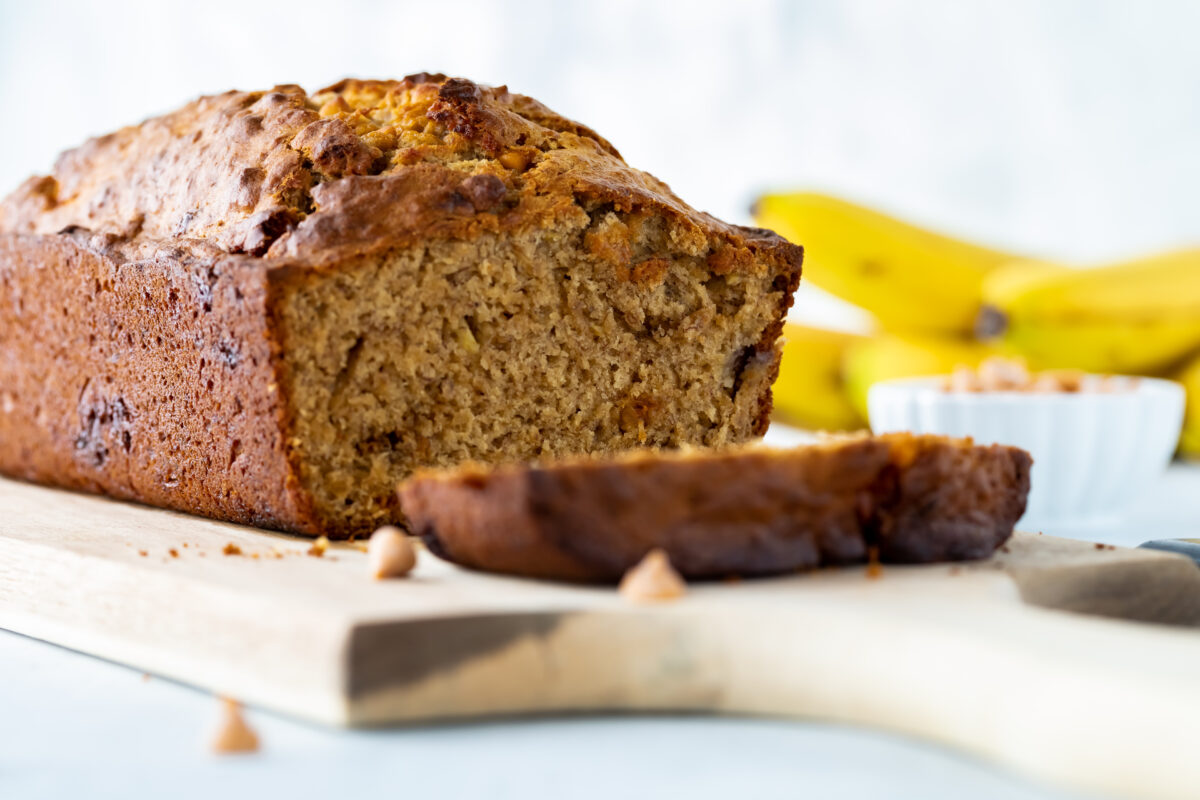
- The Butterscotch Dispersion: Testing reveals that tossing the butterscotch chips in a tablespoon of flour before folding them into the batter prevents them from sinking to the bottom of the pan. This technique ensures an even distribution of flavor in every slice.
Expert Perspectives and Professional Tips
Culinary experts emphasize that while the recipe is forgiving, specific nuances distinguish a "good" loaf from a "great" one.
- Ripening on Demand: If a baker finds themselves without overripe bananas, the oven method is the preferred shortcut. Placing unpeeled bananas in a 300°F oven for 15–20 minutes triggers the internal enzymatic breakdown, mimicking the effects of natural aging.
- The Toothpick Test: The "center-most" point of the loaf is the final bastion of wetness. Experts advise that a toothpick should emerge with a few moist crumbs attached. If the toothpick is clean, the bread may already be overbaked; if it is coated in raw batter, it requires further time.
Cultural Implications and Variations
The popularity of Butterscotch Banana Bread reflects a broader movement toward "comfort baking"—a trend that spiked in recent years as consumers sought to recreate high-quality cafe experiences at home. The versatility of the recipe allows for significant customization, which keeps the format relevant across diverse dietary preferences.
Popular Variations:
- The Nutty Addition: Incorporating toasted pecans or walnuts introduces a necessary crunch that contrasts with the softness of the butterscotch.
- The Double-Chip Profile: Blending semi-sweet chocolate chips with butterscotch creates a "salted caramel" flavor profile that appeals to those who find pure butterscotch too sweet.
- The Muffin Alternative: By adjusting the baking time to approximately 18–22 minutes, the recipe adapts perfectly to muffin tins, making the treat more portable for school lunches or breakfast on the go.
Final Reflections
Butterscotch Banana Bread serves as a reminder that the best culinary innovations often stem from the most modest of beginnings. By leveraging the natural chemistry of overripe bananas and enhancing the flavor profile with the rich, buttery sweetness of butterscotch, home bakers can achieve a sophisticated result using simple pantry staples. Whether enjoyed as a warm, buttered slice in the morning or as a decadent dessert, this recipe proves that with a little attention to detail—careful measuring, proper ripening, and the avoidance of overmixing—the classic banana bread remains an enduring, and endlessly reinventible, icon of the home kitchen.