In the landscape of modern home cooking, few dishes capture the essence of "comfort" quite like a warm, velvety bowl of soup. As temperatures drop and the pace of life accelerates, the search for meals that are simultaneously nourishing, budget-friendly, and time-efficient becomes a culinary priority. Enter the Creamy White Bean Soup—a dish that has quietly become a staple in kitchens across the country, not merely for its taste, but for its elegant simplicity and the clever science behind its texture.
Main Facts: The Anatomy of a Perfect Soup
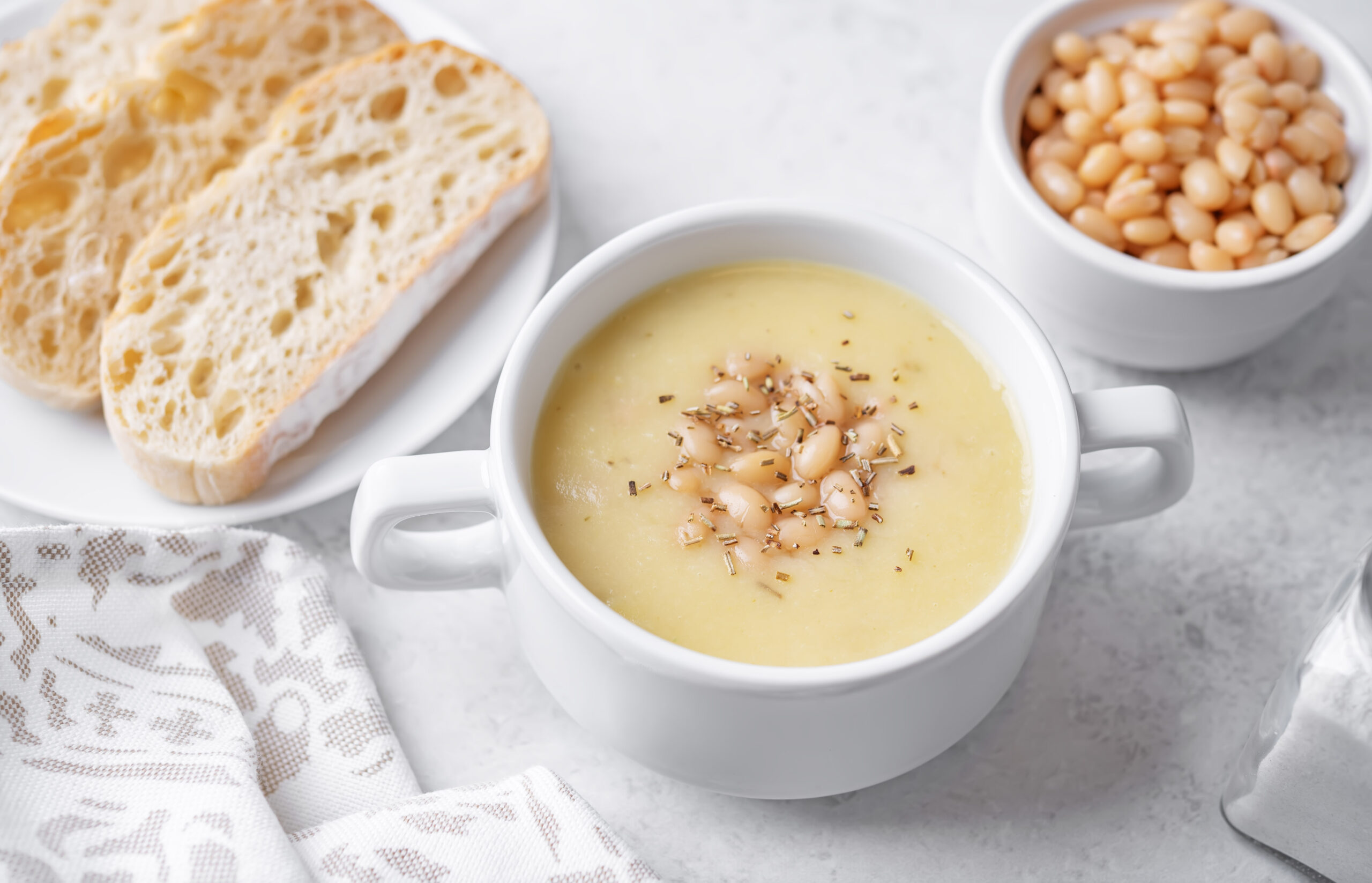
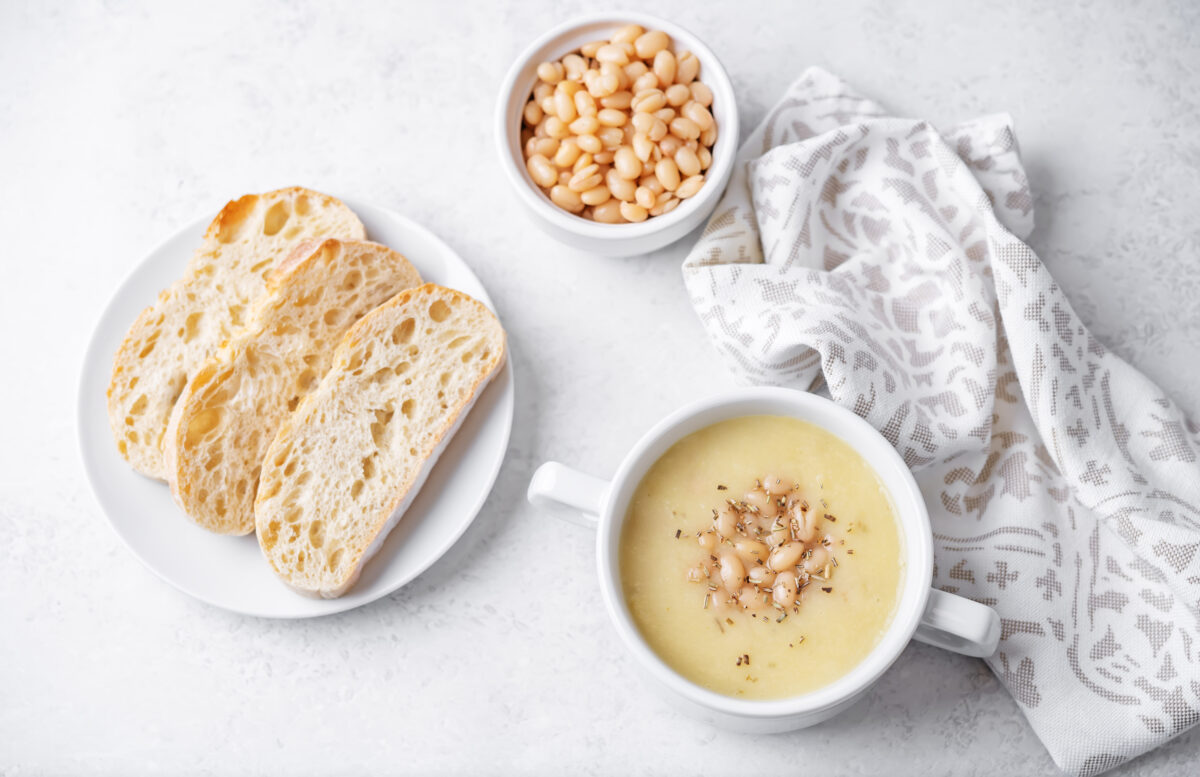
At its core, the Creamy White Bean Soup is a masterclass in utilizing pantry staples to create a restaurant-quality result. Unlike traditional creamy soups that rely on heavy roux or excessive amounts of dairy—which can often weigh down the palate—this recipe achieves a luscious, luxurious mouthfeel through a process of partial emulsification. By blending a portion of the tender white beans directly into the broth, the soup creates a naturally thick, creamy base that is as wholesome as it is decadent.
The primary ingredients are humble: Cannellini beans, aromatic vegetables (onions, carrots, and celery), fresh garlic, and a medley of dried or fresh herbs. This one-pot wonder is designed for the modern household, demanding little more than a handful of common items found in most pantries, yet yielding a sophisticated, nutrient-dense meal that appeals to both children and adults.
Chronology: From Prep to Table
The preparation of this soup follows a logical, efficient flow that maximizes flavor development while minimizing clean-up.
Phase 1: The Flavor Foundation (0–15 minutes)
The process begins with the "sofrito" base. Sautéing onions, carrots, and celery in high-quality olive oil is the most critical step. This process breaks down the vegetable cell walls, releasing natural sugars and creating a complex, savory foundation. Garlic is introduced only in the final moments of this phase; by adding it late, the cook prevents the bitter notes associated with over-browning, ensuring the aromatics remain sweet and fragrant.
Phase 2: The Simmer (15–35 minutes)
Once the aromatics are soft, the beans and broth are added. As the pot reaches a simmer, the beans absorb the seasoned liquid, becoming tender and infused with the essence of the herbs. This is where the magic happens. The heat draws out the starches from the beans, which begin to integrate into the surrounding liquid.
Phase 3: The Transformation (35–40 minutes)
The defining moment of the recipe involves the immersion blender. By removing a portion of the soup—beans and broth included—and blending them until smooth, the cook creates a thick, velvety "cream" without adding a drop of heavy cream. This puree is then folded back into the pot, resulting in a soup that is texturally balanced: smooth and creamy, yet studded with whole beans and tender vegetables for a satisfying "chew."
Phase 4: The Finishing Touch (40–45 minutes)
The final stage is all about balance. A splash of half-and-half or a dairy-free alternative is stirred in over low heat, followed by a bright finish of lemon juice. The acidity of the lemon cuts through the earthiness of the beans, "waking up" the flavors and preventing the soup from feeling too heavy.

Supporting Data: The Nutritional and Culinary Edge
Why has this specific recipe gained traction among health-conscious families? The data suggests a few key reasons:
- Plant-Based Protein Density: White beans, particularly Cannellini, are an excellent source of plant-based protein and fiber. A single serving provides a significant portion of daily fiber requirements, which aids in digestion and blood sugar regulation.
- The "No-Cream" Efficiency: By omitting heavy cream, the calorie density of the soup is significantly lower than traditional bisques, yet the satiety factor remains high due to the fiber content.
- Pantry Economics: In an era of rising food costs, the reliance on canned beans and long-lasting aromatics allows families to prepare high-quality, hot meals for a fraction of the cost of convenience or take-out foods.
- Versatility Index: The recipe acts as a "base" for endless customization. Data from nutritionists suggests that adding leafy greens like kale or spinach significantly increases the micronutrient profile—specifically Vitamin K and folate—without requiring complex cooking techniques.
Official Perspectives: The Philosophy of Simple Cooking
Culinary experts and home-cooking advocates often cite the "White Bean Soup Model" as the gold standard for "weekday survival cooking." Unlike complex recipes that require hours of simmering or expensive cuts of meat, this soup relies on the natural properties of the legume.
"The beauty of this dish lies in its honesty," says one food stylist. "You aren’t masking flavors with heavy fat; you are highlighting the creaminess inherent in the bean. It is a dish that respects the ingredient."
Furthermore, nutritionists praise the recipe for its "kid-friendly" nature. Because the texture is smooth and the flavor profile is mild rather than spicy or aggressive, it is a low-barrier-to-entry meal for families looking to introduce more legumes into their children’s diets.

Implications: The Long-Term Benefits
The implications of adopting this dish into a weekly rotation are manifold, affecting health, household logistics, and food waste.
Health Implications
Regular consumption of fiber-rich legumes is linked to improved heart health and sustained energy levels throughout the day. By replacing meat-heavy stews with this protein-packed, bean-based alternative, families can lower their intake of saturated fats while maintaining adequate protein levels.
Logistical Implications (The Meal Prep Factor)
The "Make-Ahead" nature of this soup is perhaps its most significant implication for busy lifestyles. Because the flavors continue to marry and deepen in the refrigerator, this soup is actually better on day two than day one. It survives the reheating process exceptionally well, making it a cornerstone for those who practice "batch cooking."
Reducing Food Waste
The recipe is an ideal vehicle for clearing out the crisper drawer. That half-bunch of kale, the few remaining stalks of celery, or even a lonely handful of spinach can be stirred into the pot during the final minutes of cooking. This prevents household food waste, aligning the consumer with more sustainable, eco-friendly kitchen practices.
The Freezer Advantage
The ability to freeze the soup base—before adding the finishing dairy—offers a strategic advantage. It allows the home cook to maintain a "frozen convenience" stock that is healthier than any store-bought frozen meal. When a busy evening hits, thawing the base and adding fresh lemon and a touch of cream takes less than ten minutes, providing a home-cooked meal that feels like a labor of love, even when time is in short supply.
Conclusion: A Modern Classic
The Creamy White Bean Soup is more than just a recipe; it is a philosophy of cooking that prizes efficiency, nutrition, and comfort. By mastering the simple technique of blending beans to achieve a luxurious texture, home cooks can elevate their repertoire without the need for expensive equipment or culinary school training.
Whether served on a snowy winter evening with a side of crusty sourdough or prepared in advance for a busy week of lunches, this soup stands as a testament to the fact that the best meals are often the simplest. It is a dish that invites creativity, welcomes variations, and, most importantly, provides a warm, hearty embrace at the end of a long day. As we move toward a future that prioritizes both health and sustainability, it is dishes like this that will continue to anchor the family dinner table.