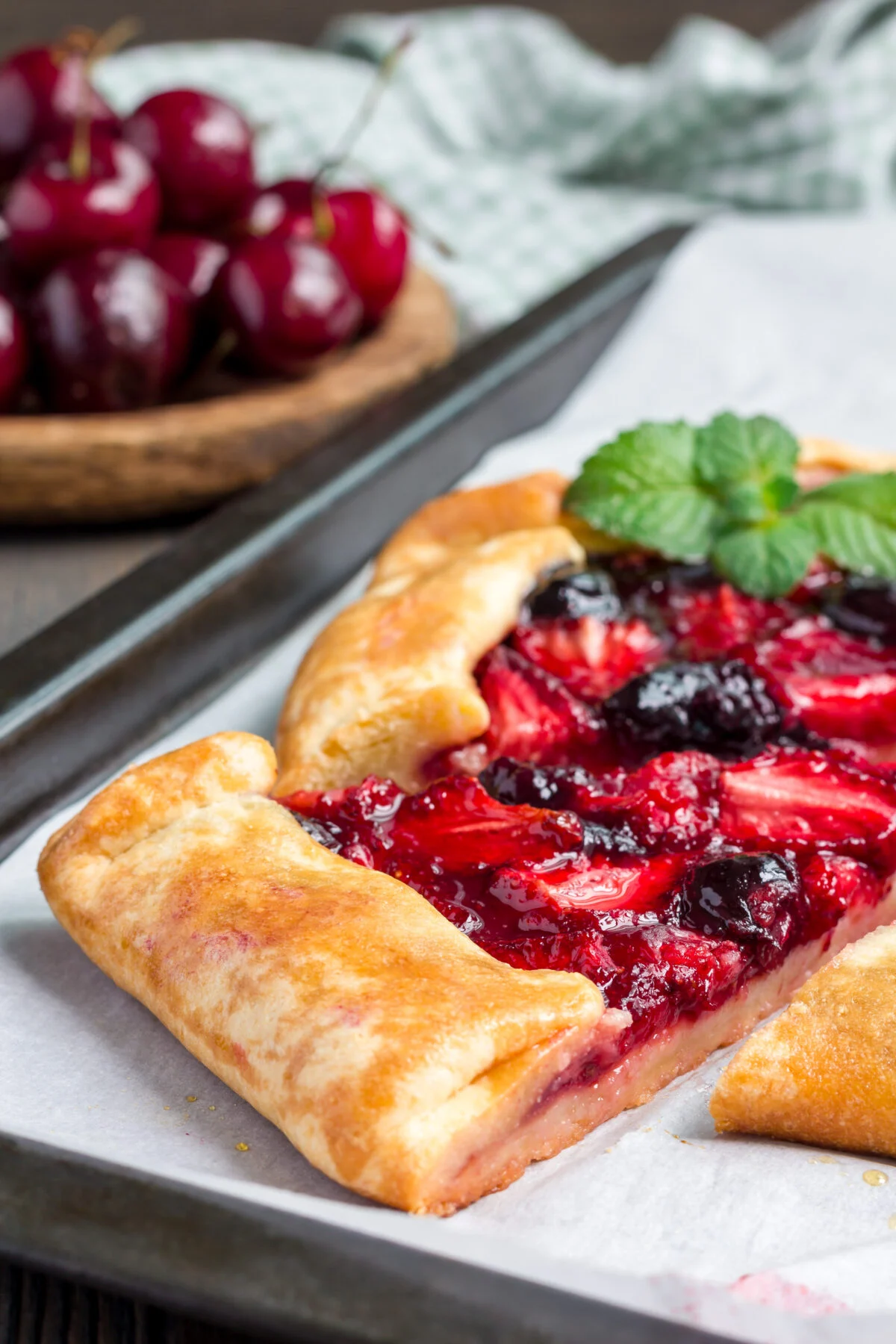
In the realm of home baking, few creations capture the essence of a sun-drenched season as effectively as the galette. As temperatures rise and markets overflow with the vibrant hues of stone fruit and berries, the Strawberry Cherry Galette has emerged as the definitive "low-effort, high-reward" centerpiece for summer tables. Combining the deep, jammy sweetness of peak-season cherries with the bright, floral notes of fresh strawberries, this pastry offers a sophisticated alternative to the traditional, labor-intensive fruit pie.
For the modern home baker, the galette represents a departure from the rigid demands of pastry arts. It is a celebration of imperfection, where the "rustic" aesthetic is not a flaw, but a deliberate design choice that invites a more relaxed approach to hospitality.
The Anatomy of a Galette: A Culinary Departure from Tradition
At its core, a galette is a free-form pastry, an open-faced tart that traces its origins to the French countryside. Unlike its American cousin, the pie, which requires a specialized dish, precise crimping techniques, and the logistical challenge of managing a top crust, the galette is defined by its architectural simplicity.
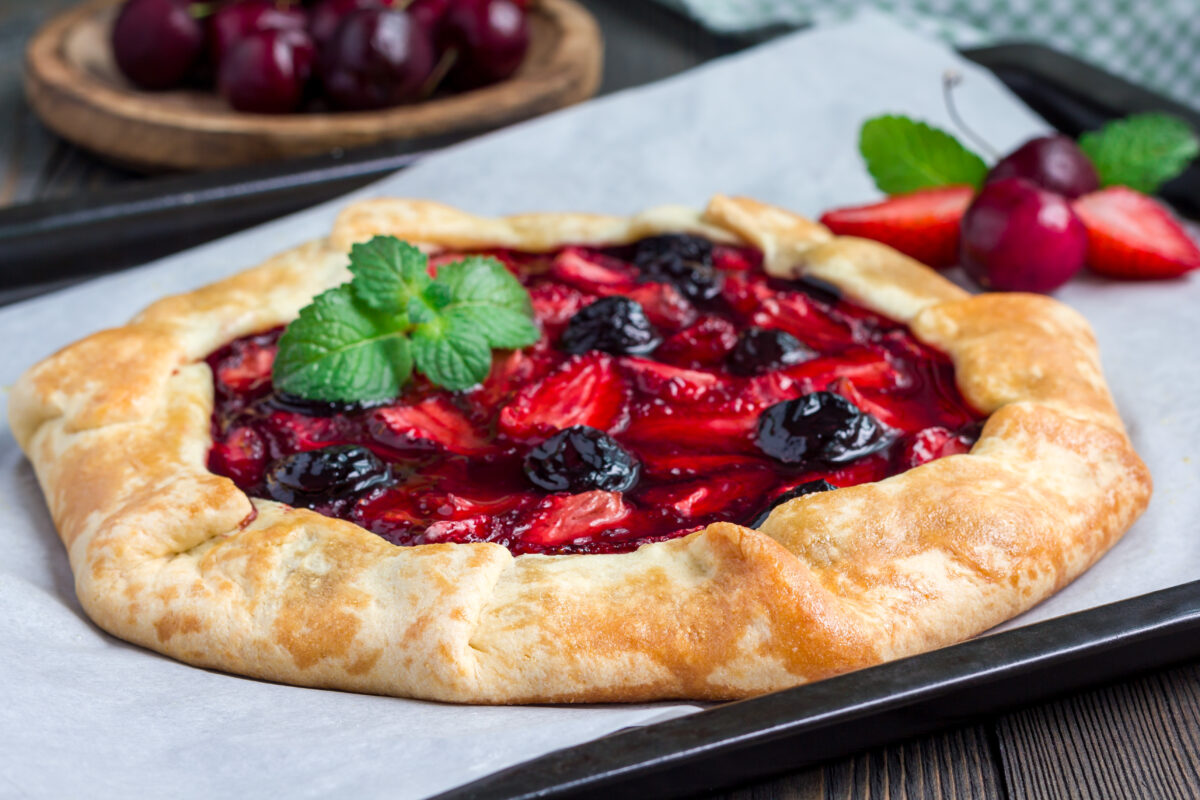
The process is deceptively straightforward: a chilled, buttery dough is rolled into an irregular circle. A mound of macerated fruit is placed in the center, and the edges of the dough are simply folded up and over the filling, leaving the center exposed. This open-air configuration serves a functional purpose beyond its visual appeal: as the fruit bubbles and reduces in the oven, the moisture evaporates, resulting in a concentrated, jam-like texture that is difficult to achieve in a covered pie.
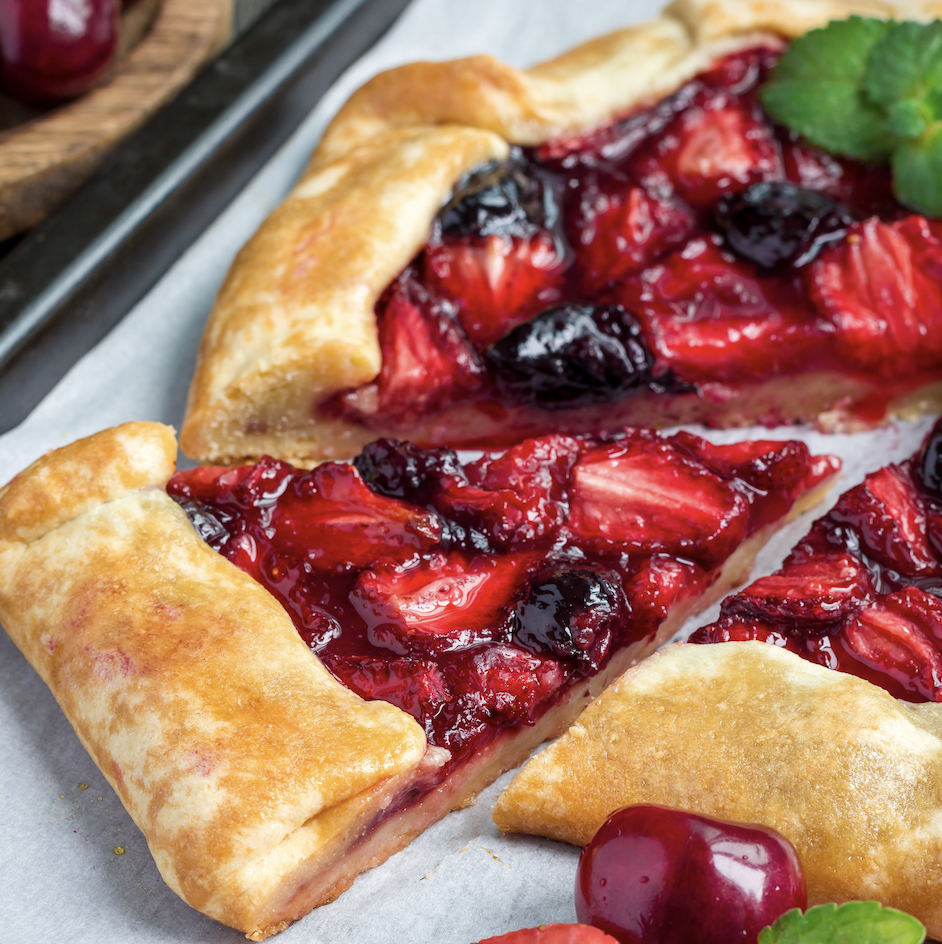
Chronology of the Perfect Bake: From Preparation to Plating
Achieving the perfect Strawberry Cherry Galette is a process governed by the laws of thermodynamics and timing. To ensure a professional-grade result, bakers must adhere to a specific sequence of operations.
Phase 1: The Foundation (Preparation)
The excellence of any galette begins with the crust. Cold is the baker’s most vital ingredient. Butter must be kept at near-freezing temperatures to ensure that, upon contact with the high heat of the oven, it creates the steam pockets necessary for a flaky, laminated texture. The dough should be mixed with a light hand; over-kneading develops gluten, which can transform a delicate, shattering crust into a tough, chewy one.
Phase 2: The Maceration (Filling)
While the dough rests in the refrigerator—a mandatory step to relax the gluten—the fruit is prepared. Strawberries and cherries should be tossed with sugar, a touch of lemon zest for brightness, and a binding agent, typically cornstarch or arrowroot. The inclusion of lemon is crucial, as the acidity cuts through the sugar, elevating the natural flavor profile of the fruit.
Phase 3: The Assembly and Bake
Once assembled, the galette enters the oven. The temperature should be high enough to encourage rapid browning of the pastry. As the sugars caramelize, the juices will bubble, signaling that the filling has reached the desired consistency. A deep, golden-brown crust is the indicator of a successful bake, ensuring the bottom is crisp rather than soggy.
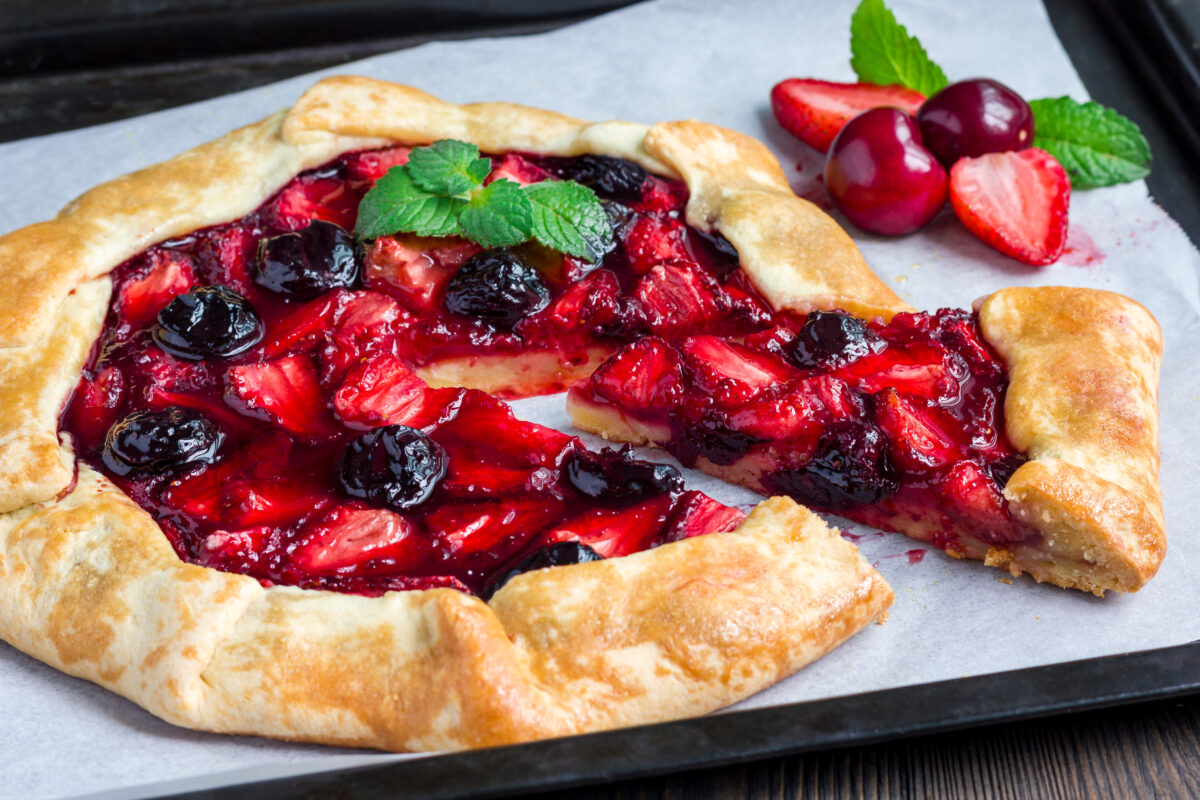
Supporting Data: The Science of Texture and Structural Integrity
The primary challenge for any fruit-based pastry is the management of moisture. Fruit is inherently water-heavy, and when baked, it risks creating a "soggy bottom"—the antithesis of a quality dessert.
Culinary experts suggest three primary methods for mitigating this issue:
- The Starch Barrier: Incorporating cornstarch into the fruit mixture binds the juices into a thick syrup.
- The Moisture Sink: Sprinkling a thin layer of almond flour, breadcrumbs, or crushed graham crackers on the dough base before adding the fruit acts as an absorbent buffer.
- Thermal Positioning: Baking the pastry on the lower third of the oven rack provides more direct heat to the base, ensuring the bottom crust is fully cooked and crisp.
For those looking to optimize their workflow, the use of a food processor for the dough is a highly recommended strategy. By pulsing the ingredients just until they reach a pea-sized consistency, bakers can minimize handling, thereby preserving the structural integrity of the butter.
Professional Perspectives on Modern Baking Trends
Industry experts and pastry chefs have noted a significant shift in home baking toward "approachable excellence." The surge in popularity of the galette is a direct result of this trend. In a professional kitchen, the galette is often viewed as a "blank canvas."
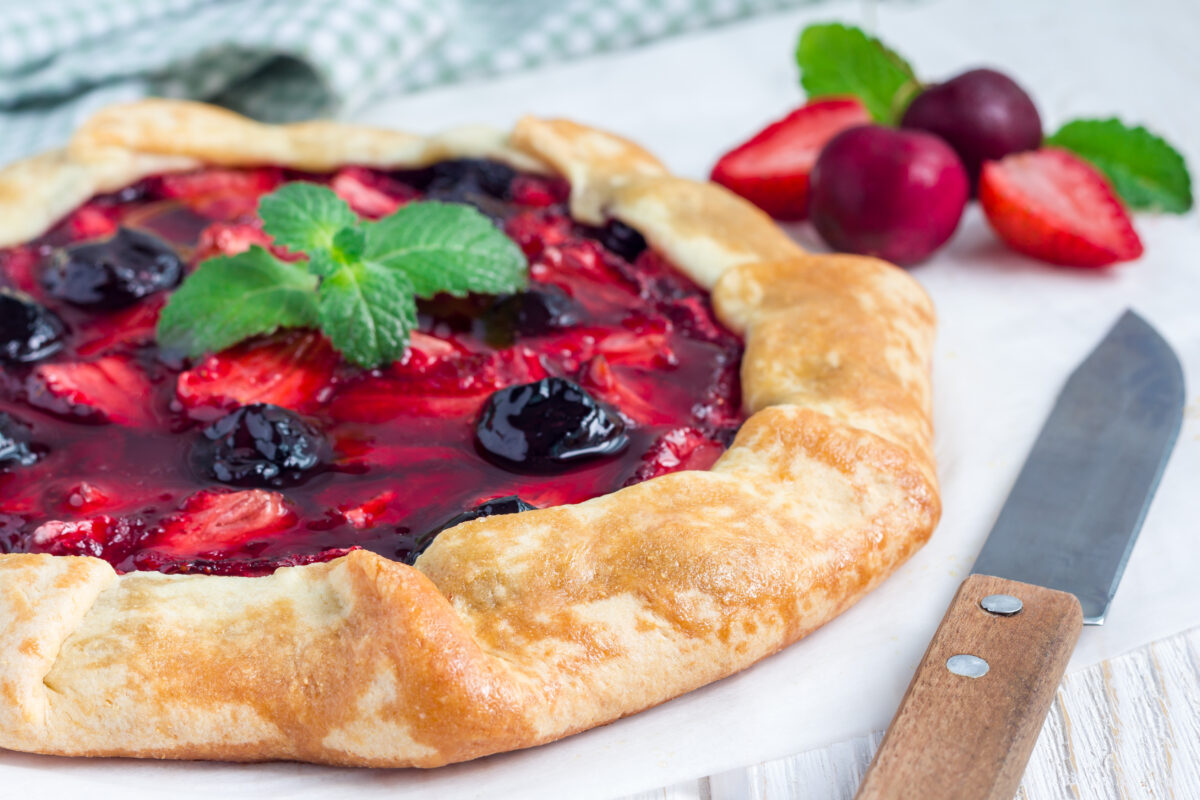
"The beauty of the galette lies in its adaptability," notes one baking consultant. "It is a forgiving medium. If the dough tears, you can patch it; if the shape is uneven, it simply adds to the rustic charm. This lowers the barrier to entry for novice bakers while still allowing for high-end customization."
Professional variations often include:
- The Savory Twist: Replacing some fruit with goat cheese or incorporating fresh herbs like basil or thyme.
- Nutty Additions: Using almond extract in the filling or sliced almonds on the crust to add a layer of earthy complexity.
- The Chocolate Pairing: A light dusting of dark chocolate beneath the fruit provides a sophisticated contrast to the acidity of the cherries.
Implications: The Social and Economic Impact of Home Baking
The resurgence of the fruit galette has implications that extend beyond the kitchen. As the cost of premium bakery items rises, the "DIY" approach to desserts has become an economically viable and rewarding alternative. By utilizing seasonal, locally sourced fruit, home bakers can produce a dessert that rivals high-end artisanal shops at a fraction of the cost.
Furthermore, the galette serves as a social bridge. Its informal presentation is ideal for gatherings—from intimate brunch meetings to large-scale summer garden parties. It is a dish designed to be shared, sliced directly on the baking sheet, and served with minimal ceremony. This "unfussy" nature aligns with modern lifestyle preferences, where hosts prioritize quality ingredients and flavor over the rigid presentation of classical, formal desserts.
Frequently Asked Questions (FAQ)
Can I use frozen fruit if fresh is out of season?
Yes, but with caveats. Frozen fruit contains more water. It is essential not to thaw the fruit before assembly. Simply toss the frozen fruit with the dry ingredients immediately before adding to the dough, and consider adding an extra teaspoon of cornstarch to account for the excess moisture.
How do I prevent the crust from becoming soggy?
Beyond using a moisture barrier like almond flour, ensure you do not add the juices from the bottom of your mixing bowl to the galette. Only use a slotted spoon to transfer the fruit.
Is store-bought dough an acceptable substitute?
Absolutely. For a quick dessert, high-quality refrigerated pie crusts perform admirably. The result will be a smaller, more uniform galette, but the flavor profile remains excellent.
What is the best way to store the leftovers?
While a galette is best enjoyed fresh, it can be stored in an airtight container in the refrigerator for up to four days. To regain that fresh-from-the-oven texture, reheat in a 325°F oven for 5 to 10 minutes. Avoid the microwave, as it will soften the crisp pastry and compromise the texture.
Can I prepare this in advance?
Yes. The dough can be made three days in advance and kept in the refrigerator. The fruit should be prepared shortly before assembly to prevent the sugar from drawing out too much moisture. The finished, baked galette can also be frozen for up to three months if wrapped securely in plastic and foil.
Conclusion
The Strawberry Cherry Galette stands as a testament to the idea that the most satisfying culinary experiences are often the most simple. By stripping away the pretension of traditional pie-making, we are left with the fundamental elements of baking: high-quality fruit, a buttery, flaky crust, and the patience to let the oven work its magic. Whether you are a seasoned baker or a novice looking to impress, this rustic dessert offers a perfect balance of tart and sweet, proving that in the world of pastry, beauty truly is found in the details—and the delicious lack of perfection.