In the fast-paced world of youth sports, the difference between a mid-game slump and a peak performance often comes down to what happens inside the kitchen rather than on the field. Between school, grueling practice schedules, weekend tournaments, and the high-energy demands of growing bodies, young athletes require more than just "fuel." They require a strategic, nutrient-dense approach to snacking that supports recovery, sustained energy, and muscle growth.
As parents navigate the complexities of busy sports seasons, the temptation to rely on expensive, pre-packaged sports bars, synthetic shakes, or questionable supplements is high. However, nutrition experts emphasize that the most effective fuel for a young athlete is often found in the whole-food pantry. By prioritizing a balance of carbohydrates, protein, healthy fats, and hydration, parents can provide the building blocks necessary for success without breaking the budget.
The Science of Sports Nutrition: Understanding the Core Needs
A balanced snack for a young athlete is not merely about protein intake. While protein is essential for muscle repair, it is only one piece of a complex physiological puzzle. Growing bodies function best when they receive a synergistic blend of macronutrients:
- Protein: Found in Greek yogurt, cottage cheese, eggs, legumes, and lean meats, protein provides the amino acids required to repair tissue damaged during vigorous exercise.
- Carbohydrates: The primary fuel source for high-intensity activity. Fruits, whole grains, and oats replenish glycogen stores—the energy "battery" that powers sprints, jumps, and sustained movement.
- Healthy Fats: Essential for long-term satiety and hormone health. Sources like avocado, nuts, and seeds ensure the athlete doesn’t experience a rapid energy crash.
- Hydration: The silent factor in performance. Fluids must be prioritized before, during, and after activity to maintain blood volume and temperature regulation.
The "Golden Rule" of recovery is simple: Pair carbohydrates with protein. This combination ensures that muscles are not only being repaired but that the energy used during the activity is effectively replenished.
Chronology of Fueling: Timing Matters
The efficacy of nutrition is highly dependent on timing. Managing a snack schedule requires understanding the metabolic demands of the athlete’s day.
Pre-Activity: The Energy Foundation
If a child has two to three hours before practice, a balanced, fiber-rich meal or snack is ideal. As the start time approaches, the complexity of the snack should decrease. A pre-activity snack should be dominated by easily digestible carbohydrates with a moderate amount of protein to prevent stomach distress while providing a slow release of energy.
Post-Activity: The Window of Recovery
Immediately following a game or practice—the "anabolic window"—is when the body is most receptive to nutrients. Focus here should be on rapid replenishment. A high-protein, carbohydrate-rich snack within 30 to 60 minutes of completion helps mitigate muscle soreness and prepares the athlete for their next bout of activity.
A Curated Selection of High-Protein Snacks
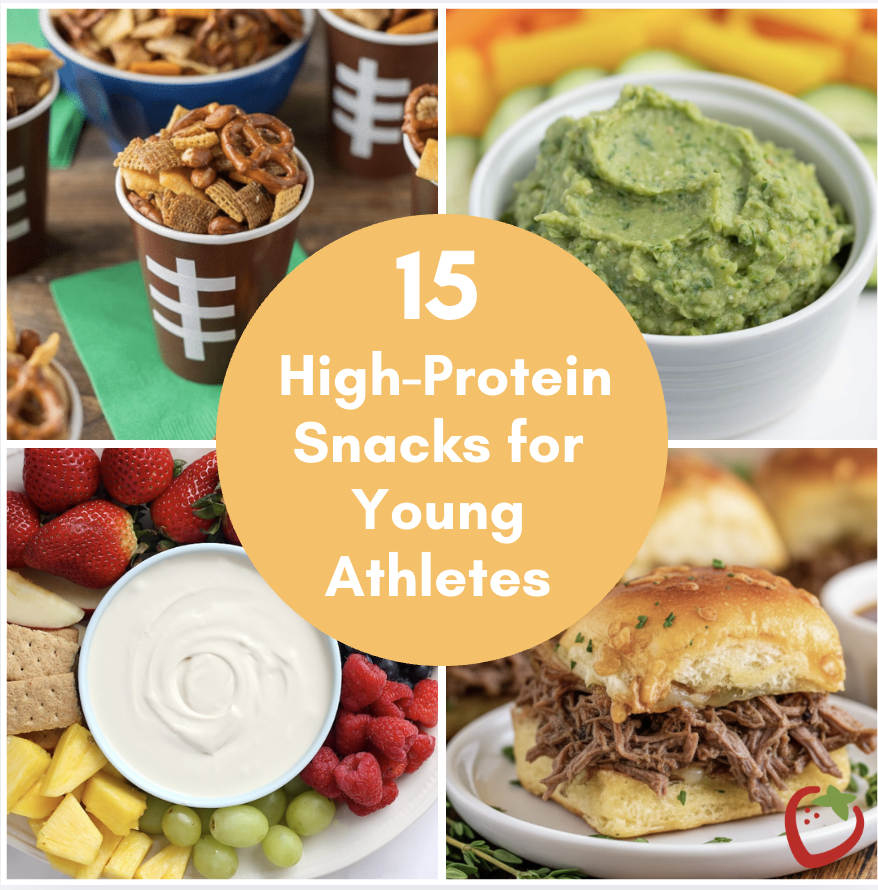
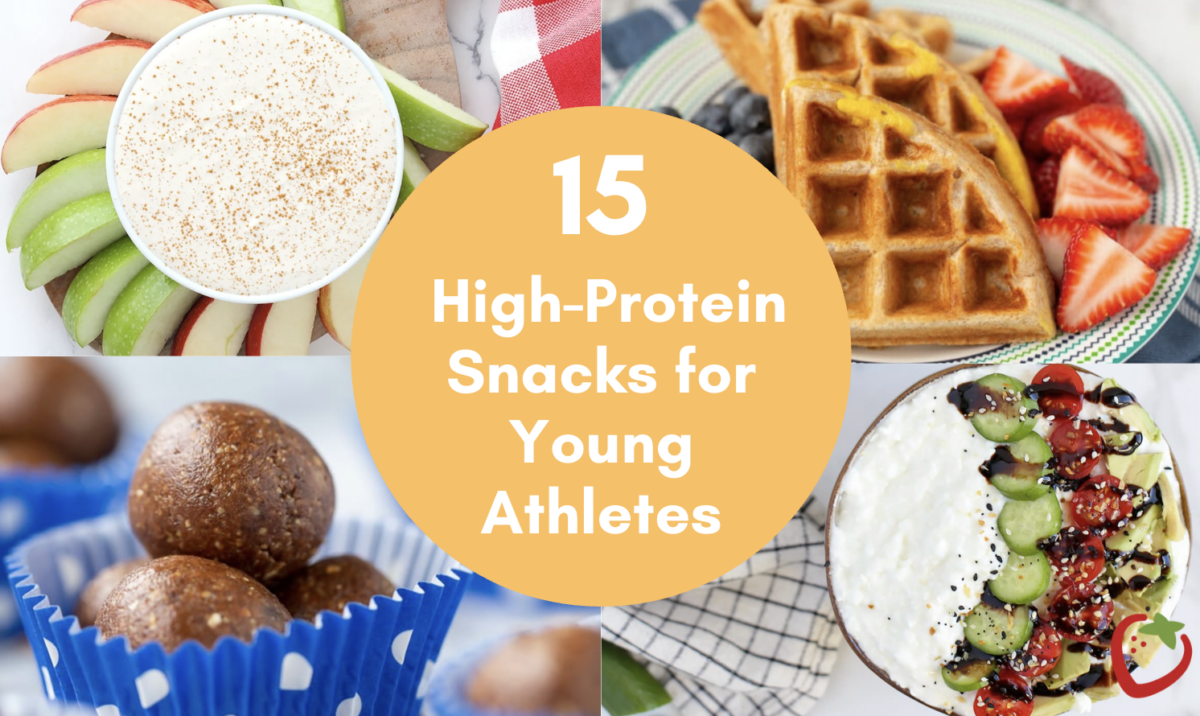
To move beyond the standard granola bar, we have compiled 15 recipes and concepts that blend convenience with high-performance nutrition.
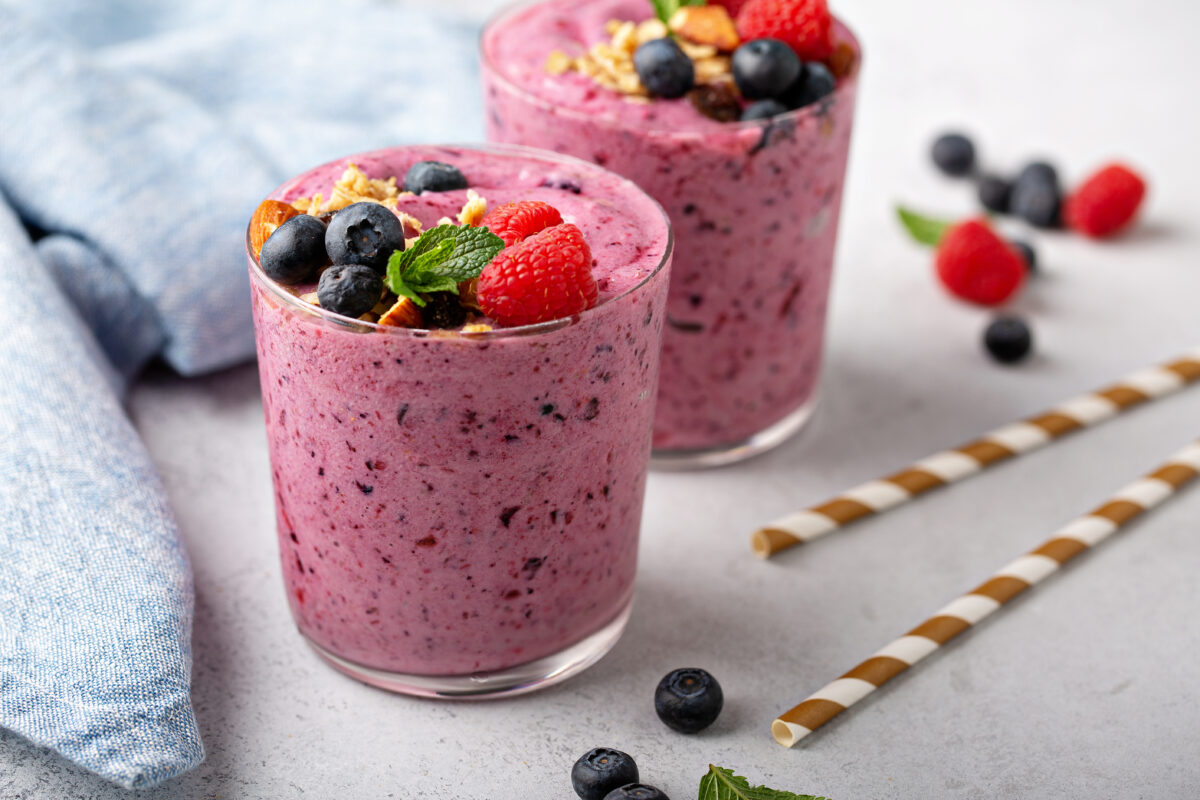
1. Mixed Berry Protein Smoothies
The ultimate "all-in-one" solution. By blending Greek yogurt (protein) with frozen berries and bananas (carbohydrates), parents can deliver a nutrient-dense liquid meal. Adding chia seeds or hemp hearts introduces essential omega-3 fatty acids, which help reduce exercise-induced inflammation.
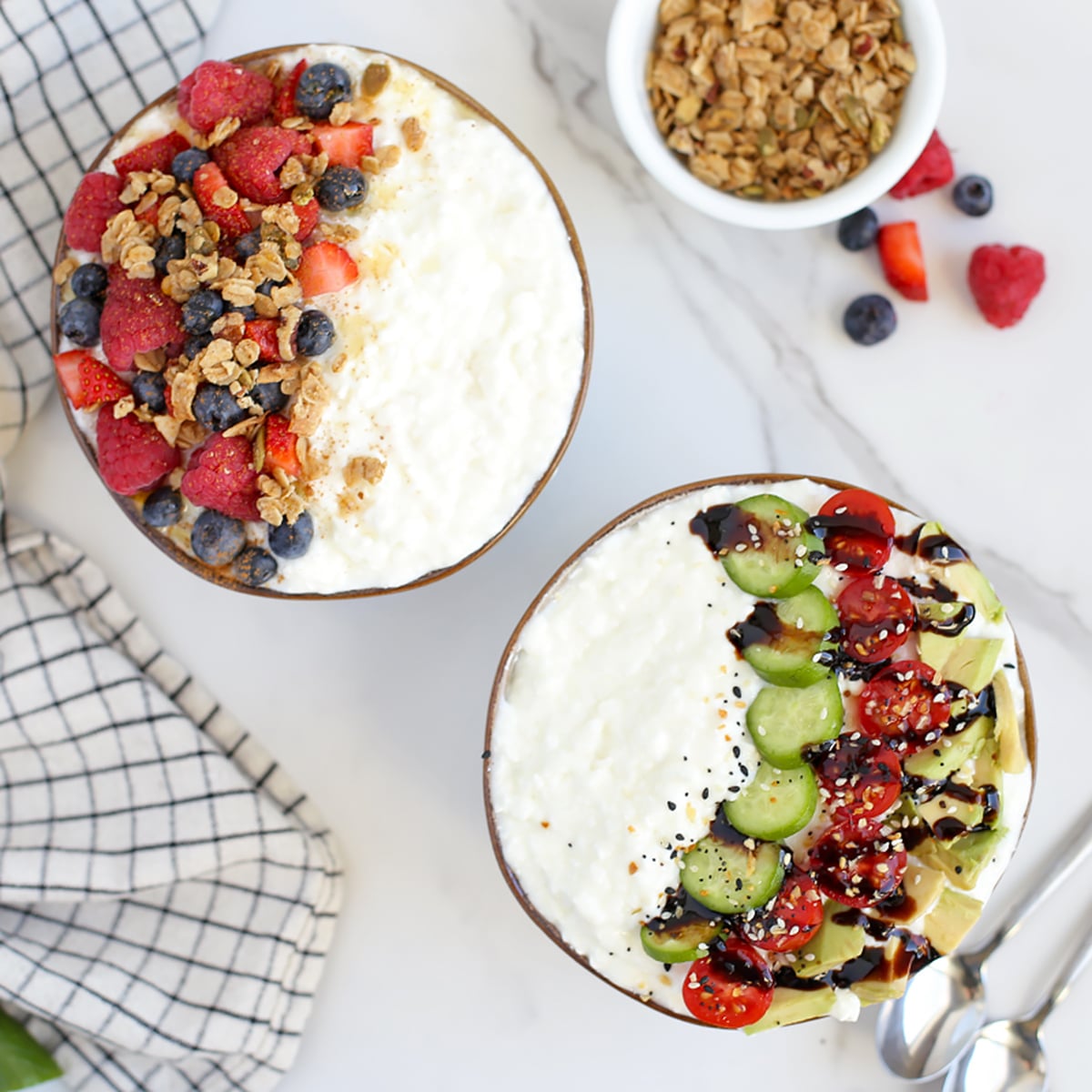
2. High-Protein Cottage Cheese Bowls
Cottage cheese is a nutritional powerhouse, offering approximately 17 grams of protein per serving. Its versatility allows it to transition from a sweet treat (topped with berries and honey) to a savory power-snack (topped with avocado and sea salt), making it perfect for varied palates.
3. Blueberry Protein Popsicles
Ideal for summer sports or indoor training, these popsicles utilize Greek yogurt as a base. They offer a refreshing way to rehydrate while simultaneously delivering a protein boost to tired muscles.
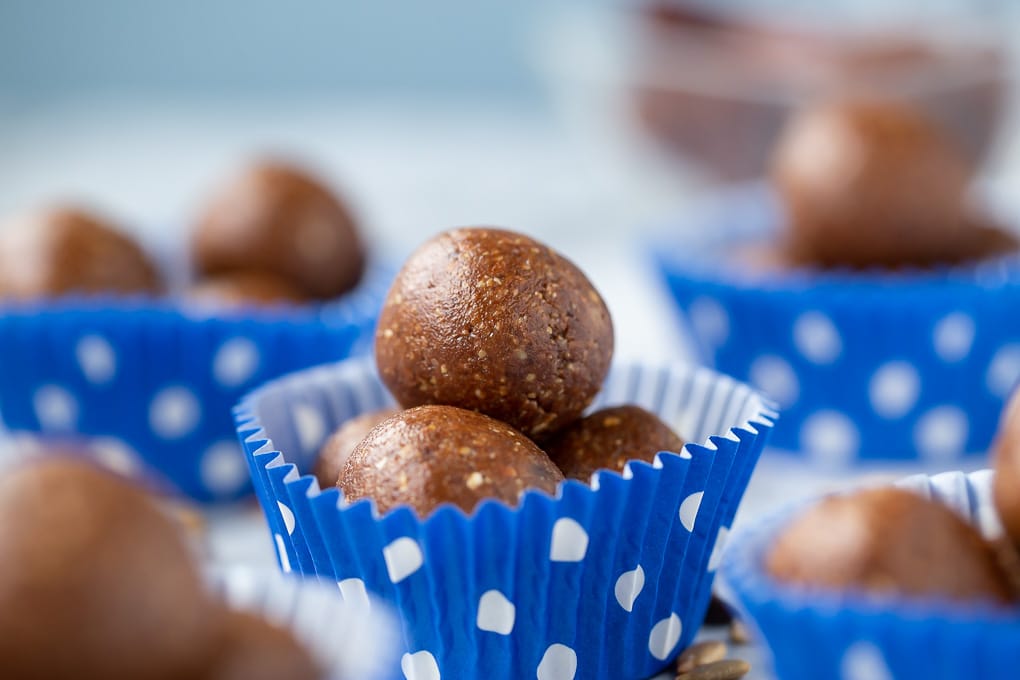
4. Peanut Butter Fudge Energy Balls
These are the gold standard for portable energy. By utilizing dates as a natural binder and peanut butter for fat and protein, these bites provide 8 grams of plant-based protein per serving. They are far superior to processed candy bars, offering sustained energy without the sugar spike.
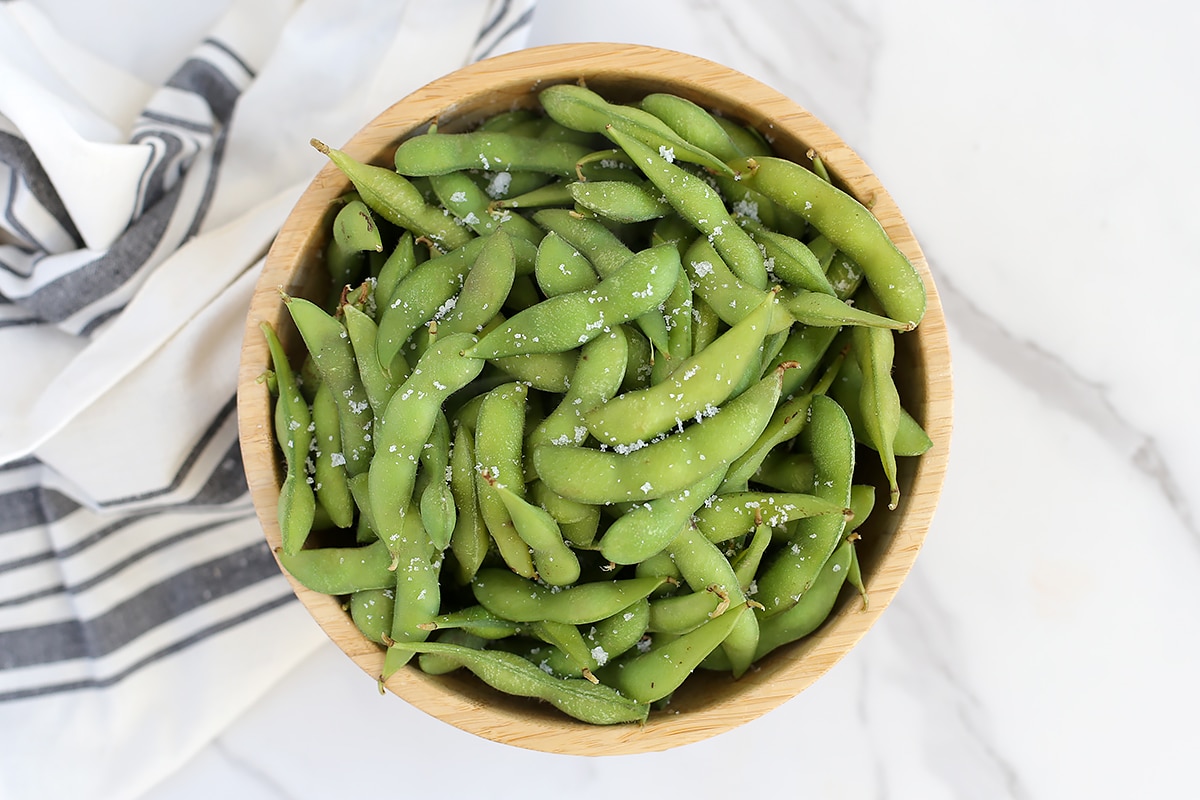
5. Easy High-Protein Edamame
Simplicity at its finest. Shelled edamame is a complete plant-based protein. It requires minimal preparation—simply steam and salt—and serves as an excellent finger food for younger children who may be too tired to sit down for a heavy meal.
6. Homemade "RX-Style" Bars
For the teenager who prefers a bar, homemade versions are superior in quality and cost. By combining egg-white powder, dates, and nuts, you can create a chewy, high-protein snack without the artificial sweeteners or preservatives found in commercial options.
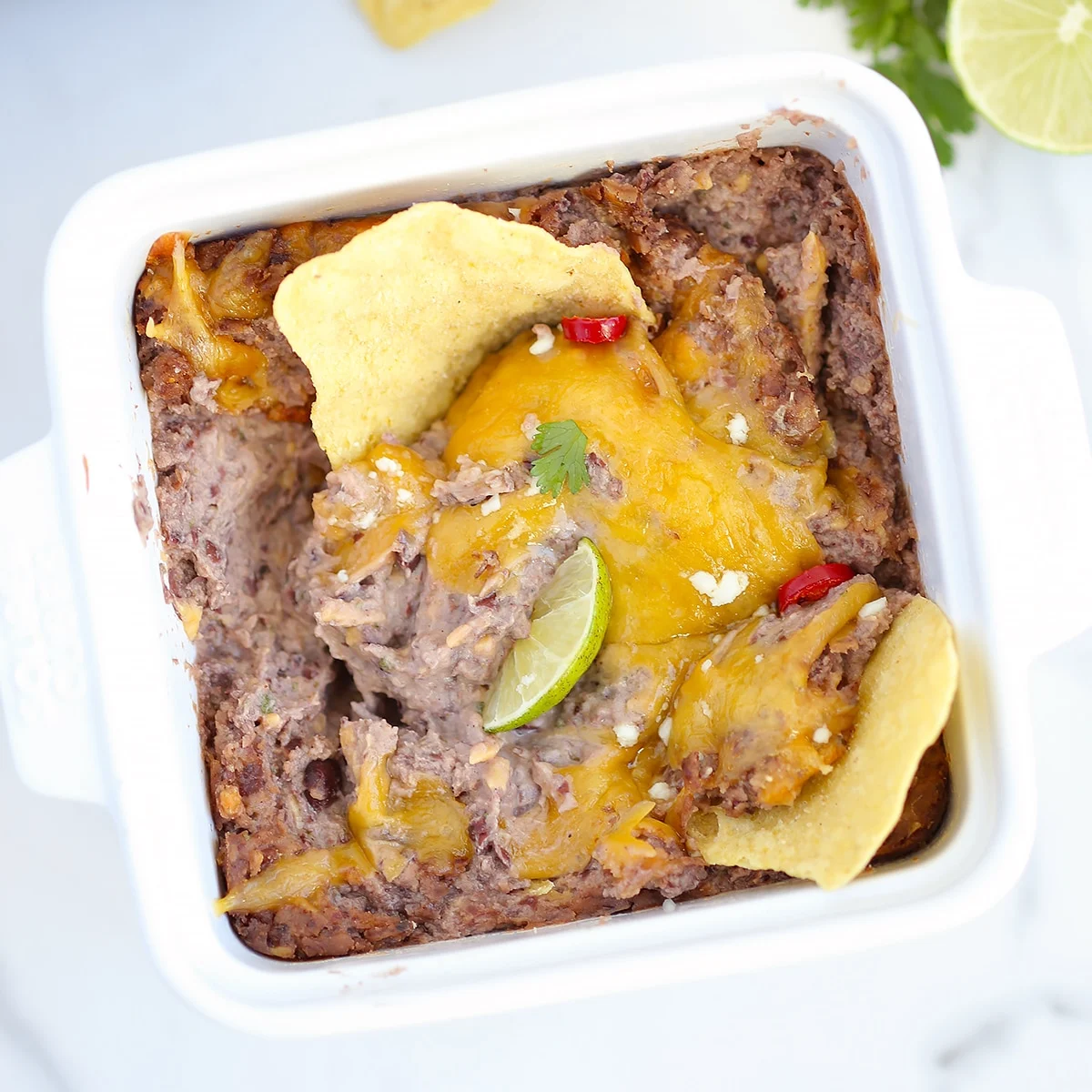
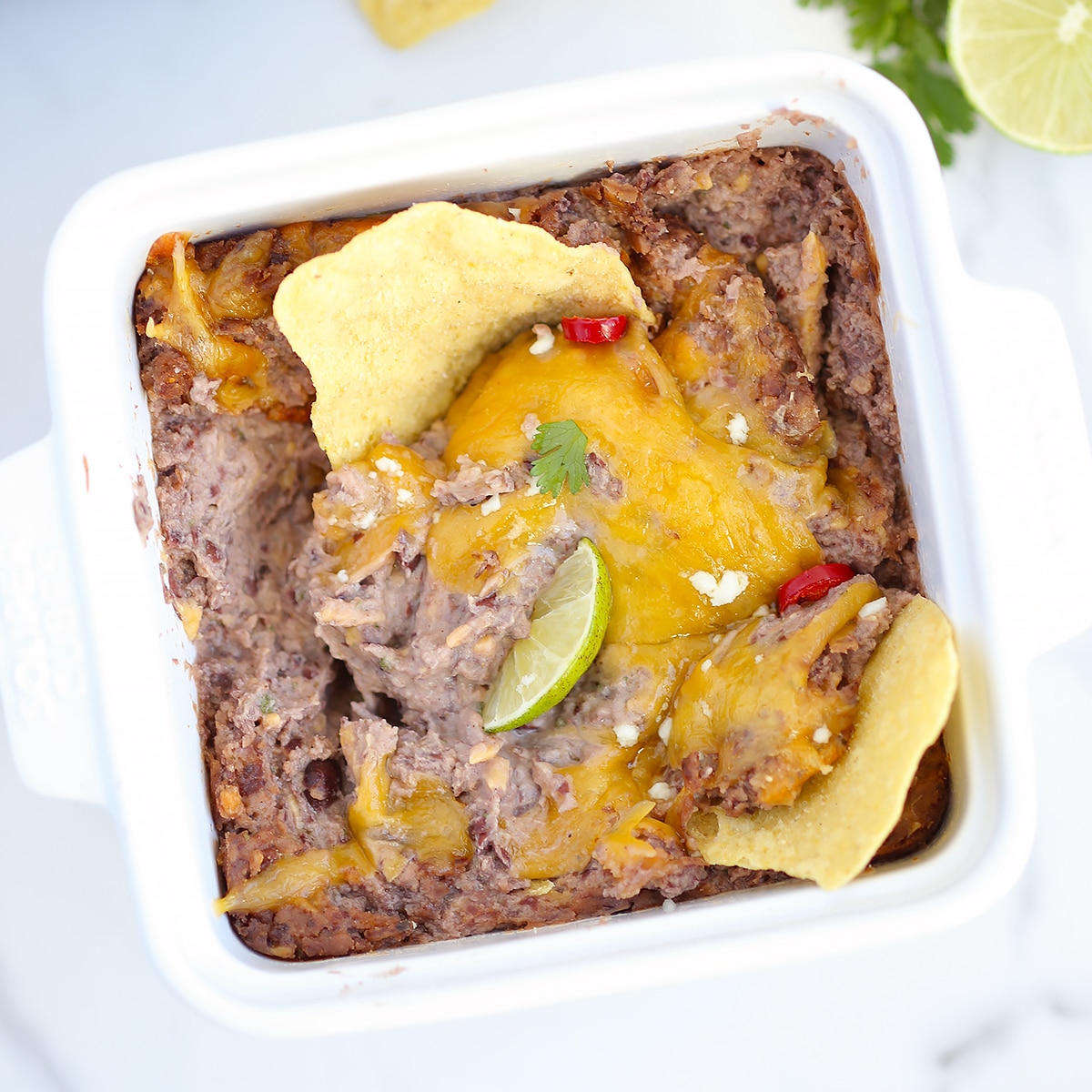
7. Black Bean Dip
Legumes are often overlooked in youth sports. A black bean dip blended with Greek yogurt creates a creamy, high-protein profile (14g per serving) that pairs perfectly with fiber-rich vegetable crudités or whole-grain crackers.
8. Protein Waffles
By incorporating egg and Greek yogurt into the waffle batter, you transform a breakfast staple into a sports performance powerhouse. These can be pre-made and frozen, then toasted for a quick, warm snack on the way to a competition.
9. Roasted Chickpeas
When the craving for a crunchy, salty snack hits, roasted chickpeas are the antidote. With 9 grams of protein and significant fiber, they keep athletes satisfied longer than potato chips or pretzels.
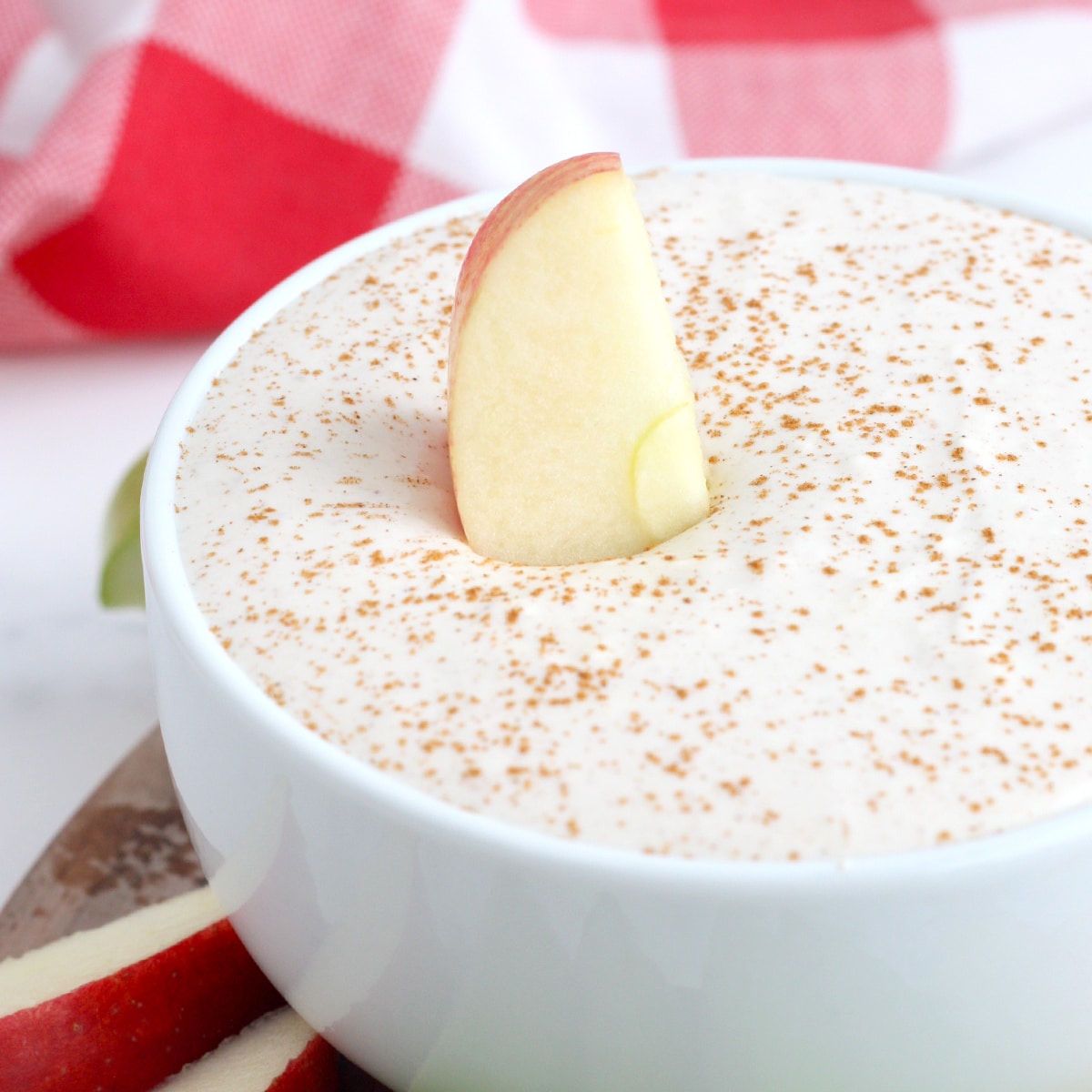
10. Healthy Yogurt Fruit Dip
A psychological hack for getting athletes to eat more fruit. A dip made from Greek yogurt, maple syrup, and cinnamon makes fruit consumption feel more like a reward than a chore.
11. Crunchy Roasted Peas
A fun, nutrient-dense alternative to packaged snacks. Roasted green peas provide fiber and 5 grams of plant-based protein, serving as a light, crisp addition to a sports bag.
12. Greek Yogurt Savory Dip
For athletes who don’t have a "sweet tooth," a savory dip using Greek yogurt, garlic, and dill provides a refreshing, cooling protein source that pairs well with bell peppers and cucumbers.
13. "Kids Can Make ‘Em" Energy Bites
Empowering children to participate in their own food preparation fosters a healthier relationship with nutrition. These no-bake bites are a collaborative kitchen project that results in 7 grams of protein per serving.
14. Chia Seed Energy Bites
Chia seeds provide a dense concentration of fiber and protein. These bites serve as a compact, shelf-stable option for long tournament days where refrigeration may be limited.
15. Raspberry Quinoa Smoothie
For the high-intensity athlete, quinoa provides complex carbohydrates and a complete amino acid profile. When blended into a smoothie, it provides a staggering 22 grams of protein, making it an excellent choice for the recovery phase after long, grueling practices.
Expert Perspective: The Role of Supplements
A common question among parents is, "Does my child need protein powder?" The consensus among pediatricians and sports dietitians is a resounding "no" for the vast majority of young athletes.

Whole foods provide not only protein but a host of micronutrients—vitamins, minerals, and antioxidants—that synthetic powders lack. Relying on powders can also lead to an imbalanced diet where the child fails to eat enough vegetables, fruits, and whole grains. If an athlete is consuming enough total calories and a variety of high-quality proteins (eggs, dairy, lean meat, legumes), they are almost certainly meeting their requirements. Before introducing any supplement, consultation with a professional is essential to rule out potential health risks.
Strategic Implications for Families
The primary challenge in youth sports nutrition is not the lack of recipes, but the lack of planning. The "impulse buy" at the concession stand is usually the result of a lack of preparation.
To effectively fuel a young athlete, families should adopt a "batch-prep" mentality:
- Stock the Basics: Always have Greek yogurt, cottage cheese, eggs, and fruit on hand.
- Portable Logistics: Keep a rotation of energy balls or homemade bars in the freezer.
- The "Pairing" Mindset: When in doubt, follow the formula: One protein + one carbohydrate. (e.g., an apple with a string cheese, or a banana with a handful of almonds).
Conclusion: Fueling for the Long Term
The goal of sports nutrition is to support the dual requirements of growth and performance. By focusing on whole, nutrient-dense foods, parents provide their children with more than just energy; they provide the foundation for a lifelong healthy relationship with food.
As young athletes navigate the intensity of their schedules, the best way to ensure they finish strong is to make sure their "fueling station" at home is as prepared as they are. With these 15 strategies, you can transition from stressful, last-minute decisions to a consistent, high-performance approach that supports your child’s athletic journey from the first whistle to the final buzzer.