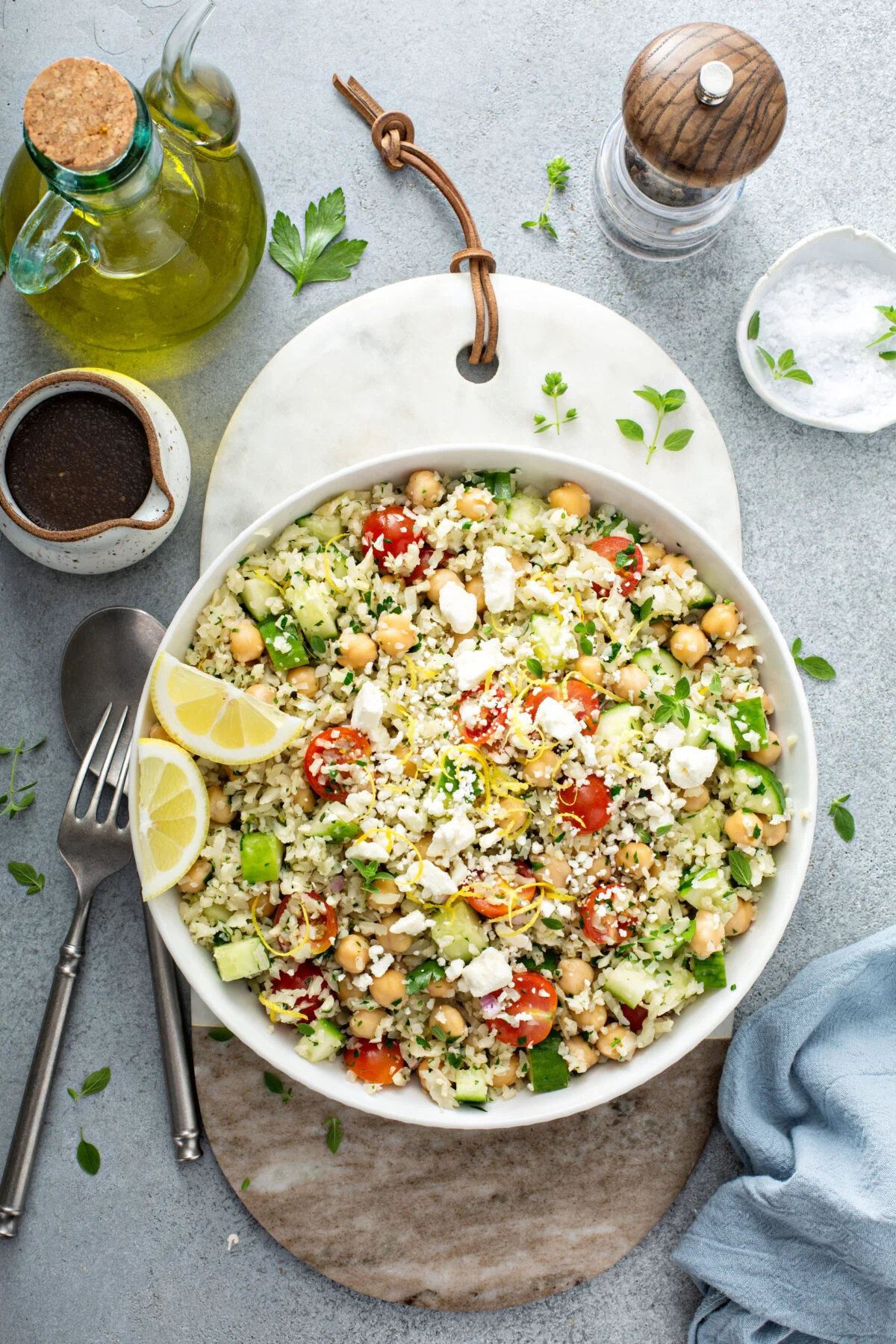
In the ever-evolving landscape of modern nutrition, where the demands of professional life often collide with the desire for wholesome, home-cooked meals, the "Greek Couscous Salad" has emerged as a beacon of efficiency and flavor. Far from being merely a side dish, this vibrant, nutrient-dense creation has become a staple for busy families, fitness enthusiasts, and culinary professionals alike. Characterized by its bright, zesty lemon-olive oil base and its remarkable ability to improve in flavor over time, it represents the intersection of Mediterranean tradition and contemporary convenience.
Main Facts: The Anatomy of a Perfect Salad
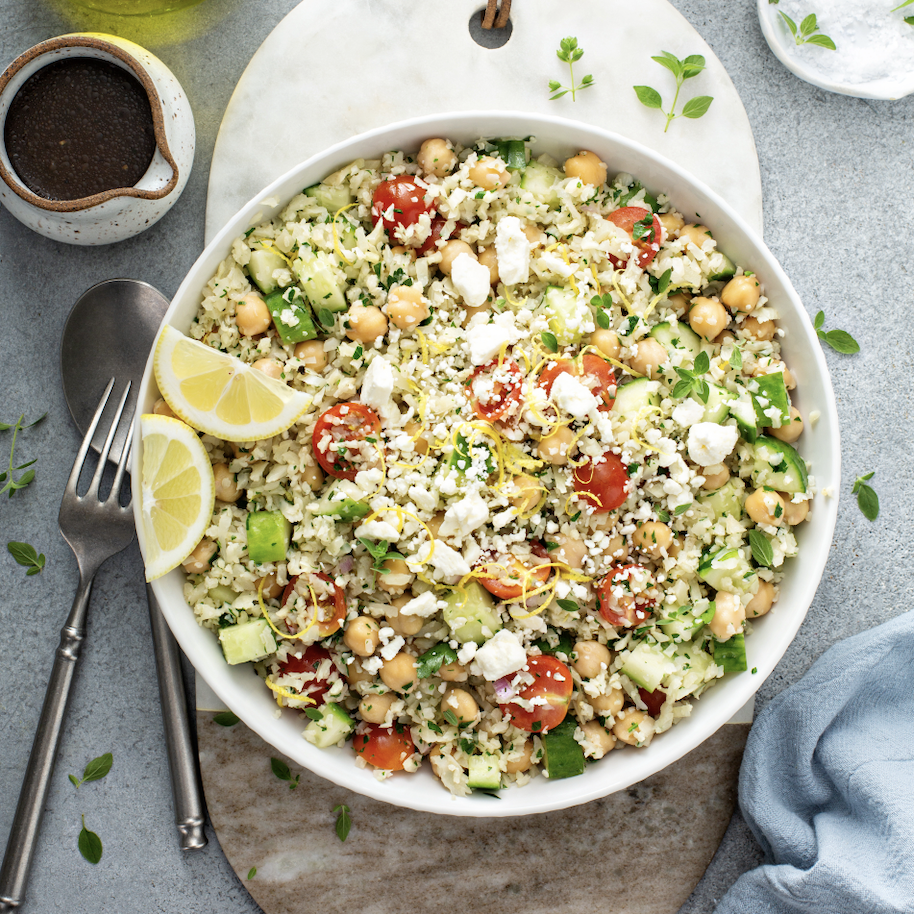
At its core, the Greek Couscous Salad is a masterclass in texture and balance. The foundation—pearl or traditional couscous—provides a neutral, light carbohydrate base that acts as a canvas for the robust flavors of the Mediterranean diet. When tossed with high-quality extra virgin olive oil, freshly squeezed lemon juice, crisp cucumbers, and a medley of aromatic herbs, the dish achieves a profile that is both refreshing and deeply satisfying.
Unlike many leafy green salads that wilt under the pressure of a refrigerator, this couscous-based dish is designed for longevity. The grains absorb the dressing without losing their structural integrity, while the vegetables provide a necessary crunch. From a nutritional standpoint, the inclusion of protein-rich feta cheese and fiber-dense vegetables makes this a balanced meal option that provides sustained energy throughout the workday.
A Chronology of the Mediterranean Influence
The origins of this salad can be traced back to the broader adoption of Mediterranean dietary patterns in Western households during the late 20th and early 21st centuries. As awareness grew regarding the health benefits associated with high olive oil consumption, lean proteins, and fresh produce, the American culinary scene began to pivot away from heavy, mayonnaise-based pasta salads.
- The Rise of "Grain Bowls": In the early 2010s, the culinary world saw a shift toward grain-based salads as a response to the "low-carb" trends of the previous decade. Couscous, being remarkably fast to prepare, became a preferred choice for home chefs.
- The Meal-Prep Revolution: By 2018, the rise of social media-driven meal prep culture accelerated the popularity of this specific recipe. Enthusiasts discovered that by removing the moisture from cucumbers and delaying the addition of soft cheeses, the salad could maintain a "fresh" quality for nearly five days.
- The Present Day: Today, the Greek Couscous Salad is recognized as an essential skill for the modern home cook. It has transitioned from a seasonal potluck curiosity to a weekly staple for meal-prep subscribers and health-conscious professionals.
Supporting Data: Why Texture and Timing Matter
To understand the appeal of this dish, one must look at the science of food preparation. Culinary experts and food scientists emphasize that the "marination" effect—the process by which the acidity of the lemon juice and the lipids in the olive oil penetrate the grains—is what elevates the dish from a simple assembly of ingredients to a cohesive culinary experience.
The Science of "Maceration"
When the dressing meets the vegetables, a process known as osmotic exchange occurs. The salt in the feta and the seasoning draws out a small amount of liquid from the cucumbers and herbs. This liquid, when emulsified with the oil and lemon juice, creates a "dressing-within-a-dressing" that coats the couscous. This is why many chefs recommend letting the salad rest for at least thirty minutes before serving.
Nutritional Efficiency
A standard serving of this salad, depending on the vegetable-to-grain ratio, provides a balanced intake of macronutrients:
- Complex Carbohydrates: Provided by the couscous, offering steady glucose release.
- Healthy Fats: Derived from Mediterranean-grade olive oil, supporting cardiovascular health.
- Micronutrients: A spectrum of vitamins (A, C, and K) provided by the fresh herbs and vegetables.
Official Culinary Perspectives and Best Practices
In professional test kitchens, the Greek Couscous Salad is often used as a benchmark for training cooks in the importance of "mise en place" (the preparation of ingredients). While the recipe appears simple, the difference between a mediocre salad and an exceptional one lies in technique.
The "Cooling" Imperative
Professional chefs warn against adding fresh herbs to hot couscous. The residual heat causes the volatile oils in herbs like parsley and mint to dissipate, resulting in a "cooked" or muted flavor. Allowing the couscous to reach room temperature before incorporation is a non-negotiable step for flavor integrity.
The "Seed-to-Water" Ratio
The most common failure point for this salad is excess moisture. If a chef fails to remove the watery center of a cucumber, the salad becomes soupy by the second day. The recommendation is to use English or Persian cucumbers, which are naturally lower in seed content, or to perform a manual removal of the inner pulp before dicing.
The Feta Strategy
The addition of feta is considered a finishing touch. When folded in too early, the cheese loses its distinct crumble, creating a milky, off-putting texture in the dressing. By waiting until the final moment, the chef preserves the sharp, salty contrast that characterizes authentic Greek cuisine.
Implications for Modern Lifestyle and Sustainability
The widespread adoption of this salad carries significant implications for how we view domestic food security and sustainable eating. By opting for a plant-forward, grain-based dish, households can significantly reduce their reliance on animal proteins without sacrificing satiety.
The Economics of Meal Prep
The Greek Couscous Salad is inherently cost-effective. Couscous is an shelf-stable, inexpensive base, and the accompanying vegetables are generally available year-round. For the average family, transitioning to this type of meal can result in a 20-30% reduction in grocery expenditures compared to meat-heavy meal kits.
Culinary Versatility as a Tool Against Food Waste
One of the most important implications of this recipe is its "use-what-you-have" philosophy. The recipe acts as a repository for produce that might otherwise go to waste. A handful of wilting spinach, half a jar of artichoke hearts, or the final bits of a carton of grape tomatoes—all find a home in the Greek Couscous Salad. This makes it a crucial weapon in the domestic battle against food waste.
Dietary Flexibility
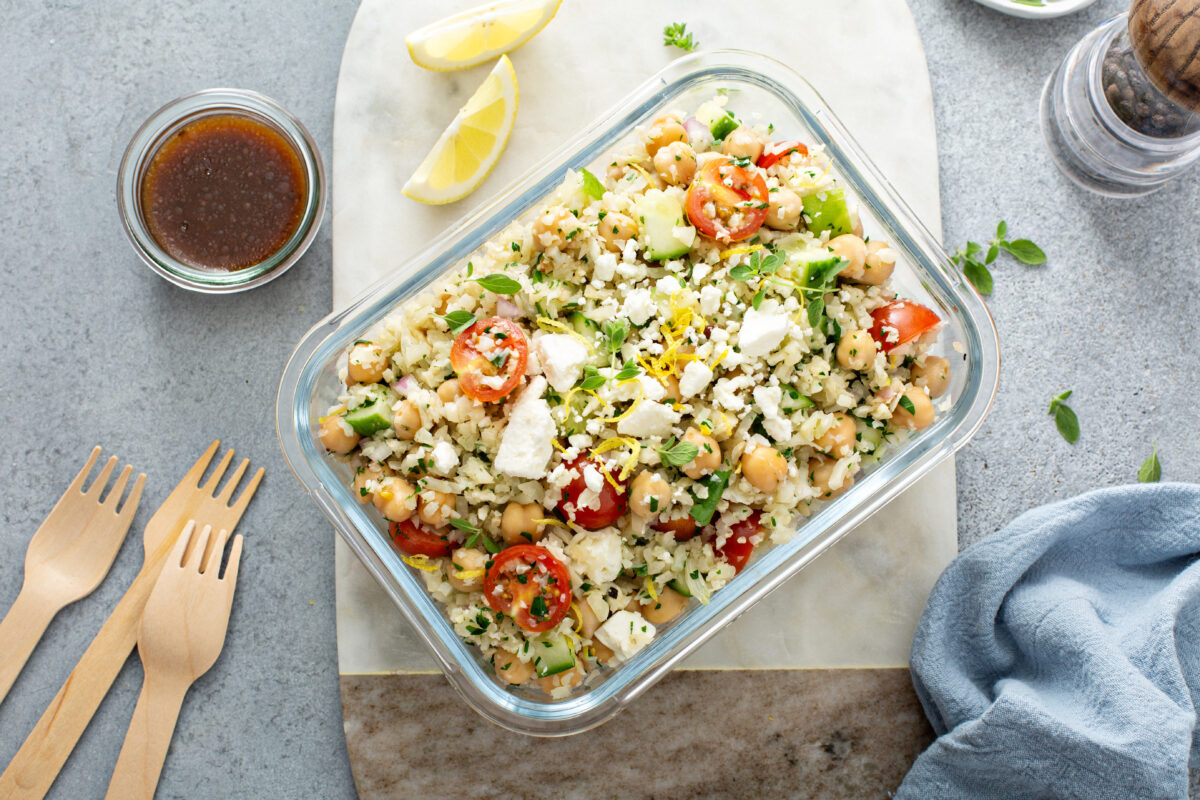
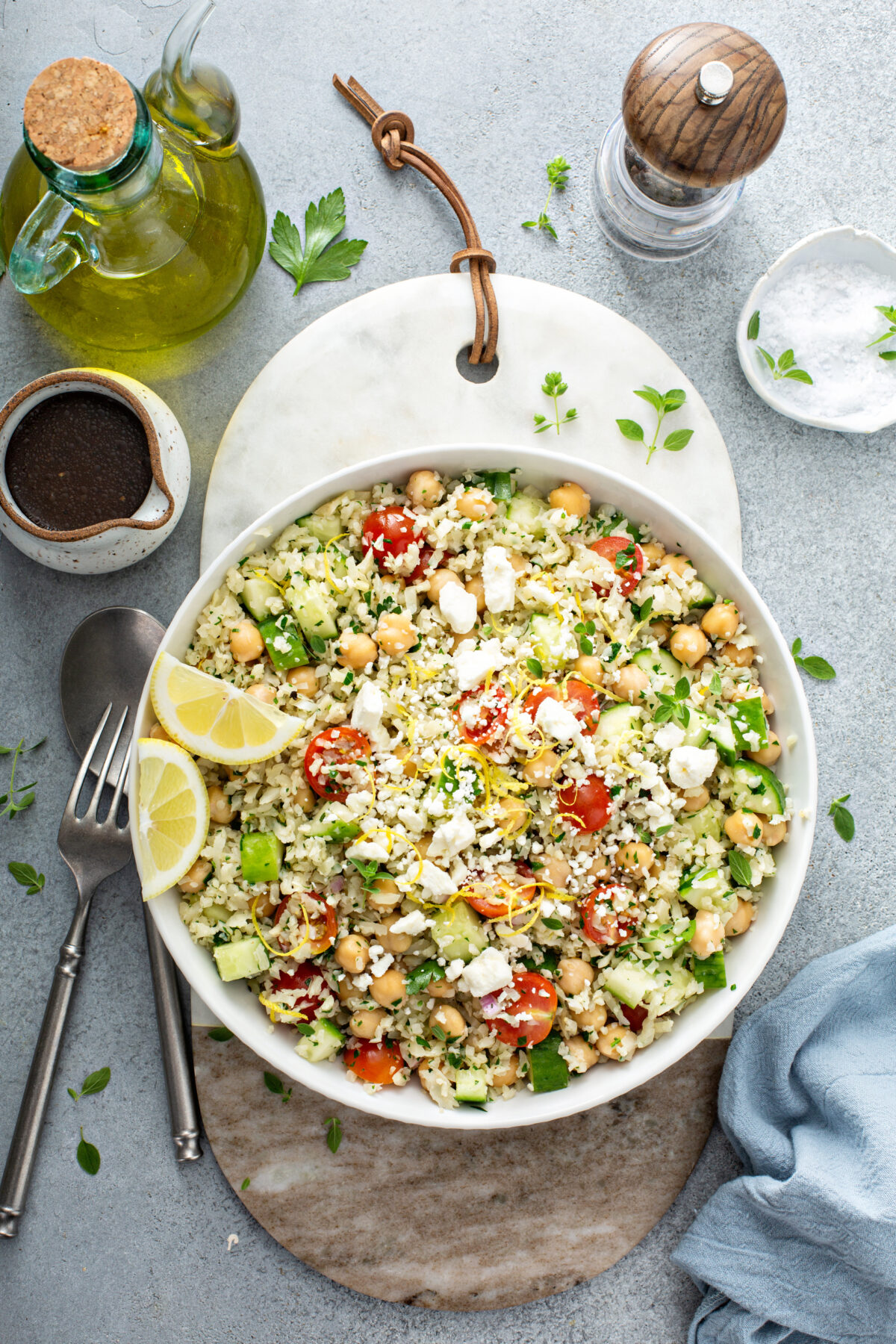
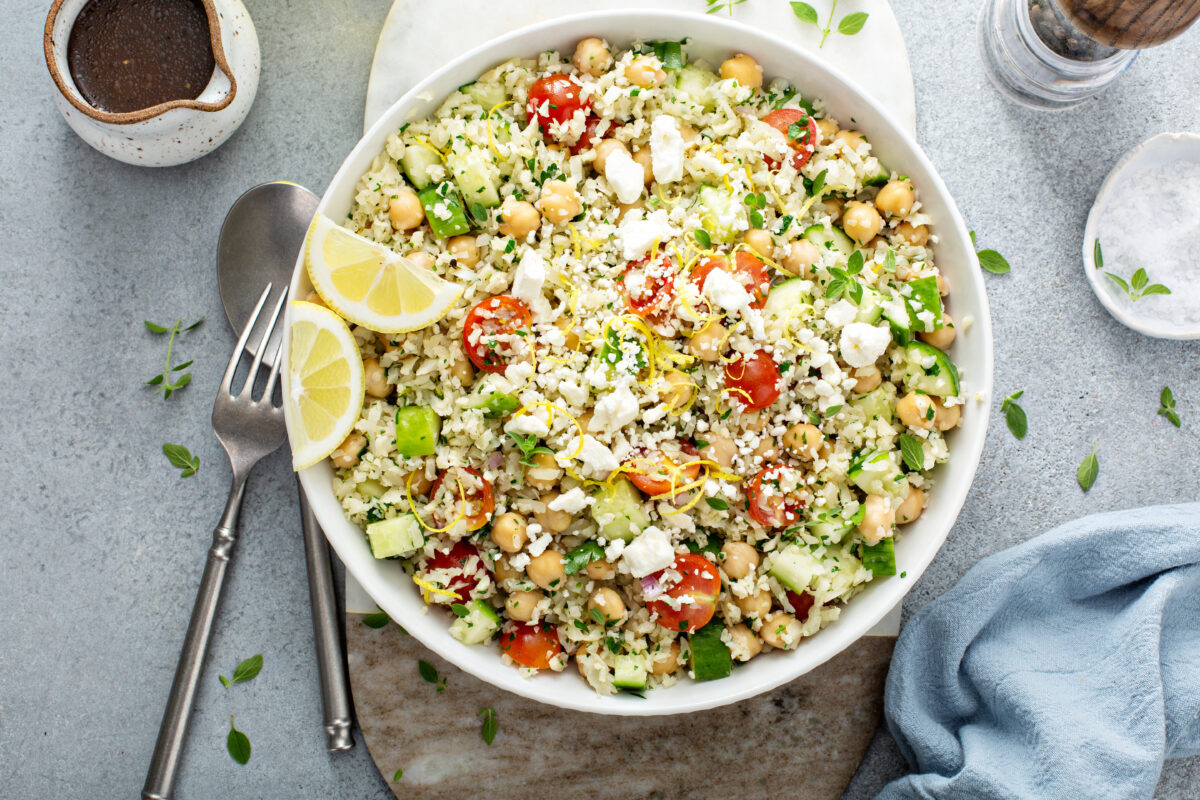
The recipe is remarkably resilient to dietary modifications. By swapping traditional wheat couscous for cauliflower rice, the dish becomes keto-friendly. By replacing the feta with a plant-based alternative or chickpeas, it transitions into a vegan protein source. This flexibility makes it a "universal" dish, capable of serving diverse groups at gatherings where dietary restrictions are common.
Expanding the Horizons: Advanced Variations
While the classic lemon-olive oil profile is the industry standard, the professional culinary community continues to experiment with regional variations to keep the dish exciting:
- The Protein-Heavy Variation: Adding shredded rotisserie chicken or grilled shrimp transforms the salad into a complete, high-protein lunch that requires zero reheating, making it ideal for office environments.
- The Mediterranean "Fusion": Incorporating sun-dried tomatoes or roasted red peppers introduces a deeper, umami-rich profile that pairs exceptionally well with a glass of dry white wine or sparkling water.
- The Orzo Shift: For those who prefer a more robust "pasta salad" experience, substituting couscous for orzo provides a chewier, more substantial mouthfeel that stands up well to heartier additions like olives and capers.
Conclusion
The Greek Couscous Salad is more than just a passing trend; it is a testament to the enduring power of simple, high-quality ingredients. Its ability to bridge the gap between convenience and nutrition has cemented its place in the modern pantry. Whether you are a student looking for a quick lunch, a parent managing a busy weeknight schedule, or a professional looking to optimize your nutritional intake, this salad offers a reliable, delicious, and deeply satisfying solution.
As we look toward a future where culinary efficiency and health consciousness continue to merge, the lessons provided by this simple dish—the importance of timing, the respect for fresh ingredients, and the necessity of adaptability—serve as a guide for all home cooks. It reminds us that at the end of a long day, the best meal is often the one that respects our time while nourishing our bodies.