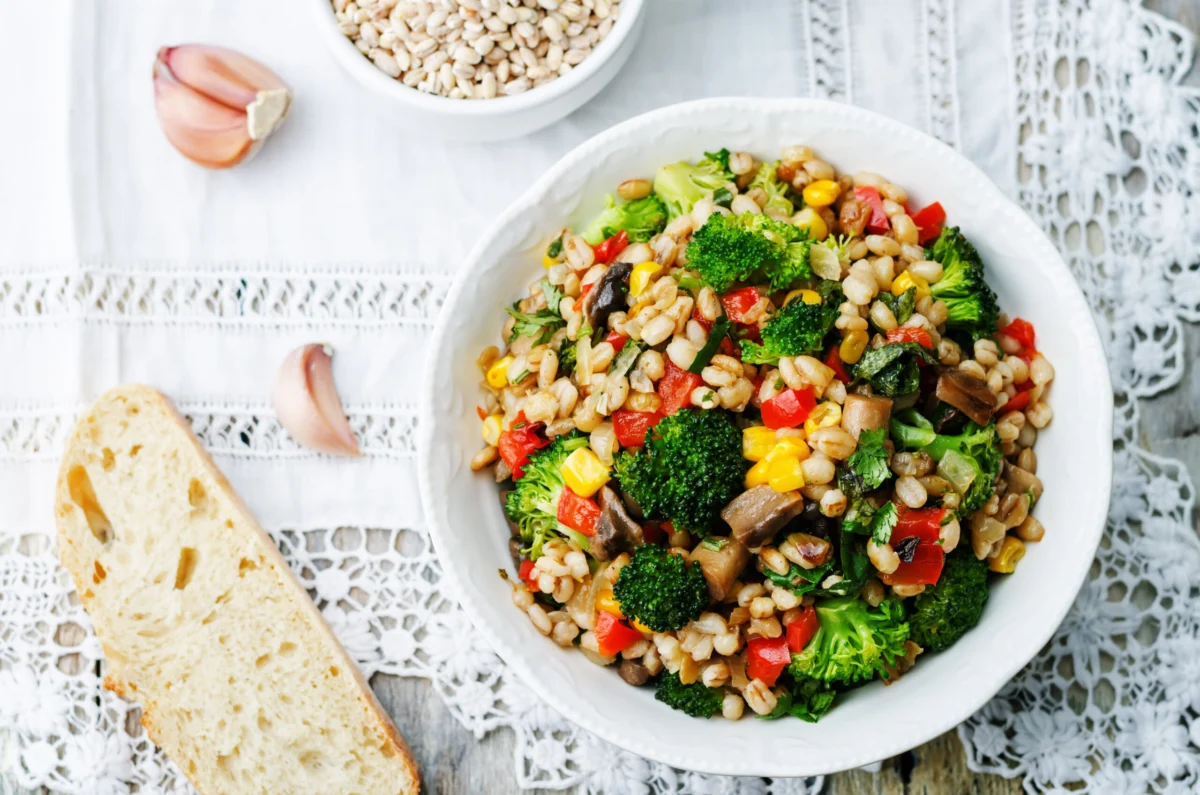
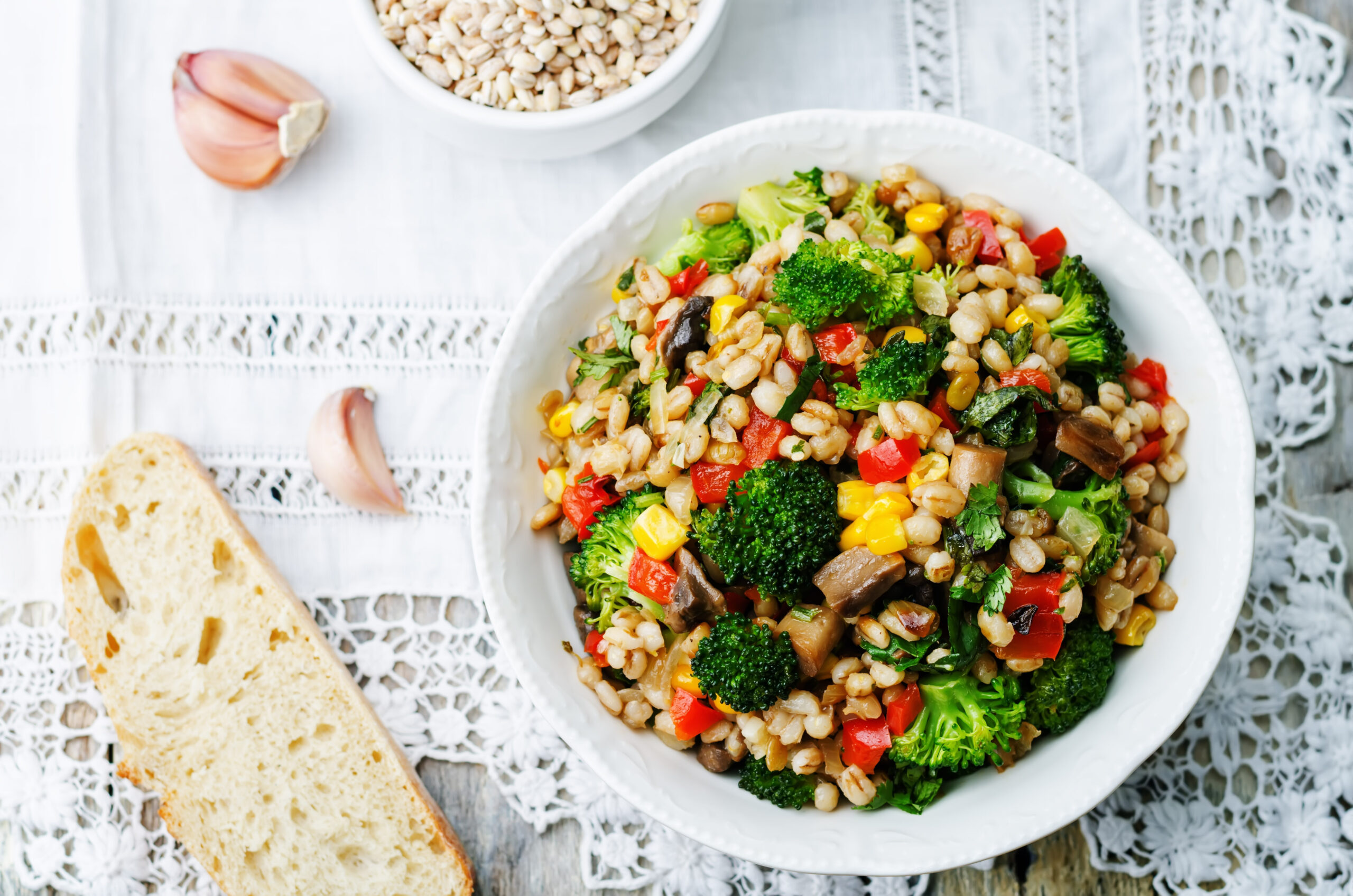
In the ever-evolving landscape of modern gastronomy, few dishes capture the intersection of nutritional science and seasonal adaptability as effectively as the grain-based salad. Among these, the Roasted Vegetable Barley Salad stands out as a masterclass in texture and flavor profile. By combining the chewy, nut-like profile of pearl barley with the caramelized depth of oven-roasted vegetables and a vibrant lemon vinaigrette, this dish has transitioned from a humble vegetarian side to a cornerstone of health-conscious meal planning.
As consumers increasingly seek meals that are as "Instagrammable" as they are nourishing, this salad offers a vibrant, rainbow-hued solution that thrives across every season. Whether served chilled at a summer picnic or enjoyed as a warm, comforting lunch during the winter months, its versatility has cemented its place in the modern home kitchen.
Main Facts: The Anatomy of a Perfect Grain Salad
At its core, this recipe is built upon three pillars: structural integrity, flavor contrast, and nutritional density. The choice of pearl barley is deliberate. Unlike softer grains like quinoa or couscous, pearl barley maintains a distinct "al dente" bite even after dressing, providing a satisfying mouthfeel that prevents the salad from becoming mushy over time.
The "roasted vegetable" component serves as the flavor engine. Roasting—a process of high-heat dry cooking—triggers the Maillard reaction, which transforms simple starches into complex, savory sugars. When these caramelized vegetables are tossed with a bright, acidic lemon vinaigrette, the result is a balanced flavor profile that hits both the savory and bright notes essential for a satisfying meal.
Chronology: The Evolution of the Dish
The history of barley dates back over 10,000 years, serving as one of the first domesticated grains in human history. However, the modern iteration of the "Barley Salad" is a relatively recent phenomenon, gaining popularity in the late 20th and early 21st centuries as dietary trends shifted away from heavy, mayonnaise-based pasta salads toward lighter, fiber-rich alternatives.
- Preparation (15 Minutes): The process begins with mise en place—washing herbs, chopping seasonal vegetables, and whisking the emulsified vinaigrette.
- The Roast (30 Minutes): The vegetables are seasoned and placed in a hot oven. This is the stage where the chemical transformation occurs, deepening the color and taste.
- The Assembly: Once the barley is cooked and cooled to room temperature, the roasted components are folded in. The final step involves adding fresh, aromatic herbs and a crumble of feta cheese, which provides the necessary salinity to elevate the earthiness of the grain.
Supporting Data: Nutritional and Practical Benefits
From a nutritional standpoint, this salad is a powerhouse. Barley is an excellent source of dietary fiber—specifically beta-glucan—which has been clinically shown to support heart health and maintain healthy blood sugar levels. When paired with a diverse array of roasted vegetables, the meal becomes a comprehensive source of vitamins A, C, and K, alongside essential minerals.
Practical data also favors this dish for meal prep enthusiasts. Unlike delicate lettuce-based salads, which wilt within hours, this barley salad is remarkably stable. Stored in an airtight container, it maintains its texture and integrity for up to four days in the refrigerator. This makes it an ideal candidate for "batch cooking," a strategy increasingly recommended by nutritionists to reduce reliance on ultra-processed convenience foods.
Expert Insights: Tips for Culinary Mastery
Achieving the perfect balance in this salad requires attention to detail. Culinary experts and nutritionists alike emphasize several "Golden Rules" to ensure the dish reaches its full potential:
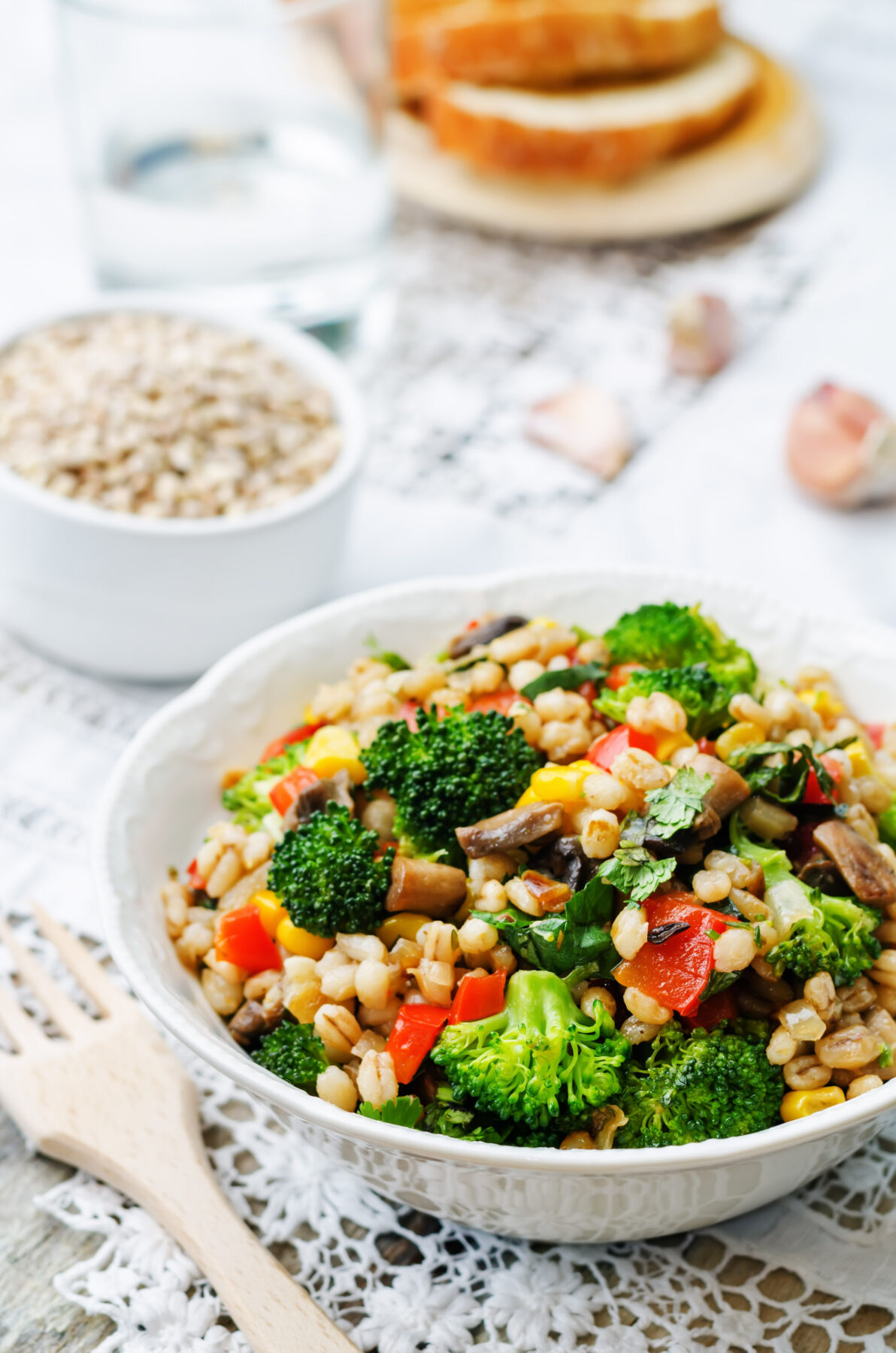
- The Texture Balance: The primary mistake amateur cooks make is overcooking the barley. It should be cooked until tender but firm. If the grain splits too much, it loses its ability to hold the vinaigrette without turning into a porridge-like consistency.
- The Physics of Roasting: To ensure proper caramelization, vegetables must have space. If a baking sheet is overcrowded, the moisture released by the vegetables is trapped, causing them to steam. Steam results in limp, pale vegetables, whereas air circulation results in crispy, golden-brown edges.
- The Timing of Herbs: Fresh herbs are highly volatile. Adding them too early, particularly when the vegetables are still piping hot, causes the delicate oils in the herbs to break down, resulting in a loss of vibrancy. Always fold them in once the salad has cooled to room temperature.
Variations and Customizations: The "Choose Your Own Adventure" Approach
One of the most significant implications of this recipe’s popularity is its inherent flexibility. It serves as a "base" for endless iterations, allowing home cooks to reduce food waste by utilizing whatever produce is currently in their refrigerator.
- Protein Integration: For those seeking higher satiety, adding chickpeas provides a plant-based protein boost, while grilled chicken or flaked salmon transforms the salad into a complete dinner entree.
- Seasonal Adaptation: While the base recipe is excellent with standard mirepoix vegetables, shifting the profile to accommodate seasonal availability is highly encouraged. In the autumn, swapping standard vegetables for roasted butternut squash and Brussels sprouts adds a seasonal flair. In the spring, adding asparagus or snap peas provides a refreshing, crunchy contrast.
- Dietary Inclusivity: The recipe is easily adapted for those with dietary restrictions. By substituting feta with a plant-based alternative or simply doubling down on toasted seeds (like pepitas or sunflower seeds), the salad easily transitions into a vegan-friendly option without sacrificing texture.
Implications for Modern Meal Prep
The rise of recipes like this barley salad signals a broader cultural shift toward intentional eating. In an era where time is a premium, the ability to create a meal that improves with age is significant. Because the flavors of the vinaigrette continue to marinate the barley and vegetables over time, the salad is often better on its second or third day.
This longevity has massive implications for household food budgets and environmental impact. By preparing a large batch of grain salad on a Sunday, an individual can eliminate the need for four days of impulsive, potentially less nutritious lunch purchases. This shift toward "pre-planned nourishment" is a pillar of the modern wellness movement, emphasizing that healthy eating does not need to be a daily, high-effort chore.
The Final Touch: Serving Suggestions
While the salad is visually striking on its own, presentation is key for those entertaining guests or looking to elevate their daily routine. Reserving a portion of the feta and a handful of fresh herbs to sprinkle over the top just before serving provides a "chef-level" finish. Additionally, serving the salad at room temperature—rather than straight from the refrigerator—allows the fats in the dressing and the natural sugars in the roasted vegetables to bloom, resulting in a more profound tasting experience.
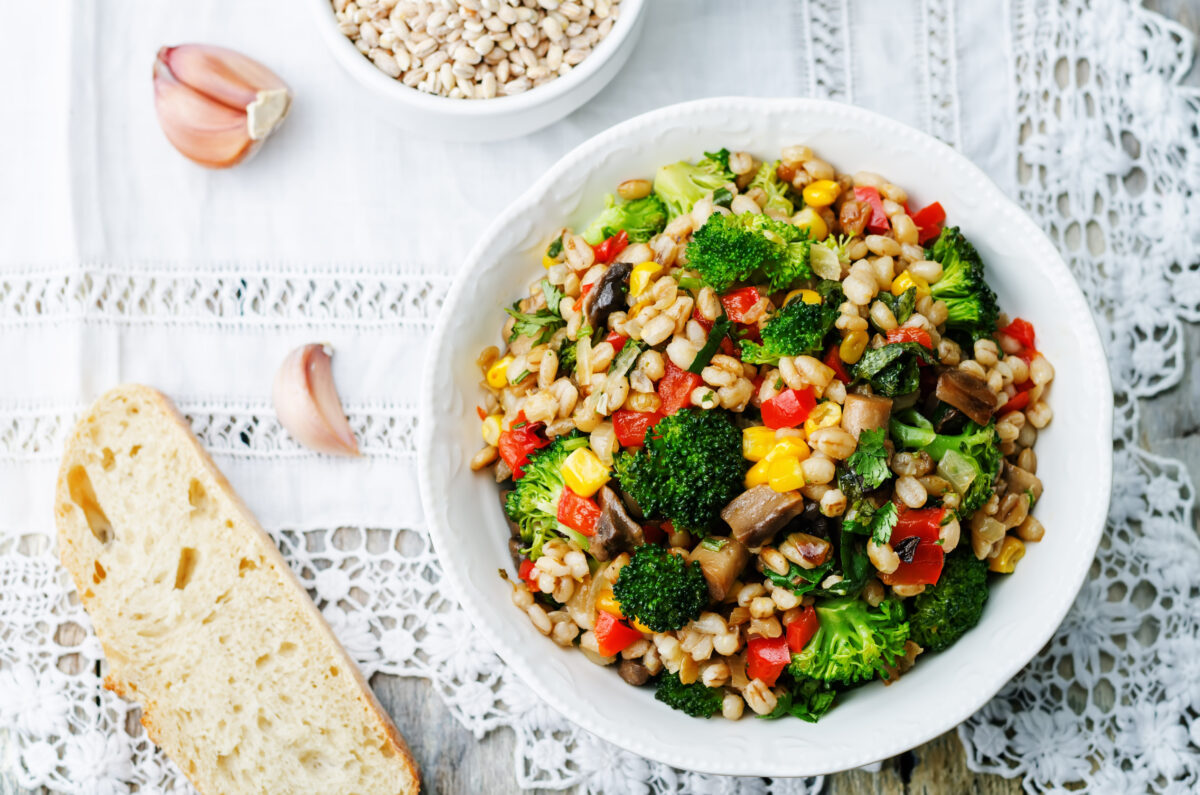
As we continue to navigate the demands of modern life, the Roasted Vegetable Barley Salad remains a reliable, delicious, and highly adaptable companion. It is a testament to the fact that when we prioritize simple, high-quality ingredients and basic cooking techniques, the results are far greater than the sum of their parts. Whether you are a seasoned home cook or a beginner looking to simplify your weekly meal plan, this dish offers a path to health that is as rewarding as it is sustainable.