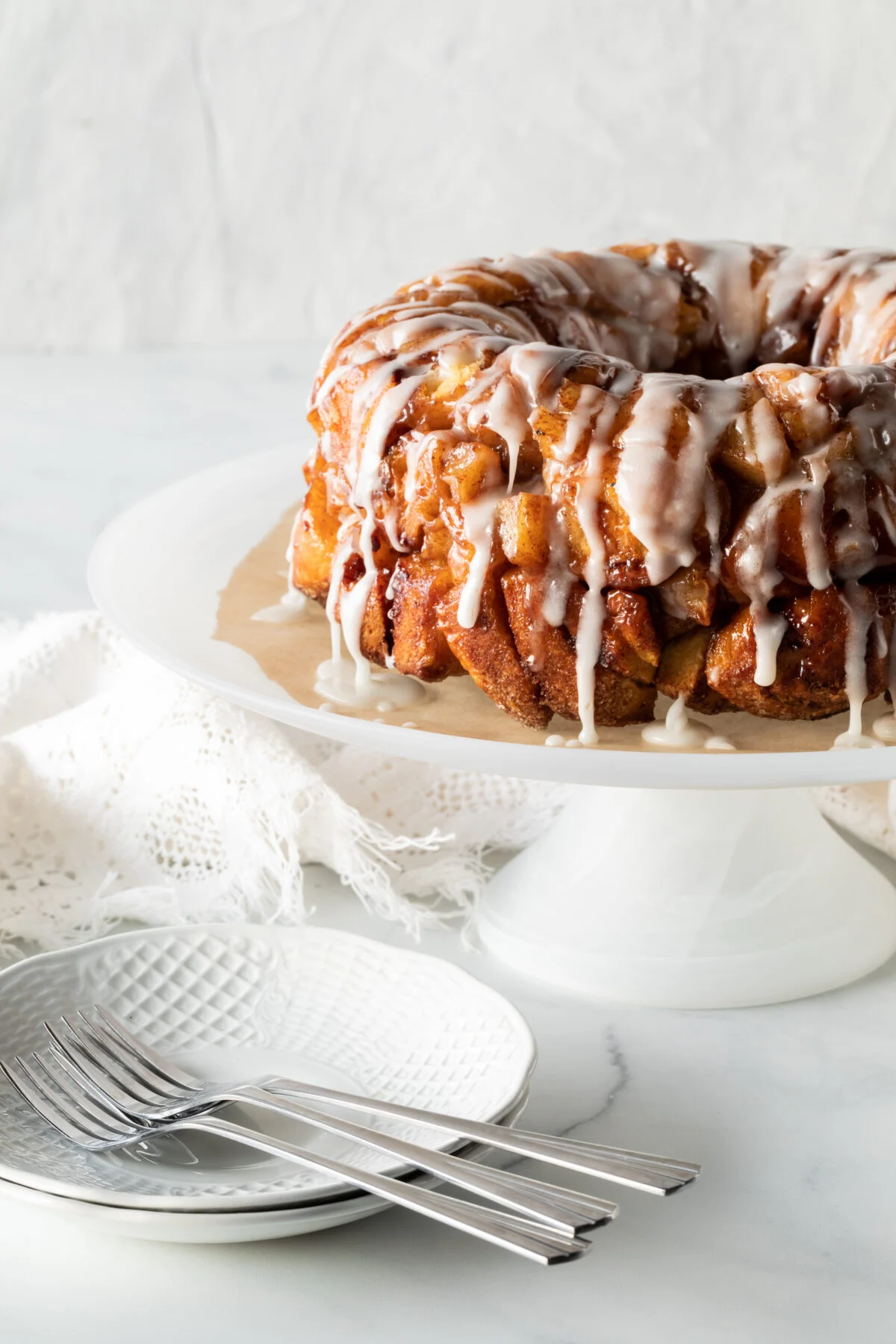
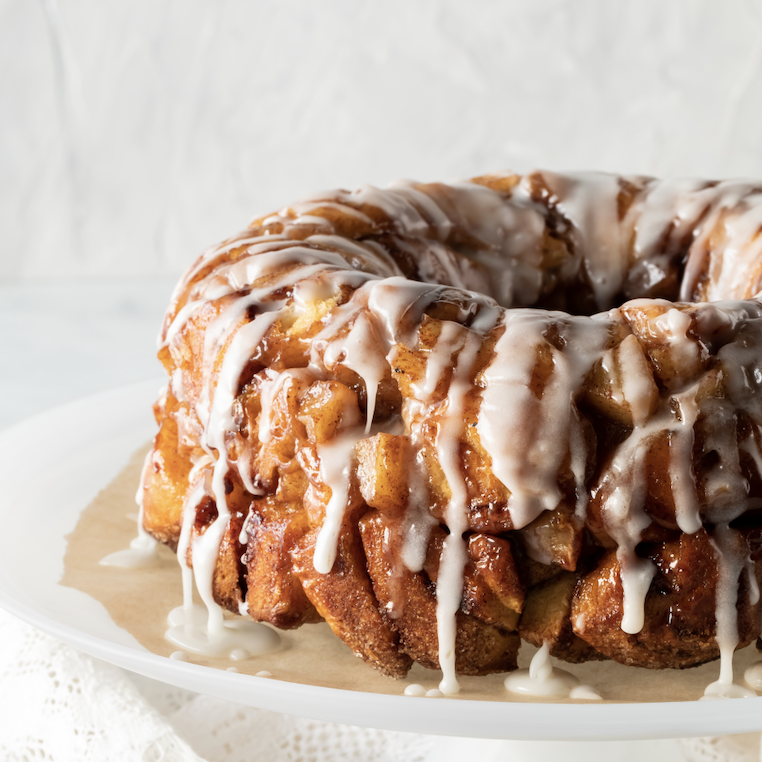
In the landscape of comfort food, few creations possess the nostalgic, tactile appeal of Monkey Bread. Often described as the culinary lovechild of a sticky bun, a cinnamon roll, and a classic coffee cake, this pull-apart delight has long been a staple of weekend brunches and holiday tables. However, a recent trend in home baking has introduced a sophisticated yet simple twist: the integration of fresh, seasonal apples. This Apple Cinnamon Monkey Bread is more than just a sweet treat; it is a masterclass in texture, blending the gooey, caramelized depth of brown sugar with the bright, crisp essence of orchard-fresh fruit.
Main Facts: The Anatomy of a Perfect Pull-Apart Bread
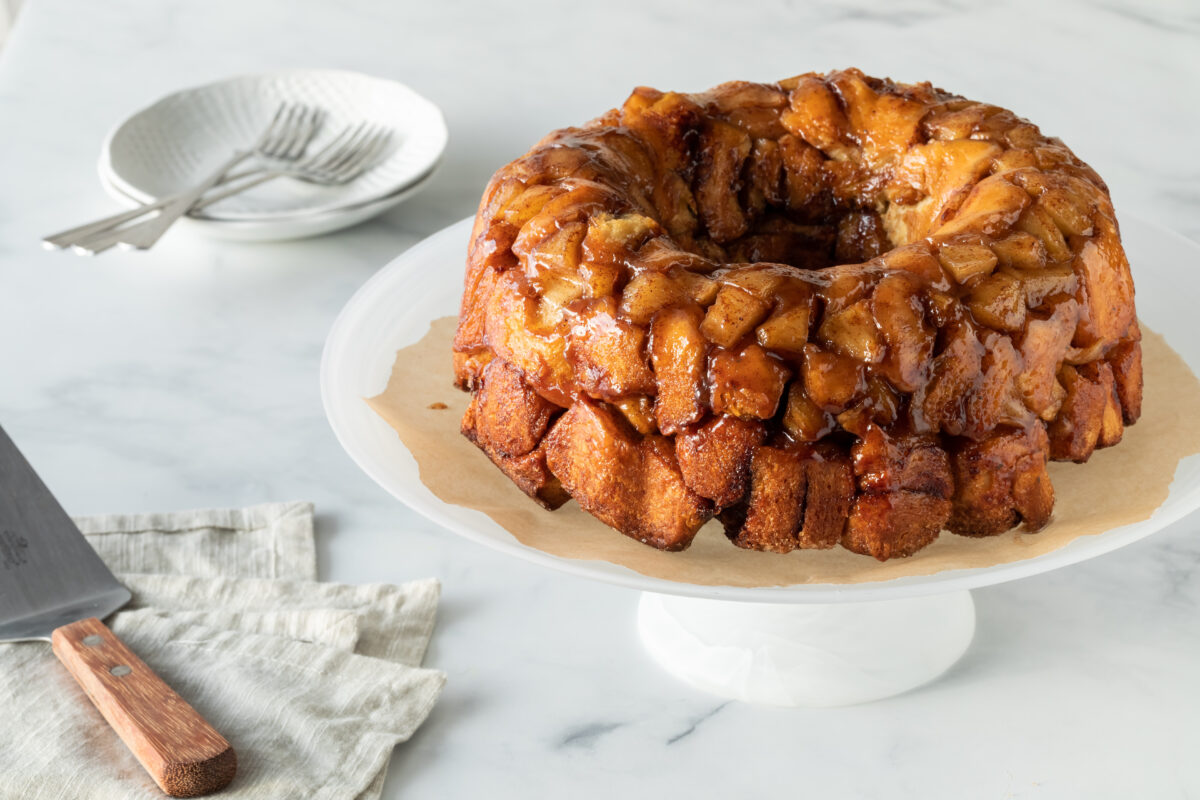
At its core, Monkey Bread is a decorative, interactive pastry made from individual balls of dough that are tossed in cinnamon sugar and baked in a Bundt pan. As the heat circulates, the dough expands and the sugar-butter mixture caramelizes into a deep, mahogany-colored glaze. By incorporating diced apples, bakers are not only adding a layer of natural sweetness but are also introducing a necessary acidity that balances the richness of the buttery dough.
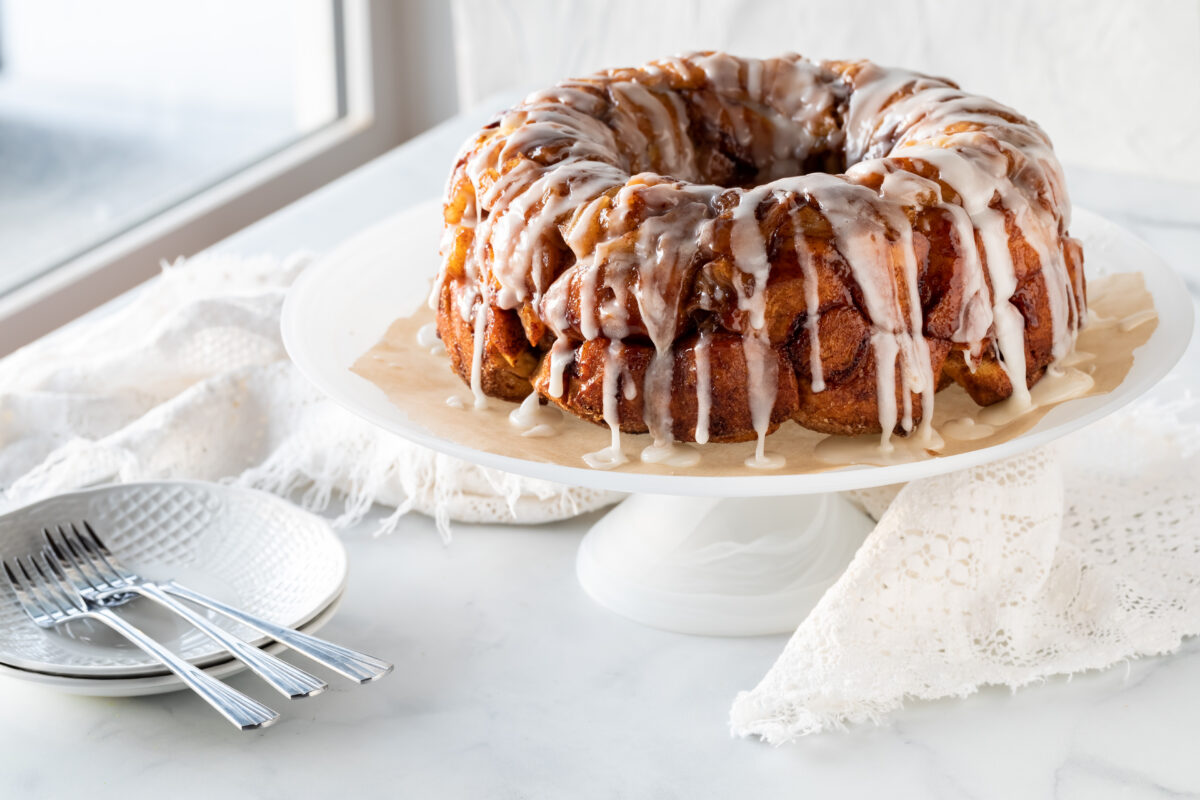
The beauty of this particular recipe lies in its accessibility. By utilizing high-quality refrigerated biscuit dough, the barrier to entry for novice bakers is significantly lowered. This allows for a gourmet-level presentation without the intensive labor typically associated with yeast-risen doughs. When finished with a simple, velvety vanilla glaze, the bread becomes a centerpiece that invites communal dining—a rare "shareable" breakfast dish that feels inherently celebratory.
Chronology: The Evolution of a Brunch Staple
The history of Monkey Bread—also known as sticky bread, bubble bread, or pluck-it cake—traces back to the mid-20th century in the United States. While its exact origins are shrouded in kitchen folklore, it gained immense popularity in the 1950s as convenience products like refrigerated biscuit dough hit the mass market.
- The 1950s: The rise of home-convenience cooking transformed the Bundt pan from a niche tool into a household staple. Recipes for "bubble loaf" began appearing in community cookbooks, emphasizing ease of assembly.
- The 1980s and 90s: The dish became a staple of the "cozy kitchen" movement, with variations adding nuts, raisins, and varying levels of spice.
- The 2020s: Modern gastronomy has seen a shift toward incorporating fresh produce into comfort classics. The addition of fresh, diced apples represents the latest phase in this evolution, moving the dish from a purely indulgent treat toward a more balanced, flavor-forward experience that highlights seasonal harvests.
Supporting Data: Selecting the Perfect Fruit
The success of Apple Cinnamon Monkey Bread is heavily dependent on the type of apple used. Scientific culinary principles dictate that the fruit must withstand the "moisture-heat" cycle of a 40-minute bake without disintegrating into mush.
Culinary experts recommend choosing varieties that possess a crisp, firm flesh. Top-tier choices include:
- Granny Smith: Renowned for its high acidity, which cuts through the extreme sweetness of the brown sugar glaze.
- Honeycrisp: Offers a perfect balance of sweetness and a resilient texture that maintains its integrity during high-heat baking.
- Braeburn: Known for its spicy-sweet profile, which complements the cinnamon notes in the dough.
Data regarding moisture content is crucial here. Too much juice released by the fruit can lead to a "soggy" interior. To mitigate this, expert bakers emphasize the importance of dicing the apples into consistent 1/4-inch pieces. This size ensures that the fruit cooks at the same rate as the biscuit dough, creating a uniform, tender bite throughout.
Official Guidelines: Best Practices for Execution
For those looking to achieve professional results at home, specific techniques have been established to ensure structural integrity and flavor development.
The Importance of Surface Area
When tossing the dough in cinnamon sugar, ensure complete coverage. This is not merely for flavor; the sugar coating acts as a barrier, preventing the dough pieces from fusing into a solid mass. By keeping the pieces distinct, you preserve the "pull-apart" nature of the bread.
The Thermal Management of the Pan
The Bundt pan is the engine of this recipe. Because the brown sugar and butter mixture creates a high-viscosity caramel, the risk of adhesion is high. A thorough, systematic greasing of every crevice is mandatory. Furthermore, the "ten-minute rule"—allowing the bread to rest for exactly ten minutes before inverting it—is the critical window where the caramel sets enough to release cleanly without becoming so cold that it locks the bread to the pan.
Moisture Control
Fresh fruit is a variable ingredient. To ensure the bread remains light and airy rather than dense and wet, home bakers are advised to pat the diced apples dry with a clean kitchen towel before adding them to the dough mixture. This step effectively removes excess surface moisture that could otherwise interfere with the leavening process of the biscuit dough.
Implications: The Social and Culinary Impact
The rise of recipes like Apple Cinnamon Monkey Bread reflects a broader cultural shift toward "experience-based" eating. In a fast-paced world, the act of pulling apart a warm, sticky piece of bread encourages slowing down. It is an inherently social food, requiring no utensils and inviting conversation.
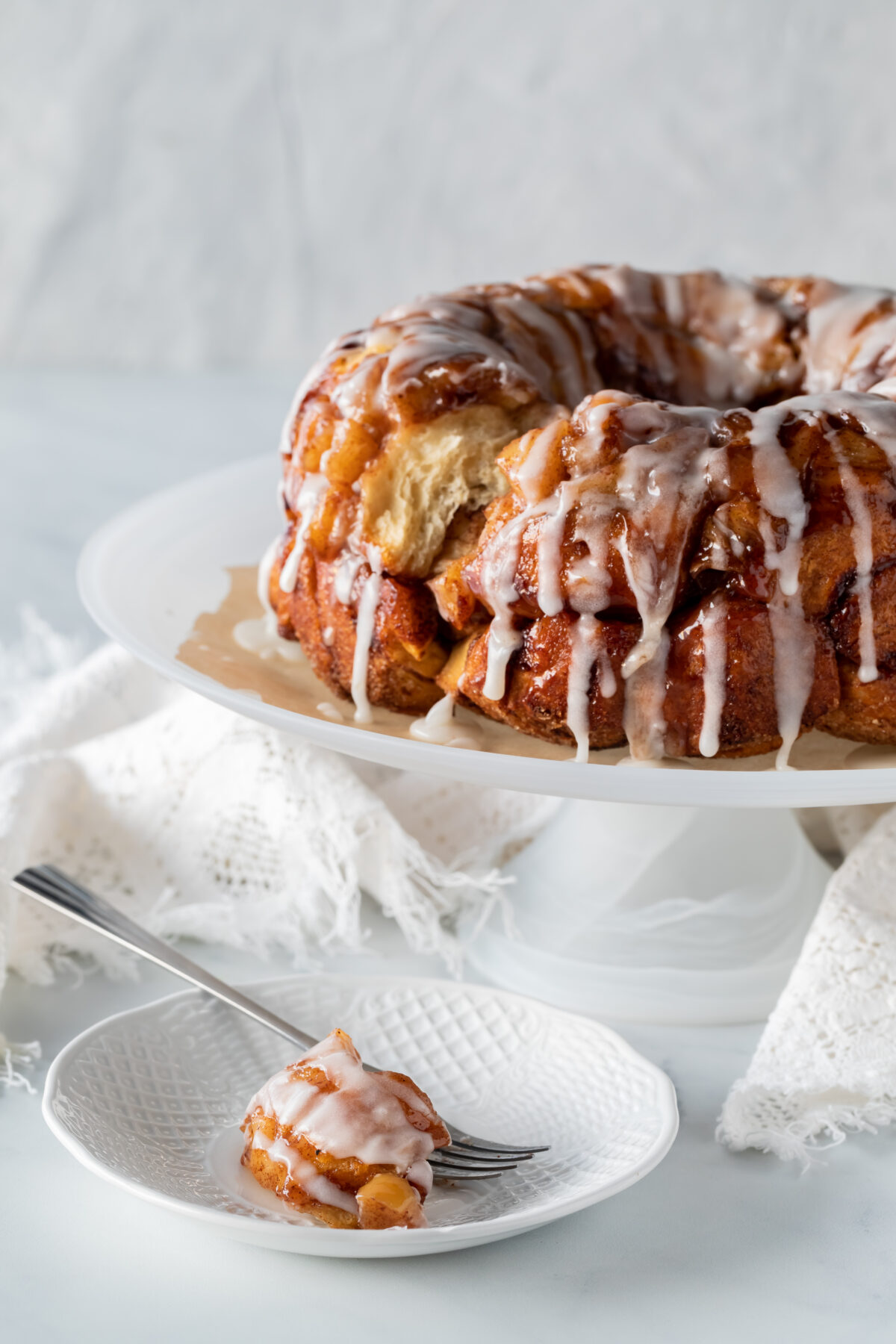
From a culinary standpoint, the dish demonstrates how simple, accessible ingredients can be elevated through technique. The inclusion of apple not only satisfies the modern palate’s desire for "real food" ingredients but also allows for creative variations. Whether it is adding a dash of maple extract to the glaze, incorporating chopped pecans for a textural crunch, or swapping traditional cinnamon for apple pie spice, the base recipe acts as a canvas for seasonal expression.
Furthermore, the longevity of this dish—both in terms of its ability to be reheated and its suitability for freezing—makes it a highly practical solution for modern families. The ability to store it for up to four days or freeze it for two months ensures that the effort invested in the initial bake provides high-value returns.
Conclusion: A Timeless Classic Refined
Apple Cinnamon Monkey Bread is a testament to the idea that comfort food does not need to be complicated to be exquisite. By respecting the balance between the dough, the sugar, and the fruit, home bakers can create a professional-grade dessert or breakfast item that feels both personal and impressive. As we look toward future culinary trends, it is clear that the integration of fresh, seasonal produce into beloved classics will continue to define the modern kitchen. Whether shared at a holiday brunch or enjoyed on a quiet weekend morning, this dish remains a shining example of how simple ingredients, when handled with care, can create something truly memorable.