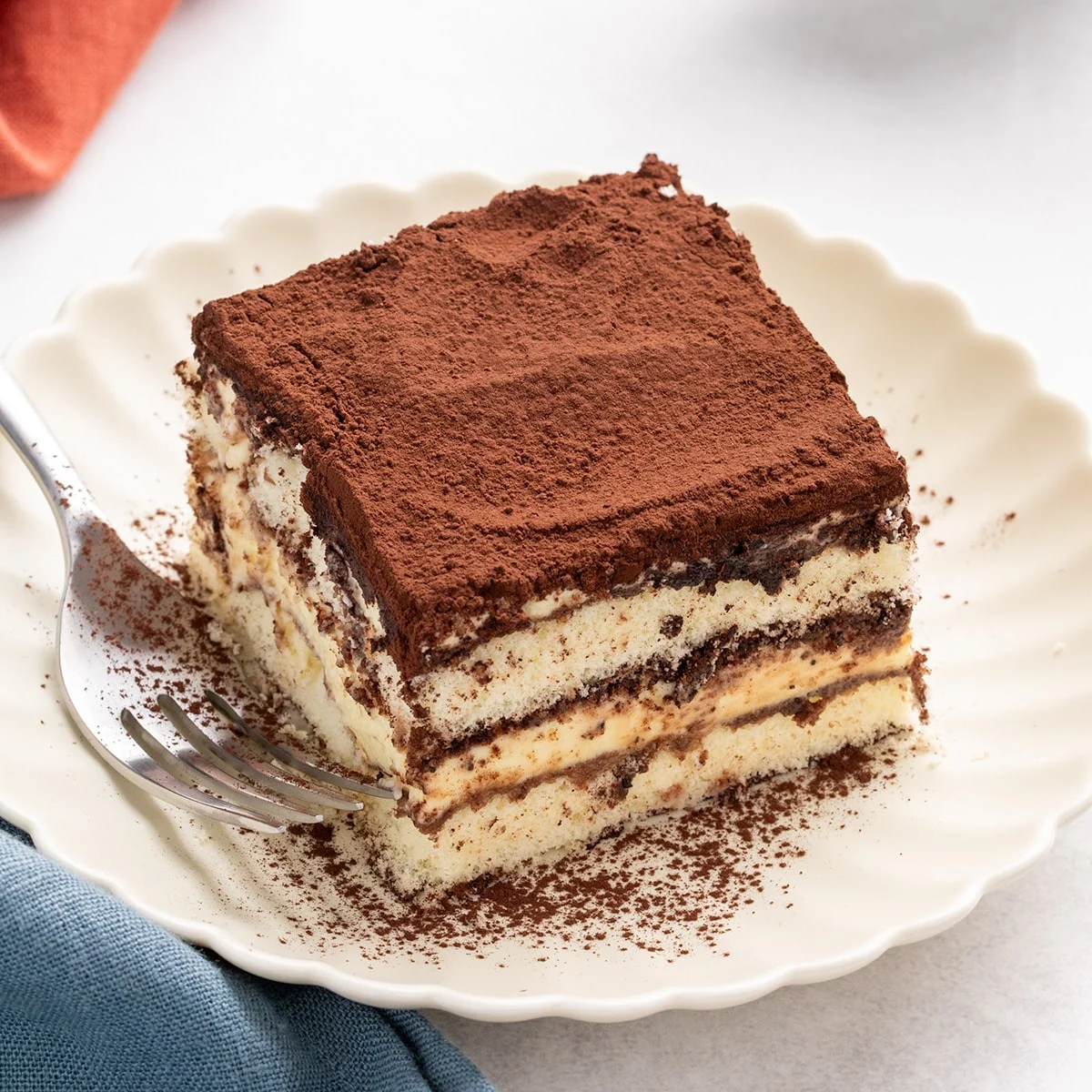
For many, the mention of Tiramisu conjures images of rustic Italian trattorias, where the marriage of bold espresso, velvety mascarpone, and delicate, cocoa-dusted sponge creates a sensory experience that defines the term "comfort food." For the gluten-intolerant community, however, this quintessential dessert has long been a forbidden fruit, largely due to the reliance on traditional wheat-based ladyfingers (savoiardi).
The landscape of gluten-free baking has undergone a seismic shift, and the latest development—a refined, no-bake gluten-free tiramisu—promises to deliver that elusive, authentic texture without the compromise. This article explores the technical mastery required to replicate a classic dessert that is as structurally sound as it is indulgent, while maintaining a rigorous gluten-free standard.
The Core Elements: Why This Recipe Succeeds
The primary challenge in recreating tiramisu without gluten lies in the structural integrity of the ladyfingers. Traditional biscuits are designed to absorb liquid without disintegrating; many gluten-free alternatives, however, are notoriously fragile.
The Structural Innovation
The secret to this success is a two-fold approach: the stabilization of the mascarpone cream through a tempered egg yolk base and a specialized application method for the coffee infusion. By cooking the egg yolks with sugar over a double boiler—reaching the critical 170°F mark—the mixture achieves a structural density that allows it to hold its shape upon slicing. This removes the risk of a "soup-like" dessert that plagues many home-cooked attempts.

The Gentle Infusion
Rather than the traditional dipping method, which often results in the immediate collapse of gluten-free ladyfingers, the current gold standard is the "paint-and-saturate" technique. By using a pastry brush to coat the cookies while they are inverted, the baker controls the saturation level precisely. This ensures the coffee-rum infusion permeates the sponge without compromising its physical form.
A Chronological Guide to Assembly
The creation of a perfect tiramisu is less about the speed of preparation and more about the precision of the process.
Phase 1: The Custard Base
The process begins with the egg yolks. Whisking them with superfine (caster) sugar over indirect heat is essential. As the mixture pales and thickens, it creates the backbone of the dessert. This must be cooled to room temperature before it meets the mascarpone, as high heat would cause the cheese to separate, resulting in an oily, unappealing texture.
Phase 2: Whipping the Cream
The whipped cream serves as the aeration agent. A slow, consistent whipping speed—typically over an 8 to 10-minute window—creates a stable foam structure. When folded into the mascarpone-yolk base, this airiness provides the "lift" that makes the final result light rather than heavy.
Phase 3: The Assembly
With the cream prepared, the assembly follows a strict cadence:
- The Base Layer: Brush the ladyfingers with the coffee-rum mixture and arrange them in the dish with minimal gaps.
- First Filling: Spread half of the mascarpone mixture, ensuring an even distribution.
- The Repeat: A second layer of brushed ladyfingers is placed atop, followed by the remaining cream.
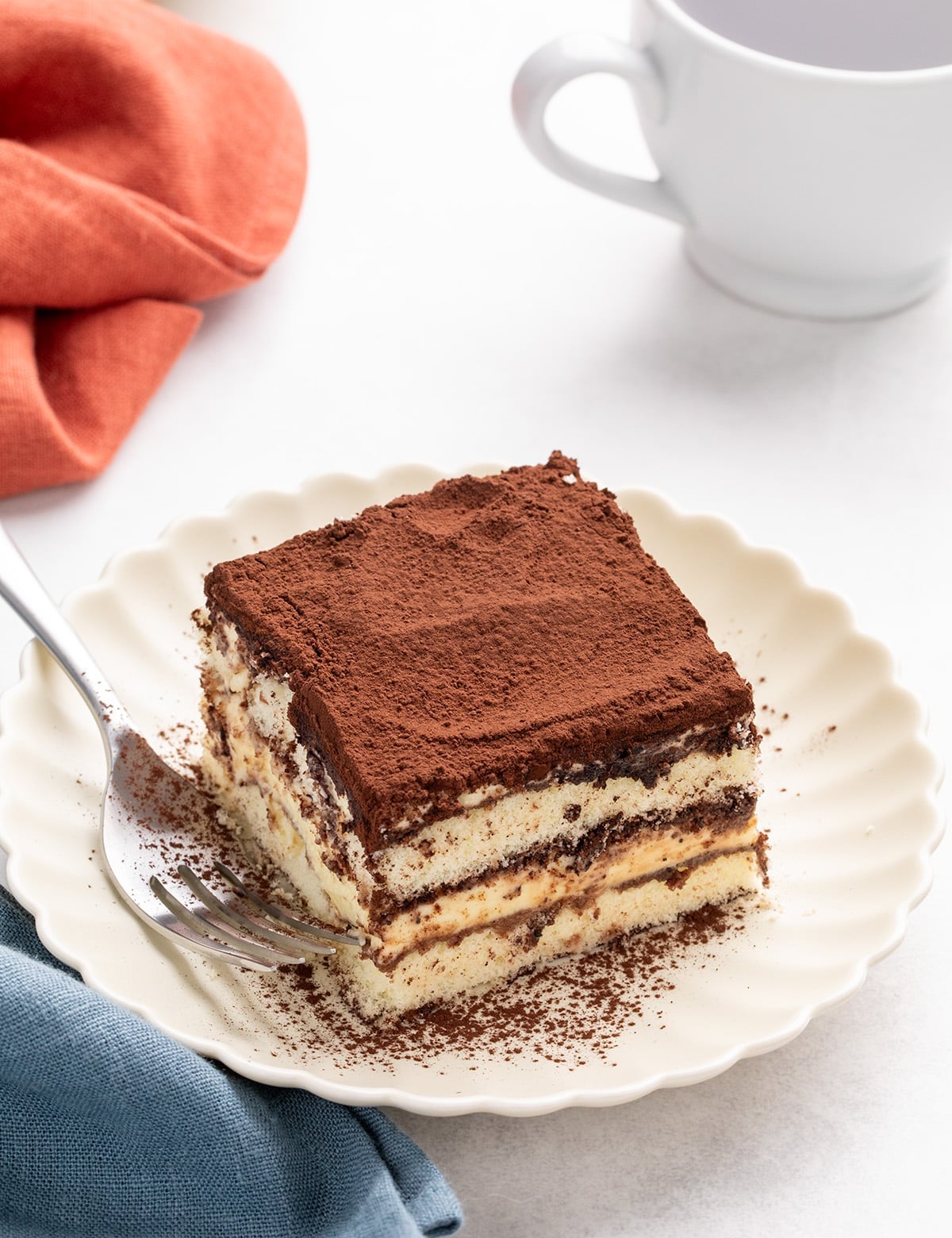
- The Essential Chill: The dish requires a minimum of six hours in the refrigerator. This is not merely a cooling period; it is a chemical necessity where the moisture from the coffee redistributes into the cookies, softening them into a cake-like consistency.
Supporting Data: Nutrition and Ingredients
Understanding the composition of this dessert is vital for those managing dietary restrictions. While it remains an indulgent treat, the nutritional profile highlights the quality of ingredients involved.
Nutritional Breakdown (Per Serving):
- Calories: 390 kcal
- Carbohydrates: 38g
- Protein: 6g
- Total Fat: 22g (with 13g of saturated fat)
- Cholesterol: 160mg
The reliance on high-quality mascarpone and heavy whipping cream contributes to the high satiety index of the dish. It is important to note that the inclusion of eggs requires careful temperature management to ensure food safety, as noted in the culinary guidelines.
Addressing Dietary Versatility
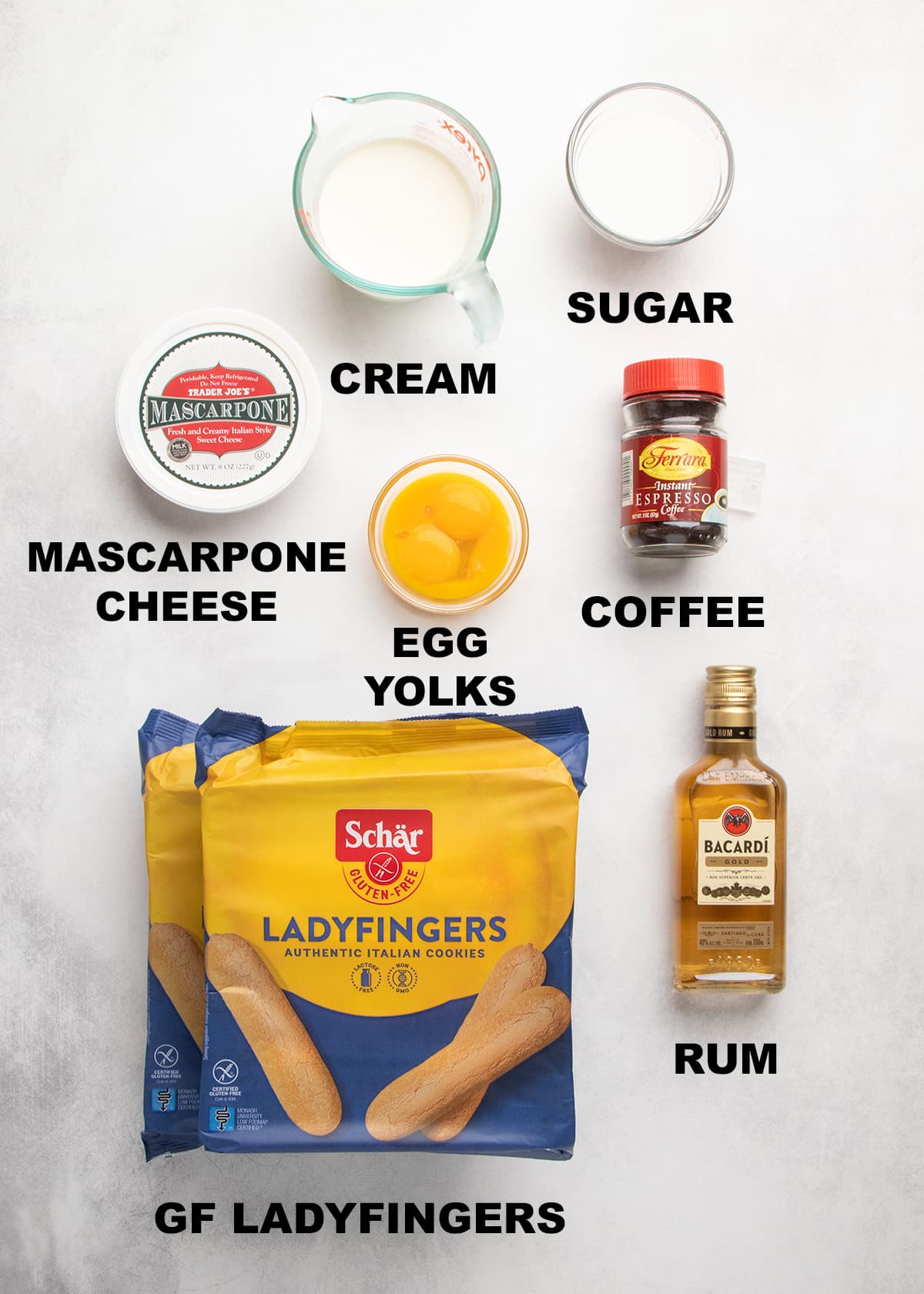
While the recipe is inherently gluten-free (assuming the use of certified GF ladyfingers such as those from the Schar brand), it can be adapted for other dietary needs.
Dairy-Free Alternatives
For those avoiding dairy, the substitution process requires careful selection. The market now offers dairy-free cream cheeses and coconut-based whipping creams that mimic the fat content of mascarpone. However, the texture will be slightly less stable, and it is advised to increase the chilling time to ensure the dessert sets.
Egg-Free Adaptations
Replacing the structural integrity of eggs in a custard is notoriously difficult. Culinary experts suggest the use of professional-grade custard powders as a thickening alternative. However, this alters the flavor profile and is recommended only for those who cannot consume eggs under any circumstances.
Implications for the Home Baker
The success of this recipe signifies a broader trend in home cooking: the "professionalization" of gluten-free desserts. No longer are gluten-free eaters relegated to dense, dry, or flavorless substitutes. By applying the same techniques used in high-end Italian kitchens—tempering eggs, folding in whipped cream, and allowing for proper resting periods—the gluten-free baker can produce a product indistinguishable from its wheat-based counterpart.
The "No-Bake" Advantage
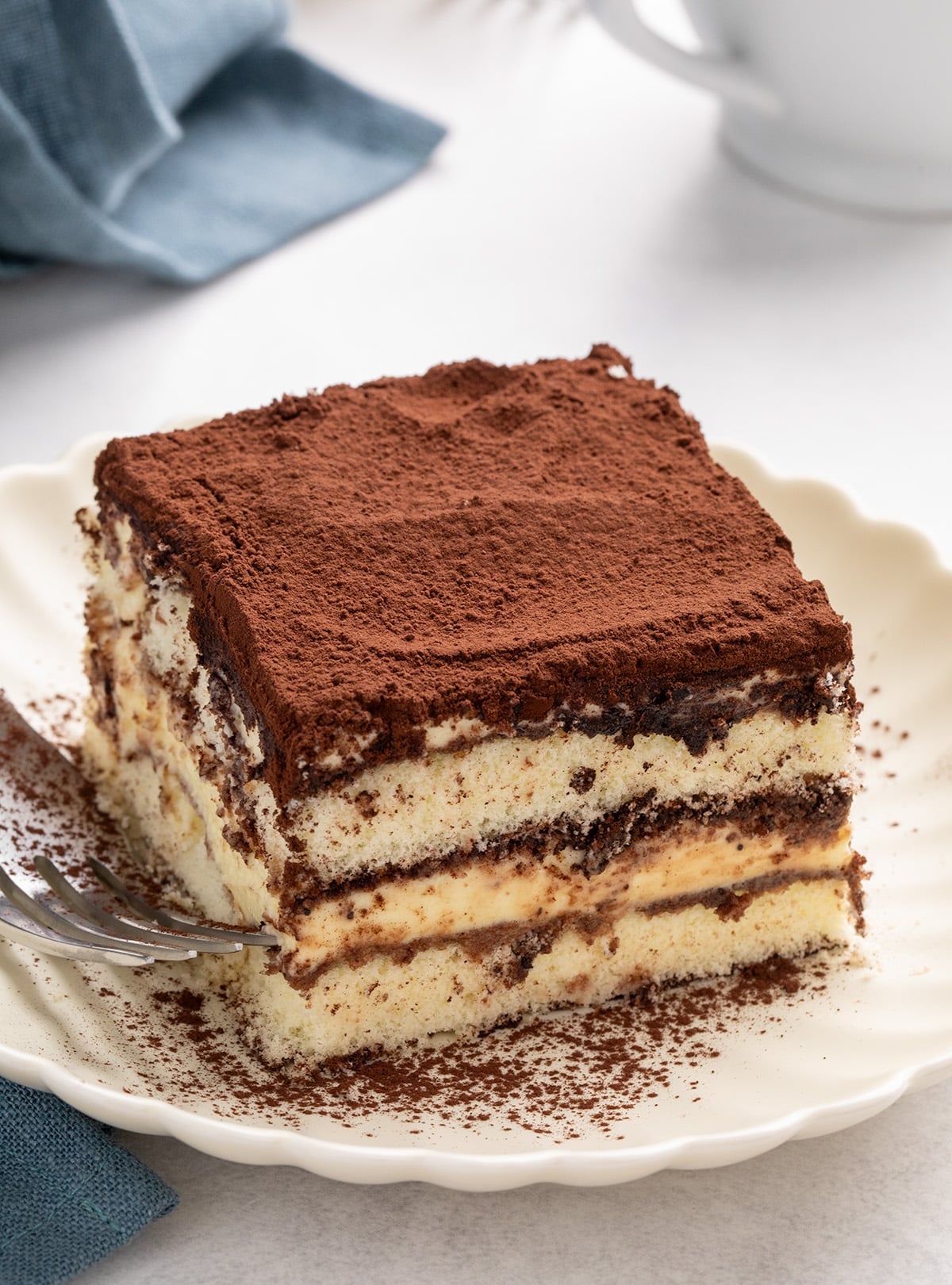
The no-bake nature of this recipe makes it an ideal candidate for gatherings, allowing the host to prepare the dessert up to three days in advance. In fact, the flavor profile improves after 24 hours in the refrigerator, as the coffee and cocoa have time to permeate the layers completely.
The Final Touch: Presentation
The final dusting of cocoa powder should always be the last step before serving. Dusting too early, especially if the dish is covered, leads to a damp, darkened layer of cocoa that loses its visual appeal. By keeping the powder fresh and perhaps adding a few chocolate shavings, the aesthetic outcome rivals any bakery-bought confection.
Conclusion: The New Standard
As we look toward the future of inclusive baking, the "Gluten-Free on a Shoestring" approach serves as a reminder that limitations often drive innovation. By moving away from the assumption that gluten-free must mean "lesser," and instead focusing on the chemistry of texture and flavor, we arrive at a tiramisu that satisfies both the dietary requirements and the high expectations of the Italian dessert tradition. Whether you are a long-time gluten-free advocate or a curious baker looking for a perfect dinner party centerpiece, this method offers a reliable path to culinary success.
Remember, the quality of your espresso and the patience of your refrigeration process are the two non-negotiable pillars of this dish. With those in place, a perfect, sliceable, and decadent tiramisu is well within reach.