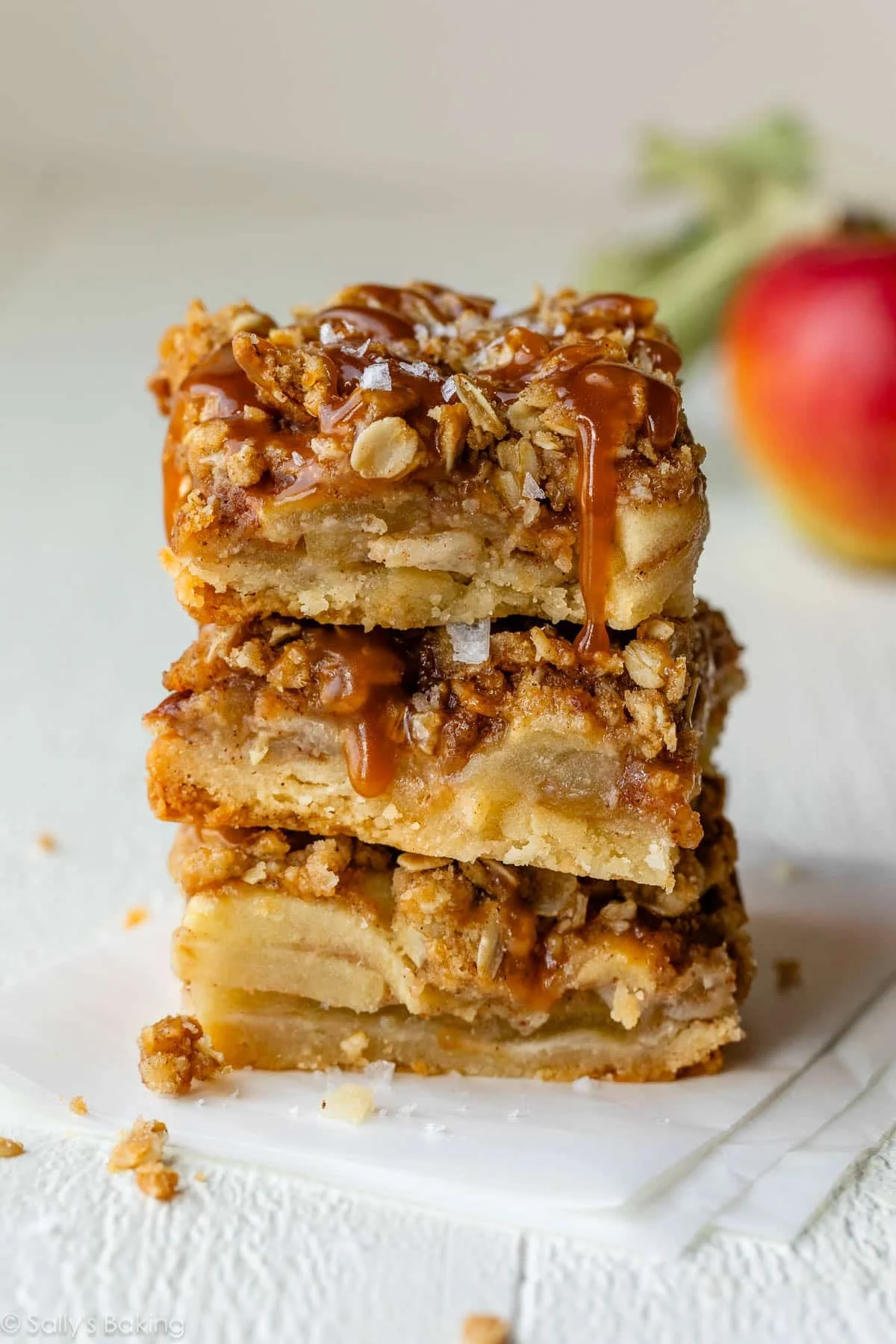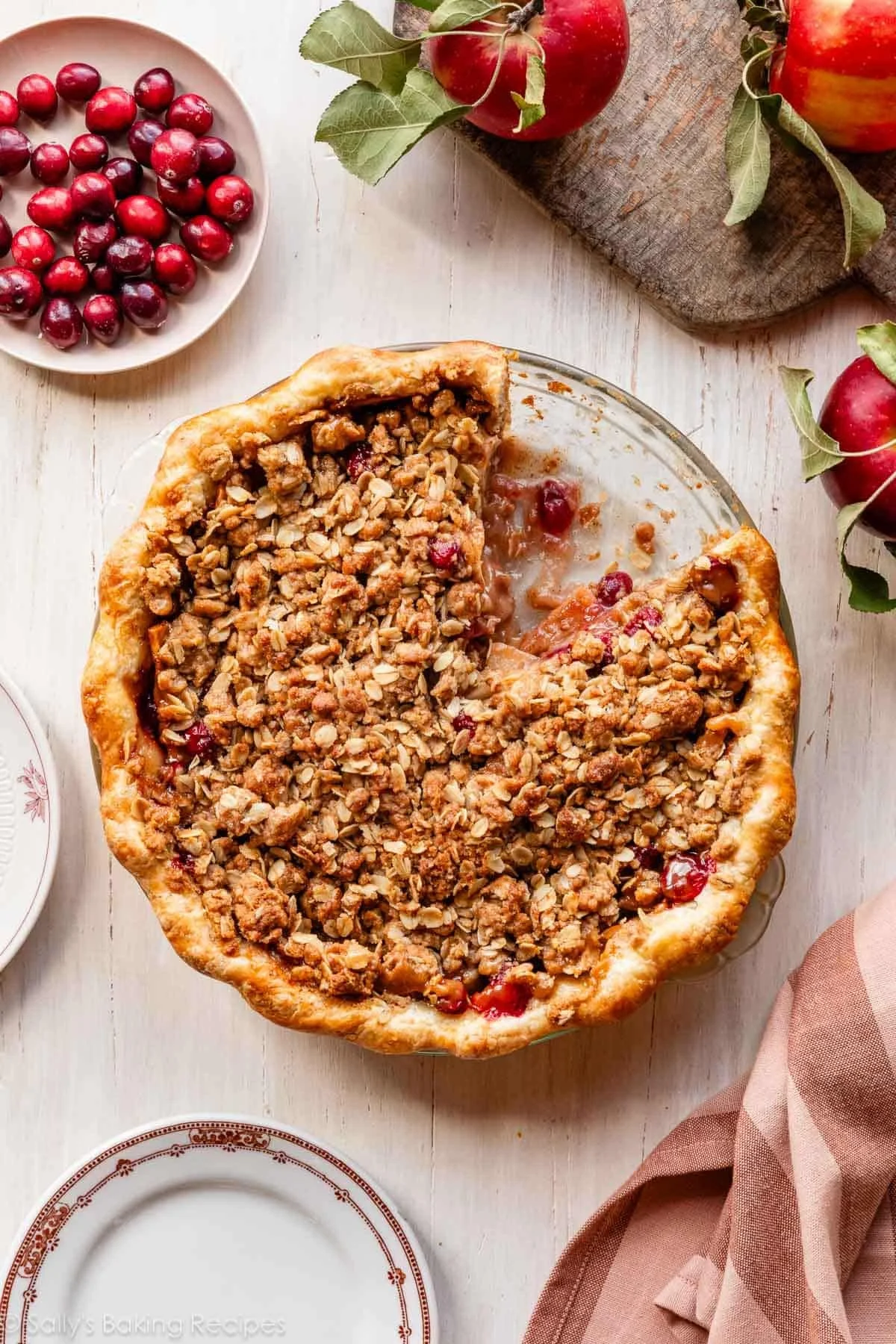
For home bakers and pastry professionals alike, the apple is the undisputed protagonist of the autumn kitchen. From the nostalgic aroma of a bubbling Dutch apple pie to the sophisticated profile of a spiced apple galette, this fruit serves as the backbone of seasonal comfort. However, the difference between a triumphant dessert and a soggy, lackluster disappointment often lies in a single, critical decision: the variety of apple selected.
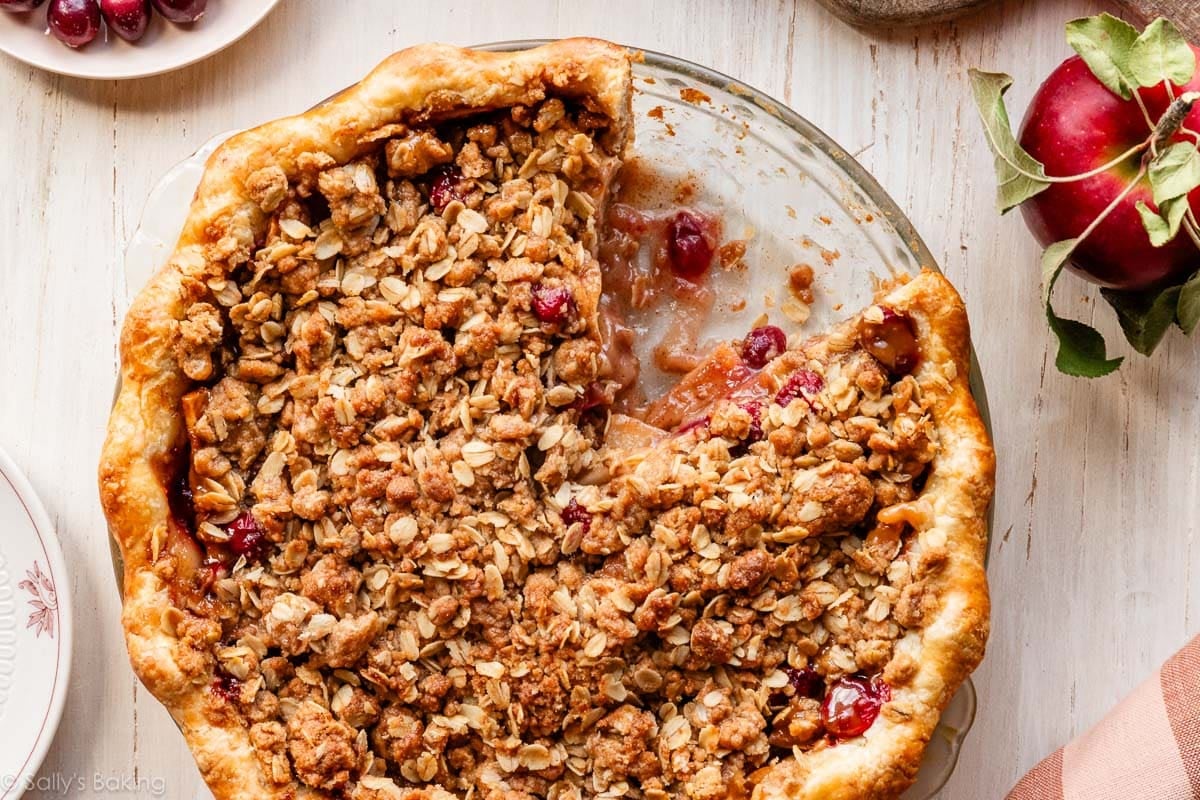
While supermarket aisles offer a dizzying array of options, not all apples are created equal when subjected to the transformative heat of an oven. To master the art of fruit-based baking, one must understand the complex interplay between cell structure, acidity, and sugar content.

The Science of Structure: Why Texture Matters
The primary challenge when baking with fruit is maintaining the integrity of the produce. As an apple heats up, its cell walls begin to break down, releasing moisture. If the apple lacks the necessary structural firmness, it will quickly collapse into a uniform, mealy mush.
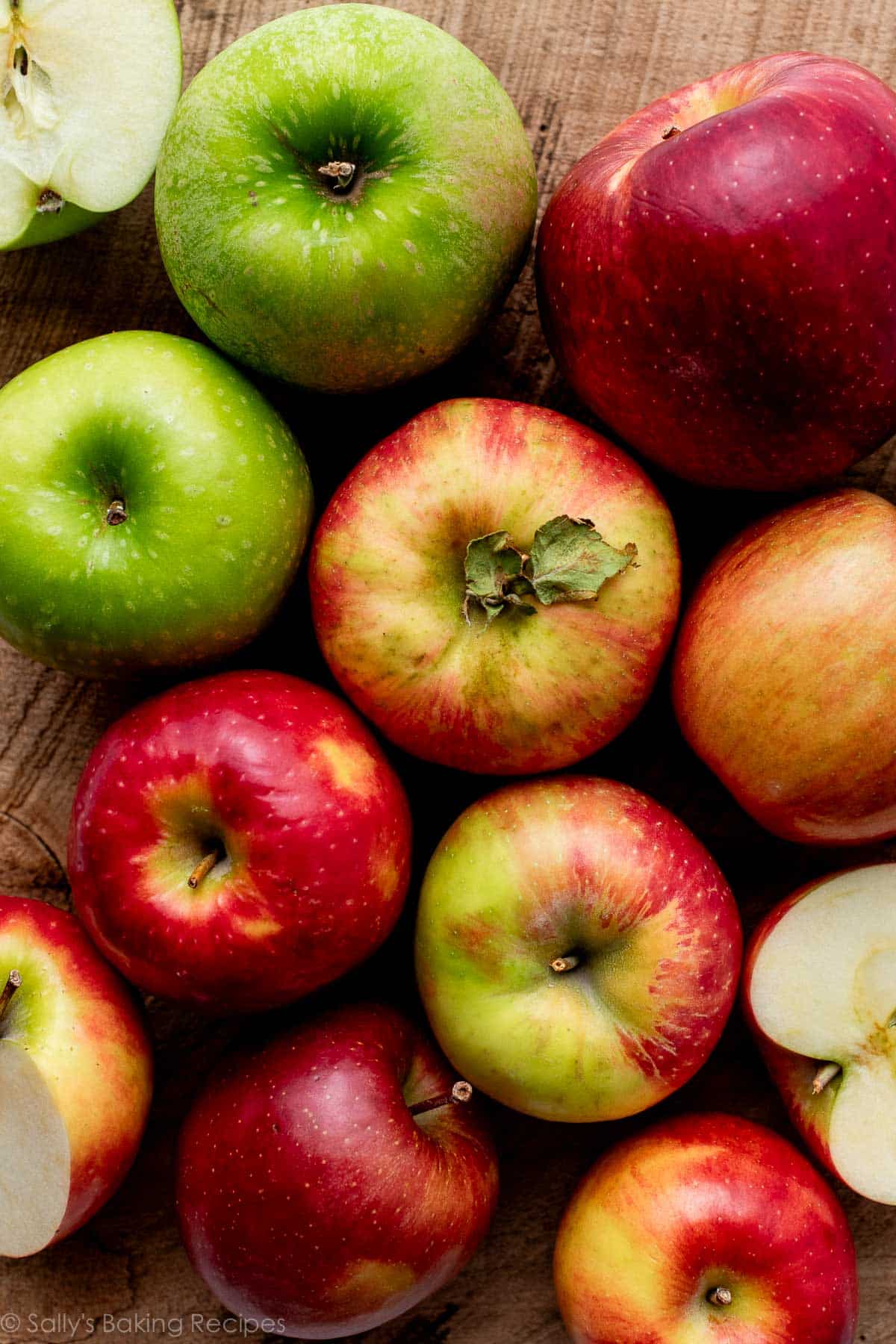
For recipes like pies, tarts, and crumbles, where a distinct bite is expected, bakers must seek out varieties with a high-density cell structure. These "baking-stable" apples possess a firmer flesh that allows them to soften just enough to become tender while retaining their shape. Conversely, apples that are naturally soft or mealy—such as Red Delicious, Gala, or McIntosh—are better suited for applications like applesauce, apple butter, or smoothies, where the goal is a smooth, homogenous texture.
Chronology of the Apple: From Orchard to Oven
The journey of a baking apple begins in the orchard, but its potential is fully realized during the prep phase. The timeline of a perfect bake often follows this progression:
- Selection (The Harvest): Identifying apples that are in peak condition. Look for fruit that feels heavy for its size and is free of bruises or soft spots.
- Storage: Keep apples in a cool, dark environment. If you plan to bake within a few days, the refrigerator crisper drawer is an ideal location to maintain peak crispness.
- Preparation (The "Peel-Off"): Depending on the recipe, peeling may be necessary. Whether using a mechanical peeler or a manual paring knife, uniformity is key. For those who enjoy a bit of kitchen competition, the debate between thin, spiraling strips and rapid, vertical cuts is a classic.
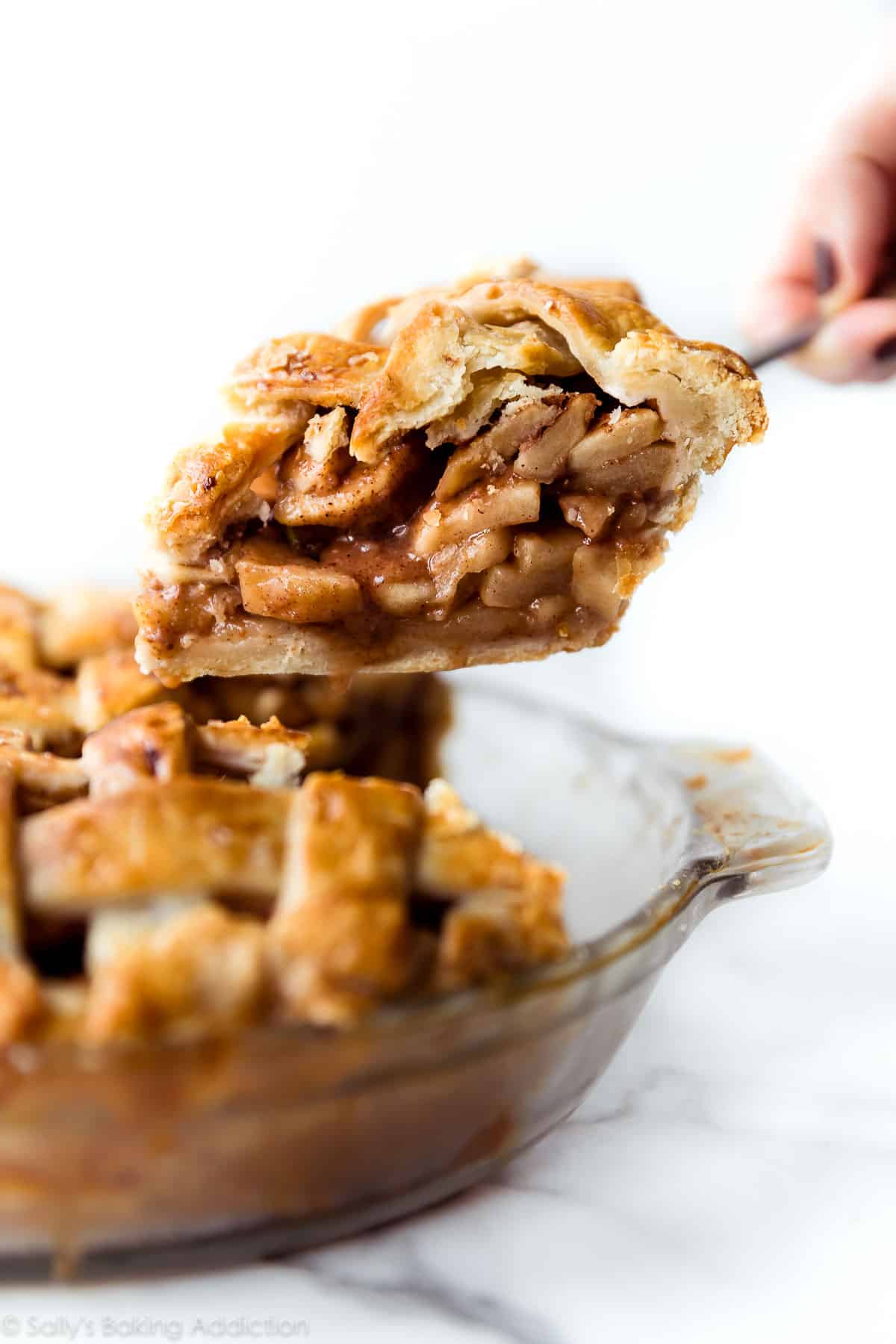
- Application: Choosing between slices or chunks. Uniform 1/4-inch slices are the gold standard for deep-dish pies to ensure even heat distribution, while chunky cuts are preferred for crisps to provide a satisfying textural contrast with the topping.
The Balancing Act: Flavor Profiles and Sweetness
The secret to a complex, professional-grade dessert is the "sweet-tart" equilibrium. If a recipe relies solely on a very sweet apple, the final result can become cloying and one-dimensional. Conversely, an overly tart apple may require excessive added sugar, which can alter the chemical composition of the dough or batter.
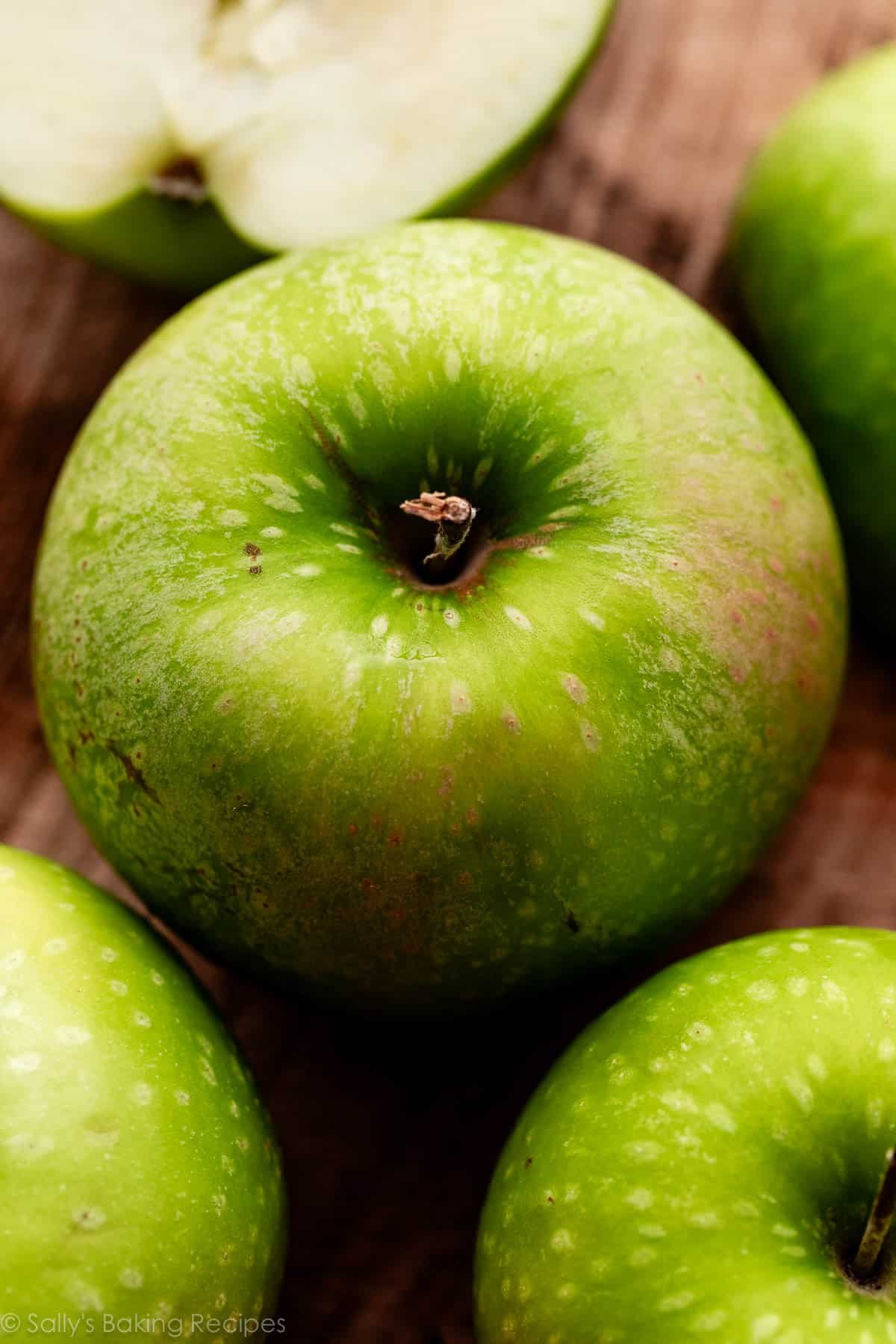
The Top Contenders
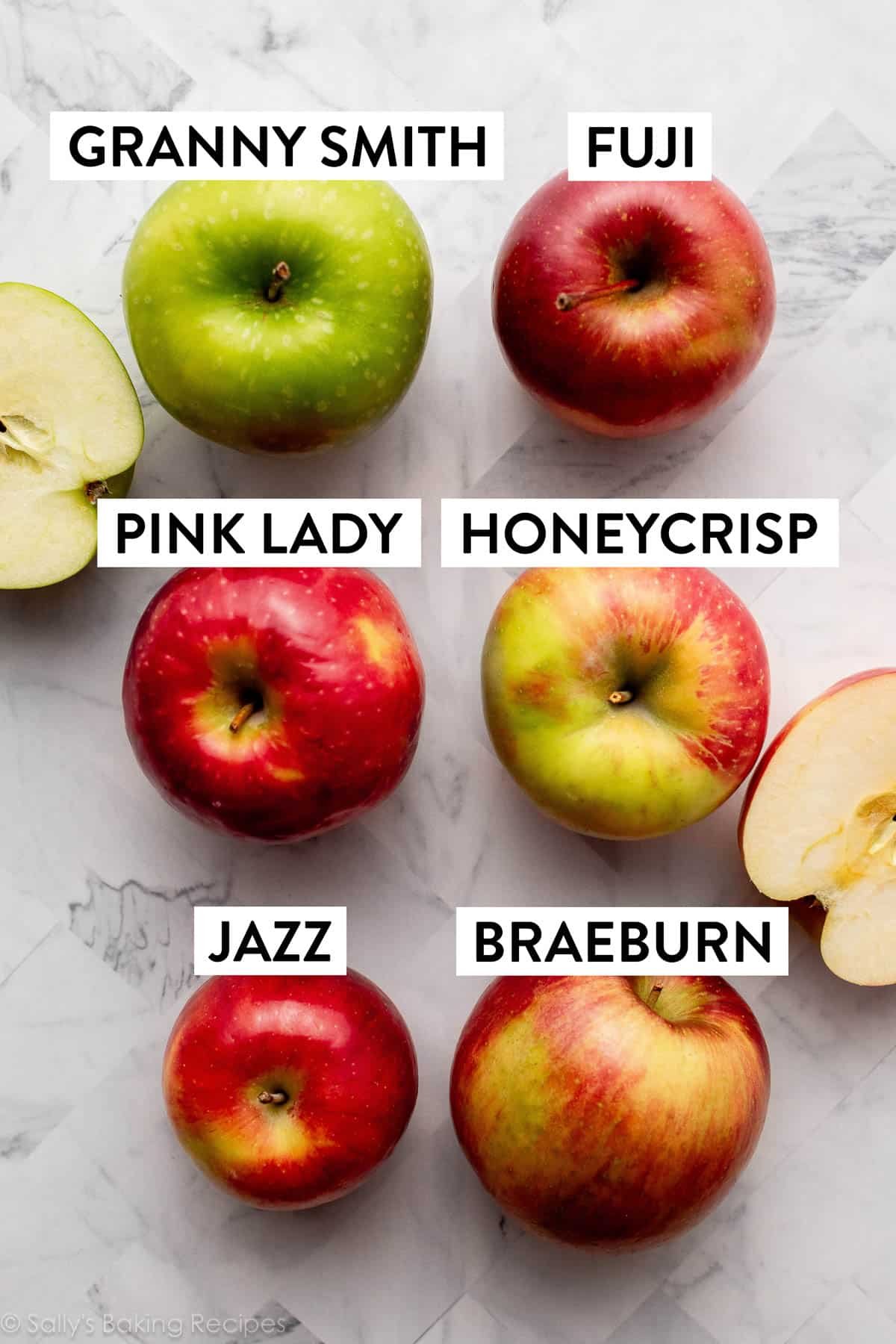
- Granny Smith: The industry gold standard. Its aggressive tartness and vibrant acidity cut through the richness of butter and sugar, making it the most reliable choice for a standalone baking apple.
- Honeycrisp: Beloved for its high sugar content and signature "snap," it provides a balanced sweetness that holds up well under high heat.
- Braeburn: Known for a sharp, classic apple flavor, these hold their shape exceptionally well, making them a favorite for cakes and breads.
- Pink Lady (Cripps Pink): A dual-purpose apple that is crisp, firm, and offers a nuanced sweet-tart profile. It is particularly prized for maintaining its structural integrity in baked apples.
- Jazz: A powerhouse of flavor, these offer a firm texture with a slightly tangy, intense apple profile that adds depth to any mixture.
Expert Recommendations: The Power of the Blend
Culinary experts and seasoned bakers often advocate for a "blended approach" to fruit fillings. By combining two or more varieties, you create a more complex flavor profile and a superior textural experience.
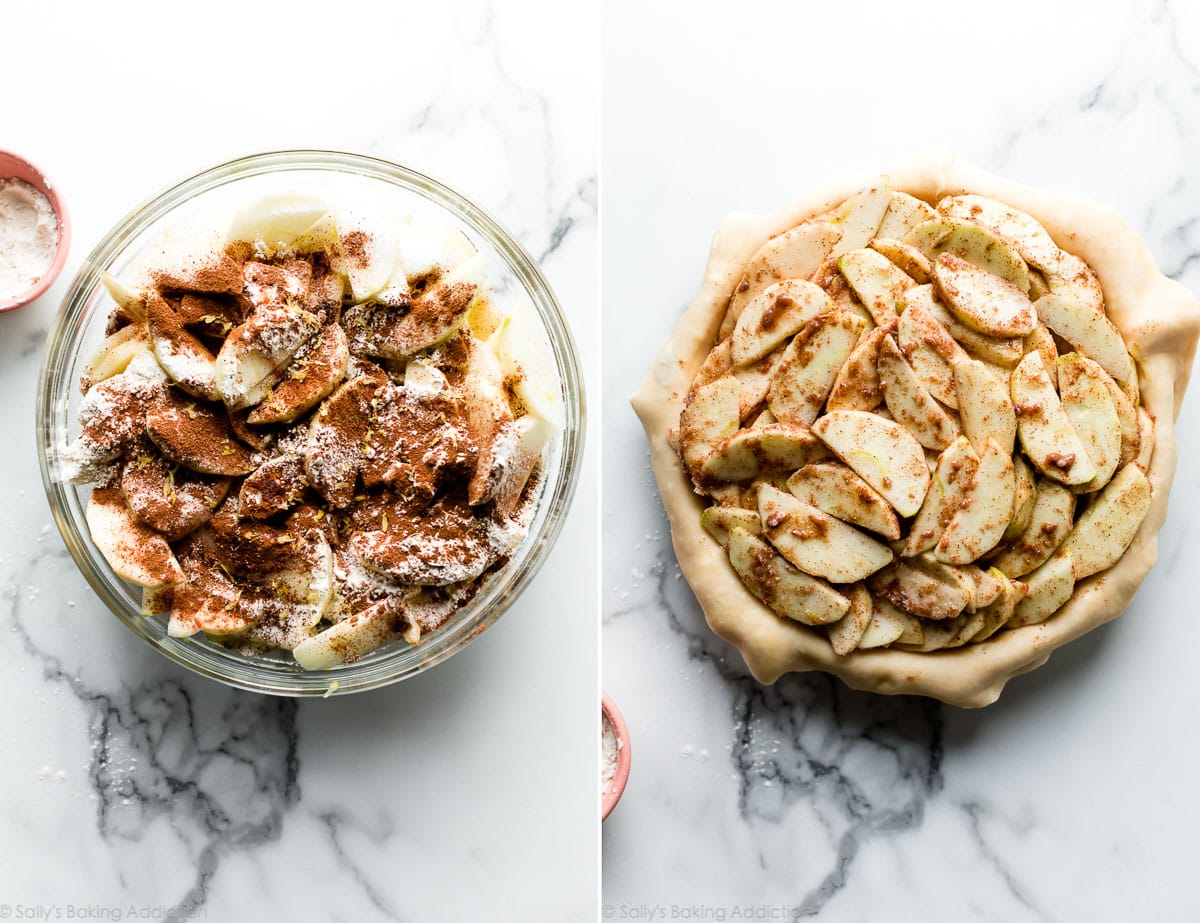
For instance, pairing the sharp, acidic punch of a Granny Smith with the mellow, honeyed sweetness of a Honeycrisp creates a filling that is balanced and multidimensional. A common ratio in professional kitchens is a 50/50 split. If a recipe calls for four apples, utilizing two of each variety ensures that every bite provides a contrast in both sugar levels and mouthfeel.
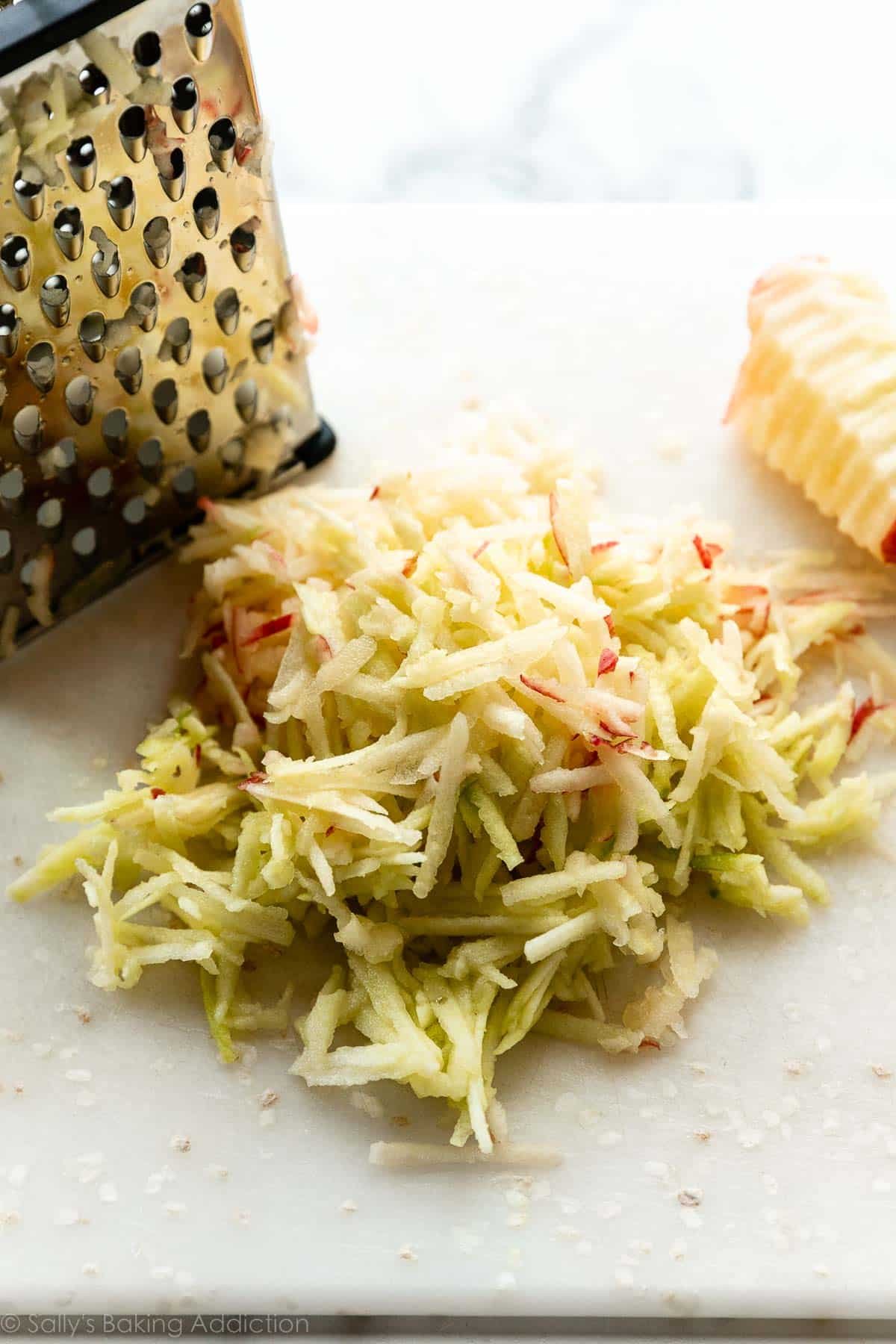
Implications for the Home Baker
Understanding these nuances has significant implications for your final product. When you move away from the "whatever is in the fruit bowl" mindset, you elevate your baking from casual hobbyism to a technical craft.

Key Takeaways for Success:

- Avoid the "Delicious" Varieties: Varieties labeled "Red Delicious" are almost universally rejected by bakers due to their tendency to turn into flavorless paste when heated.
- Mind the Moisture: If using a very juicy apple, consider tossing the slices with a tablespoon of flour or cornstarch. This acts as a thickener, preventing the dreaded "soggy bottom" in pie crusts.
- Uniformity is King: Whether chopping or slicing, take the time to ensure pieces are similar in size. This prevents a scenario where some pieces are undercooked and crunchy while others have disintegrated into sauce.
A Legacy of Recipes
The versatility of the apple allows it to cross the boundary between sweet and savory with ease. While we often associate the fruit with desserts like apple crumb cake, salted caramel apple pie, or apple cinnamon muffins, its potential is far-reaching.
Consider the "Triple-Dose" approach found in high-end muffins, which utilize apple cider, applesauce, and diced fresh apples to maximize moisture and flavor. Similarly, incorporating shredded apples into a morning glory muffin or a quick bread provides a natural sweetness that reduces the need for refined sugars, aligning with modern preferences for more wholesome baked goods.
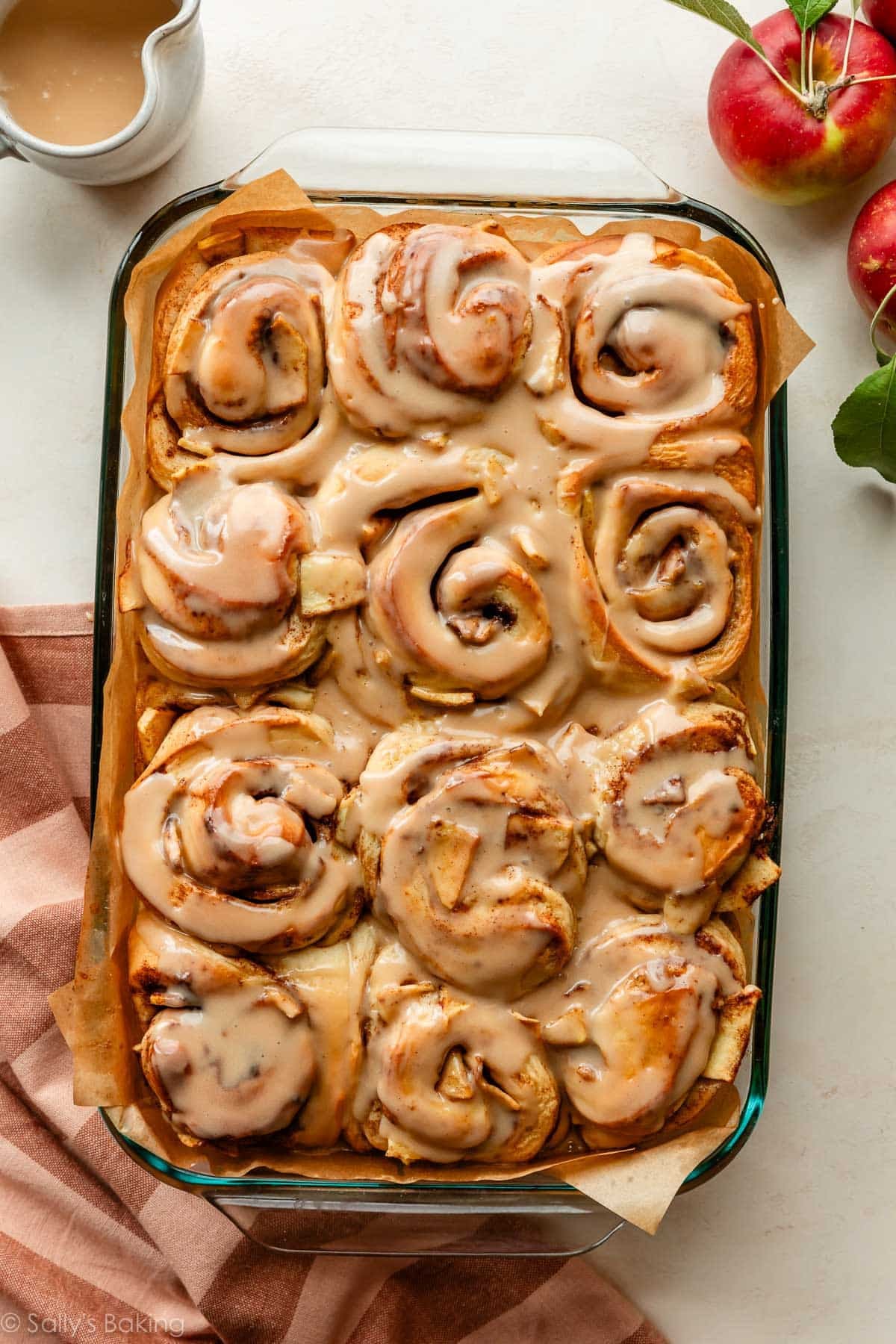
Conclusion: Mastering the Seasonal Staple
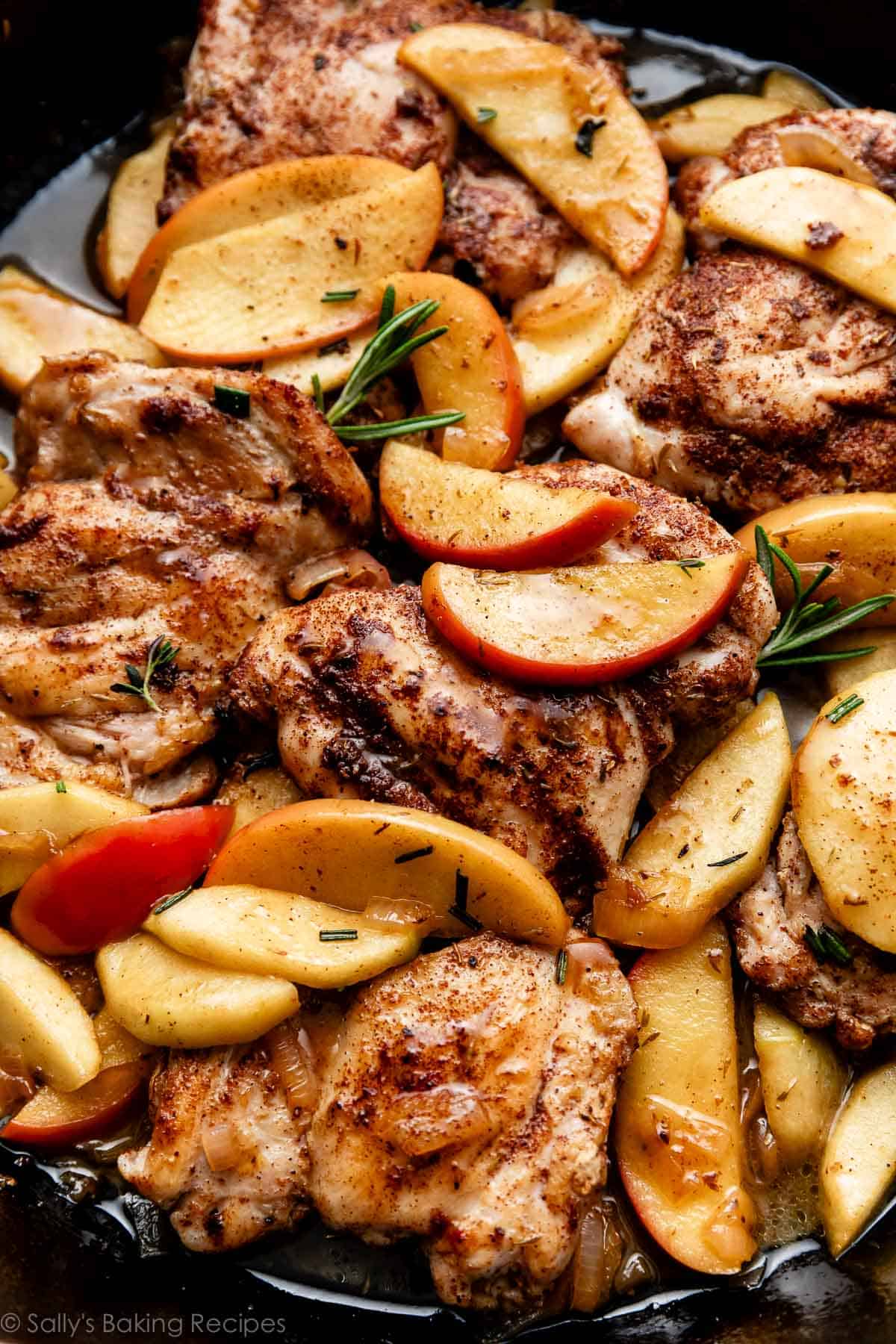
Whether you are preparing a traditional apple pie for a holiday gathering, a quick skillet chicken dish with apple cider, or a batch of brown butter apple blondies for a weekend treat, the foundation of your success remains the apple itself. By selecting firm, high-quality fruit and utilizing a thoughtful combination of sweet and tart varieties, you ensure that your baked goods are not just sweet, but balanced, complex, and memorable.

The next time you head to the market, look past the generic labels. Seek out the specific varieties that offer the structural integrity and flavor profile your recipe demands. Your palate—and your guests—will notice the difference. After all, the perfect bake is not merely a matter of following a recipe; it is a matter of understanding the ingredients you hold in your hands.