Water and oil are fundamentally incompatible—a fact that poses one of the most persistent challenges in the culinary and food manufacturing industries. Whether you are crafting a delicate ganache, a creamy custard, or a robust salad dressing, the goal is the same: to force two opposing substances to coexist in a stable, uniform mixture known as an emulsion. When an emulsion fails, it doesn’t just look unappealing; it compromises texture, shelf life, and the final consumer experience.
For product developers and food scientists, the "separation anxiety" of an unstable emulsion is a constant concern. Achieving a perfect blend requires more than just high-speed blending; it requires a sophisticated understanding of molecular interactions, rheology, and processing thermodynamics.
Main Facts: The Nature of the Emulsion
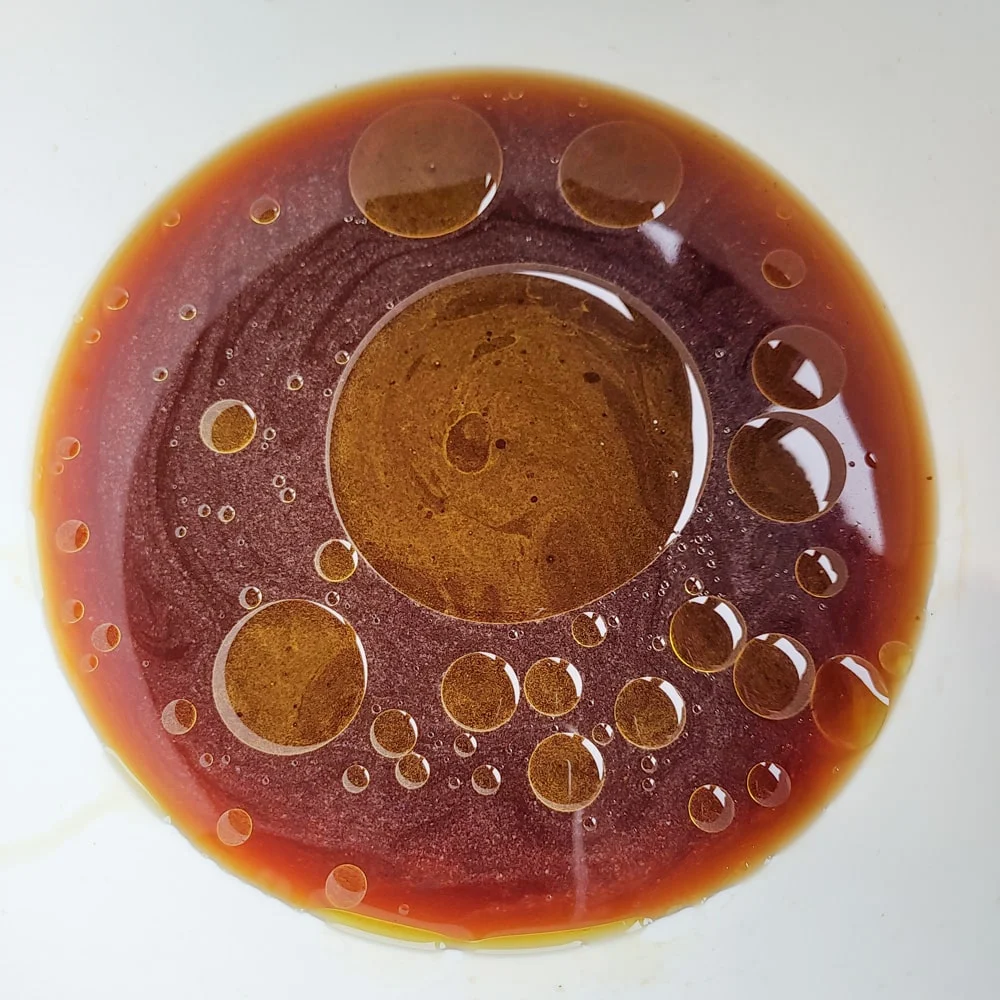
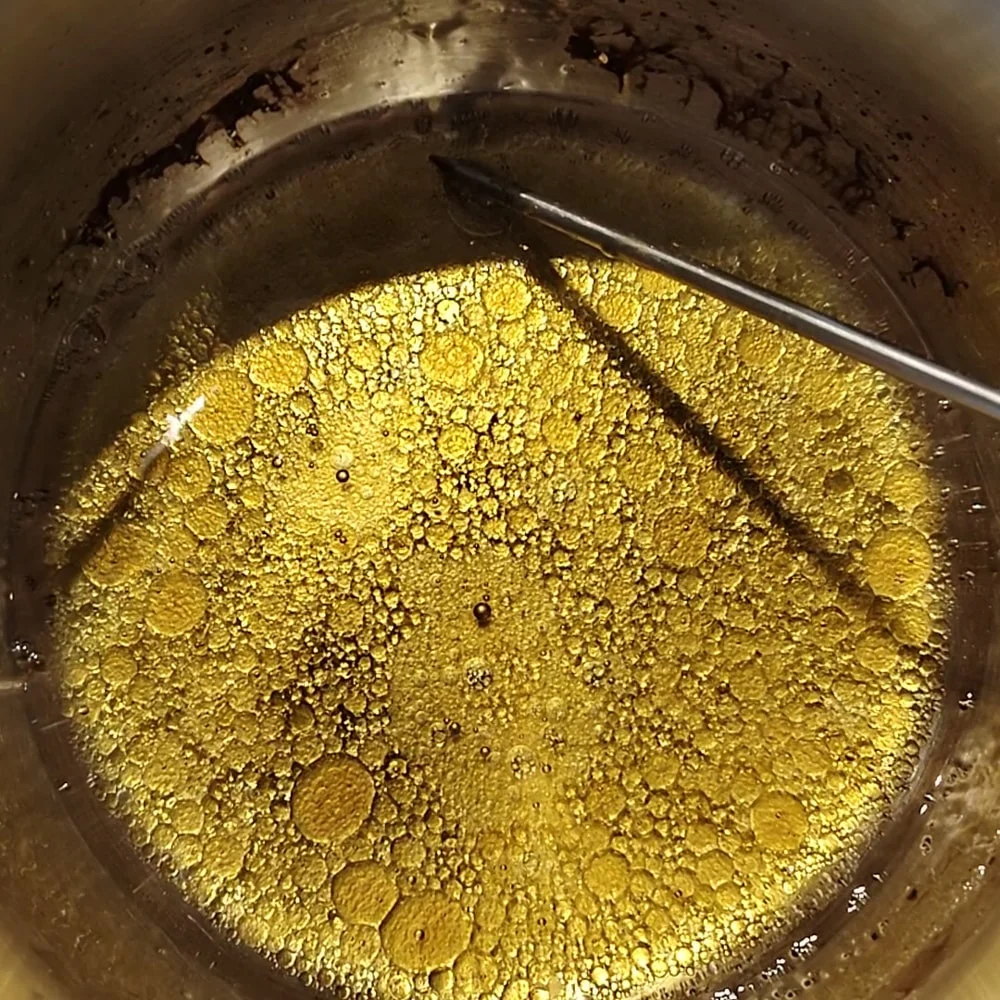
At its core, an emulsion is a colloidal system where one liquid is dispersed within another. In food, this is almost always a combination of water-based ingredients and lipid-based (oil or fat) ingredients. Because water molecules are polar and oil molecules are non-polar, they naturally repel one another, seeking the lowest energy state: separation.
To keep these substances together, scientists employ three primary strategies: increasing the viscosity of the continuous phase, utilizing amphiphilic emulsifiers, and meticulously controlling process parameters. Without these interventions, the kinetic energy of the molecules will eventually lead to coalescence, where smaller droplets collide and merge into larger pools, ultimately resulting in a distinct layer of oil floating atop the water.
Chronology of Emulsion Science
The history of food stabilization is a long trajectory from ancient, trial-and-error culinary techniques to modern, high-precision chemical engineering.
- Pre-Industrial Era: Early chefs mastered primitive emulsions like mayonnaise (egg yolks as emulsifiers) and butter (the mechanical breaking of cream emulsions) through observation rather than science.
- Early 20th Century: The industrialization of food production necessitated a deeper understanding of colloidal chemistry. The introduction of synthetic emulsifiers—such as mono- and diglycerides—allowed for the mass production of shelf-stable margarine and shortenings.
- The 1950s–1980s: Advances in food rheology allowed researchers to map the relationship between thickeners and droplet movement. The standardization of hydrocolloids (like xanthan gum and modified starches) revolutionized how dressings and sauces were formulated for long-term storage.
- Present Day: Modern food technology focuses on "clean label" stabilization. Current research centers on utilizing plant-based proteins and fibers as natural emulsifiers, replacing traditional chemical additives to meet modern consumer health demands.
Supporting Data: Why Mixtures Split
To prevent separation, one must understand the physics of movement. The separation process, known as "creaming" or "sedimentation," is governed by Stokes’ Law. This law dictates that the speed at which a droplet moves through a liquid is directly proportional to the difference in density between the two phases and the square of the droplet’s radius, and inversely proportional to the viscosity of the liquid.

The Role of Viscosity
Thickening the "continuous phase" (the liquid holding the droplets) is the most effective way to inhibit movement. When a thickener is added, the viscosity increases, essentially trapping the oil droplets in a molecular "matrix." This prevents the droplets from colliding and merging.
- Starches: Modified corn, potato, or tapioca starches are industry standards. They work by absorbing water and swelling, which physically impedes the movement of fat globules.
- Hydrocolloids: Ingredients like xanthan gum or guar gum are effective even at low concentrations, providing a stable, gel-like structure that prevents separation without significantly altering the flavor profile.
The Mechanism of Emulsifiers
When thickening is not desirable—such as in a light, runny vinaigrette—emulsifiers are the primary tool. These molecules are amphiphilic, meaning they possess a "hydrophilic" (water-loving) head and a "lipophilic" (oil-loving) tail.
When added to a mixture, these molecules congregate at the interface between the oil and water. They effectively act as a barrier, lowering the surface tension between the two liquids. This prevents the droplets from fusing even if they do collide, maintaining a consistent, smooth emulsion over extended periods.
Process Conditions: The Hidden Variables
It is a common misconception that more mixing is always better. In reality, the management of energy during production is vital.
The Danger of Over-Mixing
While high-shear homogenization is necessary to break fat down into microscopic droplets, excessive mixing can lead to "droplet coalescence." When droplets are pulverized into such small sizes that the total surface area exceeds the available supply of emulsifier molecules, the system becomes unstable. Without an emulsifier to coat every new surface, the droplets immediately begin to clump together, leading to rapid separation.
Temperature Control
Temperature is the ultimate regulator of viscosity. Mixing at higher temperatures is often necessary to reduce the viscosity of fats (making them easier to disperse), but this also increases the kinetic energy of the molecules.

- High Temperature: Increases the risk of droplet movement and coalescence.
- Low Temperature: Can lead to the solidification of fats, which, while stabilizing, can fundamentally change the texture of the product (e.g., butter or chocolate ganache).
Strategic cooling protocols—such as tempering chocolate or rapid-chilling emulsions—are essential for locking in the desired structure.
Official Industry Perspectives and Implications
The food science community views emulsion stability as the "Holy Grail" of product formulation. According to lead industry consultants, the shift is moving away from "brute force" stabilization (using high levels of additives) toward "structural design."
Implications for Manufacturers
- Cost Efficiency: Improperly stabilized emulsions lead to massive wastage during production line halts and high return rates from retailers due to product separation.
- Clean Label Trends: There is immense pressure to remove artificial stabilizers. Companies are currently investing in high-pressure processing (HPP) and microfluidization to achieve stability through physical modification rather than chemical additives.
- Consumer Experience: Mouthfeel is driven by the stability of the emulsion. A broken emulsion feels oily or gritty, whereas a perfectly stabilized product provides the smooth, luxurious experience expected in premium ice creams and sauces.
The Path Forward
For those navigating the complexities of food chemistry, the advice from the field is clear: emulsion stability is a function of the entire production ecosystem. It is not enough to add an emulsifier; one must consider the shear rate of the machinery, the temperature at which the final product is stored, and the rheological profile of the thickeners chosen.
As the industry moves toward more sustainable and health-conscious formulations, the reliance on high-tech, natural, and structural stabilization methods will only increase. Whether you are a small-scale artisan or a large-scale manufacturer, the principles of physics remain absolute: manage the movement, respect the interface, and control your environment.
For companies facing persistent product failures, the solution rarely lies in one single ingredient. Instead, it requires a comprehensive audit of the production process—from the initial mixing phase to the final cold chain logistics. By optimizing these variables, manufacturers can ensure that their products maintain their intended quality from the laboratory shelf to the consumer’s kitchen table.