As the calendar turns toward the height of summer, the produce section undergoes a vibrant transformation. While the culinary world often heralds the arrival of heirloom tomatoes or sweet corn, there is one stone fruit that arguably steals the spotlight: the peach. Known for its fleeting season and unparalleled sweetness, the peach is a versatile powerhouse—but it is often relegated to the realm of cobblers, pies, and tarts.
However, a shift in modern home cooking is encouraging chefs and enthusiasts alike to look toward the savory potential of this fuzzy, golden fruit. Enter the fresh Peach Salsa—a dish that balances the sugar-kissed profile of summer peaches with the sharp, acidic bite of traditional Mexican-inspired condiments. This article explores the artistry behind the perfect peach salsa, the meticulous testing required to achieve the right flavor profile, and why this recipe is rapidly becoming a staple for summer gatherings.
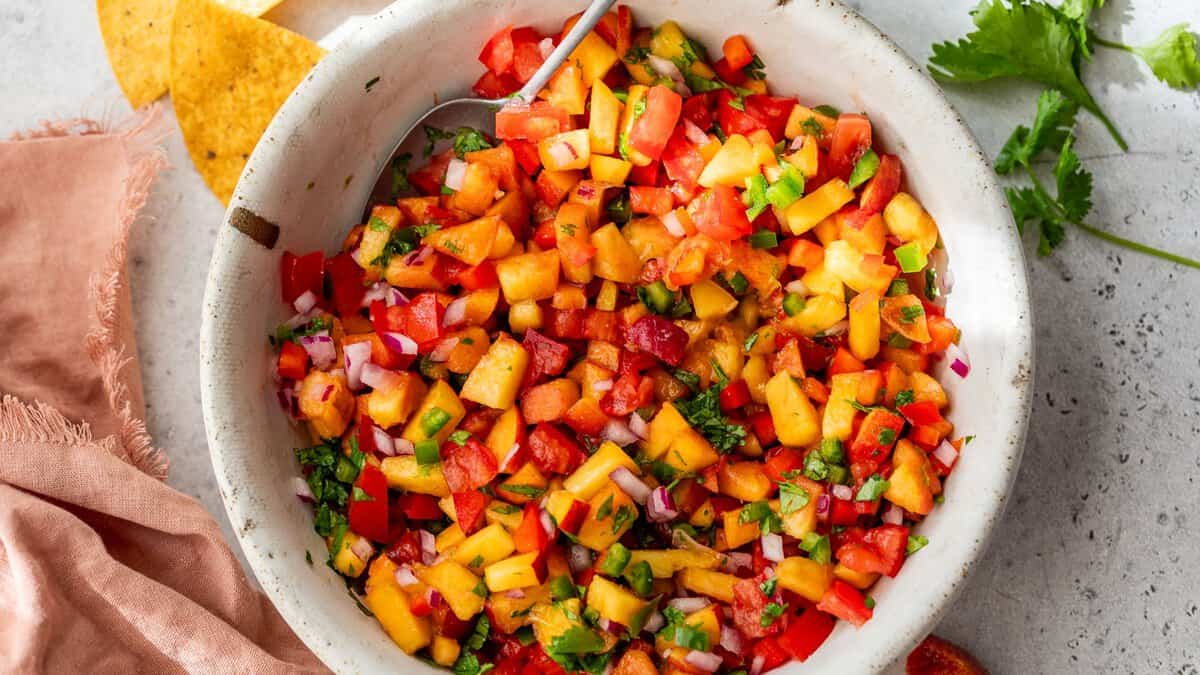
Main Facts: The Anatomy of a Perfect Peach Salsa
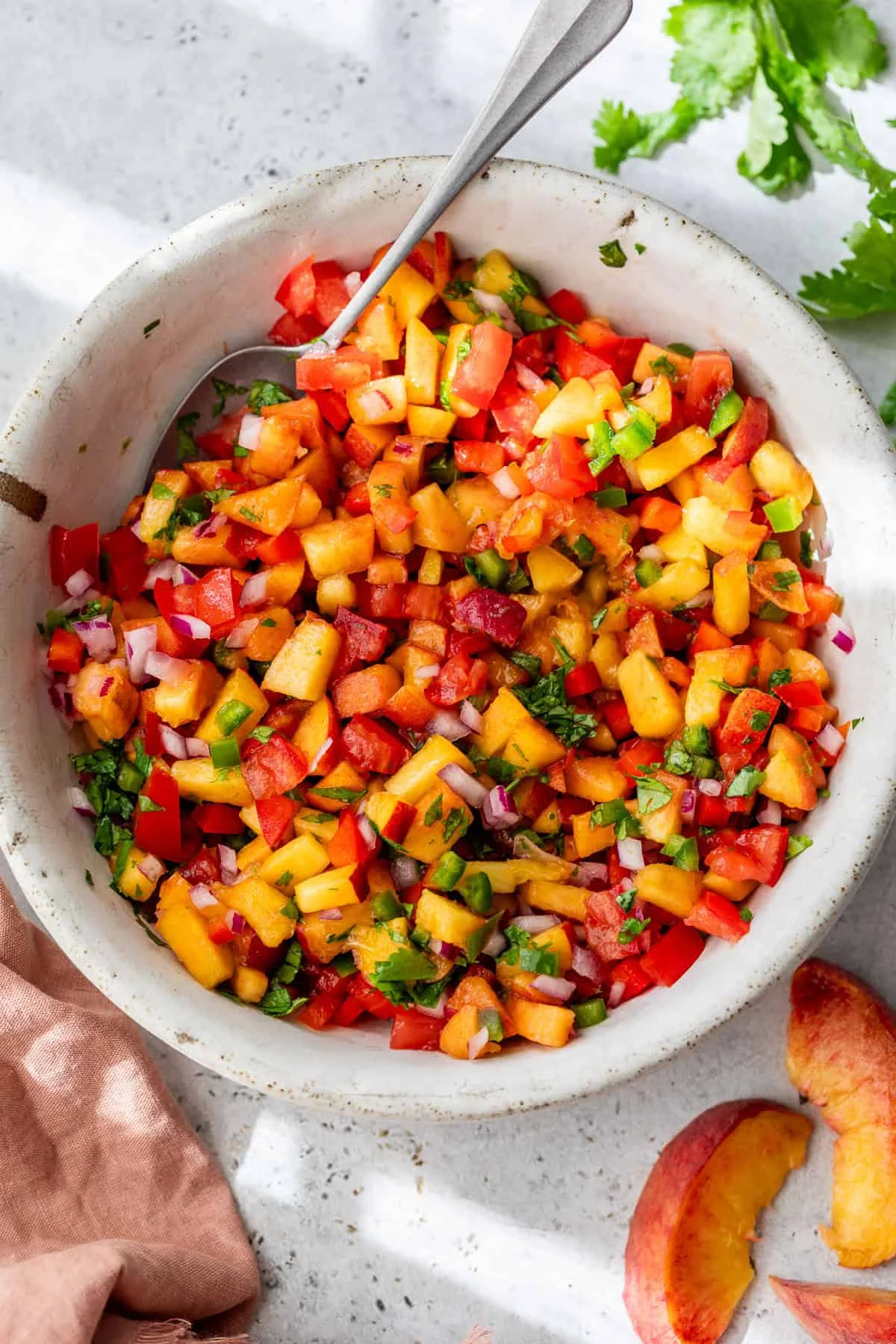
At its core, a high-quality peach salsa relies on the principle of textural and flavor contrast. Unlike fruit salads, which aim to highlight the sweetness of the produce, a salsa must navigate the narrow corridor between "dessert" and "savory accompaniment."
According to recipe developer and cookbook author Erin Clarke, the secret to a successful peach salsa is not just in the ingredients, but in the uniformity of the preparation. "In testing this recipe, my aim was balance," Clarke explains. "Some jarred peach salsas are far too cloying, while poorly executed homemade versions can be excessively sharp due to an imbalance of onions or a lack of properly ripened fruit."
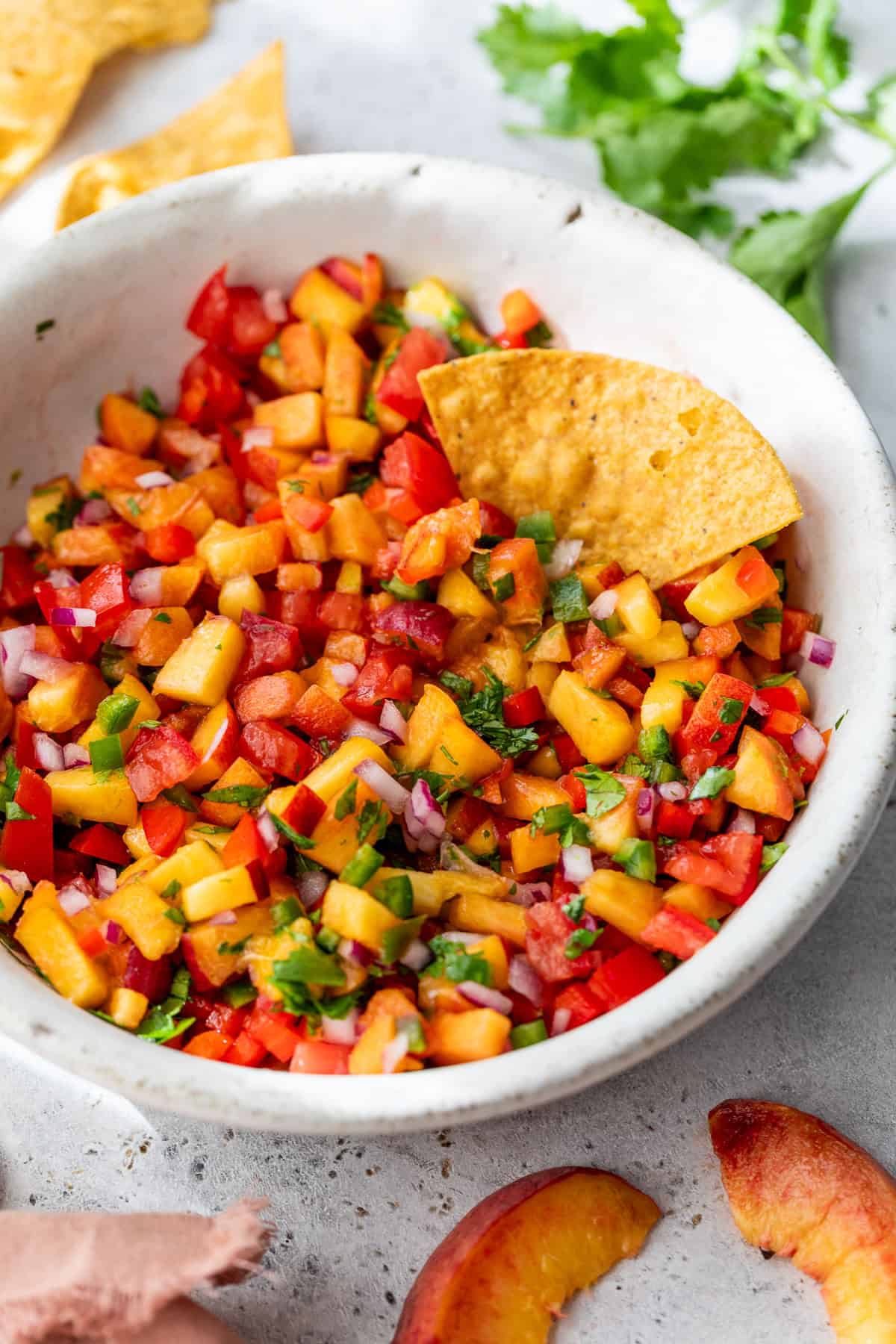
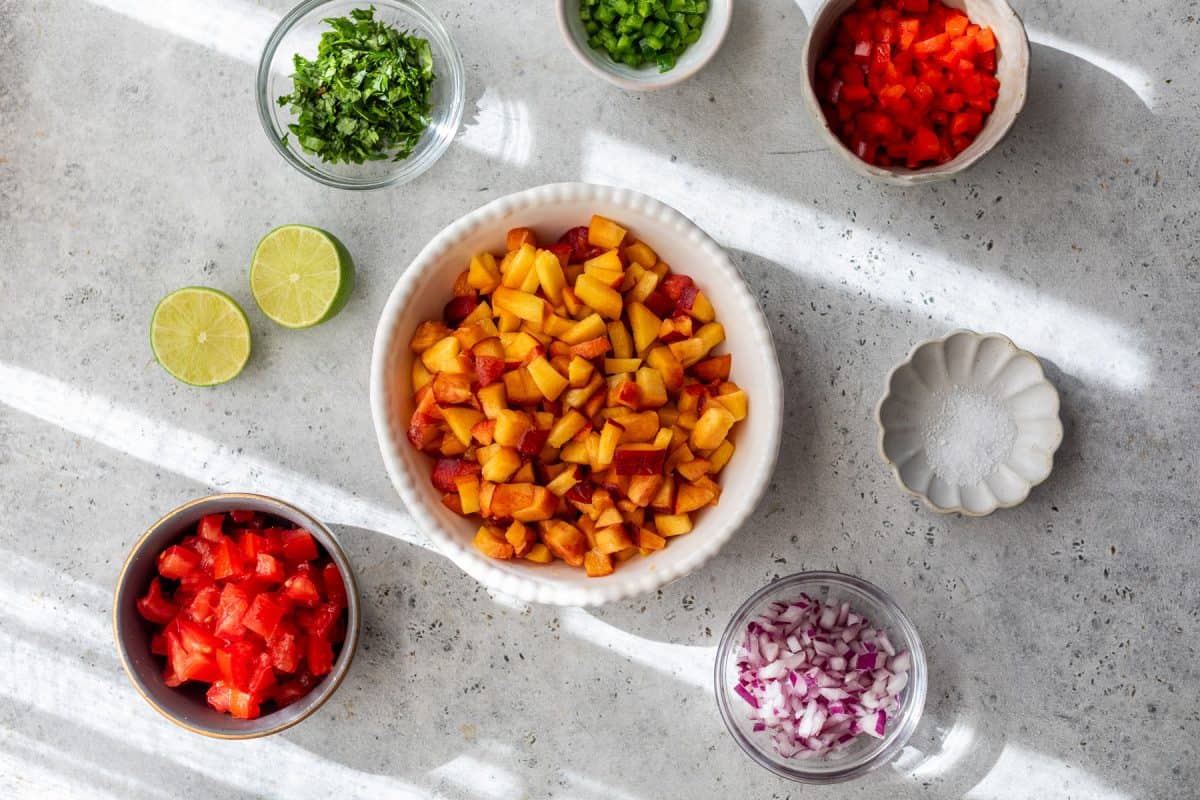
The anatomy of this dish consists of five pillars:
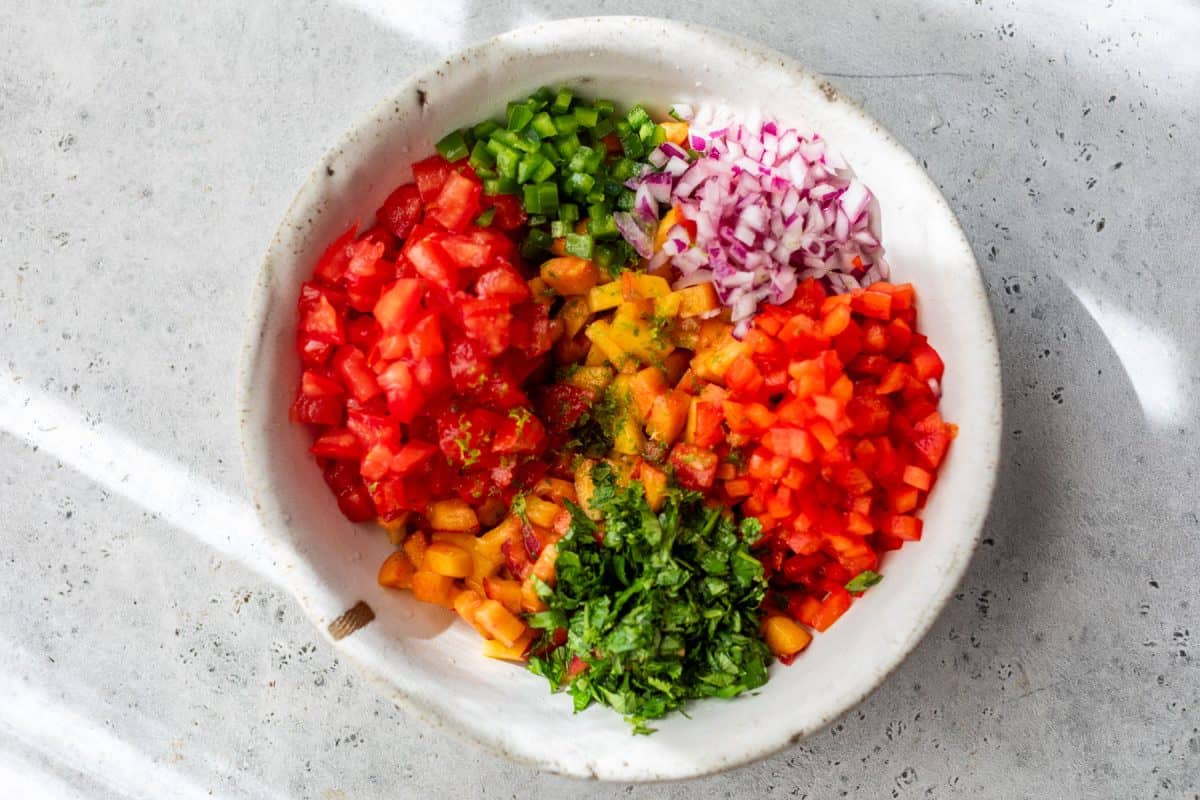
- The Sweetness: Fresh, tree-ripened peaches provide the primary base. Their juice acts as the natural sweetener, eliminating the need for added sugars.
- The Acidity: A touch of tomato is often employed to bridge the gap between the fruit and the savory elements.
- The Crunch: Bell peppers are utilized to provide a structural integrity that prevents the salsa from becoming a mushy relish.
- The Heat: Jalapeño peppers are carefully deseeded and minced to offer a subtle, warming glow that cuts through the fruit’s richness.
- The Brightness: Fresh lime juice and cilantro act as the binding agents, cutting through the natural oils of the ingredients and providing a sharp, refreshing finish.
Chronology: The Evolution of a Recipe
The journey to the "perfect" recipe is rarely a linear path. For those working in the professional home-cooking space, the process begins with identifying a problem—in this case, the lack of a balanced, non-dessert peach application—and moving through iterative testing phases.

Phase 1: The Concept
The initial concept focused on the sheer versatility of the peach. Because peaches are "here for a good time, not a long time," the objective was to create a recipe that could be assembled in under fifteen minutes. The early tests were heavy on the fruit-to-onion ratio, which often resulted in a product that felt more like a jam than a salsa.
Phase 2: The Calibration
During the middle phase of development, the focus shifted to the "onion problem." Using too much red onion can overpower the delicate floral notes of the peach. Through trial and error, the testing team determined that finely dicing the onion—ensuring it is no larger than the dice of the peach—was essential for distributing the flavor evenly across every bite.
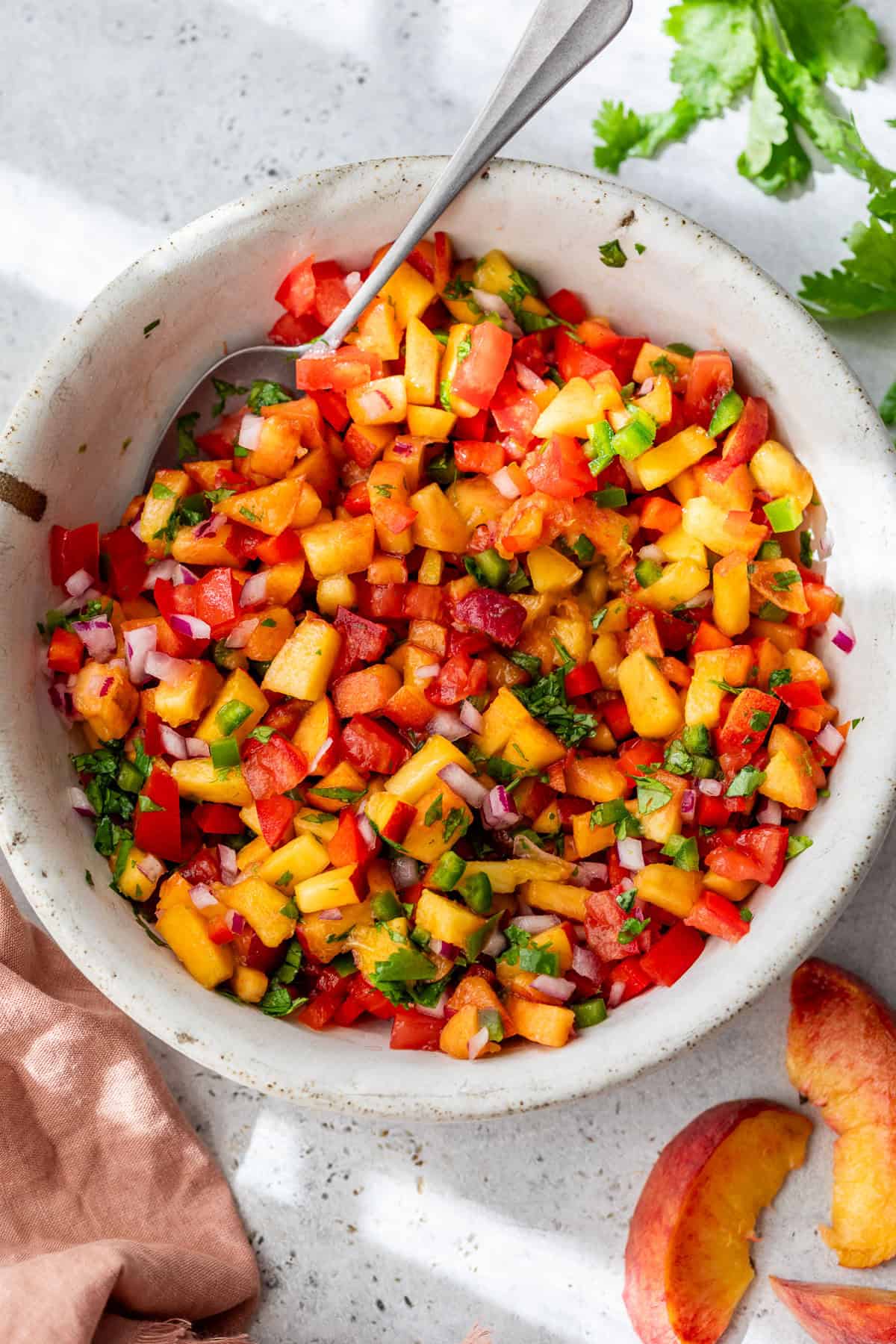
Phase 3: The Final Polish
The final phase involved the addition of the tomato. While many traditional salsas rely heavily on tomatoes, this version treats them as an optional, secondary ingredient. The conclusion reached during the final round of testing was that the tomato serves as a "safety net" for acidity; if the peaches are at the peak of their season, the tomato provides a pleasant background note, but if the fruit is slightly under-ripe, the tomato provides the necessary moisture to carry the dish.
Supporting Data: Nutritional and Practical Insights
While salsa is generally considered a healthy, low-calorie addition to any meal, it is helpful to understand the nutritional footprint of a homemade peach salsa. Based on a standard serving size (roughly 1/6th of a batch), the data reveals a profile that is as light as it is flavorful.
- Caloric Density: At approximately 54 calories per serving, it serves as a guilt-free alternative to heavier, cream-based dips or high-fat cheese spreads.
- Micronutrients: The combination of peaches, peppers, and lime provides a significant dose of Vitamin C and Vitamin A, essential for immune support and skin health during the summer months.
- Sodium Content: Unlike store-bought, shelf-stable salsas, which are often loaded with sodium to act as a preservative, this fresh version contains roughly 110mg of sodium, making it a heart-healthy choice for those monitoring their intake.
- Fiber and Sugar: With 2 grams of fiber and 9 grams of natural sugar, the dish provides a sustained energy release compared to processed snacks.
Implications for Modern Entertaining
The rise of fruit-based salsas in the home kitchen reflects a broader trend in culinary preferences: the desire for "fresh-forward" eating. As consumers become more conscious of the provenance of their food, they are gravitating toward recipes that require minimal processing.
Versatility in the Kitchen
The implications of adopting a peach salsa into one’s repertoire are vast. Its utility spans across multiple courses:
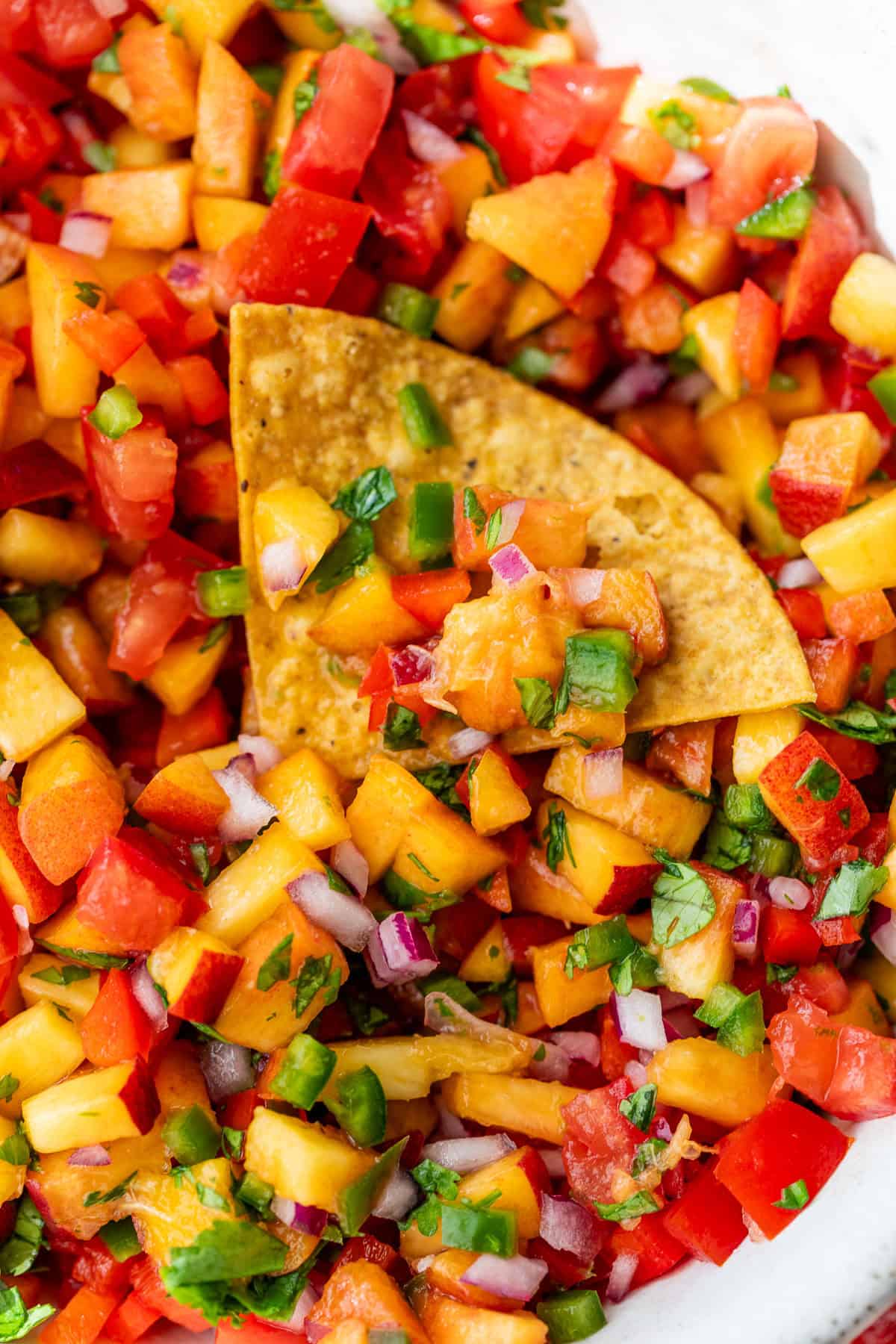
- As an Appetizer: It pairs perfectly with hearty, salted tortilla chips. The salt-to-sweet ratio creates a compelling sensory experience that keeps guests coming back.
- As a Protein Topping: The acidity of the salsa makes it an ideal companion for fatty proteins, such as grilled salmon, seared scallops, or even white-meat poultry like grilled chicken breast.
- As a Taco Garnish: Perhaps its most natural habitat, the peach salsa provides a bright, refreshing contrast to the earthiness of black beans or the savory depth of pork carnitas.
The Sustainability Factor
By utilizing seasonal produce at its peak, home cooks can participate in a more sustainable food cycle. Buying peaches in July and August ensures that the produce has been transported fewer miles and has had the opportunity to ripen on the tree, resulting in a superior flavor profile that requires less culinary manipulation to taste "gourmet."
Expert Tips for the Home Cook
To ensure the best possible results, the following best practices should be observed:
- Uniformity is Key: Use a sharp chef’s knife to ensure your dice is uniform. If the peaches are in large chunks and the jalapeños are in tiny bits, the balance of flavor will be inconsistent.
- The "Resting" Period: While it is tempting to serve the salsa immediately, allowing it to sit in the refrigerator for at least 30 minutes is critical. This time allows the lime juice to macerate the peaches slightly, pulling out their natural juices and creating a cohesive, flavorful dressing.
- Storage Limitations: Due to the high water content of fresh produce, this salsa is best consumed within 48 hours. Beyond that, the peaches may begin to lose their structural integrity and become overly soft.
- Customization: Don’t be afraid to experiment with the base. Some variations include the addition of diced avocado for creaminess or finely chopped mango for a tropical twist.
Conclusion
The beauty of a fresh peach salsa lies in its simplicity. It does not demand hours of simmering or complex techniques; it merely asks for the best ingredients of the season and a little bit of patience. By focusing on the balance between sweet, spicy, and acidic, home cooks can elevate a humble stone fruit into an sophisticated condiment that defines the essence of summer dining.
Whether you are hosting a backyard barbecue or simply looking for a light, refreshing snack to enjoy on a warm afternoon, this peach salsa serves as a reminder that the most memorable meals are often those that require the least amount of complication. As the season progresses, take the time to visit your local farmers’ market, select the most fragrant peaches you can find, and enjoy the fleeting, vibrant flavors of the summer months.