THE NETHERLANDS — In the quiet corners of specialty agricultural markets and heritage seed exchanges across the Netherlands, a culinary underdog is quietly making its case for revival. Known in its native tongue as the Giele Wâltbeantsje (literally translating from Frisian as the "yellow forest bean"), this rare legume represents a fascinating intersection of regional heritage, agricultural biodiversity, and modern home-cooking experimentation.
While everyday Dutch supermarkets remain dominated by standardized, globally or nationally mass-produced legumes—most notably the ubiquitous brown bean (bruine boon)—heritage varieties like the Giele Wâltbeantsje linger on the brink of obscurity. Yet, thanks to specialized sustainable distributors like Ekoto and curious culinary researchers, this golden-hued Frisian native is stepping out of the shadows and back into pots, pressure cookers, and even baking pans.
1. Main Facts: Understanding the Giele Wâltbeantsje
To appreciate the significance of the Giele Wâltbeantsje, one must first understand its distinct physical and botanical profile.
- Botanical Heritage and Cultivation: Though deeply rooted in the cultural identity of Friesland—a province in the northern Netherlands known for its distinct language, culture, and agricultural traditions—these beans are not strictly bound to northern soil. Modern specimens have proven adaptable, successfully growing in southern provinces like Brabant.
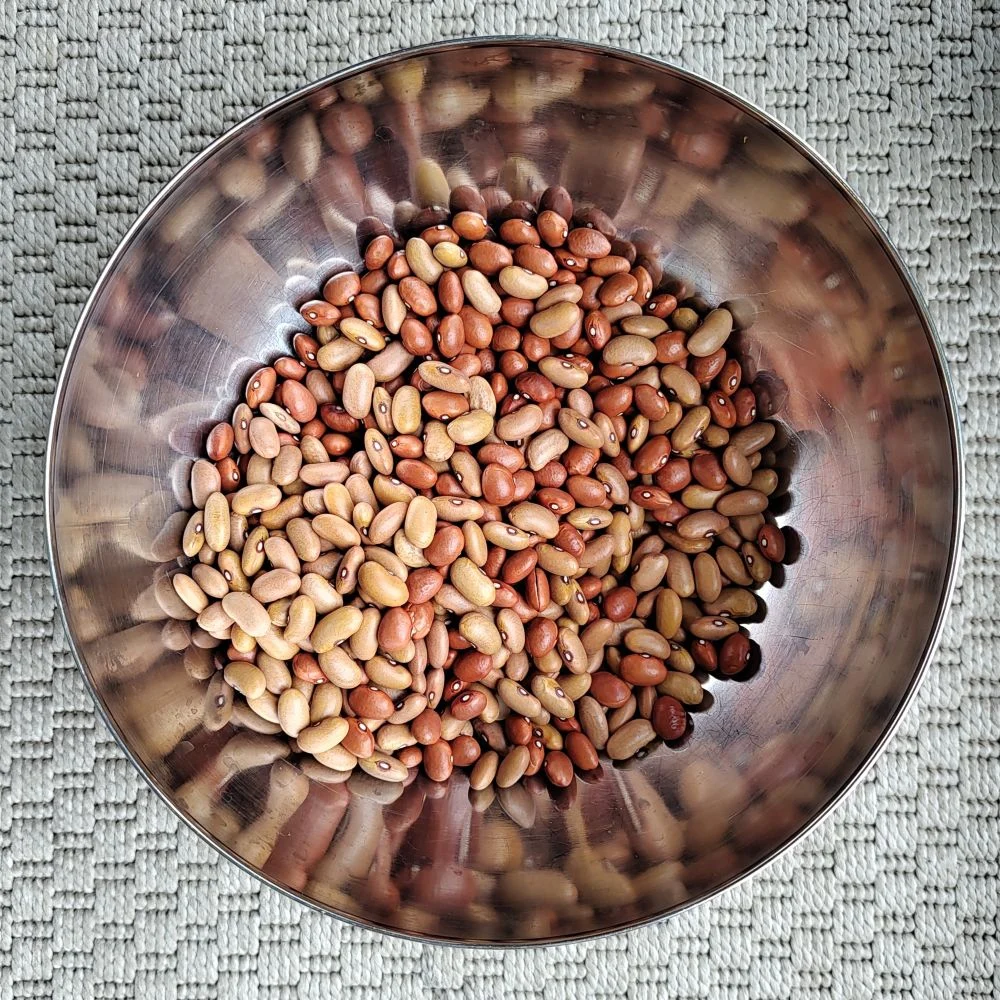
- Appearance: Visually, the dry bean boasts a warm, yellowish-brown to light-brown exterior. Once cooked, however, it undergoes a visual transformation, bearing a striking resemblance to its common cousin, the standard brown bean. In terms of sizing, the Giele Wâltbeantsje edges out the conventional brown bean, sporting a slightly larger frame.
- Availability and Market Dynamics: While standard brown beans can be found stacked on the shelves of every major Dutch supermarket chain (such as Albert Heijn or Jumbo), the Giele Wâltbeantsje requires a more deliberate hunt. It is moderately easier to source in Friesland, but consumers elsewhere must turn to online specialty webshops, local farm shops, or ethical food networks like Ekoto.
- Culinary Versatility: Despite traditional preparation instructions advising a lengthy soak in water over several hours, tests by home cooks and food scientists reveal a remarkable resilience. The bean can withstand high-pressure cooking environments—such as a direct trip into a pressure cooker without prior soaking—while maintaining structural integrity and rich flavor profiles. It excels in traditional applications like hearty soups, comforting stews, and chili con carne, but also lends itself to modern, unconventional fusion dishes, including black-bean-style brownies.
2. Chronology: From Forest Edge Cultivation to the Modern Pantry
The history of the Giele Wâltbeantsje is tied up in the changing landscape of Dutch agriculture over the past century. While exact genealogical records of every regional landrace are difficult to pinpoint, the timeline of this bean reflects broader shifts in how humans grow, market, and consume food.
The Pre-Industrial Era: Regional Landraces
Centuries ago, Dutch agriculture was defined by hyper-local micro-economies. Farmers in Friesland—particularly in and around the wooded sandy ridges and mixed agricultural zones—cultivated specific landraces suited to their microclimates and soil types. The Giele Wâltbeantsje was one such selection. Grown, saved, and replanted by generations of smallholders, it was valued for its reliable yields, storage capabilities, and dense nutritional profile. Because these beans could be thoroughly dried after harvest, they served as a vital winter calorie source, capable of being stored safely for years if kept in dry, cool conditions.
The Mid-20th Century: The Rise of Industrial Homogenization
As post-World War II European agriculture modernized, efficiency became the ultimate metric of success. Supply chains consolidated, supermarkets emerged as the dominant retail force, and agricultural policy favored high-yielding, uniform crops that could be harvested mechanically and shipped cheaply.
During this agricultural revolution, marketing budgets and standardization triumphed over biodiversity. The standard brown bean—backed by efficient mass-production systems, predictable cooking times, and aggressive agro-industrial marketing—became the default Dutch legume. Regional varieties like the Giele Wâltbeantsje, which required more manual handling, lacked centralized marketing boards, and were grown on smaller plots, slowly faded from commercial view. They survived primarily through the dedication of seed savers, historical preservationists, and small-scale regional farmers who refused to let local biodiversity vanish.
The 21st Century: The Heritage Food Renaissance
In recent years, a counter-movement has emerged. Consumers, chefs, and sustainable agriculture advocates are increasingly looking backward to move forward, seeking out heirloom varieties that offer superior flavor, genetic diversity, and a connection to local history.
Online platforms and ethical supply startups—such as Ekoto, which bridges the gap between small-scale regenerative farmers and modern consumers—have given the Giele Wâltbeantsje a digital storefront. No longer trapped in local agrarian obscurity, the bean can now be ordered online by a home cook in Amsterdam, Utrecht, or Maastricht, bridging the gap between traditional Frisian agriculture and contemporary foodie culture.
3. Supporting Data: Nutritional, Agricultural, and Market Comparisons
To understand why the Giele Wâltbeantsje remains a niche product despite its culinary appeal, it is helpful to examine the structural differences between heritage legumes and industrial commodity crops.
| Metric | Standard Brown Bean (Bruine Boon) | Giele Wâltbeantsje (Frisian Yellow Forest Bean) |
|---|---|---|
| Primary Growing Region | Globally sourced / Large-scale Dutch farming | Friesland & localized plots (e.g., Brabant) |
| Retail Availability | Ubiquitous in all Dutch supermarkets | Specialty stores, online platforms (e.g., Ekoto) |
| Marketing & Scale | Mass-marketed, highly optimized supply chains | Niche, small-batch, heritage-focused |
| Physical Size | Standard medium legume size | Slightly larger than the standard brown bean |
| Color Profile | Uniform reddish-brown | Yellowish-brown to light-brown raw; darkens upon cooking |
| Storage Capability | High (dry storage for months/years) | High (can be stored for years if properly dried) |
| Culinary Adaptability | Traditional soups, stews, purées | Soups, stews, chili, and experimental baking (e.g., brownies) |
Agricultural Resilience vs. Market Forces
Agronomists point out that the survival of a crop species in the modern era has very little to do with its flavor and everything to do with its supply chain integration. The brown bean’s dominance is not solely a testament to its taste, but rather a result of:
- Easier Mechanization: Varieties bred for mass-market consumption often mature at uniform rates, making machine harvesting simpler and cheaper.
- Standardized Processing: Industrial canners and packagers prefer beans with exact, predictable hydration and cooking profiles to minimize factory waste.
- Consumer Habits: Supermarket shoppers tend to buy what is familiar. Without robust marketing campaigns, lesser-known heritage beans struggle to capture impulse buys from shoppers browsing standard aisles.
Despite these hurdles, the Giele Wâltbeantsje punches above its weight class in terms of culinary durability. While standard packaging labels frequently mandate lengthy overnight soaking periods to soften dried legumes, adventurous home cooks have demonstrated that the Giele Wâltbeantsje adapts remarkably well to modern, time-saving kitchen appliances. Pressure cooking—often deployed without advance soaking—yields a tender, fully cooked bean that retains its structural integrity without turning to mush. This bridges an important gap: modern consumers want heritage flavors, but they rarely have the time associated with traditional 12-hour kitchen preparations.
4. Official Responses and Perspectives from the Sustainable Food Community
The movement toward preserving and consuming heirloom legumes like the Giele Wâltbeantsje is supported by a growing network of environmentalists, agronomists, and alternative food distributors.
The Retailer’s Perspective: Ekoto
Platforms specializing in sustainable, circular, and locally sourced foods view products like the Giele Wâltbeantsje as essential tools in combating agricultural monoculture. According to representatives from sustainable food distributors, offering heritage crops is about more than just selling groceries—it is about keeping agricultural history alive.
"When you buy a standard supermarket bean, you are participating in a globalized system that rewards uniformity over resilience," notes a sustainable agriculture advocate working within the Dutch local food network. "When a consumer chooses a Giele Wâltbeantsje, they are actively funding crop diversity. Every time a farmer plants a heritage seed instead of a patented commercial variety, we protect our food system from the vulnerabilities of monoculture."
The Culinary Perspective: Experimentation and Fusion
Chefs and food science communicators have also chimed in on how to treat these unique regional ingredients. Rather than locking heritage beans into strictly traditional recipes, contemporary culinary experts encourage experimentation.
Food science blogs and recipe developers have noted that the texture and earthy sweetness of the Giele Wâltbeantsje make it an ideal candidate for unconventional dishes. While it shines in a classic Dutch brown bean soup (bruine bonensoep) or a hearty winter stew, its subtle flavor profile allows it to cross over into unexpected territories—such as being whipped into dessert purees or baked into chocolate brownies, much like black beans are used in modern plant-based baking to add moisture and structure without overpowering the cocoa.
5. Implications: What the Giele Wâltbeantsje Tells Us About the Future of Food
The journey of the Giele Wâltbeantsje—from a local Frisian landrace to an online specialty item harvested across multiple provinces—offers profound implications for the future of European agriculture, food security, and consumer culture.
1. The Value of Agricultural Biodiversity
Monoculture farming leaves global food supplies dangerously exposed to climate change, pests, and plant diseases. By maintaining and reviving regional landraces like the Giele Wâltbeantsje, agricultural scientists preserve a wider genetic pool. These resilient varieties often possess natural defenses and adaptability traits (such as drought tolerance or resistance to local soil pathogens) that modern, highly bred commercial crops have lost.
2. The Power of E-Commerce in Saving Heritage Foods
In the past, if a regional crop fell out of favor with local merchants, it vanished entirely because the local market was too small to sustain production. Today, digital platforms and direct-to-consumer networks bypass traditional supermarket gatekeepers. A farmer in Brabant or Friesland can grow a few hectares of rare beans and sell them to customers across the entire European Union via the internet. This digital infrastructure provides a vital economic lifeline for small-scale, regenerative agriculture.
3. Bridging Tradition and Modernity
Perhaps the most important takeaway from the revival of the Giele Wâltbeantsje is the demonstration that culinary heritage does not have to be rigid or stuck in the past. While its name and origins are deeply tied to Frisian folklore and traditional peasant cooking, its survival depends on its ability to fit into modern kitchens. Whether cooked haphazardly in a high-pressure vessel on a busy weeknight or repurposed into gourmet brownies, the bean proves that old ingredients can find new life in a fast-paced world.
Conclusion
The next time you scan supermarket shelves for canned or dried legumes, consider looking beyond the standard row of brown beans. Somewhere online or in a specialty farm shop, a bag of golden-brown Giele Wâltbeantsje is waiting. It is a small purchase, but in the grand ecosystem of modern food production, choosing the underdog bean is a quiet vote for history, biodiversity, and exceptional flavor.