In the world of professional baking, few confections command as much respect—or induce as much intimidation—as the classic Millionaire’s Shortbread. With its trifecta of buttery, crumbly shortbread, rich, pull-apart caramel, and a decadent crown of tempered ganache, this British staple is a masterclass in texture and balance. For those adhering to a gluten-free lifestyle, however, the quest for a bakery-quality version often leads to disappointment: dry, sandy crusts or caramels that fail to set.
Enter Nicole Hunn, the culinary expert behind Gluten Free on a Shoestring, who has spent years perfecting a recipe that defies the typical trade-offs associated with gluten-free baking. Her latest approach to this "bakery-style" project offers a streamlined methodology that promises a result indistinguishable from traditional wheat-based counterparts.
Main Facts: The Anatomy of a Perfect Bar
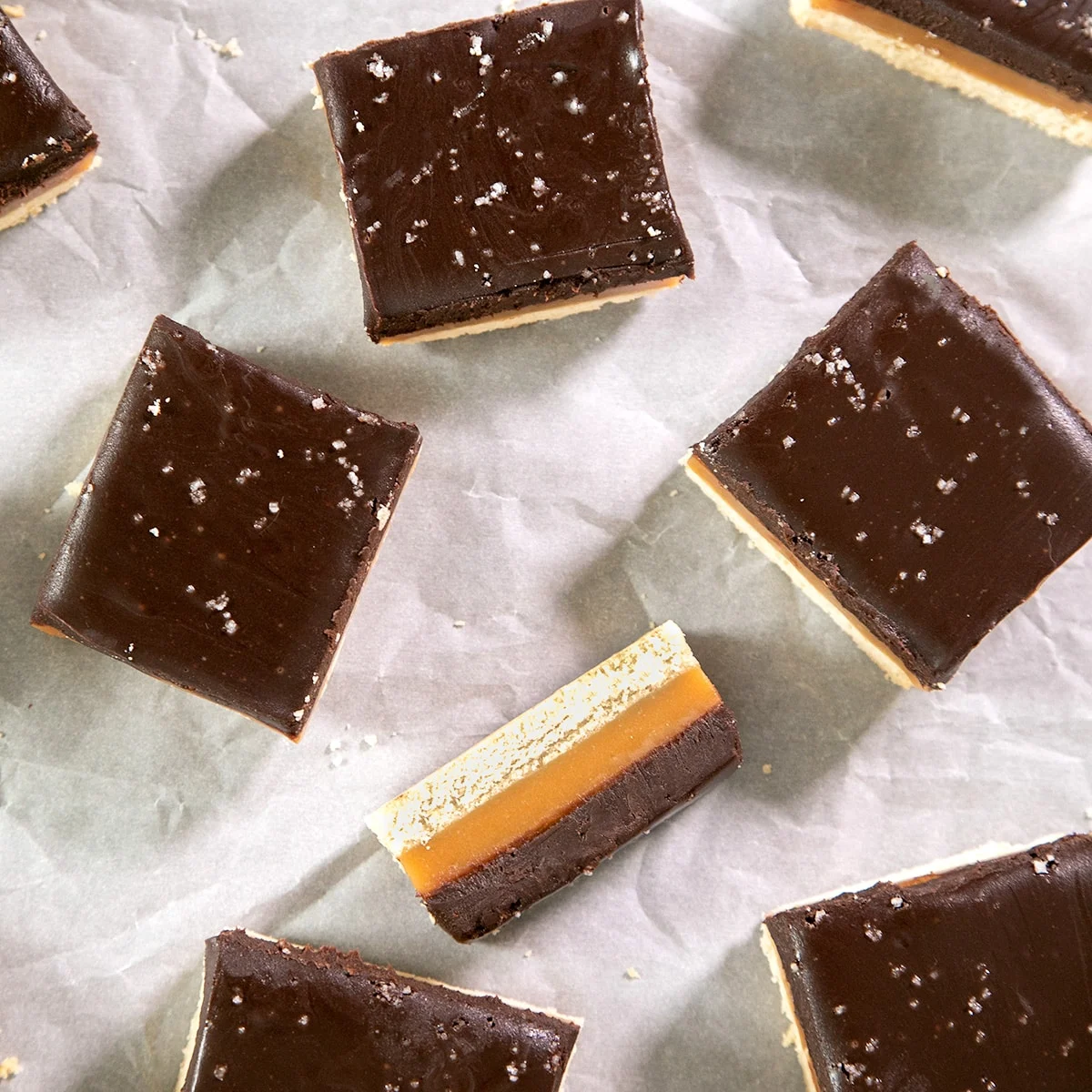
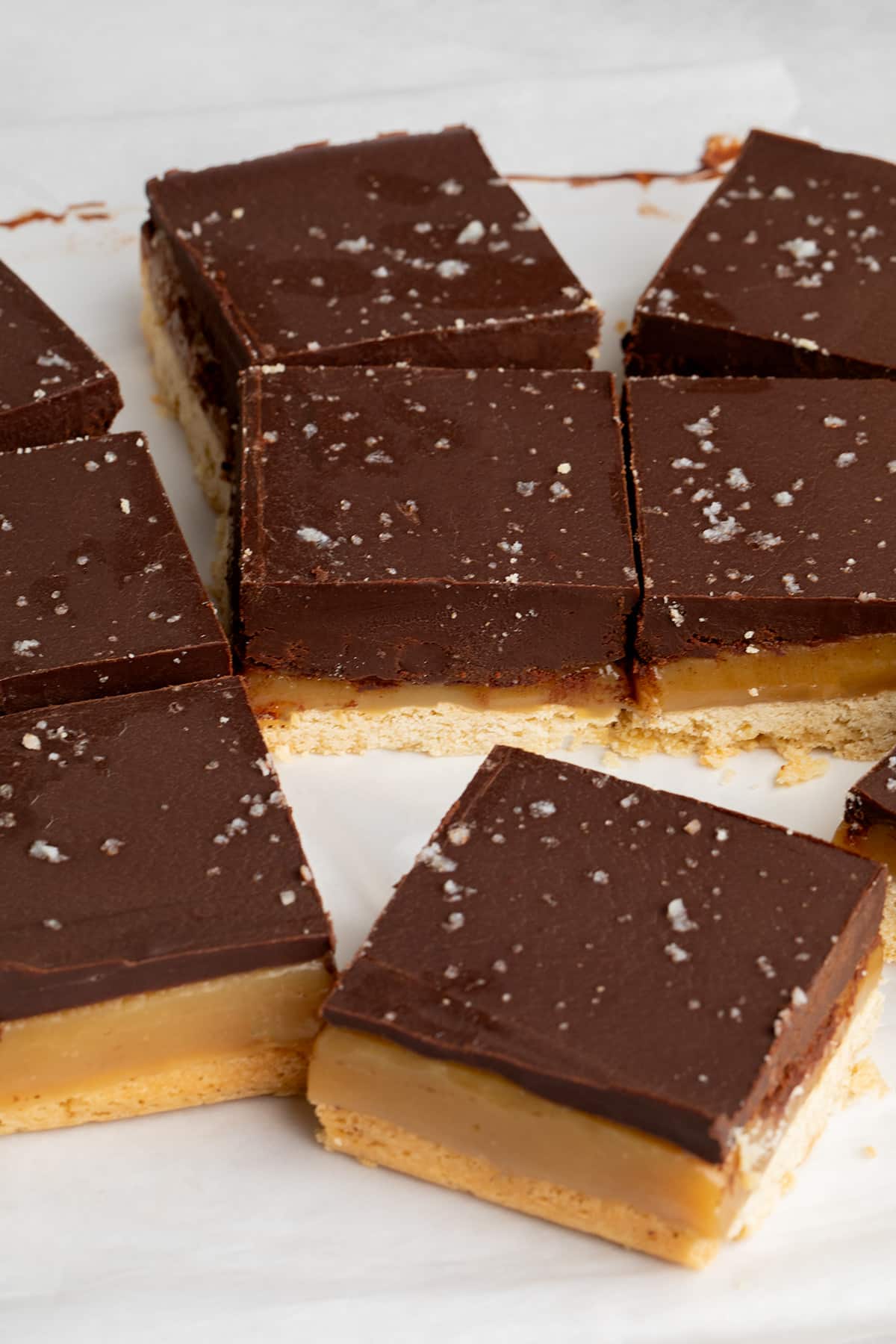
The Millionaire’s Shortbread—also frequently referred to as Caramel Shortbread—is a three-tiered structural marvel. The foundation is a brown sugar shortbread, providing a tender, buttery base. This is topped with a dense, chewy caramel layer, and finally, a smooth, glossy chocolate ganache.
The primary hurdle in home production is often the caramel. Traditionally a temperamental process requiring a steady hand and a candy thermometer, Hunn’s innovation lies in the use of microwave-assisted heating. By providing precise visual and texture cues, she empowers home bakers to achieve a "soft-ball" stage of 235°F (113°C) without the risk of overcooking the mixture into a brittle, tooth-breaking candy.

Equally critical is the ganache layer. Hunn emphasizes the importance of a precise ratio between heavy cream and high-quality chocolate, ensuring that the finish is firm enough to hold its shape at room temperature, yet soft enough to slice without the dreaded "cracking" that often ruins the aesthetic of these bars.
Chronology: The Step-by-Step Evolution of the Bake
For the home baker, the process is divided into three distinct phases, each requiring patience and adherence to specific technical protocols.
1. Constructing the Shortbread Base
The process begins by creaming room-temperature butter with brown sugar for a full three minutes. This aeration process is non-negotiable; it traps air within the fat, which, once combined with a high-quality gluten-free flour blend, creates a delicate, melt-in-your-mouth crumb. The dough is then pressed into a greased and parchment-lined pan. A professional touch involves running a small offset spatula or knife around the perimeter of the pan before baking, a step that facilitates a clean removal from the parchment later. The base is baked at a gentle 325°F (163°C), turning from shiny to a uniform matte finish as it sets.
2. The Microwave Caramel Technique
The caramel layer is where the "simplified" magic happens. By combining brown sugar, butter, sweetened condensed milk, and corn syrup in a large, microwave-safe bowl, the baker creates a base that can be controlled via short, high-power bursts. Stirring between intervals is essential to eliminate "hot spots" caused by the microwave. The goal is to reach a deep, rich amber color. This phase requires constant vigilance; the goal is a chewiness that remains consistent across all nine servings.
3. The Finishing Ganache
The final layer utilizes the residual heat of simmering heavy cream to emulsify the chocolate. By pouring the hot cream over finely chopped chocolate, the cocoa butter melts into a glossy, stable ganache. Hunn warns against the use of standard chocolate chips, which often contain stabilizers designed to prevent melting. Instead, she recommends high-quality chocolate bars, chopped finely to ensure total emulsification.
Supporting Data: Achieving Professional Results
For those seeking to refine their technique, understanding the science behind the ingredients is vital. The use of a specific gluten-free flour blend—such as Better Batter, Nicole’s Best, or Bob’s Red Mill 1-to-1—is the difference between a cohesive bar and a crumbly mess. These blends typically incorporate xanthan gum, which provides the necessary elasticity that wheat gluten would naturally provide.
The nutritional profile of these bars is undeniably indulgent. At approximately 813 calories per serving, this is a confection designed for special occasions. With 45 grams of fat and 74 grams of sugar per bar, it represents a high-density energy source, typical of traditional European patisserie. The high saturated fat content, derived from butter and heavy cream, is the functional component that allows the bars to maintain structural integrity at room temperature.
Official Responses and Expert Recommendations
Hunn’s expertise extends to providing "off-ramps" for those who prefer not to start from absolute scratch. For a faster, no-bake alternative, she suggests crushing store-bought gluten-free shortbread cookies (such as those from Schar or Walkers) and binding them with melted butter to form a pressed crust. Similarly, for those intimidated by the chemistry of homemade caramel, melting store-bought caramels with a splash of milk and butter serves as a highly effective shortcut.
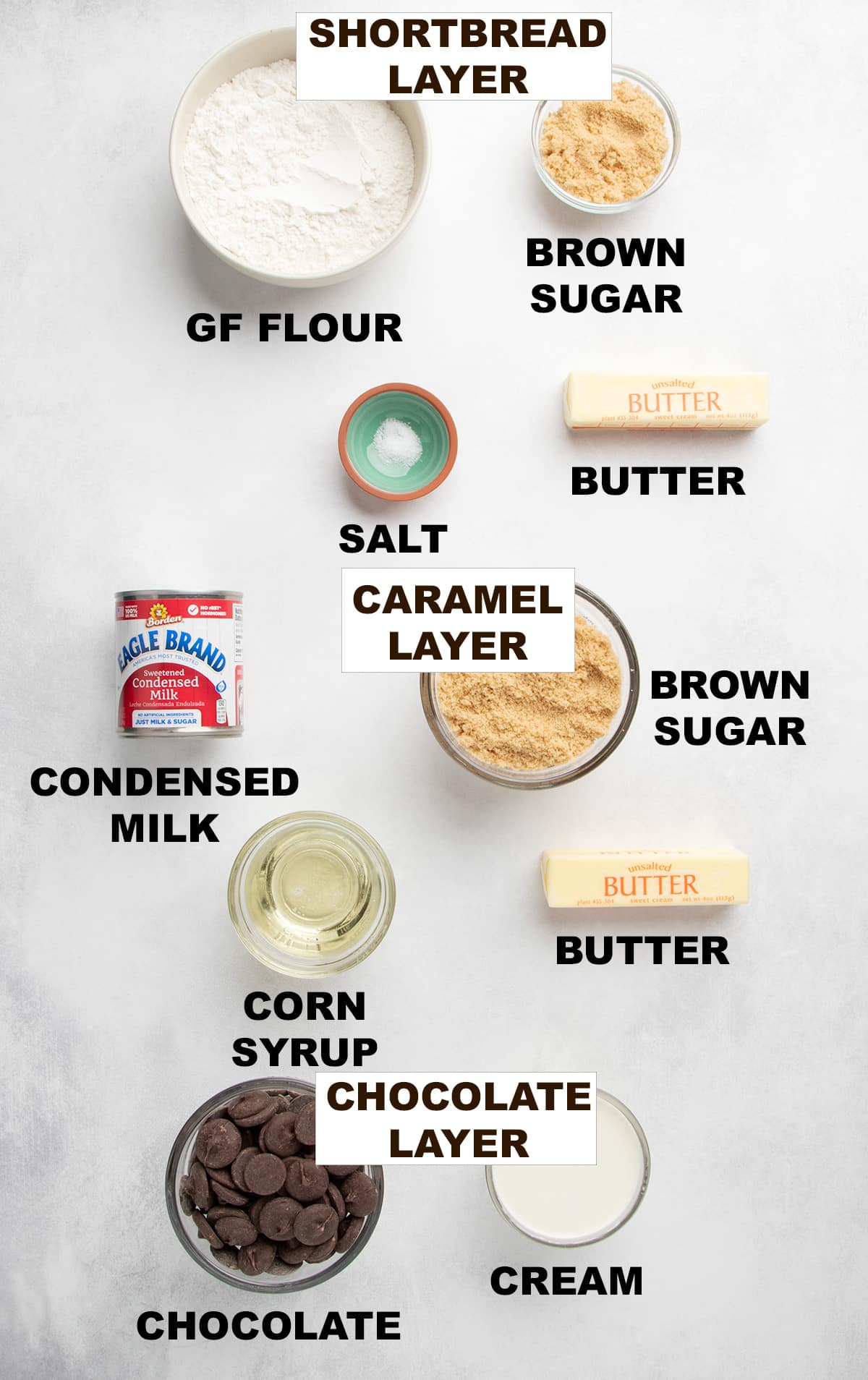
Regarding allergens, Hunn notes that the recipe is highly adaptable. Dairy-free bakers can substitute block-style vegan butter (such as Miyoko’s) and dairy-free sweetened condensed milk (such as Nature’s Charm). The versatility of the recipe is one of its strongest selling points, reflecting a modern approach to inclusive baking.
Implications: The Future of Gluten-Free Confectionery
The success of these recipes signals a broader shift in the gluten-free movement. No longer satisfied with "good for gluten-free," the modern baker demands excellence. By demystifying the complex, layered techniques of professional pastry, experts like Hunn are elevating the expectations for what can be achieved in a standard home kitchen.
This recipe for Millionaire’s Shortbread is more than just a set of instructions; it is an implication that the barrier between home-baked goods and professional patisserie is narrowing. As gluten-free flour technology improves and home-baking techniques become more sophisticated, the distinction between wheat-based and gluten-free desserts continues to evaporate.
For the home baker, the primary takeaway is clear: the secret to success lies not in complex equipment, but in understanding the physical state of the ingredients—from the aeration of the butter in the shortbread to the emulsification of the chocolate ganache. By following these rigorous, step-by-step procedures, the "millionaire" experience becomes accessible to all, regardless of dietary restrictions. Whether served at a holiday gathering or as a private indulgence, these bars serve as a testament to the fact that when it comes to high-quality baking, no one needs to settle for less.