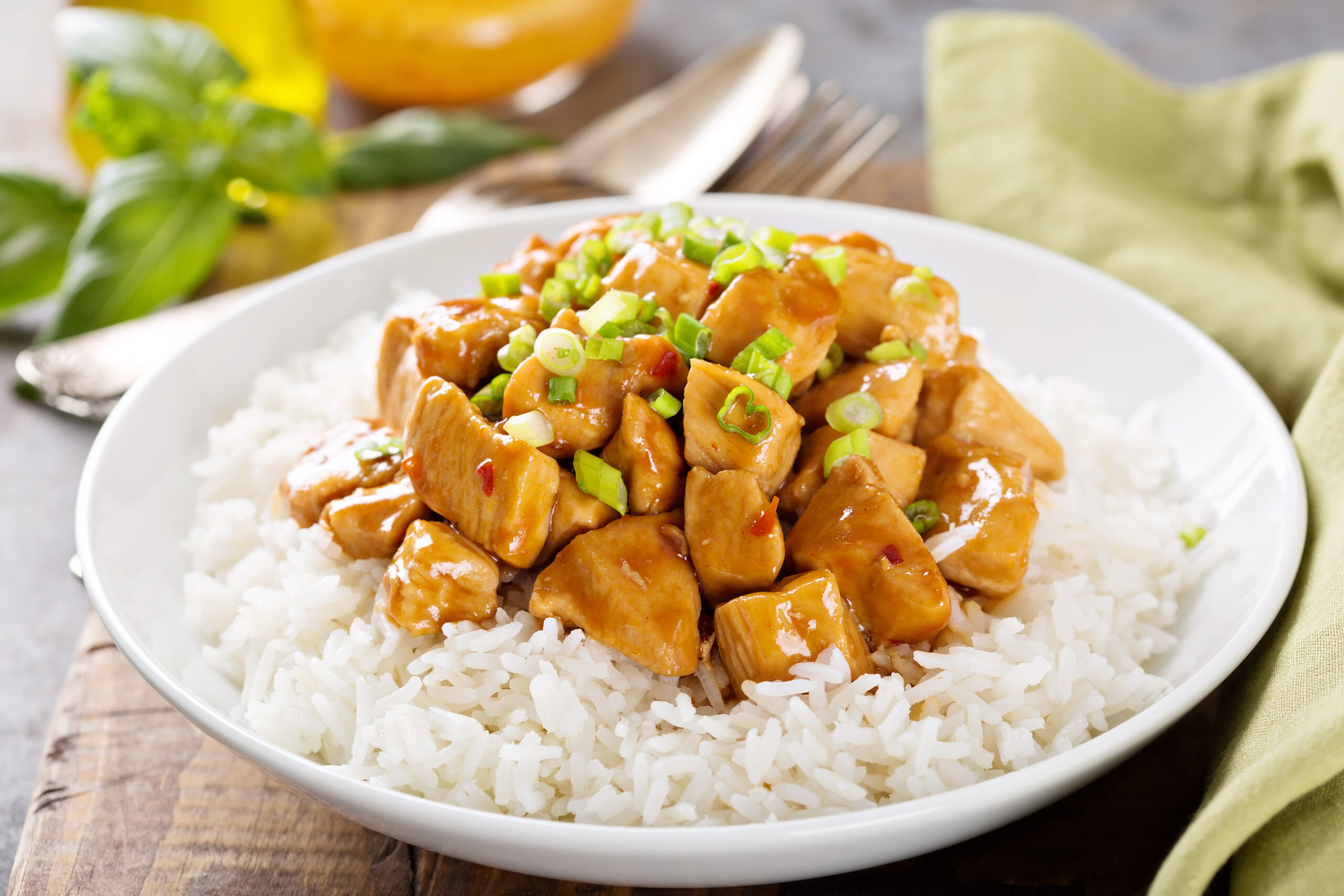
In the landscape of modern family dining, the battle between convenience and quality is constant. While takeout remains a popular solution for busy households, the nutritional trade-offs—often involving excess sodium, hidden preservatives, and high costs—have led many home cooks to seek a better way. Enter the gold standard of quick-fix comfort food: homemade Sweet and Sour Chicken. Far from the soggy, over-battered versions found in cardboard containers, this elevated home-cooked rendition offers a crispy, vibrant, and flavor-forward experience that satisfies both the discerning palate of an adult and the simple preferences of a child.
The Evolution of a Takeout Staple
The dish, which has become a cornerstone of globalized Asian-inspired cuisine, traces its roots to Cantonese traditions, though it has evolved significantly to suit Western tastes. Traditionally, the balance of the sauce relied on a delicate interplay between sugar and vinegar, creating a profile that cuts through the richness of fried protein. Today, the focus has shifted toward nutrient density, using fresh ingredients and controlled cooking techniques to achieve the same addictive "sticky" glaze without the heavy grease of deep-frying.
This recipe has garnered attention for its ability to bridge the gap between "fast food" and "slow food." By emphasizing fresh aromatics and natural sweeteners like pineapple juice, the dish transforms into a balanced meal that supports a busy family’s dietary needs while maintaining the excitement of a restaurant-quality dinner.
Chronology of Preparation: From Kitchen Counter to Table
Achieving the perfect Sweet and Sour Chicken is an exercise in timing. To replicate the efficiency of a commercial kitchen, the process is streamlined into three distinct phases:
Phase 1: The Mise en Place (0–15 Minutes)
Preparation is the secret weapon of the professional cook. Before the heat is applied, the chicken—ideally breasts or thighs cut into uniform bite-sized pieces—should be lightly seasoned. A thin coating of cornstarch is the critical step here; it acts as a moisture barrier, ensuring that the chicken retains its interior juices while developing a light, crispy exterior. During this time, the sauce components (pineapple juice, vinegar, soy sauce, and aromatics) should be whisked together in a separate bowl.
Phase 2: The Searing Process (15–25 Minutes)
The most common error in amateur cooking is "crowding the pan." To ensure a crisp texture, the chicken must be cooked in batches. By providing each piece of protein enough space, the moisture evaporates efficiently, allowing for the Maillard reaction—the browning process that creates deep, complex flavor. Once the chicken is golden, it is removed, and the pan is deglazed with the prepared sauce.
Phase 3: The Glaze and Finish (25–35 Minutes)
As the sauce hits the hot pan, the cornstarch slurry begins to work its magic. Within minutes, the sauce transitions from a liquid state to a glossy, thick, and syrupy consistency. The chicken is folded back into the pan, tossed rapidly to coat every crevice, and served immediately to preserve the structural integrity of the crust.
Supporting Data: Why This Method Works
Nutritional science and culinary chemistry offer clear insights into why this specific preparation style succeeds.
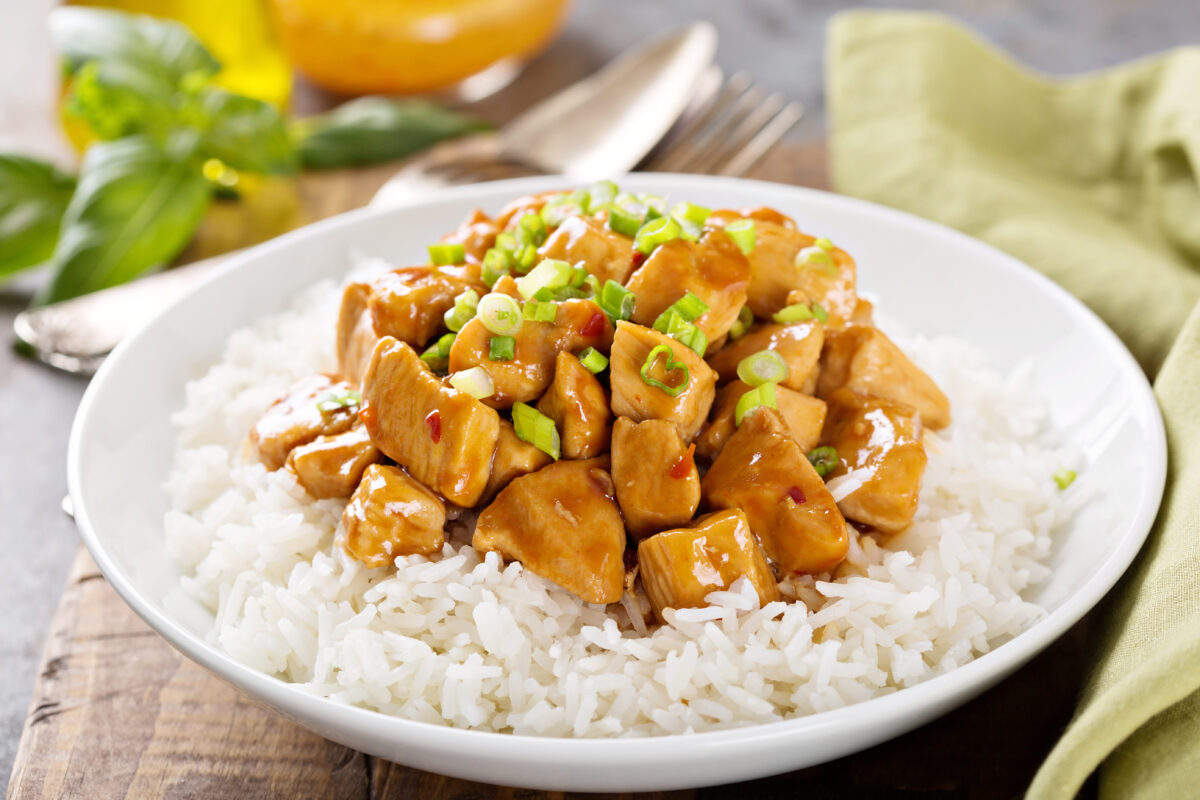
- The Cornstarch Barrier: Unlike all-purpose flour, which absorbs oil and can become heavy, cornstarch has a high amylose content that creates a crunchier, more durable crust that resists becoming "soggy" when exposed to the acidic sauce.
- The Acid-Sugar Ratio: The inclusion of pineapple juice provides bromelain, an enzyme that acts as a natural tenderizer for the chicken. Furthermore, the natural fructose in the juice caramelizes at a lower temperature than processed white sugar, giving the sauce its characteristic "gloss" without the risk of burning.
- Thermal Dynamics: By stir-frying, the vegetables—such as bell peppers and broccoli—retain their vibrant color and crunch, preserving their phytonutrients and providing a necessary textural contrast to the soft, tender chicken.
Implications for Modern Families
The shift toward home-cooking this classic dish carries significant implications for family health and budget management.
Economic Impact
With inflation affecting food costs, the price-per-serving of takeout has skyrocketed. Preparing this dish at home costs roughly 60% less than ordering from a restaurant. By utilizing pantry staples like cornstarch, soy sauce, and vinegar, the primary costs are limited to the protein and fresh produce, making it a sustainable choice for weekly meal rotations.
Nutritional Flexibility
One of the most profound implications of this recipe is its "customizability." For households with specific dietary restrictions, the recipe is easily modified. The sugar content can be adjusted by substituting honey or agave; the sodium levels can be managed by using low-sodium soy sauce; and the inclusion of extra vegetables like zucchini, carrots, or snap peas significantly boosts the fiber and vitamin content of the meal.
Psychological and Social Benefits
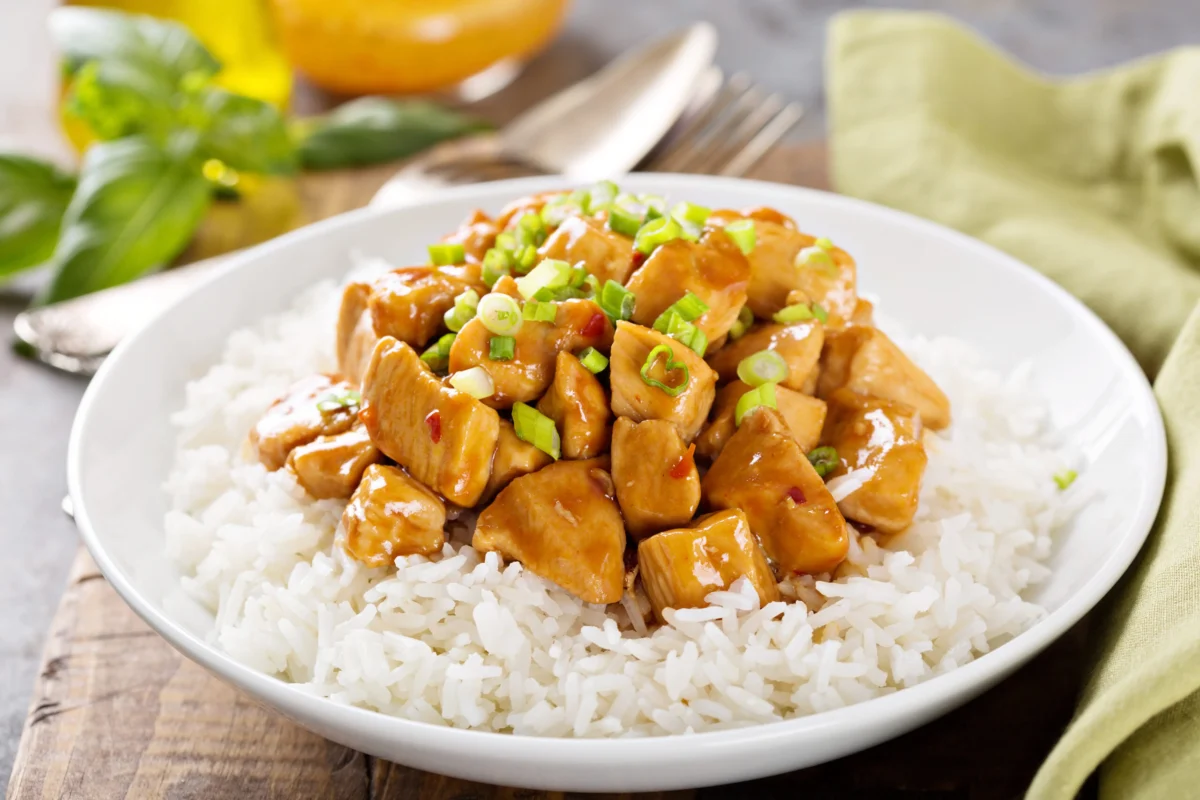
The act of cooking together, or even simply serving a "special-feeling" meal on a Tuesday night, has been shown to improve family cohesion. Because this dish is highly visual—vibrant reds from peppers, deep greens from onions, and the golden-brown hue of the chicken—it is inherently appealing to children. The strategy of serving the sauce on the side for younger, more selective eaters is a psychological tactic that empowers children to engage with the food on their own terms, reducing mealtime anxiety.
Expert Tips for Culinary Excellence
To move from "home cook" to "home chef," consider these professional nuances:
- Temperature Control: Use an oil with a high smoke point, such as avocado or grapeseed oil. This ensures that the pan remains hot enough to crisp the chicken without imparting a burnt flavor.
- The "Gloss" Factor: If your sauce looks dull, you haven’t cooked the cornstarch long enough. Cornstarch requires heat to fully hydrate and create that translucent, mirror-like finish.
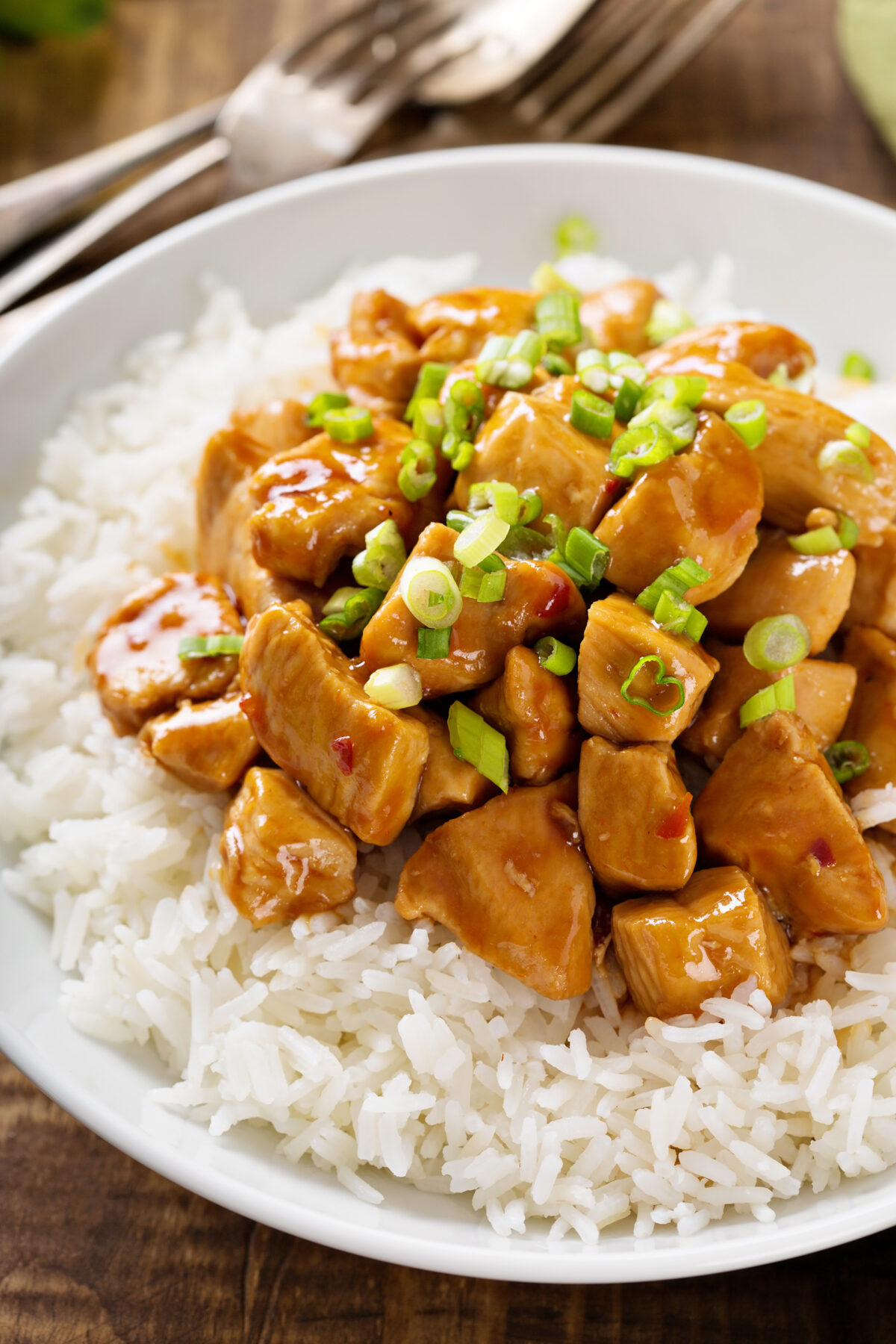
- The Art of the Garnish: Never underestimate the power of aromatics. Freshly sliced spring onions or a sprinkle of toasted sesame seeds added just before serving adds a sharp, fresh note that cuts through the sweetness of the sauce.
- Protein Selection: While chicken breast is the standard, chicken thighs offer a more forgiving margin of error. Their higher fat content ensures the meat remains juicy even if it stays in the pan for an extra minute.
Conclusion: A New Weeknight Standard
The journey of the Sweet and Sour Chicken is one of transformation—taking a dish often dismissed as "junk food" and reclaiming it as a wholesome, family-centric meal. By focusing on the fundamentals of proper searing, the chemistry of the sauce, and the flexibility to adapt the recipe to individual tastes, the home cook can create a dining experience that rivals any professional establishment.
Whether you are looking to save money, increase your intake of fresh vegetables, or simply provide your family with a dinner they will actually look forward to, this recipe serves as a testament to the power of simple, intentional cooking. As we continue to navigate the demands of modern life, the return to the home kitchen remains the most effective way to ensure quality, flavor, and health for ourselves and those we love.
By keeping the process fast and the ingredients simple, you aren’t just making dinner—you are creating a ritual that turns an ordinary weeknight into a special occasion. So, heat up the pan, prepare your fresh vegetables, and get ready to master the perfect, glossy, and crispy Sweet and Sour Chicken.