Main Facts
As the autumn harvest season arrives, home bakers and culinary enthusiasts alike turn their attention to seasonal flavors, chief among them being spiced pumpkin. While canned pumpkin puree remains a staple of fall baking, a more concentrated, deeply flavorful alternative is capturing the attention of the culinary world: homemade pumpkin butter.
Developed as a reduction of pumpkin puree, apple cider, maple syrup, and warm aromatic spices, pumpkin butter transforms the mild, sometimes watery nature of raw pumpkin into a rich, velvety spread. According to culinary experts like Nicole Hunn of Gluten Free on a Shoestring, the primary advantage of reducing pumpkin puree lies in moisture control. Plain pumpkin puree contains a high volume of water relative to its soluble solids, which can render baked goods overly soft, spongy, or cakey. By cooking down the puree until excess moisture evaporates, home cooks achieve a dual-purpose ingredient: a spreadable condiment for morning toast and pancakes, and a concentrated flavor agent for sophisticated autumn baking.
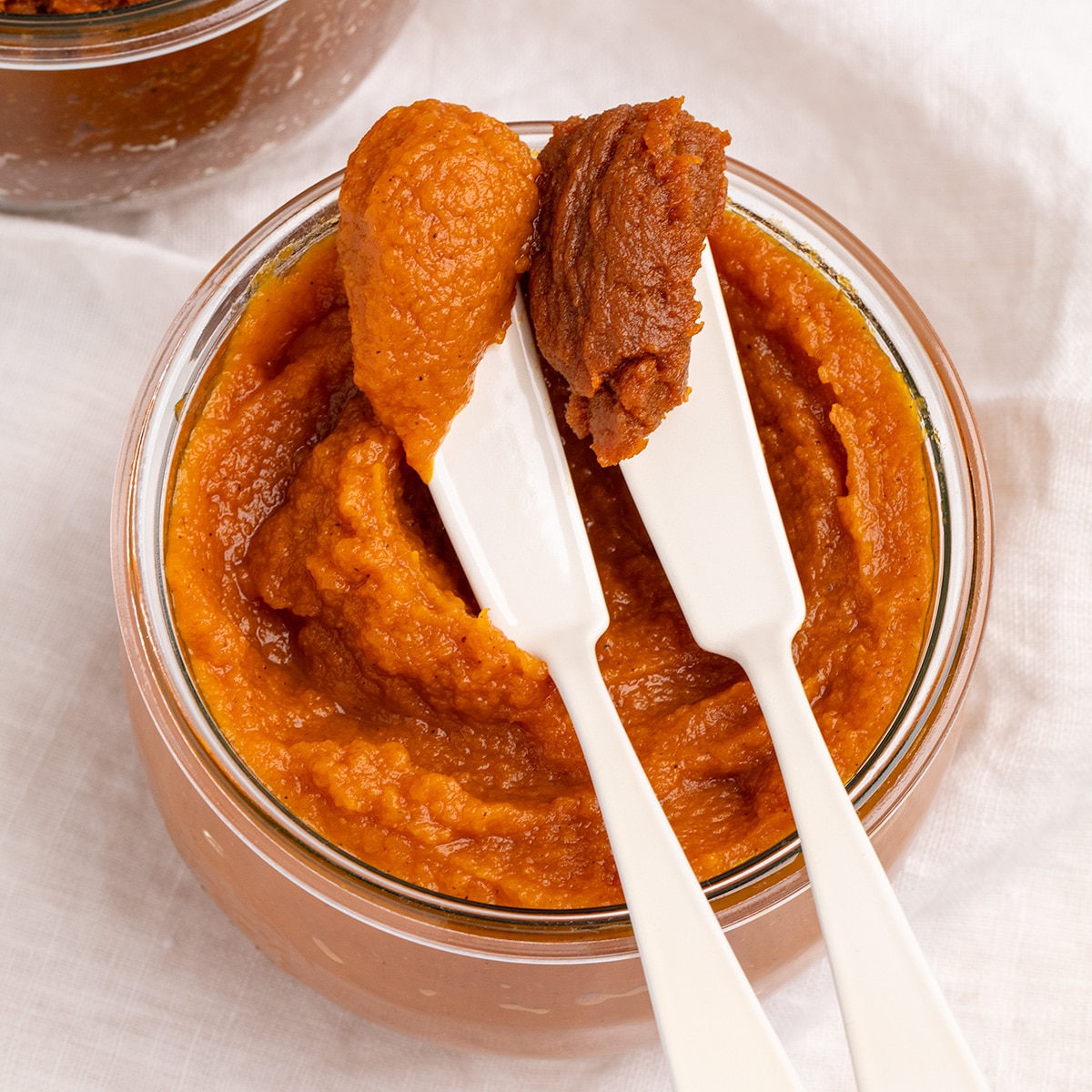
The recipe relies on a straightforward chemistry of reduction. When pumpkin puree is simmered slowly alongside natural sweeteners and spices, water molecules escape as steam, causing the remaining sugars and solids to caramelize and darken. The resulting spread delivers a concentrated punch of autumn flavor without introducing unwanted liquids into delicate pastry recipes like scones, cinnamon rolls, and cookies.
Chronology
The evolution of pumpkin butter from a traditional homestead preservation method to a modern baking essential follows a distinct culinary timeline:
- The Agricultural Foundation: For centuries, autumn squash and pumpkins were harvested, roasted, and preserved to extend their shelf life through harsh winters. Early American settlers utilized slow-cooking methods over hearth fires to thicken pumpkin pulp with sweeteners and spices.
- The Modern Adaptation: With the advent of commercially canned pumpkin puree, home cooks gained the convenience of skipping the roasting and pureeing phases. However, standard pumpkin purées often lacked the robust, caramelized depth found in long-simmered heritage preparations.
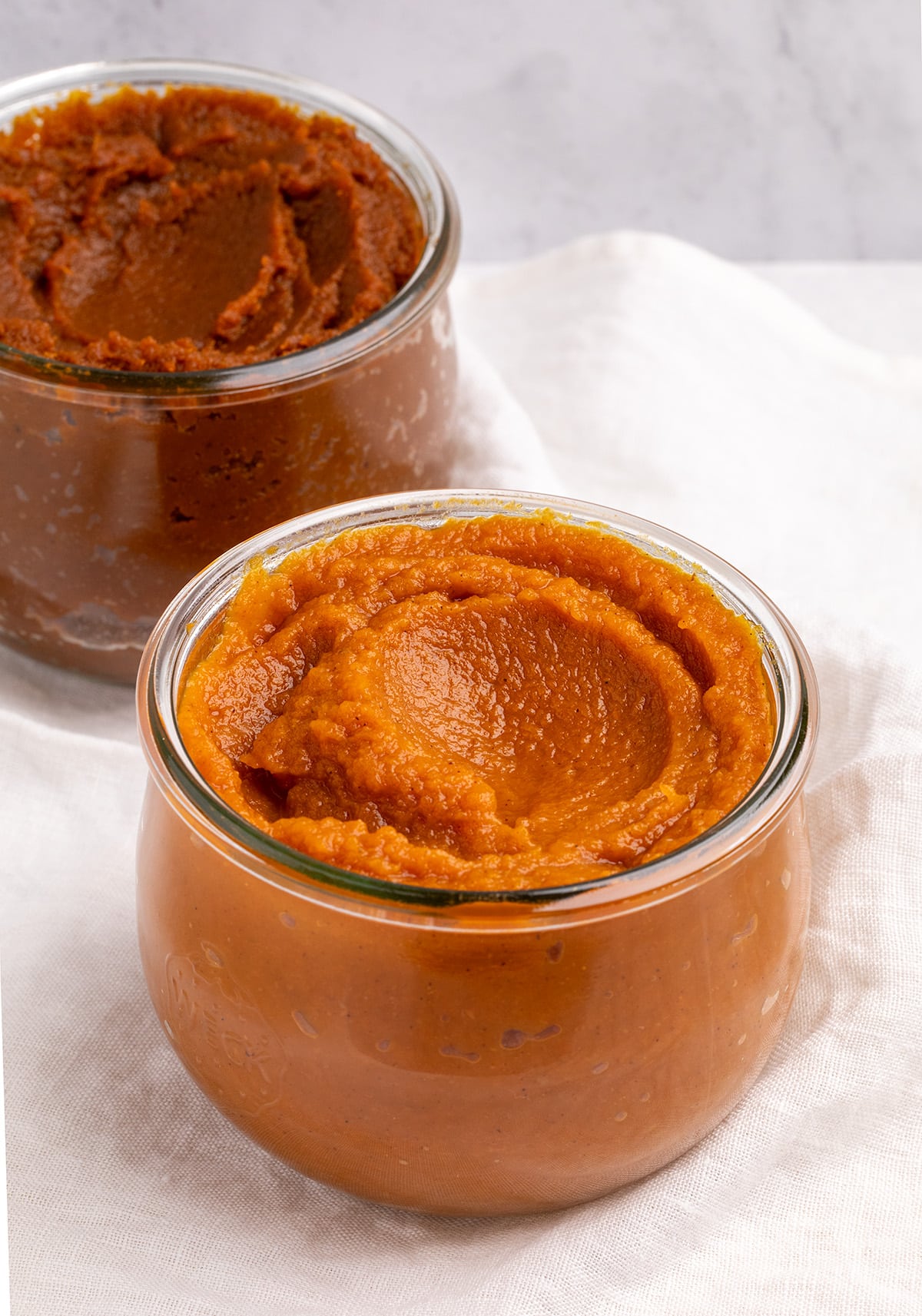
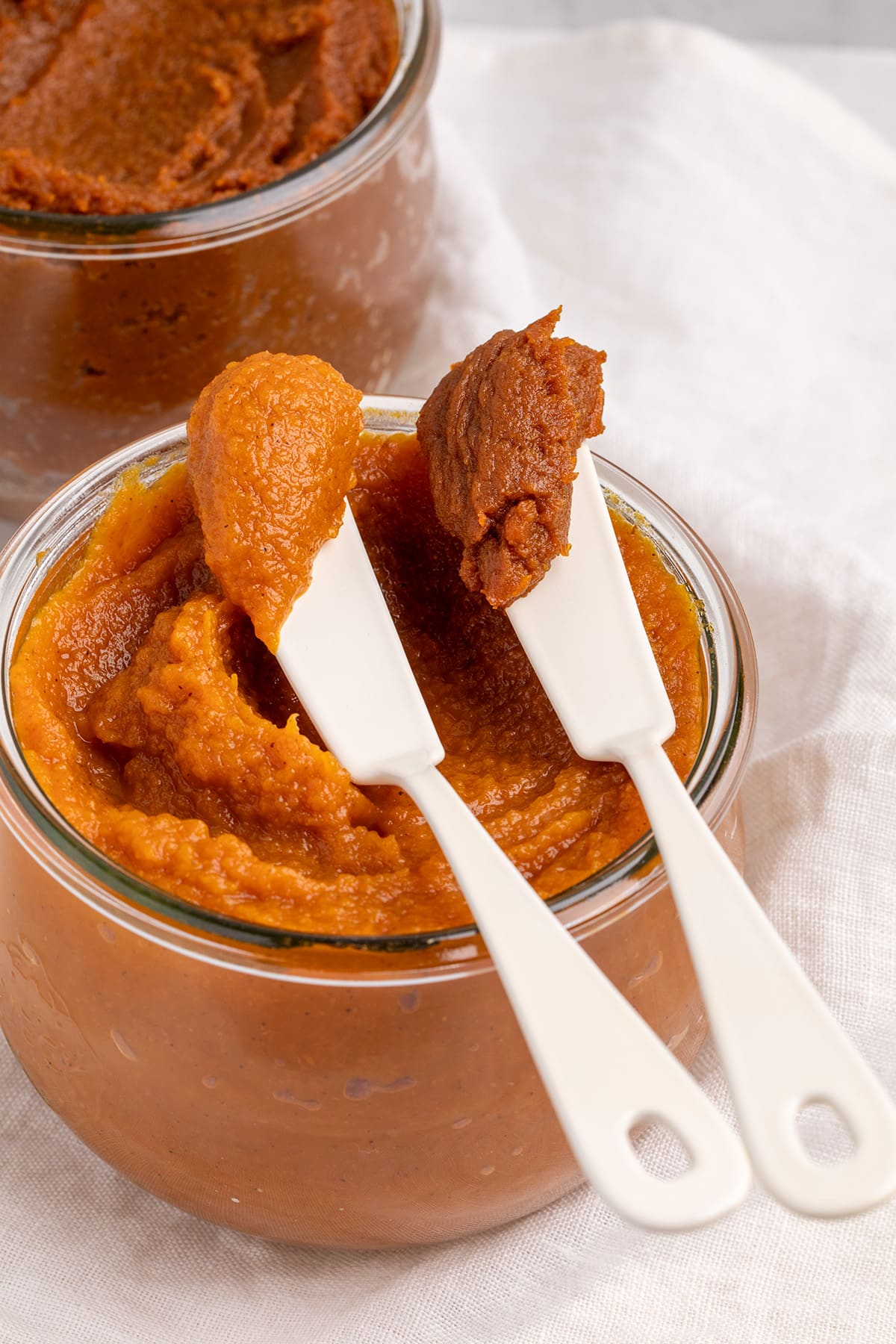
- The Refinement of the Reduction Technique: Culinary developers refined the pumpkin butter process by incorporating apple cider and maple syrup at the onset of cooking. This created a dual-stage method: stopping the simmer early yields a glossy, easily spreadable condiment, while extended cooking creates a dense, dark orange-brown paste optimized for structural baking applications.
- Contemporary Integration: Today, pumpkin butter is integrated into diverse gluten-free and traditional baking repertoires, serving as the foundational ingredient in specialty recipes ranging from spiced cornbread to glazed scones and breakfast cookies.
Supporting Data and Ingredient Mechanics
Achieving the ideal batch of pumpkin butter requires a precise understanding of ingredient ratios and chemical functions. Each component plays a vital role in the final flavor profile, texture, and structural integrity of the spread.
1. Pumpkin Puree (or Fresh Roasted Sugar Pumpkins)
The base of the recipe can originate from a standard can of packed pumpkin or from a freshly roasted sugar pumpkin.
- Canned Convenience: Most commercial canned "pumpkin" is actually a blend of firm winter squashes, such as Dickinson pumpkins, which provide an ideal starchy texture.
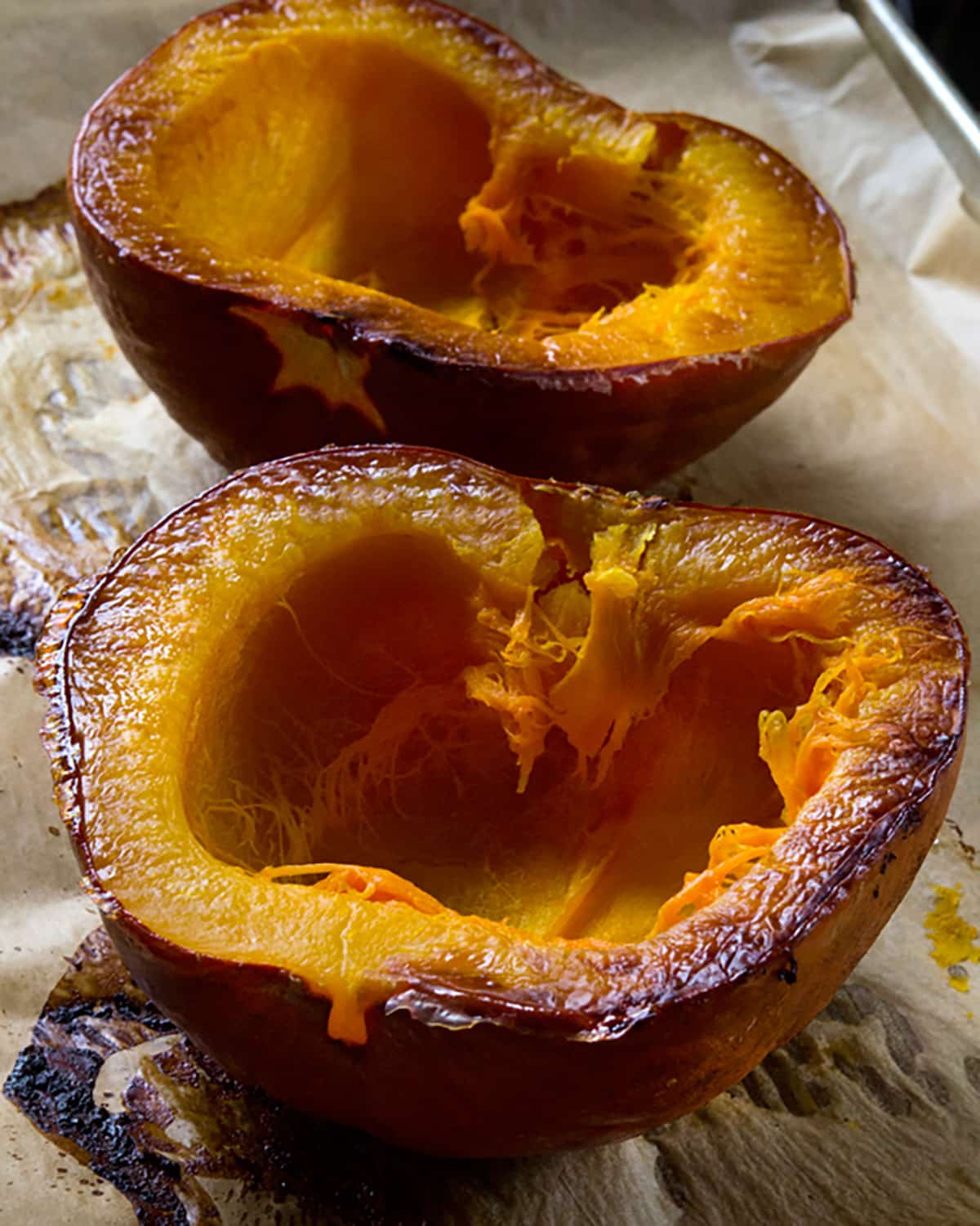
- Fresh Alternative: Small sugar pumpkins roasted cut-side down yield a sweet, fragrant flesh. Additionally, utilizing a whole pumpkin allows home cooks to salvage the seeds, which can be rinsed, dried, tossed in kosher salt, and toasted in a cast-iron skillet or oven at 300°F for a healthy, nutrient-dense snack.
- Substitutions: If authentic pumpkin is unavailable, starchy winter squashes like butternut squash or kabocha squash serve as excellent substitutes due to their similar density and natural sweetness. Acorn squash and spaghetti squash are generally discouraged due to insufficient flavor concentration or improper texture.
2. Sweeteners: Maple Syrup and Brown Sugar
Sweetness balances the natural earthiness of the squash and aids in the caramelization process.
- Maple Syrup: Added at the beginning of the cooking process, pure maple syrup introduces subtle woody notes and initial moisture. In a pinch, honey can be substituted (though at a slightly reduced volume, around 3 tablespoons per 1/4 cup, balanced with extra apple cider to account for honey’s higher viscosity). Granulated coconut palm sugar also functions well when paired with additional liquid.
- Brown Sugar: Introduced during the final 5 to 15 minutes of simmering, brown sugar provides molasses undertones and extra sweetness. Delaying its addition prevents premature burning, a common hazard when cooking sugary purees over direct heat.
3. Liquids: Apple Cider and Alternatives
Liquid serves as the medium for dissolving spices and initiating the initial simmer before evaporation takes over.
- Apple Cider or Apple Juice: The natural acids and fruit sugars in apple cider brighten the deep, heavy notes of the pumpkin and spices.
- Substitutions: For those avoiding apple products, pineapple juice introduces a pleasant, slightly sharper acidity that adds structural complexity to the butter. White grape juice offers a milder, sweeter alternative for individuals sensitive to tart citrus profiles.
4. Spices
The quintessential "pumpkin spice" blend relies on a precise balance of ground cinnamon, ginger, allspice, cloves, and nutmeg. Mixing these spices uniformly into the wet base prevents hot spots or concentrated pockets of bitterness during the reduction phase.
Step-by-Step Preparation Method
Mastering pumpkin butter requires patience, constant vigilance, and temperature management to avoid scorching the sugars.
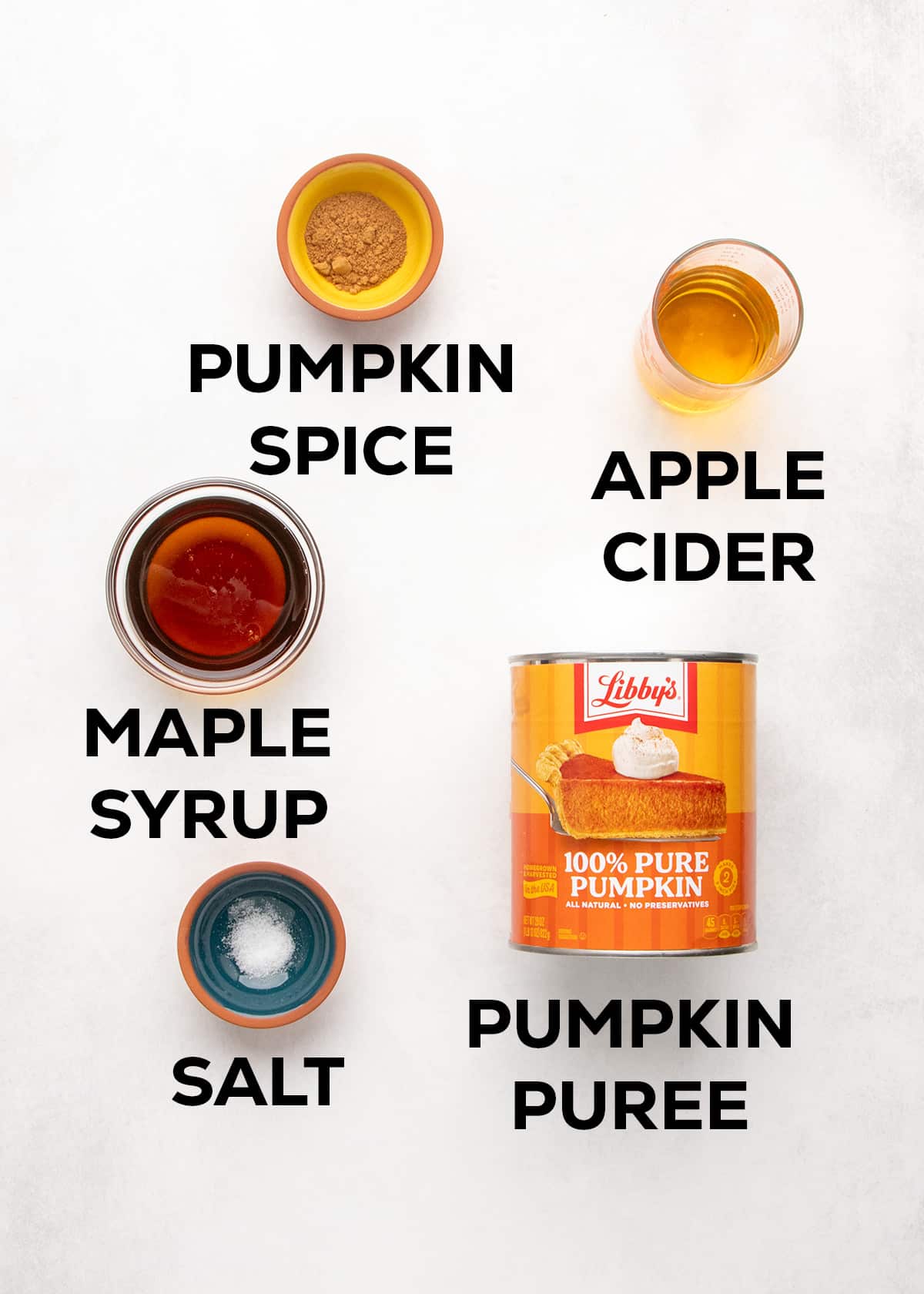
- Initial Mixing: Combine the pumpkin puree, maple syrup, apple cider (or juice), pumpkin spice, and a pinch of salt in a large, heavy-bottomed saucepan. Stir thoroughly to ensure even distribution of the spices and prevent bitter pockets.
- The First Reduction: Cook the mixture over medium-low heat, stirring frequently, for approximately 15 minutes. This initial phase cooks off roughly half of the target moisture and marries the foundational flavors. Using a sufficiently deep pot minimizes dangerous bubbling and splattering.
- Sugar Integration and Thickening: Stir in the optional brown sugar. Continue simmering for another 5 to 15 minutes, depending on the desired consistency. Maintain constant stirring and lower the heat if the mixture begins to sputter or stick to the bottom of the pan.
- Differentiating Textures for Use:
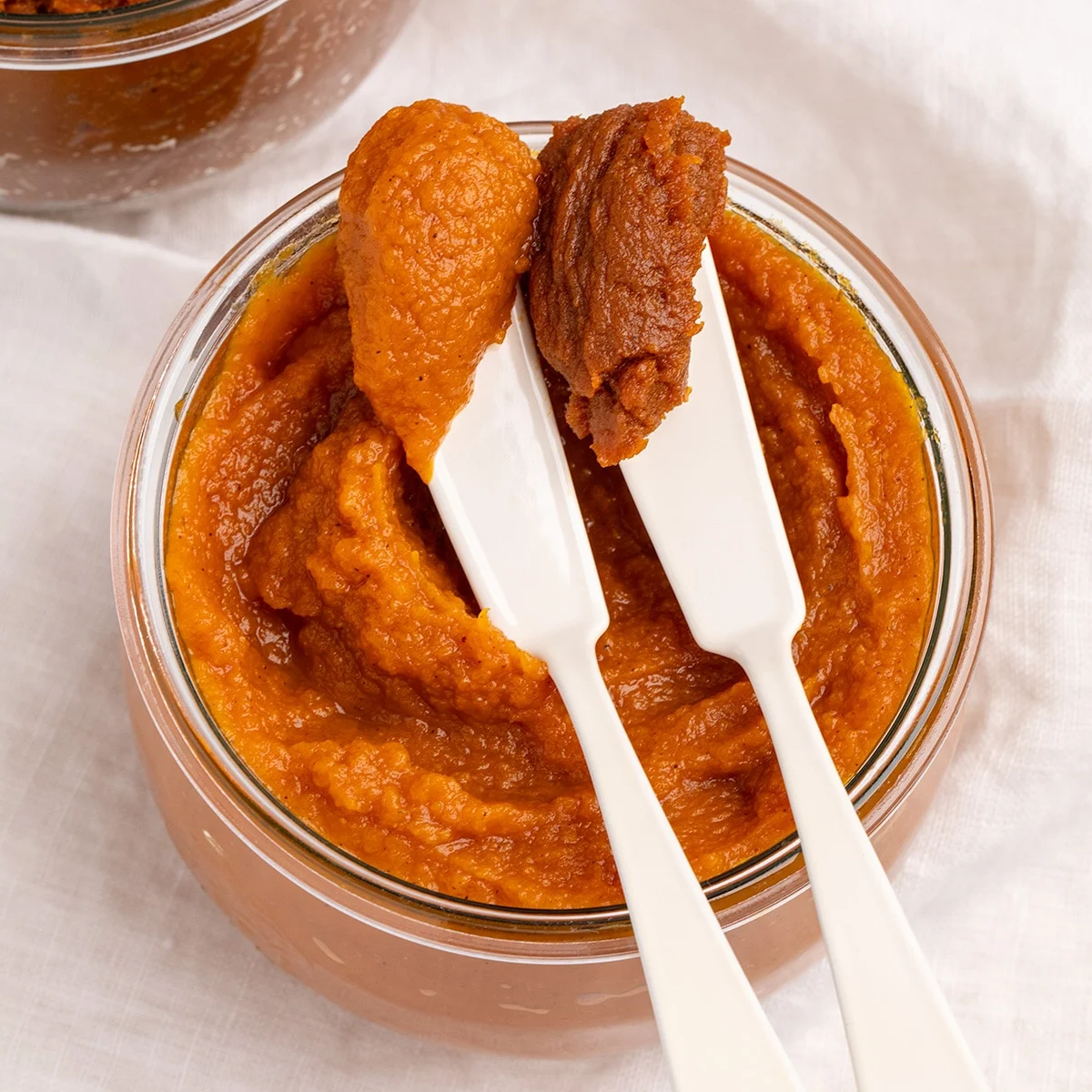
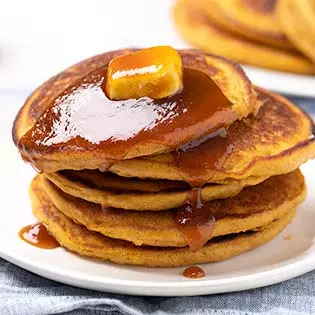
- For Condiment Use: Stop cooking when the mixture still retains a glossy sheen and a soft, spreadable consistency. If the result becomes overly concentrated, slowly whisk in a small amount of apple cider to restore balance.
- For Baking Use: Continue simmering until all visible moisture has evaporated and the paste darkens into a deep orange-brown hue. This dense concentration prevents baked goods from becoming overly soggy.
Implications for Modern Baking and Culinary Safety
The integration of pumpkin butter into baking workflows carries significant implications for texture and food safety.
Enhancing Baked Goods Without Compromising Structure
Traditional baking formulas that rely on liquid pumpkin puree frequently suffer from excess moisture. By substituting standard puree with concentrated pumpkin butter, bakers can dramatically elevate the intensity of the spice and squash flavor without altering the hydration ratios of recipes. As demonstrated in gluten-free baking applications, pumpkin butter imparts superior texture to:
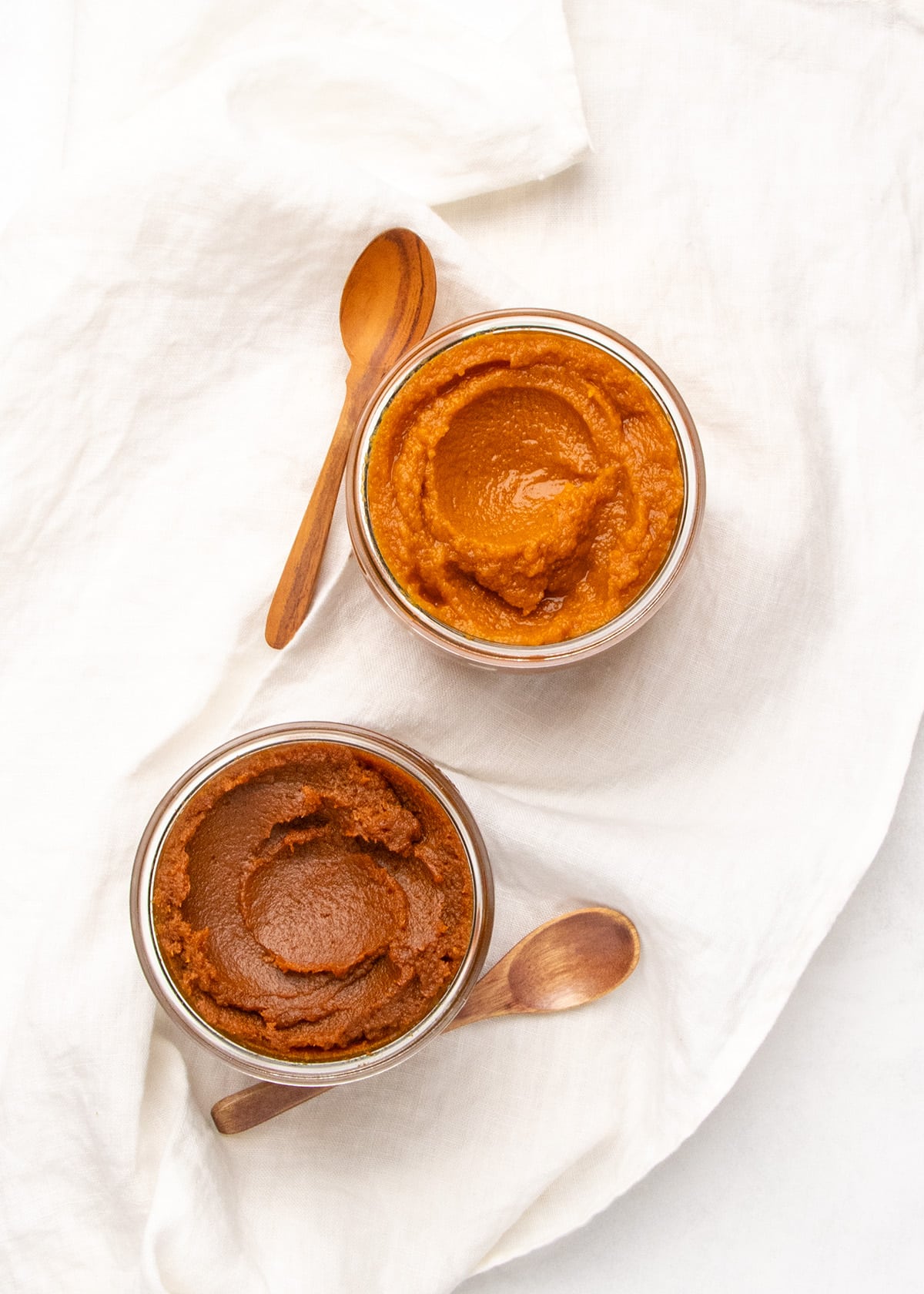
- Pancakes: Delivering hearty, robust flavor while maintaining interior fluffiness.
- Scones: Providing a crumbly, tender pastry texture that rivals commercial coffeehouse offerings.
- Cinnamon Rolls: Infusing rich seasonal flavor into soft, pillowy yeast or yeast-free doughs.
- Cookies and Blondies: Offering the dense, chewy bite characteristic of traditional baked squares without excess cake-like puffiness.
Storage Protocols and the Canning Warning
Because homemade pumpkin butter features a relatively low acid level combined with natural starches and sugars, it cannot be safely processed using home water-bath canning methods. According to food safety authorities and agricultural extension guidelines, home-canned pumpkin products present significant botulism risks due to their density and low acidity.
Instead, culinary experts recommend proper short-term and long-term storage solutions:
- Refrigerator Storage: Stored in an airtight glass container, homemade pumpkin butter will remain fresh for up to two weeks.
- Freezer Preservation: For extended storage, freeze the butter in silicone ice cube trays, then transfer the frozen cubes into a sealed, freezer-safe bag. This method allows home bakers to thaw precise portions as needed throughout the year.
For consumers seeking commercial options during the off-season, brands such as Trader Joe’s, Green Jay Gourmet, and Stonewall Kitchen offer commercially prepared jarred varieties, ensuring that the rich traditions of autumn baking remain accessible year-round.